“You Cannot Lose a Diamond”
The masthead turns inward: Su Deep Si Nha, President & Chairman of the house, on the fifteen-carat yellow cushion that cost him a night's sleep, why a diamond can never truly be lost, and what a client means when they buy for a granddaughter not yet born.
Every masthead should be made to answer its own questions. For this Conversation, the Journal sat down with the man the desks answer to — Su Deep Si Nha, President & Chairman of the house — and asked him the questions we intend to ask every cutter, curator and collector who sits in this chair. His answers have been edited for length; the convictions arrived fully formed.
The Journal: What is the first diamond you remember actually holding — not seeing, holding?
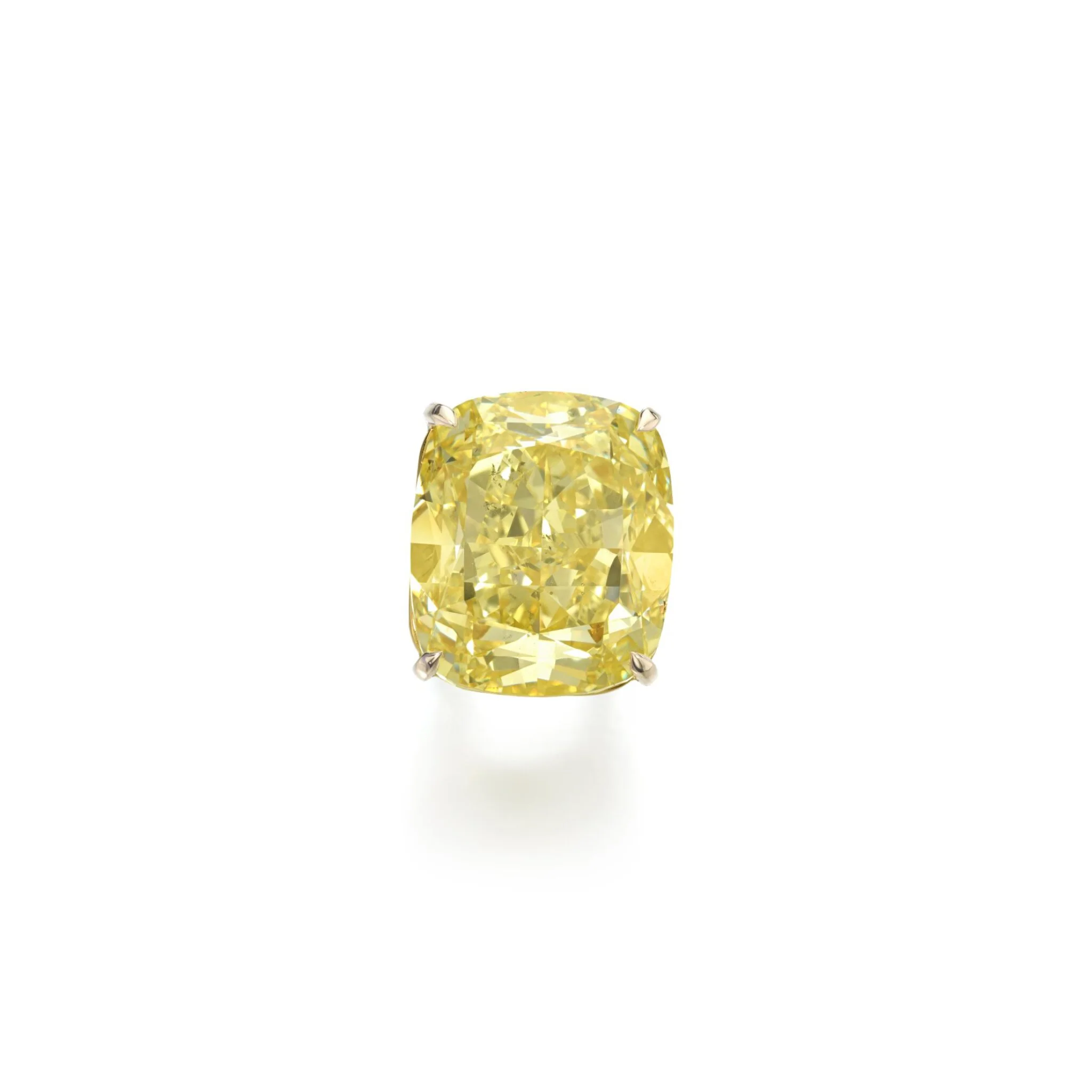
A fancy yellow cushion. Fifteen carats and more — a massive stone. I was very young, and it fascinated me completely: the colour was so deep, and the fire it had was spectacular. That night I could not sleep. I could still feel the flashes of it. I remember taking a book and trying to sketch the diamond, trying to colour it — every deep yellow I had. I could not come close to what the real diamond was. That experience changed my life entirely. I knew from that day I would spend it on jewellery — creating significant pieces with diamonds of high character. Big stones, rare stones. I love them.
Where does the name come from? When did you decide inheritance was the business you were in?
The truth is that legacy was taught to me by our customers. I watched pieces pass from mother to daughter, again and again, and I understood something: a diamond does not only appreciate in value. When spectacular jewellery is made of it, it appreciates in emotional value — and it is that value that rises until the holder cannot imagine doing anything with the piece except passing it to the next generation. That is the business we are in.
What does a stone have to prove before it earns a place in the vault?
Behind every stone is the full apparatus — the technical process, the latest machinery, and a great many human hands checking every parameter, every time. But the qualifying question is the one in the name. A diamond enters the vault only if it holds the potential to pass on for generations. If it cannot carry that weight, it does not carry our name.
Every dealer has a stone they still think about — the one that got away. What was yours?
I will tell you honestly: you cannot lose a diamond. The diamond stays forever. Someone buys it from you, someone sells it on, and the chain continues — a natural diamond only appreciates, and it travels through generations from the moment it comes out of the earth. You never lose it. You sell it to someone, or you pass it to someone, and it can always come back if the owner decides the time is right to let it go. I have never felt I lost something. The diamond is simply travelling.
You cannot lose a diamond. You sell it, or you pass it on — and the chain continues. The diamond is simply travelling.
The house insists on independent certification for everything. Why does a house built on trust lean so hard on paper?
Because the paper is the DNA of the diamond — it tells you everything. Every stone here carries independent third-party certification, GIA-grade. But alongside it we issue the house’s own dossier on the same stone, and I know of no other house that pairs the two. Trust should never rest on words alone. When a piece is going to travel across generations, the transparency has to be proven on paper as well — twice.
The Journal’s market desk writes about the five-to-ten-carat ‘quiet corridor.’ Is that the American buyer’s temperament now?
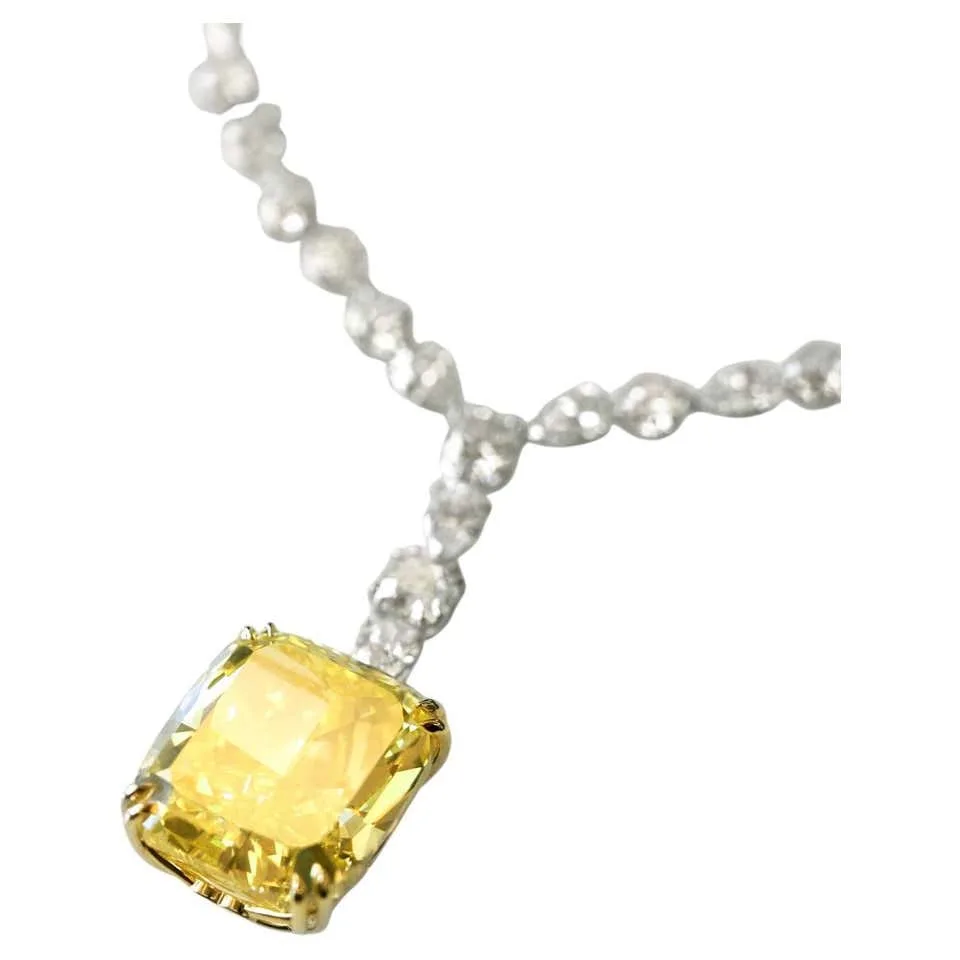
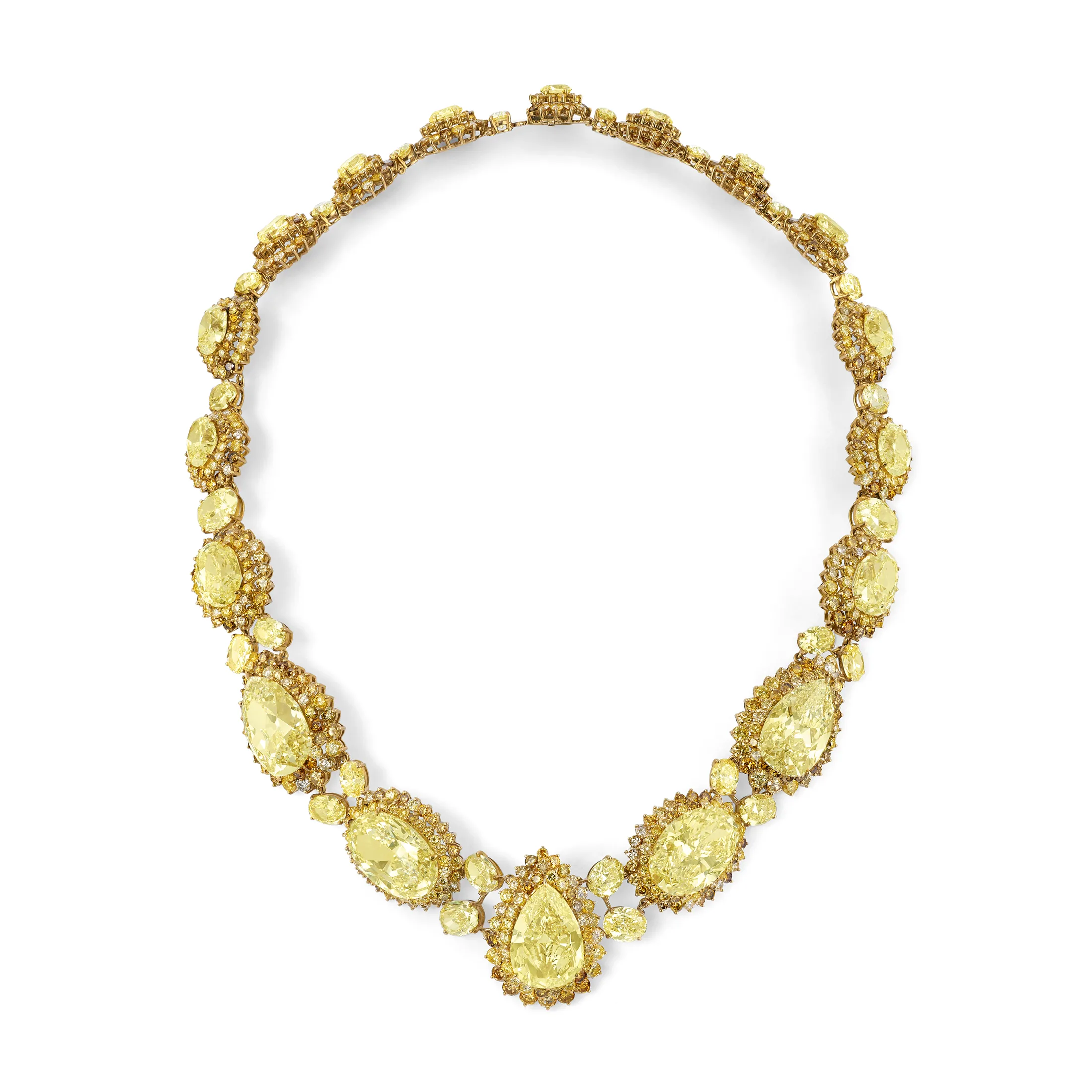
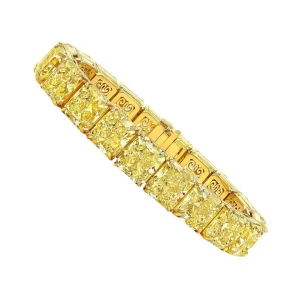
Five to ten carats is the new normal — that is true. But the serious American buyer does not stop at one diamond. They like massive, rare things, and the demand is extremely specific: a forty-carat fancy vivid yellow bracelet; a hundred-carat necklace built with twenty-carat ear drops to match; three rings in different shapes to complete it. The American buyer thinks in compositions, not in single stones. They are early — ahead of everyone.
The house shows one real price in public and negotiates in private. Most of the industry does the opposite. Why refuse it?
Because our pricing must be the most transparent thing about us. We believe in dealing with the customer in the most righteous way — that has been the tradition always, and holding to it is what makes us Legacy. There is one price, and it is real. The Negotiation Room exists so the client has a private space to tell us what is on their mind — we like to listen, and we like the customer to be happy, always. And there is one more thing it protects: the diamond must go to the right hands.
The most famous ring in the world right now is a hand-cut stone from another century. What does a hand-cut diamond know that a machine-cut stone doesn’t?
Technology can analyse a diamond on every parameter — and technology is emotionless. The hands are not. A rare diamond is analysed not only in terms of value but in terms of emotion, and at some point every rare diamond passes through hands, because the stone is crafted with the jewellery it will become already in mind. The cut and the piece are imagined together. A machine cannot do that. It has to go hand in hand — literally.
The house now has deep ties to Japan. What does a diamond house owe a client it may never meet in person?
Japan is very special to this house. Jewellery there is loved with a seriousness you find almost nowhere else, and we craft for Japanese taste specifically. What do we owe a client we have not met? Everything we owe a client standing in front of us. Every piece travels fully insured — we carry the insurance until the moment the customer receives it. For Japan, our jewellery arrives duty-free, and we speak with clients in the channels they actually live in, including LINE. The whole process, from the making of the piece to its shipping, is transparent, and the client is involved at every step. We are one message away, anywhere on earth.
A client asks you what to buy for a granddaughter not yet born. What do you tell them?
That story is real — customers do come to buy for a granddaughter who is not yet born. And it is the same story as the diamond itself: something below the earth, yet to be found. So we do what the earth does — we imagine it, and then we create it. We hold those emotions for a long time and craft the complete story into the piece, so that it resonates with what the client always imagined. The value of such a piece is not in money. It is in the emotion and the labour that were put into something built to carry for generations. That is the moment a customer stops buying jewellery and starts building a legacy.
Finally — why does a diamond house publish a magazine?
Because LEGACY is not a journal and not a magazine. It is the epitome of what somebody creates. When a story is published in LEGACY, it is a landmark in a lifetime — they made it here; they built something. Think of the diamond: it works underground for many, many years, without any limelight, until the magic happens and it comes out. Being published here is the same. The stone has to earn the light.
Finish the sentence: a diamond is worth owning when—
—when you have made it. When you have built a legacy — or when you aspire to build your own.
A diamond is worth owning when you have built a legacy — or when you aspire to build your own.
Conversations continues — a voice from outside the house sits next in the chair. Candidates may write to press@legacydiamondsandgemstones.com. The Chairman’s first colour — the deep yellows — holds court in the vault, and the Journal’s declaration on where that colour is heading is the Golden Hour.
The Stones in This Story
From the Legacy vault — each one-of-a-kind, independently certified.
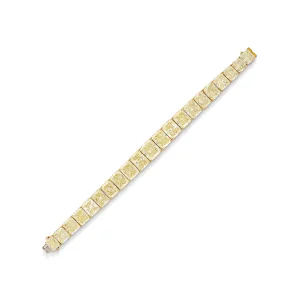
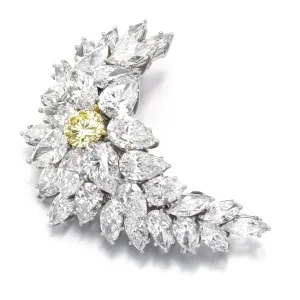
Our atelier sources rare stones privately — tell us the cut, the colour and the moment.
The LEGACY List
One letter a week — the stones, the stories, the numbers that matter. Discretion is the house rule.