Certification & Grading · The House Guides
Buying High-Value Diamonds Online: How Serious Buyers Do It Safely
A practical guide to buying high-value diamonds online: the certification, live-viewing, provenance and logistics checks serious buyers run before committing six or seven figures.
Yes, it is safe to buy a high-value diamond online, provided the seller can support four things: independent laboratory certification, a live viewing before purchase, insured door-to-door logistics, and clear title and provenance on the stone. Transactions at this level move online routinely today, but only through sellers who can substantiate all four elements without being asked twice.
Certification: the non-negotiable starting point
Every serious high-value diamond should carry a report from a recognized independent laboratory. GIA, IGI or HRD are the standard references trusted across the trade. The report should be checked against the laboratory’s own online verification tool using the report number, which confirms the certificate matches a stone actually on file rather than a fabricated or copied document. A buyer should be able to request the choice of laboratory rather than accept whichever report the seller happens to offer. A house confident in its stones will let the client select or commission the certifying lab rather than steering them toward one in particular.
Beyond the 4Cs, a proper report will state treatment status explicitly, noting whether a diamond is untreated, or has been clarity-enhanced, laser-drilled, or HPHT treated. At the values this guide concerns, treated stones are not disqualifying, but they must be priced and disclosed accordingly. Any seller who is vague about treatment on a six-figure stone should be treated as a hard stop, not a maybe to follow up on later.
Live viewing: seeing the actual stone before you commit
Photography and video of loose diamonds are notoriously easy to flatter. Lighting, filters and macro lenses can make a mediocre stone look exceptional on a screen. The safeguard is a live video viewing, conducted in real time with the actual physical stone in front of a specialist who can rotate it, show it under different lighting, and answer questions as they arise, rather than a pre-recorded clip. For buyers able to travel, an in-person private viewing remains the gold standard, but live video has become a fully credible substitute for the international clientele who make up most of the market at this level.
What to ask for during a live viewing: the stone shown against a neutral background and under both warm and daylight-equivalent lighting, the certificate report number stated on camera and matched to the physical stone, and, where relevant, a side-by-side comparison with a reference stone of known grade. A seller unwilling to provide this, or who insists a sale must close before any live viewing can be arranged, is signalling something worth taking seriously.

Provenance and title: confirming what you are actually buying
Provenance at this level means two distinct things. The first is confirmation that the diamond is conflict-free and ethically sourced, typically evidenced through Kimberley Process documentation and the seller’s own sourcing statement. The second is confirmation that the seller holds clear title to sell the stone, free of liens or disputed ownership. For diamonds with a notable history, such as estate pieces, stones with a prior high-profile sale, or historic cuts, documented provenance also directly supports value, and a reputable house will be able to lay out what is and is not known about a stone’s history rather than implying more than can be substantiated.
What serious buyers treat as a hard stop
Payment terms and warning signs sit close together in practice, since the same trade instincts that flag a bad price structure usually flag a bad seller. Across the market, a consistent set of warning signs applies regardless of where a listing appears. No independent certificate, or a certificate that cannot be verified against the issuing laboratory’s database, is one. Refusal or repeated delay in arranging a live viewing of the actual stone is another. So is pressure to complete payment before due diligence is finished, vagueness about treatment status, and no clear answer on how the stone will be insured and shipped. None of these require special expertise to check. They require simply asking the questions and waiting for complete answers before moving forward. A seller with nothing to hide will generally welcome the scrutiny, since it is exactly the kind of diligence that protects a legitimate transaction from later disputes over what was represented at the time of sale.
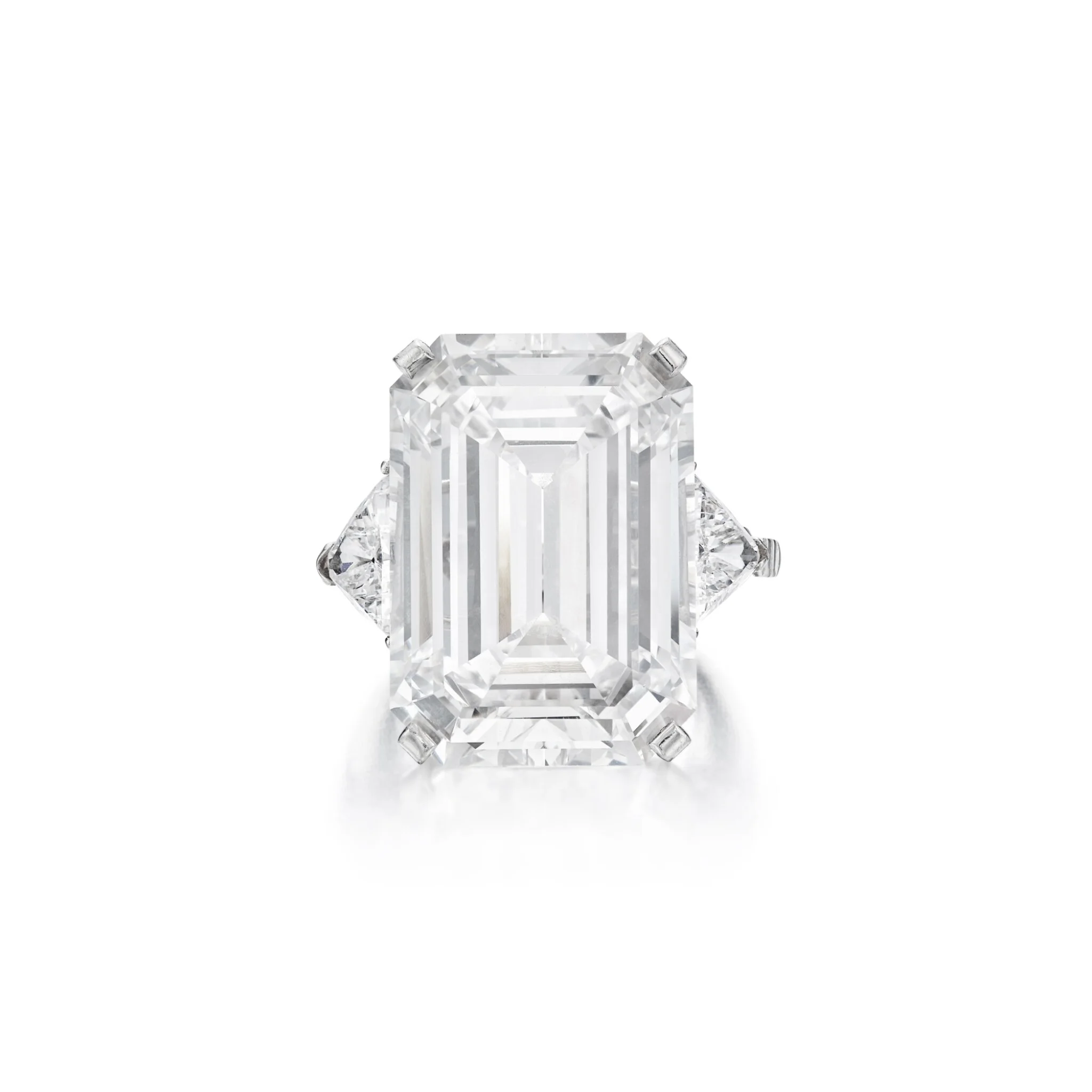
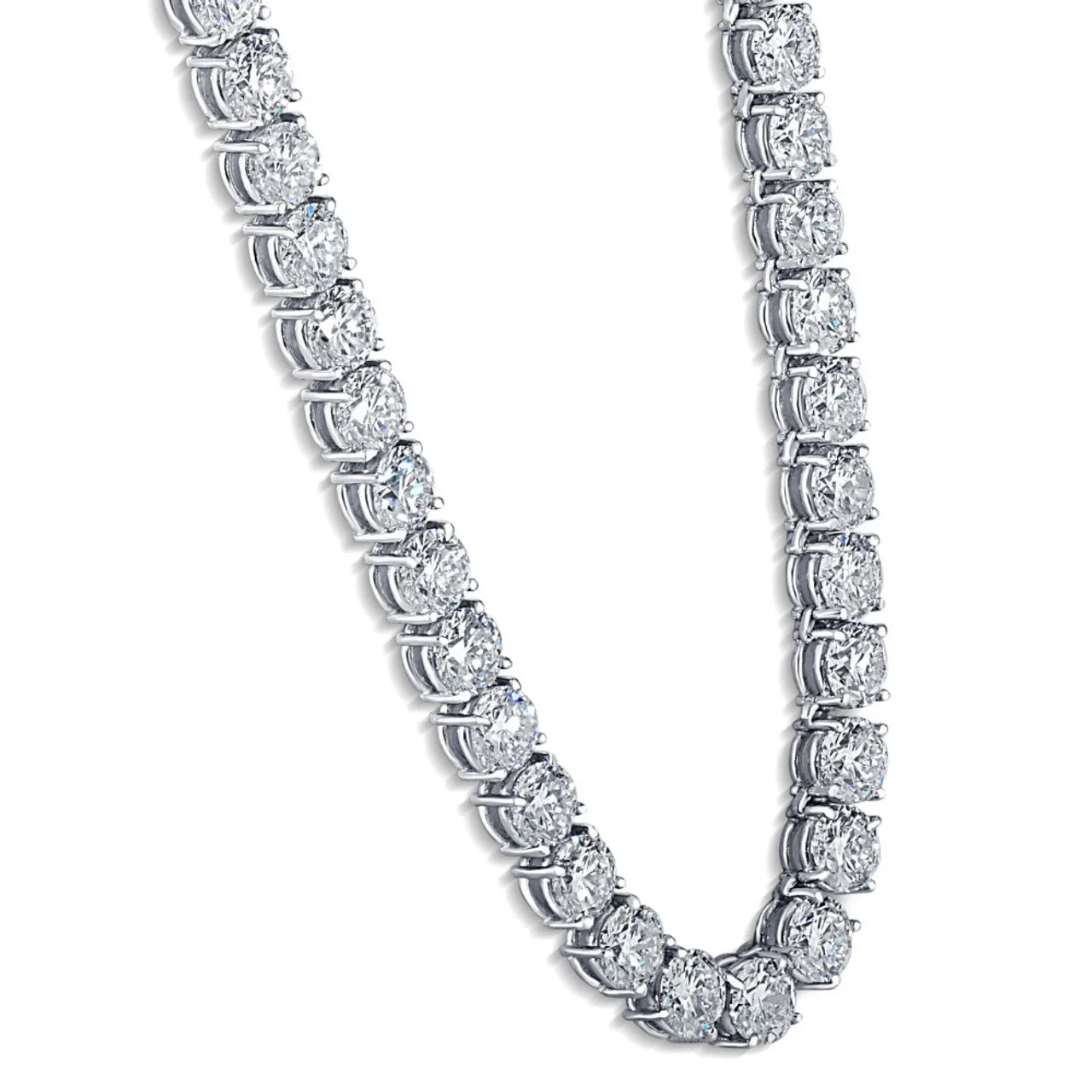
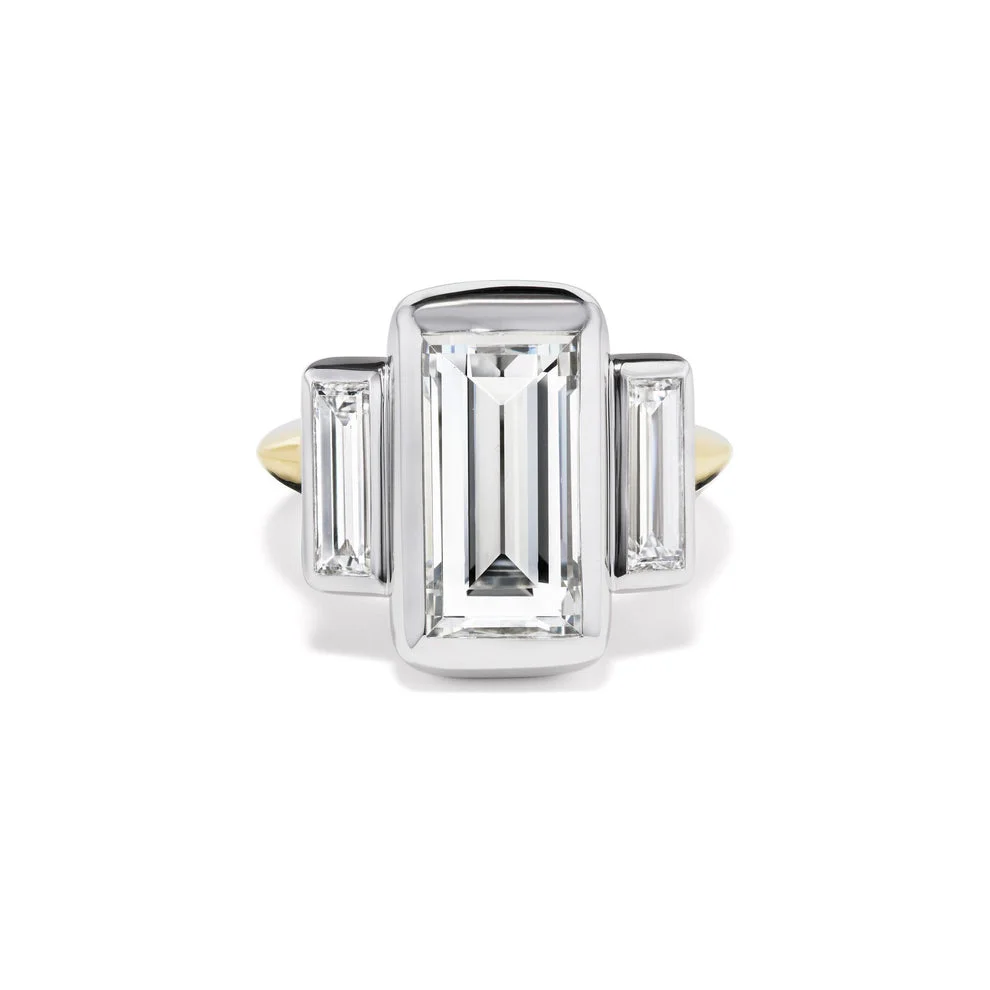
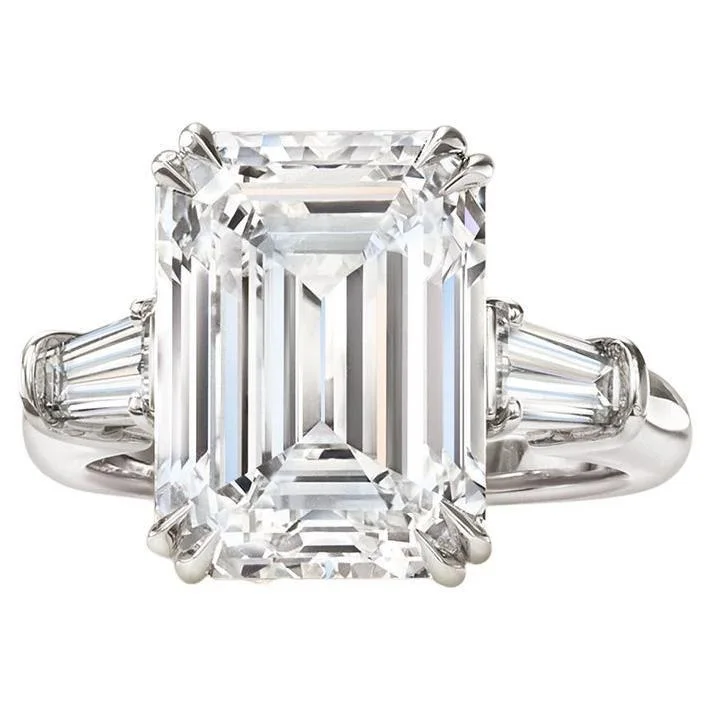
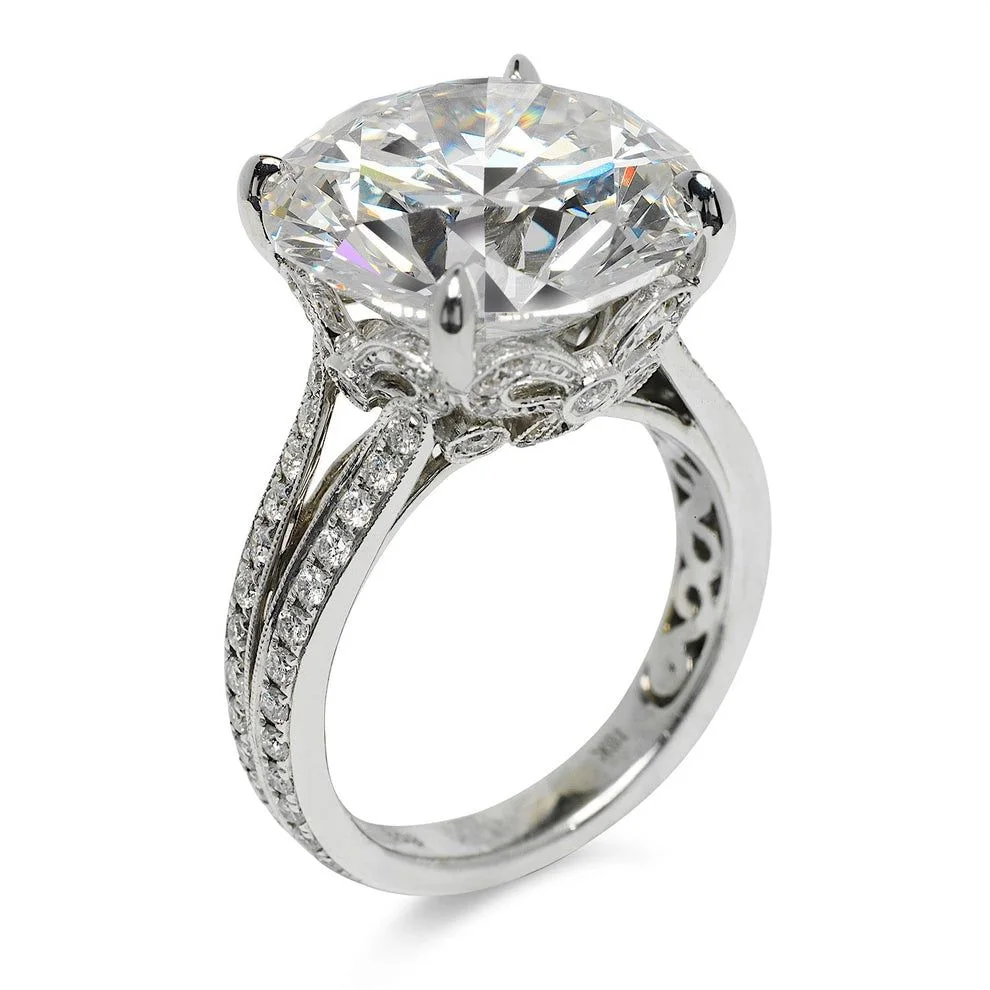
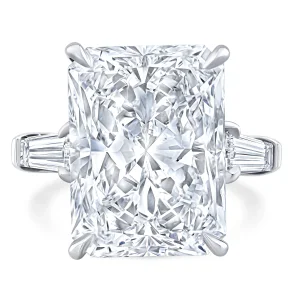
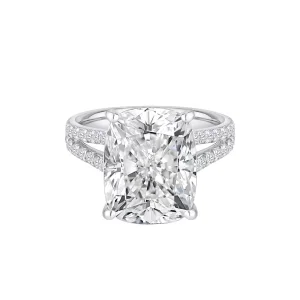
Legacy’s own examples show what full documentation looks like in practice at this tier. A 10 carat radiant statement diamond ring at the same price point, and a 10 carat cushion statement diamond ring in VVS clarity, illustrate how clarity grade shifts price within an otherwise similar carat and color band. This is precisely the kind of detail a proper certificate and live viewing should make plain before any commitment is made.
Questions collectors ask
Is it actually safe to buy a diamond at high value without seeing it in person?
Yes, provided the purchase includes a verified independent certificate and a live video viewing of the actual physical stone, not photographs or pre-recorded footage. International collectors buy at this level routinely through exactly this combination, reserving in-person viewing for cases where travel is convenient rather than treating it as mandatory.
How do I verify a diamond certificate is genuine?
Take the report number from the certificate and check it directly on the issuing laboratory’s own website. GIA, IGI and HRD all offer free online report verification. If the details returned do not match the stone or certificate in front of you, that is a definitive stop, not a detail to overlook.
What insurance should be in place during shipping?
Delivery should be handled by a specialist high-value carrier such as Brink’s, with insurance coverage matched to the full purchase price and door-to-door tracking with signature confirmation at both ends. Standard postal or courier insurance limits are typically far below what a high-value stone requires.
Should I be able to negotiate the price on a high-value diamond?
Reputable houses list one real, public price per piece, but many will allow a client to privately suggest a price through a proper consultation process. Be cautious of listings built around inflated strikethrough prices and constant discounting, which is a different and less trustworthy structure than a single honest price with room for private negotiation.
Every diamond in Legacy’s collection is independently certified by GIA, IGI or HRD, with the laboratory arranged on request. Viewings are available privately, in person or by live video, and every piece ships via Brink’s-insured delivery worldwide. Legacy has operated on this basis since 1952. Explore current inventory within Legacy’s rings and high-carat statement diamond rings collections, and for a closer look at certification itself, see Legacy’s GIA, IGI and HRD certification guide and its guide to how to invest in diamonds. For guidance before committing to a specific stone, book a private consultation.
The Pieces in This GuideThe Vault →
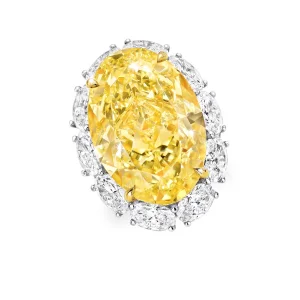
From the Legacy vault — each one-of-a-kind, independently certified.
A private advisor answers on the figures in this guide — and places any piece from the vault within them, certificate first.
More from Certification & GradingAll Guides →
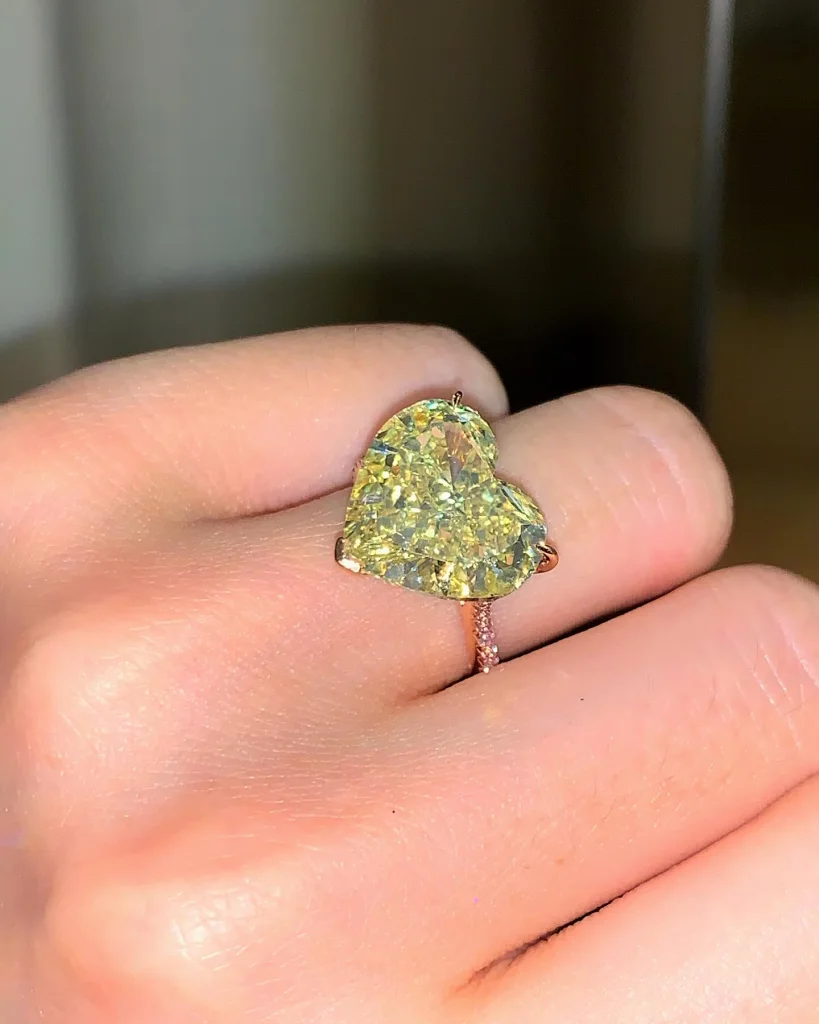 GIA vs IGI vs HRD: The Diamond Certification Guide Every Serious Buyer NeedsCERTIFICATION & GRADING · AUG 21, 2026
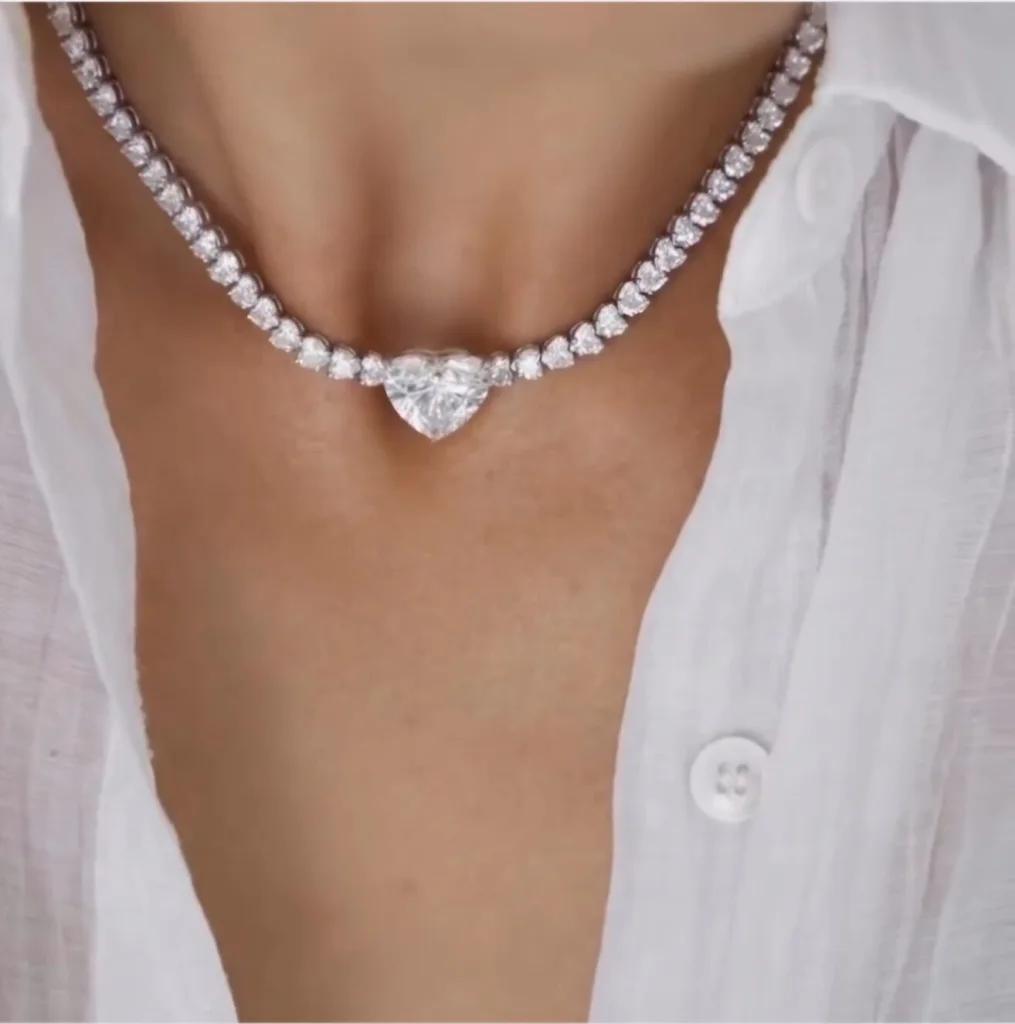 Diamond Necklace Price Guide: 50 to 100 CaratsCERTIFICATION & GRADING · AUG 31, 2026
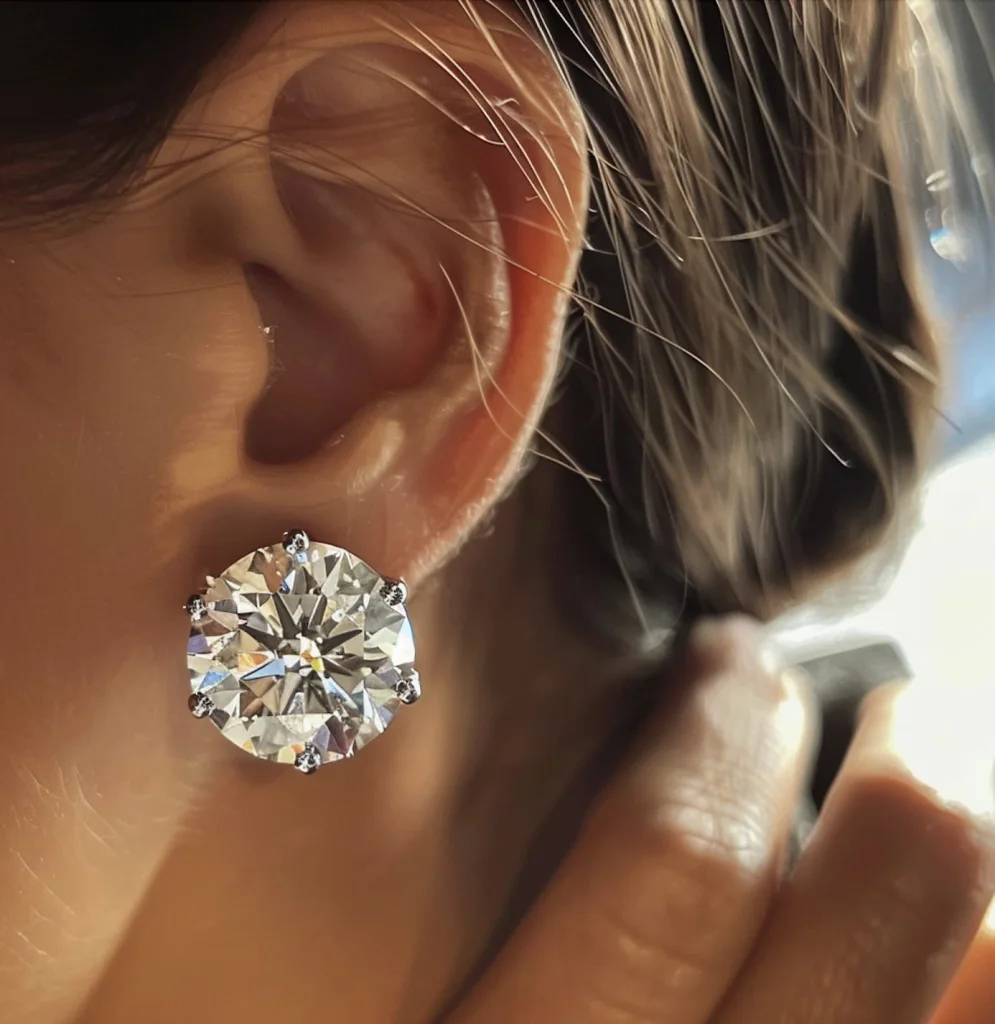 Diamond Earrings Price Guide: Studs, Drops, What They CostCERTIFICATION & GRADING · AUG 31, 2026
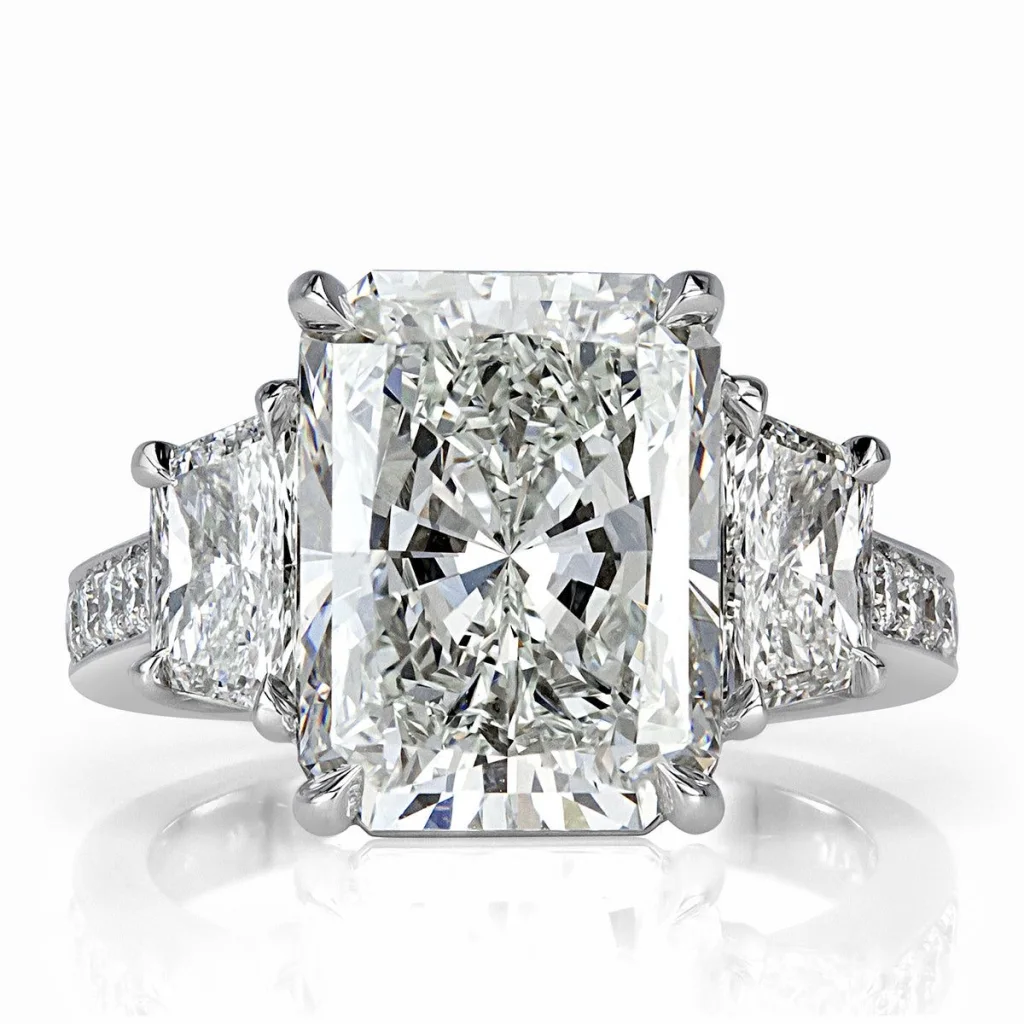 15+ Carat Diamond Price Guide: What It Actually CostsCERTIFICATION & GRADING · AUG 31, 2026
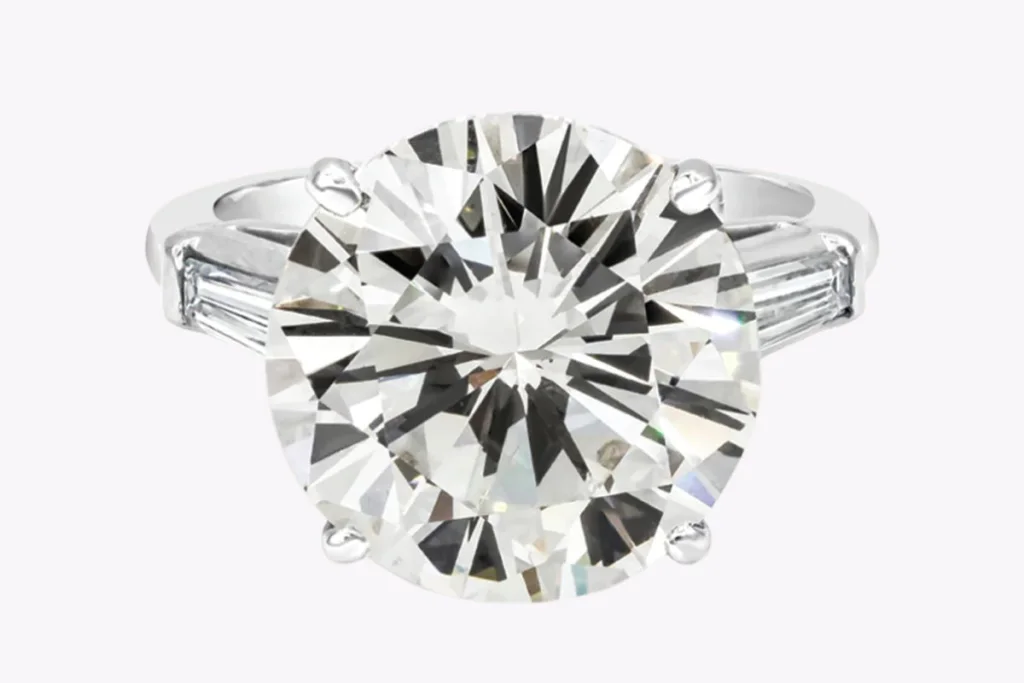 10 Carat Diamond Ring Price Guide: What It Actually CostsCERTIFICATION & GRADING · AUG 31, 2026
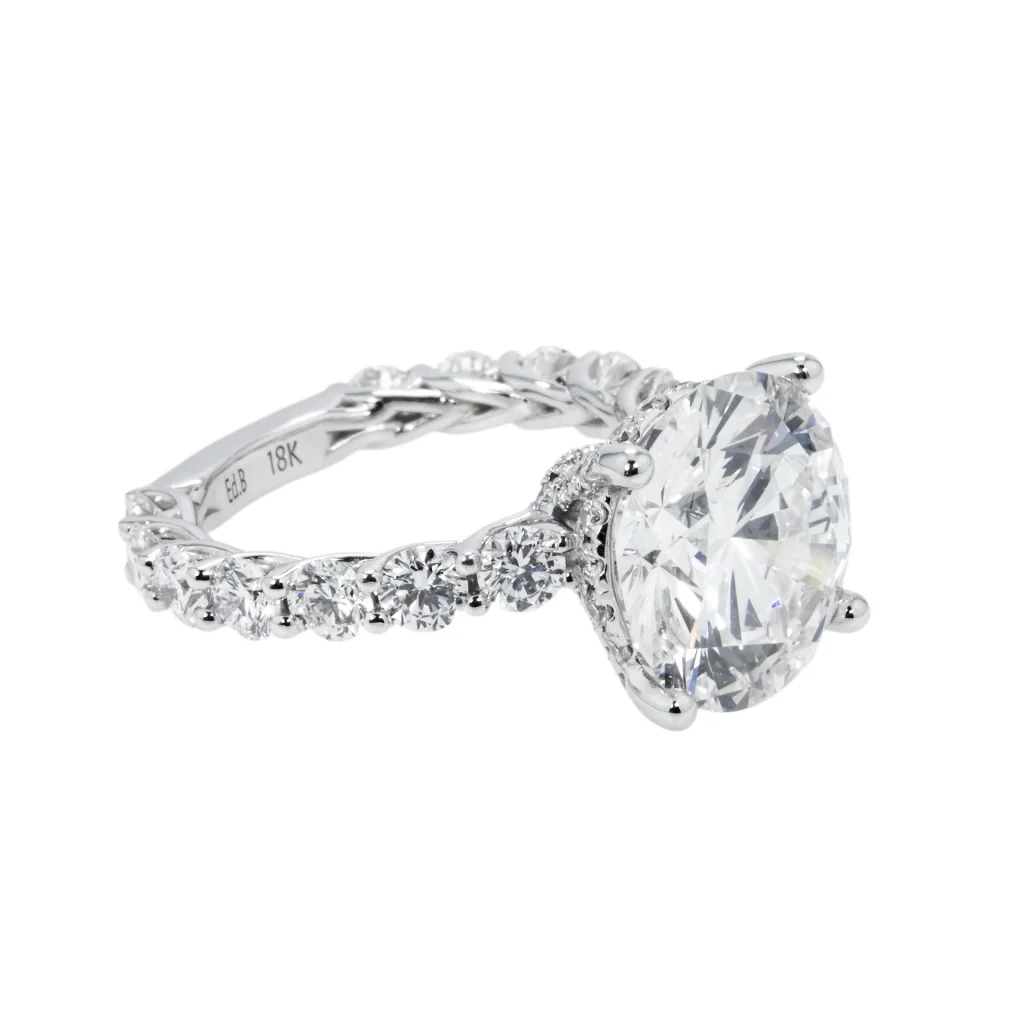 9 Carat Diamond Ring Price Guide: What It Actually CostsCERTIFICATION & GRADING · AUG 31, 2026
The Vault, Continued
Every piece one-of-a-kind, every price published. Keep scrolling — the vault does not end here.