The Fifth C: Provenance
Cut, colour, clarity, carat — the four Cs describe a stone the day it is graded. There is a fifth that grows only with time, and it is the one that turns a diamond into an heirloom: where it has been, and whose story it has carried.
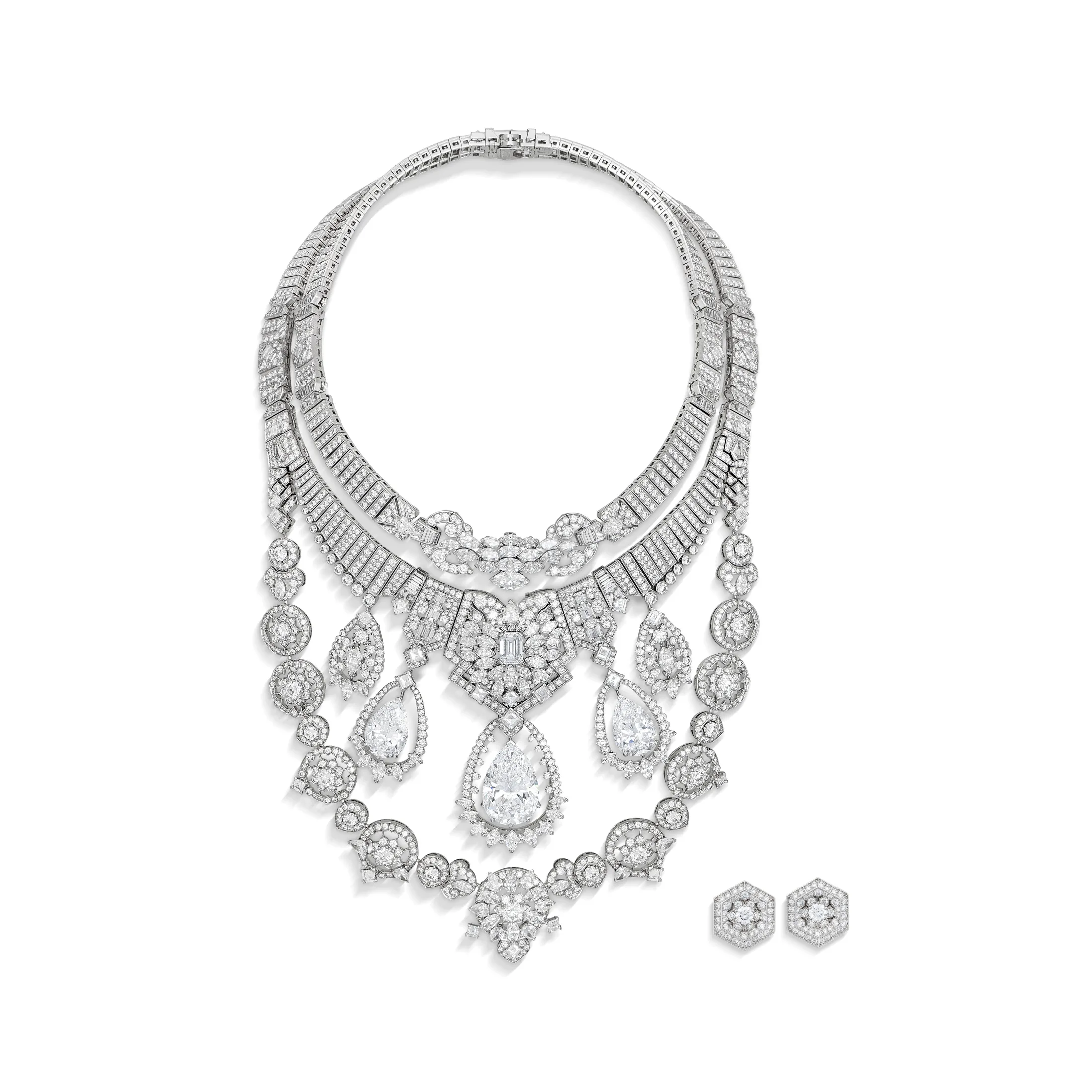
The four Cs are a snapshot — they describe a diamond in the instant a laboratory measures it, and they never change. But a great stone is not a snapshot; it is a life. The quality that the grading report cannot capture is the one that decides, more than any other, whether a diamond becomes an object that is merely owned or one that is inherited. Call it the fifth C: provenance — the history a stone accumulates, and the desire that history creates.
Why history has weight
A diamond does not wear out, does not fade, does not spend itself. Everything that happens to it, therefore, stays with it. A stone that has crowned a significant collection, marked a dynasty, or simply passed with love through three generations of one family carries all of that into its next chapter — not as a mark, but as a gravity. Two diamonds can be identical on paper and worlds apart in the room, because one of them has a story and the other does not yet.
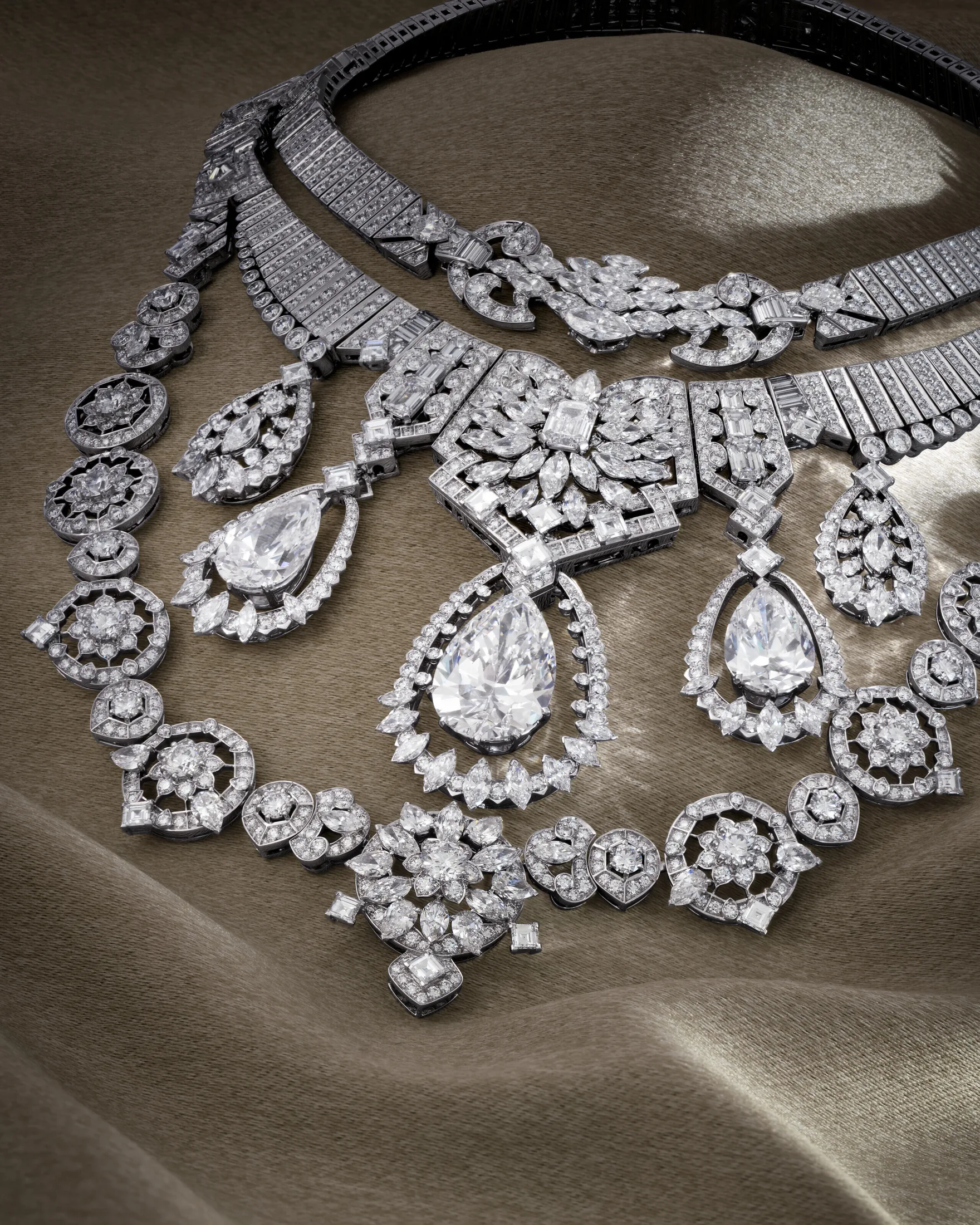
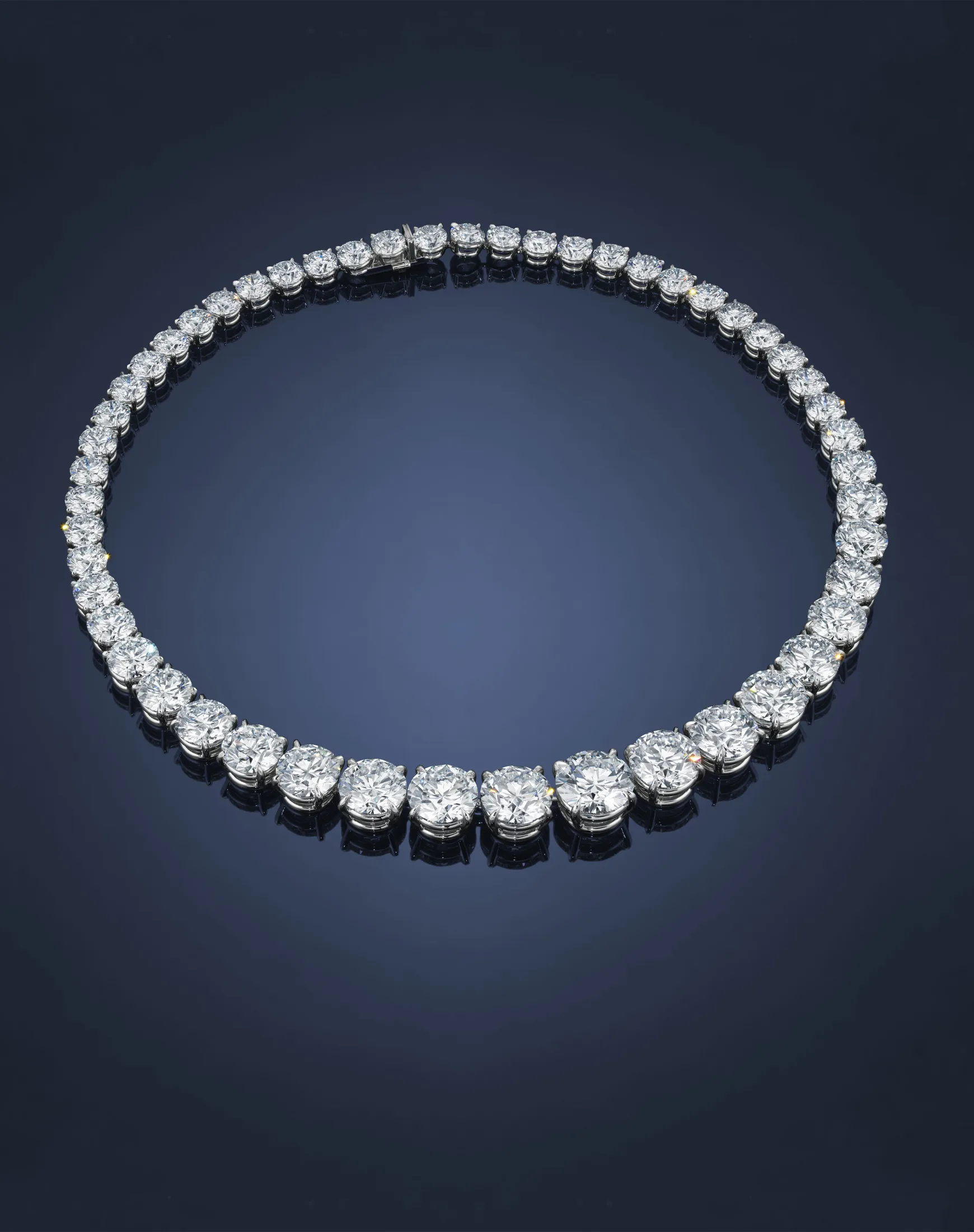
The court necklaces of the old world understood this instinctively. They were built not only to dazzle but to descend — engineered to be handed on, reconfigured, and worn again by a granddaughter who would add her own chapter. Our Archive desk took one apart in Anatomy of a Maharaja Necklace; what makes such a piece priceless is not the carat count but the century.
Provenance you inherit, and provenance you begin
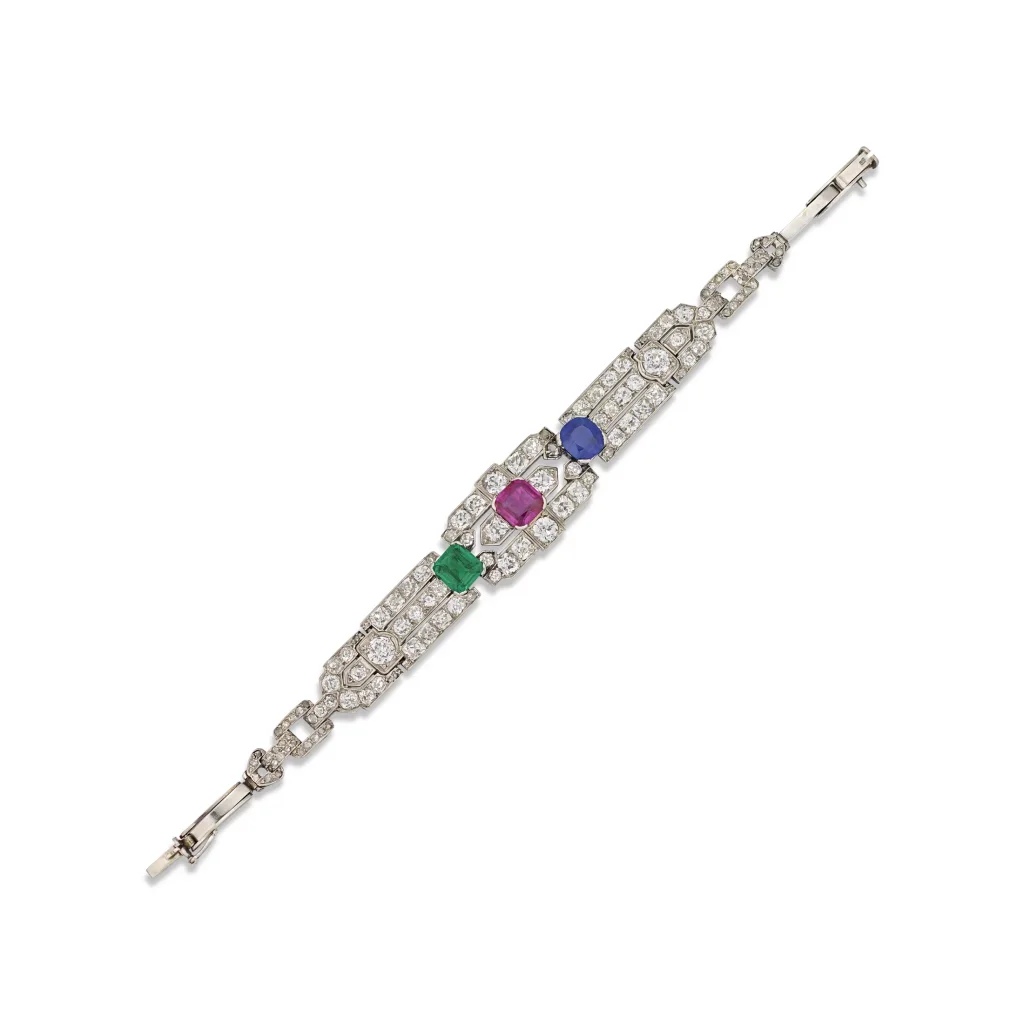
There are two ways a stone acquires the fifth C. The first is to arrive already carrying it — the estate piece, the auction stone with a named history, the diamond whose file is thick with the people who wore it before. The Art Deco necklaces and old-cut jewels the vault holds are provenance you can acquire outright: history, ready-made.
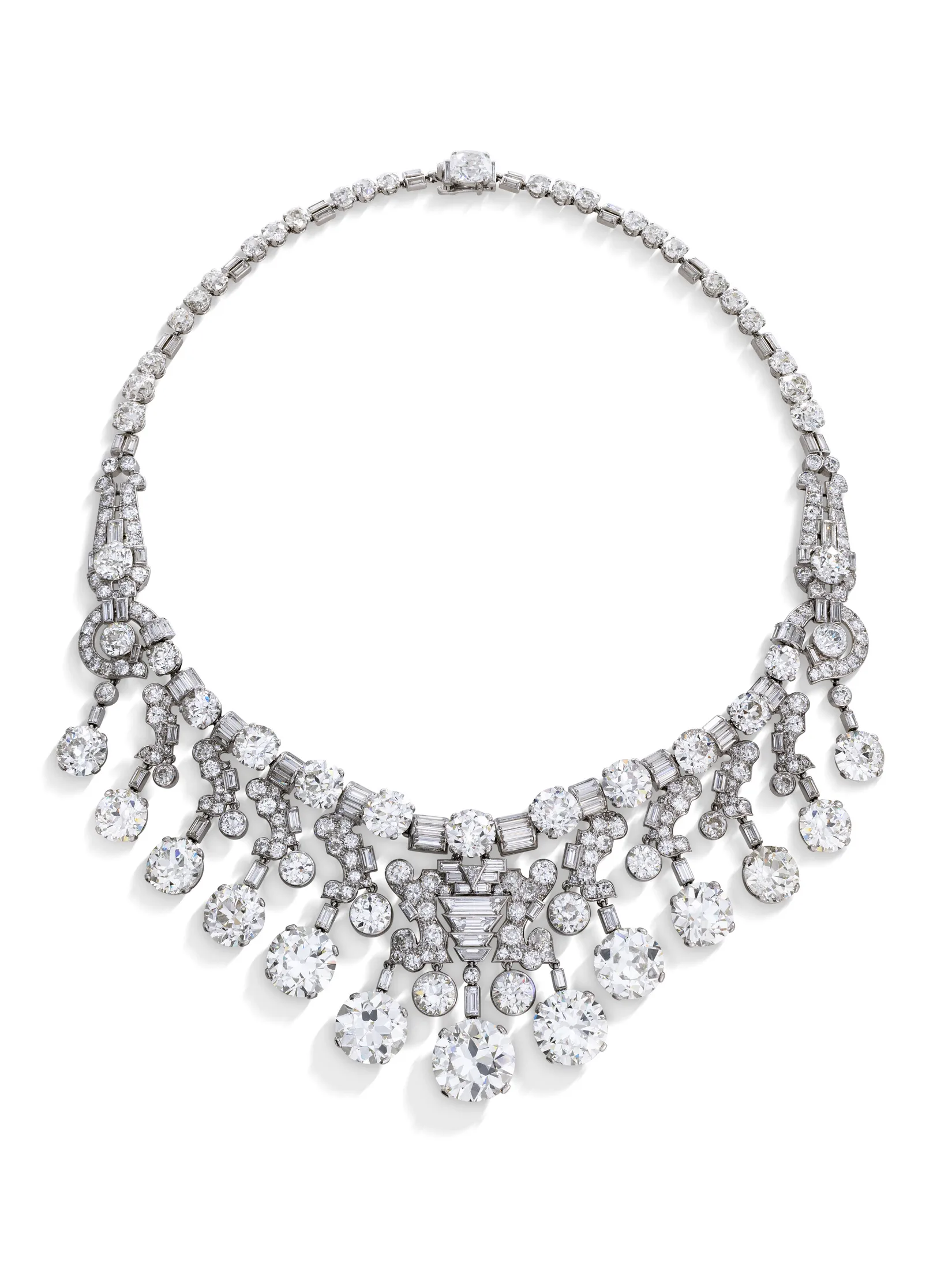
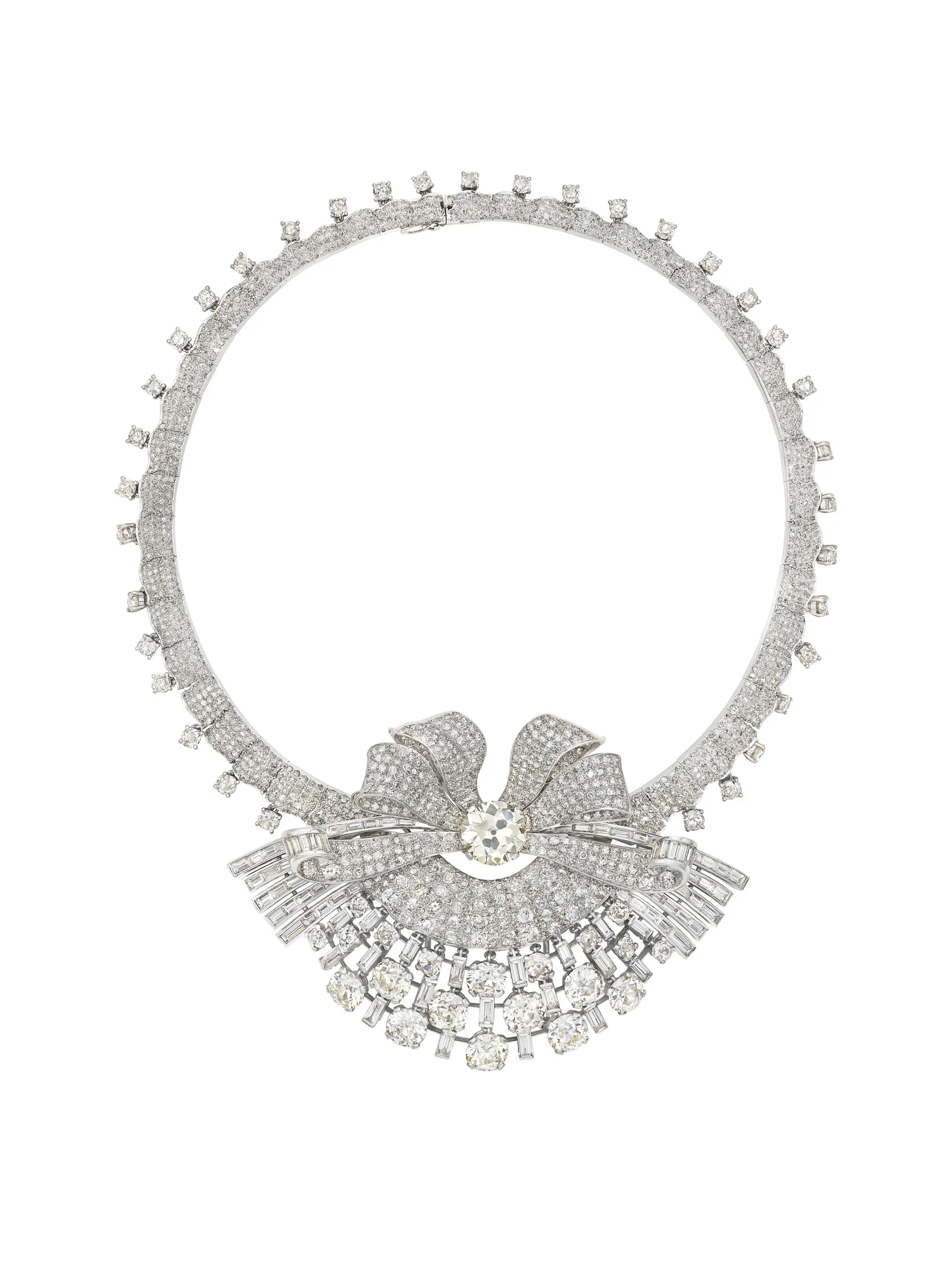
You can buy the four Cs. The fifth you either inherit — or you begin.
The second way is the one this house was built for. A new stone of real character, set into a piece made to last, and given to mark a moment, starts its provenance the day it is worn. It carries no history yet — but it is engineered to carry all of it, and the family that commissions such a piece is not buying a diamond so much as opening a chapter their descendants will still be reading from.
The quality time makes
This is why the house measures a piece by whether it can carry generations, not by any figure of the moment. Cut, colour, clarity and carat are settled the day a stone is graded. Provenance is the only C that appreciates — and it appreciates in the one currency that outlasts every market: meaning. The great stones and the histories that made them keep company in the Icon Archive; the pieces waiting to begin a history of their own are in the vault.
The Stones in This Story
From the Legacy vault — each one-of-a-kind, independently certified.
Our atelier sources rare stones privately — tell us the cut, the colour and the moment.
More from The Stone Market
 The Stone Market · Rarity
The Purest Thing on Earth
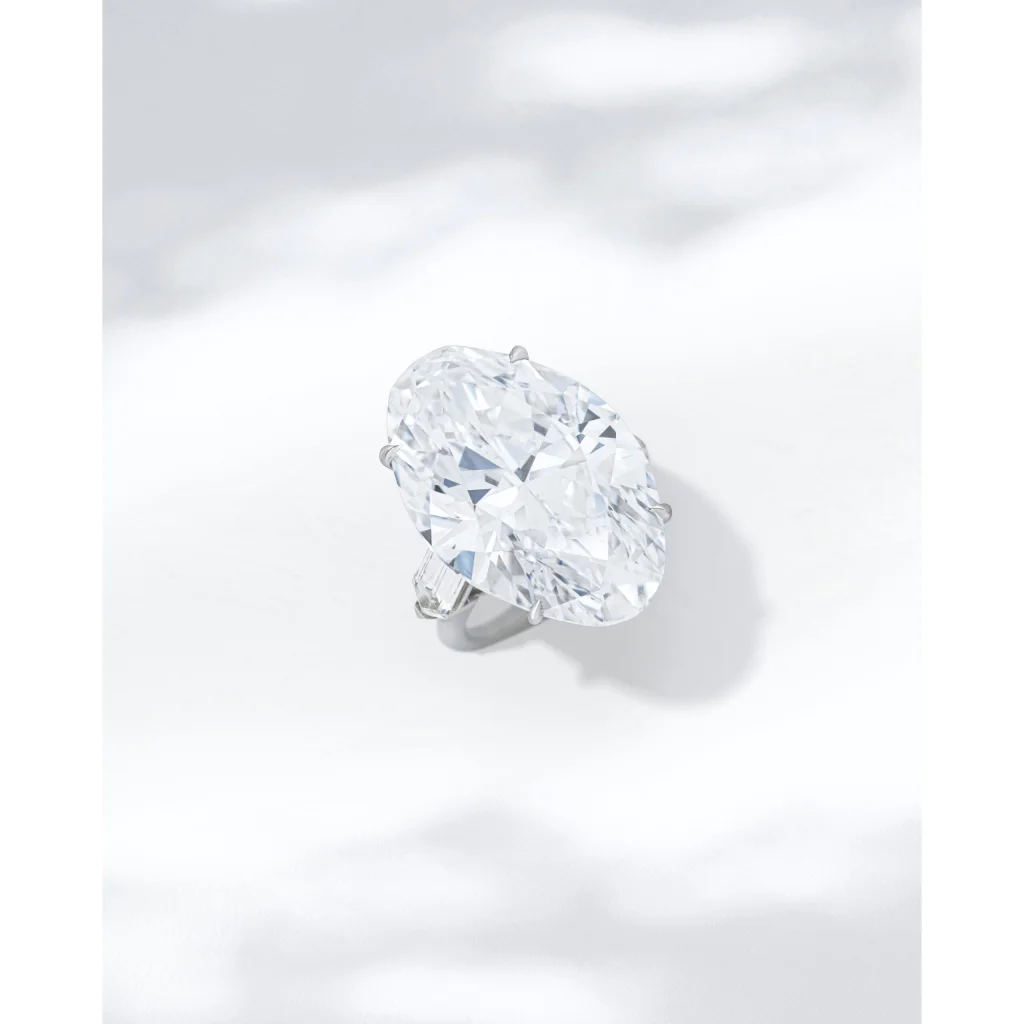
A vanishingly small share of the diamonds ever pulled from the earth belong to a chemical class so…
 The Stone Market · Auction Watch
Geneva’s Autumn Season: What to Watch
The November salerooms will set the year's public numbers. Here is how to read them like the trade…
 The Stone Market · The Trade
Why “Investment Grade” Means Something Specific
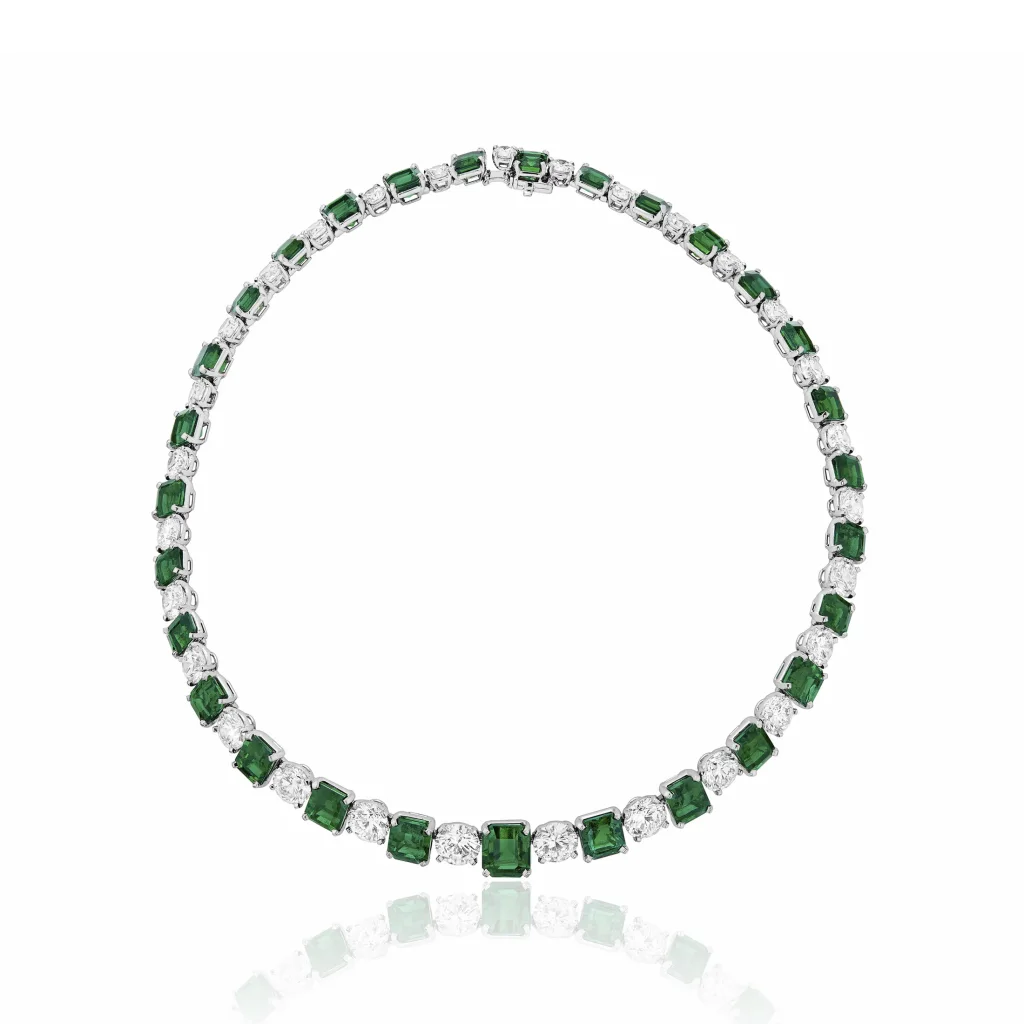
A term abused everywhere in this trade, defined precisely once — so you can hear when it is…
The LEGACY List
One letter a week — the stones, the stories, the numbers that matter. Discretion is the house rule.