The Purest Thing on Earth
A vanishingly small share of the diamonds ever pulled from the earth belong to a chemical class so pure it has a name only gemologists use — Type IIa. This is the rarity beneath the rarity, and the reason certain stones seem to hold light differently.
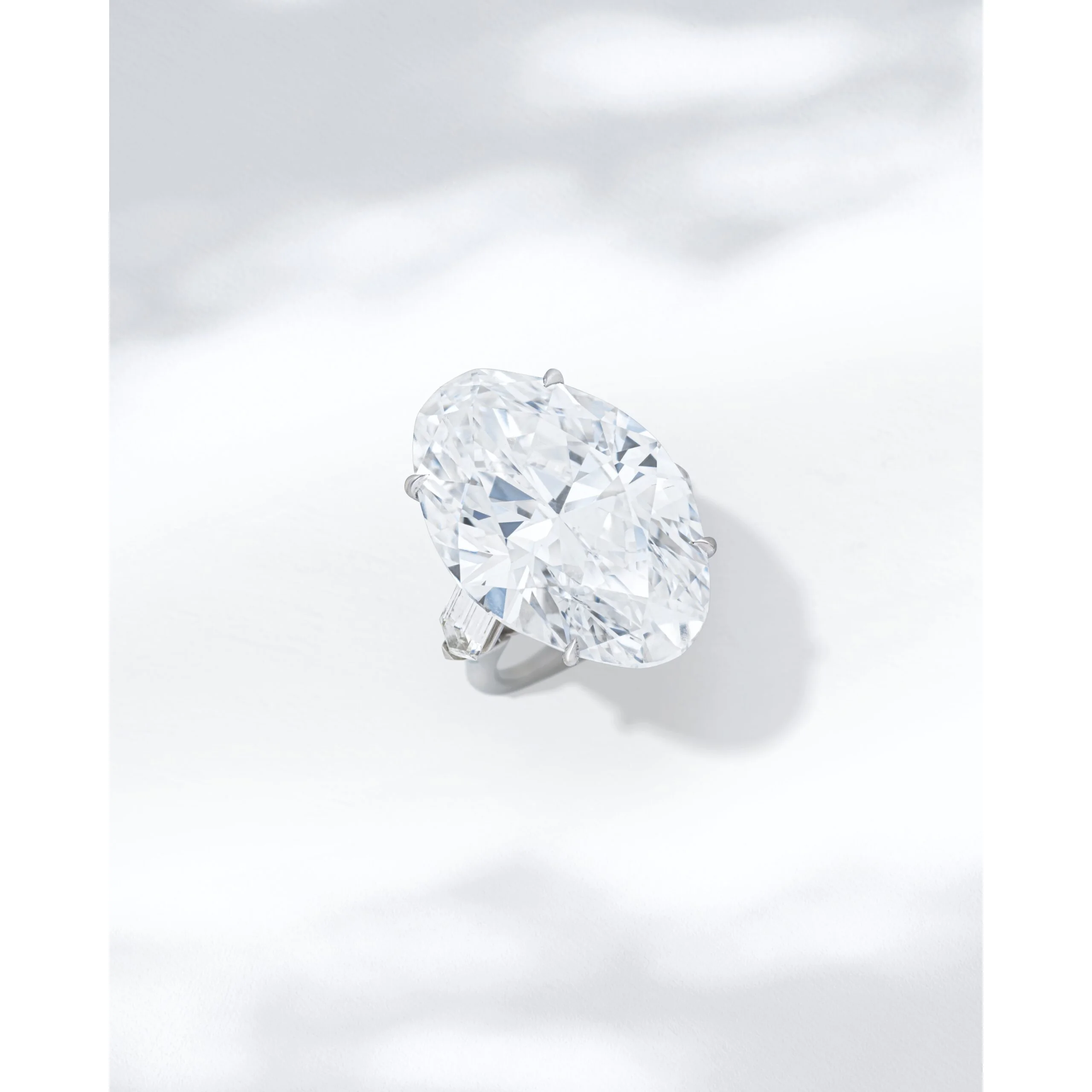
Most conversations about a diamond stop at the four Cs. There is a fifth quality the trade rarely explains to anyone outside it, because it cannot be shopped and cannot be requested — it can only be found. It is the diamond’s chemical class, and the summit of that hierarchy is a designation most owners never hear spoken aloud: Type IIa. It describes a diamond of such atomic purity that it contains almost no nitrogen at all — and nitrogen is what gives the ordinary diamond its faint, unseen tint. Remove it, and the stone becomes, in the most literal sense, the purest thing on earth.
What purity actually is
Nearly every diamond ever mined carries nitrogen woven through its lattice. You cannot see it in a single stone, but it is there, softening the water by a degree the eye registers only as an absence of the extraordinary. Type IIa diamonds formed under conditions so particular that the nitrogen never entered — and the result is a transparency the old dealers called whiter than white. Light does not merely pass through such a stone; it seems to be handed back, undimmed.
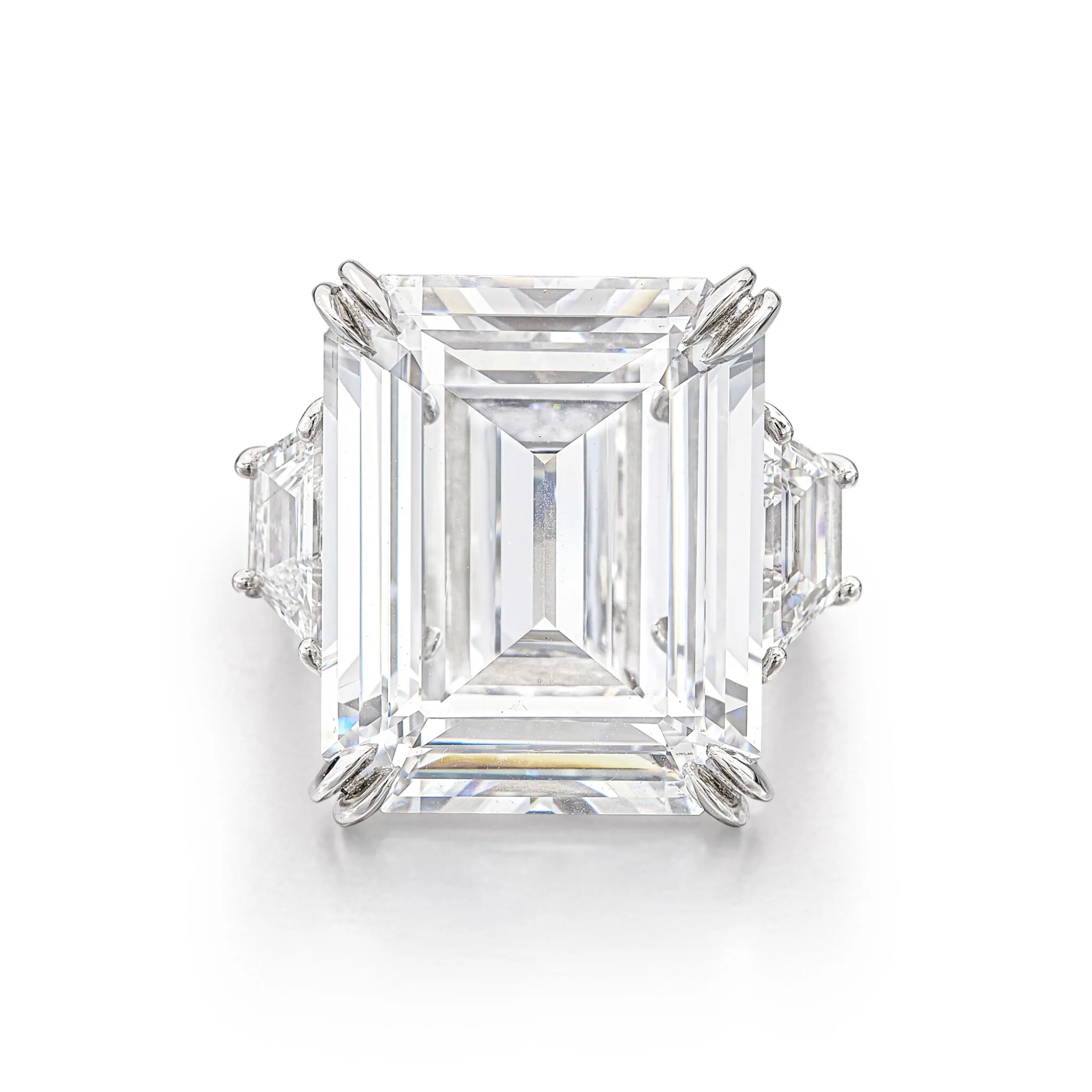
The emerald cut above is the honest test of the class. Its long, open facets conceal nothing; in a lesser stone they expose every compromise. In a Type IIa of the finest colour, they reveal only depth — a clarity of water that is the whole argument for the class in a single window.
The Golconda inheritance
The romance of Type IIa is also historical. The legendary diamonds of Golconda — the stones that came out of the old Indian mines and passed through the treasuries of emperors — were, in the main, of this class. When a modern gemologist says a diamond has a Golconda character, this purity is what they mean: the same limpid, almost liquid transparency that made those historic stones the most coveted objects in the world for centuries. To hold a fine Type IIa today is to hold the same rarity that moved courts.
You cannot ask for a Type IIa. The earth either made it that way, or it did not — and mostly, it did not.
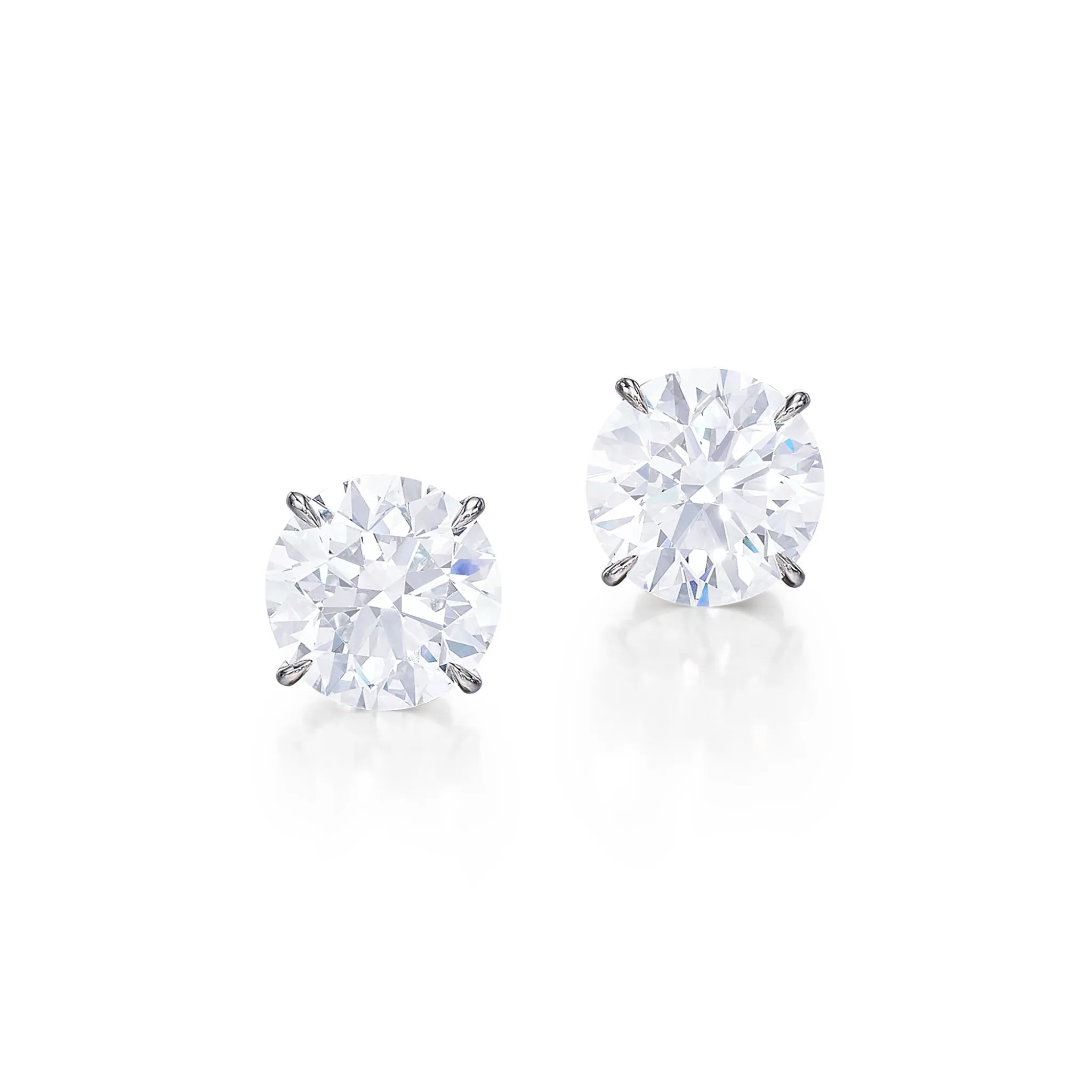
Matching two stones of this class is rarer still. A single Type IIa is an accident of geology; a matched pair is that accident occurring twice and then being found by the same hands — which is why fine Type IIa earrings are assembled over years, not ordered.
How to recognise it
The certificate is where the class is confirmed — a laboratory identifies Type IIa by how the stone absorbs light beyond the visible range, and the finest houses note it on the dossier. But connoisseurs learn to suspect it before the paper confirms it: an unusual transparency, a coolness in the white, a sense that the stone is lit from within rather than merely catching the room. Our desk on what investment-grade actually means sits alongside this one — purity of class is one of the qualities that separates a significant diamond from a merely large one.
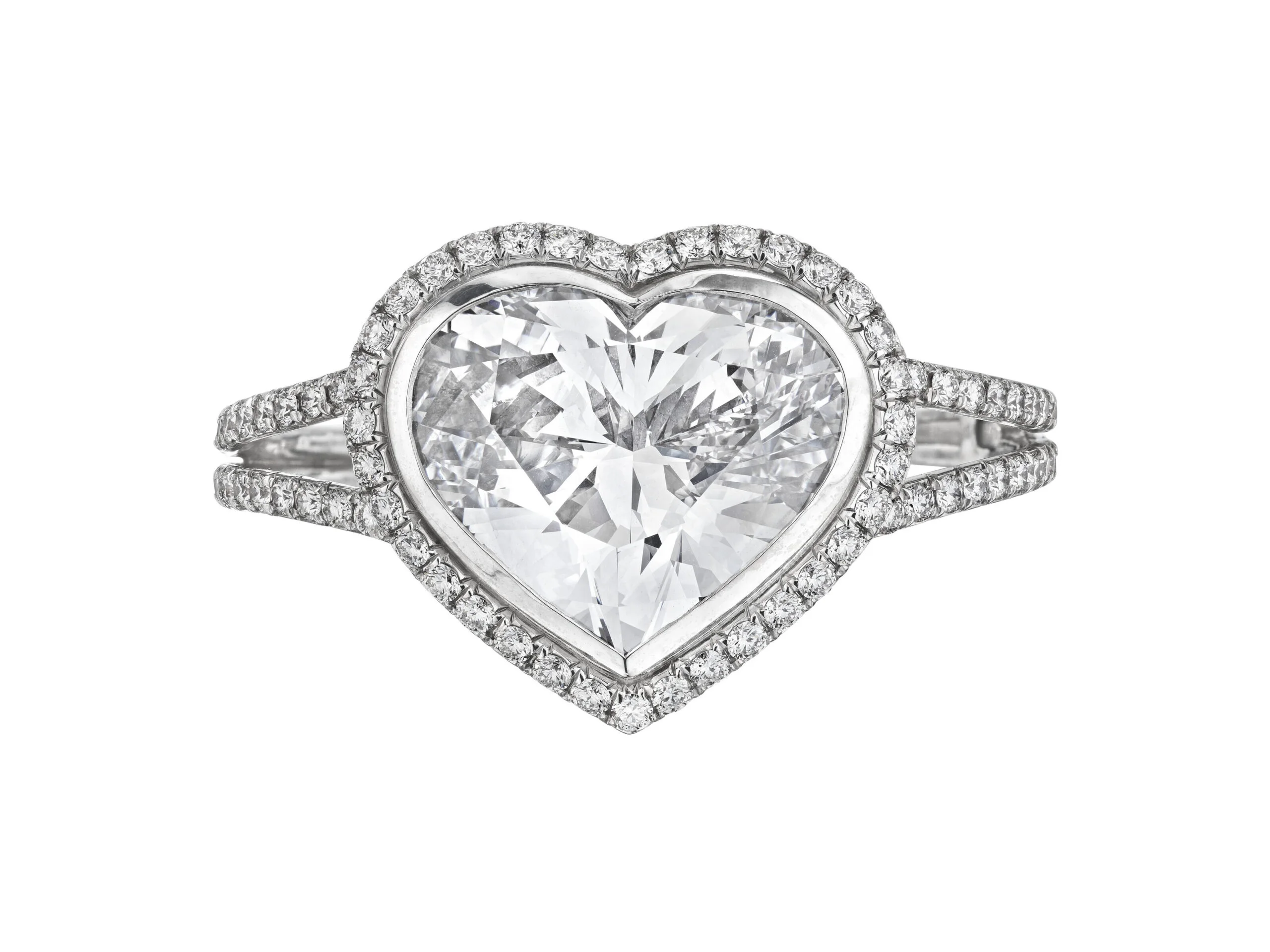
Type IIa is not a grade you shop for; it is a rarity you recognise. The vault holds the class across every shape it favours — rings, earrings, and the great solitaires — each one a stone the earth made purer than the rest, and then declined to make again.
The Stones in This Story
From the Legacy vault — each one-of-a-kind, independently certified.
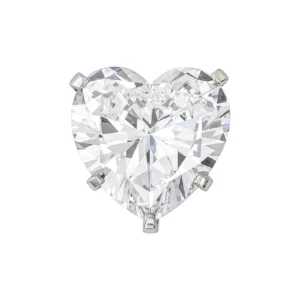
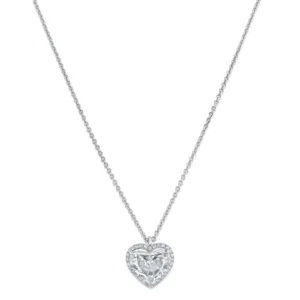
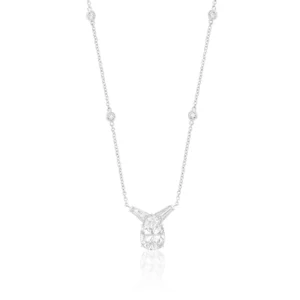
Our atelier sources rare stones privately — tell us the cut, the colour and the moment.
More from The Stone Market
 The Stone Market · Provenance
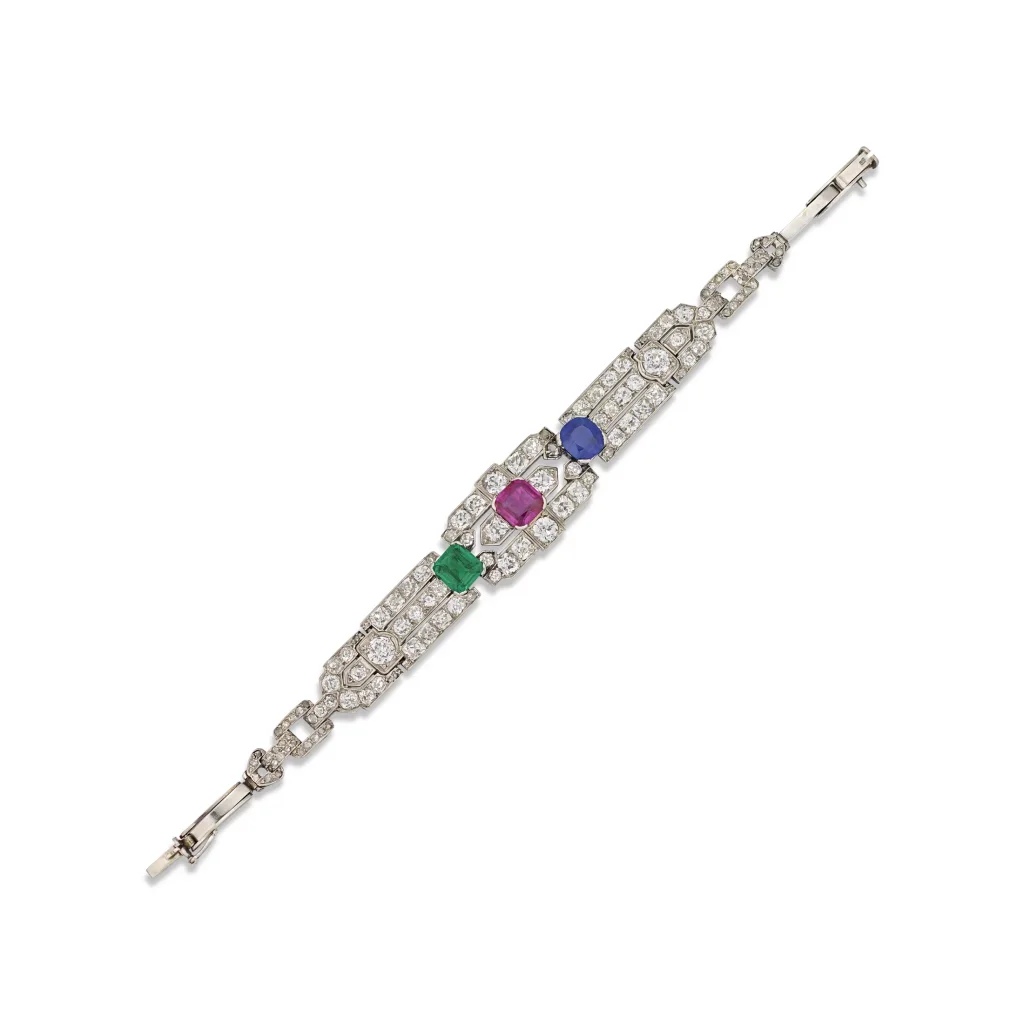
The Fifth C: Provenance
Cut, colour, clarity, carat — the four Cs describe a stone the day it is graded. There is…
 The Stone Market · Auction Watch
Geneva’s Autumn Season: What to Watch
The November salerooms will set the year's public numbers. Here is how to read them like the trade…
 The Stone Market · The Trade
Why “Investment Grade” Means Something Specific
A term abused everywhere in this trade, defined precisely once — so you can hear when it is…
The LEGACY List
One letter a week — the stones, the stories, the numbers that matter. Discretion is the house rule.