How a Ring Holds Its Stone: A Field Guide to Settings
Prong, bezel, halo, trilogy — the architecture beneath a diamond decides how it sits, how it shines and how it survives. A field guide to the six great settings, illustrated from the vault.
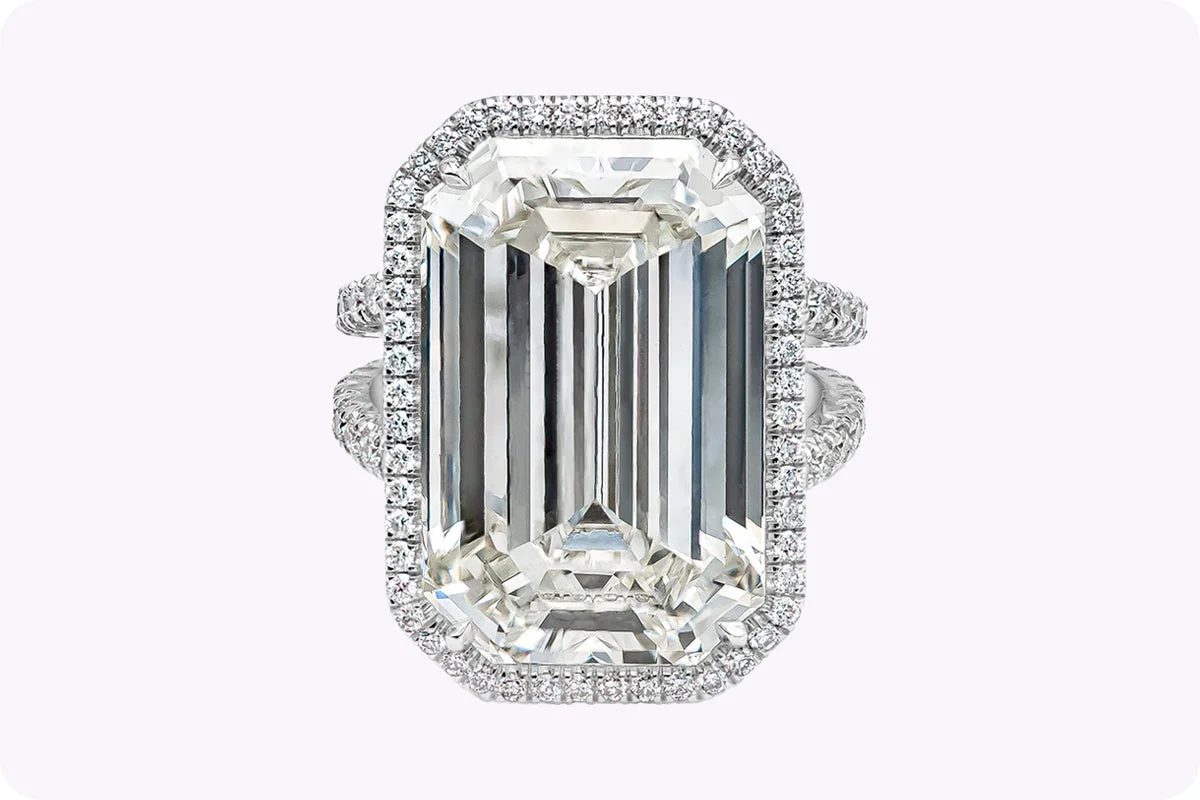
Buyers spend months on the stone and minutes on the metal that holds it — and then live for decades with the consequences. A setting is not decoration; it is engineering with a dress code. It decides how much light reaches the pavilion, how high the stone rides above the finger, how often the wearer visits a jeweller for repairs, and what the whole composition says across a table. Herewith the six architectures that matter, each illustrated by a piece from our vault.
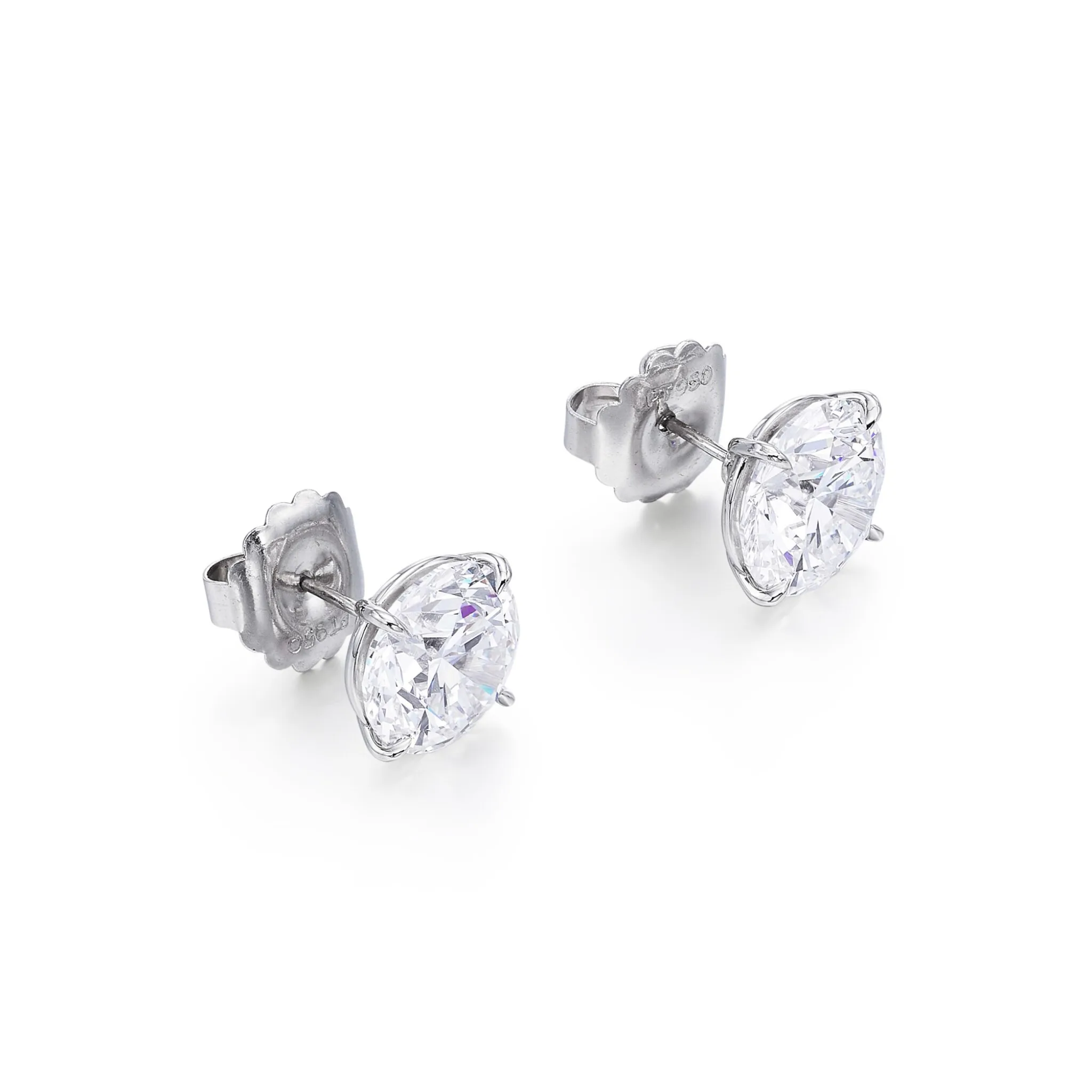
The prong: maximum light, minimum metal
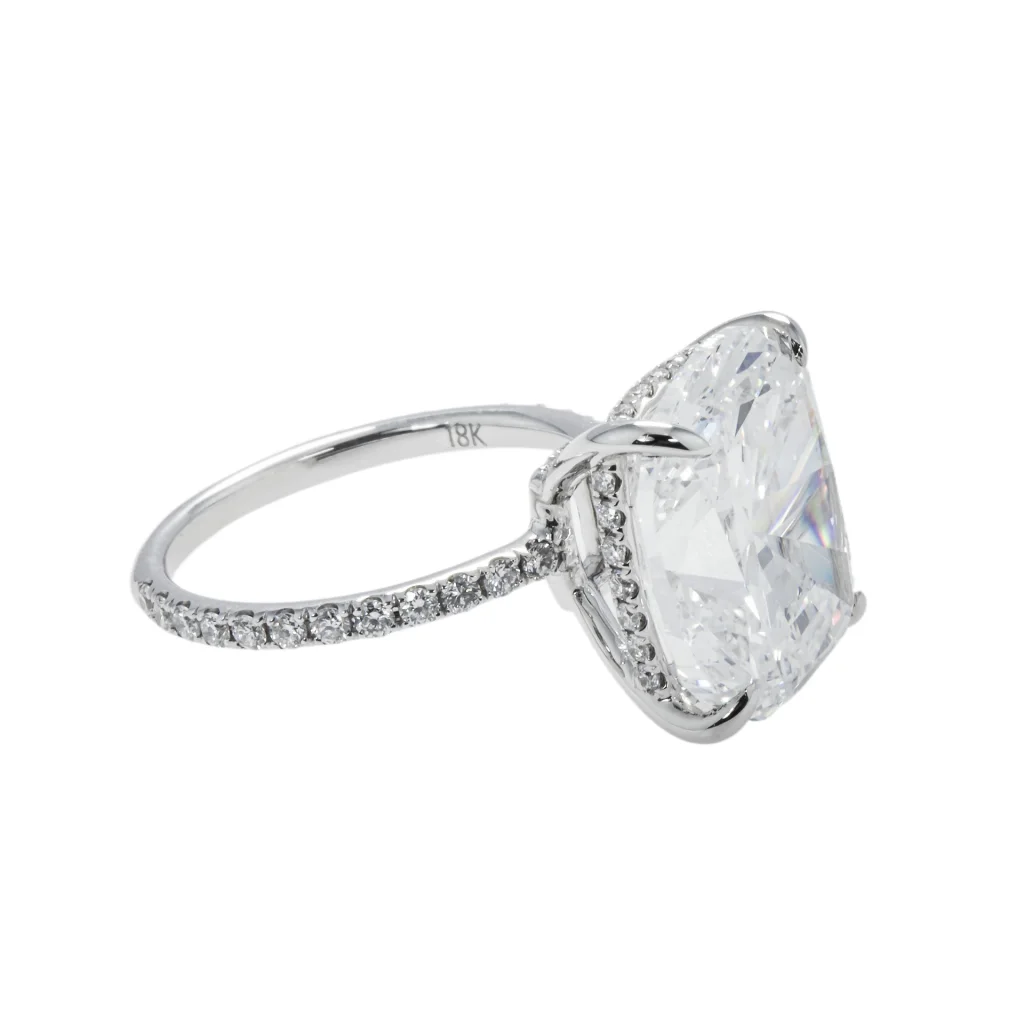
Four or six claws of platinum or gold, holding the stone aloft with as little interference as possible. The prong solitaire is the reference setting for a reason: nothing admits more light. Six prongs hold more securely and frame a round more roundly; four show more stone and suit squared shapes. The discipline is maintenance — prongs wear like tyres and want inspection every couple of years.
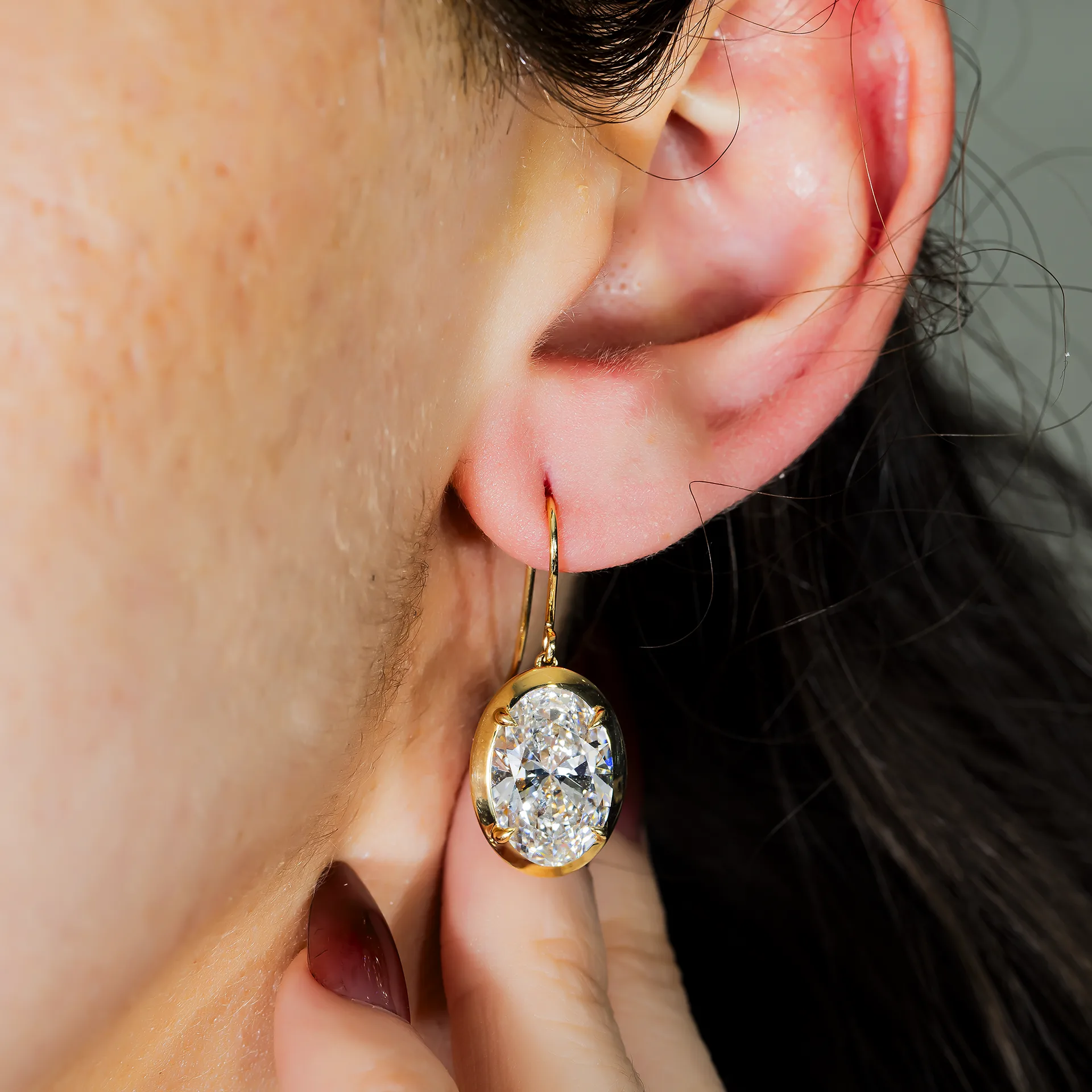
The bezel: the armoured elegance
A continuous rim of metal encircling the stone’s girdle. The bezel is the oldest setting in the goldsmith’s book and the most secure — nothing snags, nothing loosens, nothing catches on a glove. It costs a little light at the edges and repays it in serenity. In yellow gold around a white stone it draws a deliberate line; around a fancy colour it doubles the frame’s intent.
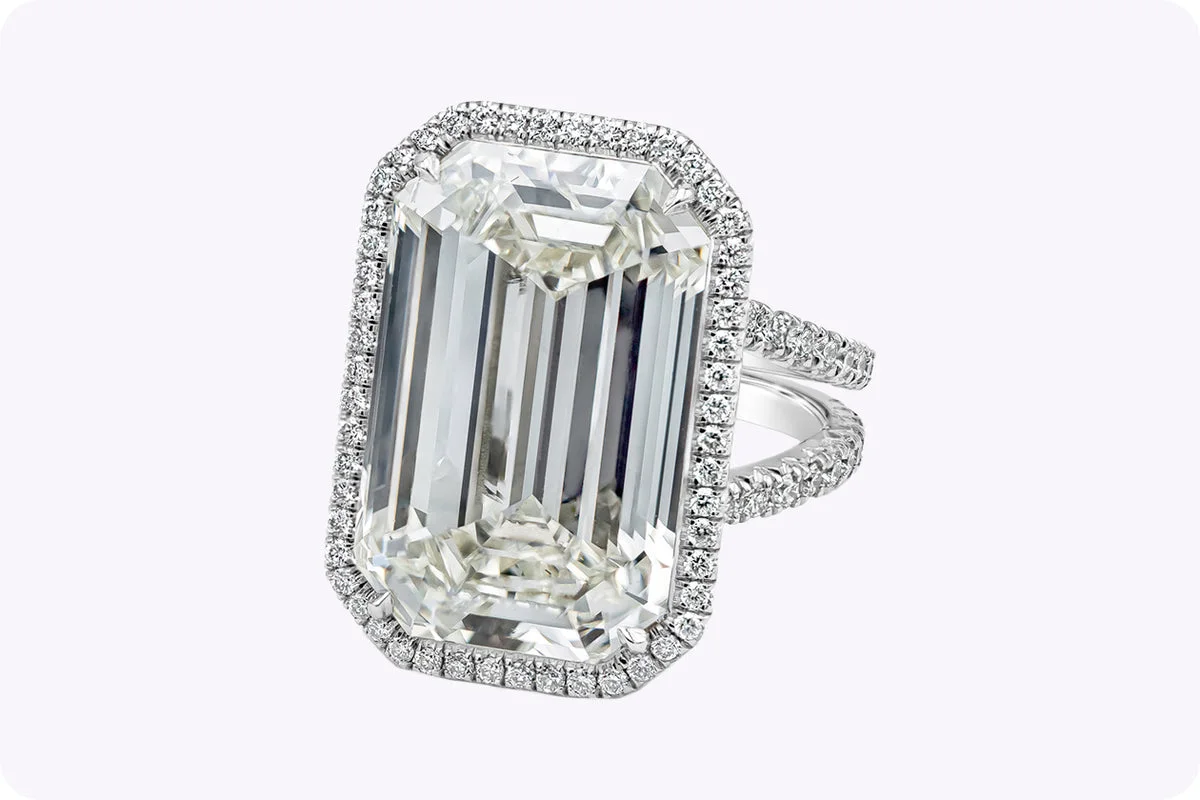
The halo: the amplifier
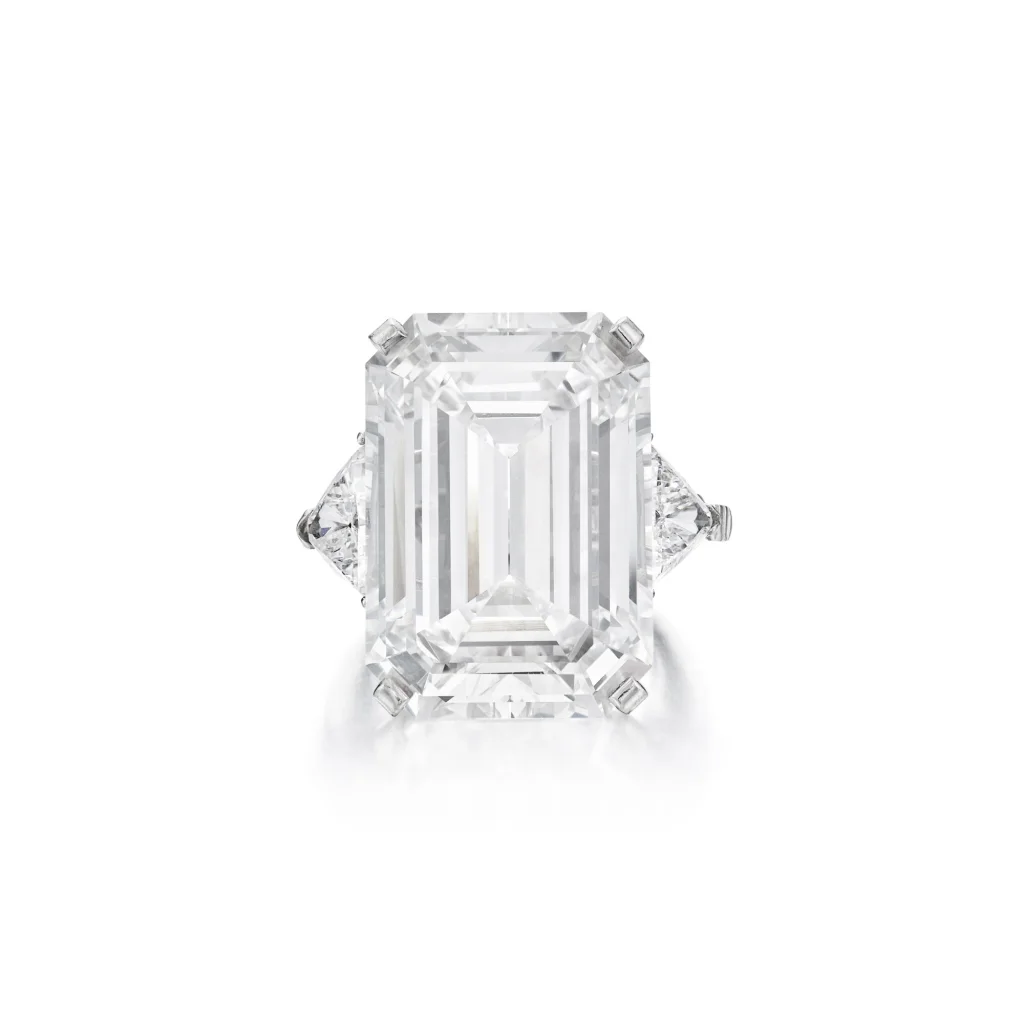
A ring of small brilliants encircling the centre stone. The halo does two jobs at once: it adds visual diameter — a halo can make a stone read a full carat larger — and it supplies a firebreak of sparkle around quieter cuts. Around an emerald cut, as in our cover piece, the effect is deliberate contrast: ice in a corona of fire.
The trilogy: three stones, one sentence
Past, present, future — the three-stone ring is the only setting with a grammar. Composition is everything: the classic recipe holds the centre at roughly half the total weight, shoulders matched to a stone. Step-cut shoulders (baguettes, trapezoids) read modern; matched brilliants read romantic.
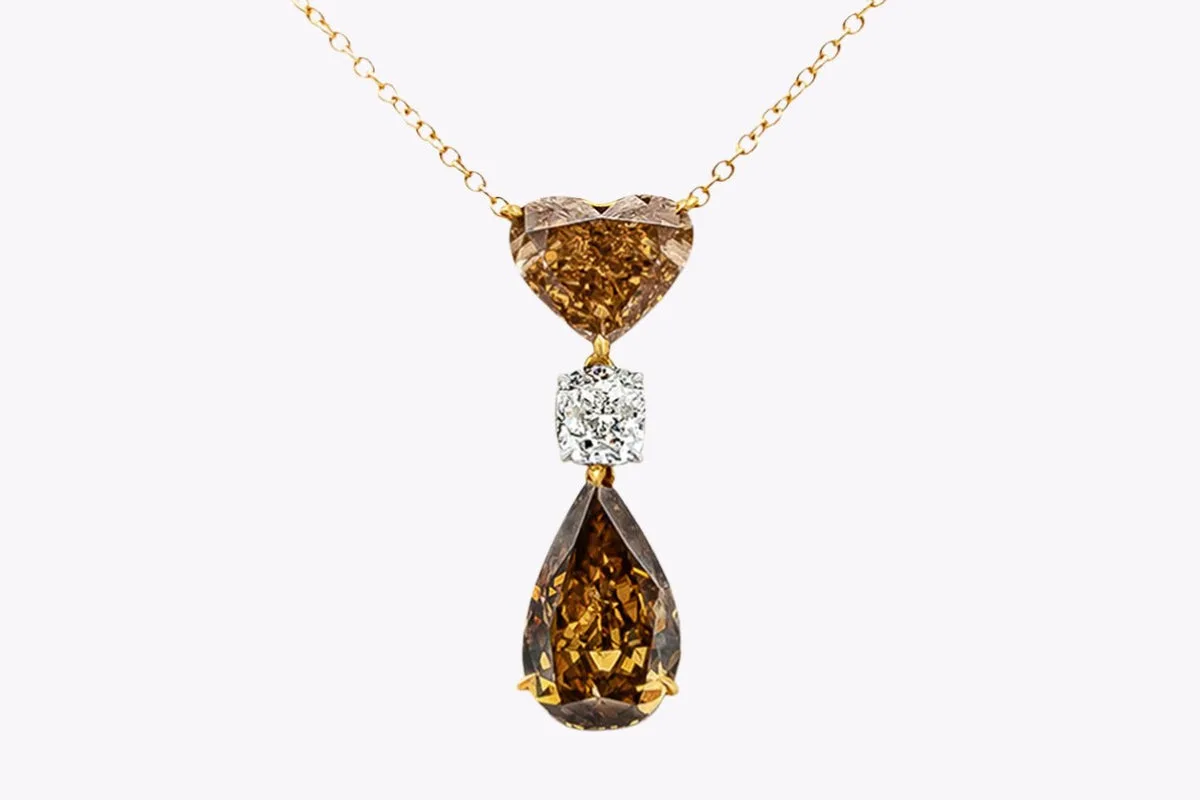
The toi et moi: the conversation
Two stones set shoulder to shoulder, usually in contrasting cuts — the setting as dialogue. Revived emphatically in recent seasons (our Trend desk covered its coming of age), the toi et moi rewards asymmetry: an emerald cut against a round, a pear against a cushion, each stone the other’s foil.

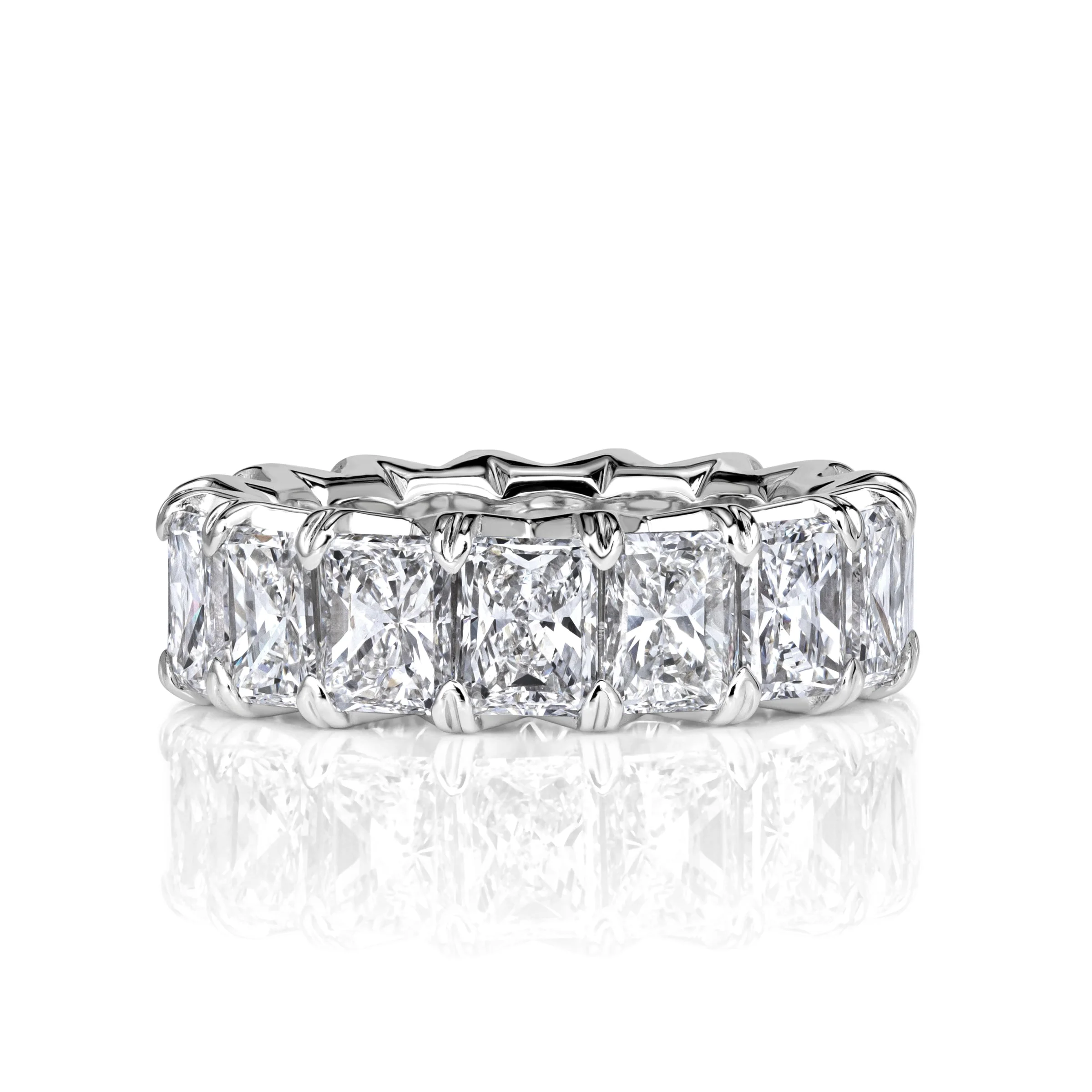
The eternity: the line without a beginning
Stones of equal weight set continuously around the band — no centre, no hierarchy, no end. The eternity band is the connoisseur’s second act: it needs no occasion, stacks against anything, and in heavier stones becomes a statement in its own right. Sizing is its one tyranny; a full eternity cannot be resized, so it must be right the first time.
The stone is the argument. The setting is the tone of voice.
Every architecture above is held in inventory across rings and earrings, photographed uncropped against white — and when a stone deserves a setting that does not yet exist, that is a conversation for the atelier.
The Stones in This Story
From the Legacy vault — each one-of-a-kind, independently certified.


Our atelier sources rare stones privately — tell us the cut, the colour and the moment.
More from Education
 Education · The Measure
A Carat Is a Weight, Not a Size
The most misunderstood word in jewellery measures nothing you can see. A carat is 200 milligrams on a…
 Education · The Report
Reading a Ten-Carat Diamond: What the Report Settles, and What Only the Eye Can
At ten carats, the grading report stops being paperwork and becomes the first act of connoisseurship. It settles…
 Education · The Duel
Emerald Cut vs. Round Brilliant: The Honest Comparison
One cut is engineered to return every photon it is given; the other declines to perform at all…
The LEGACY List
One letter a week — the stones, the stories, the numbers that matter. Discretion is the house rule.