Emerald Cut vs. Round Brilliant: The Honest Comparison
One cut is engineered to return every photon it is given; the other declines to perform at all — and is somehow the more arresting for it. Fire against ice, honestly refereed.
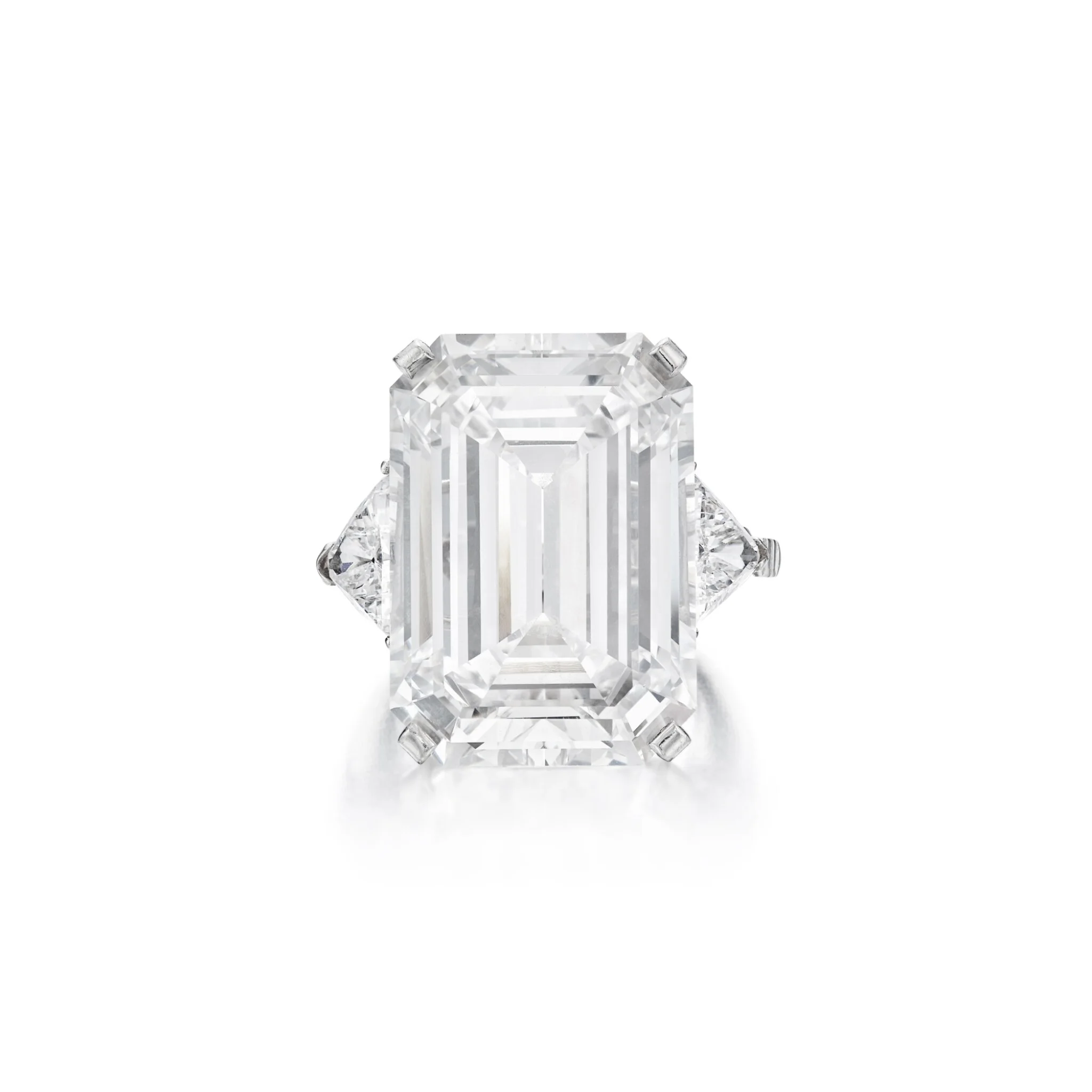
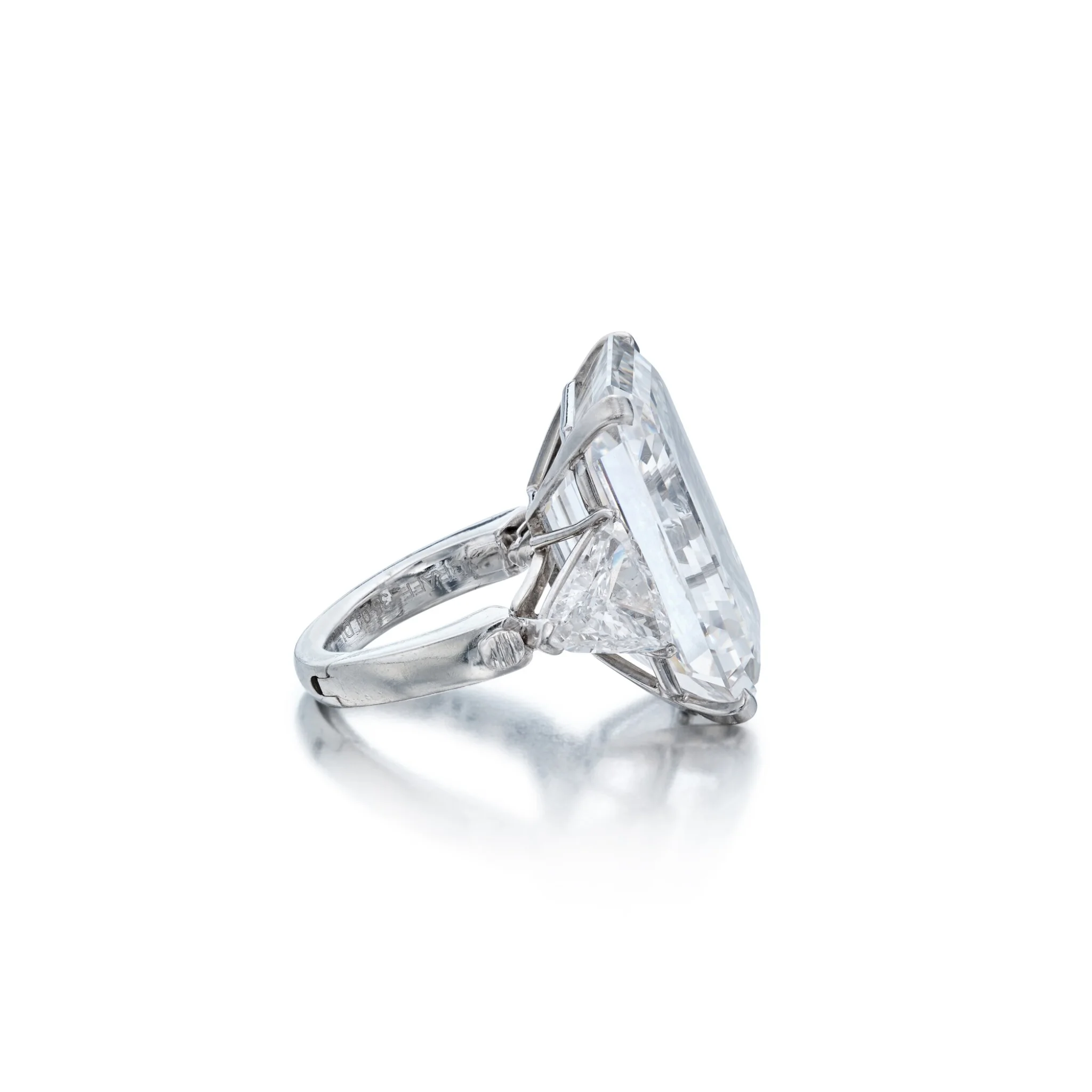
Every diamond duel is really a duel of temperaments, and none more so than this one. The round brilliant is the twentieth century’s great optical machine: fifty-seven facets arranged by mathematics to capture light and throw it back as fire. The emerald cut is older, quieter and altogether more aristocratic — a rectangle of long, stepped facets that does not sparkle so much as glance, in slow flashes the trade calls the hall of mirrors. Choosing between them is not choosing a better diamond. It is choosing what you want a diamond to do.
The scorecard
| Round Brilliant | Emerald Cut | |
|---|---|---|
| Maximum — the benchmark all cuts are measured against | Brilliance | Deliberately restrained; broad flashes, not fire |
| Forgiving — sparkle disguises inclusions and warmth | Honesty | Merciless — the open table hides nothing; buy VS clarity or better |
| Reads slightly smaller than its weight | Spread | Elongated ratio wears larger on the finger |
| Commands the highest price per carat of any shape | Price | Typically 15–25% less per carat at equal grades |
| Never out of style, never surprising | Register | The connoisseur’s signal — old money’s favourite rectangle |
What the round does that nothing else can
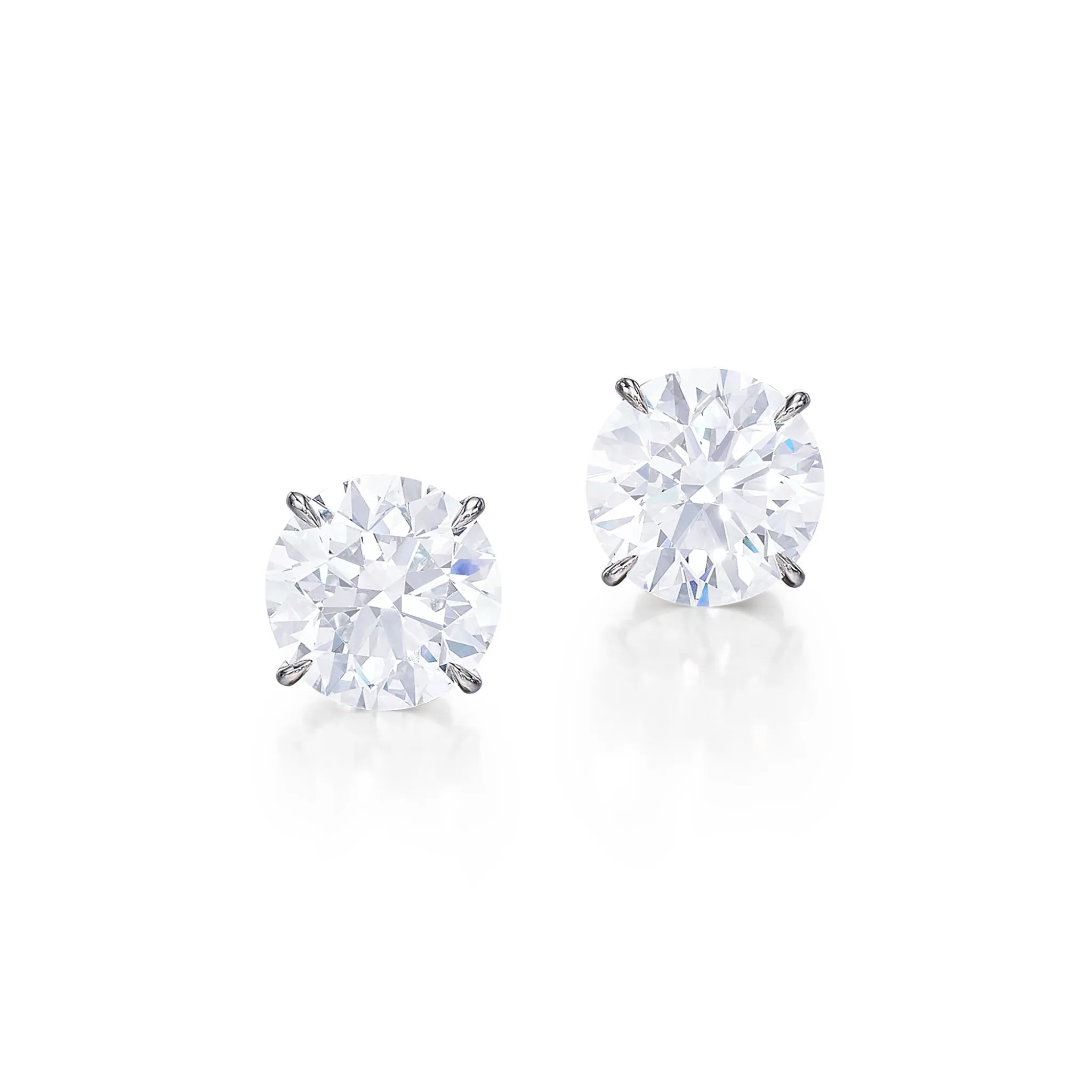
The round brilliant is the only shape cut to a mathematical ideal proven by a century of optics. At any size it out-sparkles everything in the room, which is why it remains the default for a first ring and the standard-bearer for studs — a pair of significant rounds at the ear performs in every light a day can offer.
What the emerald cut refuses to do
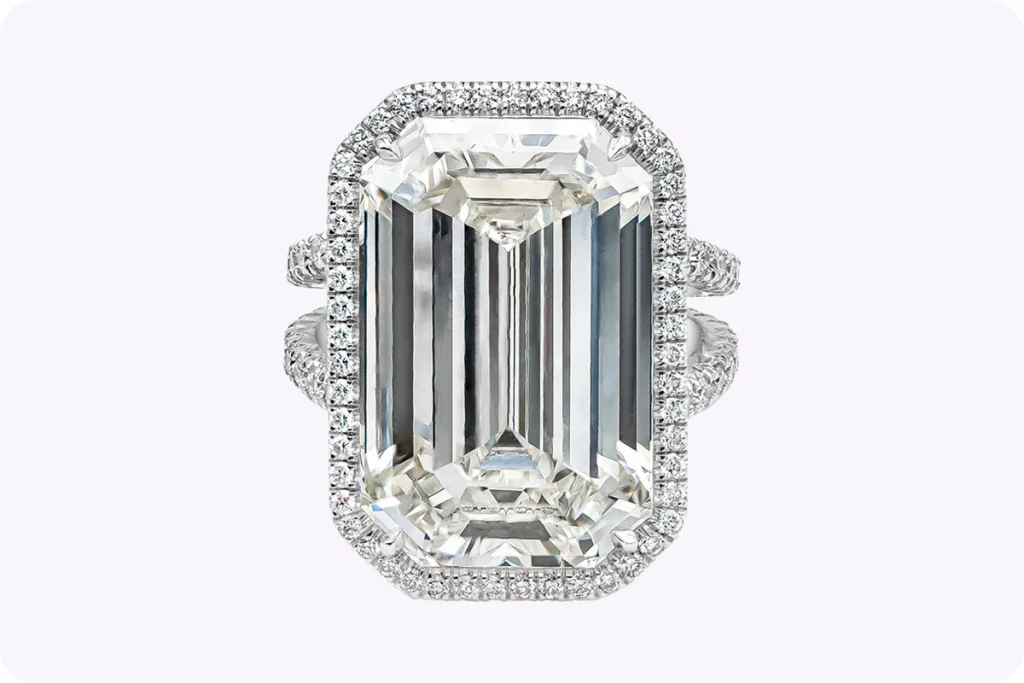
The emerald cut declines the contest entirely, and that refusal is its power. Long step facets produce planes of light that move like water under glass — slower, broader, more architectural. It photographs like a statement and wears like a secret. The cost of that elegance is candour: with so few facets to hide behind, colour and clarity must be genuinely fine.
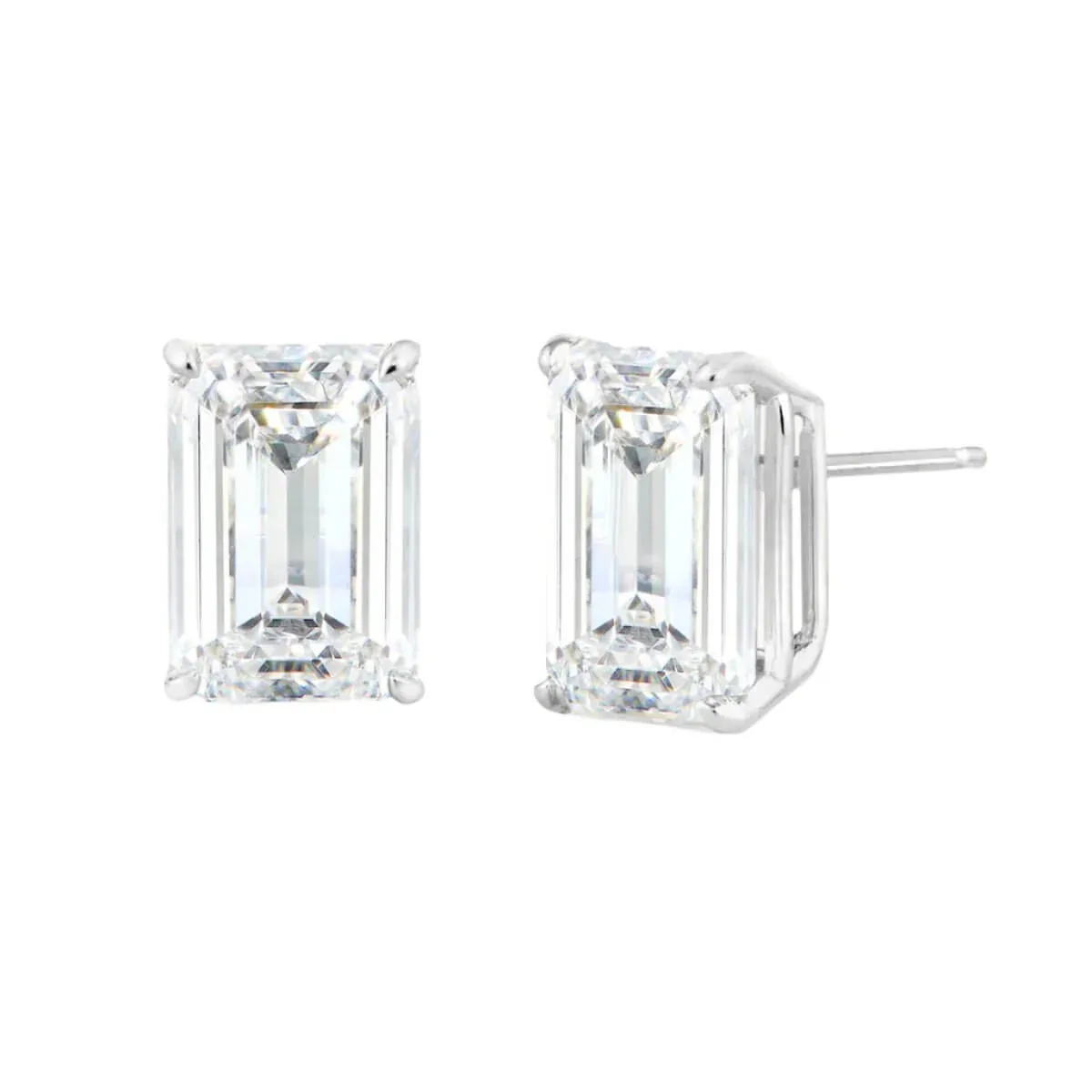
The round brilliant performs for the whole room. The emerald cut performs for the one person who knows what they are looking at.
The verdict
Buy the round if the diamond’s job is light: first rings, studs, stones that must carry a room. Buy the emerald if the diamond’s job is authority: significant weights, long fingers, wardrobes built on tailoring rather than ornament. And if the decision still will not settle, weight settles it — below three carats the round’s fire wins; above five, the emerald cut’s architecture does. Both temperaments live in the vault’s collection, and our sister duel, Oval vs. Cushion, referees the softer shapes with the same candour.
The Stones in This Story
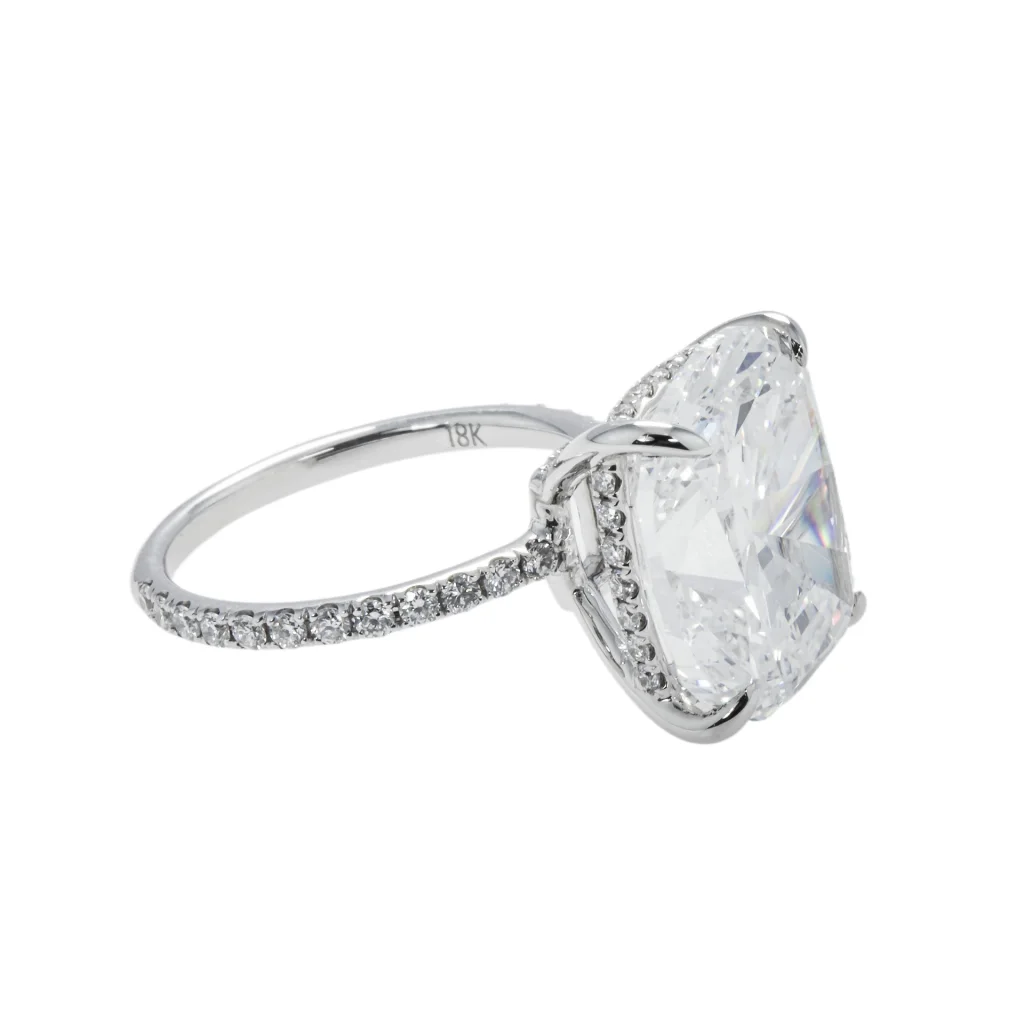
From the Legacy vault — each one-of-a-kind, independently certified.
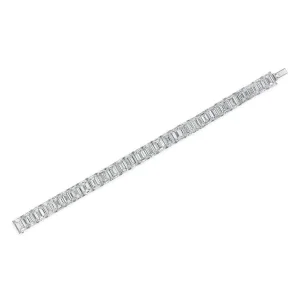
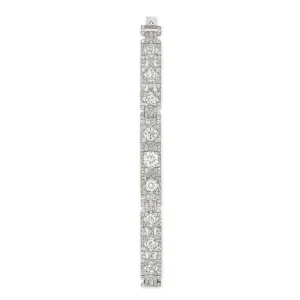
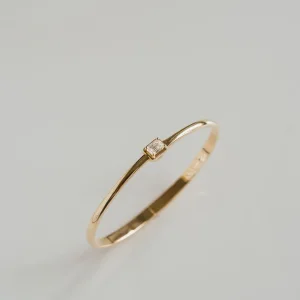
Our atelier sources rare stones privately — tell us the cut, the colour and the moment.
More from Education
 Education · The Measure
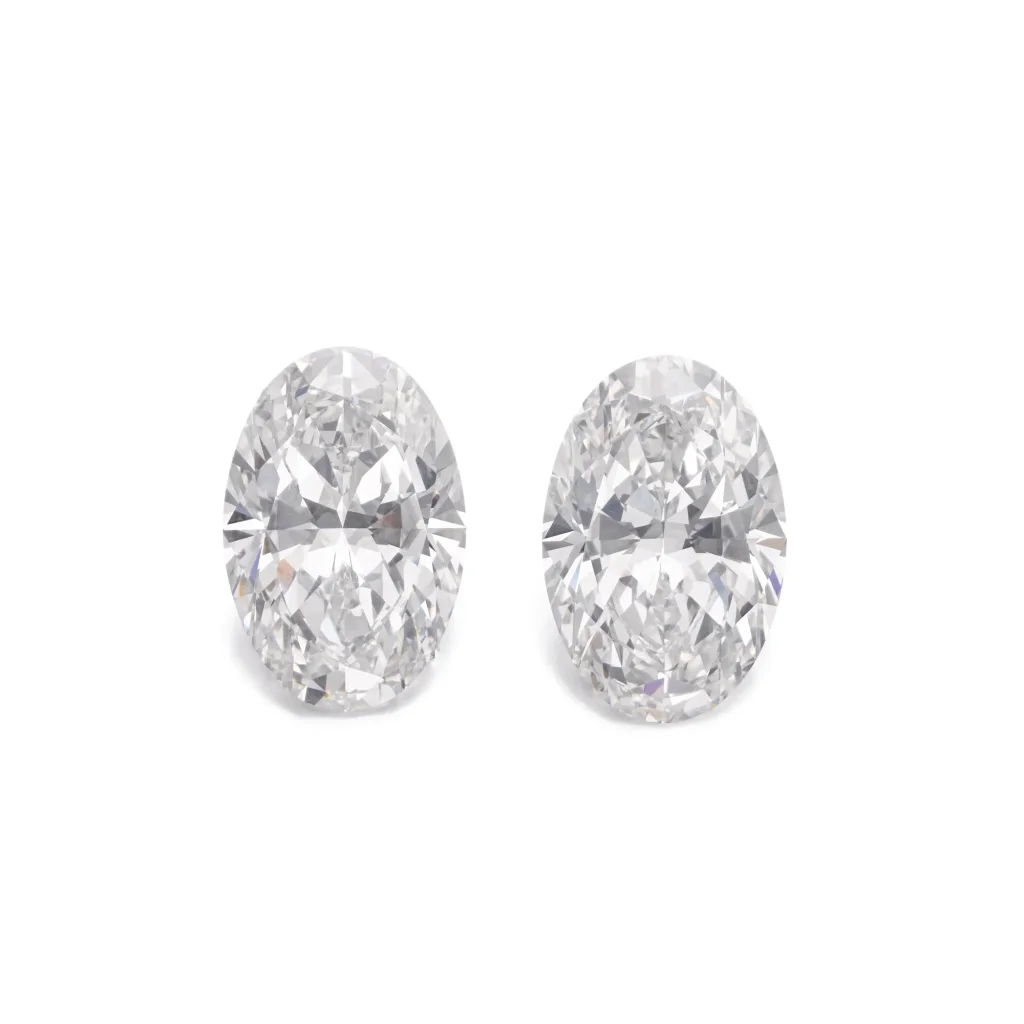
A Carat Is a Weight, Not a Size
The most misunderstood word in jewellery measures nothing you can see. A carat is 200 milligrams on a…
 Education · The Report
Reading a Ten-Carat Diamond: What the Report Settles, and What Only the Eye Can
At ten carats, the grading report stops being paperwork and becomes the first act of connoisseurship. It settles…
 Education · Field Guide
How a Ring Holds Its Stone: A Field Guide to Settings
Prong, bezel, halo, trilogy — the architecture beneath a diamond decides how it sits, how it shines and…
The LEGACY List
One letter a week — the stones, the stories, the numbers that matter. Discretion is the house rule.