The Second Ring: The Quiet Art of the Upgrade
Nobody plans to outgrow a ring, and nearly everyone does. On anniversaries, resettings and the etiquette of trading up — without trading away what the first stone meant.
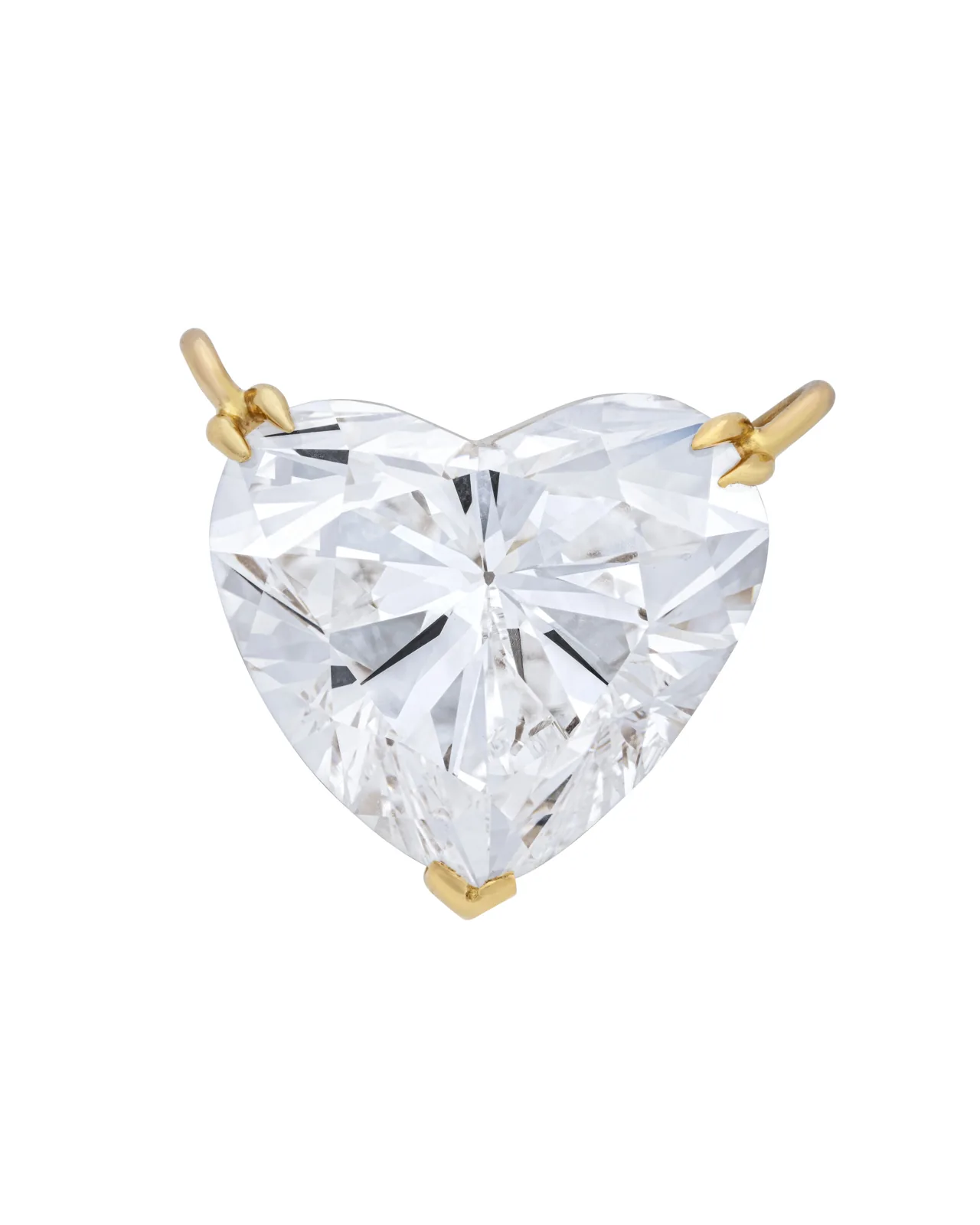
The first ring is bought under pressure — of budget, of secrecy, of a jeweller’s fluorescent lights and a timeline with a question mark at the end of it. The second ring is bought under none of these, which is why it is so often the better purchase and so rarely discussed. The trade calls it the upgrade. The couples who do it well treat it as a promotion — for the marriage, and for the stone.
When the moment comes
Decade anniversaries do the heavy lifting: the tenth and the twenty-fifth account for most significant upgrades, with a quiet spike whenever a household’s fortunes step upward faster than its jewellery. The signal that the moment has arrived is always the same — the ring that once felt like an event has become invisible on the hand that wears it. Rings should not be invisible.
The three honest paths
Trade up the stone, keep the sentiment. The original diamond moves to a pendant or a stack ring; a more significant stone takes its place in a new setting. This is the path most couples want and few are told about: nothing is surrendered, everything is promoted.
Reset, don’t replace. Sometimes the stone is right and the era is wrong. A nineteen-nineties cathedral mount around a fine two-carat stone is a renovation project, not a replacement — the same diamond in a modern bezel or a pavé halo is a new ring with the original heart. As our etiquette desk has written, the stone is the lineage; the setting is the era.
The second significant piece. The ring stays untouched and the milestone is marked elsewhere — at the ears, the wrist, or with a single considerable pendant. For marriages where the original ring is sacred ground, this is the diplomatic answer.
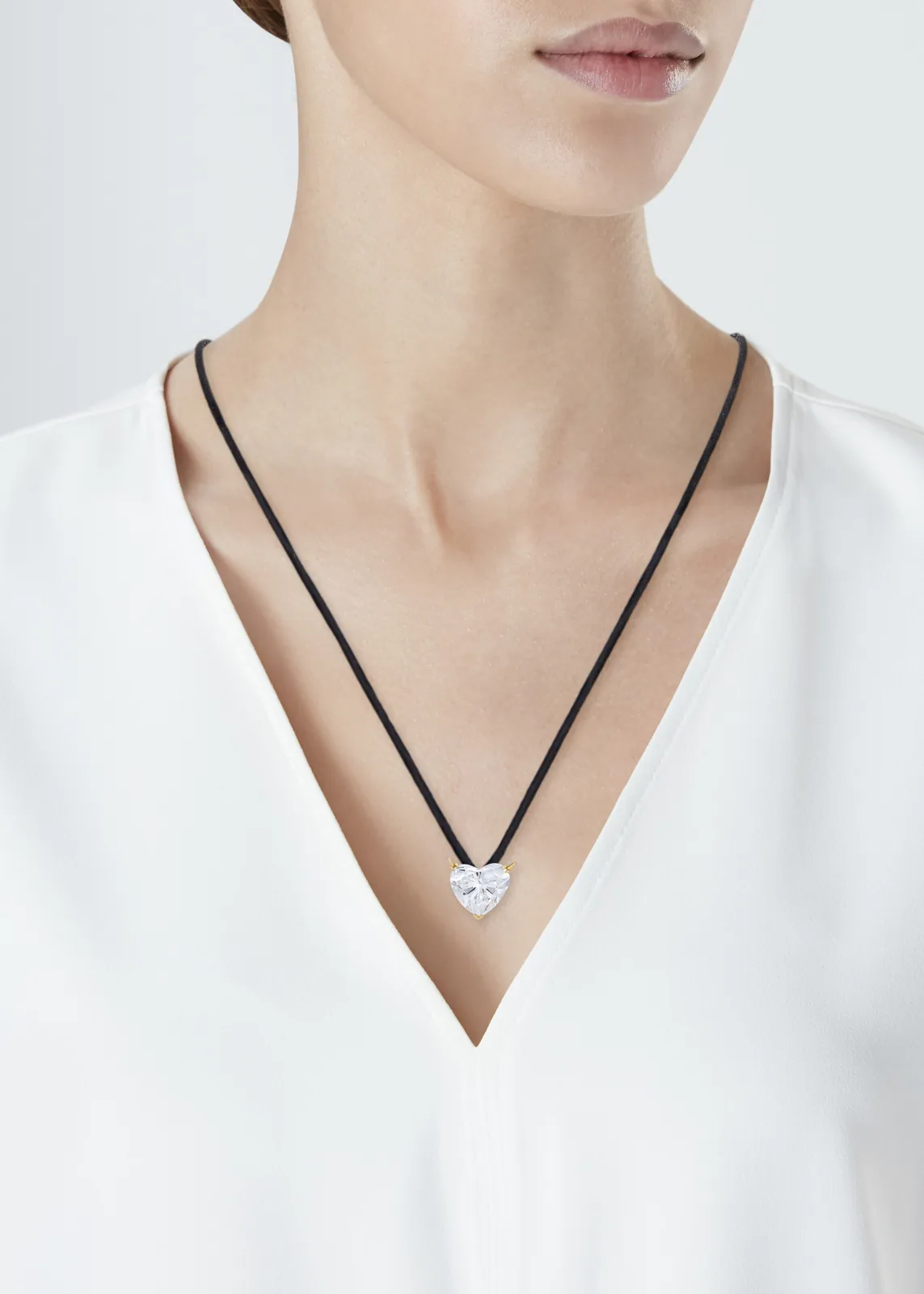
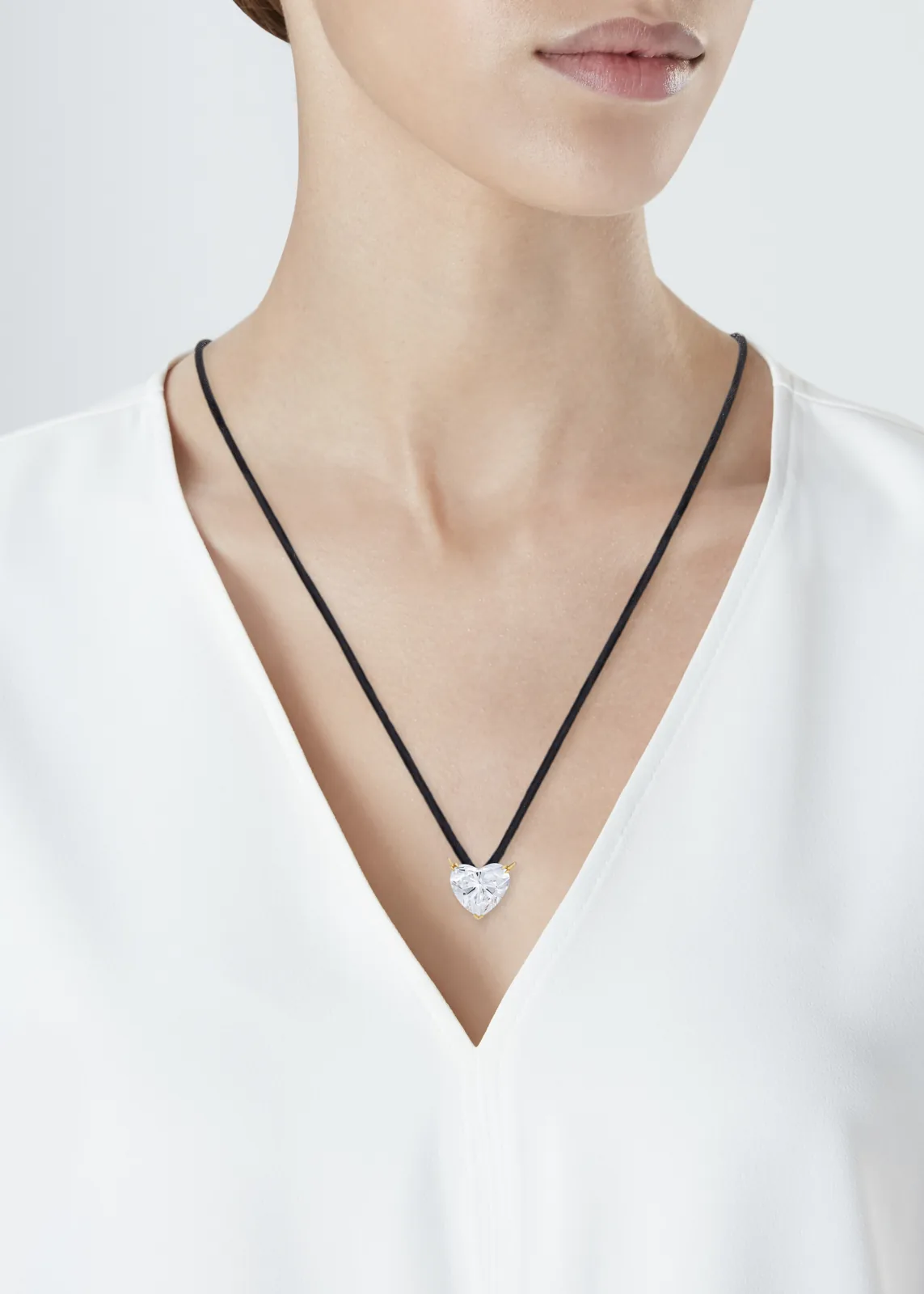
The two pendants above are the whole upgrade argument in a single image: the same 10.73-carat heart design from our vault, one in D-colour VVS, one in D-colour Flawless. Same romance, different chapter. The eye cannot tell them apart across a dinner table; the certificate, the insurer and the estate can. Which one is right is a question about what the piece is for — and that is precisely the conversation an upgrade exists to have.
An upgrade done well retires nothing. It promotes the first stone to history and gives the marriage a new present tense.
The etiquette clauses
Three rules keep the second ring from bruising the first. The decision is made together — the upgrade is the one jewellery purchase where surprise subtracts value. The original stone stays in the family — reset for a daughter, hung as a pendant, kept as the first entry in what becomes a collection. And the numbers stay private — an upgrade is a promotion, not a press release. On what the corridor between good and extraordinary actually costs, our market desk keeps the honest answer; when the moment arrives, the vault’s significant stones are photographed, papered and ready for the conversation.
The Stones in This Story
From the Legacy vault — each one-of-a-kind, independently certified.
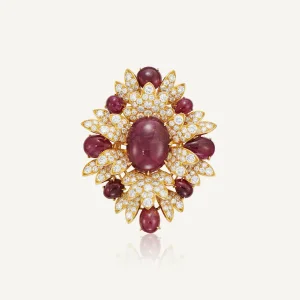
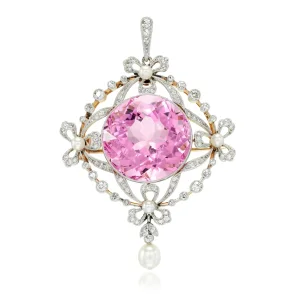
Our atelier sources rare stones privately — tell us the cut, the colour and the moment.
More from Vows
 Vows · The Pairing
Neckline and Necklace: The Pairing Doctrine
The dress is chosen; now the neckline must be answered. A wedding-season doctrine for matching diamonds to décolletage…
 Vows · Planning
The Proposal Timeline: Six Months Out
A serious stone cannot be summoned on a deadline. The calendar that makes the question effortless, working backward…
 Vows · Etiquette
Engagement Ring Etiquette Nobody Writes Down
The unwritten rules of asking, wearing, insuring and inheriting — collected from a thousand quiet conversations.
The LEGACY List
One letter a week — the stones, the stories, the numbers that matter. Discretion is the house rule.