The Necklace That Bought a Revolution
Louis XV commissioned diamonds without limit. The bill arrived a generation later, at the guillotine. A history of excess and its price.
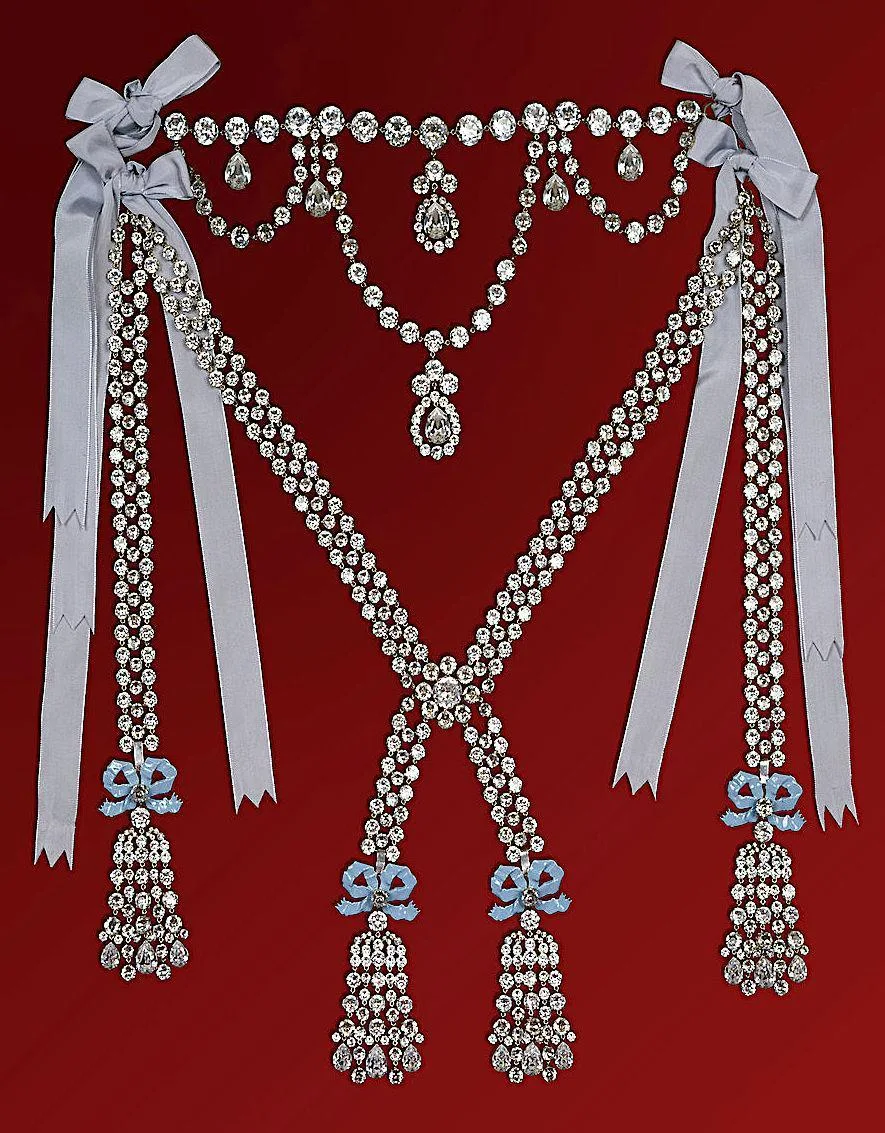
There are kings who built empires, and there are kings whose taste in diamonds helped end one. Louis XV of France belongs to the second, stranger category — a monarch whose most consequential act of patronage was a necklace he never lived to see delivered, for a woman who refused it, at a price that helped bankrupt the idea of monarchy itself.
The commission without limits
The order, placed with the Parisian court jewellers in the twilight of Louis XV’s reign, was simple in words and impossible in fact: assemble the greatest diamonds in Europe into a single necklace, cost be no object. The jewellers spent years and their own fortunes gathering hundreds of large stones — rows of them, cascades of them, a construction less like jewellery than like architecture in carbon. Even courtiers who had spent their lives inside Versailles considered the thing excessive, which in that building was a genuine achievement.
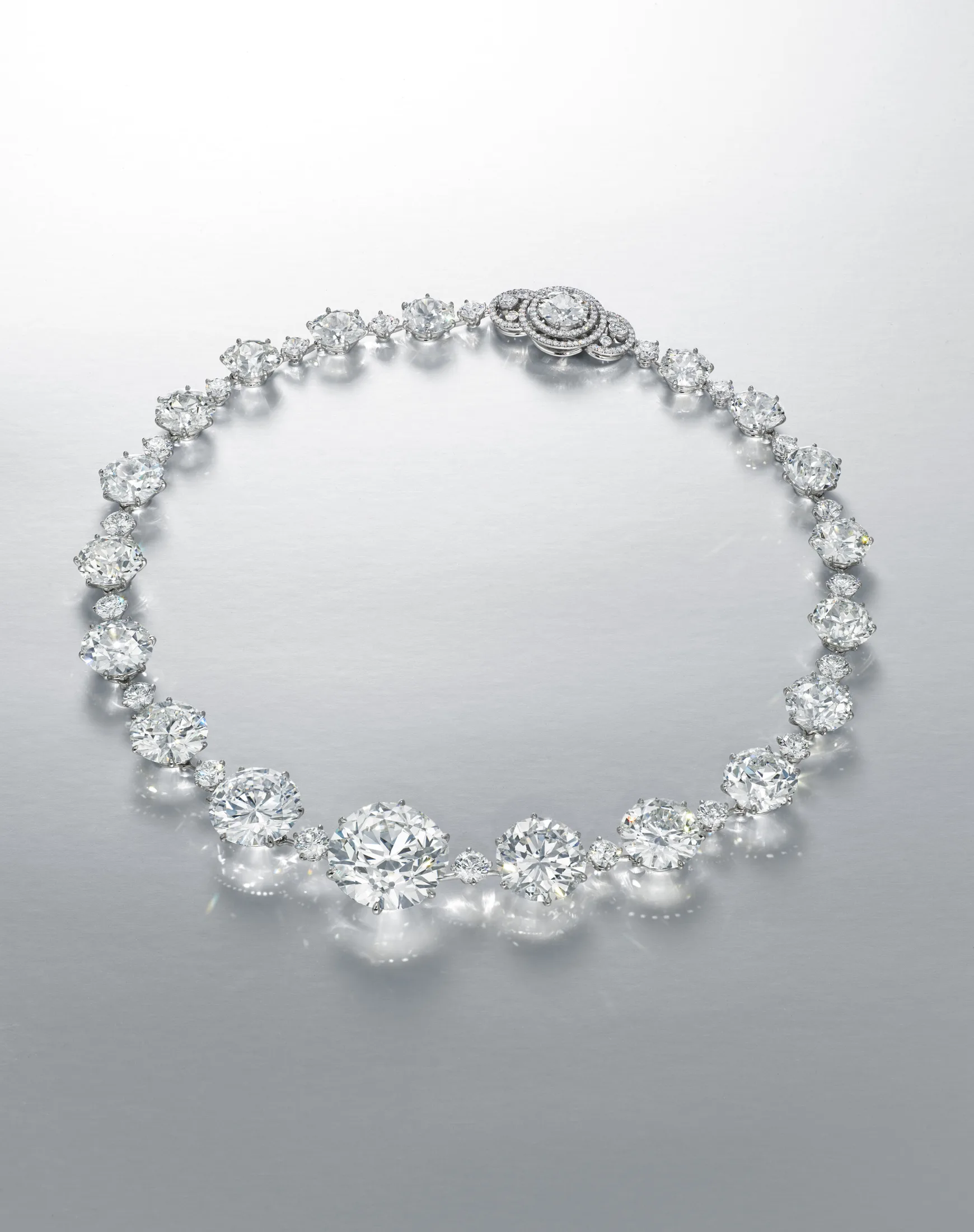
Then the king died, and the necklace became an orphan — too expensive for any buyer in Europe, too famous to dismantle quietly, a masterpiece with no neck to live on.
The scandal that named it
What followed is one of history’s great cautionary tales. A confidence trickster, a cardinal desperate for royal favour, forged letters, a midnight garden meeting with a hired impersonator of Queen Marie Antoinette — and the necklace vanished into the machinery of the fraud, broken up and smuggled stone by stone. The queen had never ordered it, never wanted it, had in fact refused it twice. It did not matter. The Diamond Necklace Affair fixed in the public mind an image of royal appetite so vivid that no acquittal could dissolve it.
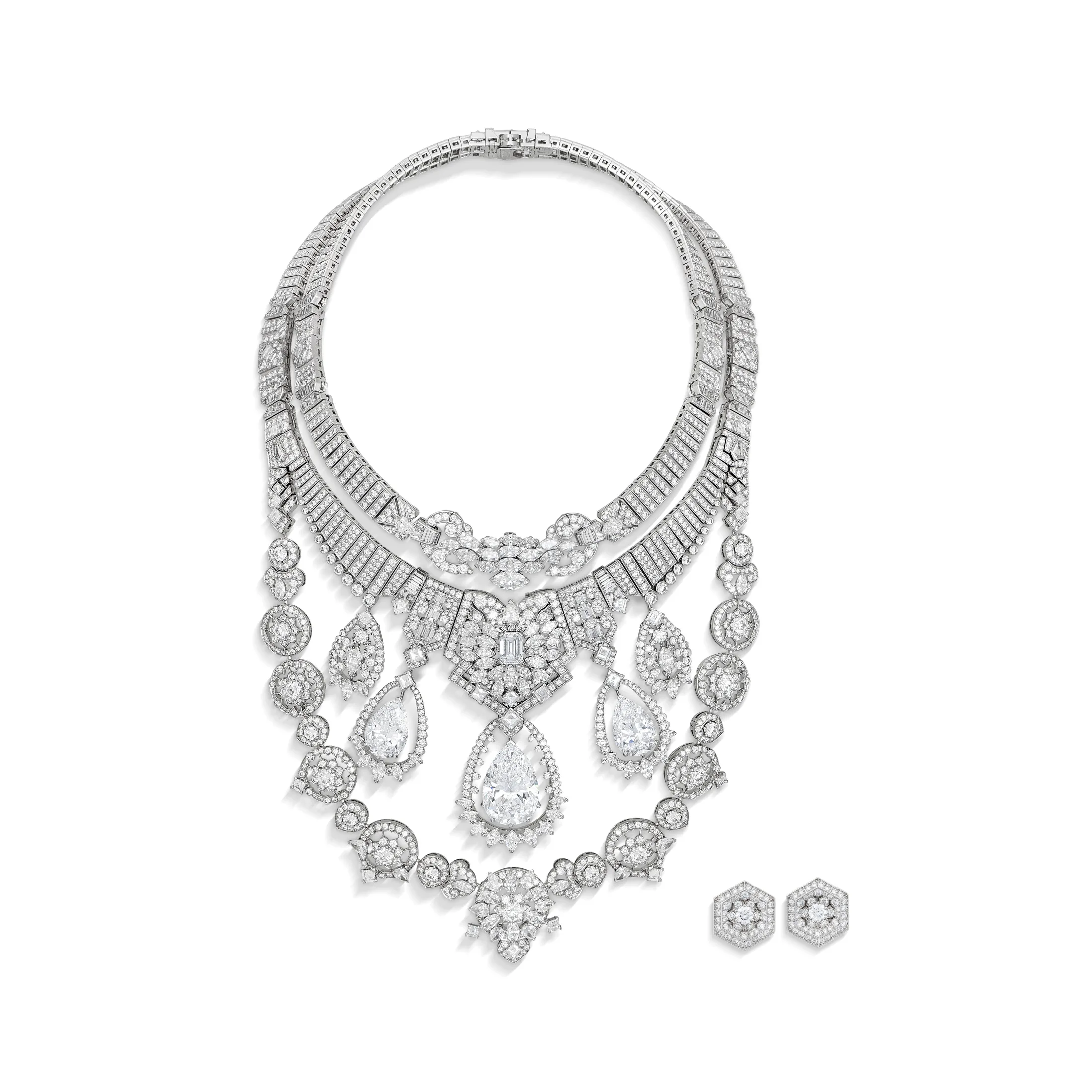
The necklace was nearly indestructible. The monarchy it symbolised was not.
What the stones understood
Four years after the scandal, the Revolution began, and the woman who never wore the necklace paid its bill regardless. The diamonds themselves, being diamonds, survived — scattered into new settings, new countries, new stories, outliving the dynasty, the jewellers and the fraud alike. That is the lesson the Archive keeps returning to: stones endure; the meanings we hang on them are the fragile part. A diamond is a fact. What it says is up to the century holding it.
The full profiles of the era — the Regent, the Sancy, the crown stones of France — live in the LEGACY Icon Archive, eight hundred and eighty legends deep and growing.
The Stones in This Story
From the Legacy vault — each one-of-a-kind, independently certified.

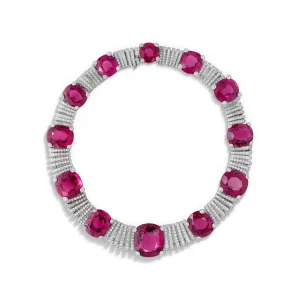
Eight hundred and eighty legendary stones, documented and sourced — then find their echo in the vault.
More from From the Archive
 From the Archive · The Object Lesson
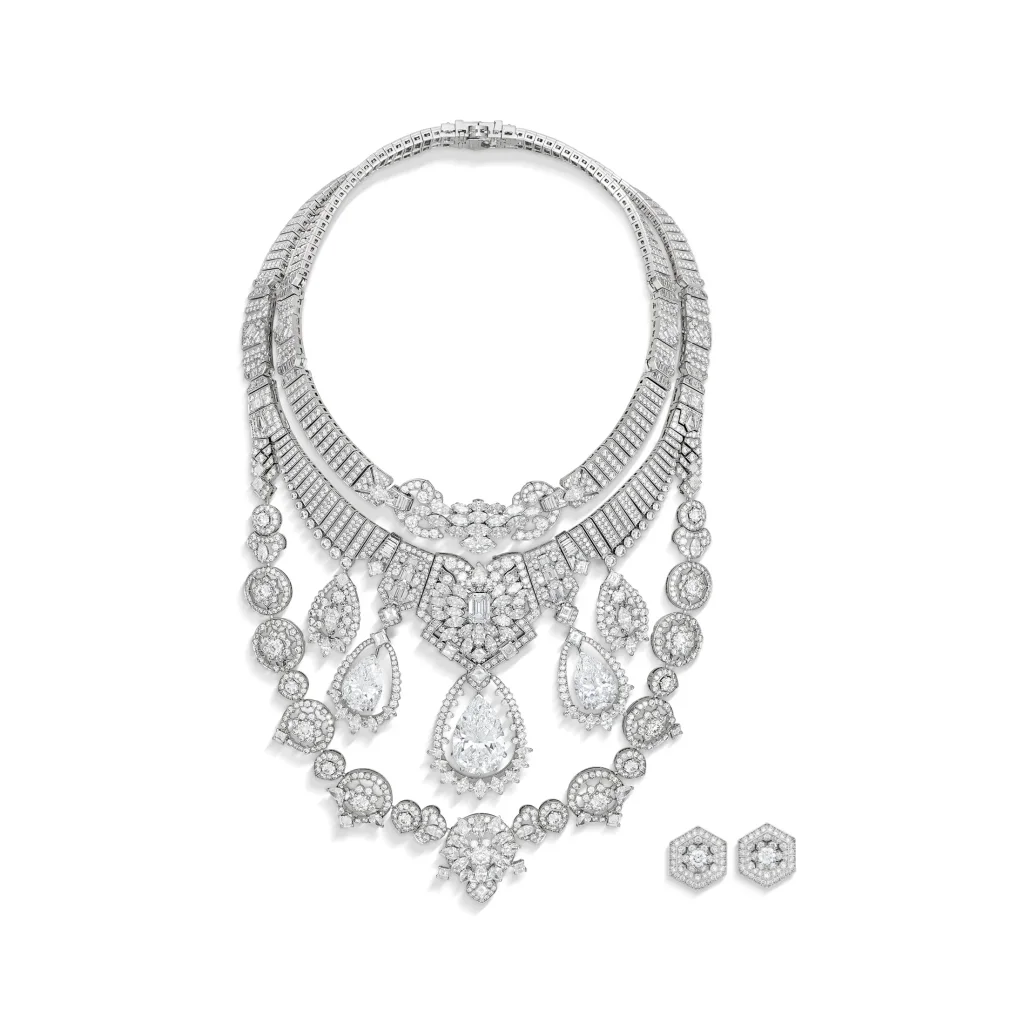
Anatomy of a Maharaja Necklace
The great court necklaces of India were not jewellery but engineering — transformable, hierarchical, built to outrank rooms.…
 From the Archive · The Long View
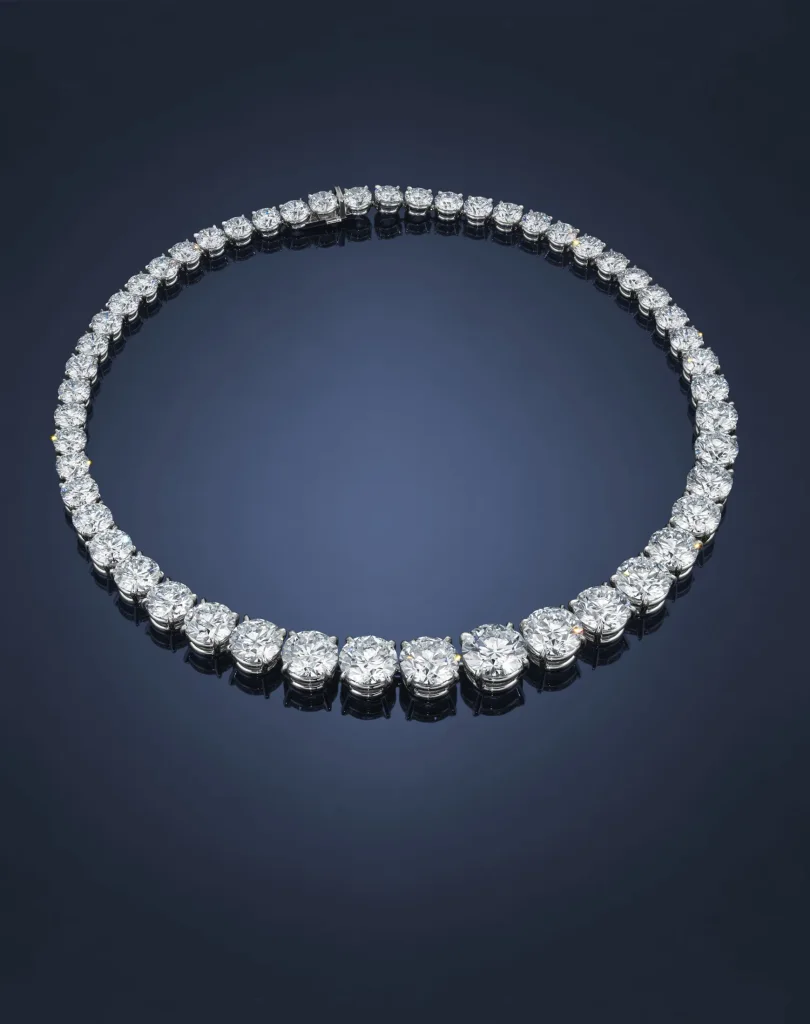
The Rivière: Three Centuries on a Single Thread
It is the simplest idea in jewellery — matched diamonds in a single graduated line — and it…
 From the Archive · An American Original
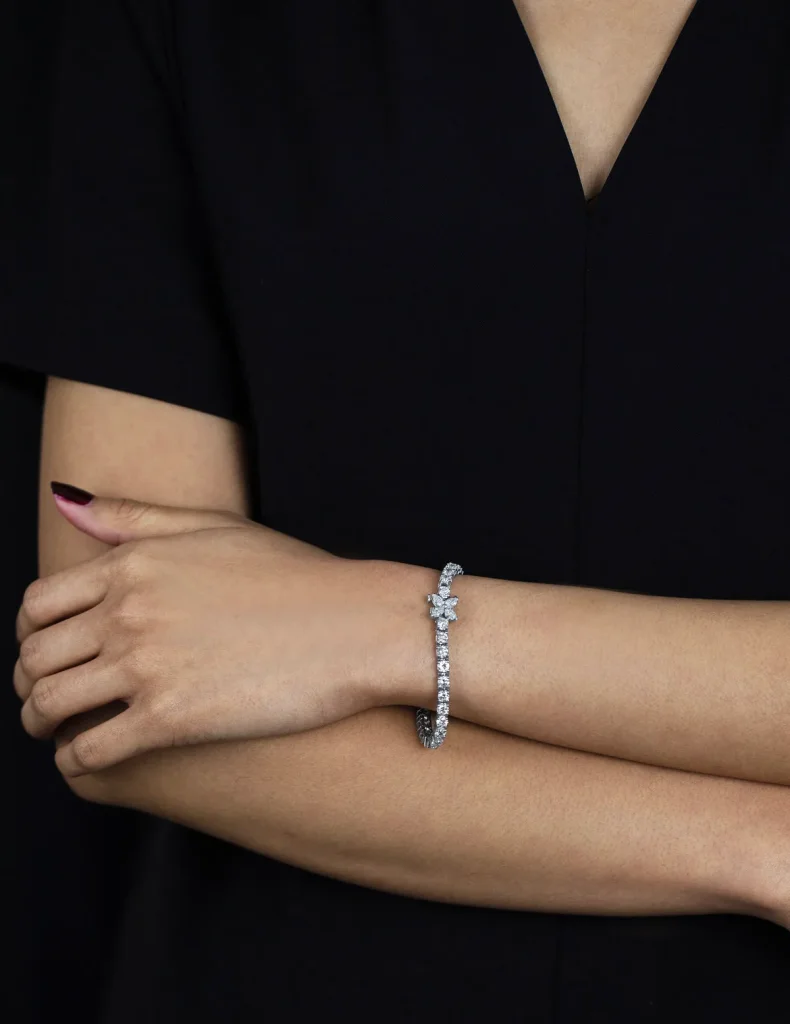
The Bracelet That Stopped the US Open
A clasp failed on a Flushing Meadows hardcourt, a champion refused to play on without her diamonds, and…
The LEGACY List
One letter a week — the stones, the stories, the numbers that matter. Discretion is the house rule.