A Short History of the Engagement Ring
Five and a half centuries ago an Austrian archduke set a fashion no empire has managed to end. The diamond engagement ring, from Burgundy in 1477 to the corridor stones of the present day.
In August 1477, Archduke Maximilian of Austria, needing to secure the hand of Mary of Burgundy — the richest heiress in Europe — took counsel on what a proposal required. The advice survives, and so does its consequence: a ring set with diamonds, the first recorded diamond engagement ring in Western history. The marriage lasted five years; the precedent is now in its sixth century. What follows is how a Burgundian negotiation became the most universal ritual object of the modern world.
The posy and the point
For two centuries after Burgundy, the diamond betrothal ring remained an instrument of dynasties. Ordinary love made do with posy rings — gold bands engraved inside with rhymes — while diamonds, then cuttable only into points and tables, signalled treaties more than tenderness. The stones were dark by modern standards: candlelit rooms, shallow cuts, more promise than fire.
The old cuts: fire learns its shape
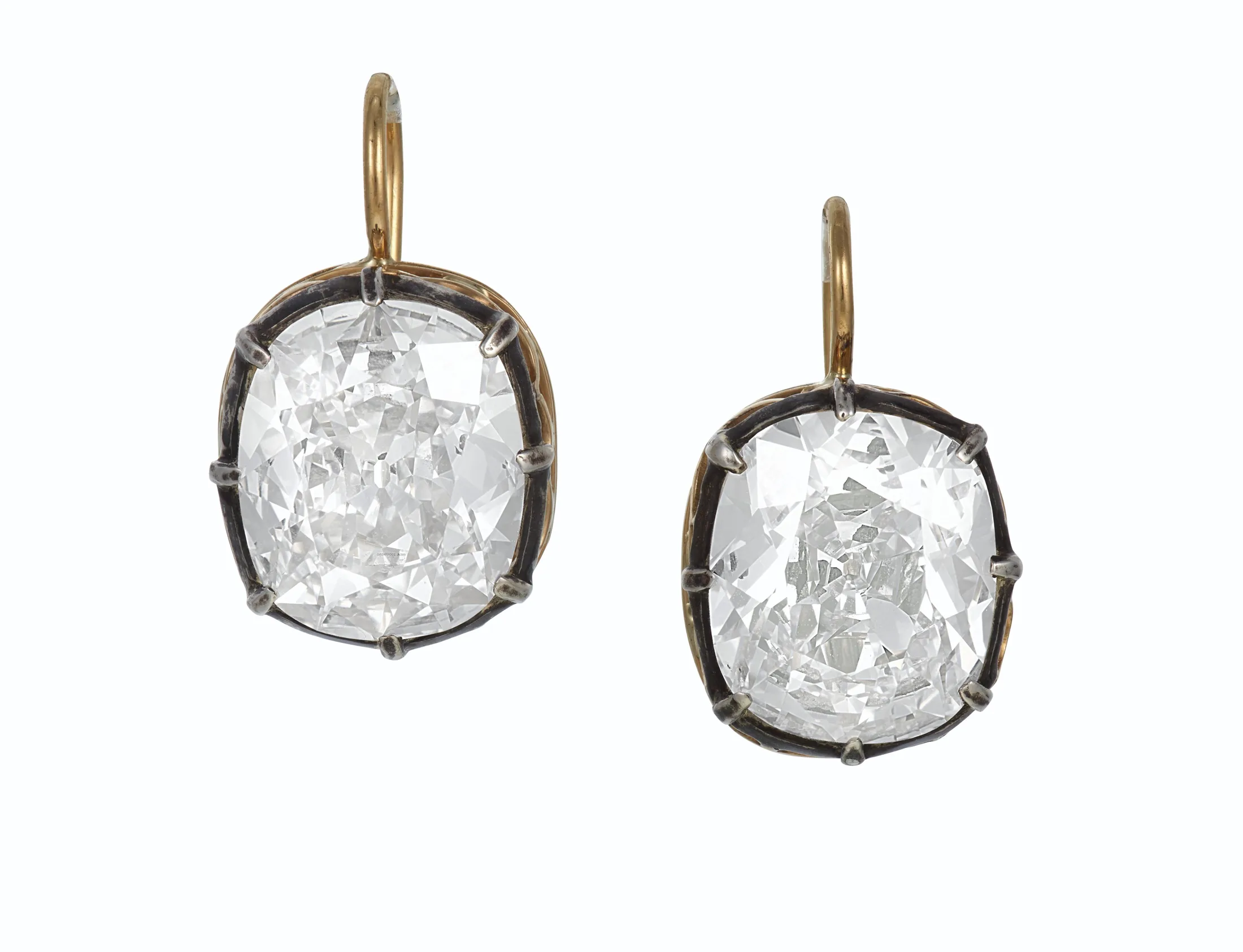
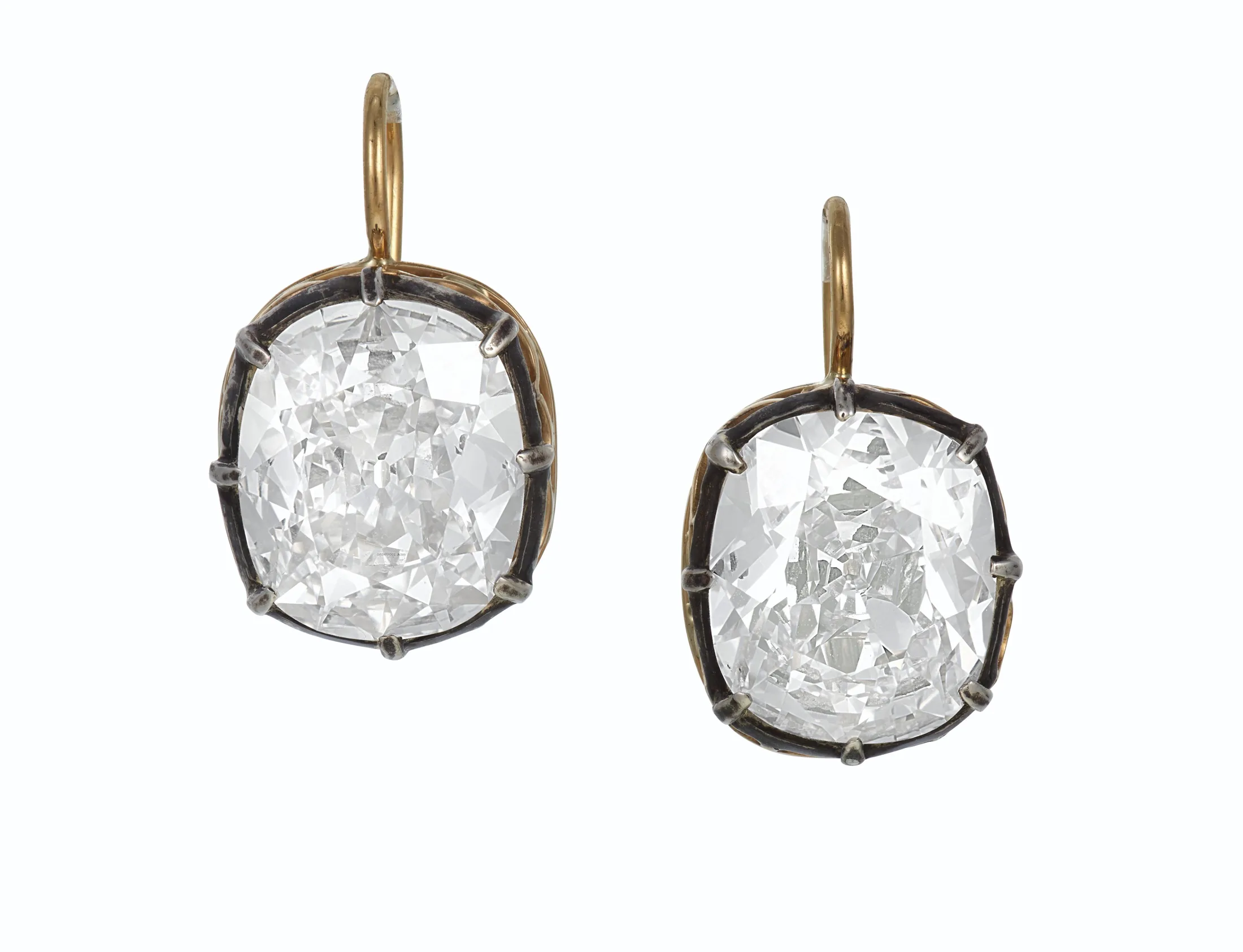
The eighteenth and nineteenth centuries taught the diamond to perform. Old mine cuts — squarish cushions with high crowns and small tables, cut by candlelight for candlelight — gave way to old European rounds as cutting wheels improved. These are the stones estate cases still treasure: softer, deeper, warmer than anything modern machinery produces, throwing broad slow flashes where a modern brilliant throws sparks.
Queen Victoria’s 1840 wedding put sentiment on every finger that could afford it; her serpent engagement ring — an emerald-headed snake, symbol of eternity — licensed a century of romantic code. The diamond, meanwhile, was waiting for two accidents of geology and marketing.
The solitaire century
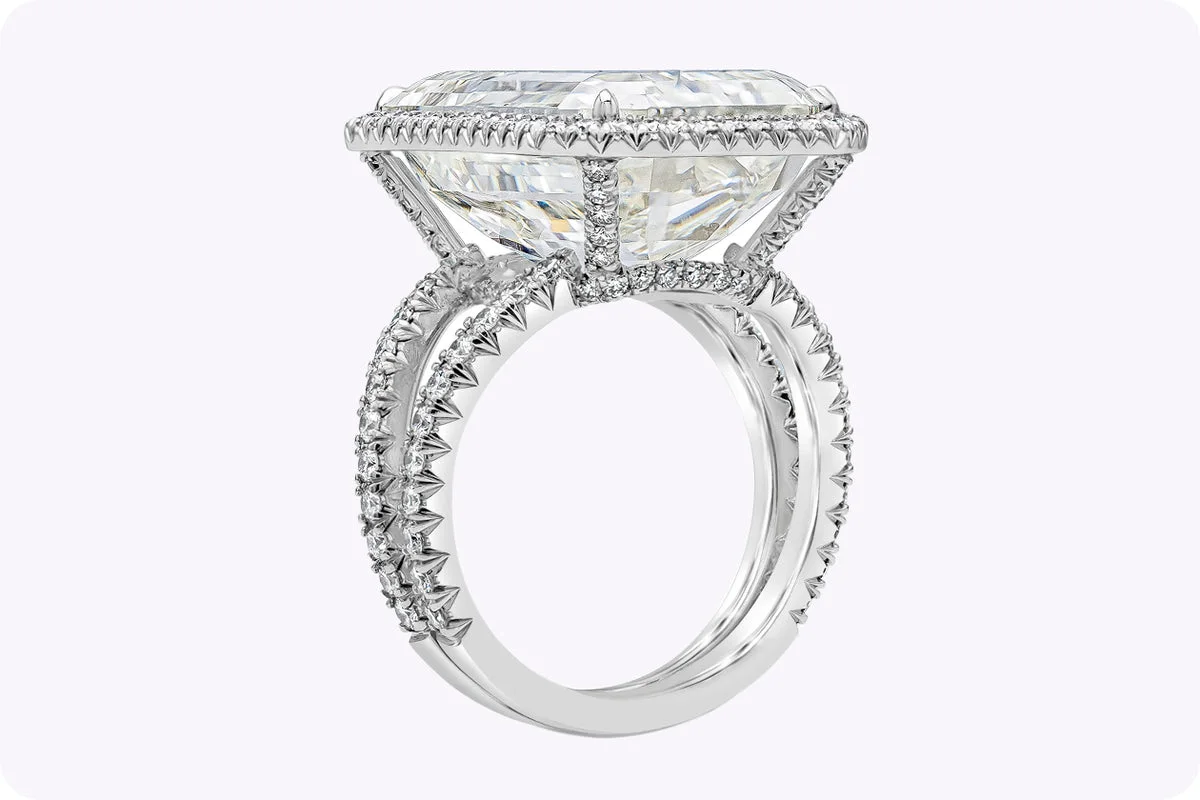
Southern African discoveries in the 1870s made diamonds plentiful enough to democratise and scarce enough to matter. The prong solitaire — a single stone lifted into the light on six claws, patented in the 1880s — became the form’s modern grammar. And in 1947 a copywriter handed the century its four-word thesis, a diamond is forever, after which the engagement diamond stopped being a custom and became a constant. The Art Deco decades added their geometry along the way — step cuts, calibré stones, platinum architecture — a register the vault keeps alive in every era-echo it holds.
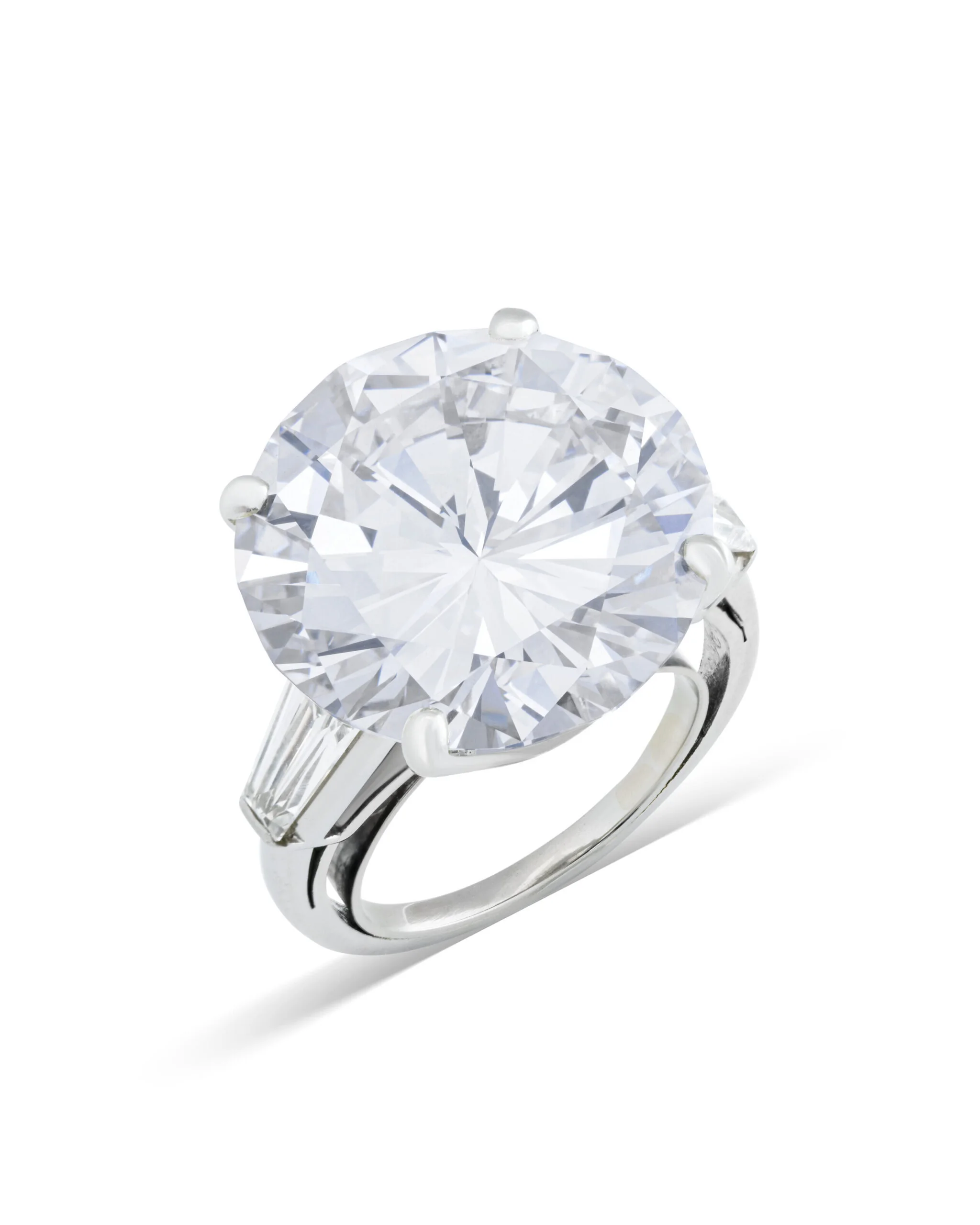
Five centuries of empires, wars and fashions, and the proposal still ends the same way it did in Burgundy: with carbon, cut to hold light.
The present tense
Today’s chapter is being written in two inks. Weight has migrated upward — the corridor stones our market desk chronicles in the five-to-ten-carat class are the new dynastic register, worn with a restraint Burgundy would recognise. And form has rediscovered conversation: the toi et moi, two stones in dialogue, has returned from its Napoleonic origins to modern hands.
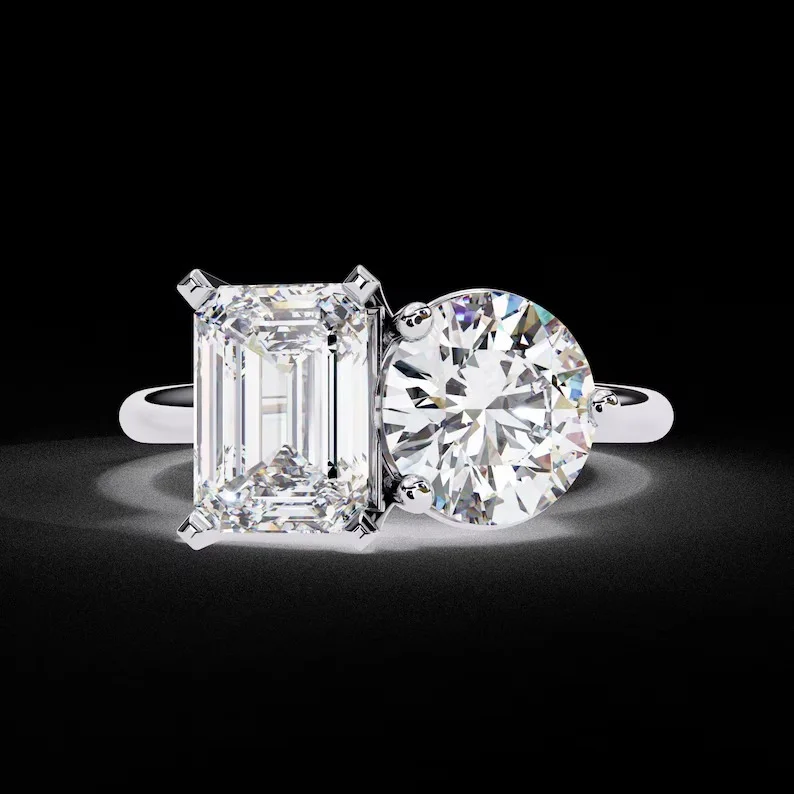
The etiquette evolves — our Vows desk keeps the unwritten rules — but the object endures, because it solved a problem no other object solves: how to make a promise visible from across a room. Five hundred and forty-nine years of field testing, available for inspection in the vault.
The Stones in This Story
From the Legacy vault — each one-of-a-kind, independently certified.
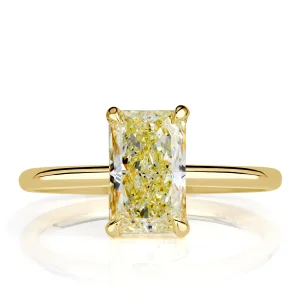
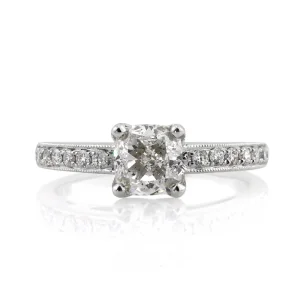
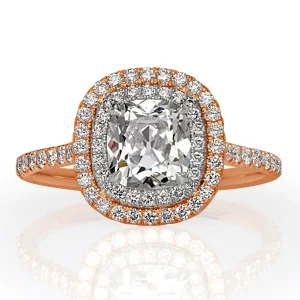
Our atelier sources rare stones privately — tell us the cut, the colour and the moment.
More from From the Archive
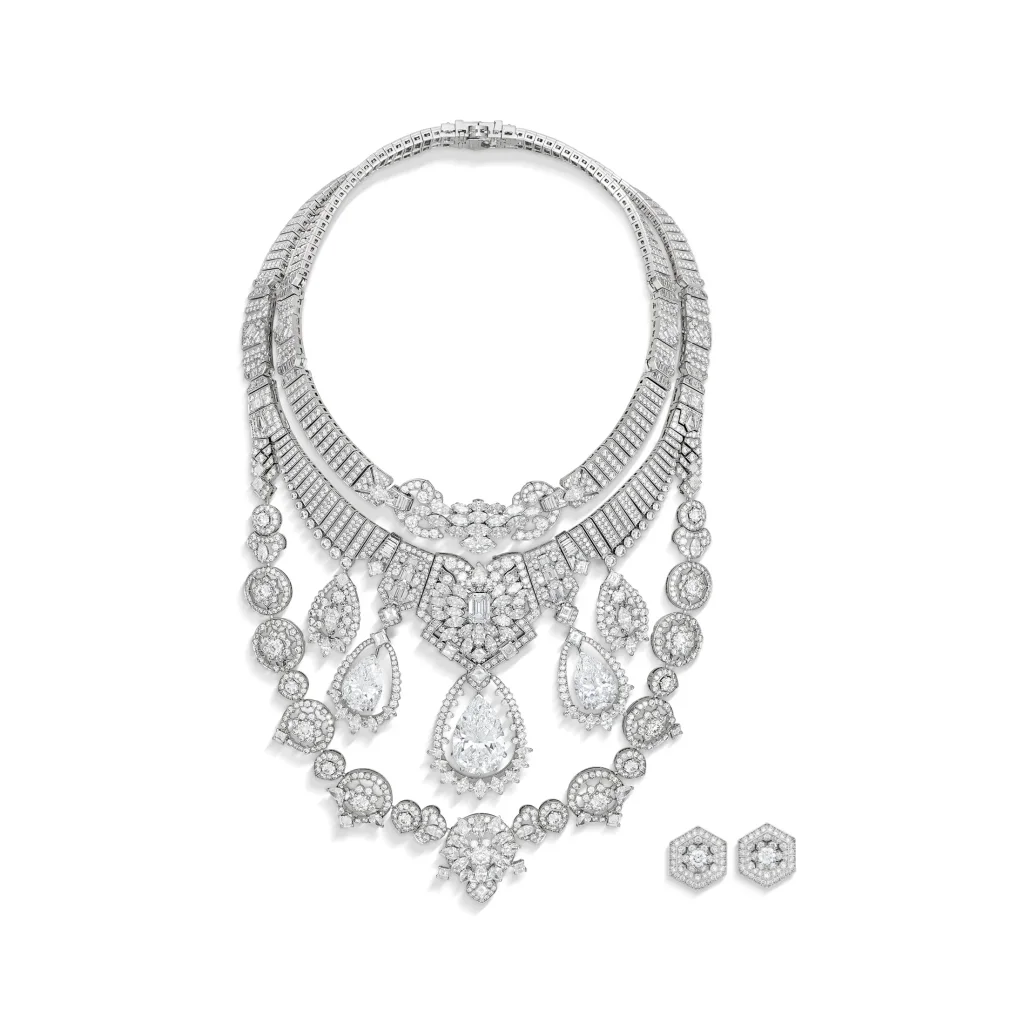 From the Archive · The Object Lesson
Anatomy of a Maharaja Necklace
The great court necklaces of India were not jewellery but engineering — transformable, hierarchical, built to outrank rooms.…
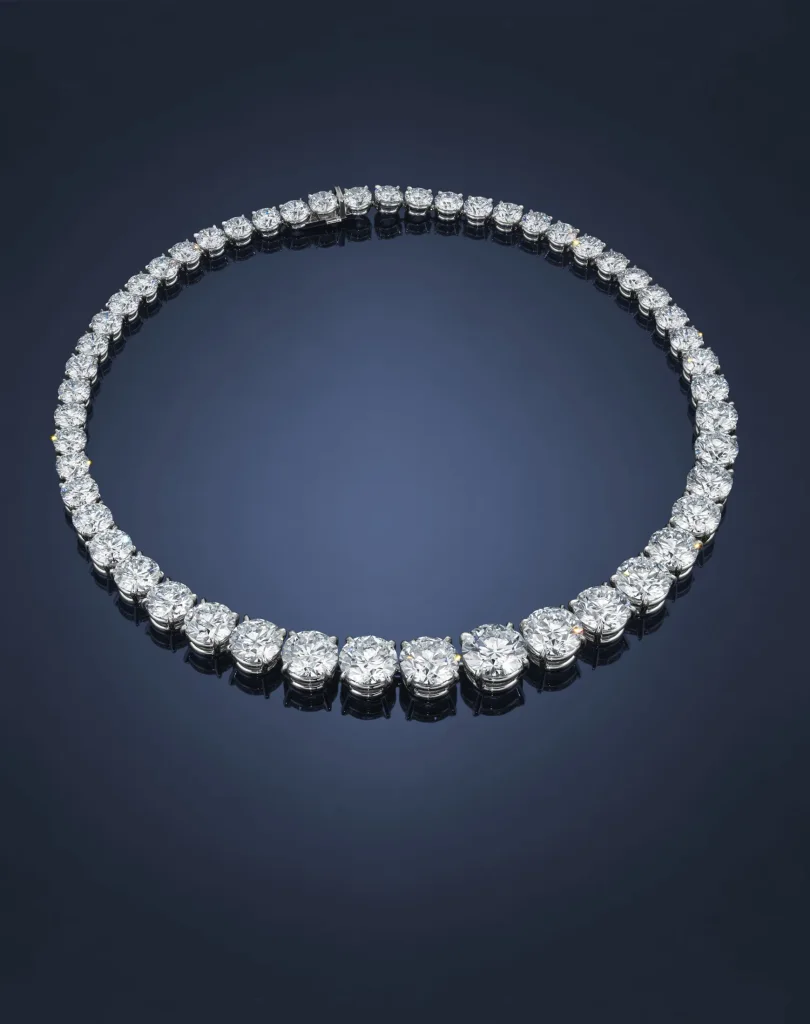 From the Archive · The Long View
The Rivière: Three Centuries on a Single Thread
It is the simplest idea in jewellery — matched diamonds in a single graduated line — and it…
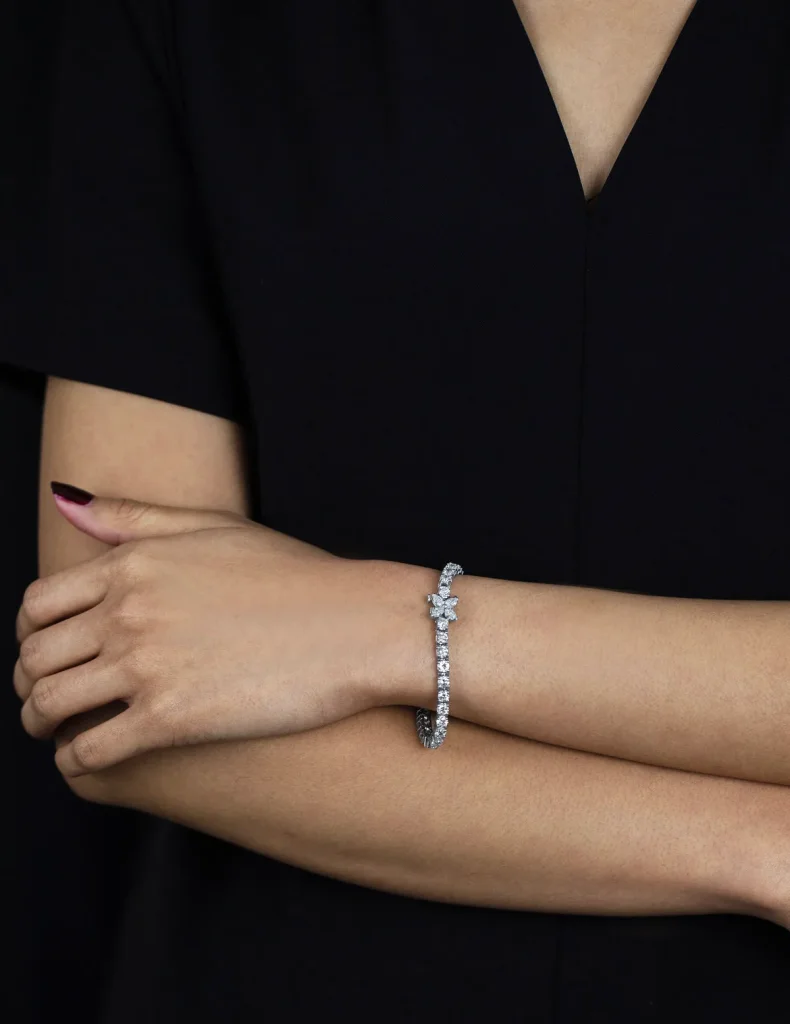 From the Archive · An American Original
The Bracelet That Stopped the US Open
A clasp failed on a Flushing Meadows hardcourt, a champion refused to play on without her diamonds, and…
The LEGACY List
One letter a week — the stones, the stories, the numbers that matter. Discretion is the house rule.