Reading a Ten-Carat Diamond: What the Report Settles, and What Only the Eye Can
At ten carats, the grading report stops being paperwork and becomes the first act of connoisseurship. It settles weight, colour and clarity beyond argument — and stays silent on the one quality your eye notices before any of them.
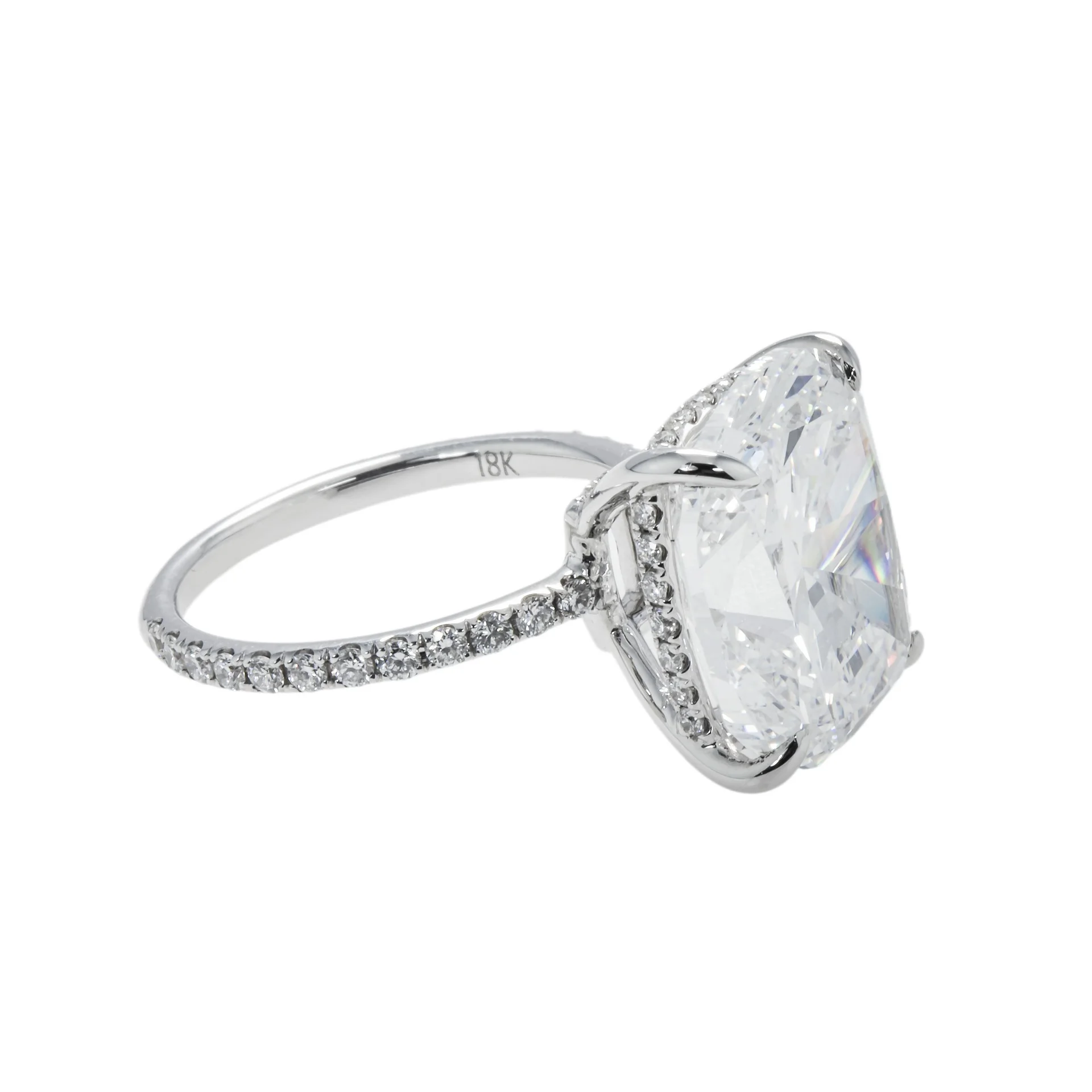
Here is the fact most buyers of a ten-carat diamond learn last: the grading report does not grade the quality your eye registers first. A cut grade exists only for one shape — the standard round brilliant — and at ten carats, most of the finest stones are not rounds.
That is not a flaw in the system. It is the reason the report and the eye are two different instruments, and why serious collectors use them in a fixed order: paper first, stone second, and never one without the other.
What a grading report actually settles
A laboratory report — GIA’s is the reference document, and the house also works with IGI and HRD — is a scientific record, not an opinion of beauty. On a natural diamond it settles, among other determinations:
- Weight, stated to the hundredth of a carat. At this level a hundredth matters: it is the difference between a stone that is what it claims and one that is not.
- Measurements, to the hundredth of a millimetre — the true dimensions from which everything else follows.
- Colour, placed on the D-to-Z scale: twenty-three grades, from colourless to light, assigned by comparison against master stones under controlled light. No adjective survives contact with this scale; “white” is marketing, “F” is a fact.
- Clarity, with a plot of every internal and surface characteristic — a fingerprint no two stones share.
- Polish, symmetry and fluorescence, each recorded separately.
The report also carries a unique number, usually inscribed on the stone’s girdle, which can be checked against the laboratory’s own database. How to run that check — and what a genuine document looks like against a forged one — is its own discipline, covered in the house guide to verifying a diamond certificate.
What the report never states is a price. What a ten-carat ring actually costs, and why the honest answer spans such a wide range, is the subject of the house’s ten-carat price guide — that page holds the numbers, and this page holds the reading.
Why is there no cut grade on most large diamonds?
GIA issues an overall cut grade — Excellent to Poor — only for standard round brilliants on the D-to-Z scale. The geometry of a pear, an oval, an emerald cut or a cushion varies too widely for one honest scale to cover, so on a fancy-shape report the cut line simply is not there. The report describes the shape and cutting style, grades polish and symmetry, and stops.
Now consider what dominates at size. Across the stones LEGACY catalogues at ten carats and above, the pear shape and the emerald cut stand directly behind the round brilliant — the full count, shape by shape, is published in The Stone Index. Which means that at exactly the weight where cut has the most visual consequence, the majority of candidate stones carry no cut grade at all.
The C that most decides how a large stone looks is the one the certificate declines to grade.
This is the quiet asymmetry of the market above ten carats: the C that most decides how a stone looks is the one the certificate declines to grade. The report hands that judgment back to the eye — yours, or that of someone whose eye you trust.
Why does colour show more at ten carats?
Because colour in a diamond is read through the body of the stone, and a larger body is a longer path for light. The same J grade that reads bright in a one-carat stone shows its warmth plainly at ten; graders and dealers both know that size amplifies tint. This is why the letter grades tighten in significance as weight rises: a single grade step that is invisible at one carat is visible across a dinner table at ten.
It is also why fluorescence — a line many buyers skip — deserves attention at this weight. Strong fluorescence can soften the crispness of a very white stone in daylight, or flatter a warmer one. On a large diamond the effect is large. The report states it; only viewing settles whether it matters on the particular stone.
What can only the eye settle?
Three things, none of them on the certificate.
The window. Step cuts — the emerald cut above all — hold broad, open facets and a wide table. On a small stone this reads as restraint; at ten carats the table becomes a window onto the interior. A well-made emerald cut of this weight shows a hall-of-mirrors depth; a poorly proportioned one shows you the room behind you. No line on the report separates the two.
The bow-tie. Elongated brilliants — pear, oval, marquise — can carry a dark bow-shaped band across the centre where light fails to return. Every elongated stone has some; the question is whether it whispers or shouts. The report is silent either way.
Presence. Two stones of identical weight can sit differently on the hand — one carrying its mass in depth, the other in spread. Weight is a fact; how a stone wears its weight is a judgment. (Why equal carats do not mean equal size is its own subject: a carat is a weight, not a size.)
This is what a private viewing is actually for. The paper qualifies the stone; the eye elects it.
How do collectors read a report, in order?
The practised order is nearly universal:
- Identity first. Report number against the girdle inscription, document against the laboratory database.
- Weight and measurements together. The ratio between them hints at where the mass lives — spread or depth.
- Colour, with fluorescence beside it. Never one without the other at this weight.
- The clarity plot, not just the grade. Where a characteristic sits matters more than that it exists: under the table is one conversation, hidden by a prong claw is another.
- Polish and symmetry. On a fancy shape, these two lines are the closest thing to a cut grade you will get from the paper.
- Comments. The line collectors read twice. Anything the laboratory took the trouble to note, you should take the trouble to understand.
Then, and only then, the stone itself — in daylight, in low light, in movement.
Questions collectors ask
Does a grading report tell you a diamond is beautiful?
No — and it does not try to. It tells you the stone is natural, tells you what it weighs and where it sits on the colour and clarity scales, and fixes its identity beyond dispute. Beauty at ten carats lives in proportions, light behaviour and presence, which is precisely the territory the report leaves to the viewing.
What should you look at first on a ten-carat stone’s report?
The report number and the inscription, before anything else. Every other line is meaningless until the paper and the stone are proven to be speaking about each other. The house guide to verifying a certificate walks through the check laboratory by laboratory.
Why do fancy shapes dominate above ten carats?
Partly physics, partly taste. Brilliant-family shapes like the pear scatter light across many small facets and stay visually forgiving as weight rises; elongated outlines also carry their weight across more of the finger. The count of what actually exists at that weight, shape by shape, is recorded in The Stone Index.
Where does the price question belong?
To the ten-carat price guide, which is kept against the house’s live collection. One page, one subject, kept current — and the collection itself is open in the rings room.
The shape counts referenced here are drawn from The Stone Index, compiled from LEGACY’s recorded inventory with denominators stated; grading-scale facts are as published by GIA. Every stone the house presents is natural and earth-formed, with independent certification available on request, and every delivery travels Brink’s-insured.
Last verified 11 August 2026.
The Stones in This Story
From the Legacy vault — each one-of-a-kind, independently certified.
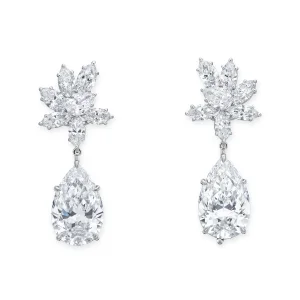
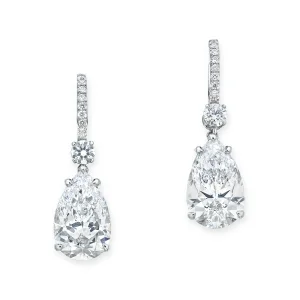
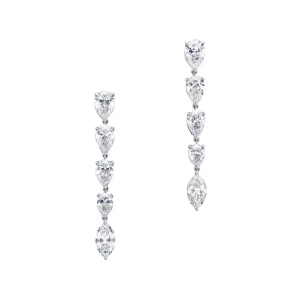
The ten-carat guide keeps the numbers against the live collection — read it, then ask for the viewing.
More from Education
 Education · The Measure
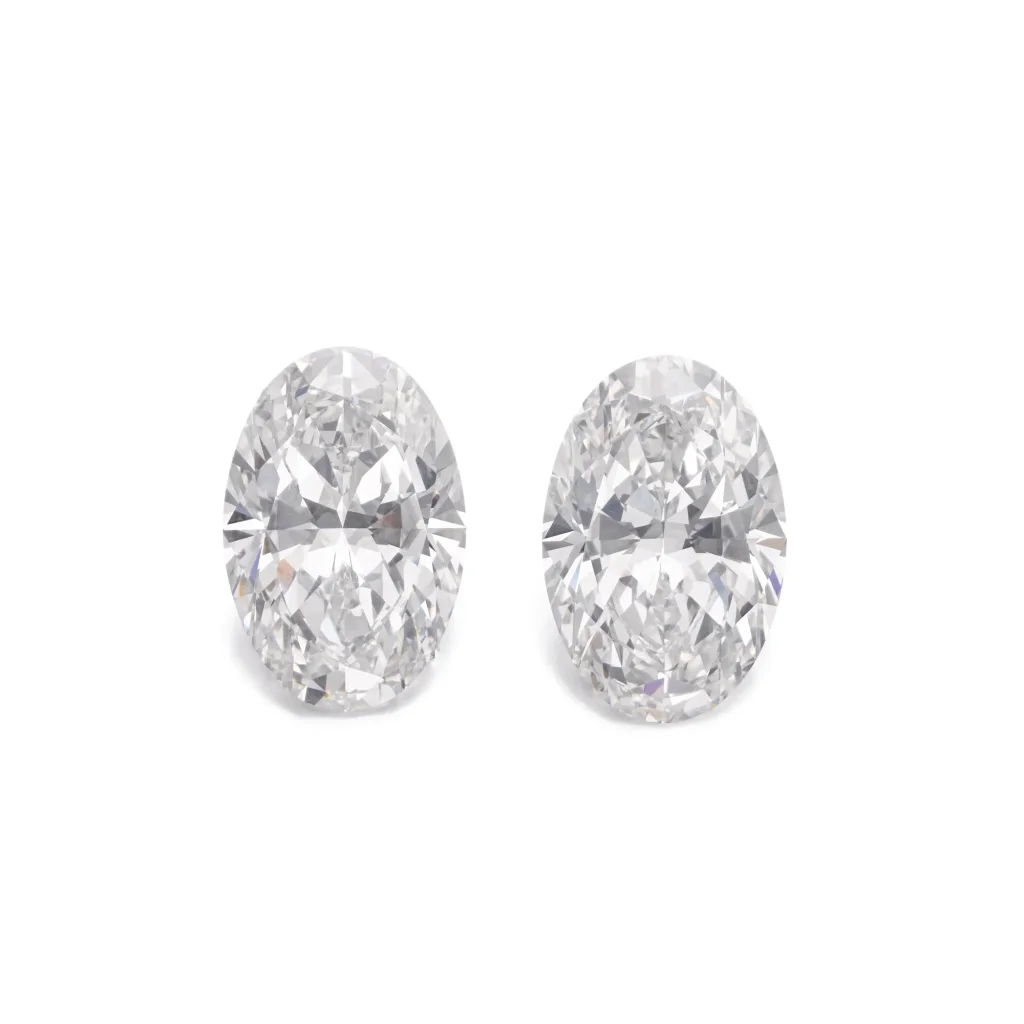
A Carat Is a Weight, Not a Size
The most misunderstood word in jewellery measures nothing you can see. A carat is 200 milligrams on a…
 Education · The Duel
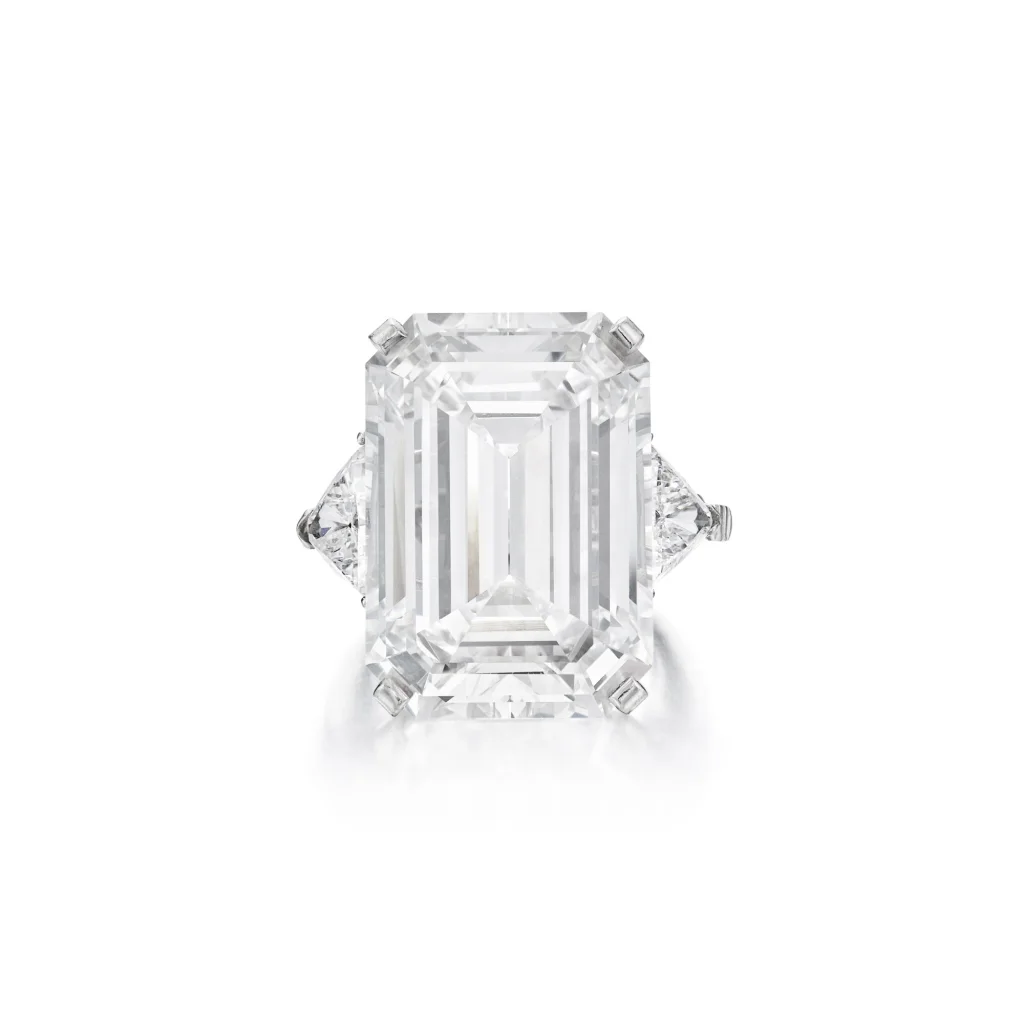
Emerald Cut vs. Round Brilliant: The Honest Comparison
One cut is engineered to return every photon it is given; the other declines to perform at all…
 Education · Field Guide
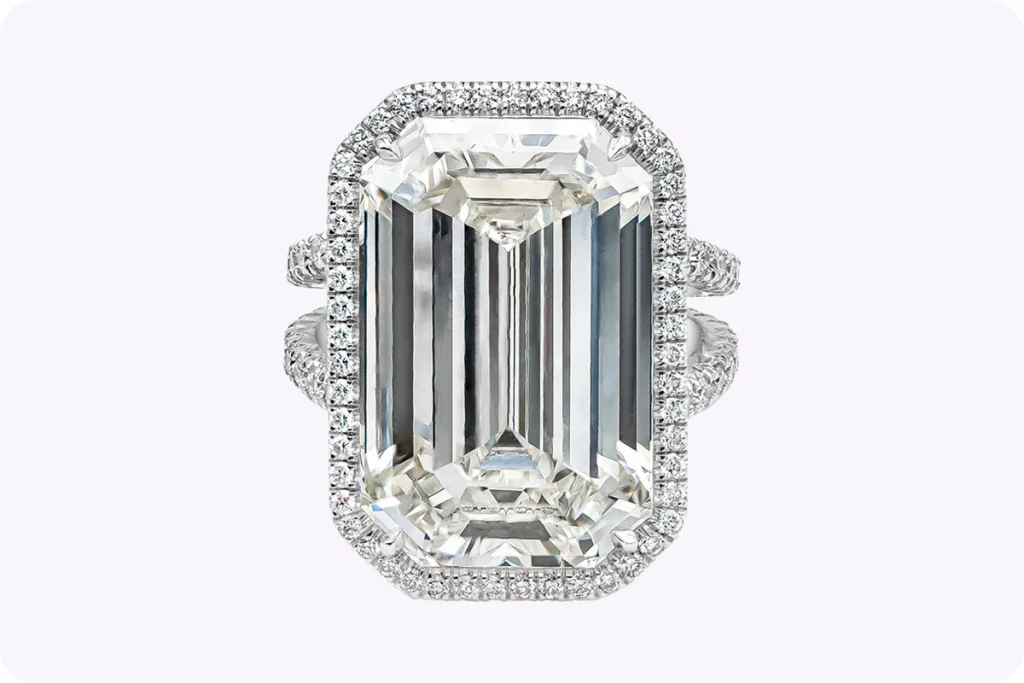
How a Ring Holds Its Stone: A Field Guide to Settings
Prong, bezel, halo, trilogy — the architecture beneath a diamond decides how it sits, how it shines and…
The LEGACY List
One letter a week — the stones, the stories, the numbers that matter. Discretion is the house rule.