Diamond Education · The House Guides
The 10 Carat Diamond Ring: Rarity at Double Digits
A working price map for 10-carat-and-above diamond rings, from entry pieces to museum-grade stones, and how provenance and cut decide where a stone sits.
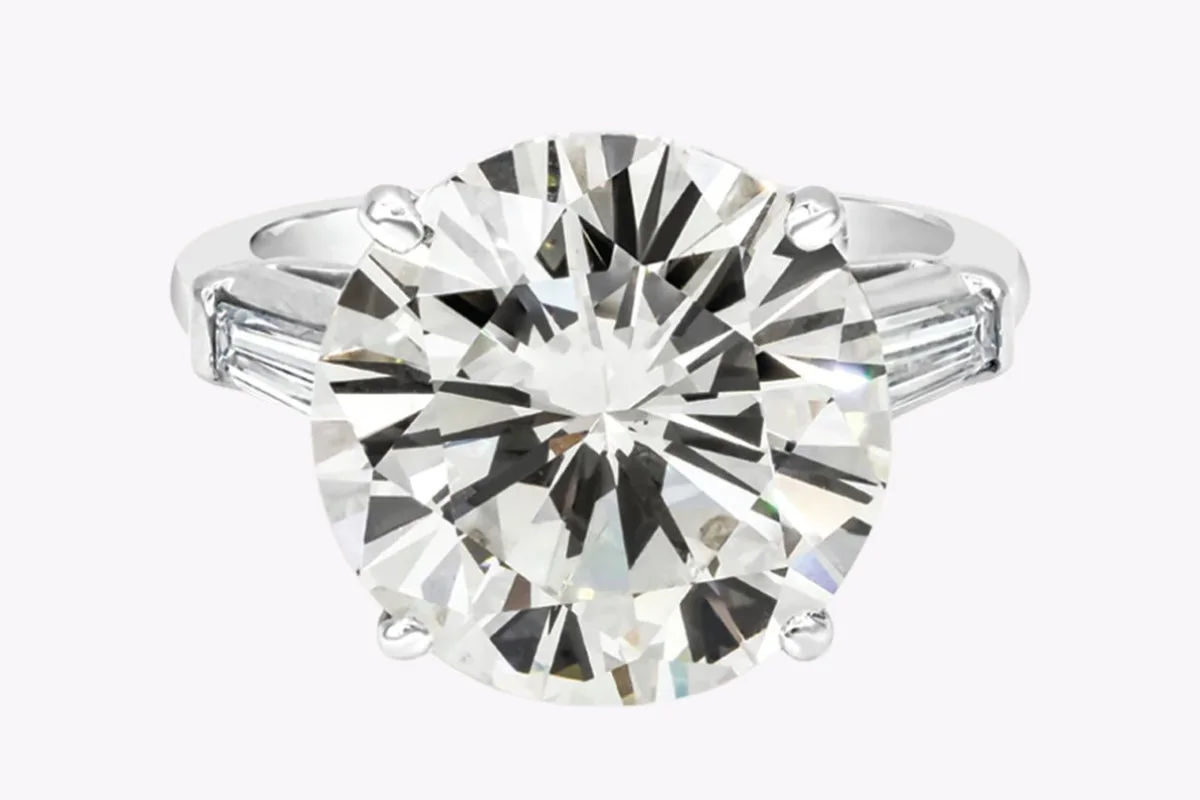
The spread is set overwhelmingly by cut quality, color and clarity rather than carat weight alone. At this weight, the stone itself is no longer the variable that separates buyers — the grading report is.
Why the range is so wide at ten carats
Below three carats, diamonds of similar weight tend to cluster in price because supply is deep and grading differences are proportionally small in dollar terms. At ten carats, supply thins sharply, and a single grade of color or clarity can move the price by six figures.
What actually moves the price at this weight
Four factors do almost all the work once a stone crosses ten carats.
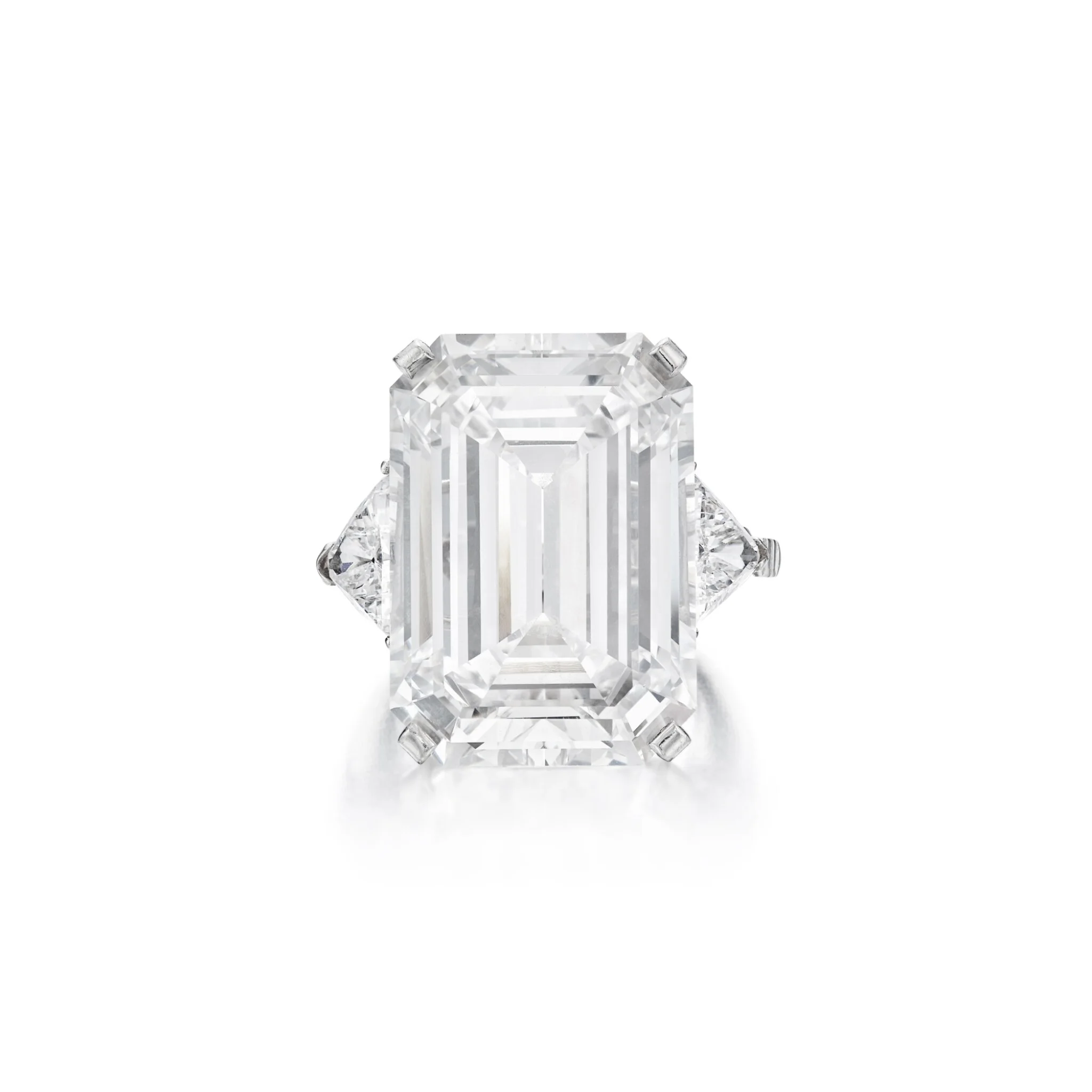
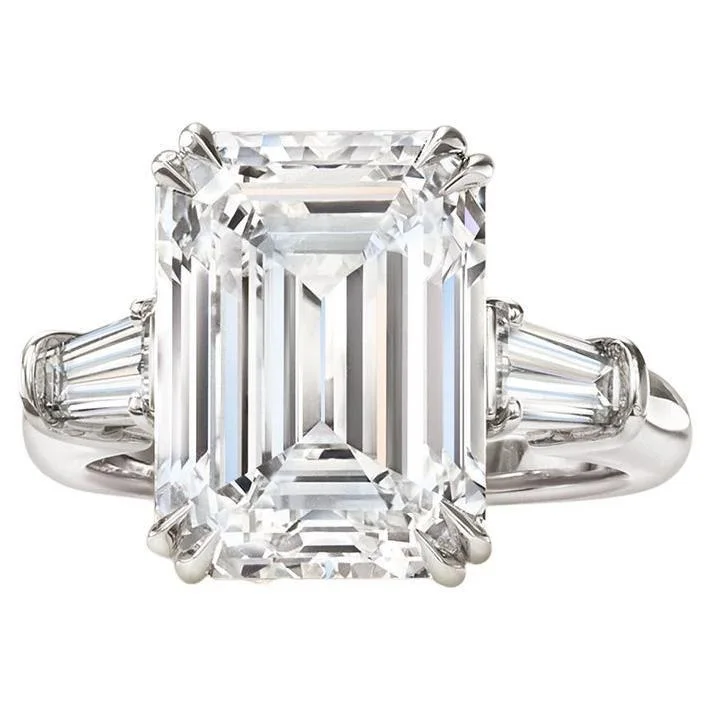
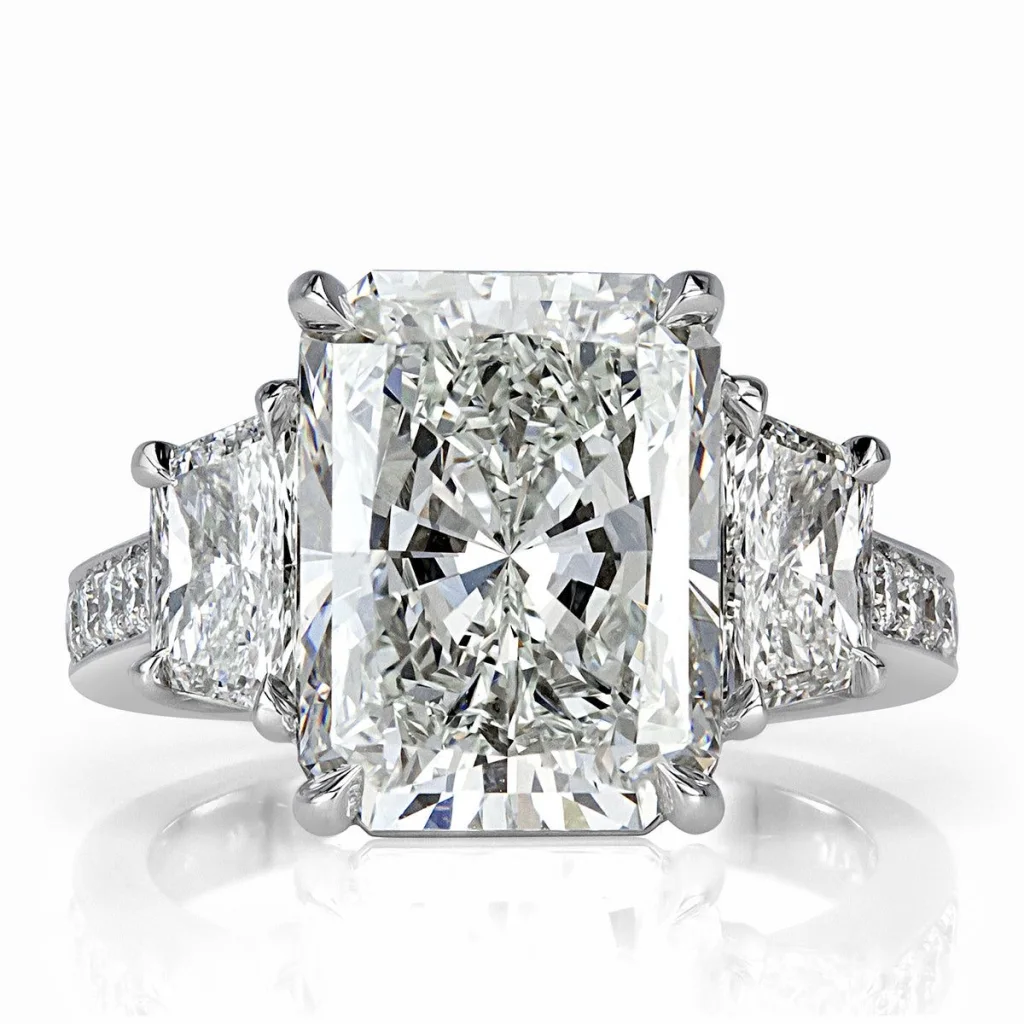
Cut and shape. Step cuts such as Asscher and radiant reveal inclusions differently to brilliant cuts, and a precision-cut stone commands a premium over a commercially cut one of identical weight.
Color. At ten carats, body color is visible to the unaided eye far sooner than in a one-carat stone. A jump from J to G color can add tens of thousands of dollars on its own.
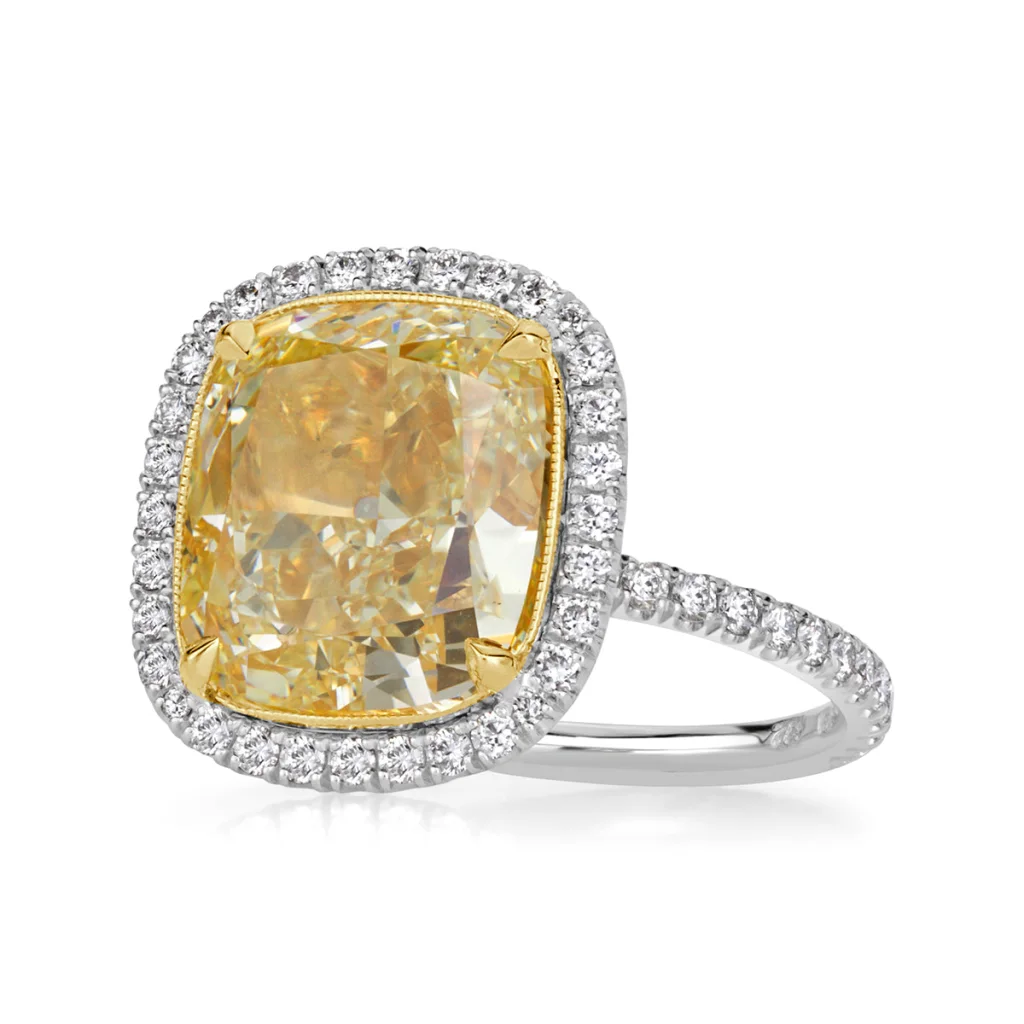
Clarity. VVS and VS stones at this size are materially rarer than SI, and the price gap widens rather than narrows as carat weight climbs. Legacy’s 10 Carat Cushion Statement, graded VVS with a precision cut, prices in line with the SI Asscher and radiant pieces above — evidence that cutting quality can offset a clarity premium, and vice versa.
Certification. Every stone Legacy sells above one carat carries independent certification from GIA, IGI or HRD, arranged on request so the client selects the laboratory. At ten carats and above, a report from a recognized laboratory is not a formality; it is the document that will govern resale, insurance and inheritance for decades.
12 carat diamond rings
A 12 carat diamond ring is, in practice, priced the same way a ten-carat ring is — by the individual crystal — but against a field roughly a quarter the size.
Provenance and the auction-tracked market
Stones above ten carats are frequently priced with reference to auction results for comparable weight, color and clarity, because the pool of buyers and sellers at this size overlaps with the auction market rather than the retail one. A collector evaluating a 10-carat purchase is, in effect, evaluating it against the same benchmarks a specialist would use to estimate a lot at auction: certified grade, cut precision, and any notable provenance. This is one reason serious buyers ask for the full grading report before price discussion, not after. A stone with a documented history — a known cutter, a prior notable owner, or an unbroken chain of ownership since it left the rough — can command a premium over an otherwise identical stone with no such record, in the same way provenance affects value in fine art or rare watches.
It is worth noting that carat weight alone tells a buyer almost nothing about rarity at this scale. A 10.00-carat stone sitting exactly on the round-number mark is, statistically, more common than an 11.37-carat stone of similar quality, simply because cutters frequently target whole and half-carat marks when the rough allows it. Collectors focused on genuine scarcity sometimes look past the round numbers entirely and let cut quality and color drive the decision instead.

Shape at ten carats: marquise, pear and the elongated cuts
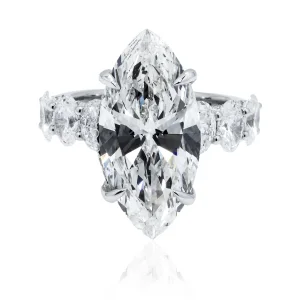
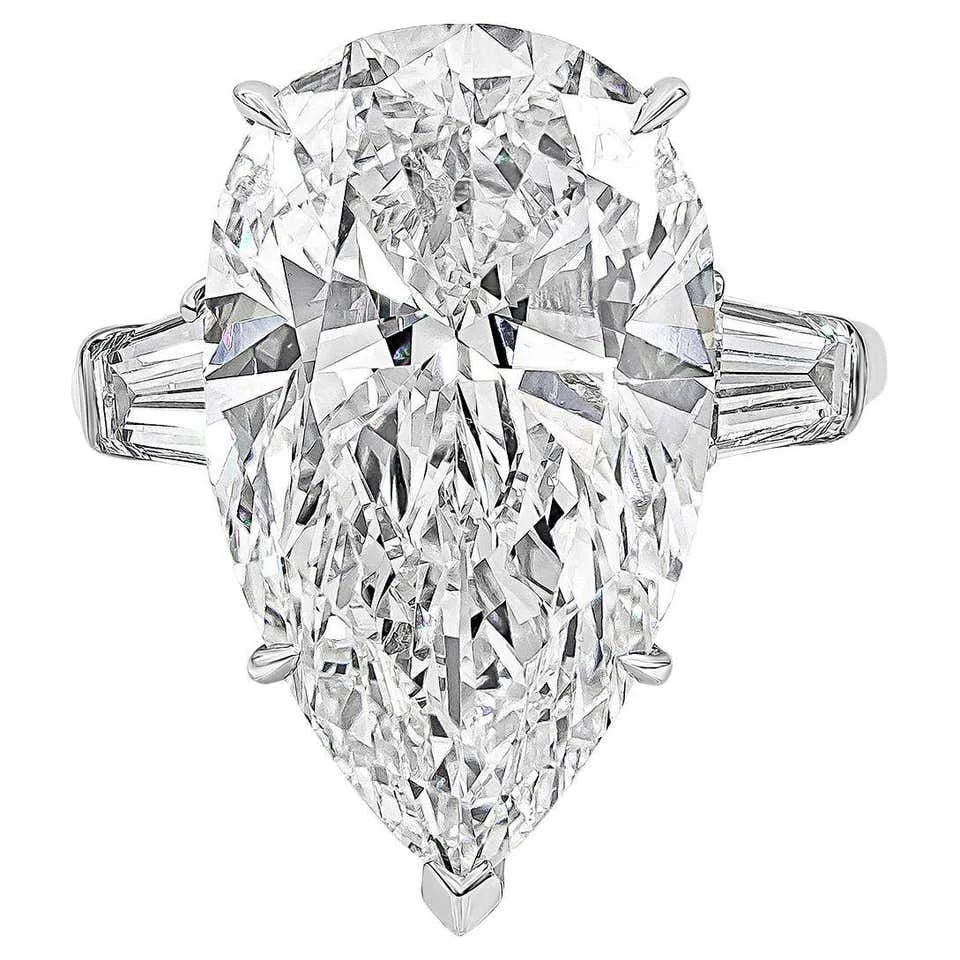
Elongated shapes carry their weight across a larger face-up area than a round brilliant of the same carat, so they read visibly larger on the hand — and at ten carats that difference is pronounced. Pear, emerald and radiant cuts dominate Legacy’s ten-carat band for exactly this reason. The marquise deserves particular mention: it is the rarest of the elongated cuts at this weight, with thirty-two marquise rings currently held in the band, from pieces such as the 10.78 Carat Marquise Diamond Ring in brilliant white upward. A 10 carat marquise diamond ring presents the longest silhouette available at this weight, and well-cut examples — where the belly is full enough to avoid the bow-tie shadow — are held tightly by collectors.
Color behaves differently across shapes: emerald and asscher cuts, with their open step facets, show body color more honestly than brilliant-faceted stones, which mask a faint tint through dispersion. A buyer choosing a step cut at this weight should expect the color grade to matter more, not less.
Setting choices at ten carats and above
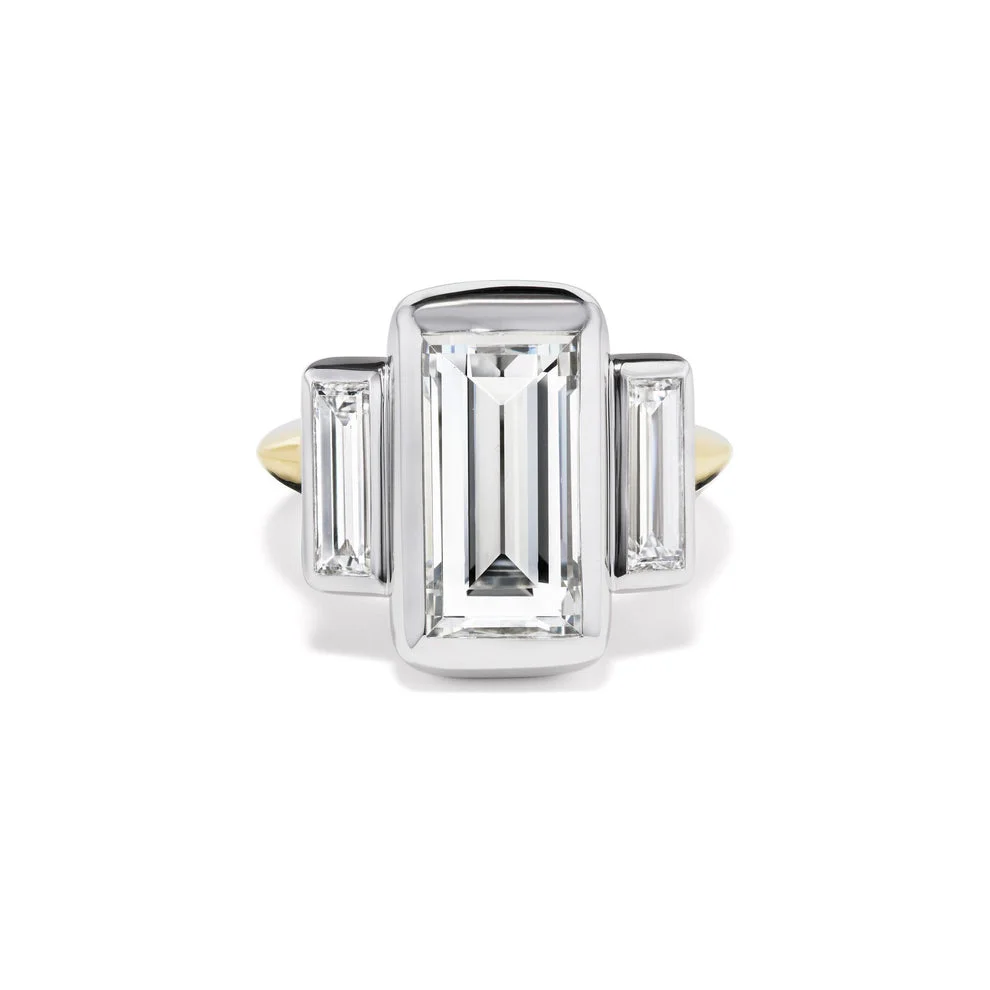
A stone of this size changes the calculus for setting design. Wide-band solitaires with substantial prongs are common not for aesthetic reasons alone but structural ones: a ten-carat stone carries genuine weight, and a setting built for a two-carat ring is rarely adequate. Four-prong and six-prong settings in platinum or 14K white gold, as seen across Legacy’s Asscher, radiant and cushion statement pieces, balance security with minimal metal coverage so the stone itself remains the focus. Halo settings are used sparingly at this weight, since the stone rarely needs the visual boost a halo is designed to provide; the more common choice is a clean, low-profile mount that lets the diamond’s own proportions do the work.
Buying at this level: what changes
Legacy arranges private viewings, in person or by live video, so the stone can be examined under controlled lighting before any commitment is made. Delivery, where it applies, is Brink’s-insured door-to-door, and every piece carries one published price — clients are welcome to suggest a price privately, but there is no public discounting or invented urgency at this level of the market. Legacy has sourced and set stones of this scale since 1952, each one selected individually rather than bought in parcel lots.
Buyers new to this segment of the market often assume that a higher price automatically signals a better stone, but the inverse mistake is just as common: assuming that a ten-carat ring listed at a few tens of thousands of dollars represents value. At that figure the headline carats are almost never a single diamond crystal — across the wider market they are usually a colored gemstone, a total weight spread across many small stones, or grades that would be considered unacceptable in a diamond bought for everyday wear. Price and quality track closely enough at this weight that an unusually low figure is a signal to look harder at the certificate, not a reason to move faster.
Questions collectors ask
Is a 10 carat diamond ring a good investment?
Diamonds above ten carats have historically held value better than smaller stones because supply at this weight is genuinely scarce, but performance depends entirely on the individual stone’s grade and cut. A well-documented, top-grade ten-carat diamond is a materially different asset from an included, poorly cut one of the same weight, even though both are described identically by carat alone.
What is the cheapest way to buy a 10 carat diamond ring?
Within white diamonds, softer color grades and VS–SI clarity bring the price down fastest, followed by choosing a brilliant cut over a step cut, since brilliant cuts mask inclusions more effectively.
How long does it take to source a specific 10 carat diamond?
Because stones at this size are selected individually rather than held in depth across every combination of shape, color and clarity, sourcing a precise specification can take from a few days to several weeks. A private consultation is the fastest way to establish what is available now against what must be sourced to order.
Do 10 carat diamonds need independent certification?
Yes, without exception at this value. Every diamond of this size that Legacy sells is independently certified by GIA, IGI or HRD, and the laboratory can be specified by the client before the report is issued.
Should I buy a 10 carat diamond ring or a smaller stone with a larger setting?
The two are not equivalent, and buyers occasionally confuse them. A cluster or halo setting can approximate the visual footprint of a ten-carat stone using a smaller center diamond, but it will never carry the same rarity, certification profile or long-term value as a genuine ten-carat solitaire. The choice depends on whether the goal is appearance alone or the stone itself as a considered acquisition.
Legacy’s high-carat statement diamond rings collection holds the current run of 10-carat-and-above pieces referenced here, including the 10 Carat Asscher Cut Statement and the 10 Carat Cushion Statement in VVS clarity. For the broader range, browse the full rings collection, or read our guide on how to invest in diamonds. To examine a specific stone under proper light, book a private consultation.
Shop this in the collection
Ready to view now: 8 carat diamond rings · 9 carat diamond rings · 10 carat emerald cut diamond rings · 8 carat emerald cut diamond rings · 12 carat diamond rings. For the weight just below, see the 9 carat diamond ring price guide; for the weights above, the 20 carat diamond ring price guide and our guide to 15 carat diamond rings.
How collectors actually read a grading report at this weight — and the one quality it never grades — is the subject of Reading a Ten-Carat Diamond in The Record.
The Carat Atlas
Every collection at and around this weight — each with published prices.
The Pieces in This GuideThe Vault →
From the Legacy vault — each one-of-a-kind, independently certified.

A private advisor answers on the figures in this guide — and places any piece from the vault within them, certificate first.
More from Diamond EducationAll Guides →
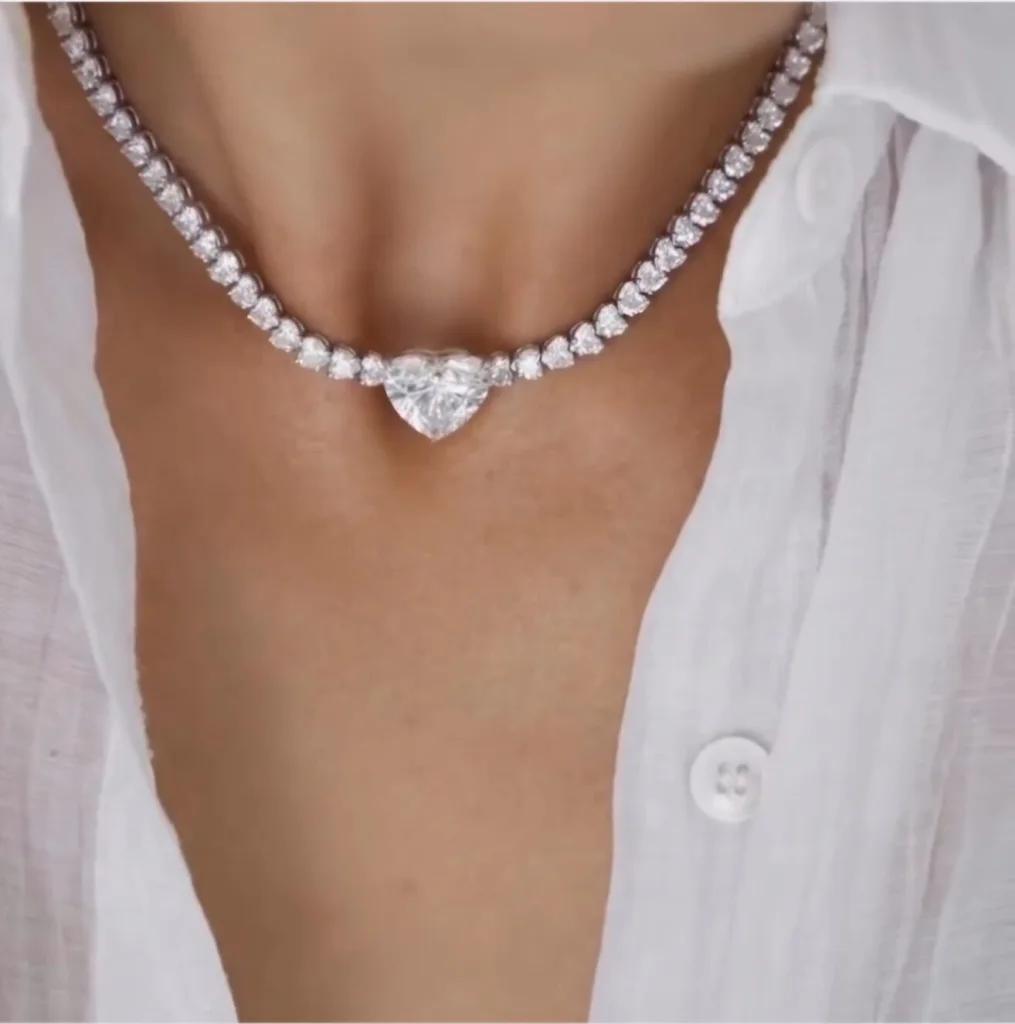 Diamond Necklace Price Guide: 50 to 100 CaratsDIAMOND EDUCATION · AUG 31, 2026
 15+ Carat Diamond Price Guide: What It Actually CostsDIAMOND EDUCATION · AUG 31, 2026
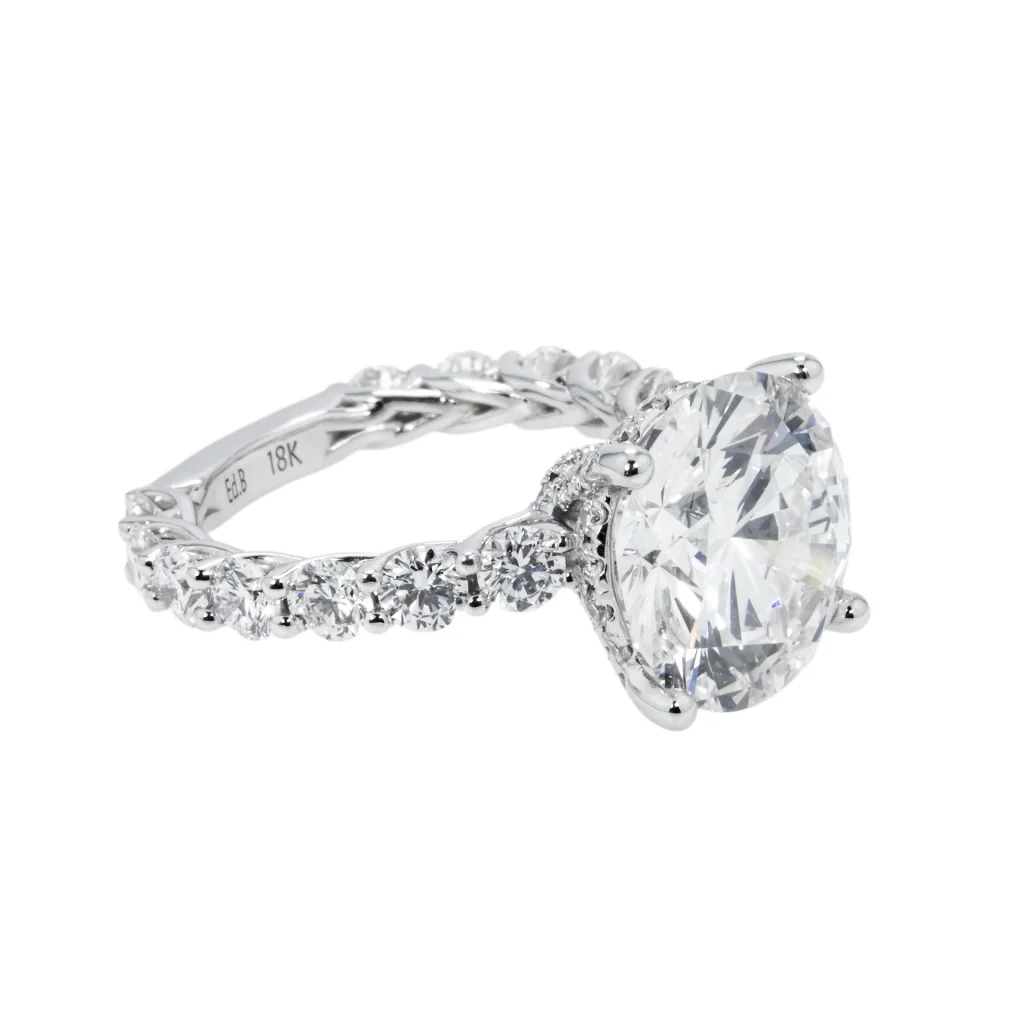 9 Carat Diamond Ring Price Guide: What It Actually CostsDIAMOND EDUCATION · AUG 31, 2026
 7 Carat Diamond Ring Price Guide: What It Actually CostsDIAMOND EDUCATION · AUG 31, 2026
 5 Carat Diamond Ring Price Guide: What It Actually CostsDIAMOND EDUCATION · AUG 31, 2026
 4 Carat Diamond Ring Price Guide: What It Actually CostsDIAMOND EDUCATION · AUG 31, 2026
The Vault, Continued
Every piece one-of-a-kind, every price published. Keep scrolling — the vault does not end here.