Diamond Education · The House Guides
How to Verify a Diamond Certificate (GIA, IGI, HRD)
A diamond certificate is verified by checking its report number directly on the issuing laboratory's database, not by trusting the printed document alone.
A diamond certificate is verified by taking the report number printed on it and searching that number directly on the issuing laboratory’s own database, GIA’s Report Check, IGI’s Report Verification, or HRD’s Certificate Verification, and confirming that the carat weight, color, clarity and cut shown online match the physical document. The printed certificate itself is never sufficient proof on its own; the online database entry is the authoritative record.
Step one: locate the report number and look it up
Every legitimate report carries a unique number, usually printed in the top corner of a GIA report, alongside the barcode on an IGI report, or beside the certificate reference on an HRD report. Each laboratory runs a free public lookup tool: GIA’s is at gia.edu under Report Check, IGI’s under Verify a Report on igi.org, and HRD’s under Verify a Certificate on hrdantwerp.com. Entering the number should return the same carat weight, color, clarity, cut grade and measurements printed on the physical document. If the online record returns nothing, returns different figures, or the site shows no such report number exists, treat the certificate as unverified until the discrepancy is resolved directly with the laboratory rather than the seller.
It is worth doing this lookup even when a certificate looks entirely convincing. Report Check tools exist precisely because printed documents can be altered, photocopied from a different stone’s report, or, in rare cases, fabricated outright. The online record is generated and controlled by the laboratory itself, which makes it far harder to falsify than a piece of paper, and it takes under a minute to check.
Step two: match the laser inscription to the stone itself
Most diamonds graded by GIA, IGI or HRD above a certain size carry a microscopic laser inscription on the girdle, invisible to the naked eye but readable under 10x magnification with a jeweler’s loupe or a gemological microscope. This inscription usually repeats the report number, sometimes alongside a laboratory logo. Checking it against the physical stone, not just the paperwork, is the step that confirms the certificate actually belongs to the diamond in front of you, rather than to a similar stone the paperwork was swapped from, whether by accident during handling or deliberately. Any reputable jeweler or independent gemologist can check this inscription in minutes, and it is a reasonable request to make before completing a significant purchase from any source.
For a mounted stone, checking the inscription can require the jeweler to view the girdle from an angle the setting allows, which is not always straightforward once a diamond is set into a ring or pendant. This is one of several reasons experienced buyers prefer to verify a stone before it is set, or ask a jeweler experienced with mounted verification to check it in place.

Step three: read the report for internal consistency
A genuine report is internally consistent: the stated measurements should be proportionate to the carat weight, the cut grade should align with the reported proportions and symmetry, and the fluorescence, polish and symmetry grades should all appear as separate, distinct fields rather than being omitted or vague. Reports from GIA, IGI and HRD each follow a consistent layout for their era of issue, with predictable placement of each field and a recognisable house style. A document that looks unusually sparse, uses inconsistent fonts, shows signs of digital alteration, or is missing standard fields such as polish and symmetry is worth querying directly with the laboratory before relying on it for a purchase decision.
What an independent gemologist adds beyond the report
A laboratory report is a snapshot of the stone at the time of grading; it does not confirm that the stone in front of a buyer today is the same one described on the page. An independent gemologist, separate from both the buyer and the seller, can re-examine a stone’s measurements, weigh it, and check the inscription against the report as a final step before a high-value purchase closes. This is a standard, unremarkable request in the trade for significant stones, and a seller confident in their certification should have no objection to it.
Common forgery tells
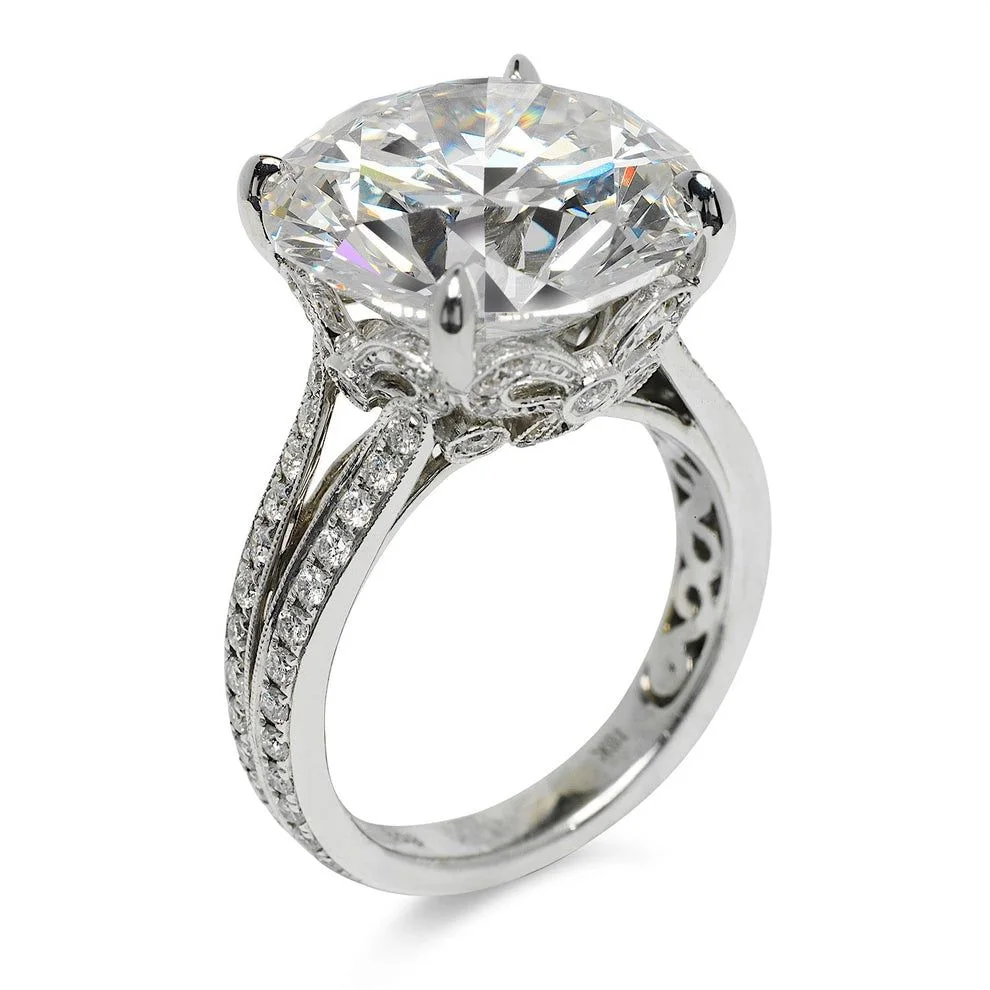
The most frequent problems are not elaborate forgeries but simple substitutions: a genuine certificate accompanying a different, lower-quality stone than the one it was originally issued for. Signs worth checking include a laser inscription that does not match the report number, measurements on the certificate that do not match a physical measurement of the stone, color or clarity that looks noticeably different from the stated grade under normal lighting, and reports for older stones that predate a laboratory’s current inscription practices, which make physical verification harder and therefore warrant more caution rather than less. When in doubt, an independent gemologist can re-examine the stone against the report’s stated grades directly, and a seller unwilling to allow that step is itself a signal worth taking seriously.
Outright fabricated reports, mimicking a laboratory’s layout without any underlying grading having taken place, are rarer but do occur, particularly in private or unregulated secondary-market sales. These are usually caught immediately at the database lookup stage, since a fabricated report number will either return nothing or return details for a completely different stone. This is the clearest argument for never skipping the online check, however trustworthy a seller may appear.
Why this matters more as stone value rises
The cost of skipping verification scales with the price of the stone. On a large or fine-colored diamond running into six figures, five minutes on a laboratory’s free database is a negligible cost against the risk of relying on an unverified document. This is also why Legacy arranges certification on request through the client’s chosen laboratory rather than pre-certifying inventory: a report obtained to the buyer’s own instruction, checked against the laboratory’s database at the point of sale, removes the ambiguity that unverified secondary-market certificates can carry. A buyer who has watched the certification process happen, rather than inherited a report generated before they were involved, starts from a position of confidence rather than one requiring after-the-fact investigation.
Verifying a certificate on a private or resale purchase
The steps above matter most on private sales, estate purchases and secondary-market listings, where the chain of custody between the original certification and the current seller is not always documented. A buyer in that situation should treat verification as a precondition of the sale rather than a courtesy: confirm the report number online, check the inscription in person, and, for a significant sum, arrange an independent gemologist’s review before funds change hands. None of these steps are unusual or insulting to request of a legitimate seller; a seller who resists them is giving the clearest signal available about how confident they are in what they are selling.
Questions collectors ask
Is GIA’s Report Check free to use?
Yes. GIA, IGI and HRD all provide free online verification tools for reports they have issued. No account or payment is required to check a report number.
What if a report number returns no result online?
Contact the issuing laboratory directly before proceeding with the purchase. A number that returns nothing may indicate a typo, a very old report predating the online database, or a fabricated document, and the laboratory can clarify which applies.
Can a certificate be verified without the physical stone present?
The report number can be checked online without the stone in hand, confirming the document itself is genuine. Matching the laser inscription to the actual diamond, however, requires the physical stone and a loupe or microscope.
Do older diamonds always have a laser inscription?
Not always. Inscription practices became standard more recently at all three laboratories, so some older certified stones may only be verifiable through the report number and a physical gemological comparison rather than an inscription check.
Every stone sold by Legacy is independently certified through GIA, IGI or HRD, arranged on request so the client selects the laboratory, and every report number is verifiable directly on that laboratory’s own database before or after purchase. Collectors can browse the current ring collection or arrange a private consultation to review a specific stone’s certification in detail. For more on how Legacy structures certification itself, see the guide to GIA, IGI and HRD certification standards.
The Pieces in This GuideThe Vault →
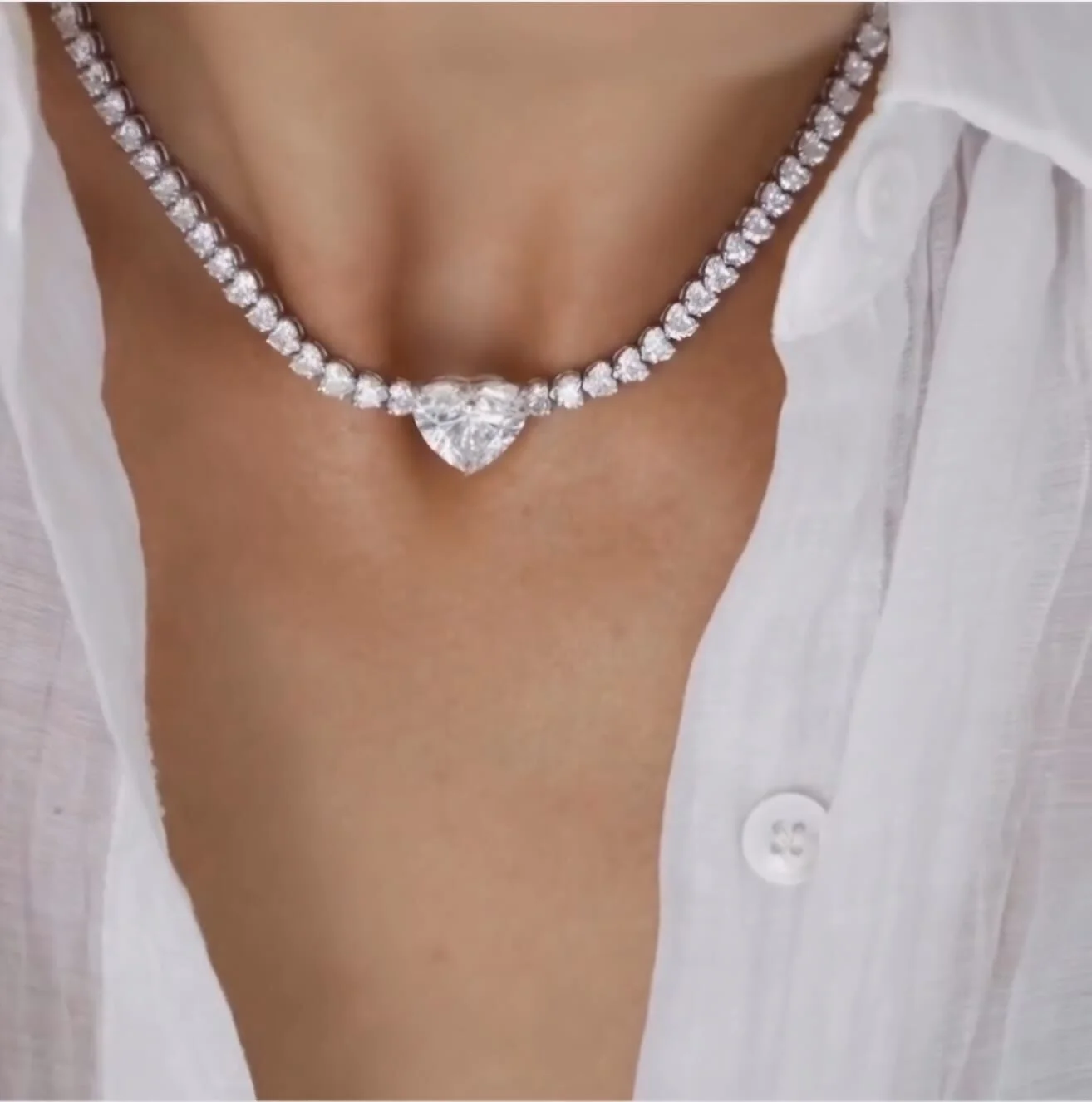
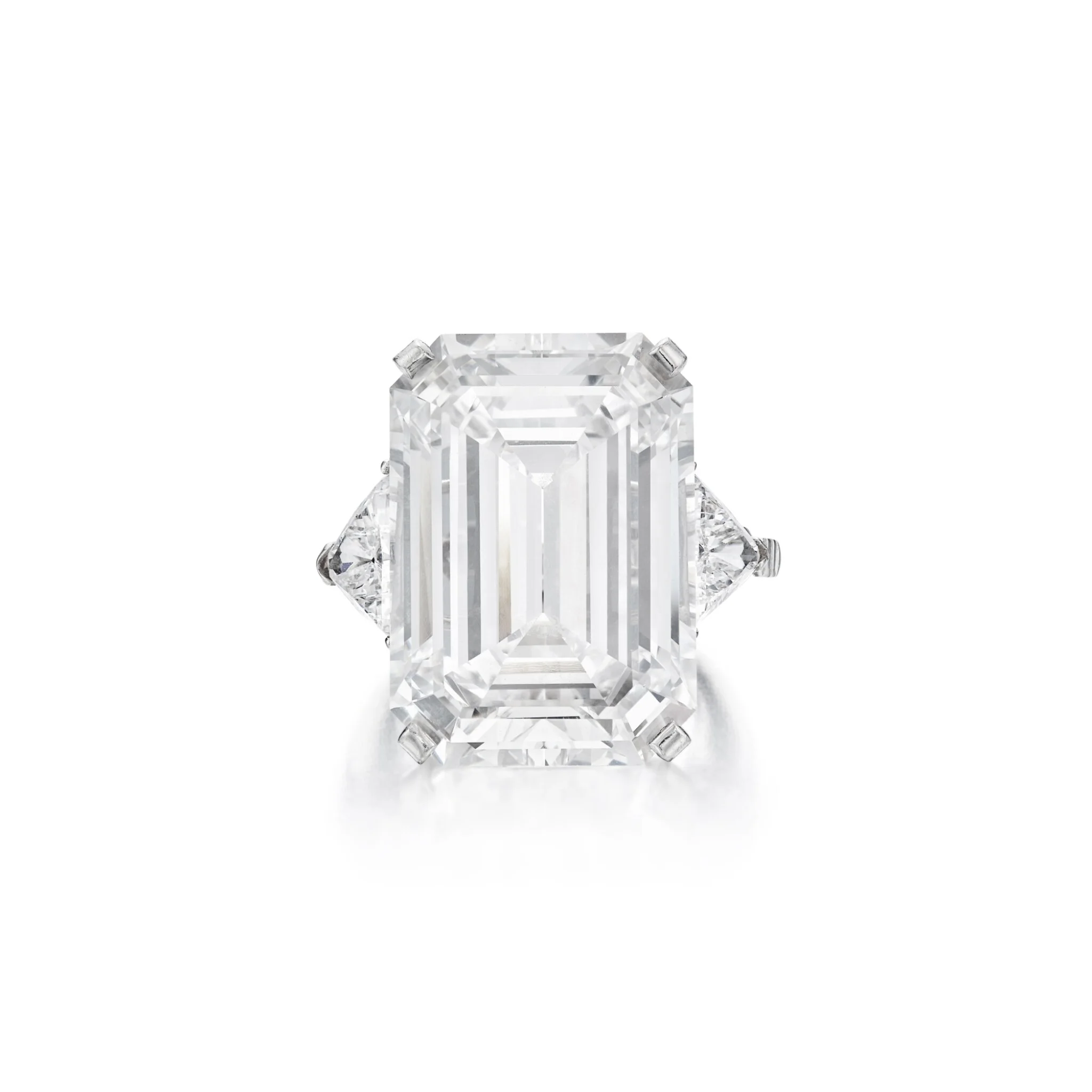
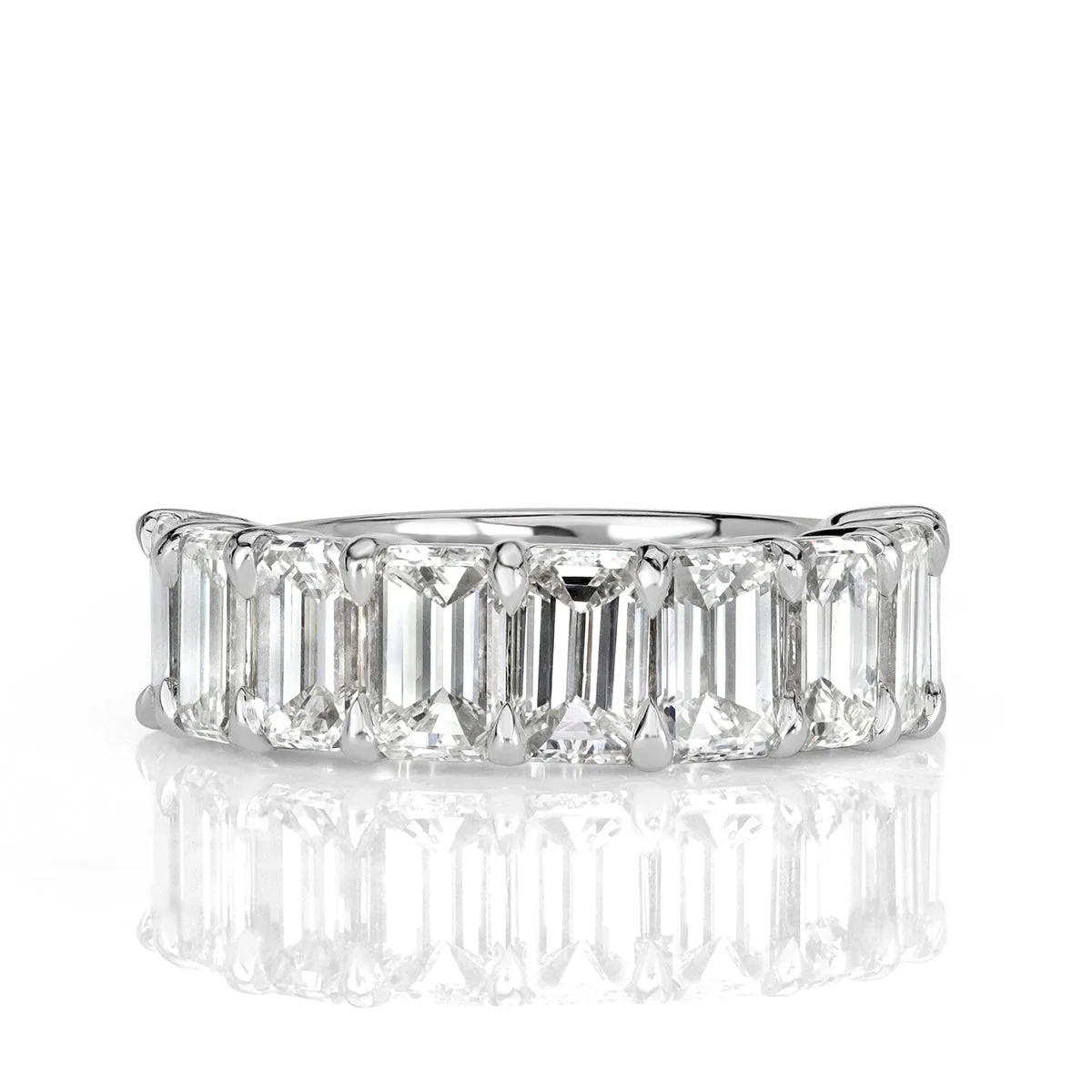
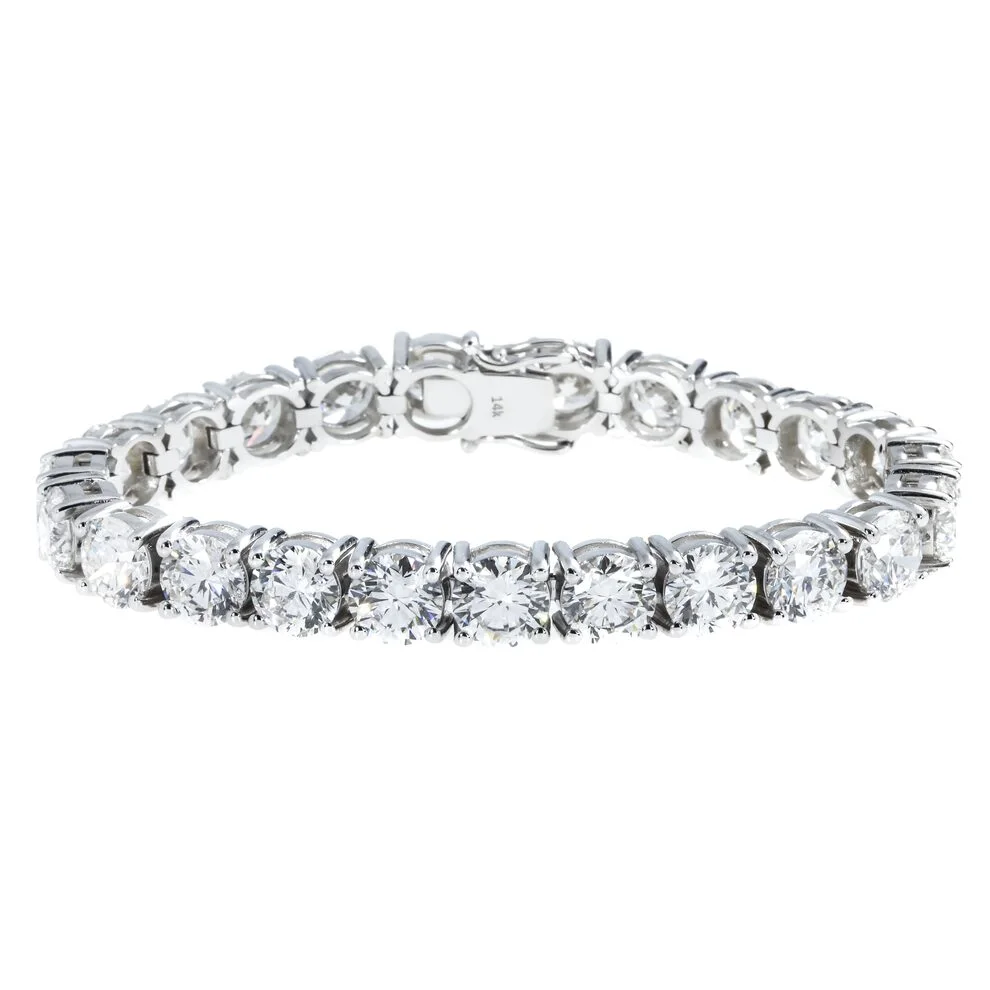
From the Legacy vault — each one-of-a-kind, independently certified.
A private advisor answers on the figures in this guide — and places any piece from the vault within them, certificate first.
More from Diamond EducationAll Guides →
 Diamond Necklace Price Guide: 50 to 100 CaratsDIAMOND EDUCATION · AUG 31, 2026
 15+ Carat Diamond Price Guide: What It Actually CostsDIAMOND EDUCATION · AUG 31, 2026
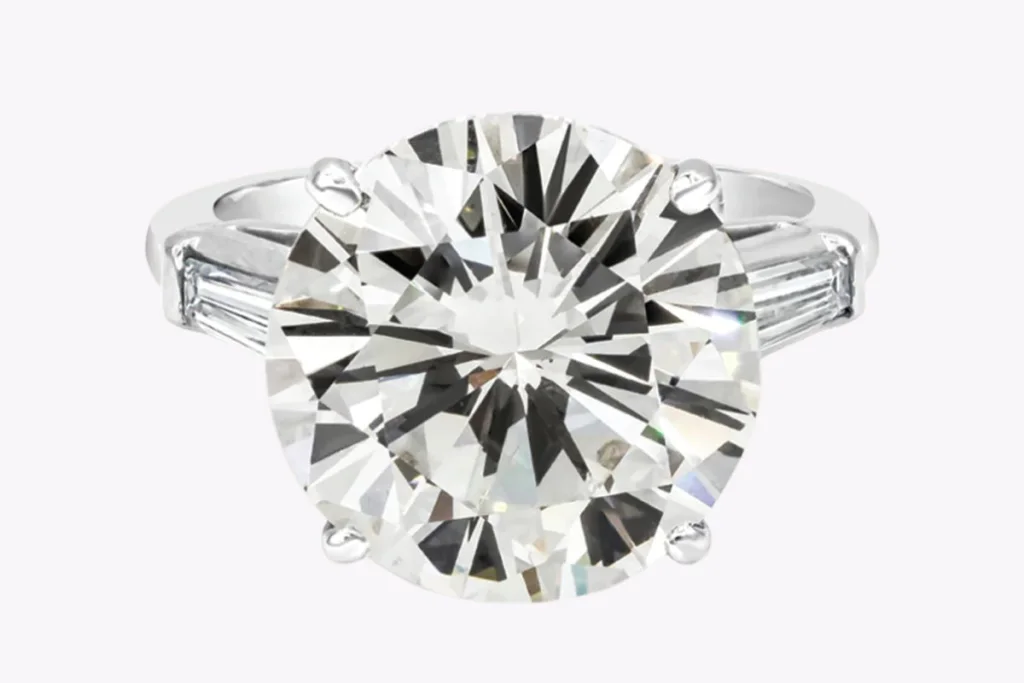 10 Carat Diamond Ring Price Guide: What It Actually CostsDIAMOND EDUCATION · AUG 31, 2026
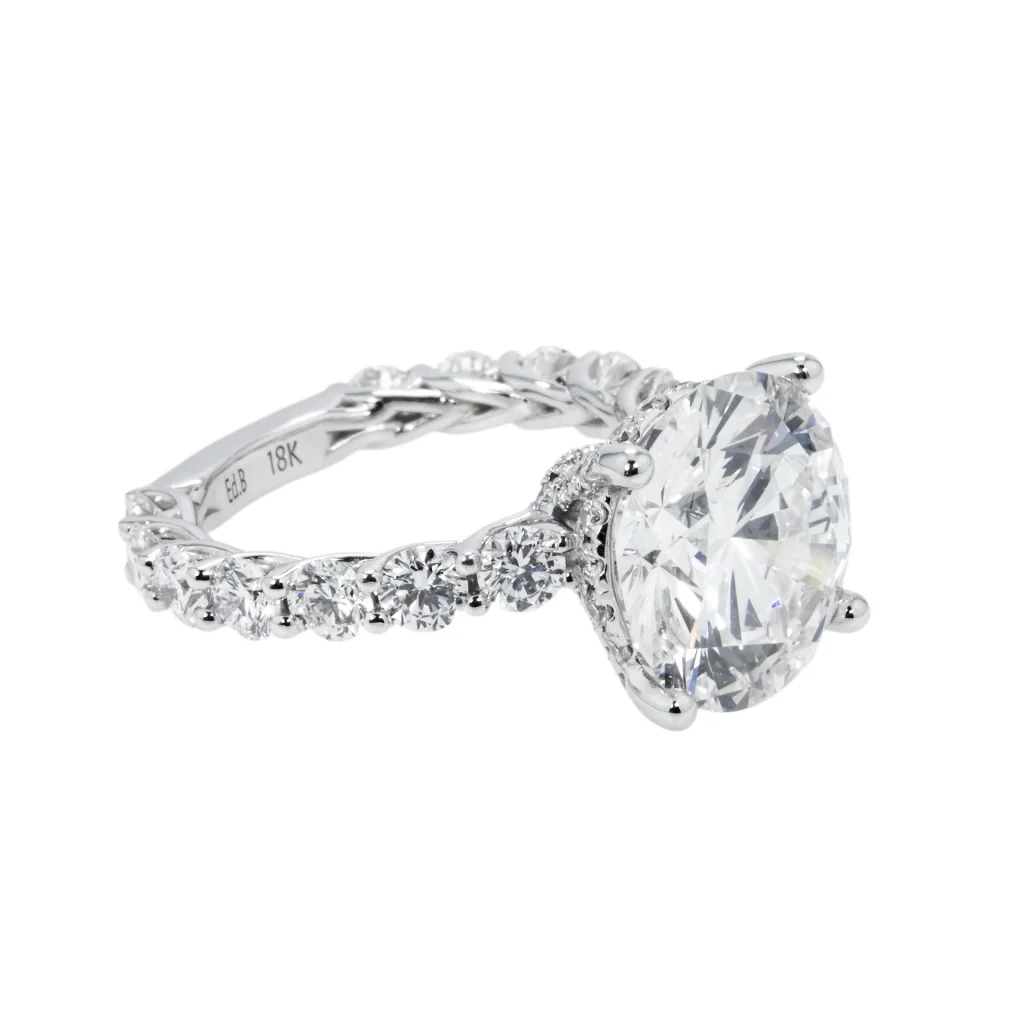 9 Carat Diamond Ring Price Guide: What It Actually CostsDIAMOND EDUCATION · AUG 31, 2026
 7 Carat Diamond Ring Price Guide: What It Actually CostsDIAMOND EDUCATION · AUG 31, 2026
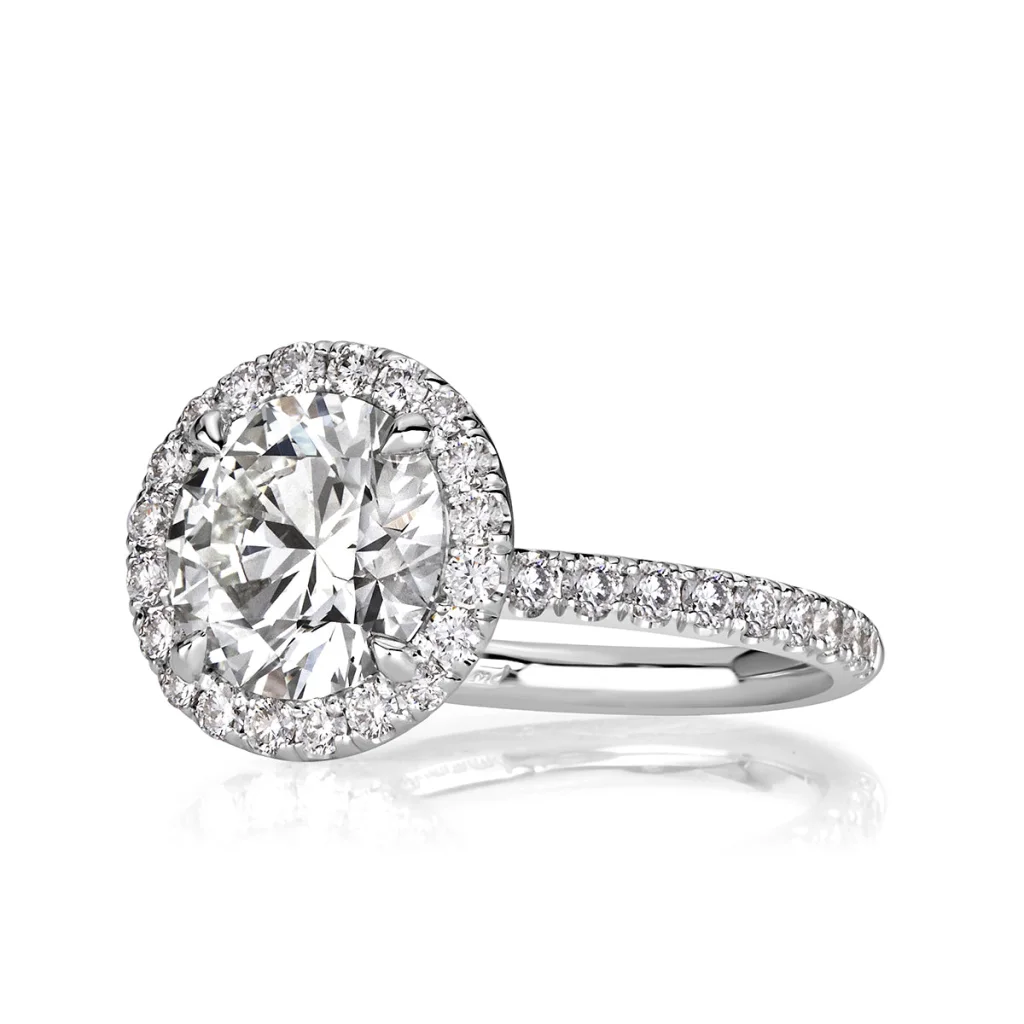 5 Carat Diamond Ring Price Guide: What It Actually CostsDIAMOND EDUCATION · AUG 31, 2026
The Vault, Continued
Every piece one-of-a-kind, every price published. Keep scrolling — the vault does not end here.