Sancy Diamond
Diamond — 55.23 carats — the pale-yellow shield that financed kings and survived a revolution
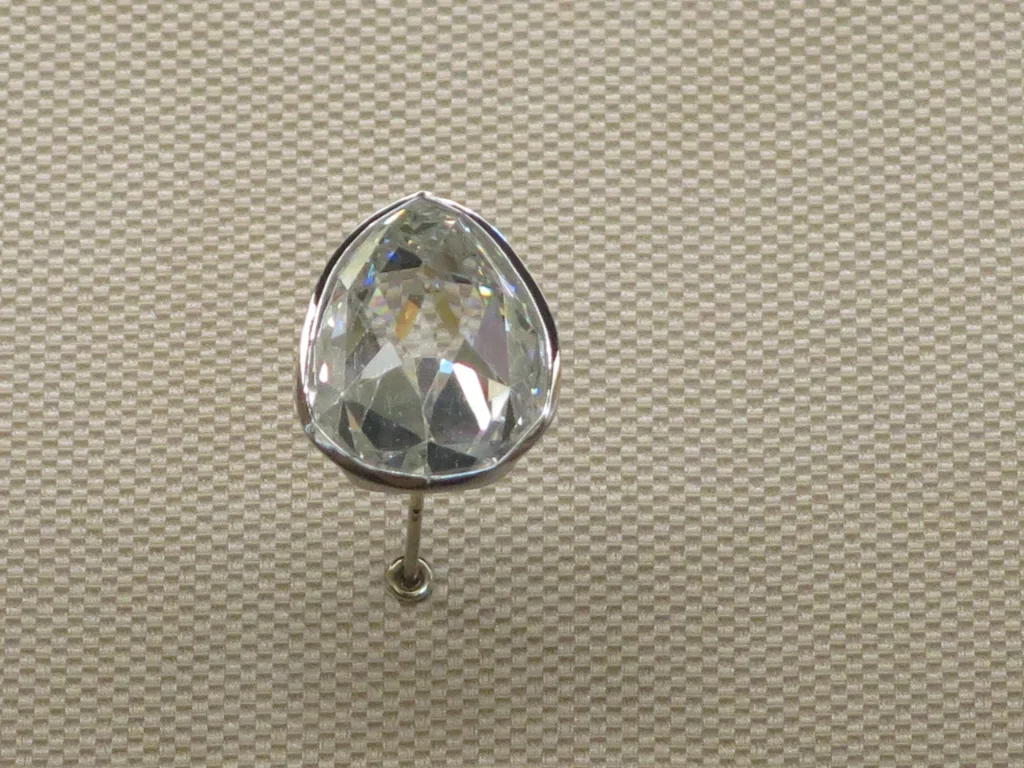
The Sancy is the great survivor among historic diamonds: a 55.23-carat, pale-yellow, shield-shaped stone whose recorded life runs unbroken from the Renaissance courts to a display case in the Louvre — with interludes as loan collateral, crown ornament and revolutionary plunder along the way.
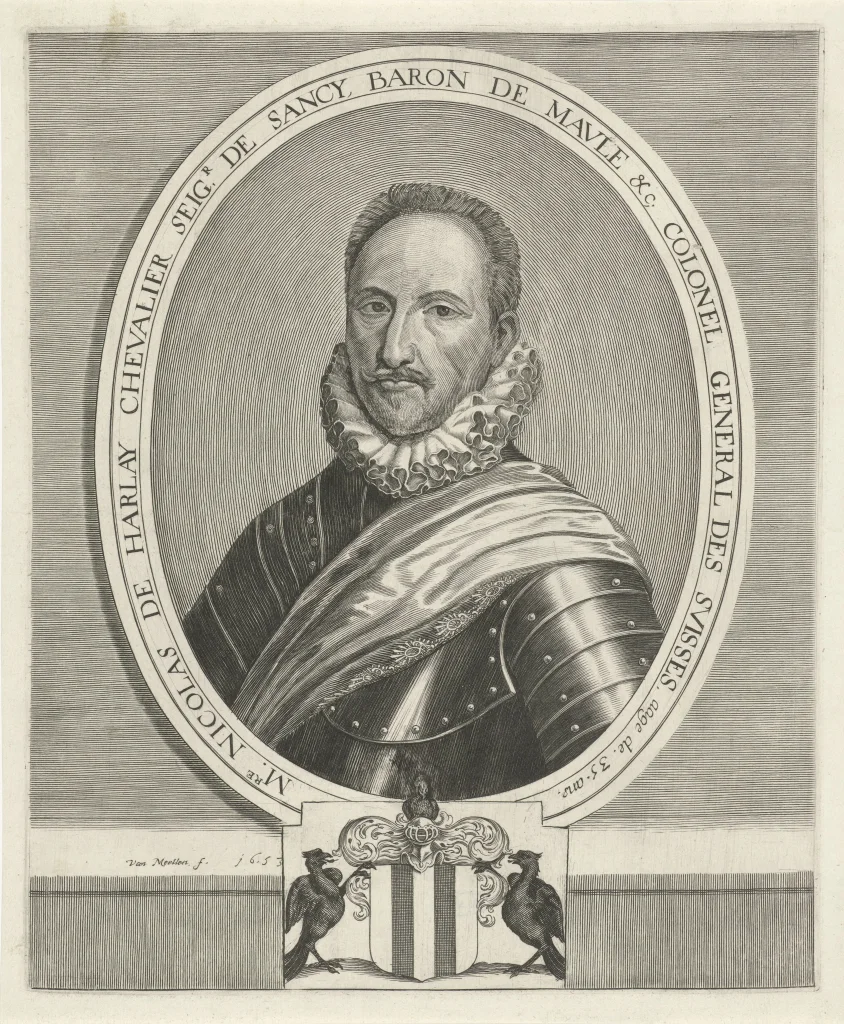
A diamond as credit
Nicolas de Harlay, seigneur de Sancy, acquired the stone in the late sixteenth century and put it to work in a way that defines its character: as security. He lent it to Henry III of France, then to Henry IV, to raise and pay armies — a diamond functioning as a sovereign credit line a century before modern banking. The stone later passed to James I of England, joining the English crown treasury, and from there into the restless royal finances of the Stuarts in exile.
Through the revolution
By the eighteenth century the Sancy belonged to the French crown jewels, and in 1792, in the chaos of the Revolution, it vanished in the great theft of the Garde-Meuble alongside nearly every important stone France possessed. It resurfaced decades later in aristocratic Russian hands, passed through the Demidov family, an Indian princely collection, and finally the Astor family in England, before France — after a century and a half — bought its diamond back in 1978.

The shape of survival
The Sancy’s faceting is as historic as its paper trail: a pear-formed double rose, cut without a pavilion in the old manner, its light soft rather than fiery. Modern recutting would “improve” it into anonymity, which is precisely why it will never be touched. Among historic stones, an untouched antique cut is now itself a rarity commanding respect.
The collector’s reading
The Sancy proves that a diamond can be an instrument as well as an ornament — collateral, diplomacy, insurance against exile. Its pale yellow would grade modestly today; its history places it beyond price.
Collectors drawn to stones with character beyond the certificate will find kindred pieces among Legacy’s vintage and estate-style collection, or may book a private consultation.
Get the look — shop similar at Legacy
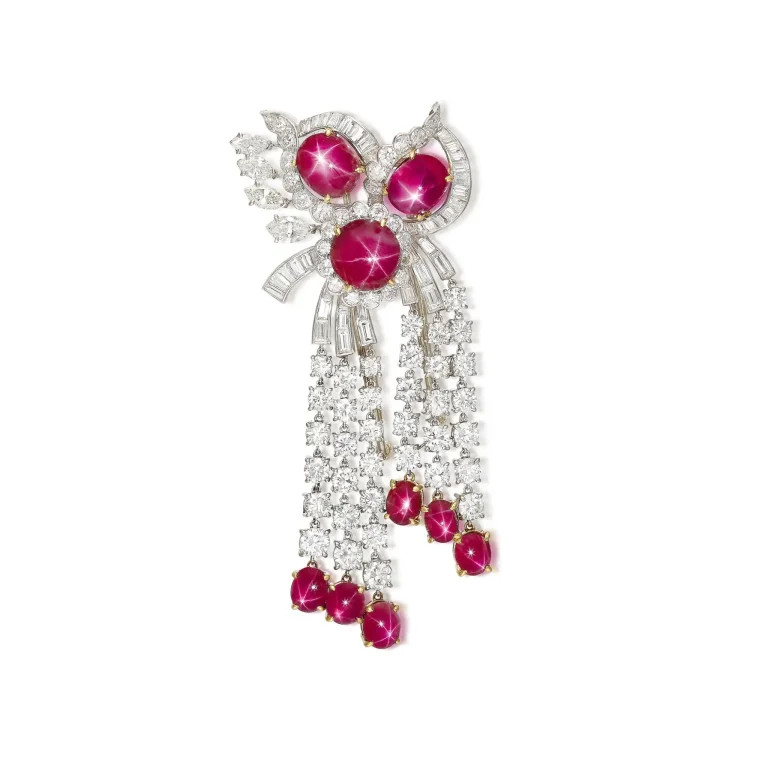
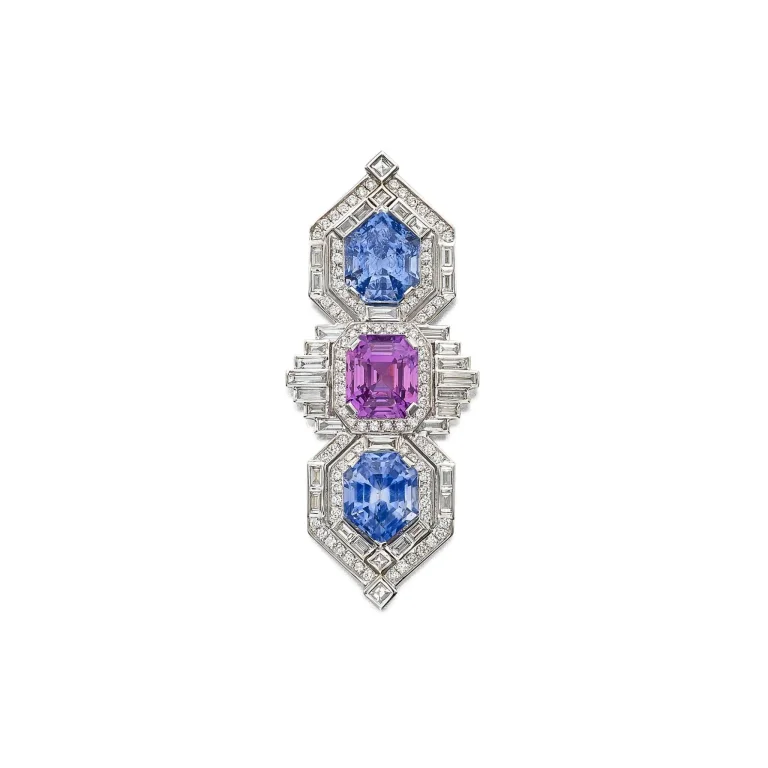
Taken in the spirit of this Fancy Yellow Pear Diamond — pieces from the Legacy vault, and a one-of-one commission.
Common questions
More from Historic Stone

Documented. This is an editorial reference compiled from public sources — a record of notable jewels in history, not a statement of endorsement or of any association with Legacy. Source: primary reference. Last verified July 2026.
Our atelier sources privately. Tell us the cut, the colour and the moment — and we will bring you the stone.
Speak with the atelier