Colored Gemstones · The House Guides
Rubies: A Buying Guide for the Serious Collector
A collector's guide to buying rubies: what pigeon-blood colour actually means, how origin and treatment affect price, and why the finest rubies now outpace diamonds on a per-carat basis.
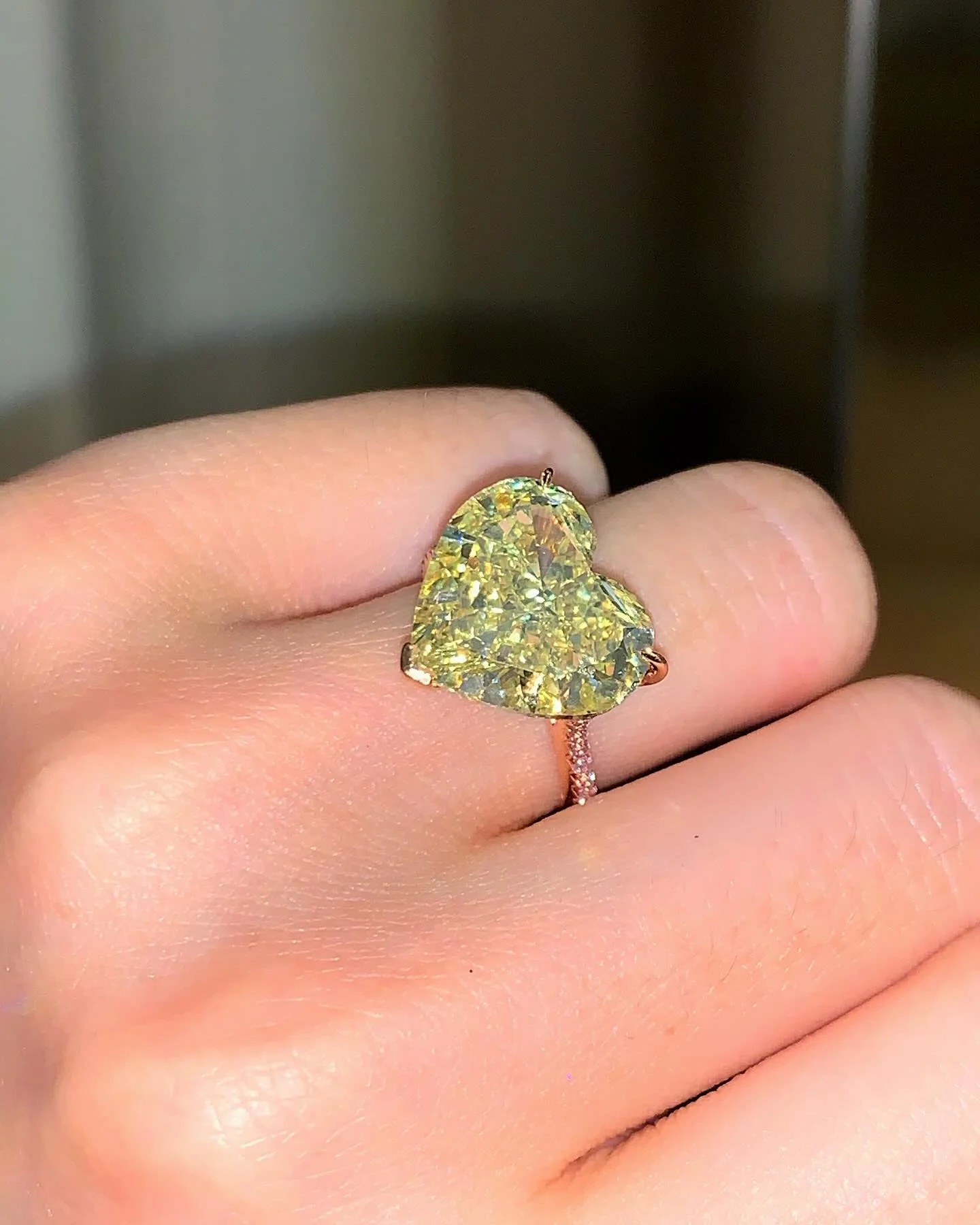
At the top of the market, fine rubies now regularly outprice comparable diamonds per carat, a shift driven almost entirely by supply, since large, richly saturated ruby of fine color is rarer to find intact than a diamond of equivalent size and clarity. Understanding what “pigeon-blood” color actually means, and what has been done to the stone before it reached you, is the difference between paying for genuine rarity and paying for marketing language.
Pigeon-blood red: what the phrase actually describes
Pigeon-blood is a trade term, not a laboratory grade, describing the finest expression of ruby color: a pure, vivid red with a slight blue undertone and no visible brown, orange or excessive purple secondary hue. It is the color equivalent of royal blue in sapphire, a description some laboratories will note as a color comment on a report, historically associated with the best Burmese material but not exclusive to it. The term is used loosely in the trade, and buyers should treat an unsupported pigeon-blood claim in a listing with the same scepticism as an unsupported origin claim. The description only carries weight when it appears on an independent gemological report itself.
Below pigeon-blood, ruby color runs through a wide range, from brownish-red and purplish-red at the lower end to a vivid, slightly darker red that is still excellent but does not command the same premium. Tone matters as much as hue. Rubies that are too dark lose brilliance and can look almost black in low light, while rubies that are too light drift toward pink. At that point, strictly, they are classified as pink sapphire rather than ruby, since ruby and sapphire are both corundum and the boundary between them is a matter of color convention rather than chemistry.
Burmese ruby from Myanmar, particularly historic Mogok material, has the strongest reputation in the trade for producing pigeon-blood color, and certified Burmese origin adds a substantial premium over an identical-looking stone of unconfirmed origin. Thai and Cambodian rubies from the Pailin region tend toward a darker, more garnet-like red and are typically valued below fine Burmese material. Mozambique has emerged over the past two decades as a major source of genuinely fine ruby, including stones that rival Burmese color, and it has become the practical backbone of the modern fine ruby market given more limited and complicated Burmese supply.
As with sapphire, origin should never be taken on trust. A specific origin claim is only as good as the laboratory determination behind it, which is a distinct and more detailed test than a standard identification report. A stone with excellent color and clarity but no origin determination is still a legitimate and often excellent purchase. It simply should not be priced as though the origin were confirmed when it has not been.

Treatment: heat is standard, glass filling is not
The overwhelming majority of fine rubies on the market are heat treated to improve color and clarity, exactly as with sapphire, and this is standard, disclosed, accepted practice that does not diminish a stone’s legitimacy. What buyers must distinguish is heat treatment from lead-glass filling, a treatment applied to low-quality, heavily fractured ruby material that fills surface-reaching fractures with a glass-like substance to improve apparent clarity. Glass-filled rubies are a fundamentally different, far less durable and far less valuable product, and they should always be sold as such, clearly disclosed, at a small fraction of the price of a natural, heat-treated stone.
A certificate from GIA, IGI or HRD will identify glass filling explicitly, along with the extent of any heat treatment. Any high-value ruby offered without independent certification warrants particular caution, regardless of how convincing the color looks in photographs. Treatment disclosure, more than any other single factor, separates a fairly priced ruby from an overpriced one.
Cut and setting considerations specific to ruby
Ruby is cut to preserve carat weight and color more often than to maximise fire, which is why oval, cushion and round brilliant cuts dominate the market far more than step cuts do. A shallow cut can wash out ruby’s color under bright light, while a well-proportioned cut concentrates and deepens it. In settings, white gold and platinum keep the red pure and undistorted by warm metal tones, while yellow gold, increasingly favoured for statement rings, adds warmth that can flatter slightly brownish or Thai-toned stones. Halo settings are common through the mid carat range for added visual scale. Above roughly 8 carats, most collectors let the stone stand alone without a supporting frame. Ruby ranks just below sapphire on the Mohs hardness scale, making it robust enough for daily wear in a ring, and heat-treated stones require no special handling beyond the routine care any fine colored stone deserves: a soft cloth, warm water, and avoidance of harsh chemicals. Glass-filled stones are the exception, since the filler is vulnerable to heat and acidic cleaning agents, which is one more reason treatment disclosure matters as much for ongoing care as it does for the price paid at purchase.
Questions collectors ask
What does pigeon-blood actually mean on a certificate?
It is a color comment some laboratories use to describe the finest, most saturated red with the correct blue undertone and no visible brown or excess purple. It should appear on the report itself, not just in a seller’s description, to carry any real weight in pricing.
Are all rubies heat treated?
Not all, but the large majority of fine rubies on the market today are heat treated, and this is standard, accepted, disclosed practice. Untreated, or “no heat,” rubies exist and carry a significant premium, and should always be independently certified as such.
How do I know a ruby is not glass filled?
Request a certificate from GIA, IGI or HRD, which will identify lead-glass filling explicitly if present. Glass-filled rubies are a legitimate product at the right price point, but should never be sold or priced as an untreated or simply heat-treated stone.
Why do rubies cost more than diamonds of the same carat weight?
Because fine ruby of good size, color and clarity is genuinely scarcer in nature than equivalent-quality diamond, and the deposits that produce it are fewer and less predictable. Once a ruby clears roughly 3 to 5 carats with strong, pure color, its price per carat can exceed that of a comparable diamond.
Every ruby in Legacy’s collection is independently certified by GIA, IGI or HRD, with the laboratory arranged on request so the client makes the final choice. Viewings are available privately, in person or by live video, and delivery is Brink’s-insured door to door worldwide. Browse the current selection within Legacy’s gemstone necklaces and high jewelry collections, and for a comparison of how sapphire color and treatment are graded, see Legacy’s royal blue sapphire buying guide. For guidance on a specific color, origin or carat weight, book a private consultation.
The Pieces in This GuideThe Vault →
From the Legacy vault — each one-of-a-kind, independently certified.
A private advisor answers on the figures in this guide — and places any piece from the vault within them, certificate first.
More from Colored GemstonesAll Guides →
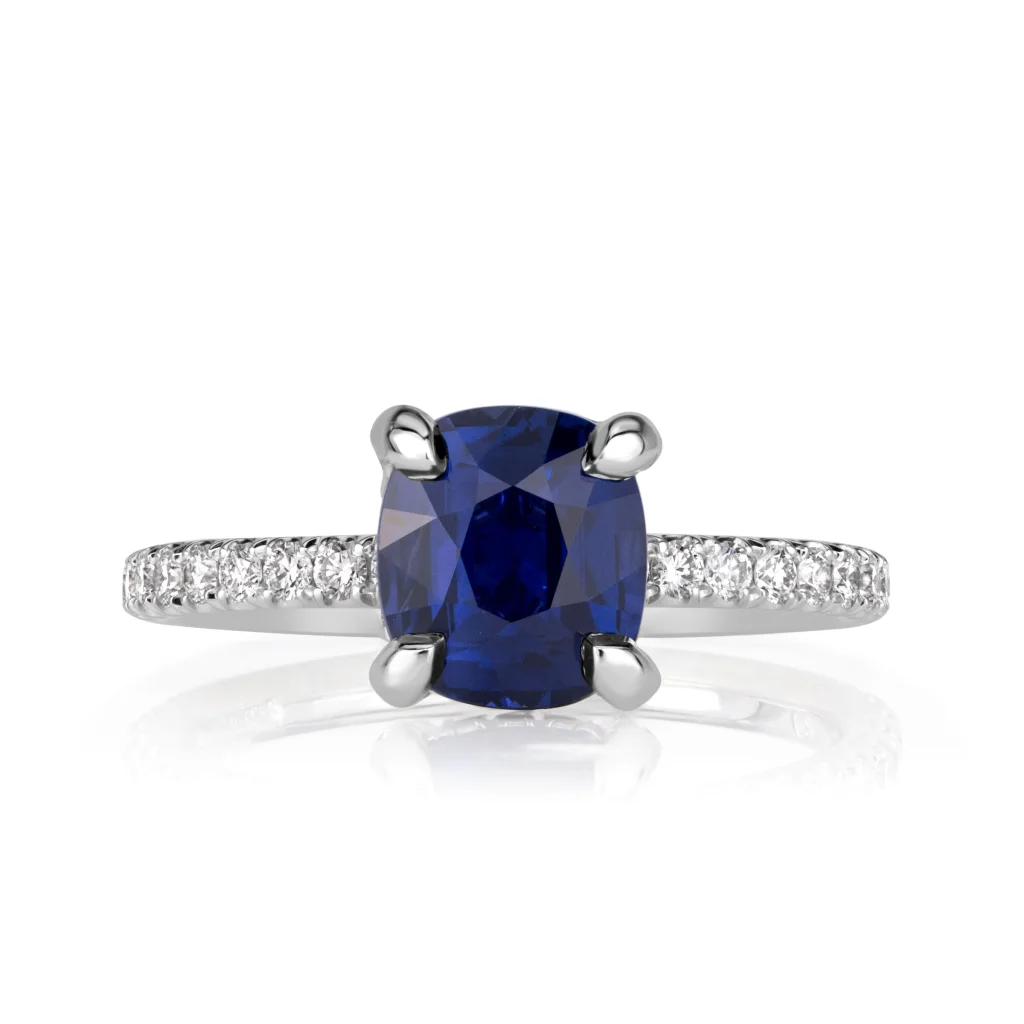 Royal Blue Sapphires: The Collector’s Buying GuideCOLORED GEMSTONES · AUG 21, 2026
 Emeralds: The Buying GuideCOLORED GEMSTONES · AUG 21, 2026
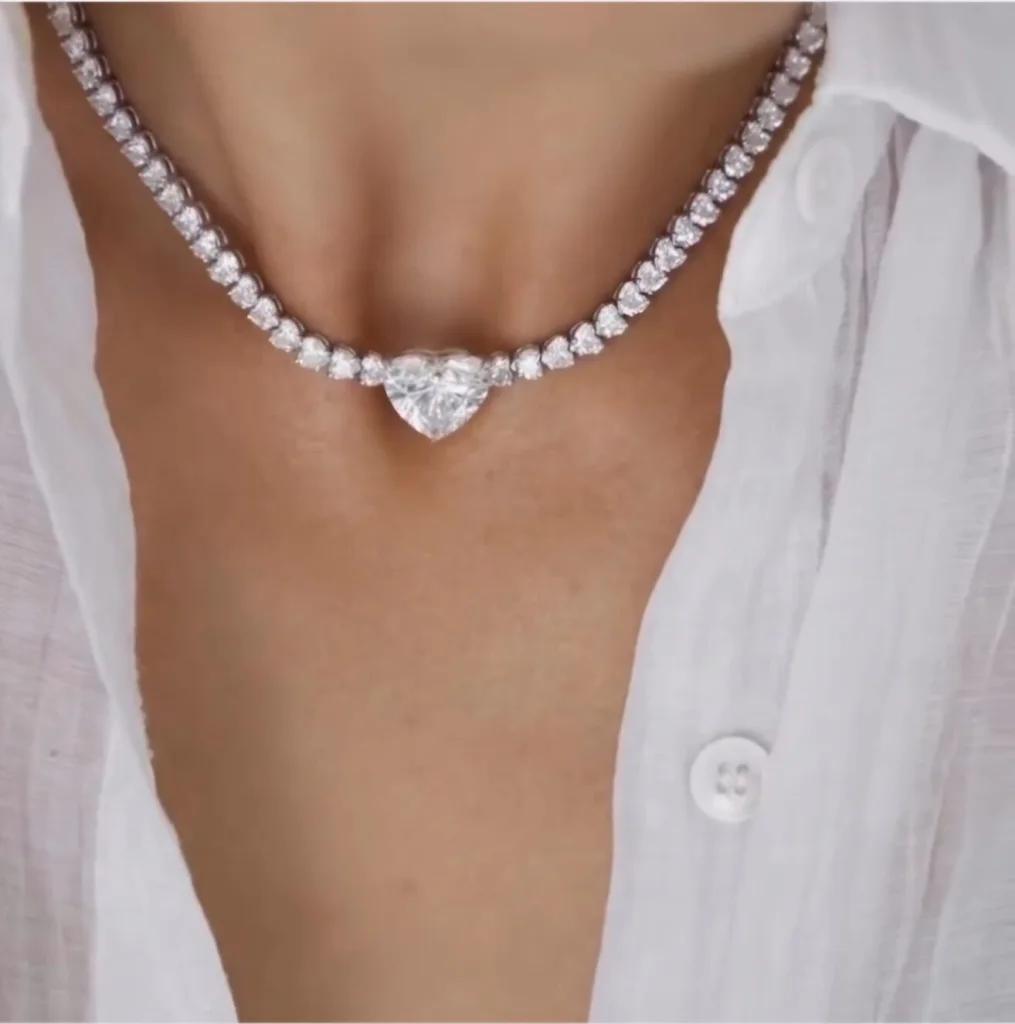 Diamond Necklace Price Guide: 50 to 100 CaratsCOLORED GEMSTONES · AUG 31, 2026
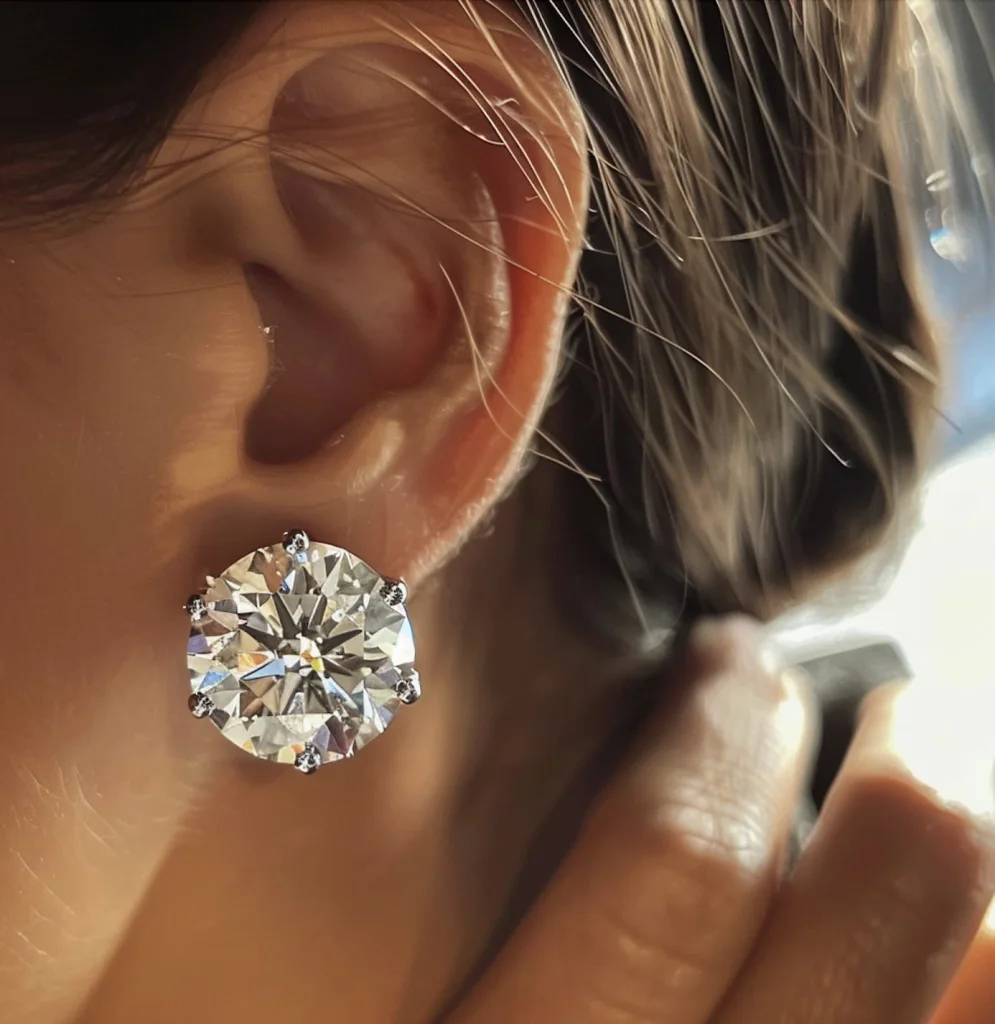 Diamond Earrings Price Guide: Studs, Drops, What They CostCOLORED GEMSTONES · AUG 31, 2026
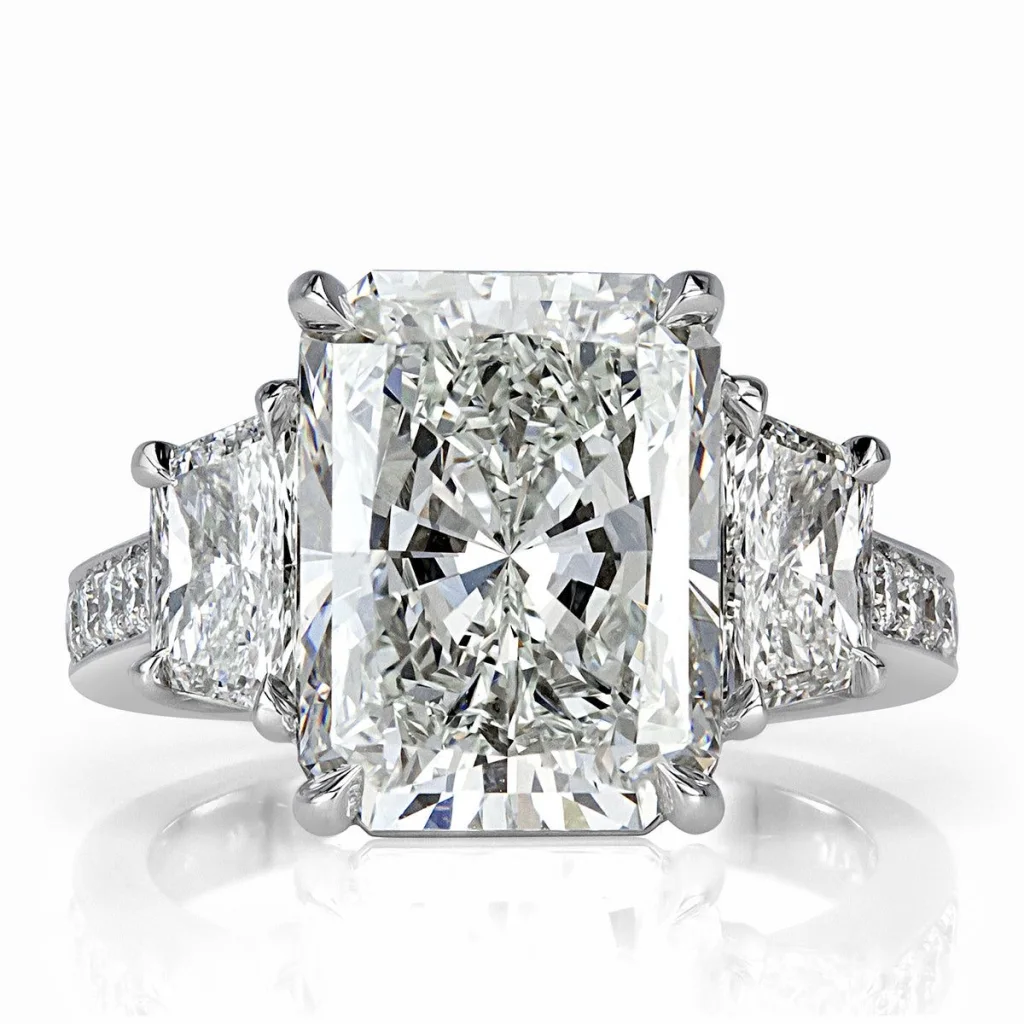 15+ Carat Diamond Price Guide: What It Actually CostsCOLORED GEMSTONES · AUG 31, 2026
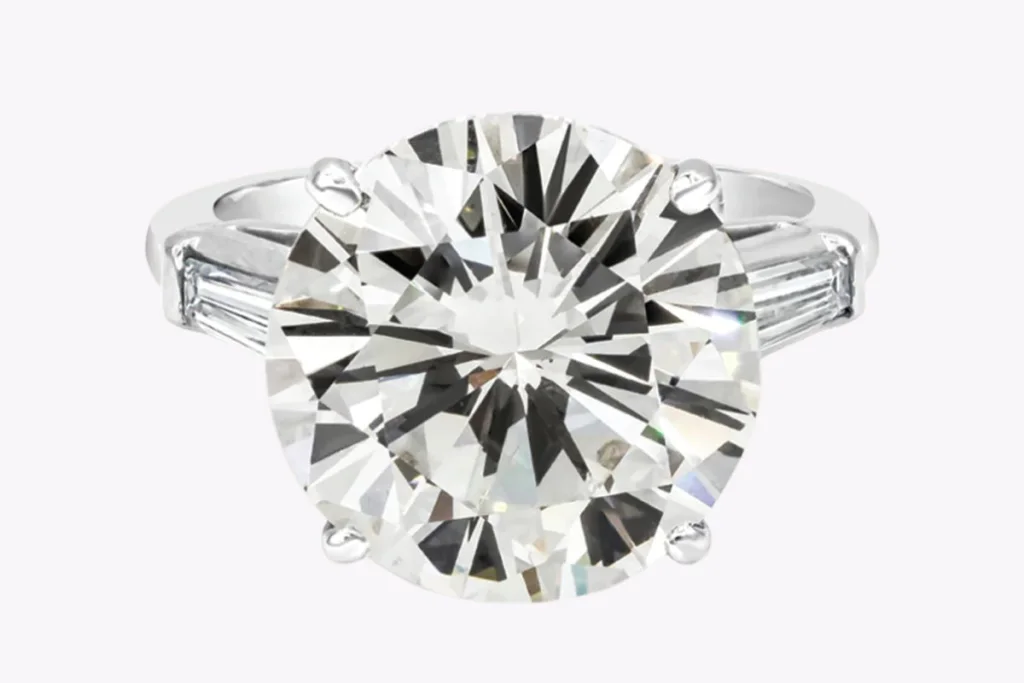 10 Carat Diamond Ring Price Guide: What It Actually CostsCOLORED GEMSTONES · AUG 31, 2026
The Vault, Continued
Every piece one-of-a-kind, every price published. Keep scrolling — the vault does not end here.