Colored Gemstones · The House Guides
Emeralds: The Buying Guide
A buying guide to emeralds covering jardin as a natural fingerprint, honest oil treatment disclosure, and the differing character of Colombian and Zambian stones.
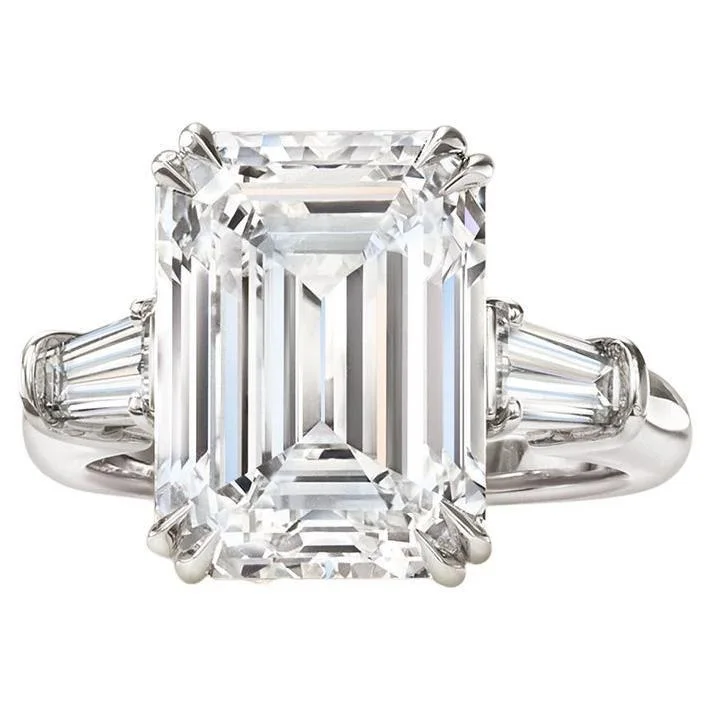
Nearly every emerald on the market, including the finest examples, contains visible internal characteristics known as jardin, French for “garden,” and almost every emerald has been treated with oil or resin to improve clarity. Neither fact is a flaw to be hidden. Both are fundamental to how emerald is bought, priced and valued, and understanding them is the actual starting point for buying one well.
Jardin: why inclusions are the point, not the problem
Emerald forms under geological conditions that almost always produce internal fractures and mineral inclusions, to the point where a completely clean emerald of any real size is one of the rarest objects in the gem trade, rarer, carat for carat, than a flawless diamond. The trade term jardin describes this internal landscape: the moss-like, feathered inclusions that give each stone a distinct, non-repeating internal pattern, genuinely unique to that individual crystal. Collectors have long treated jardin the way they treat grain in fine wood or patina on bronze, as a mark of authenticity rather than a defect to be graded away.
This does not mean clarity is irrelevant. Eye-clean or lightly included emeralds, where the jardin is visible only on close inspection rather than to the naked eye, command a real premium over heavily included stones, and inclusions that reach the surface can affect durability, which matters for a ring more than for a pendant. The distinction to hold onto is that emerald clarity is graded on its own scale, not against the diamond standard. An emerald with moderate, well-contained jardin and superb color is a better and more valuable stone than a paler, less characterful emerald that happens to be cleaner.
Oil and resin treatment: the industry standard, explained plainly
Because surface-reaching fractures are so common in emerald, the trade has treated them for centuries with oils and, more recently, with resins, to fill the fractures, reduce their visibility, and improve both the stone’s apparent clarity and its durability. This is not a modern shortcut or a way of disguising a poor stone as a fine one. It is standard practice applied to the overwhelming majority of emeralds sold anywhere in the world, and it is disclosed on any proper gemological report as a treatment grade, typically ranging from minor to significant.
Buyers should understand and ask about specifics. Cedar oil is the traditional, most widely accepted filler and is considered reversible and stable under normal wear. Synthetic resins can offer more durable clarity improvement but are viewed by some purists as a lesser treatment. The degree of filling should always be stated on the certificate, since a stone with minor oiling is worth meaningfully more than an identical-looking stone with significant filling. An emerald should never be steam-cleaned or exposed to ultrasonic cleaners, precisely because heat and vibration can degrade oil fillers over time. This is standard care advice, not a warning sign about the stone itself.
The emerald cut and why it exists for this stone specifically
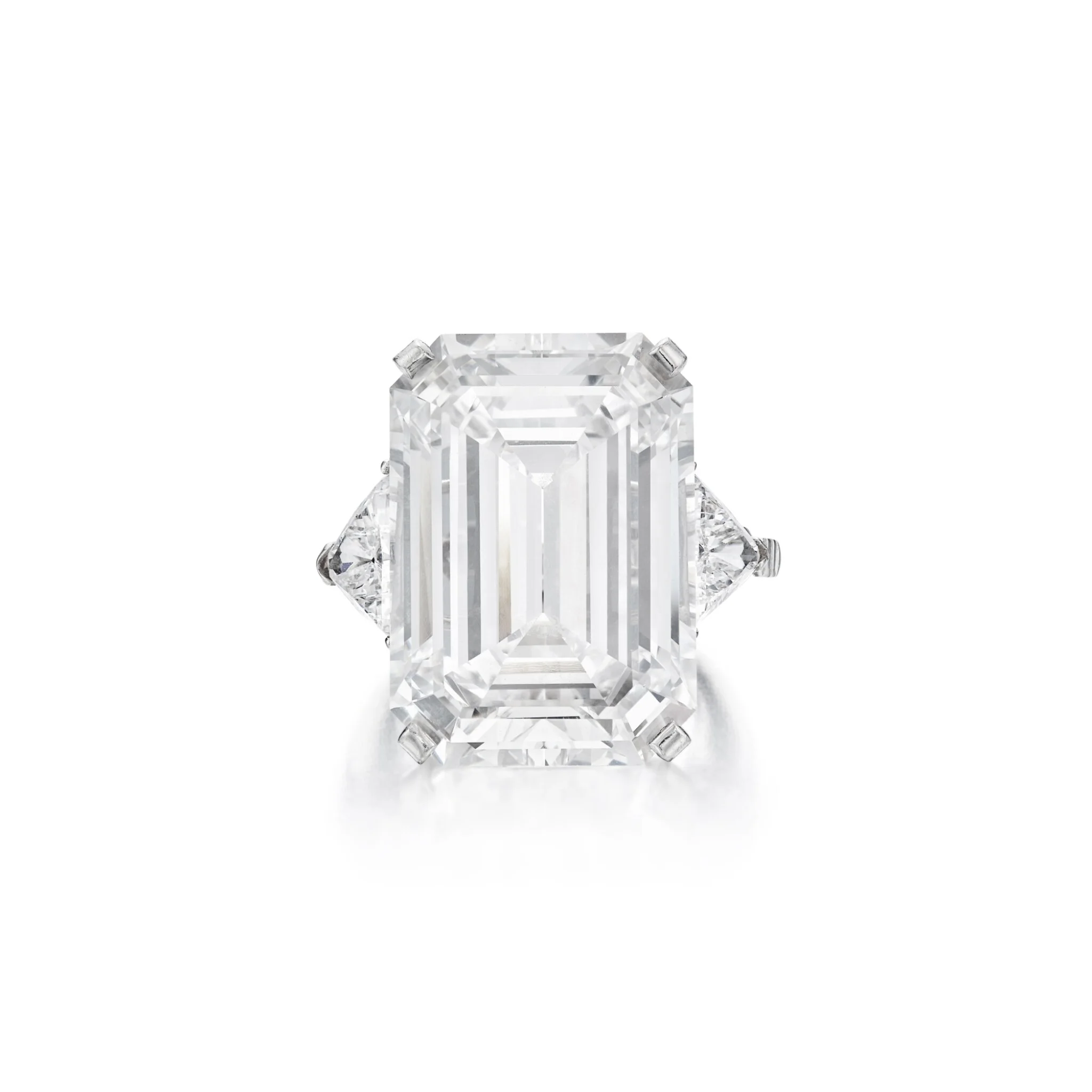
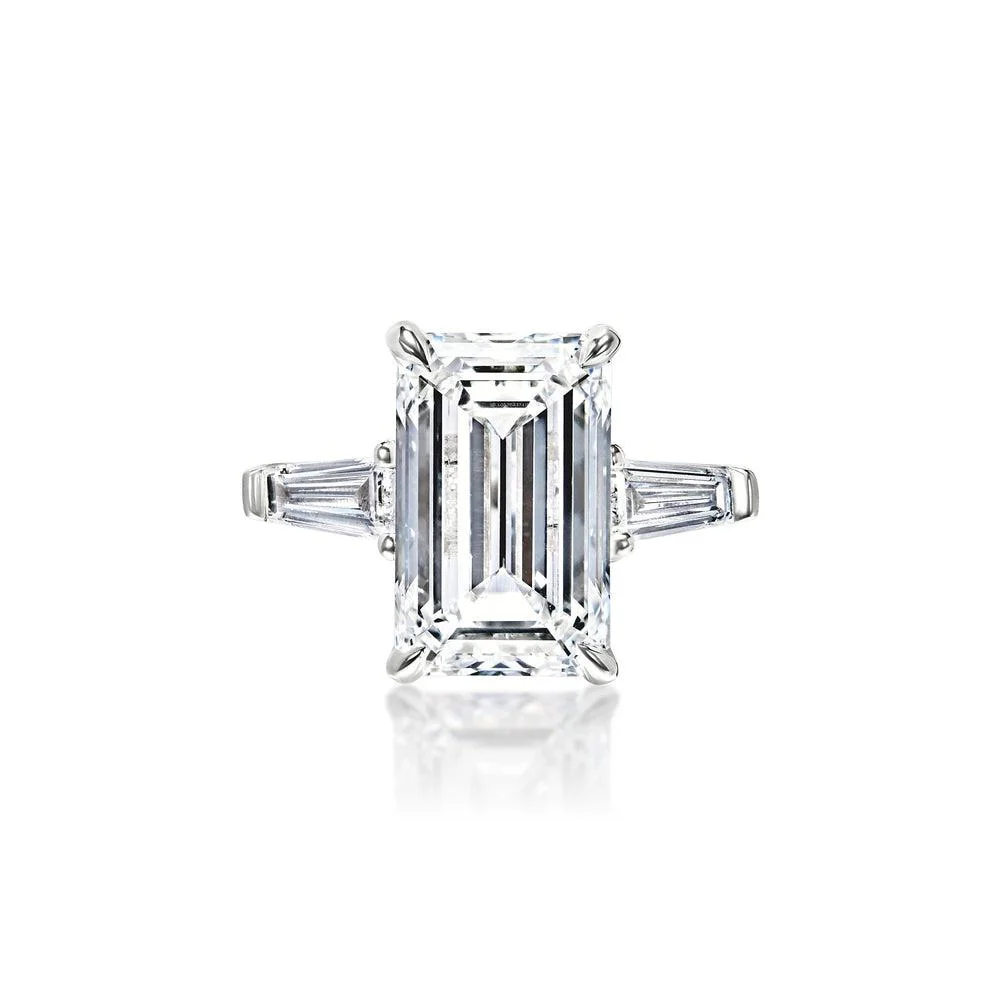
The rectangular step cut now generically called the emerald cut was developed specifically for emerald, because the material’s brittleness and frequent inclusions make it poorly suited to the deep faceting used in brilliant cuts, which concentrates stress at sharp angles. The broad, flat step facets of the emerald cut reduce pressure points during cutting and setting, and they showcase color and jardin as large, uninterrupted planes rather than breaking them into scintillation, which is exactly why the cut has become inseparable from the stone. Oval and cushion cuts are common alternatives that offer more brilliance and better disguise minor inclusions, at some cost to the classic, architectural look the step cut is known for.
Buying for the long term: what holds value in emerald
Color saturation is the single strongest determinant of long-term value in emerald, more so than in most other colored stones, because a vivid, well-balanced green is genuinely difficult to source at any size. Certified origin, particularly Colombian, adds a durable premium that has held up across market cycles. Treatment grade matters more at resale than buyers often expect: a minor-oil stone with proper documentation will always be easier to place with a serious buyer than an undocumented stone of similar appearance, regardless of how the two compare visually on the day of purchase. Carat weight contributes less to emerald value than it does to diamond, since color so thoroughly dominates the pricing conversation; a smaller stone with exceptional saturation and a clean, well-documented treatment grade will consistently outperform a larger, paler stone at resale, which is worth remembering when the temptation is simply to buy the biggest emerald a budget allows rather than the finest one within reach.
Questions collectors ask
Is it normal for an emerald to have visible inclusions?
Yes. Jardin is present in nearly all natural emeralds, including the finest and most valuable examples, and a completely inclusion-free emerald of any size is exceptionally rare. What matters for value is the extent and visibility of the jardin relative to the stone’s color and size, not its mere presence.
Does oil treatment mean the emerald is fake?
No. Oiling and resin treatment are standard, centuries-old practices applied to the vast majority of natural emeralds sold worldwide, and a properly disclosed, minor-oiled stone is a completely legitimate purchase. The only real concern is non-disclosure, or an unusually heavy fill misrepresented as minor.
How should I care for an oiled emerald day to day?
Clean it with a soft cloth and lukewarm water only, avoiding ultrasonic cleaners, steam and harsh chemicals, which can degrade the oil filler over time and dull the stone’s clarity. Periodic re-oiling by a qualified gemologist is normal maintenance, not a sign of a defective stone.
Is Colombian emerald always worth more than Zambian?
For stones of otherwise equal color, clarity and treatment grade, certified Colombian origin generally commands a premium. But a superb Zambian emerald with excellent saturation and minor treatment will often outprice a mediocre Colombian stone. Origin adds to value; it does not override color and clarity.
Every emerald in Legacy’s collection is independently certified by GIA, IGI or HRD, with the laboratory arranged on request so the choice remains the client’s. Pieces can be viewed privately, in person or by live video, with Brink’s-insured delivery worldwide. The current range is held within Legacy’s gemstone necklaces and necklaces collections, and for a look at another stone with its own treatment conventions, see Legacy’s ruby buying guide. For a specific origin, treatment grade or carat weight, a private consultation is the most direct way to see stones not yet listed publicly.
The Pieces in This GuideThe Vault →
From the Legacy vault — each one-of-a-kind, independently certified.
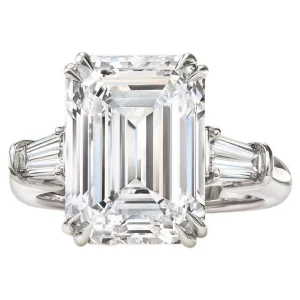
A private advisor answers on the figures in this guide — and places any piece from the vault within them, certificate first.
More from Colored GemstonesAll Guides →
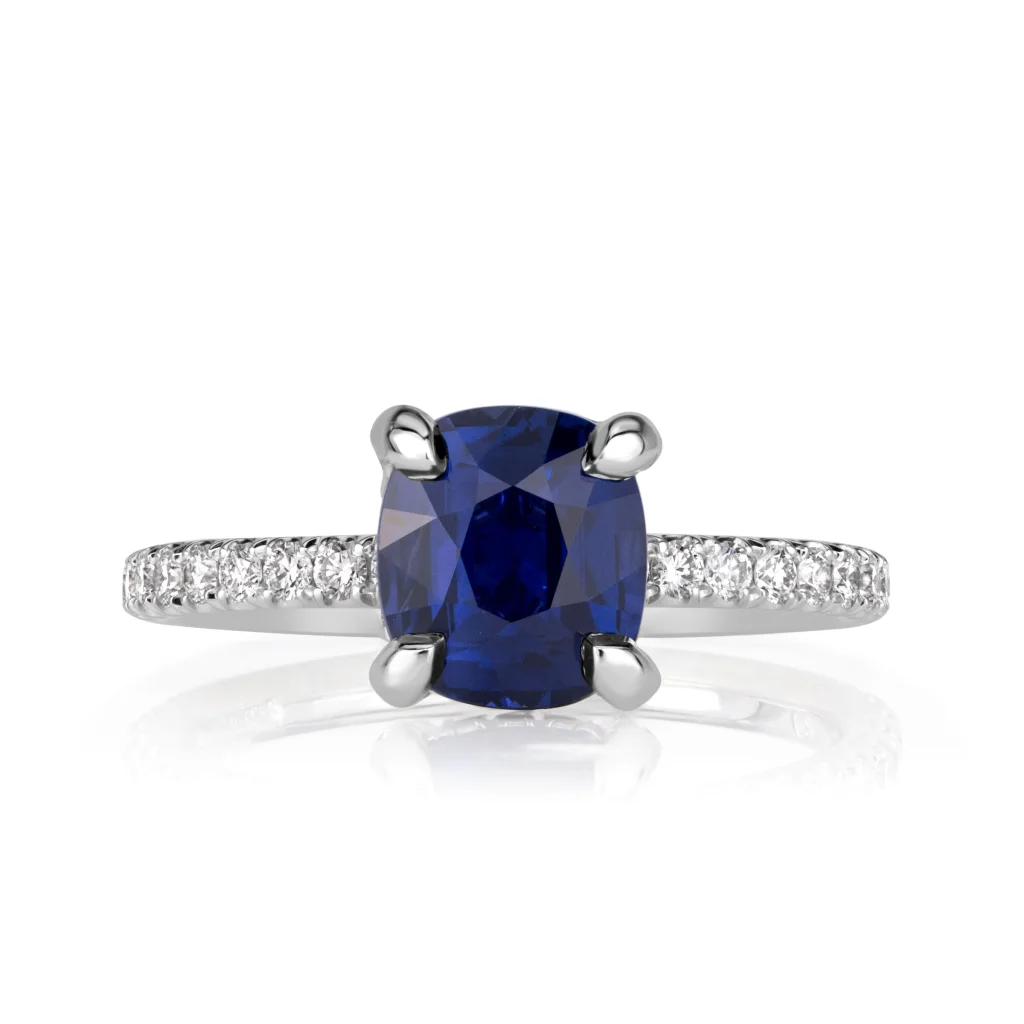 Royal Blue Sapphires: The Collector’s Buying GuideCOLORED GEMSTONES · AUG 21, 2026
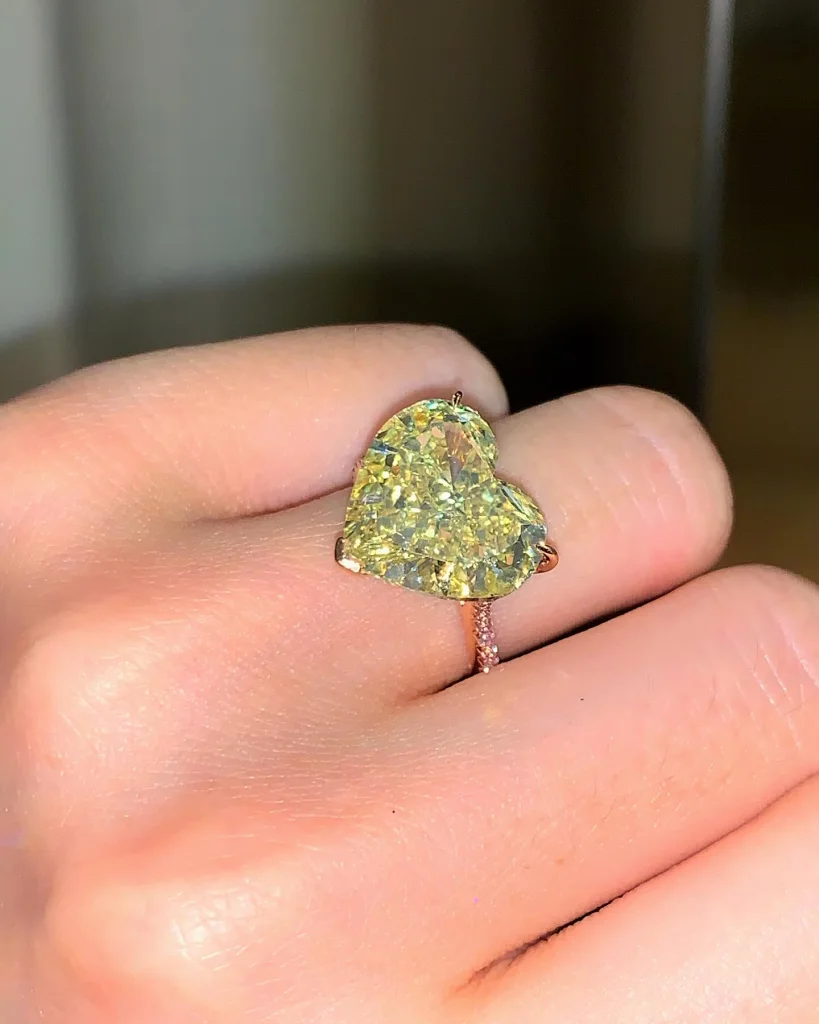 Rubies: A Buying Guide for the Serious CollectorCOLORED GEMSTONES · AUG 21, 2026
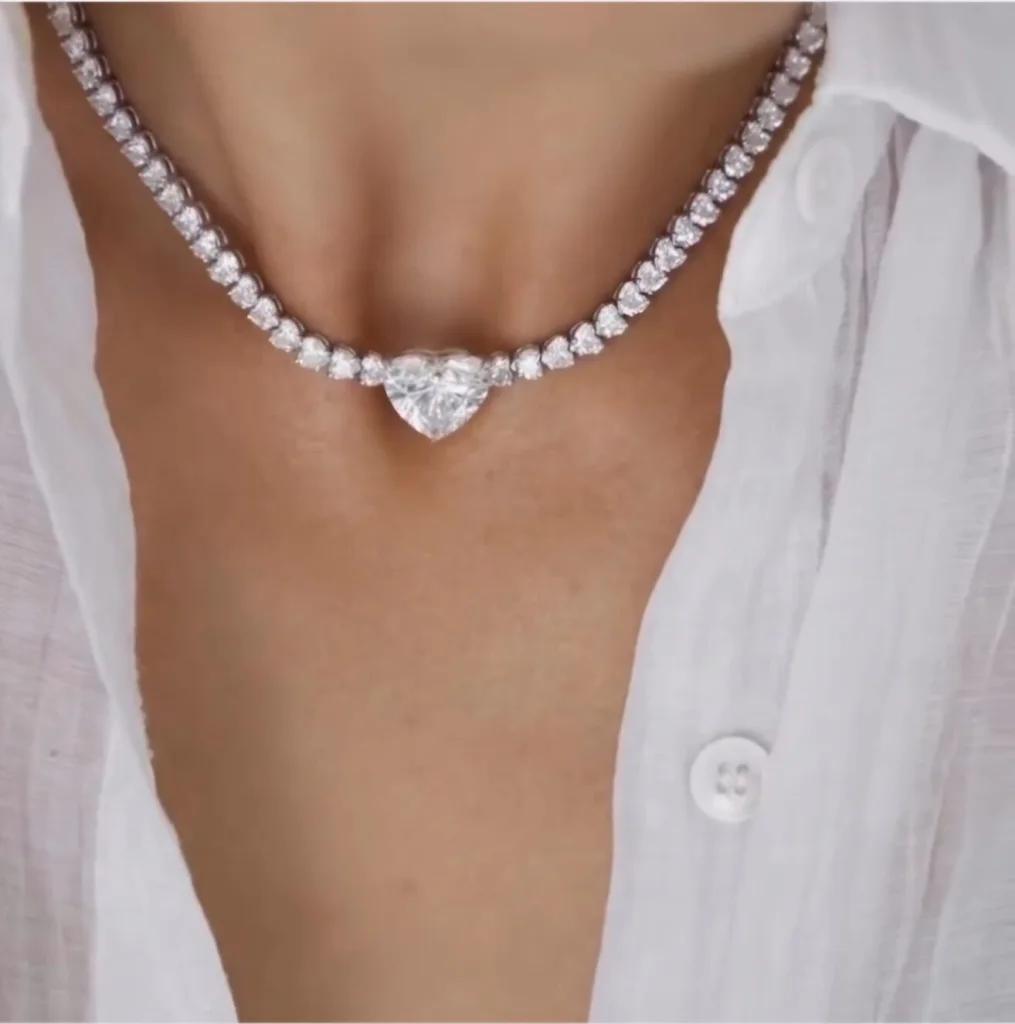 Diamond Necklace Price Guide: 50 to 100 CaratsCOLORED GEMSTONES · AUG 31, 2026
 Diamond Earrings Price Guide: Studs, Drops, What They CostCOLORED GEMSTONES · AUG 31, 2026
 15+ Carat Diamond Price Guide: What It Actually CostsCOLORED GEMSTONES · AUG 31, 2026
 10 Carat Diamond Ring Price Guide: What It Actually CostsCOLORED GEMSTONES · AUG 31, 2026
The Vault, Continued
Every piece one-of-a-kind, every price published. Keep scrolling — the vault does not end here.