Koh-i-Noor
Diamond — 105.6 carats — the most contested stone on earth, from Mughal treasuries to the Tower of London
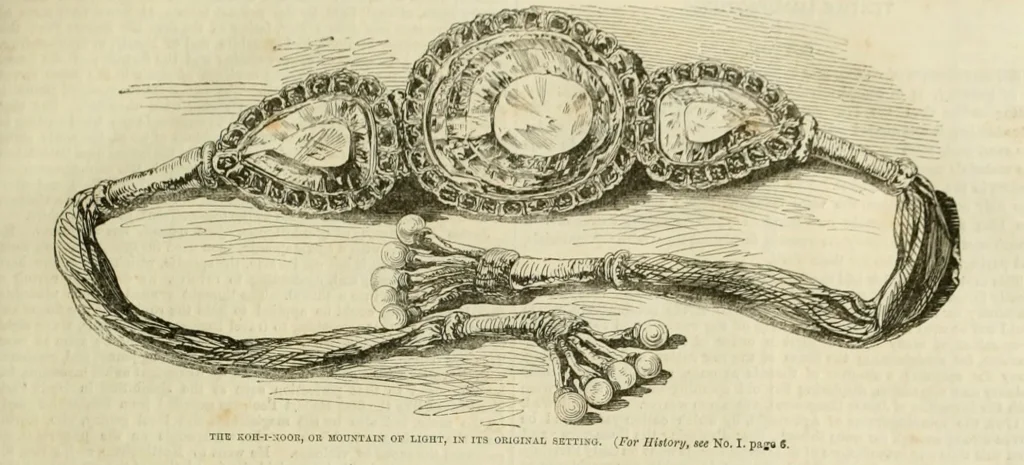
No diamond on earth carries more history per carat than the Koh-i-Noor. At 105.6 carats it is far from the largest diamond in any royal collection — yet for five centuries, possession of this one stone has been read as possession of sovereignty itself.
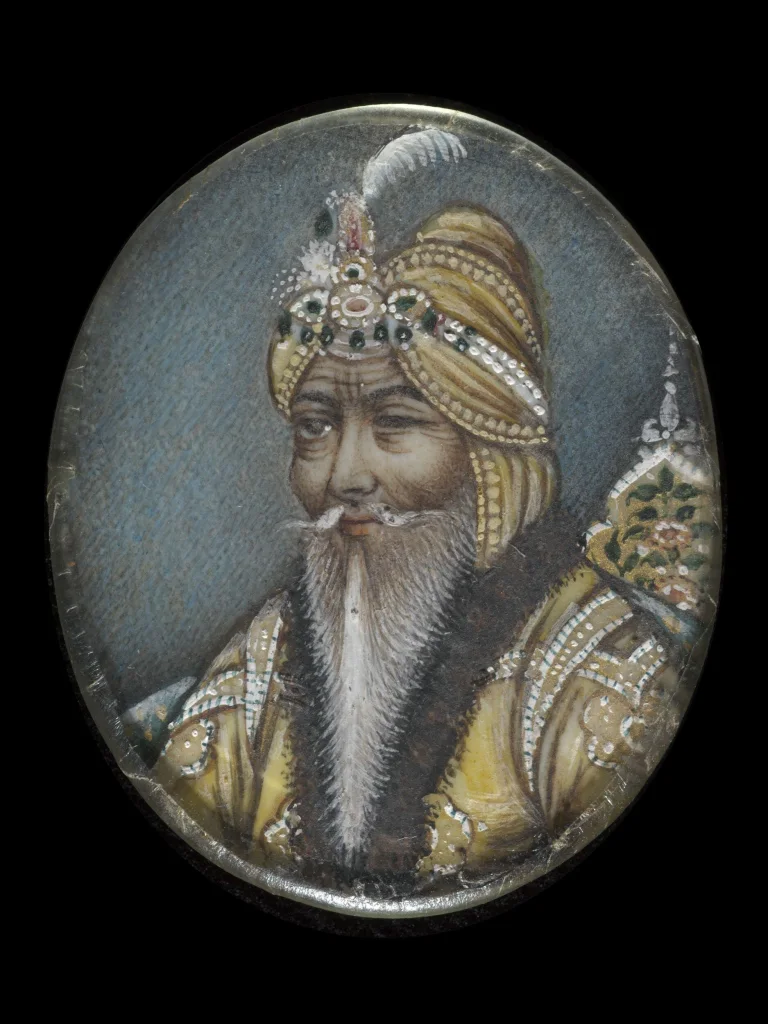
The mountain of light
The name means exactly that — “Mountain of Light” in Persian — and the stone’s documented history moves with the tide of empires: Mughal treasuries, the Persian court of Nader Shah, the Afghan Durrani dynasty, and the Sikh empire of Ranjit Singh at Lahore. Each transfer was an act of conquest, not commerce. By the time the East India Company took the Punjab in 1849, the diamond had become the most famous object in Asia, and its cession to Queen Victoria was written directly into the Treaty of Lahore.
The recut that divided opinion
The stone that arrived in London in 1850 was an old Indian cut of roughly 186 carats — deep, domed and, to Victorian eyes accustomed to symmetrical brilliants, disappointingly quiet under gaslight. In 1852 Prince Albert ordered it recut to an oval brilliant, sacrificing some forty percent of its weight for fire. The decision is still debated: the recut stone gained brilliance and lost antiquity in a single operation, a trade every collector of historic stones understands intimately.

A crown reserved for queens
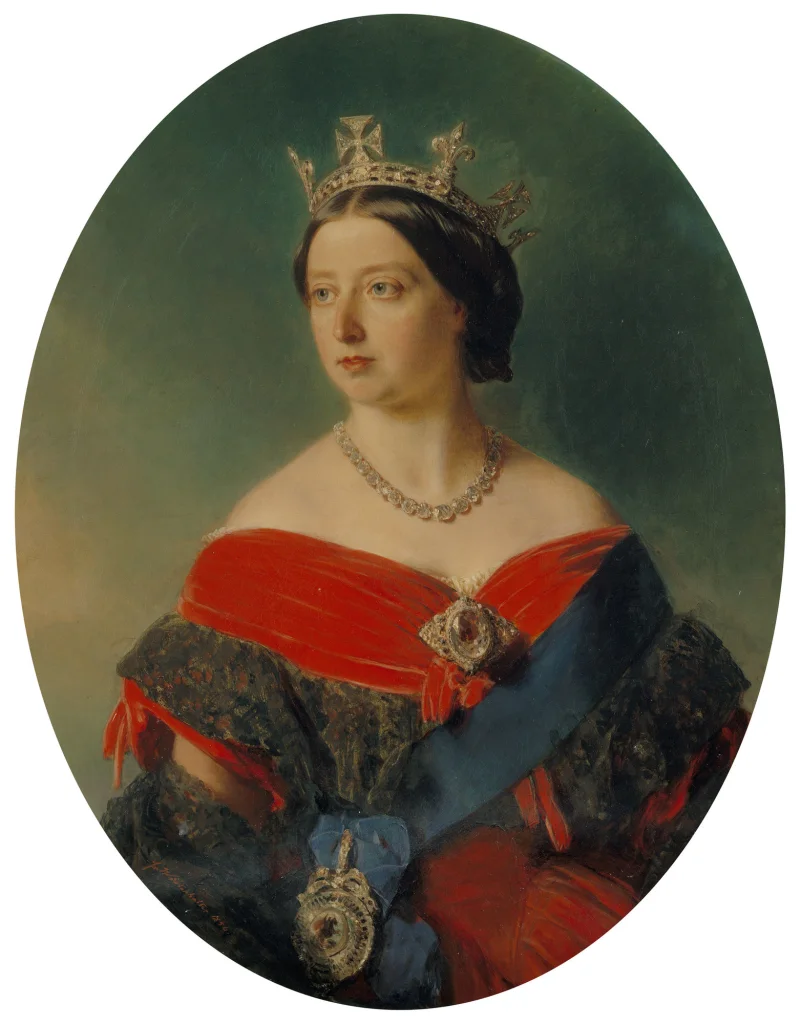
Since Victoria, the Koh-i-Noor has been worn only by women of the British royal house — a tradition shaped by the old belief that the stone brings misfortune to male rulers. It was set successively in the crowns of Queen Alexandra, Queen Mary, and in 1937 the crown of Queen Elizabeth The Queen Mother, where it remains today, on view with the Crown Jewels at the Tower of London while four nations continue to assert historic claims to it.
What the Koh-i-Noor teaches collectors
The stone’s lesson is that provenance is a dimension of value no laboratory can grade. A 105-carat diamond is rare; a diamond whose custody was negotiated by treaty is unique. Collectors acquiring important stones today are, knowingly or not, writing the first chapters of exactly such histories.
Legacy’s own high-carat statement collection holds stones whose stories are just beginning. Clients are welcome to book a private consultation to discuss stones of consequence.
Get the look — shop similar at Legacy
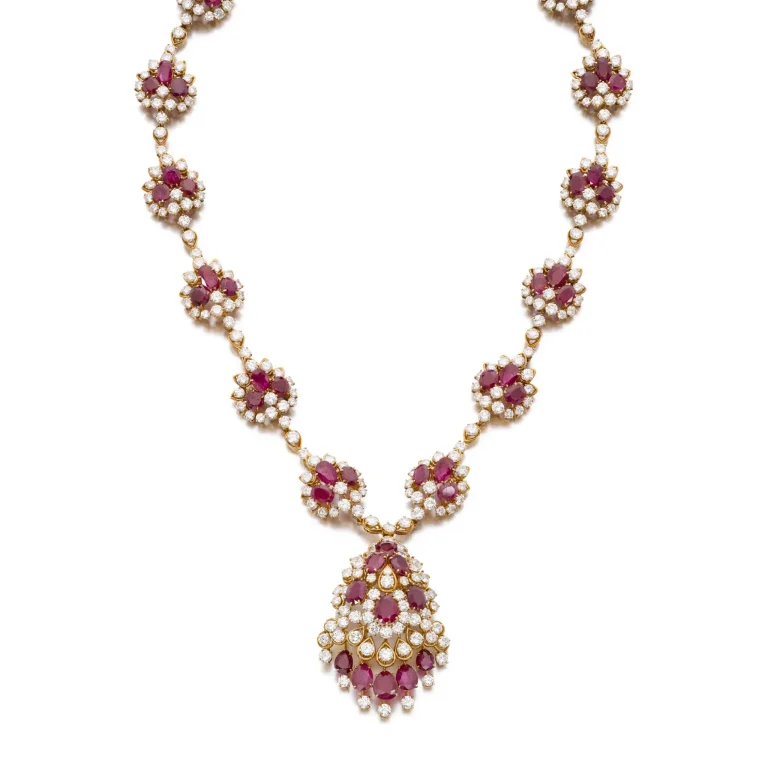
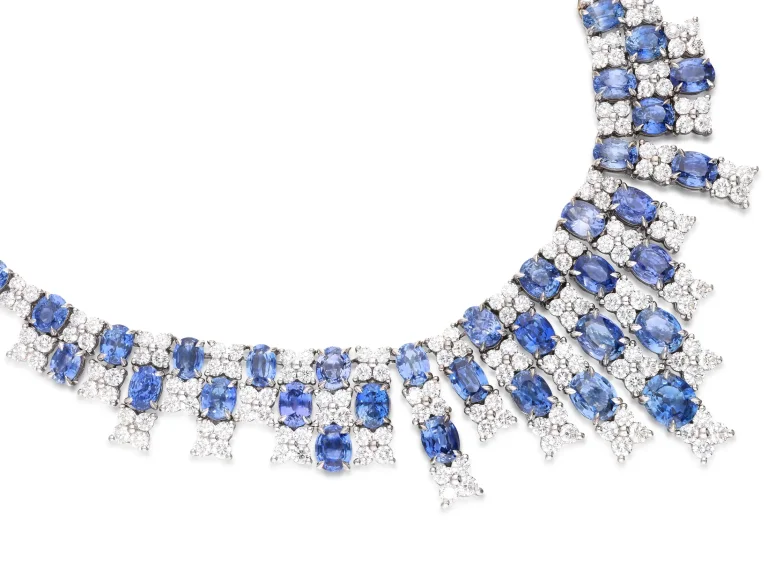
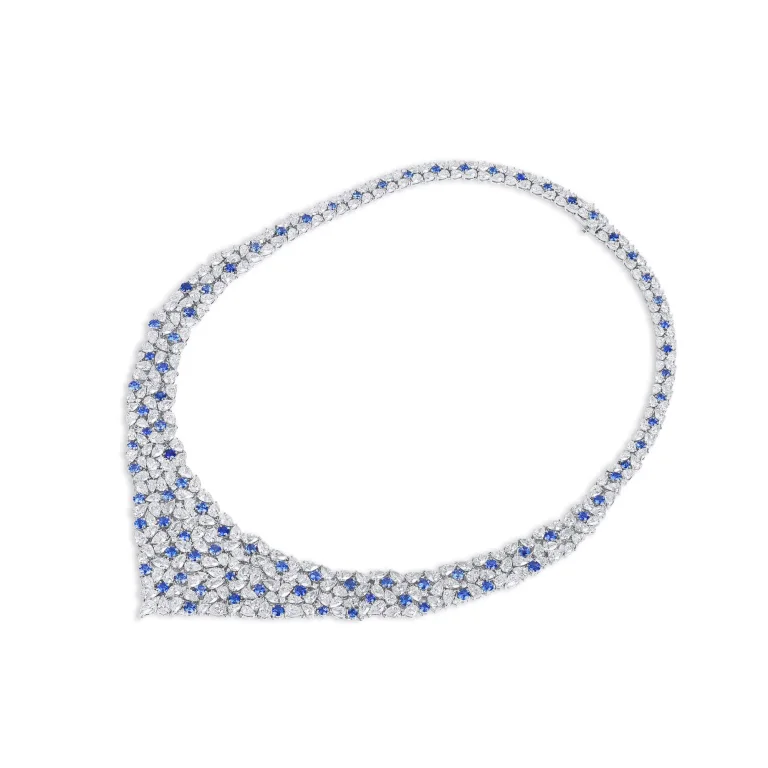
Taken in the spirit of this Oval Diamond necklace — pieces from the Legacy vault, and a one-of-one commission.
Common questions
More from Royalty (Historic)
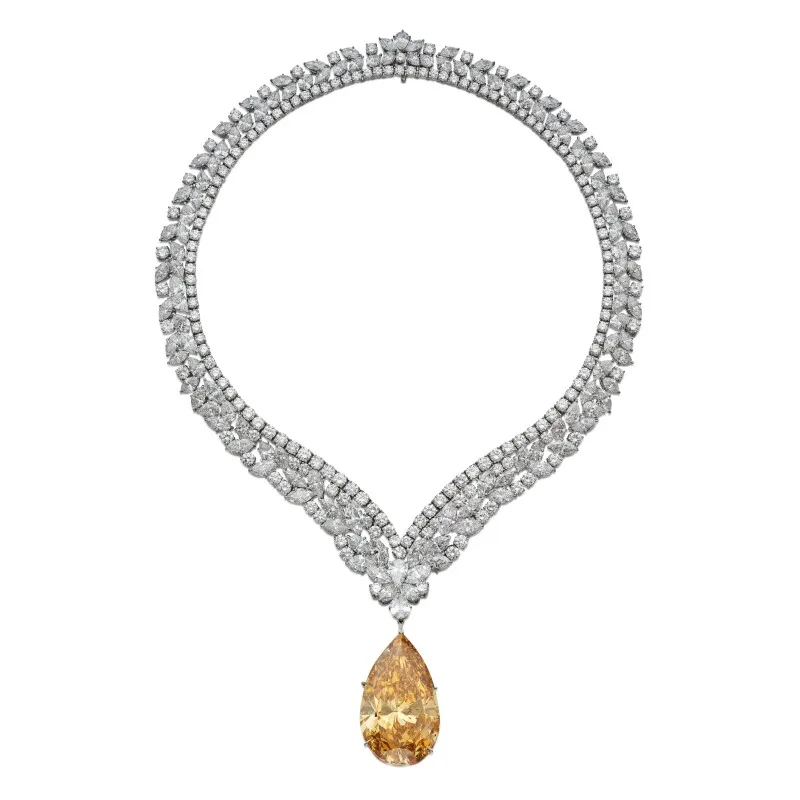
Documented. This is an editorial reference compiled from public sources — a record of notable jewels in history, not a statement of endorsement or of any association with Legacy. Source: primary reference. Last verified July 2026.
Our atelier sources privately. Tell us the cut, the colour and the moment — and we will bring you the stone.
Speak with the atelier