Maharaja Bhupinder Singh of Patiala
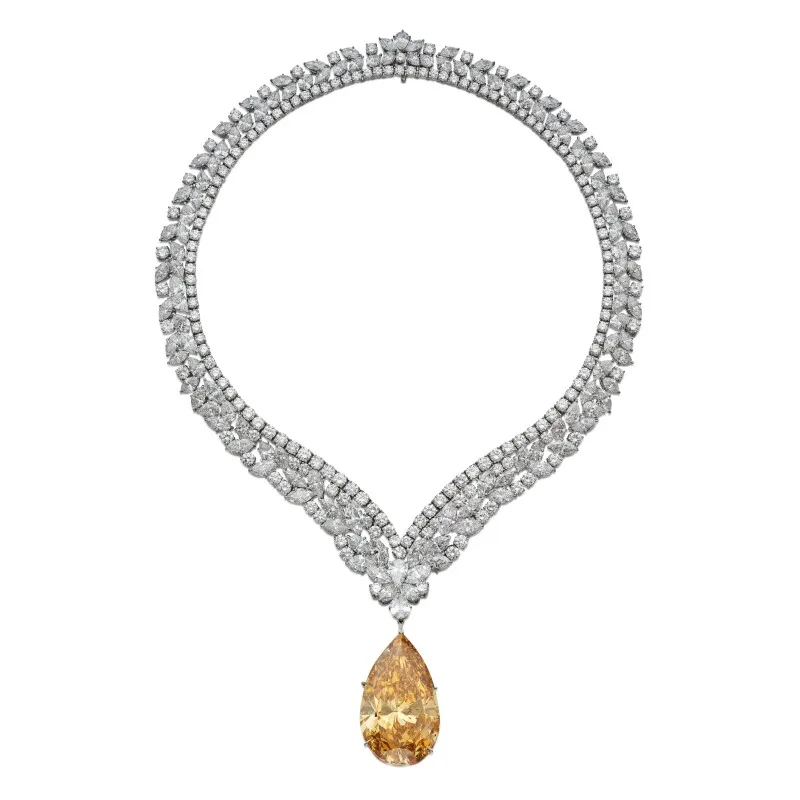
Fancy Yellow Cushion Diamond 234.65ct — Patiala ruler who commissioned a vast ceremonial necklace built around a yellow diamond
There are collectors, there are connoisseurs—and then there are men like Maharaja Bhupinder Singh of Patiala, who didn’t merely acquire jewels; he commanded the world to create them. His vision of luxury was not bound by restraint or tradition. It was expansive, architectural, almost imperial in scale. If Queen Elizabeth II represented continuity, Bhupinder Singh represented excess refined into art.
At the center of his legend lies one of the greatest high jewelry commissions ever executed—the Patiala Necklace.
The Patiala Necklace — A Universe of Diamonds
In 1928, the Maharaja approached the great Parisian maison with a brief that would redefine the boundaries of jewelry design. He did not ask for a necklace. He asked for a statement of dominion.
What the maison delivered was nothing short of extraordinary:
Nearly 3,000 diamonds set into a cascading, multi-tiered masterpiece
Anchored by the 234.65-carat celebrated 234.65-carat yellow diamond, one of the largest faceted diamonds in the world at the time
Combined with Burmese rubies and other rare stones to create a composition that felt less like jewelry and more like a royal constellation
The sheer scale of the Patiala Necklace is difficult to comprehend even today. It wasn’t designed to complement attire—it defined it. When worn, it transformed the Maharaja into a living embodiment of wealth, power, and global influence.
Diamonds Beyond Ornament — The Language of Authority
For Bhupinder Singh, diamonds were not accessories. They were instruments of identity.
He was often seen adorned with:
Multiple diamond necklaces layered simultaneously
Turban ornaments (sarpech) featuring Colombian emeralds and Golconda diamonds
Armlets and brooches set with stones of museum-grade rarity
Unlike European royalty, where jewelry followed strict court protocols, Indian maharajas operated with a different philosophy—abundance as expression. The more layered, the more intricate, the more audacious the piece, the stronger the message.
And Bhupinder Singh mastered this language better than anyone.
The Disappearance and Resurrection
The story of the Patiala Necklace took a dramatic turn decades later when it mysteriously disappeared from the royal treasury. For years, it was considered lost—its diamonds scattered, its structure dismantled.
Then, in the late 20th century, parts of it resurfaced.
The maison undertook the painstaking task of reconstruction, replacing missing stones with replicas and restoring the necklace to its former glory. Today, it stands not only as a masterpiece of design but as a testament to the enduring power of legendary commissions.
Because true luxury, once created at that level, never truly disappears. It simply waits to be rediscovered.
The Philosophy of Scale
What makes Bhupinder Singh’s legacy so compelling is not just the size of his diamonds, but his fearless approach to scale.
Where others saw limits, he saw possibility.
Where others curated, he commanded creation.
This is the mindset that defines the highest echelon of collectors—the ability to envision something that does not yet exist, and then bring it into reality through the finest craftsmen in the world.
Legacy Perspective
At Legacy Diamonds and Gemstones, this is the standard we measure against—not what exists, but what can be created when imagination meets access to the rarest stones on Earth.
Because the true heir to Bhupinder Singh’s legacy is not the one who owns diamonds.
It is the one who dares to commission history.
Get the look — shop similar at Legacy
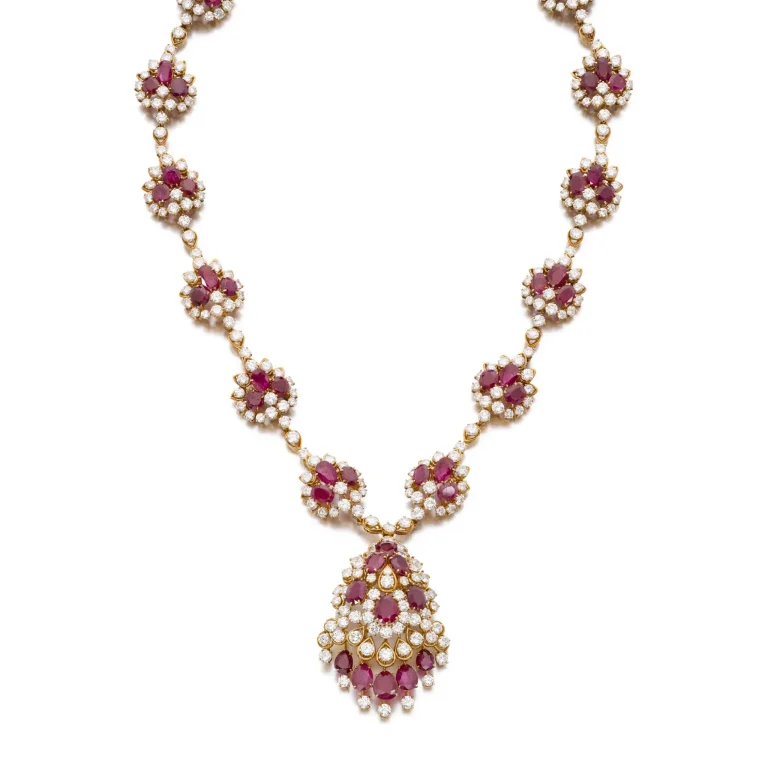
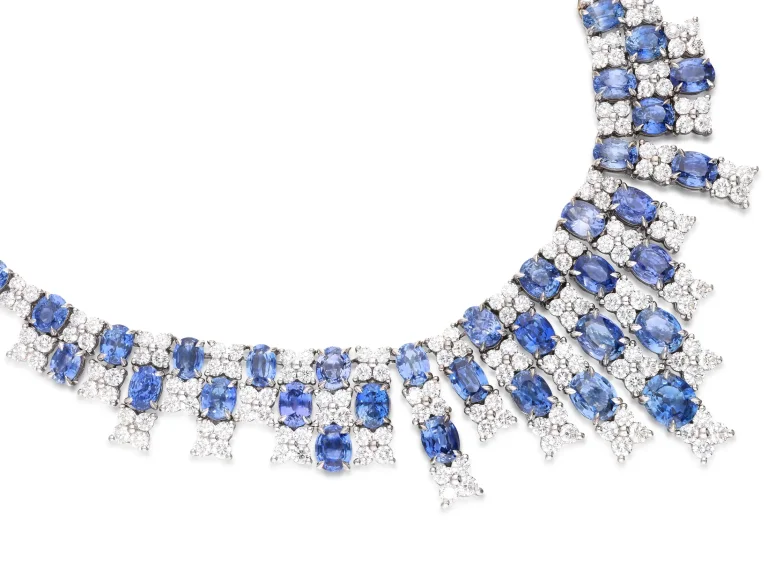
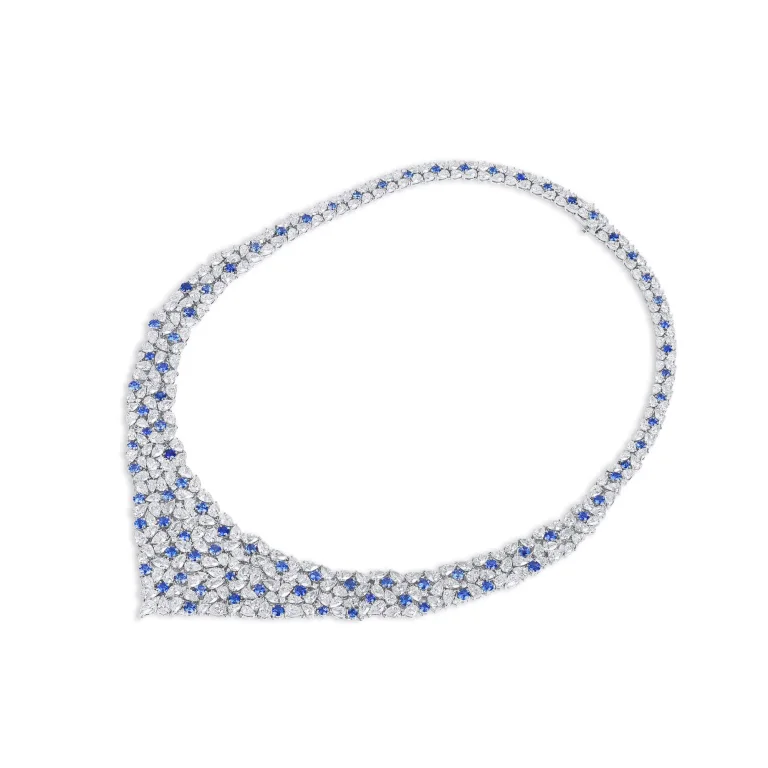
Taken in the spirit of this Fancy Yellow Cushion Diamond necklace — pieces from the Legacy vault, and a one-of-one commission.
Common questions
More from Royalty (Historic)
Documented. This is an editorial reference compiled from public sources — a record of notable jewels in history, not a statement of endorsement or of any association with Legacy. Source: primary reference. Last verified July 2026.
Arena
♛Royalty (Historic)Stone
DiamondShape
CushionColor
Fancy YellowRegion
🇮🇳IndiaEra
Art Deco (1915–1939)Our atelier sources privately. Tell us the cut, the colour and the moment — and we will bring you the stone.
Speak with the atelier