Queen Elizabeth II
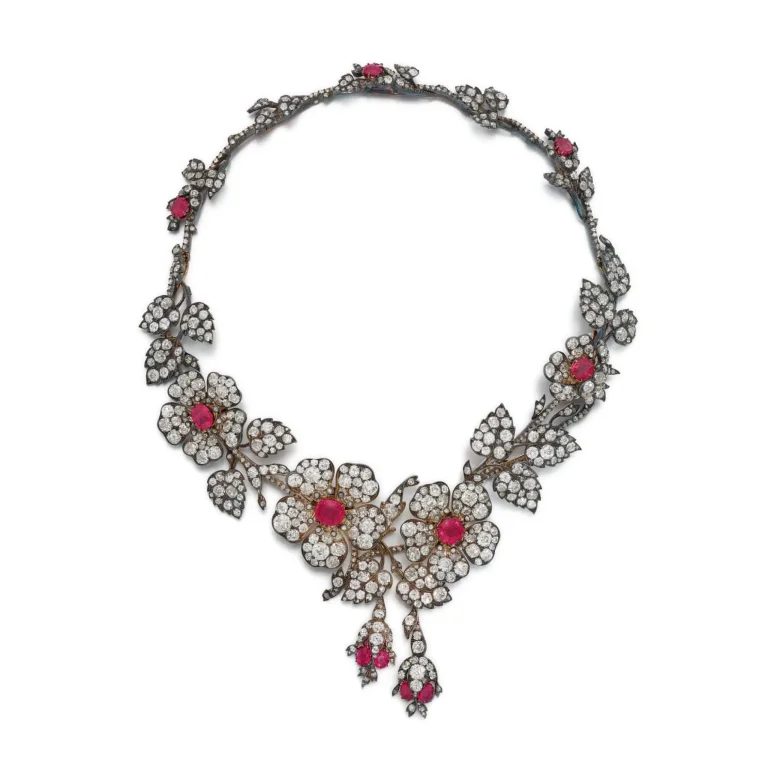
Ruby — Burmese ruby tiara of ninety-six rubies set in a wreath of diamond roses
There are queens who reign over nations, and then there are queens who reign over history itself. Queen Elizabeth II was not merely the longest-serving monarch of the modern era—she was the living custodian of one of the most extraordinary gemstone legacies ever assembled. Her jewels were not acquisitions. They were inheritances of empire, fragments of conquest, relics of diplomacy, and above all, declarations of permanence.

To understand her jewelry is to understand the architecture of power.
At the heart of Queen Elizabeth II’s collection lies a diamond so monumental that it reshaped the very language of gemstones—the Cullinan Diamond. Discovered in South Africa in 1905, the Cullinan weighed an astonishing 3,106 carats in its rough form. It was not merely a diamond; it was a geological miracle. Presented to the British Crown, it was cut into multiple stones—each one destined to become part of royal legend.
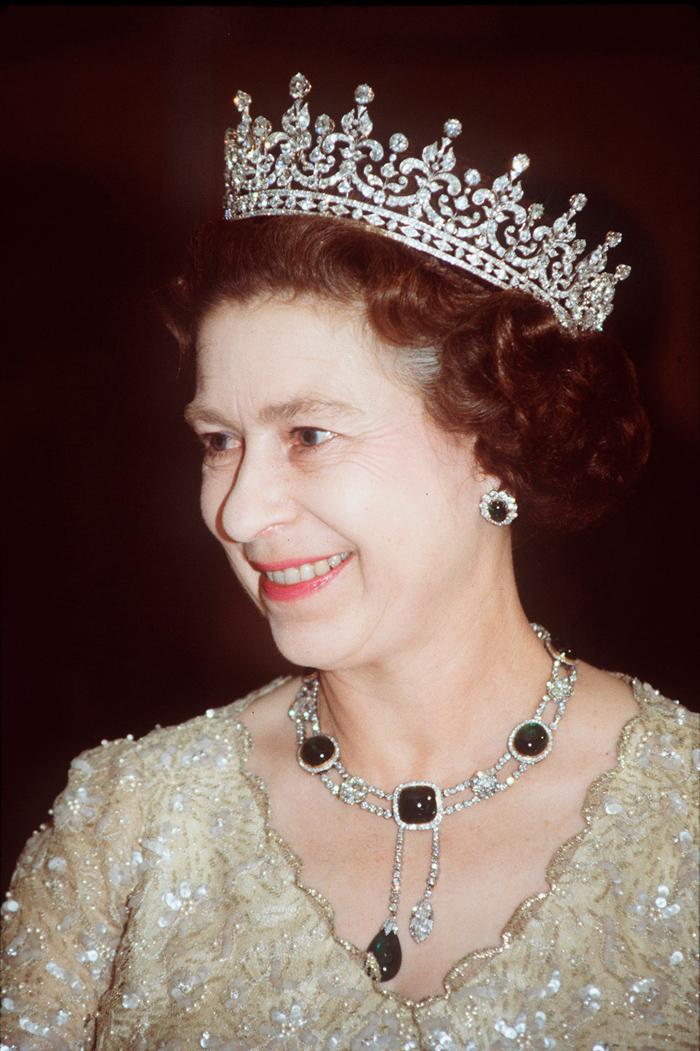
Among these, two became inseparable from the Queen’s identity: Cullinan I (The Great Star of Africa) — set in the Sovereign’s Sceptre, a 530.2-carat masterpiece that remains the largest clear-cut diamond in the world. Cullinan II — a 317.4-carat cushion-cut diamond, set into the Imperial State Crown.
But perhaps the most intimate expressions of this legacy were the Cullinan III and IV brooch, often affectionately referred to by the Queen as “Granny’s Chips.” These stones—94.4 and 63.6 carats respectively—were worn not as ceremonial regalia, but as personal adornment. And that distinction is critical. Because when a queen wears diamonds of such magnitude casually, it ceases to be about luxury. It becomes about inheritance of scale.

If diamonds are the vocabulary of royalty, then tiaras are its poetry. And Queen Elizabeth II possessed one of the most refined collections ever curated. The Girls of Great Britain and Ireland Tiara — a piece so iconic that it became almost synonymous with her image. Originally gifted to Queen Mary, this tiara is a study in balance—delicate yet commanding, intricate yet effortless. Unlike the towering, aggressive tiaras of continental Europe, this piece reflects British restraint. It doesn’t overwhelm. It frames. And in doing so, it elevates the wearer rather than competing with her.
The Vladimir Tiara — perhaps the most versatile tiara in existence, the Vladimir Tiara could be worn in multiple configurations—with pearls or emerald drops. This adaptability reflects a deeper truth about royal jewelry: it is never static. It evolves with the wearer, with the moment, with the message being conveyed. The Burmese Ruby Tiara — commissioned by the Queen herself, this tiara is embedded with 96 rubies—each symbolically representing protection against disease and evil. Here, gemstones transcend aesthetics. They become talismans.

While tiaras and crowns dominate public imagination, it was often in her brooches that Queen Elizabeth II exercised her most nuanced expressions of diplomacy. A single brooch could communicate solidarity, remembrance, or quiet assertion. Diamonds were frequently paired with sapphires, emeralds, and pearls—each combination chosen with surgical precision. Consider the Sapphire Jubilee Brooch, featuring a large central sapphire surrounded by diamonds. Or the Williamson Pink Diamond Brooch, centered around one of the rarest pink diamonds ever discovered.
Gifted to the Queen as a wedding present in 1947, the Williamson diamond was a 23.6-carat rough pink diamond—an anomaly in a world where pink diamonds represent less than 0.1% of all diamond production. Cut into a flawless brilliant, it was set into a floral brooch surrounded by white diamonds. The symbolism is unmistakable: a rare gem, set within a constellation of brilliance, worn by a queen whose reign would become one of the longest in history. Pink diamonds, even today, are the ultimate currency of rarity. But in the mid-20th century, they were almost mythical.
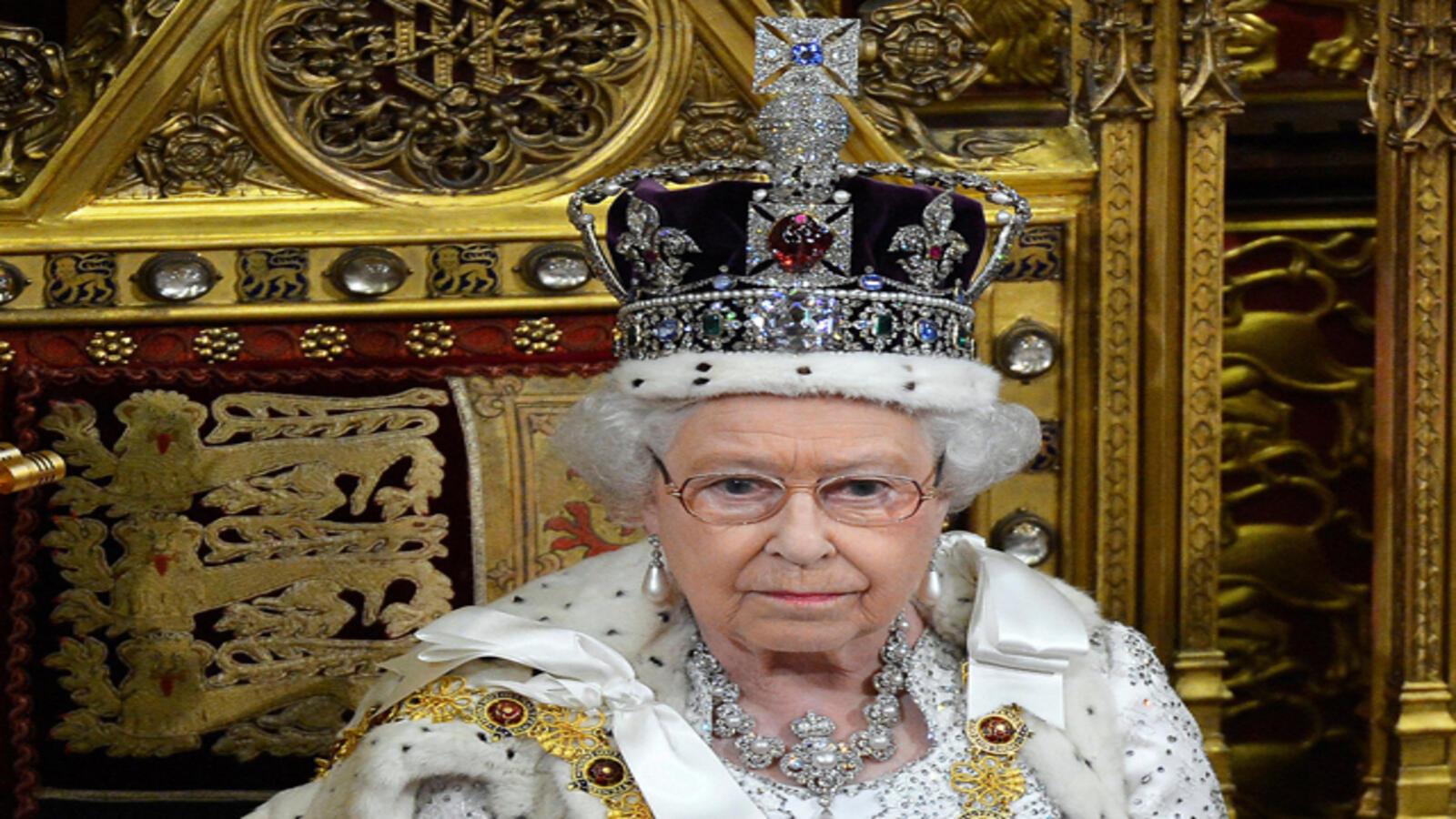
The Imperial State Crown is not merely a crown. It is a repository of centuries. Set with over 2,800 diamonds, along with sapphires, emeralds, and pearls, it houses some of the most famous gemstones in the world—including the Cullinan II. When Queen Elizabeth II wore it during the State Opening of Parliament, it was not a display of wealth. It was a ritual of continuity. A reminder that the crown endures, even as the world changes.
What separates Queen Elizabeth II from modern collectors is not access, but philosophy. Today, diamonds are acquired. In her world, they were inherited, curated, and preserved. Each piece carried a lineage, a narrative, a responsibility. She did not wear jewelry to impress. She wore it to anchor history in the present moment.
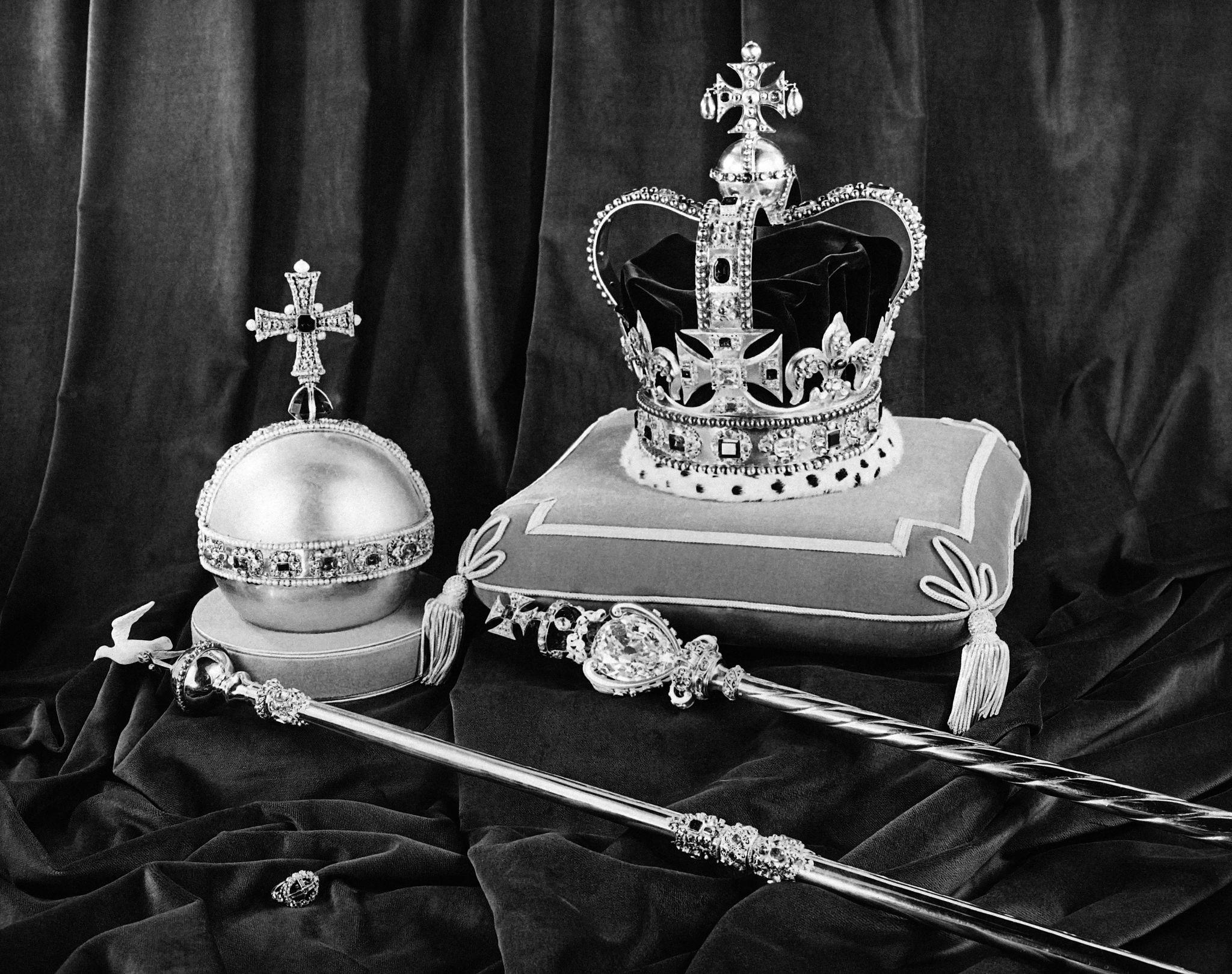
There is a reason why the diamonds of Queen Elizabeth II continue to captivate even in an age of unprecedented wealth. Because they represent something that money alone cannot buy: provenance. A 50-carat diamond today is extraordinary. But a 50-carat diamond that has passed through generations of monarchy becomes something else entirely—it becomes a relic. This is where true luxury resides—not in size alone, but in story, continuity, and cultural gravity.
At Legacy Diamonds and Gemstones, this philosophy is foundational. The Queen’s collection teaches us that the ultimate jewel is not defined by its carat weight, but by its place in history. The diamonds she wore were not trends. They were chapters. And perhaps that is the most important lesson of all: The world’s rarest diamonds are not the ones that are discovered. They are the ones that are remembered.
A Continuing Legacy
These women did not simply wear extraordinary jewels—they redefined what it means to possess them. Each, in her own way, transformed diamonds into something far greater than objects of desire.
At Legacy Diamonds & Gemstones, this philosophy is not just admired—it is lived. Every rare diamond, every exceptional gemstone is chosen not just for its rarity, but for its potential to become part of a story that transcends generations.
Because true luxury is never just about ownership.
It is about legacy—crafted, worn, and remembered forever.
Get the look — shop similar at Legacy
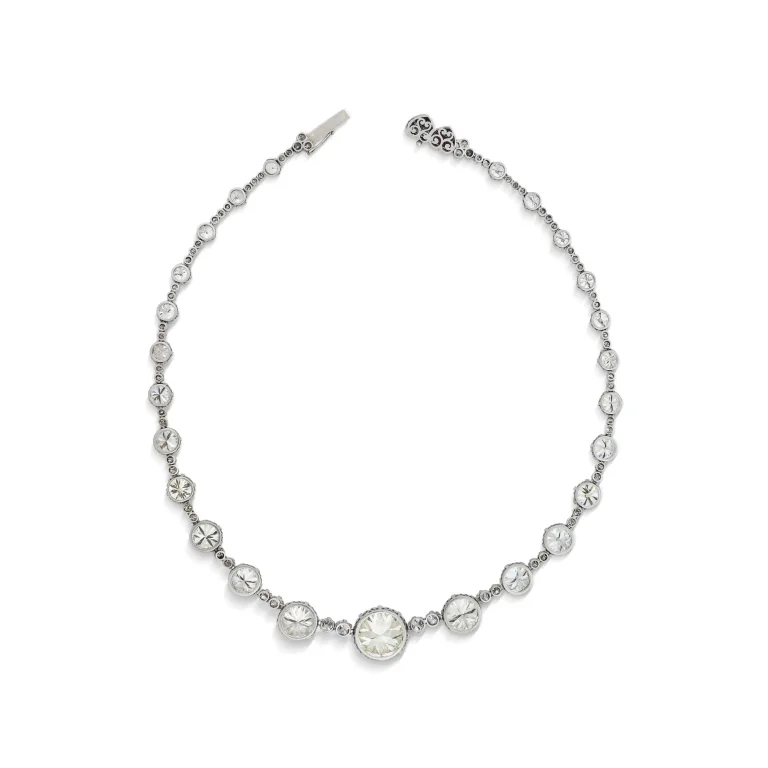
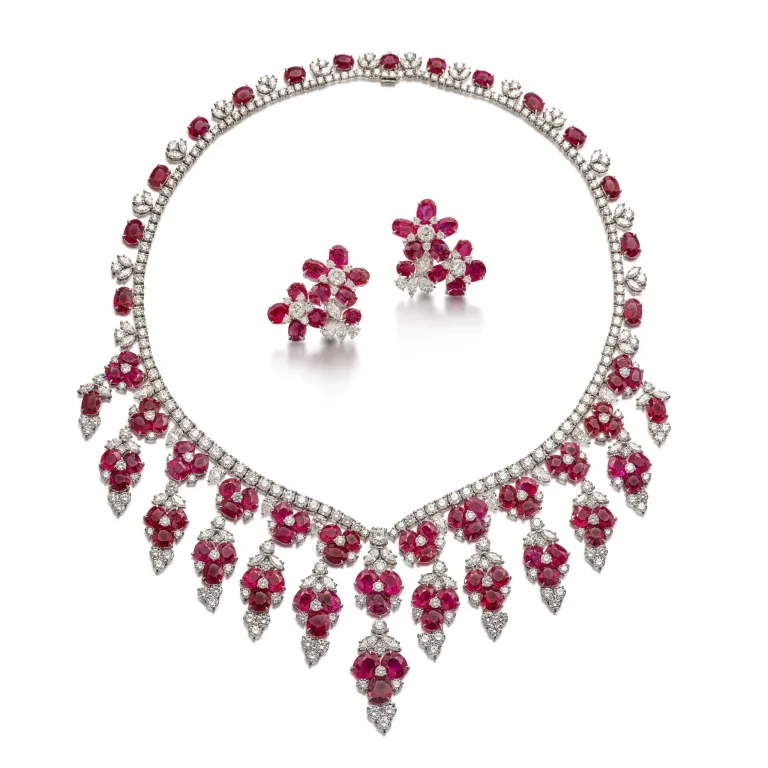
Taken in the spirit of this Ruby necklace — pieces from the Legacy vault, and a one-of-one commission.
Common questions
More from Royalty (Historic)

Documented. This is an editorial reference compiled from public sources — a record of notable jewels in history, not a statement of endorsement or of any association with Legacy. Source: primary reference. Last verified July 2026.
Our atelier sources privately. Tell us the cut, the colour and the moment — and we will bring you the stone.
Speak with the atelier