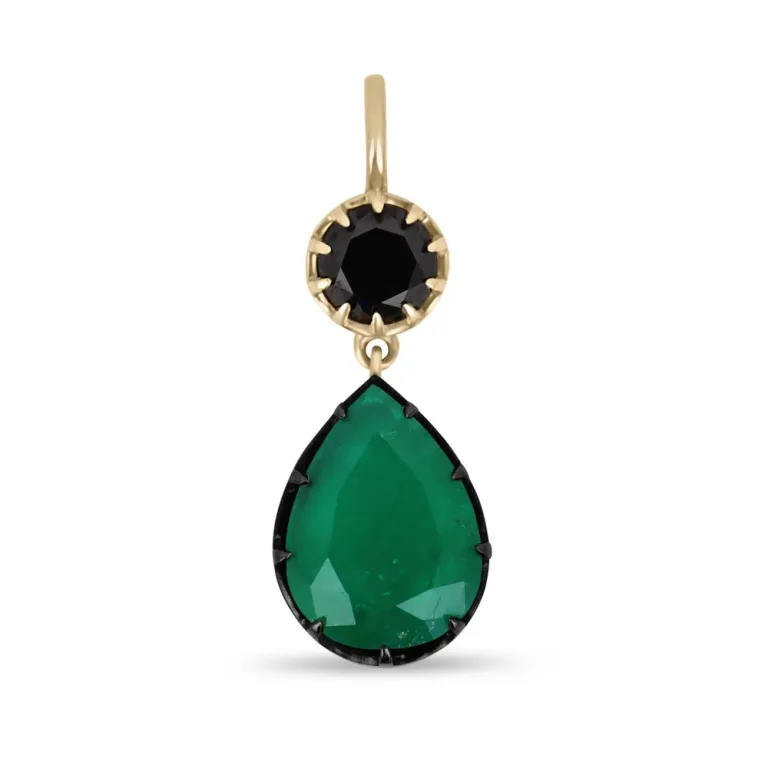
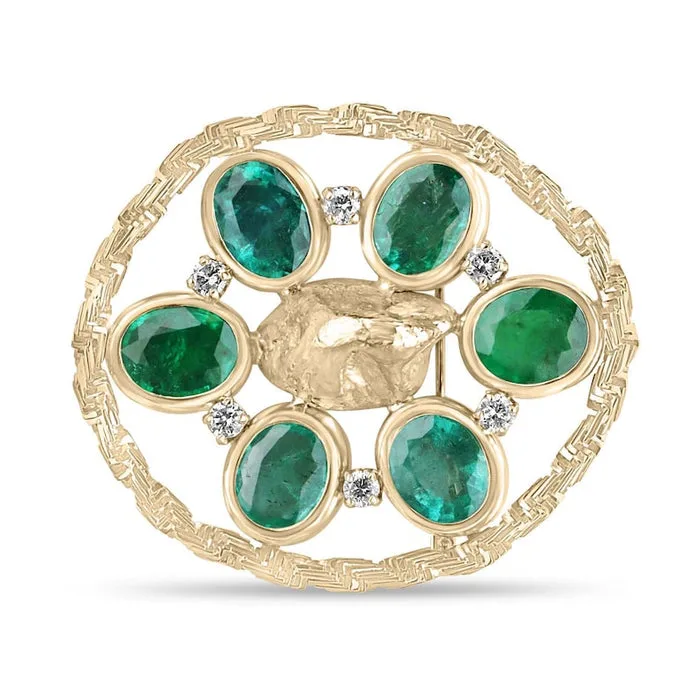
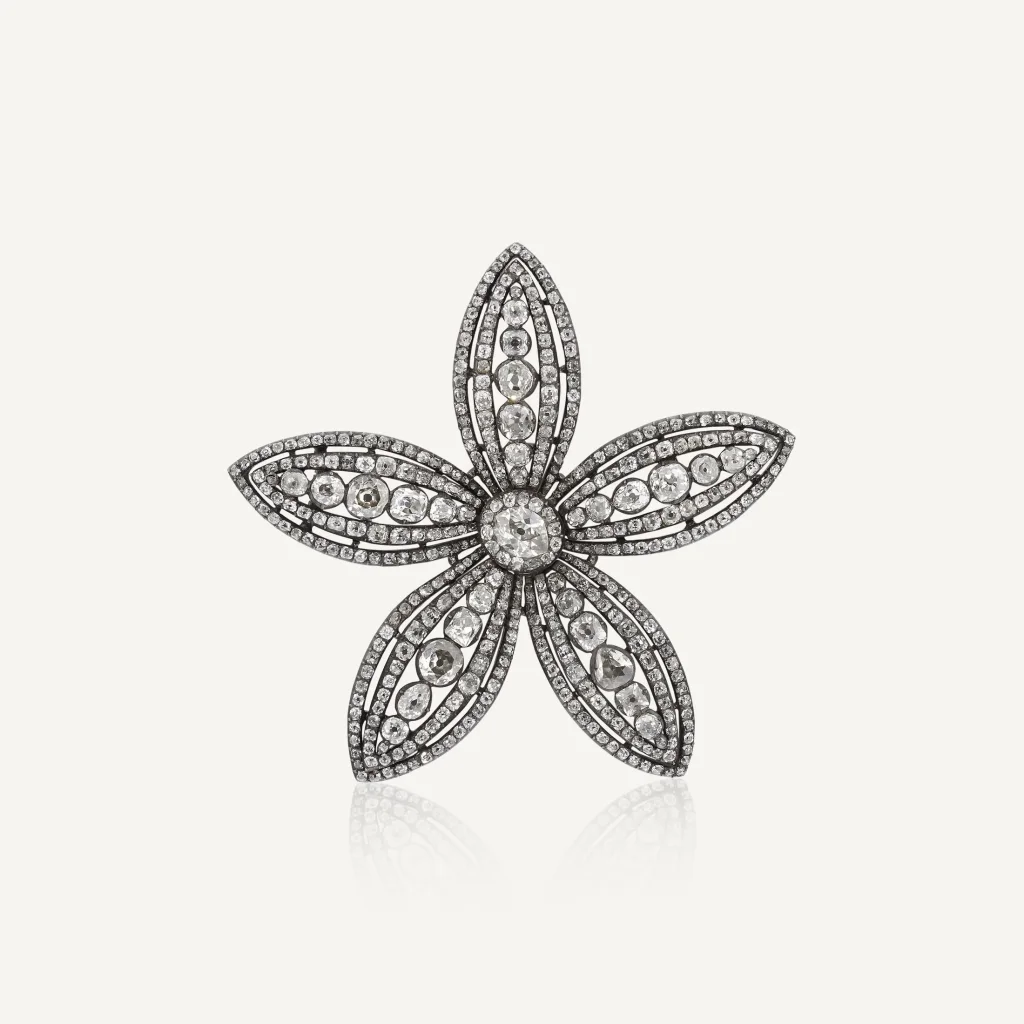
Early 19th Century Diamond Flower Brooch
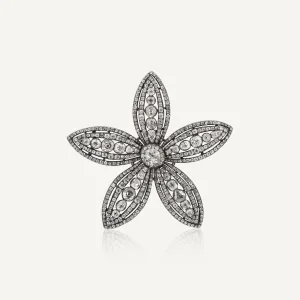
Jewellery surviving intact from the early nineteenth century occupies a genuinely different category from later period pieces, simply by virtue of age and rarity of survival. This flower brooch dates to that early period, a rendered bloom whose diamonds reflect the cutting technology and workshop practices of an era well before modern faceting standards existed — expect deeper pavilions, smaller tables, and an overall warmth of light return distinct from anything cut in the twentieth century or later. Metal, carat weight, cut specifics, colour and clarity are available on request; with jewellery of this age, condition and construction integrity matter enormously, and Legacy is fully transparent about the piece's state, sharing complete detail with any serious enquirer ahead of a purchase decision rather than glossing over the honest realities of two centuries of potential wear. What makes early nineteenth-century floral brooches particularly compelling to collectors is the direct material link they offer to a specific historical moment in jewellery-making — the techniques on display here predate industrialisation's standardising effect on gemstone cutting, meaning every stone in this piece was individually hand-cut by a craftsman working without the mechanical precision tools that later became standard. That hand-worked irregularity is not a flaw; it is precisely the quality that gives early period jewellery its particular warmth and character, each stone subtly unique rather than mechanically uniform. As an object for a serious collection, a verified early nineteenth-century brooch functions as much as a historical artefact as a piece of jewellery, appealing to collectors who value provenance and age as much as pure aesthetic impact. Wearability remains genuine, however — a floral brooch of this vintage, properly cared for, pins securely to a lapel or wrap and carries its two-hundred-year history with quiet, understated dignity rather than fragility. For collectors specifically building a collection organised around historical period rather than pure carat weight, pieces surviving from this early era are increasingly difficult to source in wearable, structurally sound condition. Independent certification is available on request, and Legacy's specialists are glad to discuss the brooch's dating, condition and history in complete detail. A collector considering this piece should also understand that dating jewellery this early relies on a combination of construction technique, cutting style and stylistic convention rather than any maker's mark, since formal hallmarking practices were considerably less standardised in this period than they would later become. This early flower brooch is entered into the Legacy register as a genuine historical rarity, and we welcome a private viewing for collectors with a particular interest in period jewellery.
- Carat Weight
- On Request
- Shape
- On Request
- Color
- On Request
- Clarity
- On Request
- Metal
- On Request
- Certification
- GIA / IGI / HRD on request
- Treatment
- None · Natural
- Reference Number
- LD-BR-0129
Brink's Global insured worldwide delivery — every Legacy acquisition ships door-to-door through Brink's secure network, fully insured, in discreet neutral packaging.
White-glove delivery — for qualifying pieces, our concierge arranges in-person delivery to your residence or private office.
3-day exclusive hold — your reservation holds the piece privately for 3 days, fully refundable.
Independently certified — to your choice of GIA, IGI or HRD on request; documents shared privately with verified acquirers.
Authentication guarantee — if any piece does not match its stated specifications, full money-back refund.
Care — a soak in warm water with mild soap restores light return; have the prongs inspected annually.
In full — nothing hidden
Most listings hide the writing. We don't — this is the work, in full.
Jewellery surviving intact from the early nineteenth century occupies a genuinely different category from later period pieces, simply by virtue of age and rarity of survival. This flower brooch dates to that early period, a rendered bloom whose diamonds reflect the cutting technology and workshop practices of an era well before modern faceting standards existed — expect deeper pavilions, smaller tables, and an overall warmth of light return distinct from anything cut in the twentieth century or later. Metal, carat weight, cut specifics, colour and clarity are available on request; with jewellery of this age, condition and construction integrity matter enormously, and Legacy is fully transparent about the piece's state, sharing complete detail with any serious enquirer ahead of a purchase decision rather than glossing over the honest realities of two centuries of potential wear. What makes early nineteenth-century floral brooches particularly compelling to collectors is the direct material link they offer to a specific historical moment in jewellery-making — the techniques on display here predate industrialisation's standardising effect on gemstone cutting, meaning every stone in this piece was individually hand-cut by a craftsman working without the mechanical precision tools that later became standard. That hand-worked irregularity is not a flaw; it is precisely the quality that gives early period jewellery its particular warmth and character, each stone subtly unique rather than mechanically uniform. As an object for a serious collection, a verified early nineteenth-century brooch functions as much as a historical artefact as a piece of jewellery, appealing to collectors who value provenance and age as much as pure aesthetic impact. Wearability remains genuine, however — a floral brooch of this vintage, properly cared for, pins securely to a lapel or wrap and carries its two-hundred-year history with quiet, understated dignity rather than fragility. For collectors specifically building a collection organised around historical period rather than pure carat weight, pieces surviving from this early era are increasingly difficult to source in wearable, structurally sound condition. Independent certification is available on request, and Legacy's specialists are glad to discuss the brooch's dating, condition and history in complete detail. A collector considering this piece should also understand that dating jewellery this early relies on a combination of construction technique, cutting style and stylistic convention rather than any maker's mark, since formal hallmarking practices were considerably less standardised in this period than they would later become. This early flower brooch is entered into the Legacy register as a genuine historical rarity, and we welcome a private viewing for collectors with a particular interest in period jewellery.
Sophia Caldwell
- 1 EXPLORE Browse the collection
- 2 EXPRESS INTEREST Wishlist · Offer · Chat
- 3 PRIVATE GALLERY Your Private Viewing Room
- 4 RESERVE 3-day exclusive hold
- 5 DELIVERED Brinks · White-glove

Get a private alert when new arrivals match Under $20K. Sent only when our specialists source a piece worth your attention. No newsletter.
Receive a private catalogue, curated for you
Enter your email to receive personally-selected pieces matching your interests — curated by your dedicated specialist, sent privately, never published. No newsletter, no marketing.