
Collecting · The House Guides
Collecting Diamond Brooches: The Most Undervalued Object in Fine Jewelry
A collector's guide to diamond brooches covering the double-clip mechanism, convertible pendant-brooches, contemporary placement, pin engineering and why the category delivers more craftsmanship per dollar than any other.
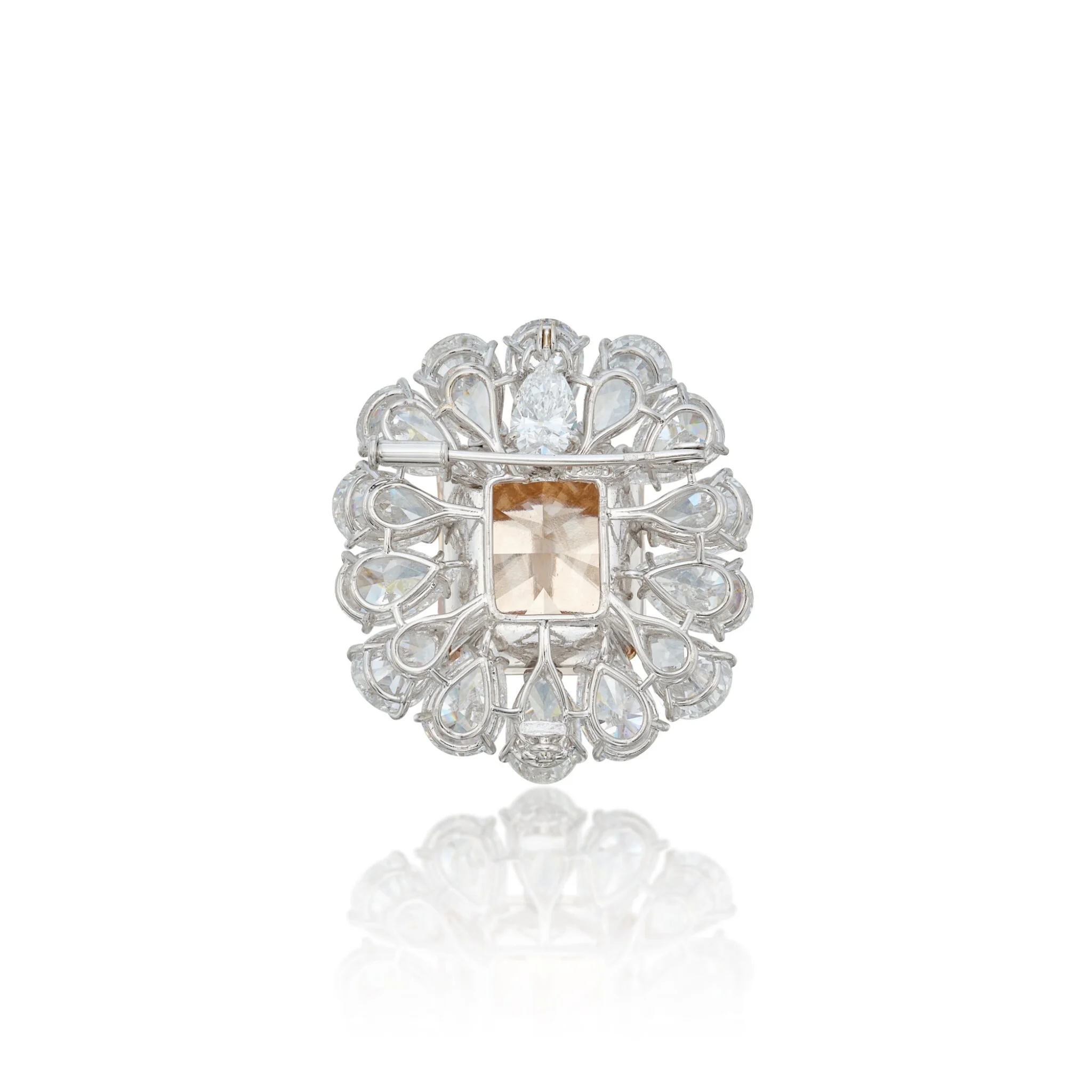
The brooch is the most quietly revalued object in fine jewelry: after decades as an inherited afterthought, it has returned to lapels, shoulders and evening dressing — worn now by men as much as women — while remaining the category where craftsmanship still costs less than it should. A collector who understands brooches buys more workmanship per dollar than anywhere else in the diamond world.
Why brooches reward collectors right now
Brooch prices lag their craftsmanship because demand collapsed for a generation while the objects themselves — often the most design-intensive pieces a workshop produced — survived. The revival on red carpets and tailored menswear has begun to correct this, which is precisely why the category deserves attention before the correction completes.
The double-clip: one piece, three ways
The double-clip brooch is the category’s great mechanical achievement: two mirrored clips that join on a frame to wear as a single brooch, or separate to wear at two points — opposite lapels, the corners of a neckline, even a hat and a shoulder. When evaluating a double-clip, work the mechanism: the clips should separate and rejoin without force, sit flush when joined so the seam disappears into the design, and each half should read as a finished object alone. A double-clip whose halves only make sense together is a single brooch with extra hardware.
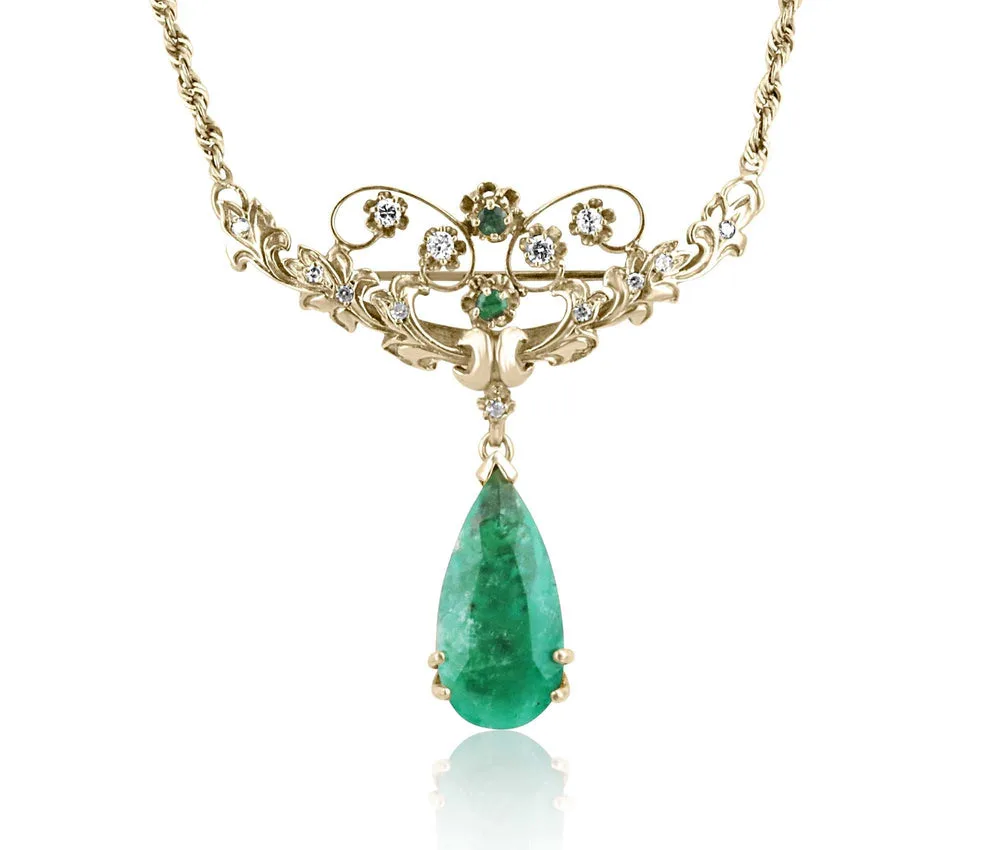
Convertibles: pendant-brooches and beyond
Many fine brooches live second lives. As with all convertible jewelry, the tests are that the conversion needs no jeweler, that the fittings vanish in both configurations, and that neither form reads as the compromise. Convertibility matters more in brooches than elsewhere because it answers the category’s one honest objection — “how often will I wear it?” — with two answers instead of one.
How to wear a diamond brooch now
The contemporary grammar is simple. On tailoring, a single brooch on the left lapel, placed high, scaled to the lapel’s width — the piece should sit within the lapel’s line, not overhang it. On evening wear, the shoulder or the waist, where the brooch can anchor draped fabric. On knitwear and coats, larger pieces come into their own, since heavier fabric carries weight without distortion. Men’s placement follows the same lapel rule and has become one of the most photographed details in formal dressing. The one error to avoid is multiplying small brooches across one garment; the format’s power is singular focus.
The practicalities: weight, pin work and fabric
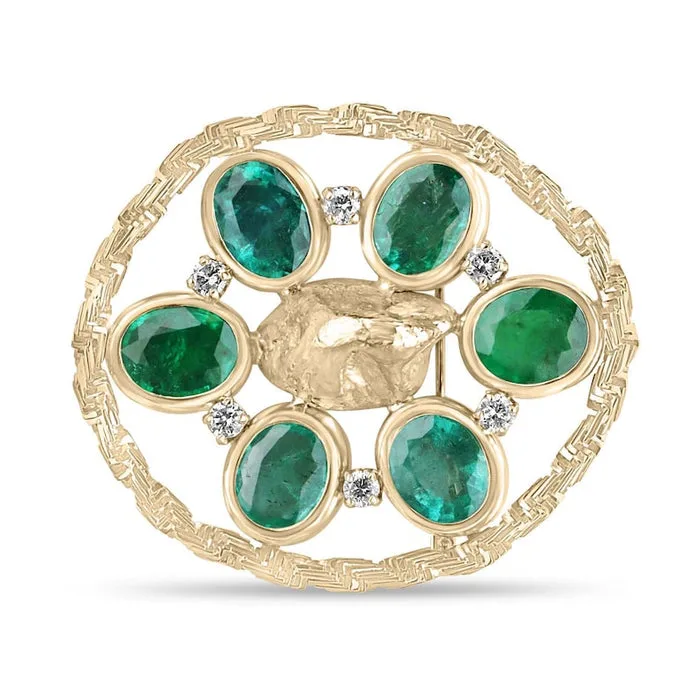
A brooch is jewelry that interacts with clothing, and the engineering details decide whether it is worn or drawered. Check the pin stem’s gauge against the fabrics you intend: a fine stem suits silk and fine wool without leaving marks; heavy pieces need either a thicker stem or, properly, a double-pin fitting that spreads the load and stops rotation. The catch should be a locking roll-over, not a simple hook. And weight distribution matters as much as weight: a well-engineered brooch balances over its pin line so it stands off the fabric instead of drooping forward. These are the details the House checks before any piece enters the collection, and they are the first things to inspect anywhere else.
Certification and colored stones
Diamond work in the collection is certified by GIA, IGI or HRD, with documentation presented on request — the House’s approach is set out in the certification guide. For brooches led by colored stones — sapphire, ruby, emerald — origin and treatment reports carry the value story, and for center stones of consequence, such as the 13.66-carat emerald above, the report should be reviewed before purchase as a matter of course.
Questions collectors ask
Are brooches back in style?
Emphatically, and on both sides of the aisle: contemporary formal dressing has restored the brooch to lapels and shoulders, with men’s lapel brooches among the most visible jewelry trends of the decade. The price correction in the category is under way but far from complete.
What is a double-clip brooch?
A brooch built as two mirrored clips on a removable frame: worn joined as one piece, or separated and worn at two points of a garment. It is the most versatile single object in fine jewelry, and well-made examples — flush seams, independent halves — carry a deserved premium.
How do you wear a brooch without damaging fabric?
Match the pin stem to the fabric: fine stems for silk and fine wool, double-pin fittings for heavy pieces on structured cloth. A locking roll-over catch and balanced weight over the pin line prevent both loss and the forward droop that marks a poorly engineered piece.
Legacy’s current brooch collection is available to view with full certification and pricing on request. Every piece is inspected for pin work, balance and mechanism before entering the collection, and delivered worldwide via Brink’s-insured shipping. Clients are welcome to arrange a private viewing in person or by live video, privately suggest a price, or book a private consultation to discuss placement, fittings and the double-clip pieces currently in the vault.
The Pieces in This GuideThe Vault →
From the Legacy vault — each one-of-a-kind, independently certified.
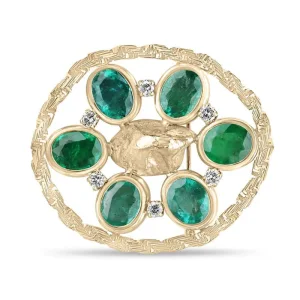
A private advisor answers on the figures in this guide — and places any piece from the vault within them, certificate first.
More from CollectingAll Guides →
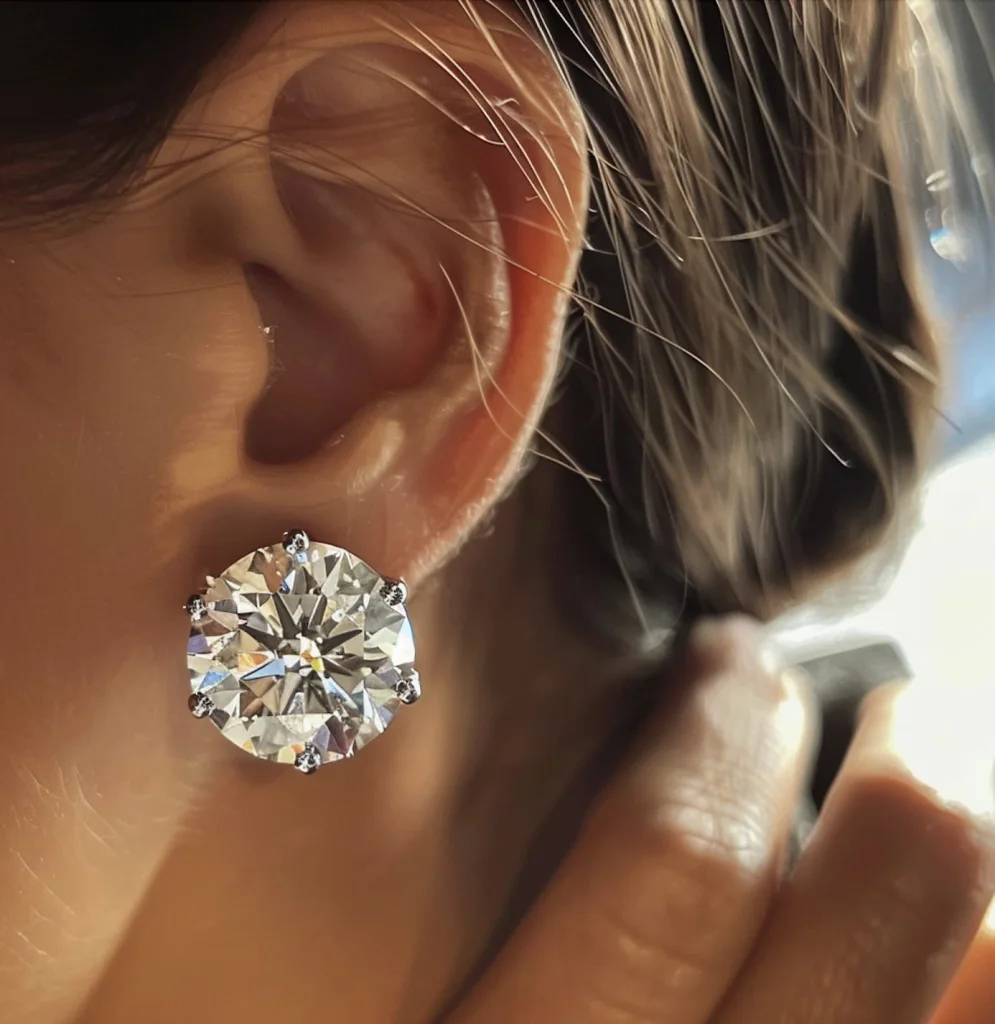 Diamond Earrings Price Guide: Studs, Drops, What They CostCOLLECTING · AUG 31, 2026
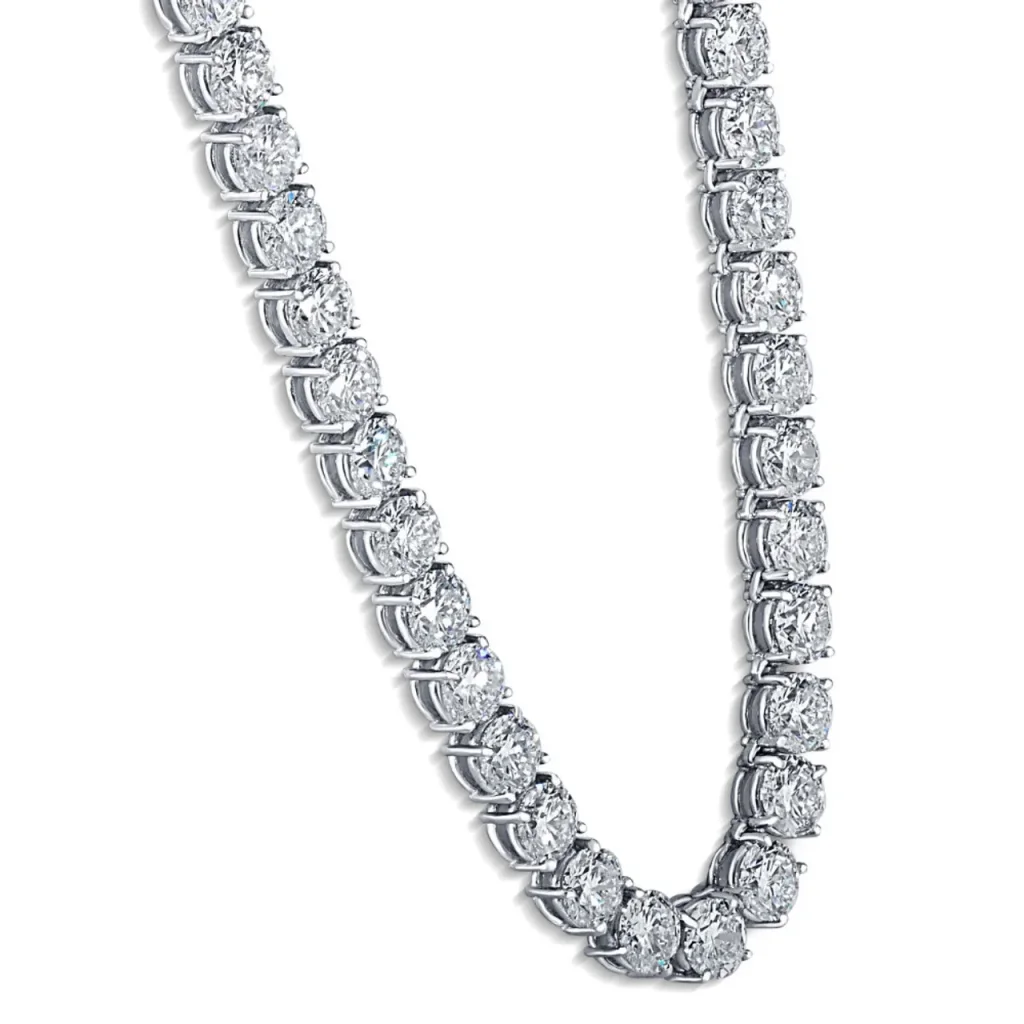 The Tennis Necklace: Carat Weight and ProportionCOLLECTING · AUG 21, 2026
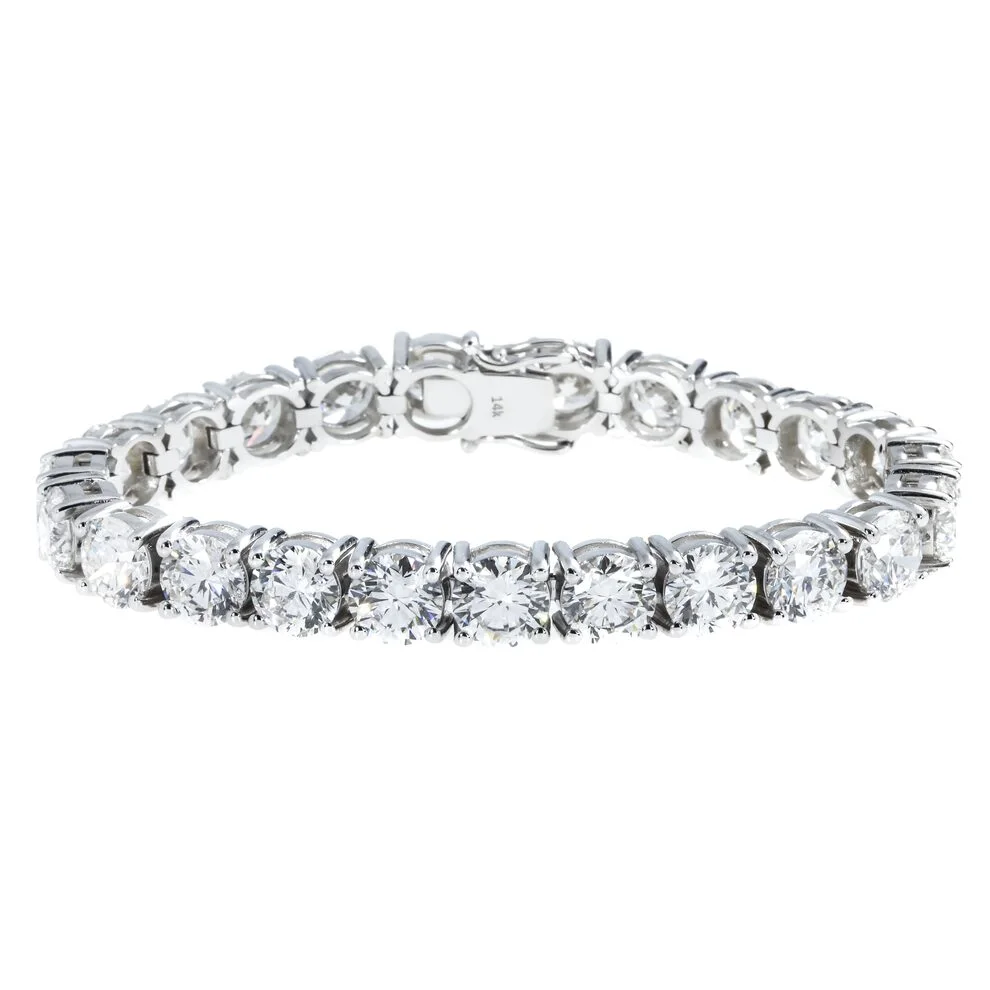 The Tennis Bracelet: A Buying GuideCOLLECTING · AUG 21, 2026
 Eternity Rings: Full, Half and How to ChooseCOLLECTING · AUG 21, 2026
 The Riviera Necklace: Graduated Diamonds ExplainedCOLLECTING · AUG 21, 2026Diamond Bracelets Beyond the Tennis Line: Formats and FitCOLLECTING · AUG 21, 2026
The Vault, Continued
Every piece one-of-a-kind, every price published. Keep scrolling — the vault does not end here.