
Certification & Grading · The House Guides
GIA vs IGI vs HRD: The Diamond Certification Guide Every Serious Buyer Needs
GIA, IGI or HRD — which diamond certificate matters most for serious buyers and investors? This definitive guide explains the differences, the market implications, and the practical decision framework for ultra-high-net-worth diamond acquisitions.
It is the foundation of the entire transaction. It determines the price, the resale value, the insurability, and the long-term marketability of the stone. Understanding the three principal laboratories — GIA, IGI and HRD — is not optional knowledge for the serious buyer. It is essential.
The Purpose of Diamond Certification
A diamond certificate is an independent, third-party assessment of a stone’s physical characteristics, produced by trained gemologists using standardised equipment and grading methodologies. It is not an appraisal of monetary value — it is a specification document, analogous to the engineering specification of a precision instrument.
The certificate establishes:
- Carat weight — measured to the nearest hundredth of a carat
- Color grade — assessed under controlled lighting against a master stone set
- Clarity grade — assessed under 10x magnification by at least two independent graders
- Cut grade (for round brilliants) — a composite assessment of proportions, polish and symmetry
- Fluorescence — the stone’s response under long-wave UV light
- Measurements — precise dimensions in millimetres
- A unique report number — laser-inscribed on the girdle of certified stones, linking the physical stone to its paper record permanently
Without a certificate from a recognized laboratory, none of these characteristics can be independently verified. A seller’s verbal assurance is worth nothing in a resale, insurance, or estate context.
GIA: The Gold Standard
The Gemological Institute of America, founded in 1931 and headquartered in Carlsbad, California, created the modern diamond grading system. The Four Cs — Carat, Color, Clarity and Cut — are GIA’s intellectual framework, now universally adopted across the industry.
GIA is a non-profit organisation with no commercial interest in diamond sales. Its laboratories in New York, Antwerp, Mumbai, Tokyo, Hong Kong, Johannesburg and elsewhere receive stones from dealers, collectors and auction houses for grading. The GIA has no financial relationship with any stone it grades — its only interest is accuracy.
For investment purposes, the GIA certificate is the global standard. The major international auction houses — Christie’s, Sotheby’s, Bonhams, Phillips — require or strongly prefer GIA certification for significant stones. Private treaty desks at these houses work almost exclusively with GIA-graded stones above certain price thresholds. A buyer in Geneva presenting a stone for resale with a GIA certificate will encounter zero friction in any serious marketplace.
GIA is also the most conservative of the three principal laboratories. A stone graded G VS1 by GIA will, in most professional assessments, grade at H VS1 or G VS2 at a more commercially oriented laboratory. This conservatism is a feature, not a limitation — it means a GIA certificate holds its credibility over time.
All fancy color diamond acquisitions at any price point. Any diamond intended for resale through major auction channels.

IGI: The Modern Standard for Value and Lab-Grown
The International Gemological Institute, headquartered in Antwerp and operating laboratories in New York, Mumbai, Hong Kong, Tokyo, Dubai and elsewhere, is the world’s largest independent gemological laboratory by volume. IGI grades both natural and laboratory-grown diamonds, and has become the dominant certification body for the lab-grown diamond market.
For natural diamonds, IGI certificates are entirely legitimate and carry real market weight, particularly in Asian markets where IGI’s presence is deeply established. In India — the world’s largest diamond polishing center — IGI certification is the market norm. In China, South Korea, and Southeast Asia, IGI-certified stones are widely accepted and traded.
The key distinction from GIA: IGI’s grading has historically been regarded as slightly more generous than GIA’s — meaning that a stone graded F VS1 by IGI may grade G VS2 by GIA. This matters in two contexts: first, the resale value of an IGI-certified stone in markets that strongly prefer GIA may be slightly discounted; second, buyers who understand this differential can acquire IGI-certified stones at a price advantage and achieve significant value when the stone’s actual quality exceeds its certificate in a GIA re-grading.
Laboratory-grown diamond acquisitions of any size. Buyers primarily purchasing for wear rather than resale.
HRD: The Antwerp Authority
The Hoge Raad voor Diamant — the Diamond High Council of Antwerp — is the Belgian certification authority established in 1973 to serve the Antwerp diamond trade, which handles approximately 80% of the world’s rough diamond supply by value.
HRD certification carries enormous authority in European markets, particularly Belgium, the Netherlands, Germany, France and Switzerland. For European buyers, an HRD certificate is as credible and as widely accepted as GIA. For buyers intending to hold a stone within the European market or resell through European channels, HRD is an entirely appropriate certification.
Outside of Europe, HRD’s recognition is more limited. In the United States, the HRD certificate is understood but not preferred. In Asian markets, it is less commonly encountered. For stones intended to circulate in global markets, GIA remains the more practical choice.
Recommended for: European buyers acquiring stones for the European market.
Practical Decision Framework
For the serious buyer, the choice of certification comes down to three questions:
1. The premium is justified entirely by the resale and insurance advantages.
2. What is the intended holding period and exit strategy?
Wear only, no resale anticipated: IGI or HRD offer genuine quality assurance at better price points. Resale through international channels within 5–10 years: GIA unequivocally. Estate transfer or auction house consignment: GIA.
3. What is the target resale market?
USA, UK, global auction: GIA. Europe primarily: HRD or GIA. Asia primarily: IGI or GIA depending on specific market.
How Legacy Diamonds Handles Certification
Every Legacy Diamonds product is offered with certification from GIA, IGI or HRD, specified clearly on each product page.
We present the original certificate with every purchase. We do not offer uncertified stones for investment purposes. We do not offer copies or reprints — only original documents, fully verifiable through each laboratory’s online verification system.
The certificate is the foundation. Everything else — the beauty, the rarity, the emotion of the stone — is built on that foundation.
Legacy Diamonds & Gemstones. Mumbai BKC. GIA, IGI and HRD certified. Full documentation with every purchase. Worldwide delivery via Brinks Global Security.
Further reading from the Legacy library
The Pieces in This GuideThe Vault →
From the Legacy vault — each one-of-a-kind, independently certified.
A private advisor answers on the figures in this guide — and places any piece from the vault within them, certificate first.
More from Certification & GradingAll Guides →
 Buying High-Value Diamonds Online: How Serious Buyers Do It SafelyCERTIFICATION & GRADING · AUG 21, 2026
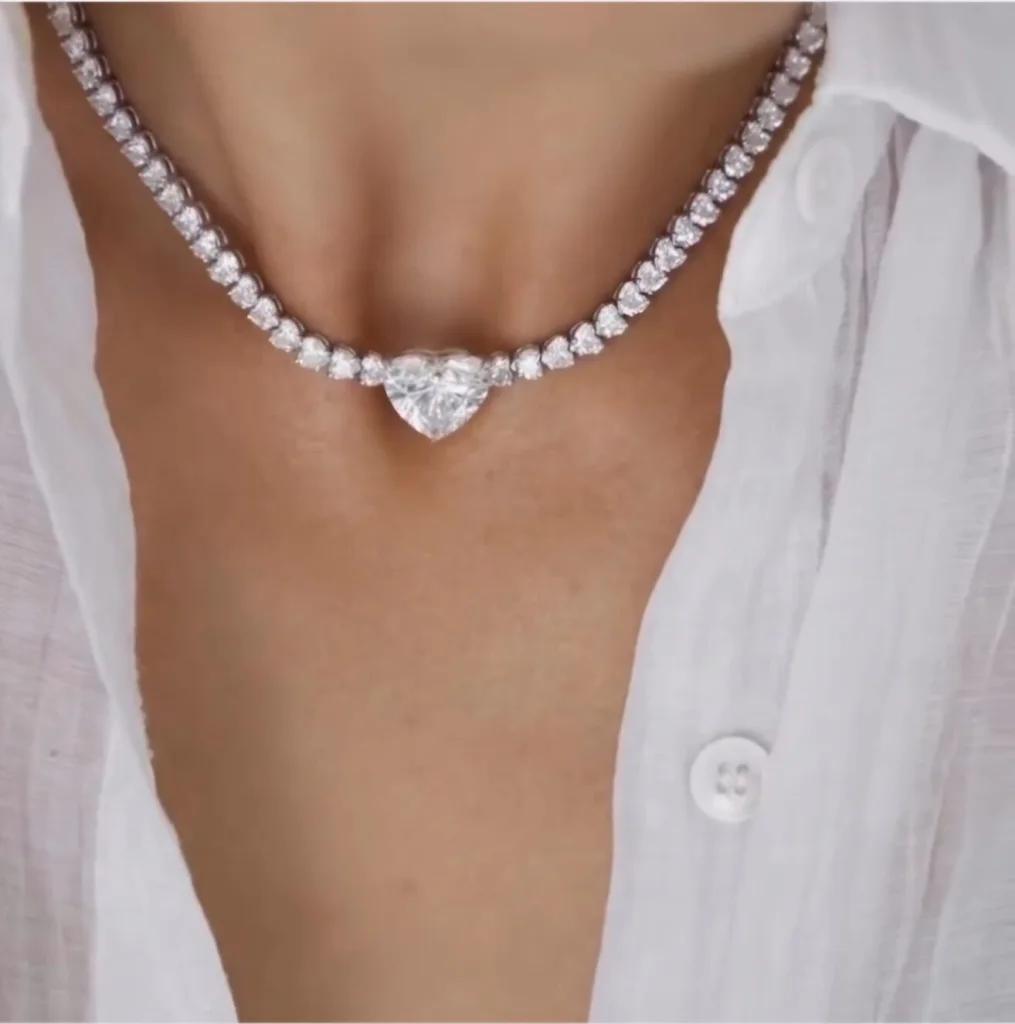 Diamond Necklace Price Guide: 50 to 100 CaratsCERTIFICATION & GRADING · AUG 31, 2026
 Diamond Earrings Price Guide: Studs, Drops, What They CostCERTIFICATION & GRADING · AUG 31, 2026
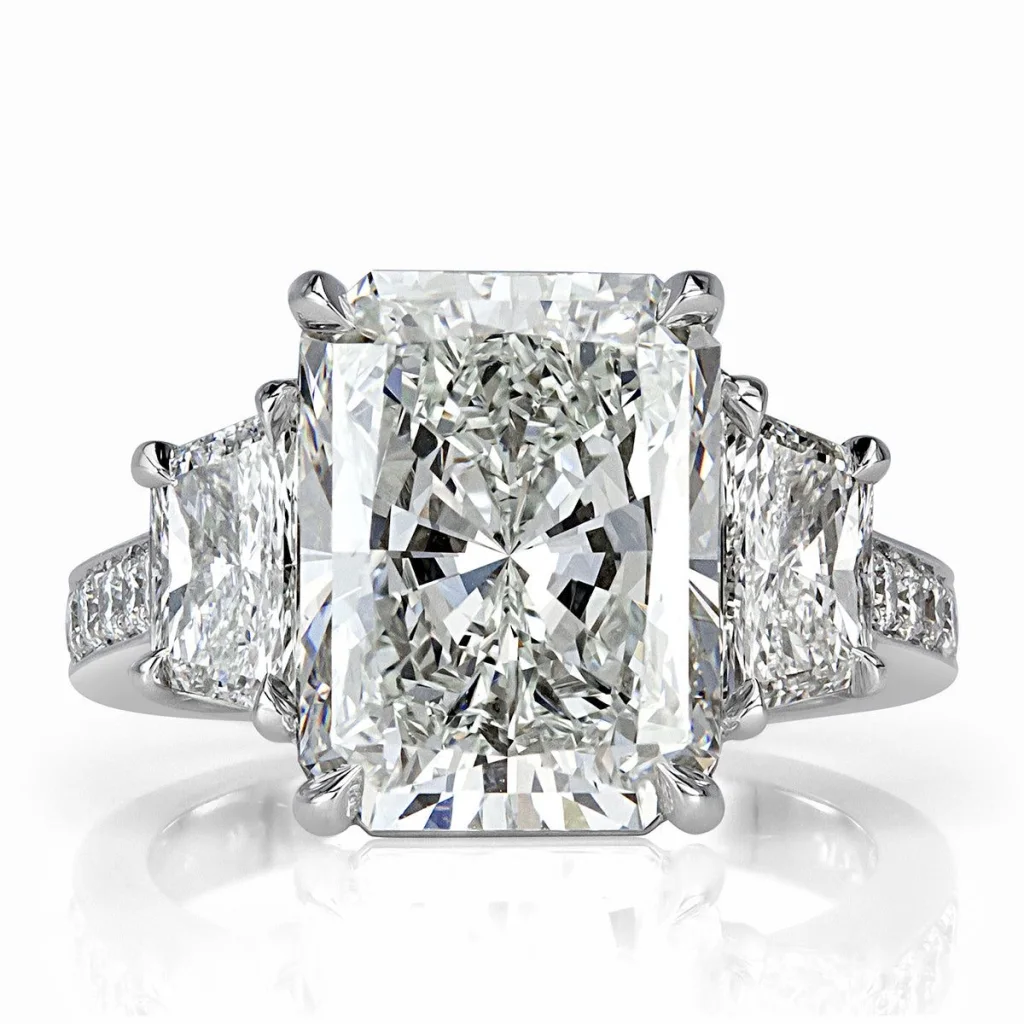 15+ Carat Diamond Price Guide: What It Actually CostsCERTIFICATION & GRADING · AUG 31, 2026
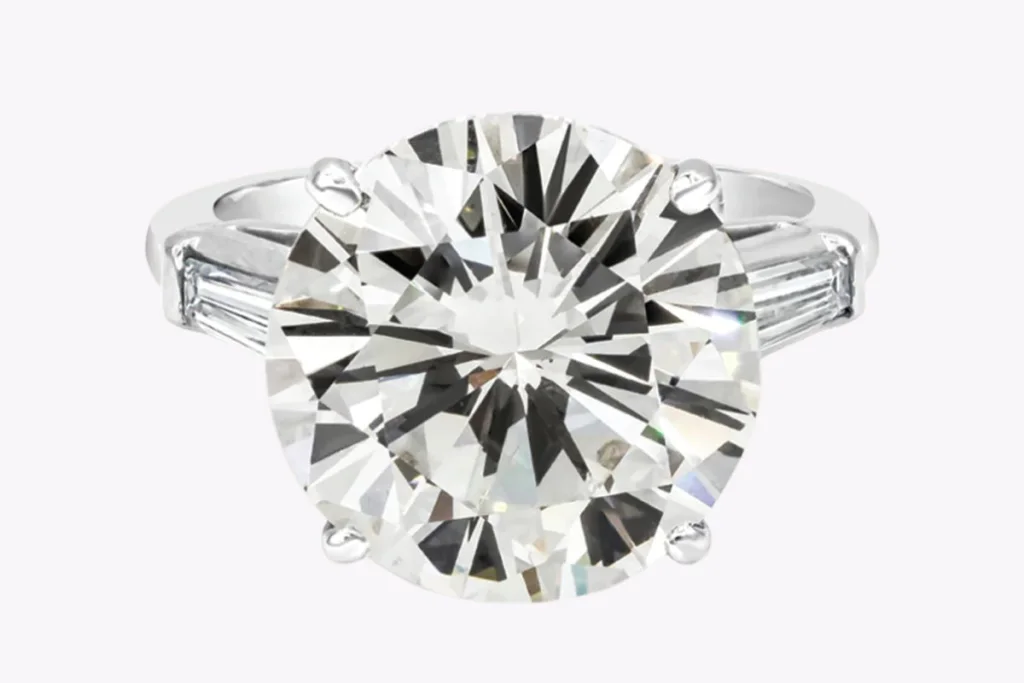 10 Carat Diamond Ring Price Guide: What It Actually CostsCERTIFICATION & GRADING · AUG 31, 2026
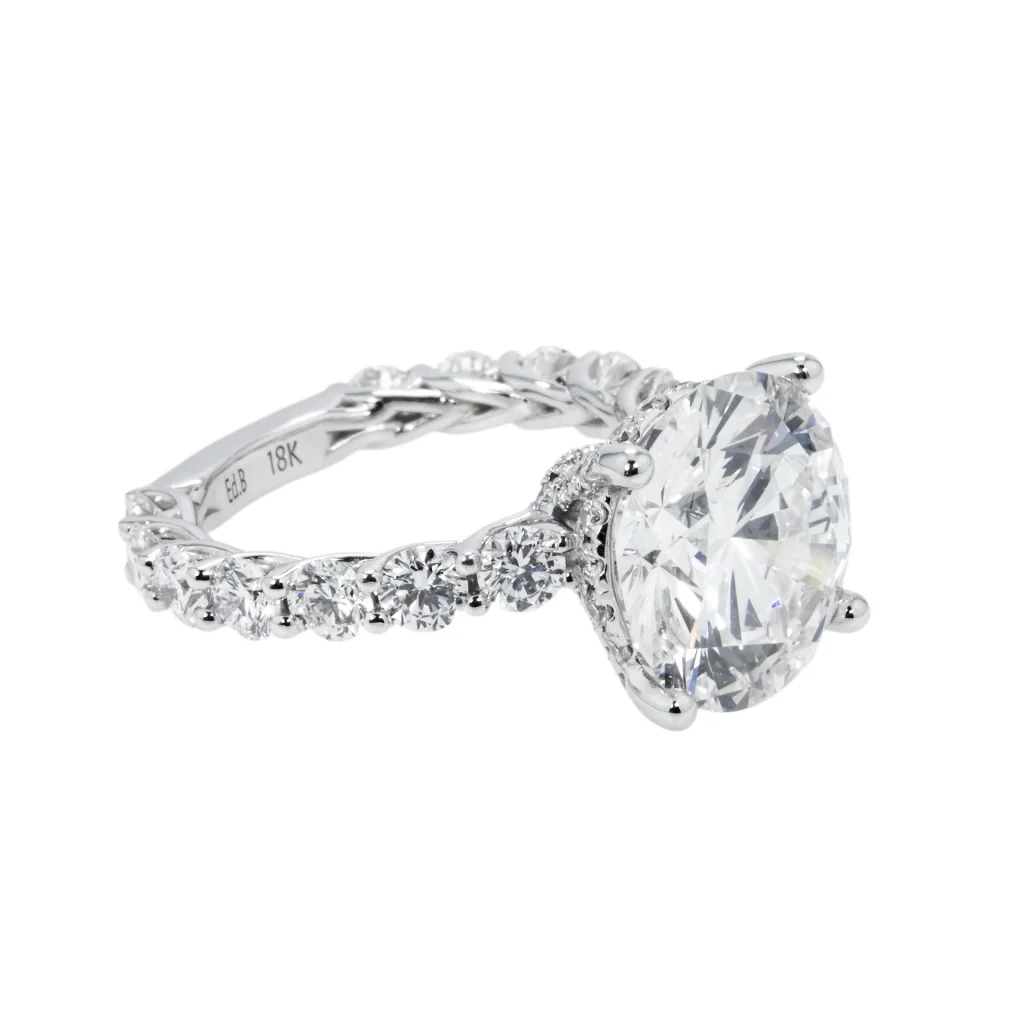 9 Carat Diamond Ring Price Guide: What It Actually CostsCERTIFICATION & GRADING · AUG 31, 2026
The Vault, Continued
Every piece one-of-a-kind, every price published. Keep scrolling — the vault does not end here.