Diamond Education · The House Guides
The 20 Carat Diamond Ring: What Rarity Looks Like
A 20 carat diamond ring ranges from about $311,200 to $2,500,000, median $1,950,000. What sets the price at this weight.
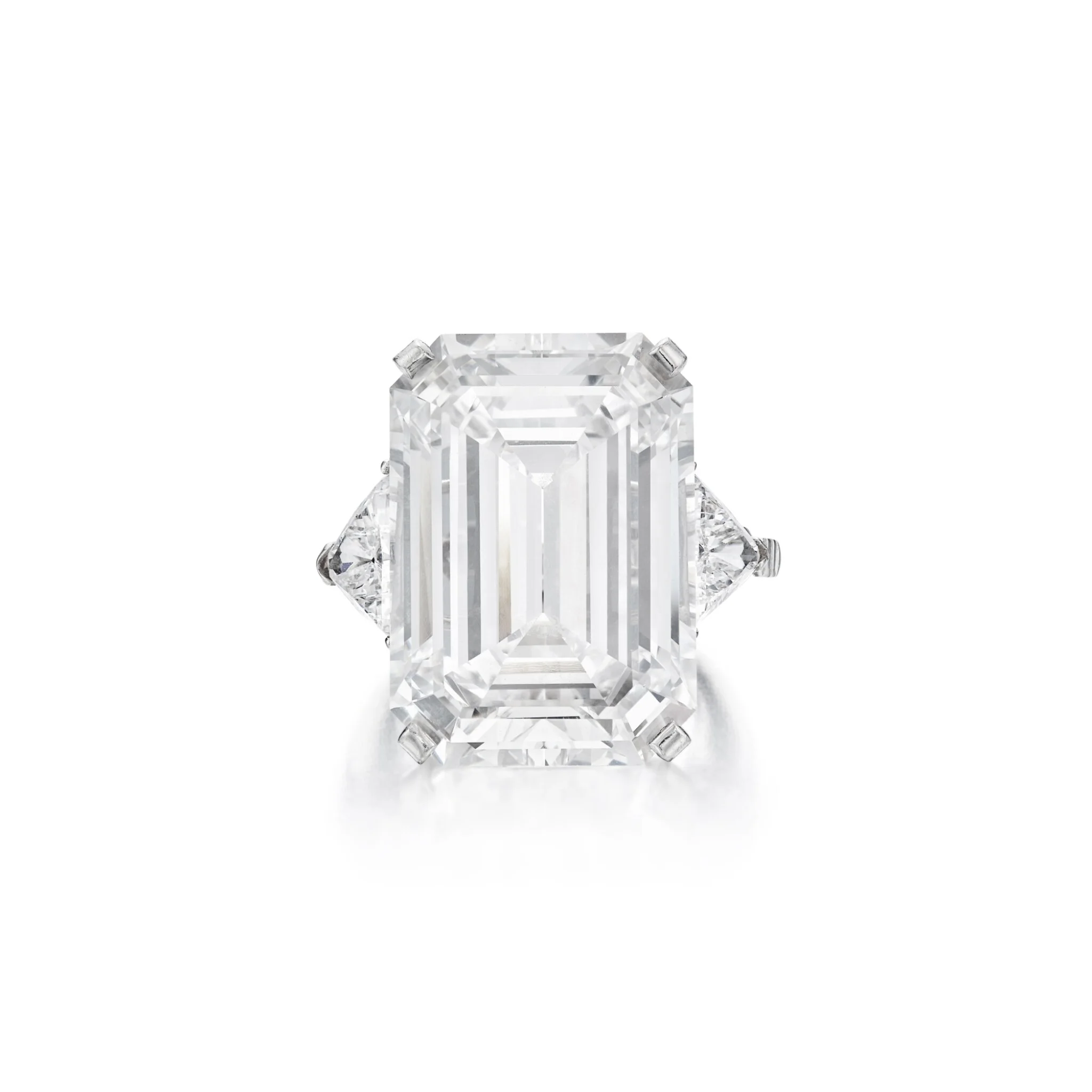
At this weight the stone is no longer a component of the ring — it is the entire proposition, and price is set almost wholly by what the individual crystal turned out to be.
What a 20 carat diamond ring costs
The working range is wide because the sample is small. That is an eightfold spread across stones separated by barely two carats. Weight explains almost none of it; color grade, clarity, the integrity of the cut and the documented history of the rough explain nearly all of it.
Buyers arriving from the three-to-five carat market often expect a per-carat multiplier to carry upward. It does not. Above roughly fifteen carats, so few comparable stones trade in any twelve-month period that published per-carat tables lose their predictive power. Each ring at this level is priced against the specific stones that have actually changed hands recently, which is a far smaller and more private dataset than most buyers realise.
Why two 20 carat rings differ by millions
Color is the first divider. At twenty carats, a stone’s body color is visible through far more material than at three carats, so a faint warmth that would pass unnoticed in a smaller diamond becomes apparent to the naked eye. The step from a near-colorless grade to a true colorless grade can move the figure by seven digits at this size, because the number of large crystals that emerge colorless is very small.
Clarity behaves similarly. An inclusion of a given physical size occupies proportionally less of a large stone, which can help — but large crystals are more likely to carry internal strain, and any feature sitting under the table of a twenty carat diamond is magnified by the sheer depth of material above it. The cutter’s decisions matter just as much: preserving weight at the cost of proportion produces a heavy stone that reads dull, and at this level the market prices brilliance over the certificate’s weight figure.
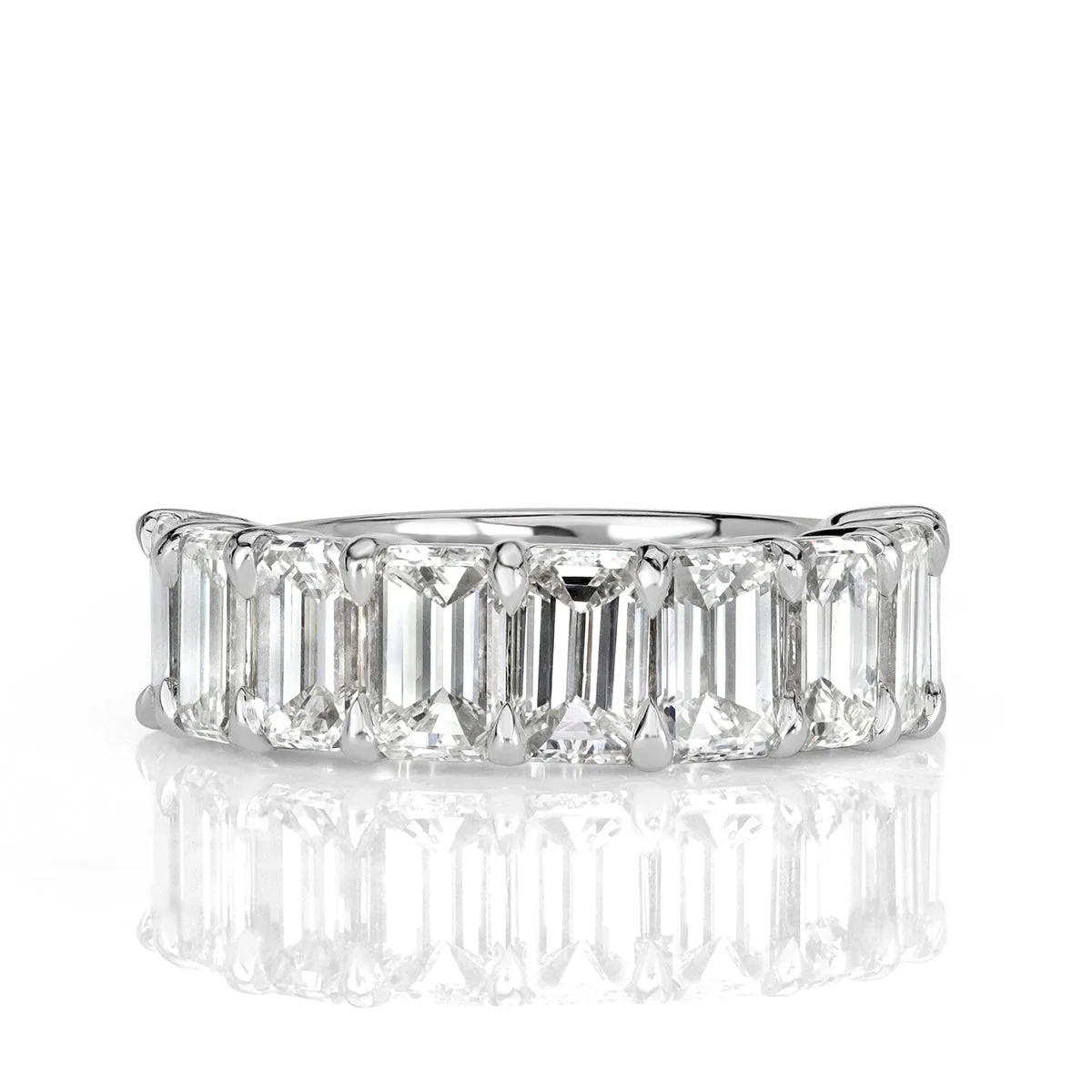
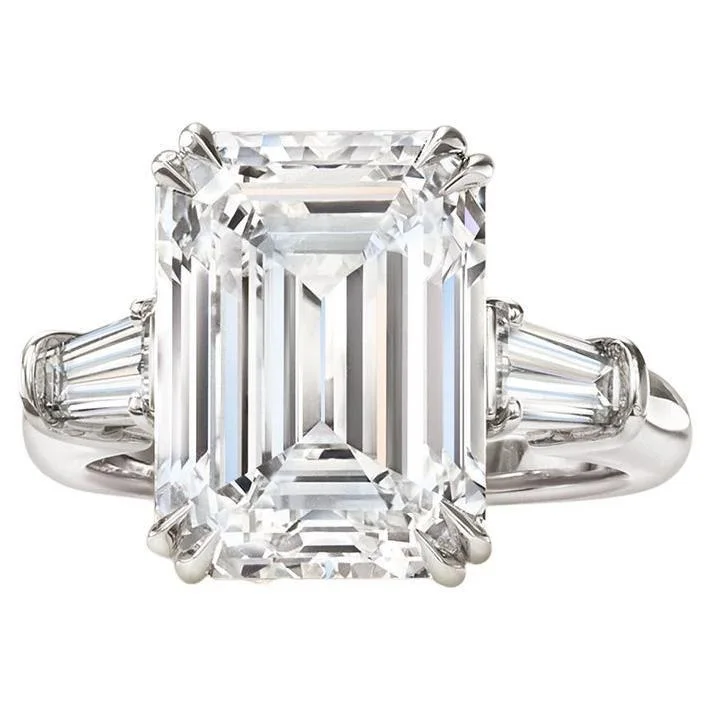
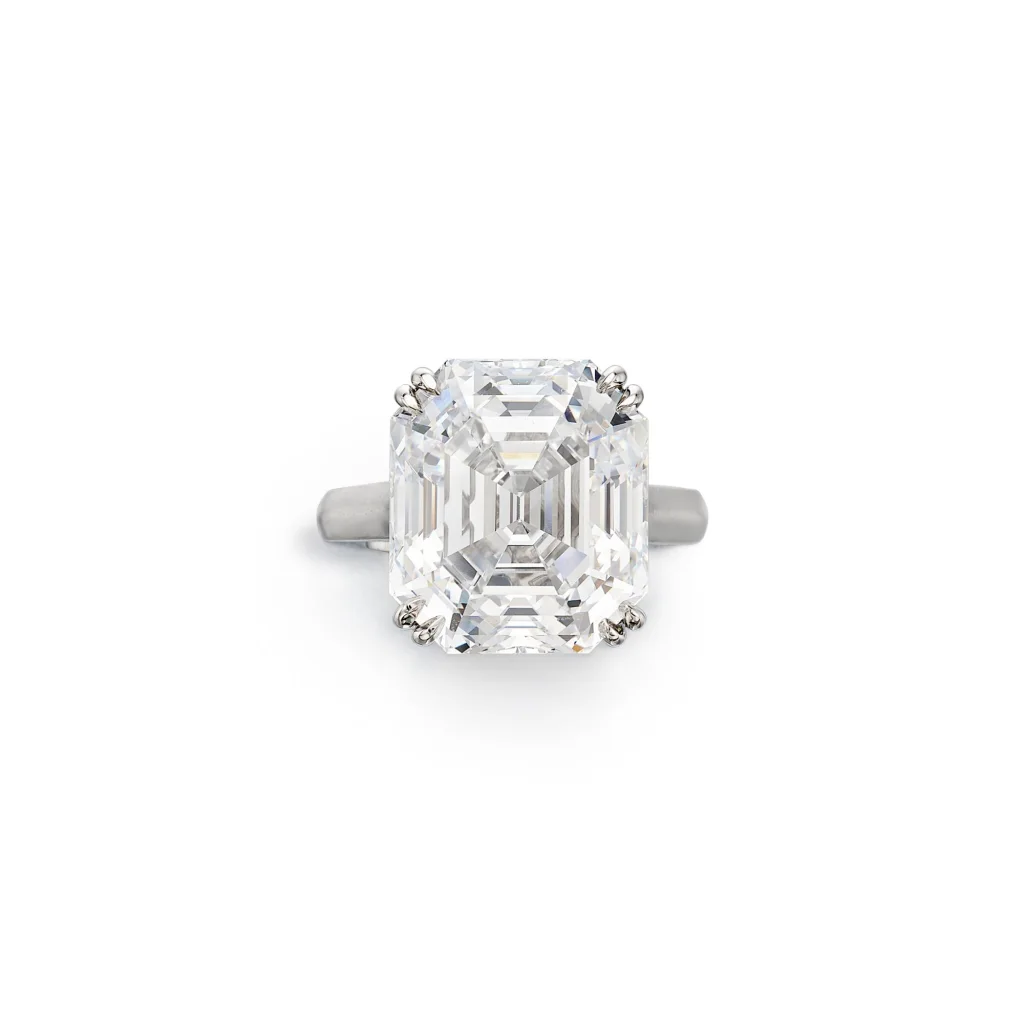
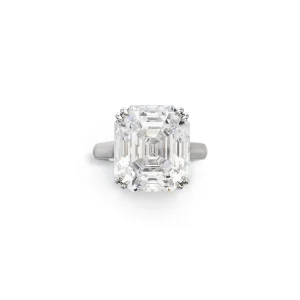
The 20.44 Carat Emerald Diamond Ring and the 22.1 Carat Oval Diamond Ring illustrate the point directly: similar weights, entirely different figures, because the underlying crystals are not comparable goods.
The price ladder from twenty carats upward
Above twenty-five carats the collection thins again, and pricing becomes almost entirely stone-specific rather than band-specific.
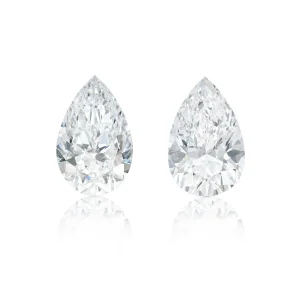
This is why a buyer with a fixed figure in mind is often better served by widening the shape brief than by lowering the weight. A 21 carat ring built around a matched pair of pear-shaped diamonds of 10.32 and 10.11 carats reaches twenty-one carats of presence through a different architecture, and matched pairs of that calibre carry their own scarcity premium.
25 carat diamond rings and above
Above twenty-five carats the collection thins to a handful of rings at any given time, and pricing ceases to follow a band at all. The field is small at this weight, and that is the practical answer to what a 25 carat diamond ring costs: whatever the one available stone of acceptable quality is worth. Buyers at this level set a brief and wait rather than compare. On that shape specifically, see our asscher cut diamond buying guide.
Shape at this weight
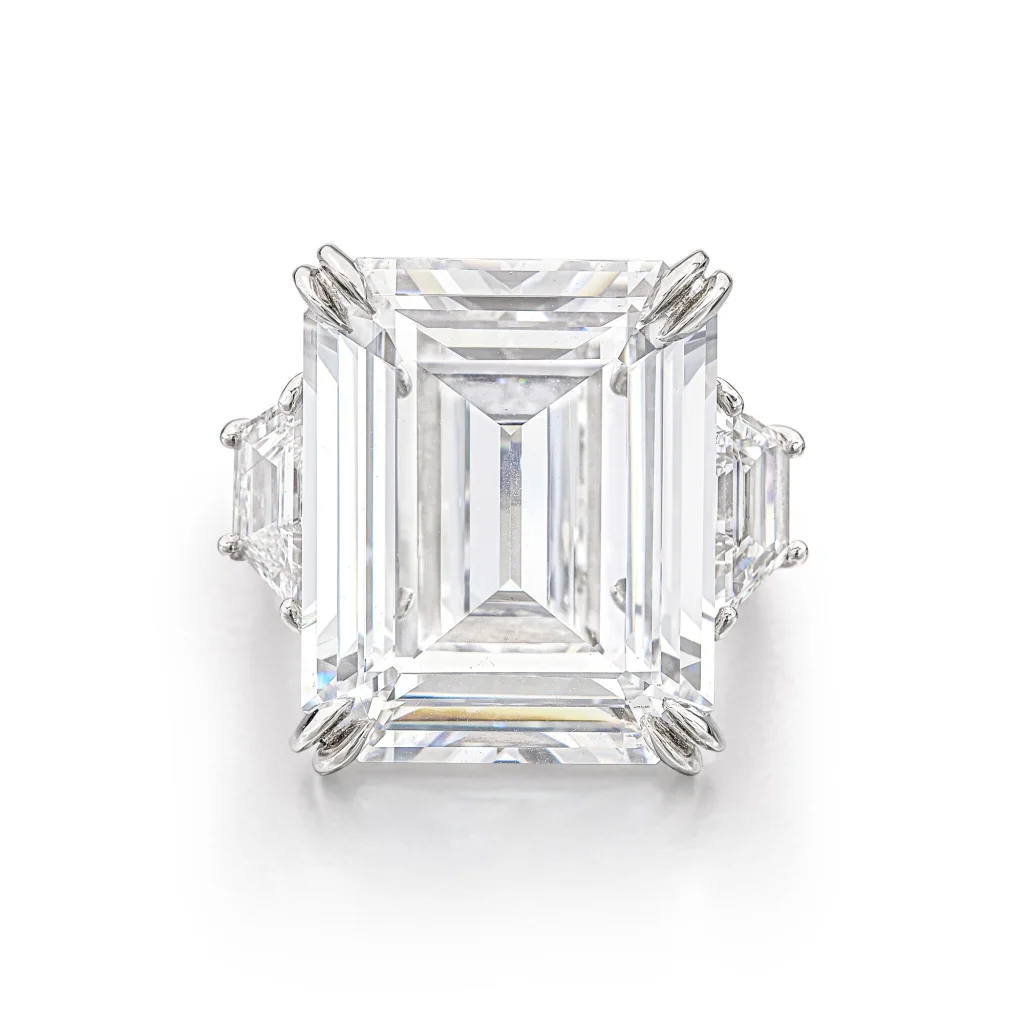
Elongated shapes — oval, emerald, radiant, pear — carry their weight across a larger face-up area than a round brilliant of the same carat, so they read visibly larger on the hand. At twenty carats that difference is pronounced, and it is one reason the fancy shapes dominate this part of the collection. Round brilliants of comparable weight are rarer still and priced accordingly, because the round cut discards more of the original rough than any other.
Color in fancy shapes also behaves differently: emerald and asscher cuts, with their open step facets, show body color more honestly than a brilliant-faceted stone, which can mask a faint tint through dispersion. A buyer choosing an emerald cut at this weight should expect the color grade to matter more, not less.
Carat or karat — which applies to a diamond ring?
Carat measures the weight of a gemstone; karat measures the purity of gold. A search for a 20 karat diamond ring almost always means a 20 carat diamond — a stone of that weight — rather than the metal, since 20 karat gold is an uncommon alloy and 24 karat is pure gold, too soft to hold a stone of this size securely. Legacy sets rings of this weight in 18K gold or platinum, both of which are alloyed for strength. If you are searching by weight, carat is the figure that determines the price described on this page.
Buying a diamond ring of this size
Almost no ring at this level is bought unseen. Photography and video compression both misrepresent the exact hue of a near-colorless stone and the precise placement of any internal feature, so a viewing — in person, or by live video under controlled lighting — is standard rather than exceptional. Legacy arranges both, and buyers frequently bring their own appraiser or insurer into the appointment.
Certification is available on request for stones at this level, and the documentation is reviewed as part of the acquisition rather than presented afterwards. Delivery is fully insured and arranged worldwide, with insurance confirmed before the stone leaves Legacy’s possession. Where a setting change is wanted, that work is scheduled after the stone is agreed, not before.
Timing is the factor buyers most often underestimate. Stones of this weight are not replaceable on demand: when a particular combination of shape, color and clarity appears, the realistic choice is to act on that stone or wait for an unknown period. Buyers who set a brief and remain reachable tend to acquire better than buyers who compare indefinitely.
Questions buyers ask
The figure for any individual ring depends on color, clarity, cut quality and provenance far more than on the exact carat weight.
Is a 20 carat diamond rare? Yes. Diamonds of this weight with acceptable color and clarity represent a very small fraction of annual production, and only a portion of those are cut for jewelry rather than held as investment stones.
Can a 20 carat ring be worn daily? It can, though most owners do not. The practical considerations are setting security and insurance terms rather than the stone itself; diamond’s hardness is not the limiting factor.
What certification comes with the ring? Certification is provided on request. Where a stone already carries laboratory documentation, that is made available during the acquisition process.
The rings referenced here sit within Legacy’s high-carat statement diamond rings collection, alongside the wider high jewelry range. For stones above this band, see our guide to diamonds of fifteen carats and above; for the weight below, see the 10 carat diamond ring price guide. For a framework on how large stones hold value, see how to invest in diamonds. To view a stone privately, book a consultation.
Why twenty carats does not look twenty times larger — the measurement science behind the number — is the subject of A Carat Is a Weight, Not a Size in The Record.
The Carat Atlas
Every collection at and around this weight — each with published prices.
The Pieces in This GuideThe Vault →
From the Legacy vault — each one-of-a-kind, independently certified.
A private advisor answers on the figures in this guide — and places any piece from the vault within them, certificate first.
More from Diamond EducationAll Guides →
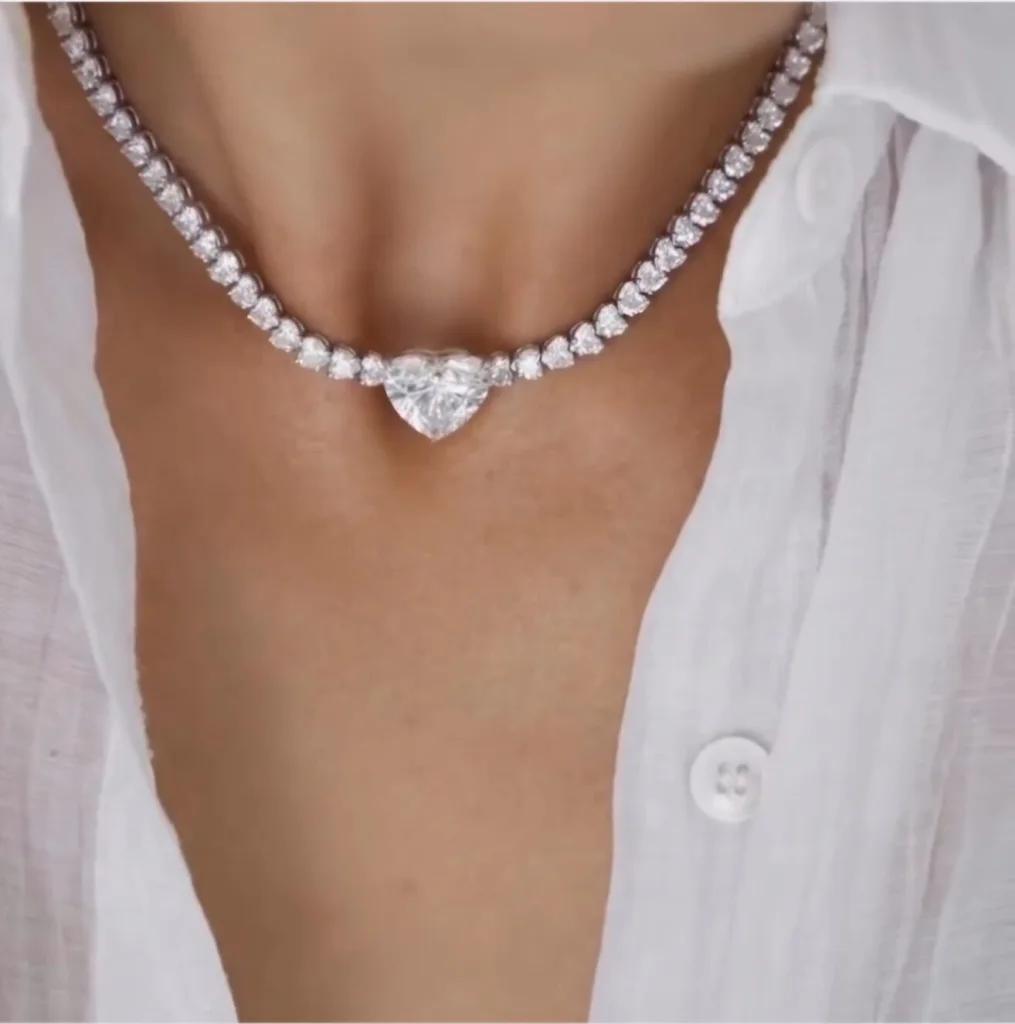 Diamond Necklace Price Guide: 50 to 100 CaratsDIAMOND EDUCATION · AUG 31, 2026
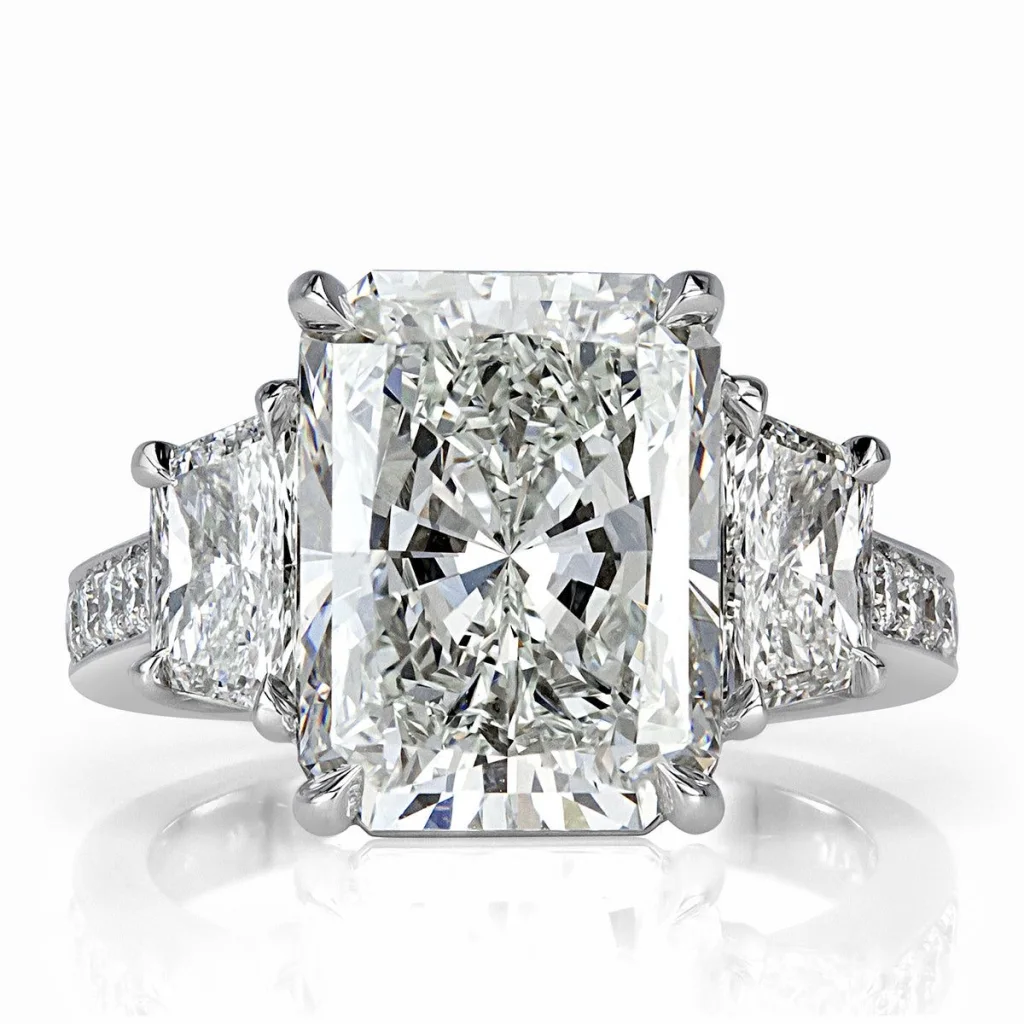 15+ Carat Diamond Price Guide: What It Actually CostsDIAMOND EDUCATION · AUG 31, 2026
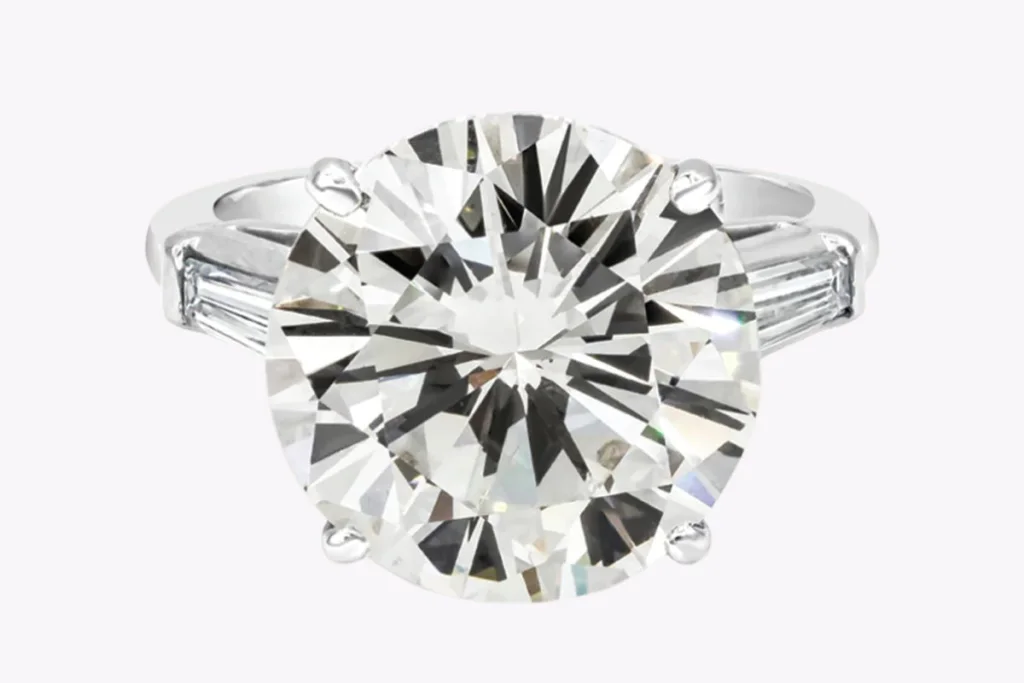 10 Carat Diamond Ring Price Guide: What It Actually CostsDIAMOND EDUCATION · AUG 31, 2026
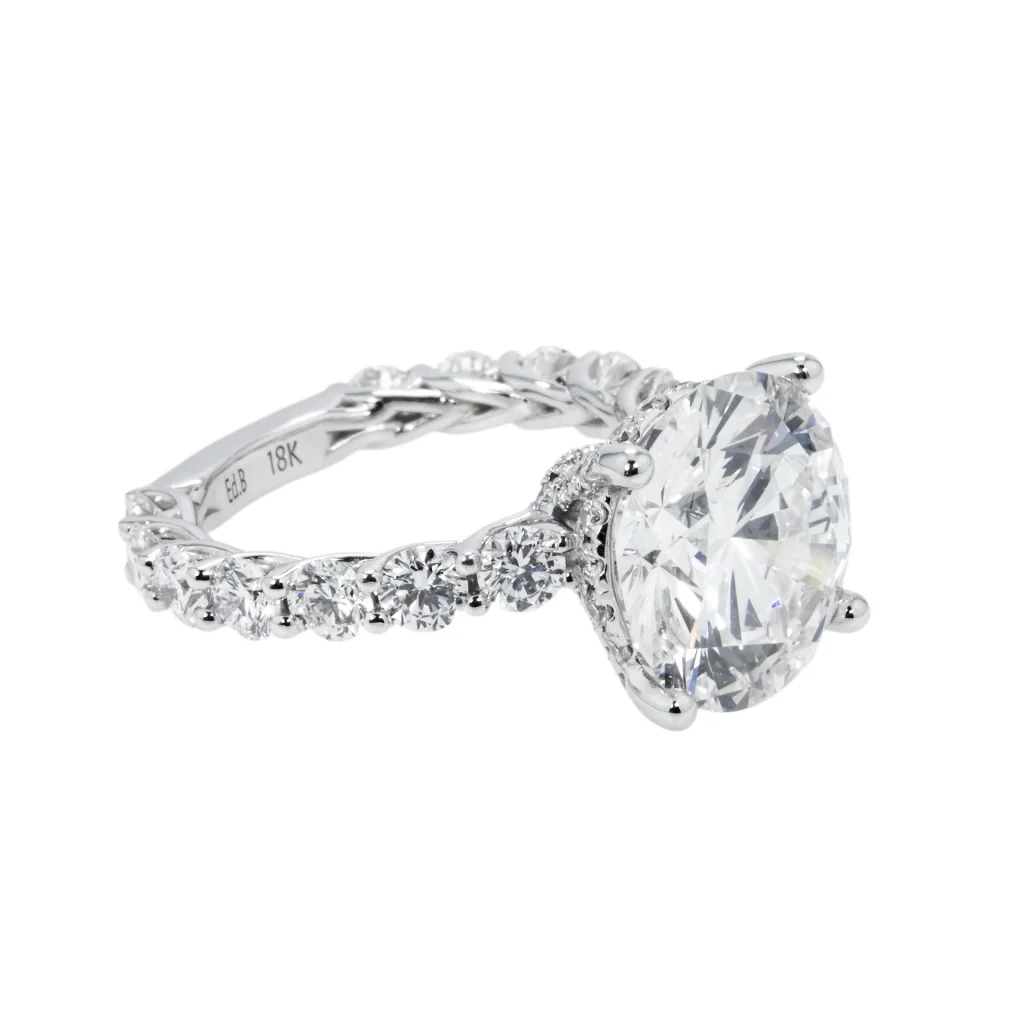 9 Carat Diamond Ring Price Guide: What It Actually CostsDIAMOND EDUCATION · AUG 31, 2026
 7 Carat Diamond Ring Price Guide: What It Actually CostsDIAMOND EDUCATION · AUG 31, 2026
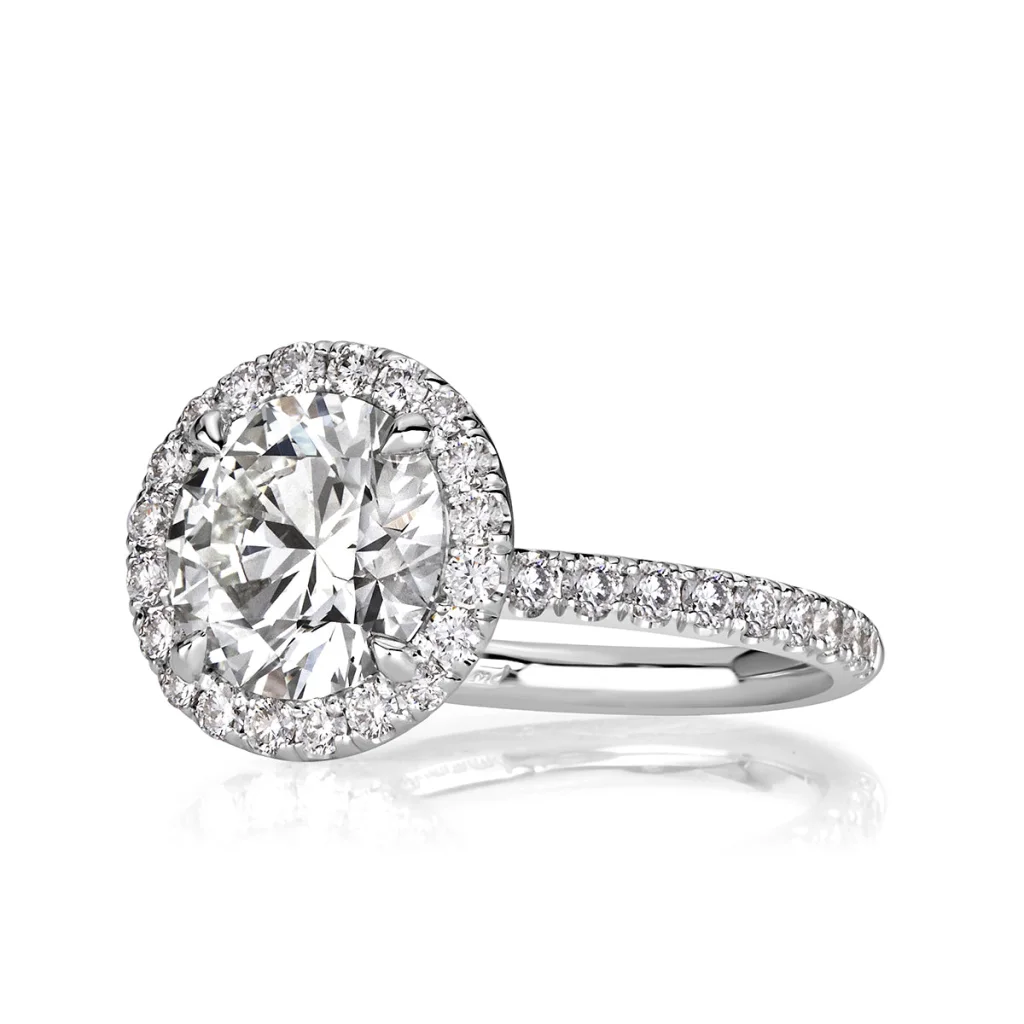 5 Carat Diamond Ring Price Guide: What It Actually CostsDIAMOND EDUCATION · AUG 31, 2026
The Vault, Continued
Every piece one-of-a-kind, every price published. Keep scrolling — the vault does not end here.