
Diamond Education · The House Guides
The 9 Carat Diamond Ring: Rarity, Cut and What to Look For
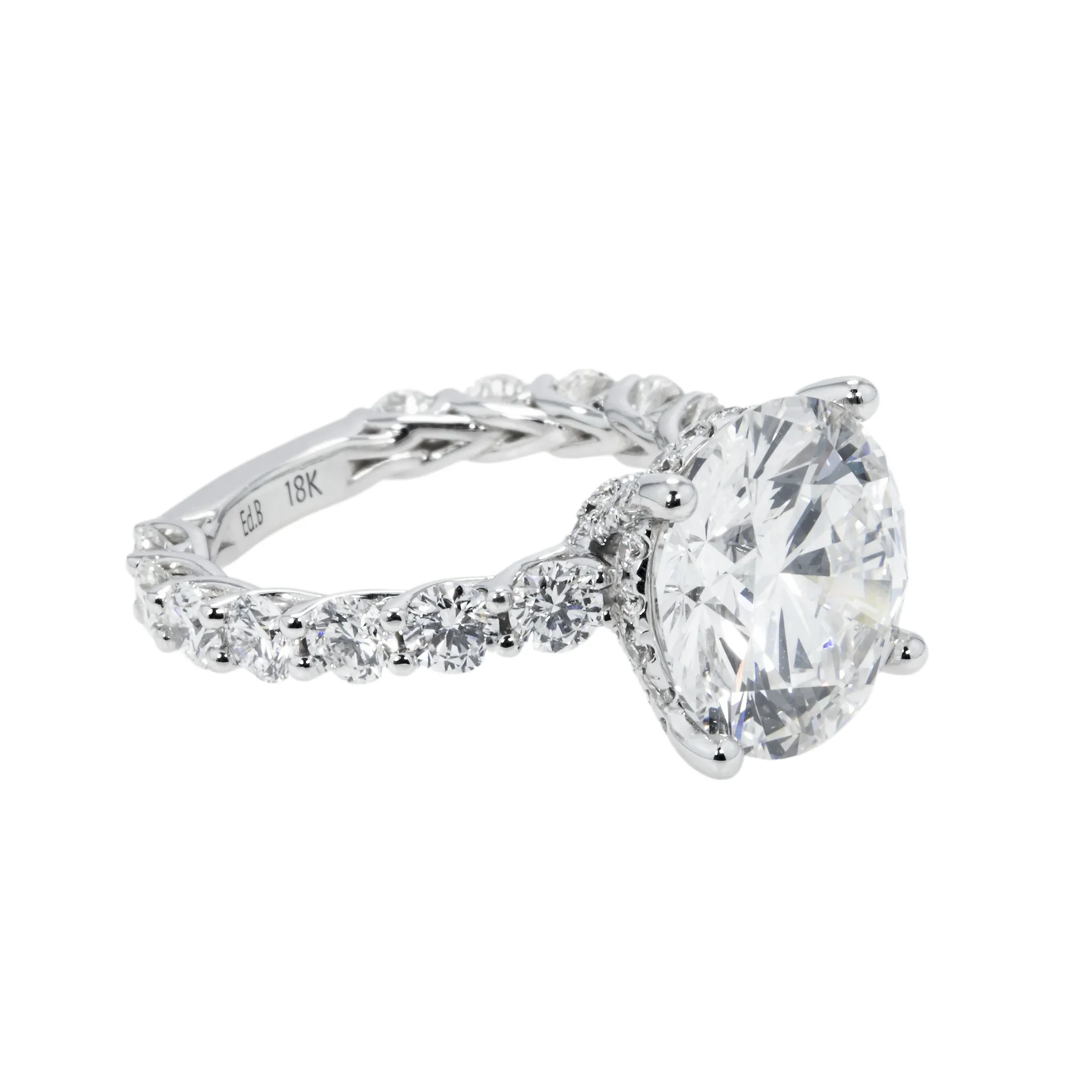
Nine carats is the quietest weight in the high-carat market: it sits one step below the ten-carat threshold that anchors most searches, and buyers who understand that gap acquire a stone that reads as ten on the hand at a materially different figure.
What a 9 carat diamond ring costs
That is a sevenfold spread across stones of nearly identical weight. Weight explains almost none of it; color grade, clarity, the discipline of the cut and the character of the individual crystal explain nearly all of it.
Because cutters target the round number when the rough allows it, stones deliberately finished just under ten carats are often cut for proportion rather than weight retention, and the eye cannot tell 9.8 carats from 10 on the hand.
The price ladder from seven to ten carats
Nine carats is the top of the band our 7 carat diamond ring price guide opens, and the last step before the collector’s threshold described in the 10 carat diamond ring price guide. Crossing from nine into ten carats costs less than any later step on the ladder, which is precisely why buyers already at nine carats are usually deciding between a finer nine and a first ten.
The reverse decision matters just as much. A buyer fixed on the look of a ten-carat stone rather than the number on the report is frequently better served at 9.5–9.9 carats, where the same face-up presence trades at the nine-carat band’s pricing and the supply of precision-cut stones is deeper than most buyers expect.
Shape at this weight
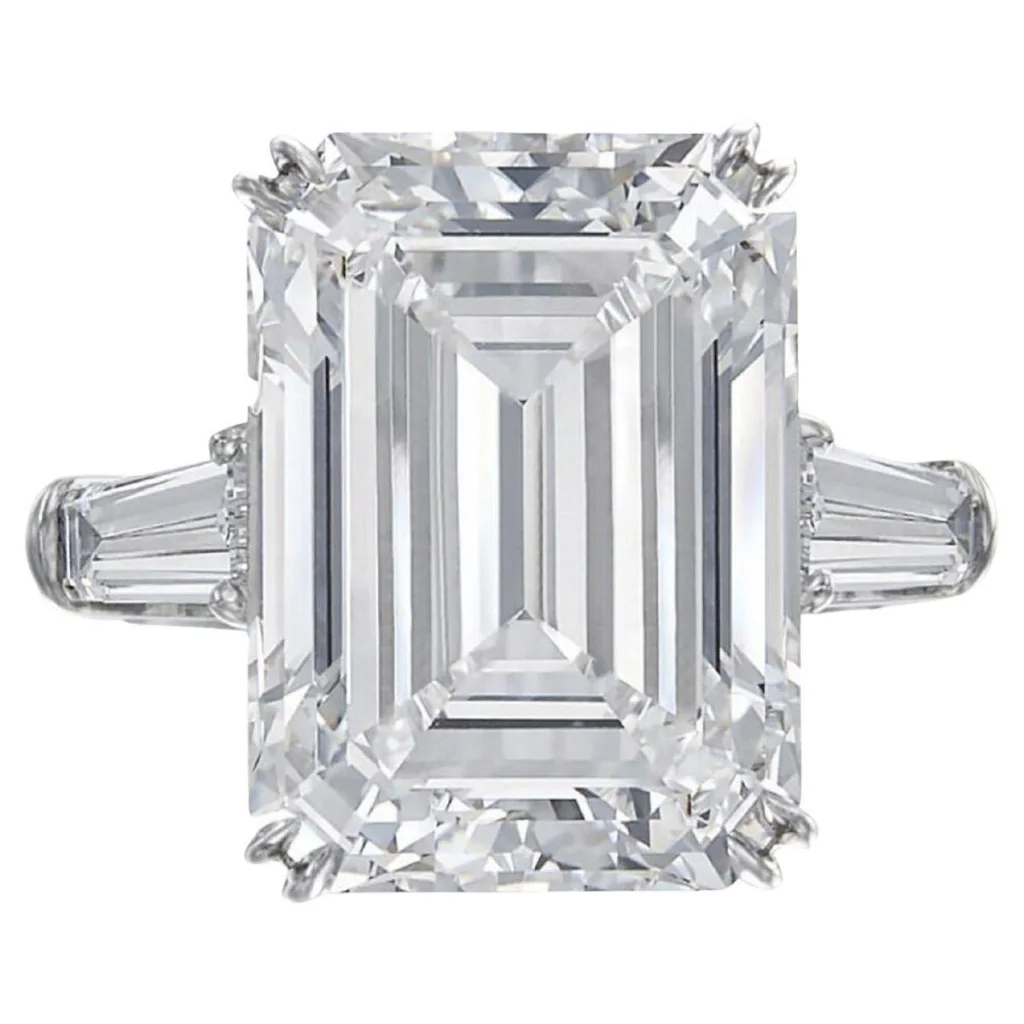
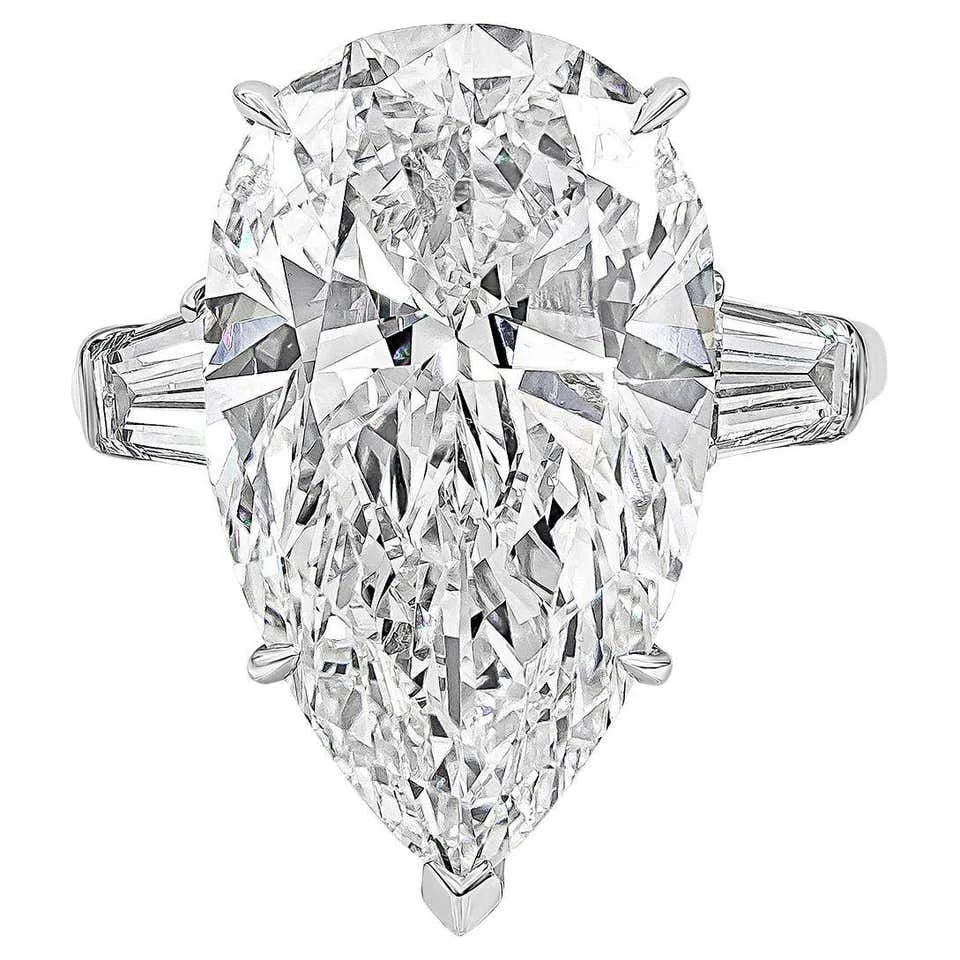
Pear and radiant cuts lead the nine-carat band, followed closely by round brilliants, emerald cuts and ovals. Elongated shapes carry their weight across a larger face-up area, so a nine-carat pear or oval reads visibly larger than a round of the same weight — at this size the difference is obvious across a table. Round brilliants of this weight are scarcer and priced accordingly, because the round cut discards more of the original rough than any other shape.
The step cuts deserve a specific mention. On that cut specifically, see our Asscher cut diamond buying guide.
Fancy color opens the band
The most distinctive feature of the nine-carat band is where it begins: with color.
Nine carats of total weight: the eternity band
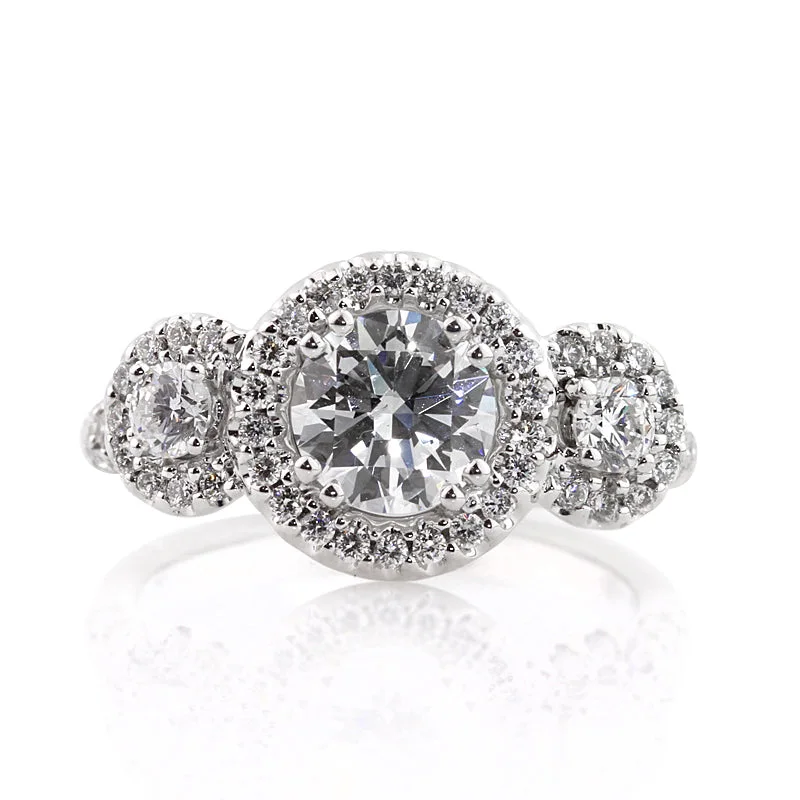
Not every nine-carat ring holds one stone. The distinction matters when comparing figures: a single nine-carat crystal and nine carats distributed across twenty stones share a number and nothing else. Every listing in the collection states which of the two it is, and the price makes the distinction unmistakable.
Carat or karat — the nine carat ambiguity
Nine carat is the one weight where the gold question is real. In British and Australian usage, a “9 carat ring” usually means 9ct gold — a metal purity of 37.5% — and has nothing to do with diamonds. Legacy does not work in 9 karat gold; the house sets stones in 14K and 18K gold and platinum, alloys chosen to hold stones of this weight securely. If you are searching for the gemstone weight — a nine carat diamond — the prices on this page are the relevant figures, and carat is the correct spelling for both senses in British English.
Buying a diamond ring of this size
Almost no ring at this level is bought unseen. Legacy arranges both. Certification is available on request and reviewed as part of the acquisition; delivery is Brink’s-insured door-to-door worldwide; and every piece carries one published price.
Timing matters more at nine carats than buyers expect, precisely because the band is a quiet one. The field is small in this band, and a specific combination of shape, color and clarity may exist once. When it appears, the realistic choice is to act on that stone or wait for an unknown period — buyers who set a brief and remain reachable acquire better than buyers who compare indefinitely.
Questions buyers ask
Fancy yellow stones open the band; Type IIa D-color flawless stones close it.
Is a 9 carat diamond rare? Yes — and rarer in commerce than in nature. Because cutters target the ten-carat mark when the rough allows, fewer stones are deliberately finished in the nines, which is why the band is thinner than either neighbour.
If presence on the hand is the goal, a precision-cut stone at 9.5–9.9 carats is visually identical and prices in the lower band.
What certification comes with the ring? Certification is provided on request. Where a stone already carries laboratory documentation, it is made available and reviewed during the acquisition.
The rings referenced here can be viewed in the 9 carat diamond rings collection, within the wider high-carat statement diamond rings range. For the weight below, see the 7 carat diamond ring price guide; for the threshold above, the 10 carat diamond ring price guide. For a framework on how large stones hold value, see how to invest in diamonds. To view a stone privately, book a consultation.
The Carat Atlas
Every collection at and around this weight — each with published prices.
The Pieces in This GuideThe Vault →
From the Legacy vault — each one-of-a-kind, independently certified.
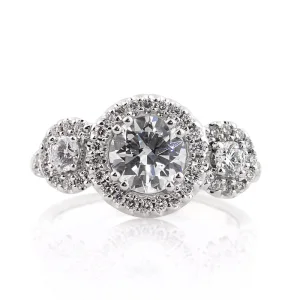
A private advisor answers on the figures in this guide — and places any piece from the vault within them, certificate first.
More from Diamond EducationAll Guides →
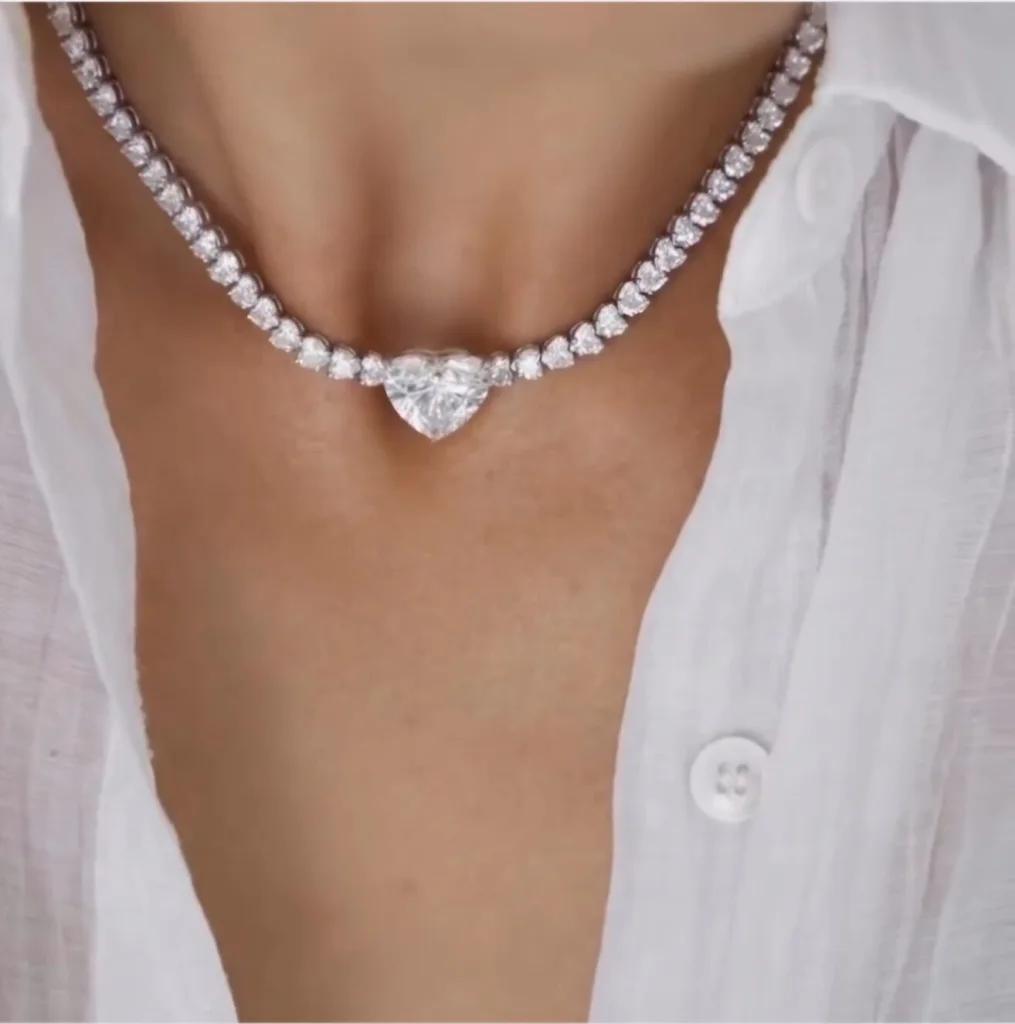 Diamond Necklace Price Guide: 50 to 100 CaratsDIAMOND EDUCATION · AUG 31, 2026
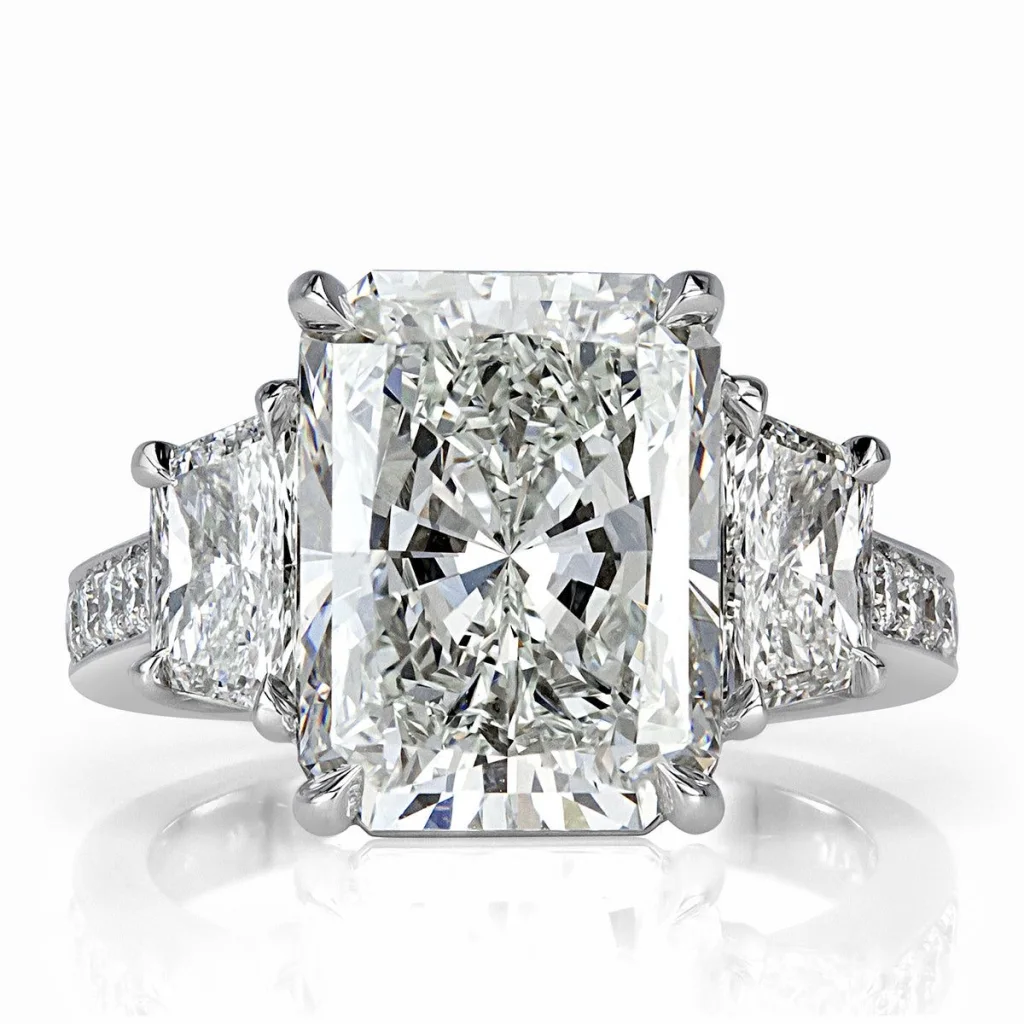 15+ Carat Diamond Price Guide: What It Actually CostsDIAMOND EDUCATION · AUG 31, 2026
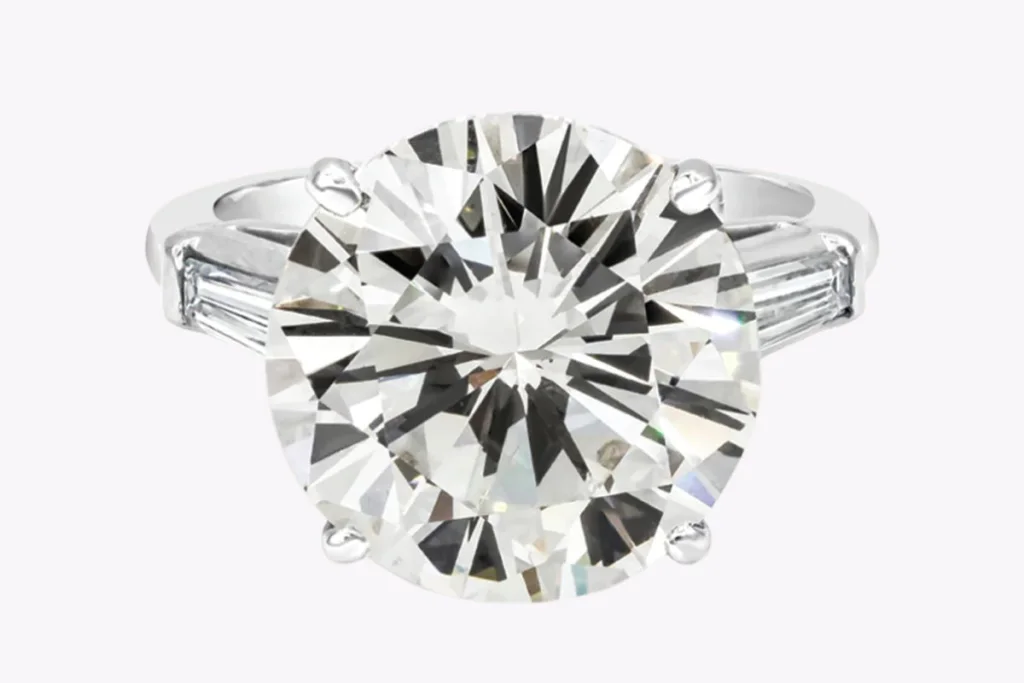 10 Carat Diamond Ring Price Guide: What It Actually CostsDIAMOND EDUCATION · AUG 31, 2026
 7 Carat Diamond Ring Price Guide: What It Actually CostsDIAMOND EDUCATION · AUG 31, 2026
 5 Carat Diamond Ring Price Guide: What It Actually CostsDIAMOND EDUCATION · AUG 31, 2026
 4 Carat Diamond Ring Price Guide: What It Actually CostsDIAMOND EDUCATION · AUG 31, 2026
The Vault, Continued
Every piece one-of-a-kind, every price published. Keep scrolling — the vault does not end here.