
Fancy Color Diamonds · The House Guides
Fancy Color Diamonds: A Collector’s Guide
Fancy colour diamonds — pink, blue, red, green, yellow — represent the pinnacle of the diamond investment market. Rarer than any other gem, more portable than any real estate, and with a four-decade track record of appreciation at serious auction houses. This is the complete guide for serious collectors.
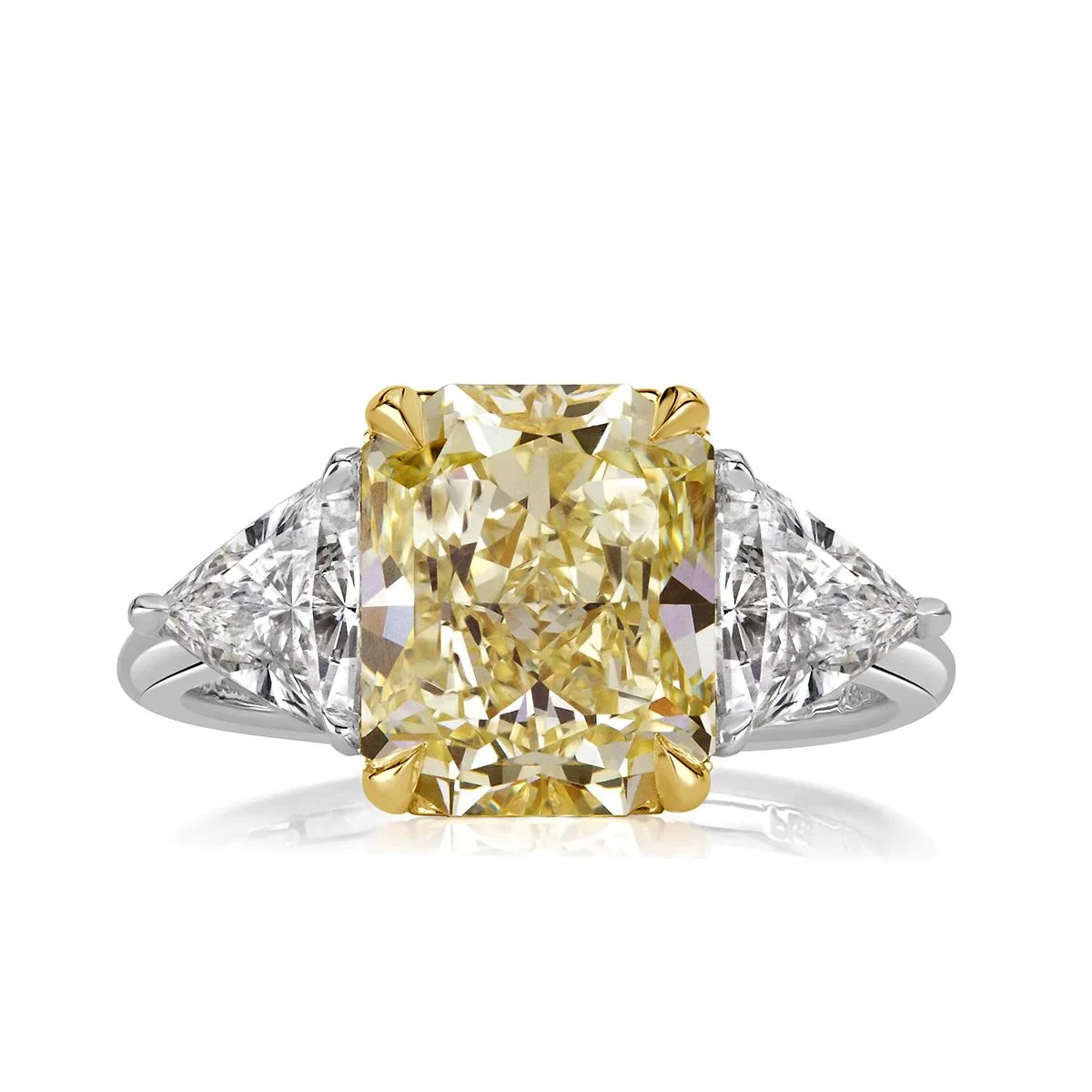
Among all the world’s rare assets, fancy color diamonds occupy a position of unique distinction. They are rarer than any other gem. They are more portable than any real estate. They are more private than any bank account. And in documented auction records spanning four decades, they have appreciated with a consistency that almost no other alternative asset class can match.
This guide is for the collector, the investor, the family office principal, and the individual of serious means who has decided that the time has come to understand this market properly.
What Makes a Diamond "Fancy Color"
The GIA color grading scale runs from D (completely colorless) to Z (light yellow or brown). D through Z are the white diamond grades. Beyond Z — in stones where the color is so intense, so saturated, and so structurally distinct that it transcends the white diamond scale entirely — lies the territory of fancy color.
A fancy color diamond is not simply a colored stone. It is a structural anomaly: a carbon crystal in which trace elements, structural defects, or irradiation during formation created a hue of such intensity and purity that the GIA grades it on a separate scale entirely: Faint, Very Light, Light, Fancy Light, Fancy, Fancy Intense, Fancy Deep, Fancy Dark, and Fancy Vivid.
Fancy Vivid is the pinnacle. A GIA-graded Fancy Vivid stone — in any color — is among the rarest objects on earth.
The Color Hierarchy: Rarity and Value
Red
The rarest color in existence. Fewer than thirty Fancy Red diamonds of significant size have ever been certified by the GIA. The Moussaieff Red, 5.11 carats, is among the most famous. When a genuine Fancy Red comes to auction, the result is always a world record. This is not a market most collectors enter — it is a market they are invited into.
Blue
The most celebrated of the collectable colors. The Hope Diamond, 45.52 carats and Fancy Deep Grayish Blue, resides permanently at the Smithsonian. The Oppenheimer Blue, 14.62 carats Fancy Vivid Blue, achieved $57.5 million at Christie’s Geneva in 2016. Blue diamonds owe their color to trace amounts of boron within the crystal structure — a geological accident of extraordinary rarity. A Fancy Vivid Blue above 3 carats is an institution-level acquisition.
Green
Green diamonds are among the most complex to certify. Their color typically forms as radiation from surrounding rock affects the crystal over millions of years — a process that affects only the surface of the rough stone, making cutting a matter of extraordinary precision. The Dresden Green, 41 carats, has resided in the Albertinum museum in Dresden for over 200 years. Natural Fancy Green diamonds of significant size are rarer than blue, though the market for them remains less developed, which represents opportunity for the sophisticated buyer.
Pink
The Argyle mine in Western Australia, which closed in 2020, was responsible for approximately 90% of the world’s supply of pink diamonds. Its closure has created a structural supply squeeze of historic proportions. Argyle-certified pink diamonds — particularly those with the mine’s certificate of provenance — have appreciated dramatically since the closure announcement . The Pink Star, 59.60 carats Fancy Vivid Pink, achieved $71.2 million at Sotheby’s Hong Kong in 2017. For the serious collector, the window on post-Argyle pink diamond acquisition at reasonable prices is closing.
Yellow and Orange
The most accessible entry point to the fancy color market. Yellow diamonds — Fancy Intense Yellow and Fancy Vivid Yellow in particular — combine genuine rarity with a visual warmth that has driven sustained demand from buyers in the Middle East, Asia and the United States. A well-specified 3–5 carat Fancy Vivid Yellow in a simple pavé setting is among the most wearable investment-grade gems in existence. Orange diamonds share much of yellow’s geological origin but are rarer by a factor of approximately ten.

The GIA Certificate and Fancy Color
For any fancy color diamond, the GIA certificate is the single most important document in the transaction. The certificate states:
- The precise color grade (Fancy Light, Fancy, Fancy Intense, Fancy Deep, Fancy Vivid)
- The hue (Pink, Blue, Yellow, etc.)
- Secondary modifiers (Purplish Pink, Orangy Yellow, etc.)
- Carat weight, clarity, cut and measurements
The difference between Fancy Intense and Fancy Vivid on a GIA certificate can represent 50–100% in price on an equivalent stone. This is not a matter of aesthetics — it is a matter of market fact. The certificate determines the value, and the GIA certificate is the only document that the major auction houses and private treaty desks accept without question.
Acquiring Fancy Color Diamonds at Investment Grade
The fancy color market has historically been inaccessible to private buyers outside of the major auction houses and a small number of specialist dealers. Auction houses typically charge buyer’s premiums of 12–25% on top of the hammer price, making every acquisition significantly more expensive than the reported sale price.
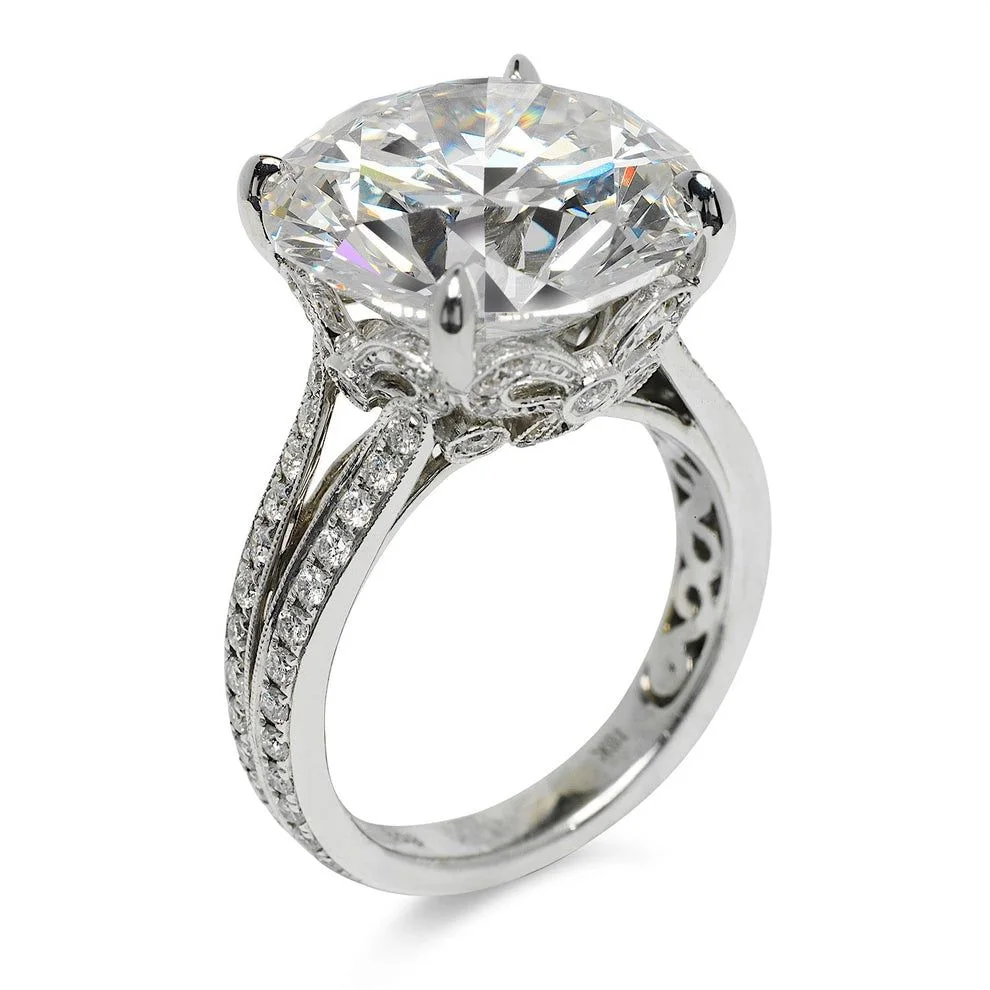
Every stone is presented with full certification, detailed photography in natural and studio light, and a comprehensive specification document. Our advisory team is available to walk through investment context, comparative auction data, and long-term value considerations for every significant acquisition.
Storage, Insurance and Estate Planning
Fancy color diamonds of investment grade require proper administrative infrastructure:
Insurance should be arranged with a specialist fine art and jewelry underwriter — not a standard home contents policy. Lloyd’s of London syndicates, Chubb, and AXA Art all offer specialist coverage. The insured value should be reviewed every 24 months given the appreciation trajectory of the fancy color market.
Storage for unworn pieces should be in a bank-grade vault or equivalent. Many of our clients use the private vaulting facilities attached to private banks in Geneva, Singapore and Dubai. Legacy can facilitate introductions to these services.
Estate documentation is critical. A well-documented fancy color diamond — with its GIA certificate, purchase records, photography, and insurance valuation — is straightforward to include in an estate inventory and to divide between beneficiaries or liquidate at auction. An undocumented stone creates unnecessary complexity.
Beginning the Conversation
The fancy color diamond market rewards knowledge, patience and access. Legacy Diamonds provides all three.
Whether you are entering the market for the first time or expanding an existing collection, we invite you to contact our advisory team for a private consultation. Every engagement begins with a thorough understanding of your objectives, your timeline, and your aesthetic preferences — and proceeds from there with full transparency, no pressure, and the singular commitment to placing the right stone in the right hands.
Legacy Diamonds & Gemstones. Mumbai BKC. Direct mine-to-market sourcing. GIA, IGI and HRD certified. Private consultations available worldwide.
Further reading from the Legacy library
The Pieces in This GuideThe Vault →
From the Legacy vault — each one-of-a-kind, independently certified.
A private advisor answers on the figures in this guide — and places any piece from the vault within them, certificate first.
More from Fancy Color DiamondsAll Guides →
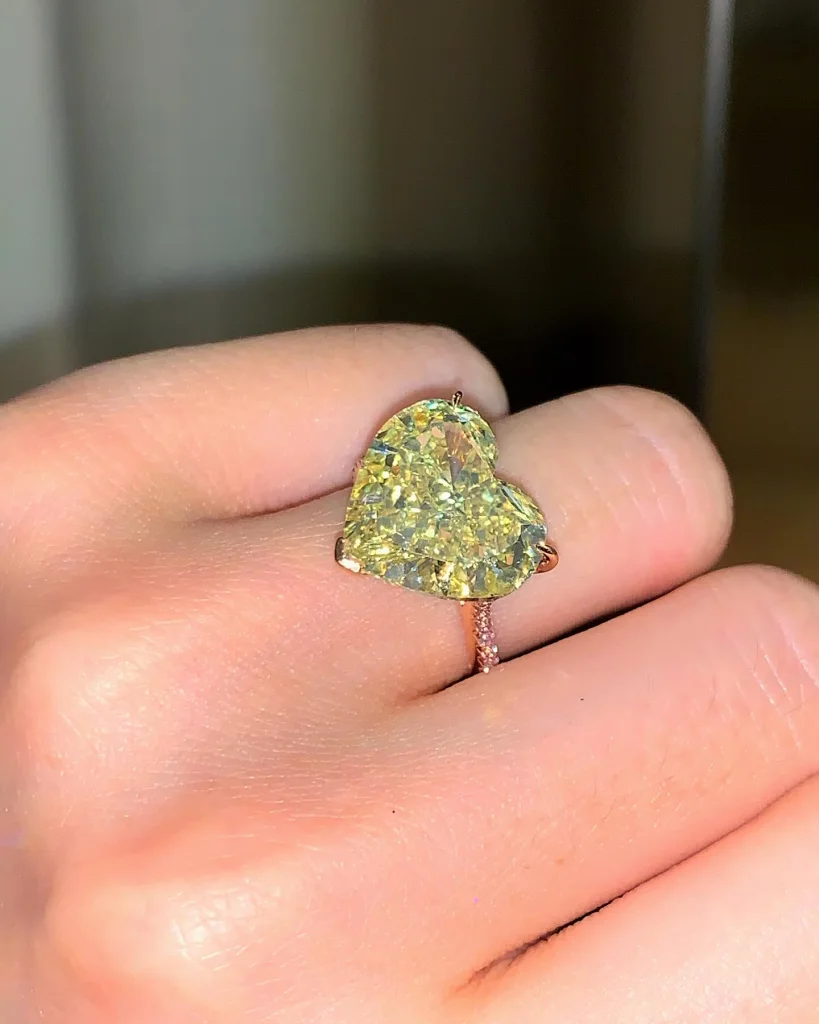 Fancy Yellow Diamonds: The Buying GuideFANCY COLOR DIAMONDS · AUG 21, 2026
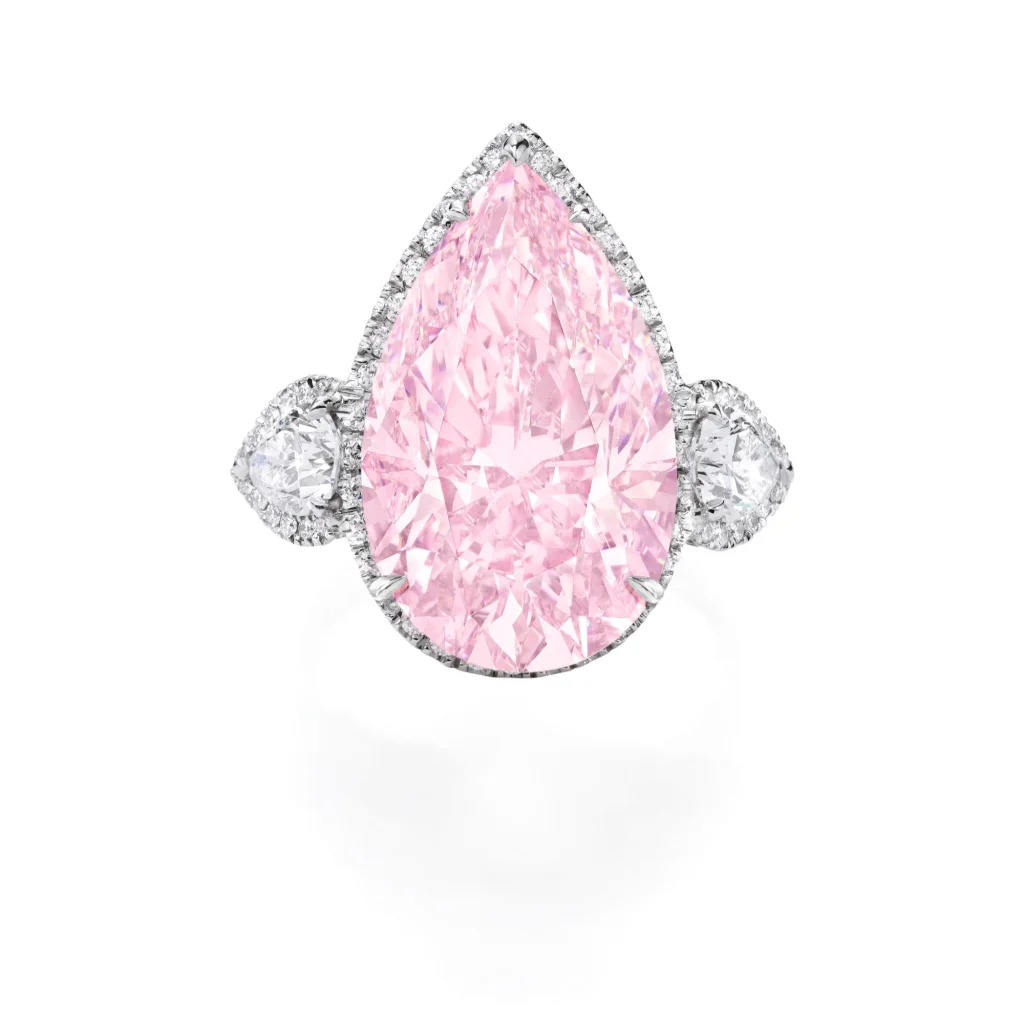 Fancy Pink Diamonds: Rarity and How to BuyFANCY COLOR DIAMONDS · AUG 21, 2026
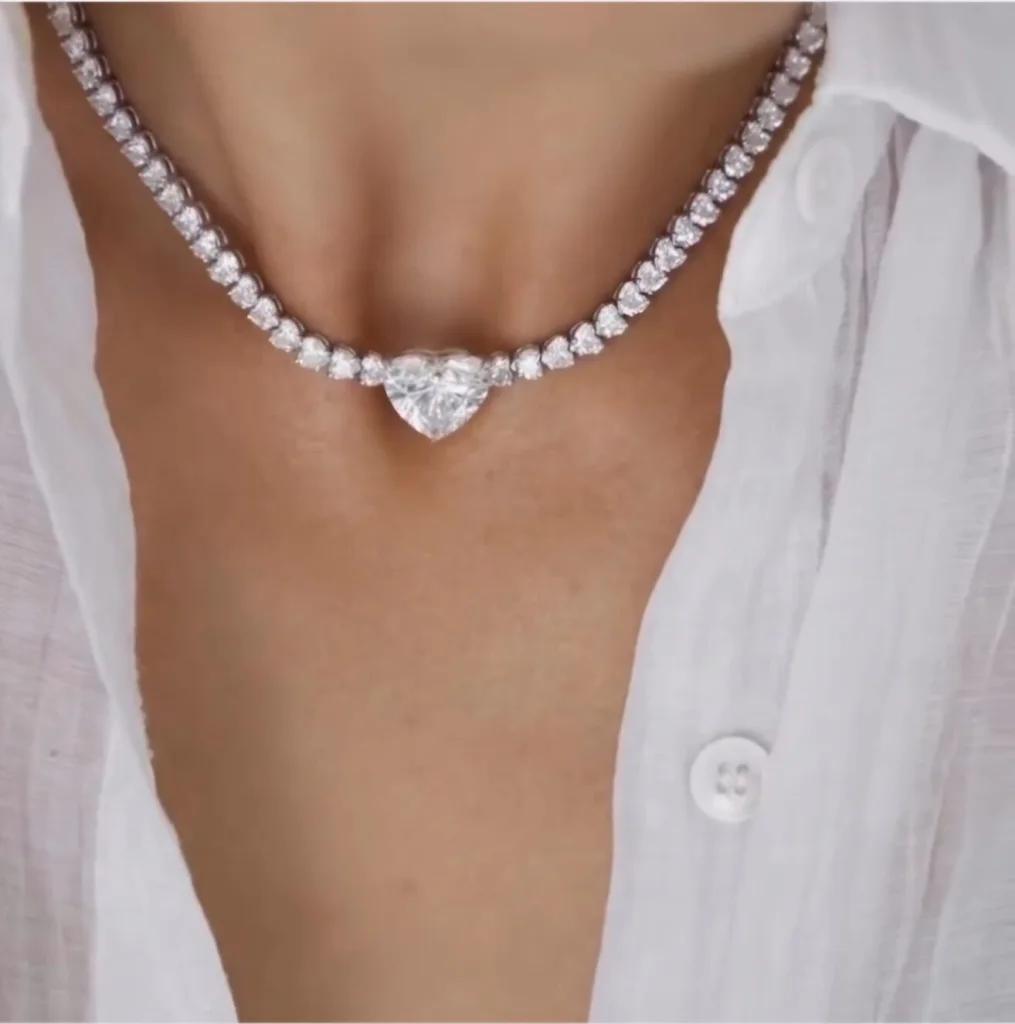 Diamond Necklace Price Guide: 50 to 100 CaratsFANCY COLOR DIAMONDS · AUG 31, 2026
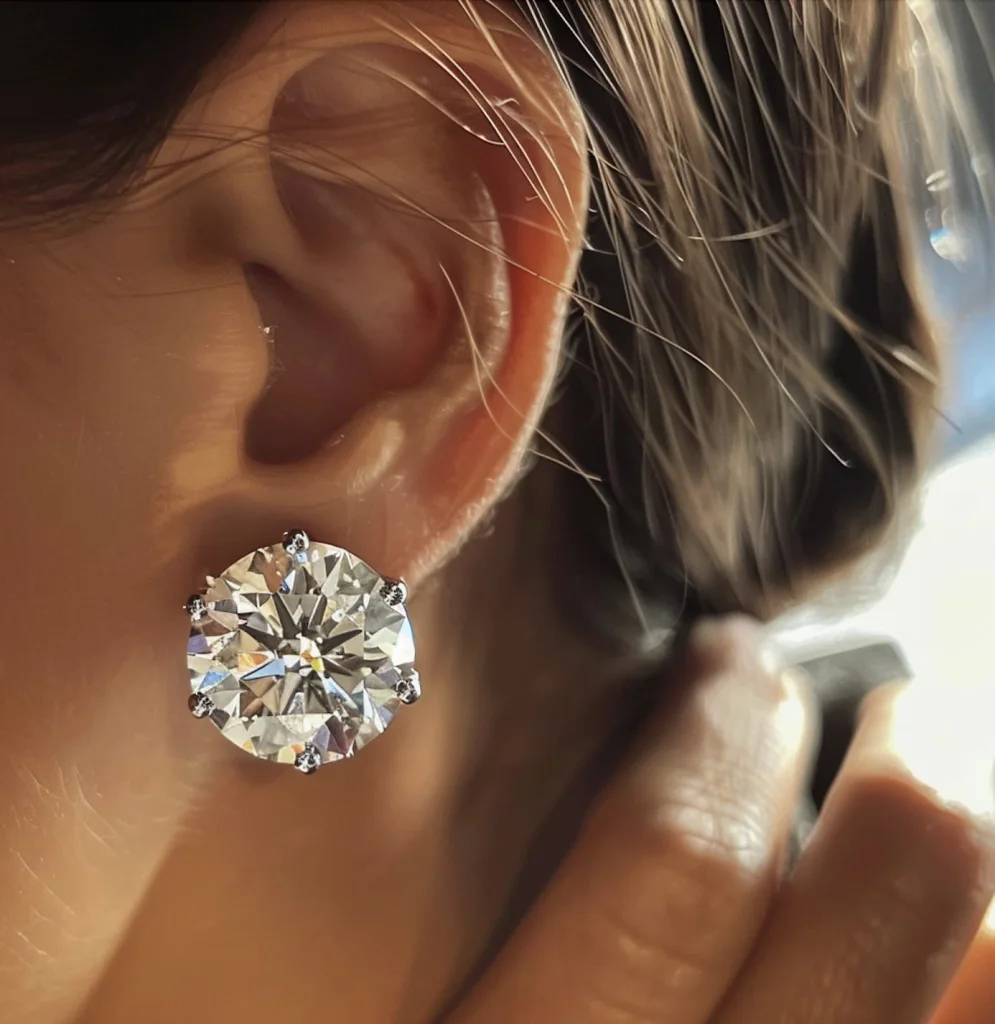 Diamond Earrings Price Guide: Studs, Drops, What They CostFANCY COLOR DIAMONDS · AUG 31, 2026
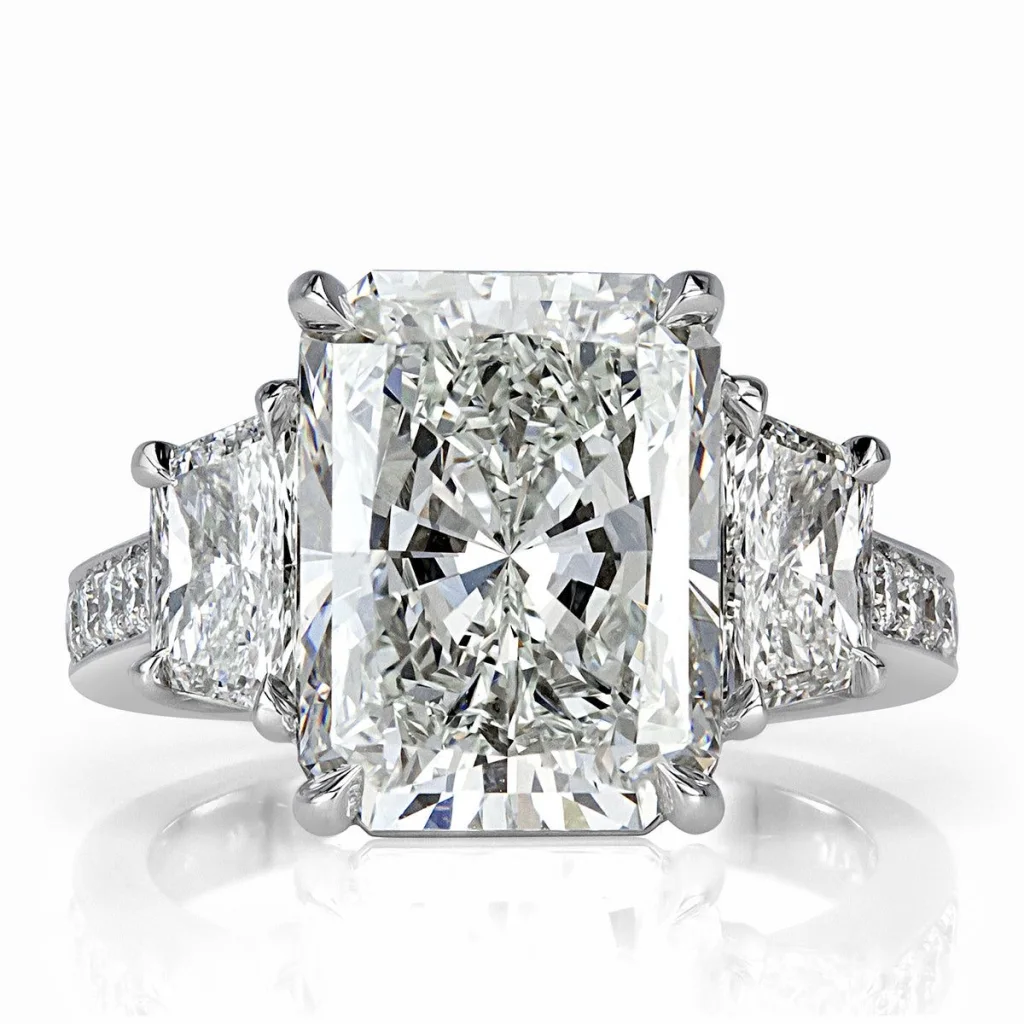 15+ Carat Diamond Price Guide: What It Actually CostsFANCY COLOR DIAMONDS · AUG 31, 2026
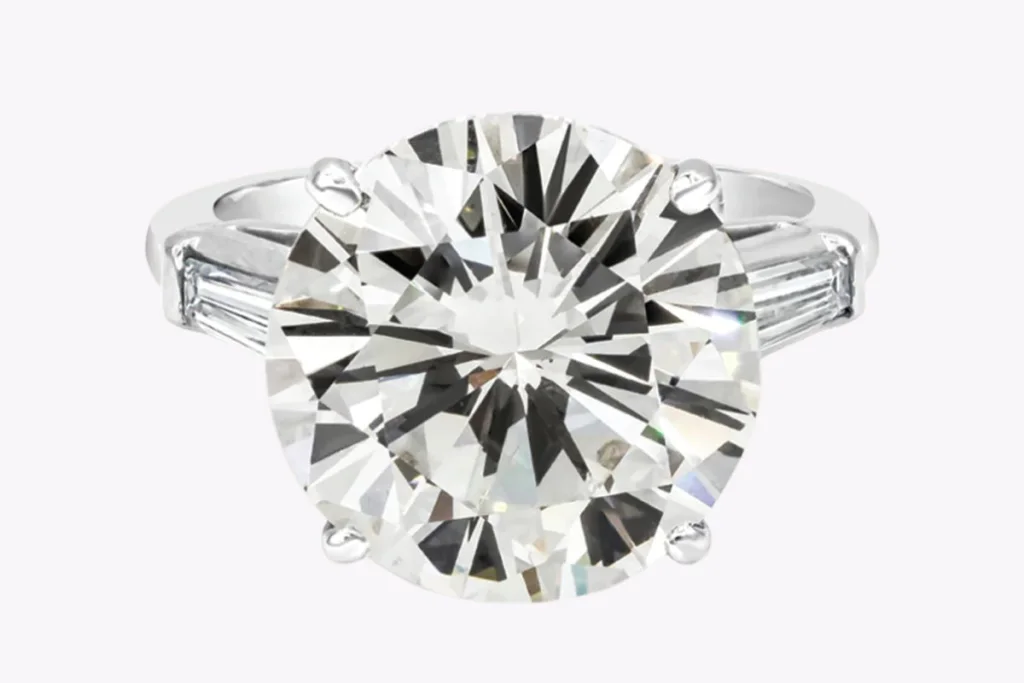 10 Carat Diamond Ring Price Guide: What It Actually CostsFANCY COLOR DIAMONDS · AUG 31, 2026
The Vault, Continued
Every piece one-of-a-kind, every price published. Keep scrolling — the vault does not end here.