
Diamond Investment · The House Guides
How to Invest in Diamonds: The Definitive Guide for Serious Collectors
For ultra-high-net-worth individuals seeking to diversify beyond equities, real estate and art, investment-grade diamonds represent one of the world's most portable, private and enduring stores of value. This is the definitive guide from Legacy Diamonds & Gemstones.
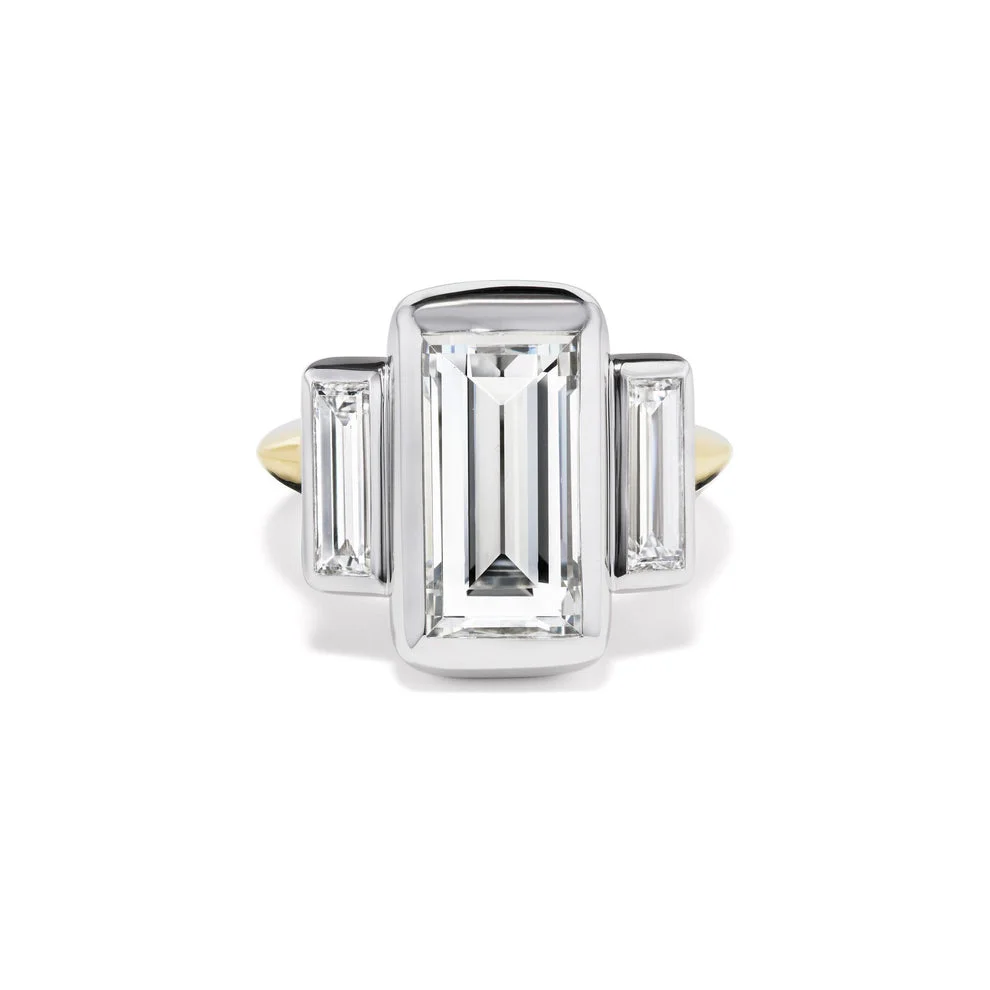
For the world’s most sophisticated wealth holders, the question is no longer whether diamonds belong in a serious portfolio — it is which diamonds, at what specifications, and through which source. This guide is written for that conversation.
Why Diamonds as an Investment
Diamonds occupy a unique position among alternative assets. Unlike art, they require no climate-controlled storage. Unlike real estate, they are entirely portable — a $2 million stone fits in a jacket pocket. For a family office managing assets across Geneva, Singapore, Dubai and New York, these properties matter enormously.
The world’s most disciplined collectors have understood this for decades. The Oppenheimer Blue, a 14.62-carat fancy vivid blue diamond, sold at Christie’s Geneva for $57.5 million in 2016 — approximately $3.93 million per carat. The Pink Star, 59.60 carats of internally flawless fancy vivid pink, achieved $71.2 million at Sotheby’s Hong Kong in 2017. These are not outliers. They are the logical endpoint of a market where supply is structurally finite and demand from Asia’s new wealth class has grown consistently for thirty years.
The Four Cs — Through an Investment Lens
Every jeweler explains the Four Cs. We will explain them the way a serious investor needs to understand them.
Carat Weight: The Foundation of Value
For investment purposes, carat weight is not simply a size indicator — it is a threshold marker. Stones of 1 carat, 2 carats, 3 carats and 5 carats carry disproportionate premiums because they are psychologically significant and genuinely rare. A 0.98-carat stone trades at a meaningfully different price per carat than a 1.02-carat stone, despite the near-identical physical size. The collector who understands this buys at the right side of each threshold.
For serious investment, the entry point is generally 2 carats and above for white diamonds, 1 carat and above for fancy colors. Below these thresholds, the liquidity premium narrows.
Color: Where the Greatest Value Lives
In white diamonds, the D-F color range represents the investment grade. G and H are excellent jewelry colors but attract lower premiums in the resale market. The spread between a D and an H of equivalent cut and clarity can be 40–60% in price — a gap that compounds over time.
In fancy colored diamonds, color is everything. The rarest and most valuable are, in order: red, blue, green, orange, pink and yellow. A GIA-certified fancy vivid pink of 3 carats is not a jewelry purchase — it is an asset acquisition. These stones have appreciated at a compound annual rate exceeding 10% over the past twenty years in documented auction records.
Clarity: The Investment Standard
For investment-grade white diamonds, the minimum recommended clarity is VS2. Stones graded VS1, VVS2, VVS1, Internally Flawless and Flawless carry increasing premiums and decreasing liquidity risk. An IF or FL stone in D color, excellent cut, above 3 carats is among the most liquid diamond assets in existence — a stone that can be sold at Christie’s, Sotheby’s, or Bonhams within 90 days in virtually any market condition.
Cut: The Discipline of Light
For round brilliants, only Triple Excellent (Excellent cut, Excellent polish, Excellent symmetry) on a GIA certificate is acceptable for investment purposes. This is not a preference — it is the market standard. A stone graded Very Good in any of the three categories will trade at a discount in every serious resale environment.

GIA, IGI and HRD: Understanding Certification
The certificate is the passport of a diamond. Without independent third-party grading from a recognized laboratory, a stone has no internationally verifiable identity.
GIA (Gemological Institute of America) remains the global gold standard. A GIA certificate is accepted without question in New York, London, Geneva, Tokyo, Hong Kong, Dubai and every other major market.
IGI (International Gemological Institute) has become the standard for laboratory-grown diamonds and increasingly for natural diamond jewelry, particularly in Asian markets. IGI-certified stones are entirely legitimate and offer excellent value, particularly at the 1–3 carat range where the price differential versus GIA-certified equivalents can be 15–25%.
HRD (Hoge Raad voor Diamant) is the Antwerp-based authority and carries significant weight in European markets, particularly Belgium, the Netherlands and Germany. For European buyers, HRD certification carries the same authority as GIA.
Legacy Diamonds sources stones certified by all three laboratories and presents full certification documentation with every purchase.
The Mine-to-Market Advantage
The traditional diamond supply chain — mine to rough trader to polisher to wholesaler to retailer — adds four to six layers of margin between the stone in the ground and the stone in a buyer’s hands. Each layer adds 20–40% to the price.
Legacy operates differently. Through direct relationships with primary cutting and polishing houses and a procurement model that bypasses the traditional wholesale chain, Legacy presents investment-grade certified diamonds at price points that would have been inaccessible to private buyers a decade ago. The same D VVS1 3-carat round brilliant that might appear in a Graff or Harry Winston showcase is available through Legacy with full GIA certification, full provenance documentation, and complete transparency on every specification.
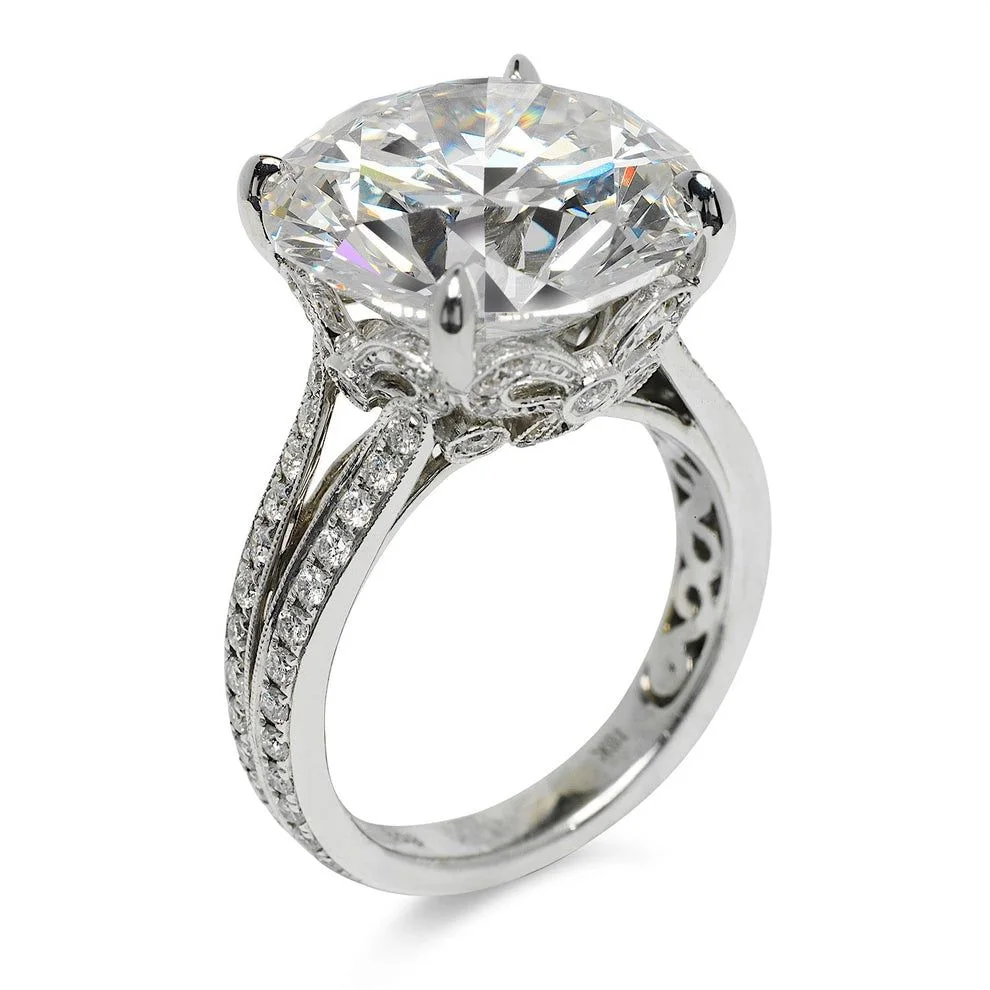
Building a Diamond Portfolio
The most disciplined diamond investors do not buy one significant stone. They build a portfolio — a collection of assets at different price points, cuts and color families that provides both liquidity at multiple levels and exposure to different market appreciation dynamics.
A considered starting portfolio might include:
- One 2–3 carat D-F, VVS1-VS1 round brilliant as the liquid core holding — the most universally tradeable asset in the diamond market
- One fancy yellow or champagne stone of 2–4 carats for color exposure without the premium of pink or blue
- One significant statement piece — 5 carats and above — held as a long-term store of value and for the occasions when it should be worn
Legacy’s advisory service exists precisely for this conversation. Our team works with family offices, private bankers and individual collectors to build acquisition strategies aligned with specific portfolio objectives, time horizons and market exposure preferences.
Provenance, Documentation and Resale
Investment-grade diamonds require the same documentation discipline as any serious asset class. Every Legacy diamond acquisition comes with:
- Original laboratory certificate (GIA, IGI or HRD) with full specification
- Detailed photography in multiple lighting conditions
- Purchase documentation suitable for insurance and estate purposes
- Access to Legacy’s network of trusted resale partners at Christie’s, Sotheby’s, Bonhams and private treaty channels
A stone bought with complete documentation in 2025 will be significantly more straightforward to sell, insure or bequeath than one purchased without it. The discipline of documentation is part of the investment discipline.
The Legacy Commitment
Legacy Diamonds & Gemstones was founded on a single conviction: that the world’s wealthiest individuals deserve direct access to investment-grade diamonds with the transparency, documentation and advisory service that their other asset classes receive as a matter of course.
We do not sell jewelry. We facilitate the acquisition of enduring, certified, investment-grade assets that happen to be among the most beautiful objects human hands have ever produced.
If you are considering a significant diamond acquisition — whether as a portfolio addition, a milestone gift, or a generational piece — we invite you to begin the conversation.
Legacy Diamonds & Gemstones. Mumbai BKC. Direct mine-to-market sourcing. GIA, IGI and HRD certified. Worldwide delivery via Brinks Global Security.
Further reading from the Legacy library
The Pieces in This GuideThe Vault →
From the Legacy vault — each one-of-a-kind, independently certified.
A private advisor answers on the figures in this guide — and places any piece from the vault within them, certificate first.
More from Diamond InvestmentAll Guides →
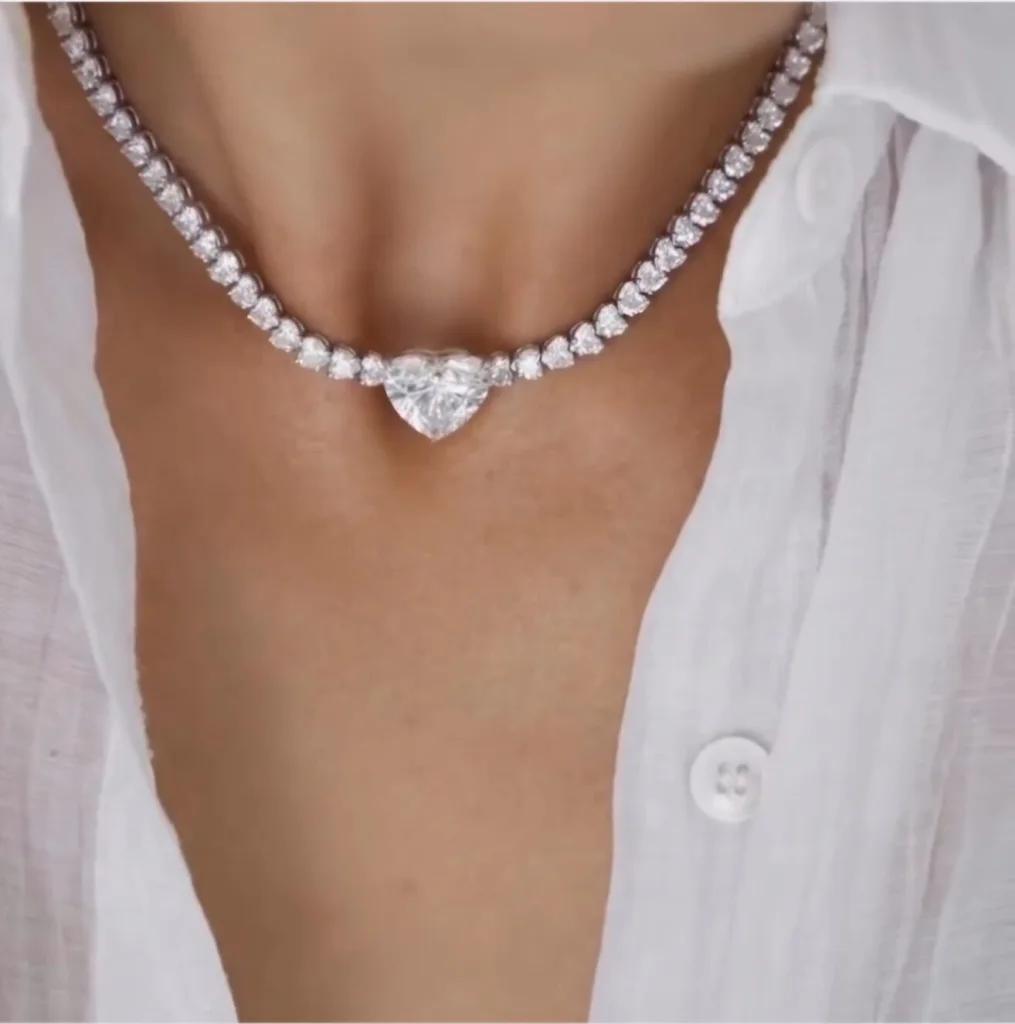 Diamond Necklace Price Guide: 50 to 100 CaratsDIAMOND INVESTMENT · AUG 31, 2026
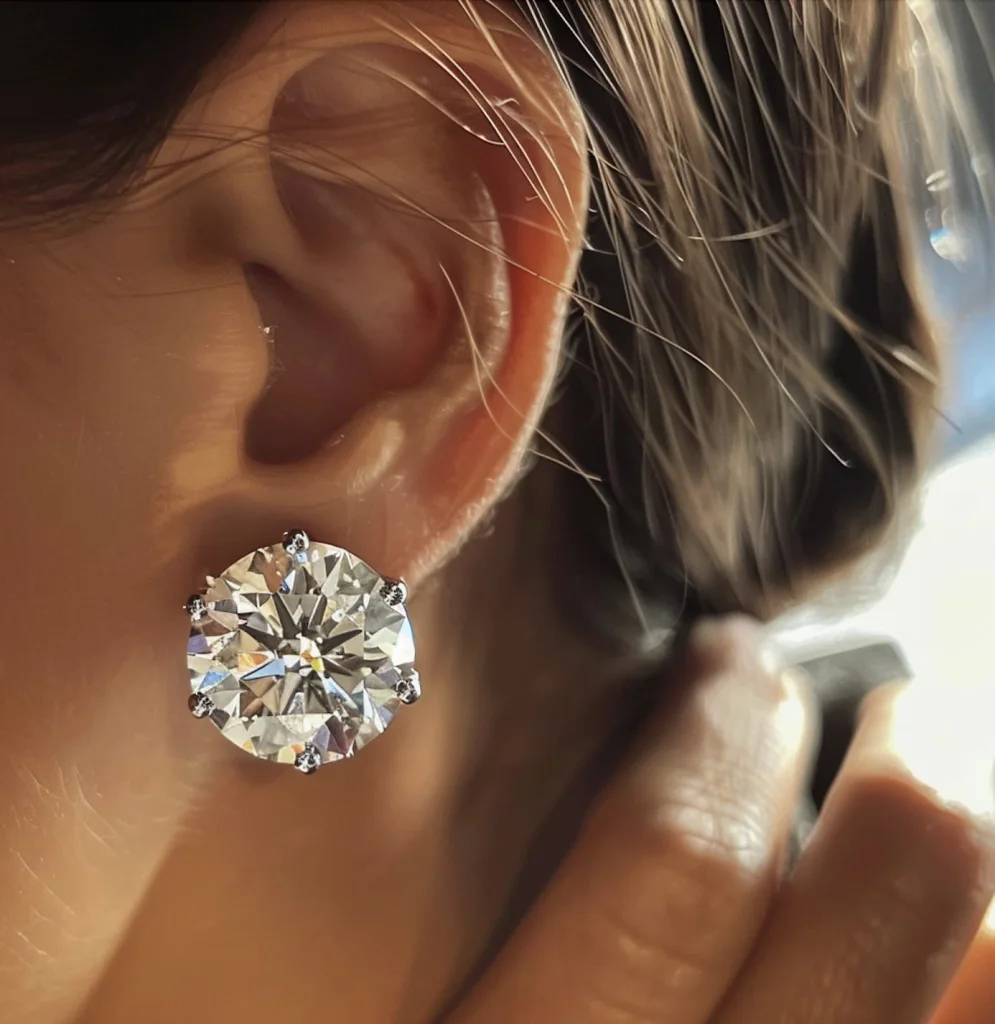 Diamond Earrings Price Guide: Studs, Drops, What They CostDIAMOND INVESTMENT · AUG 31, 2026
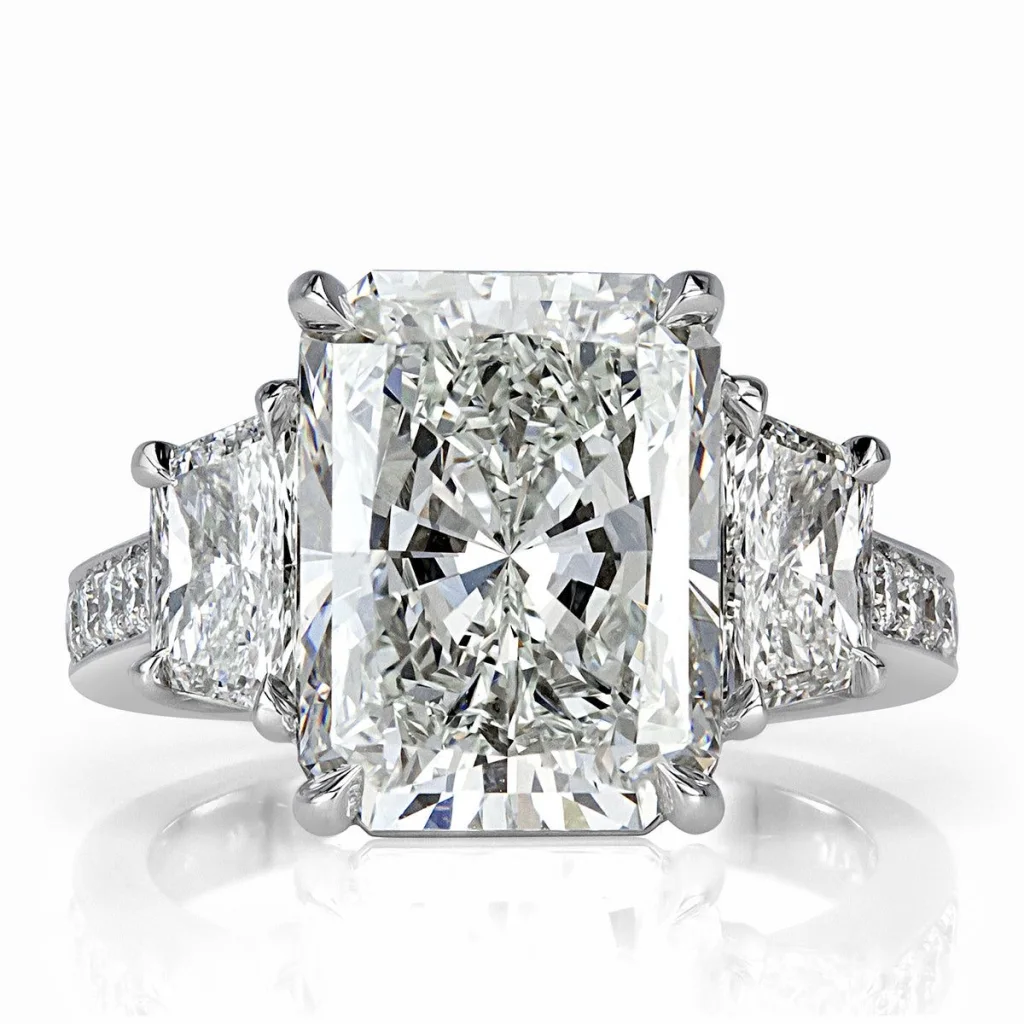 15+ Carat Diamond Price Guide: What It Actually CostsDIAMOND INVESTMENT · AUG 31, 2026
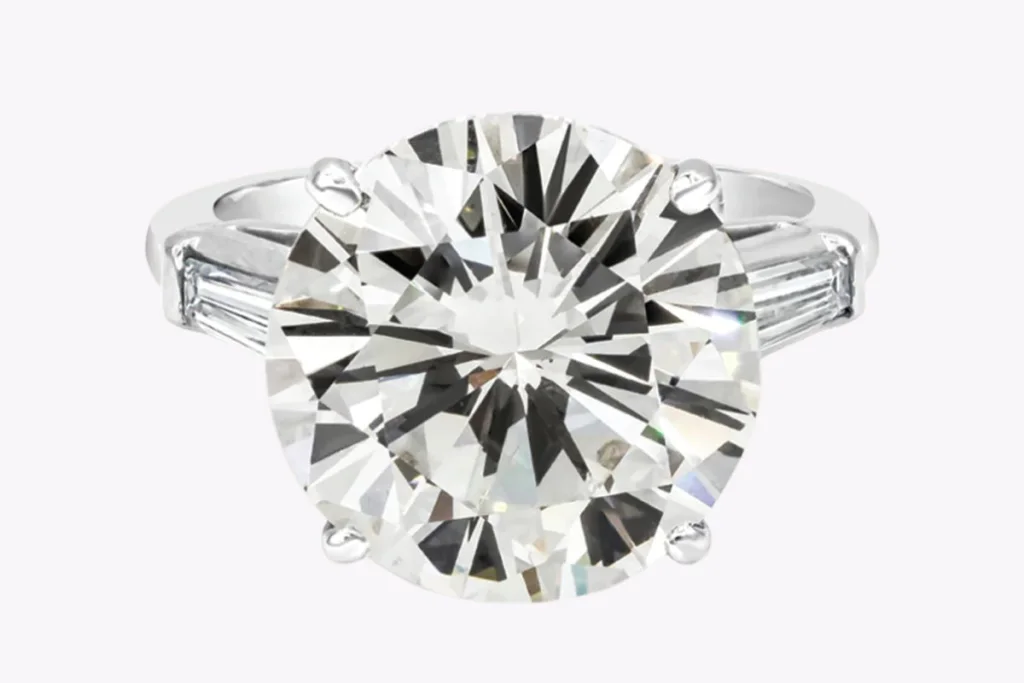 10 Carat Diamond Ring Price Guide: What It Actually CostsDIAMOND INVESTMENT · AUG 31, 2026
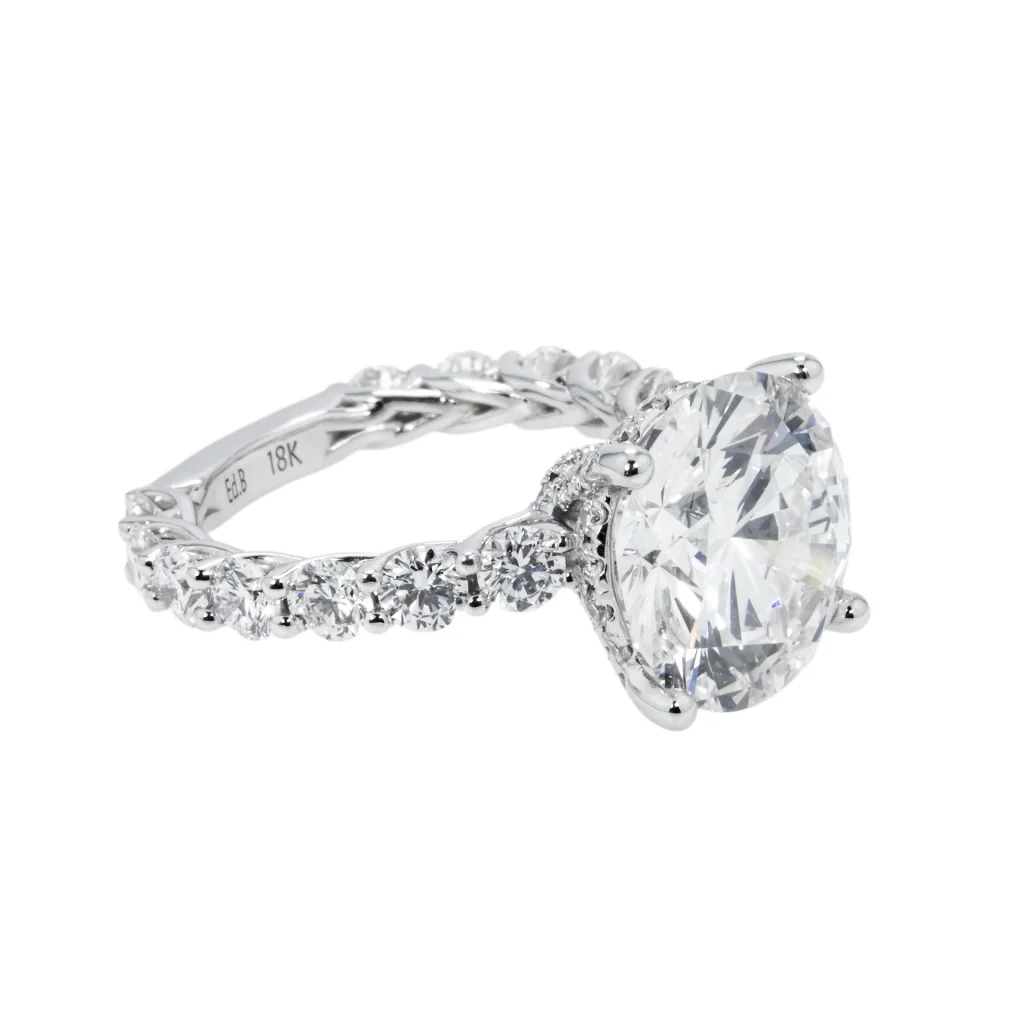 9 Carat Diamond Ring Price Guide: What It Actually CostsDIAMOND INVESTMENT · AUG 31, 2026
 7 Carat Diamond Ring Price Guide: What It Actually CostsDIAMOND INVESTMENT · AUG 31, 2026
The Vault, Continued
Every piece one-of-a-kind, every price published. Keep scrolling — the vault does not end here.