Diamond Education · The House Guides
Why Two Diamonds of the Same Carat Are Not the Same Stone
Across Legacy's 5-carat rings, price ranges from $3,499 to $3.5 million at an identical carat weight, driven almost entirely by colour, clarity and cut.
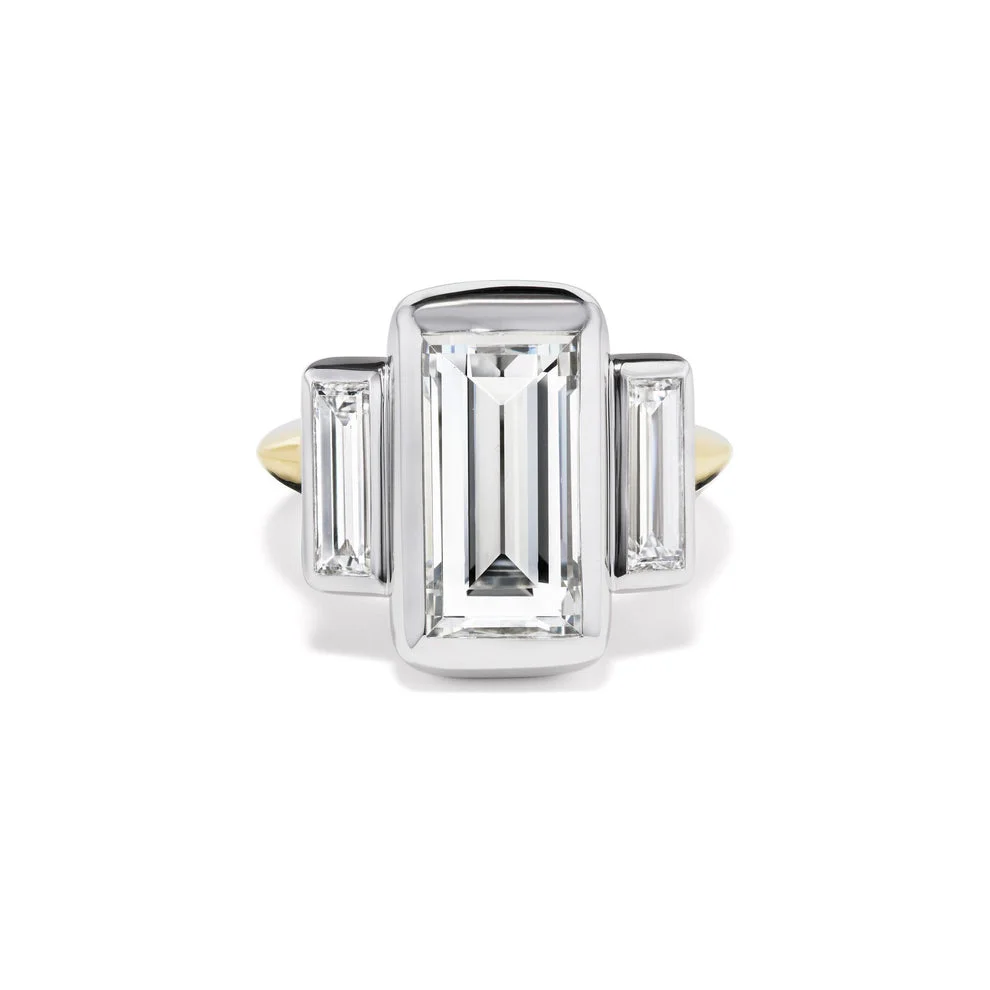
Carat weight measures only size. It says nothing about color, clarity, cut quality, fluorescence or the rarity of the specific combination, and those four factors together account for nearly all of that spread.
Color: the single largest lever
Color grade, running from D (colorless) down through the alphabet, has an outsized effect on price at large carat weights because the tint becomes more visible as the stone grows. A D or E color 5-carat diamond and a J or K color stone of the identical weight can sit at entirely different price points, because the paler stone is dramatically rarer at that size. Legacy’s collection includes both ends of that range, pieces described as “brilliant white” alongside others in the J-K range, and the difference in stated color is usually the first place to look when two same-carat stones are priced far apart.
The reason color matters more as carat weight climbs is straightforward: a larger stone has a larger table and larger facets, giving tint more surface area to be visible to the eye and more distance for light to travel through a tinted body before it exits. A color difference that is nearly imperceptible in a half-carat stone becomes obvious across a five-carat table, which is exactly why the market prices that difference so much more steeply at larger sizes.
Clarity: inclusions that only show at scale
Clarity grades from Flawless down through Included measure the visibility of internal or surface characteristics. At smaller carat weights, the difference between adjacent clarity grades can be nearly invisible to the eye. At 5 carats and above, the same inclusions are magnified across a larger surface, so the gap between a VVS stone and an SI stone becomes both more visible and more consequential to value. Among Legacy’s 5-carat examples, VS2 and VVS clarity pieces sit toward the upper end of the range, while SI-clarity stones of the same weight are priced meaningfully lower.
Location matters as much as grade. Two stones with the same clarity grade can differ in how noticeable their inclusions are, depending on whether they sit under the table, near the girdle, or beneath a facet that hides them from most viewing angles. This is one of several reasons a certificate’s plotted diagram of a stone’s inclusions is worth reviewing directly rather than relying on the clarity grade alone.

Carat weight within a bracket is not uniform either
Even within Legacy’s 5–6.99 carat bracket, a 5.02 carat stone and a 6.9 carat stone are both technically “5 carat plus” but represent meaningfully different rarity and price positions. Buyers searching loosely for “a 5 carat diamond” often encounter listings anywhere across a full carat and a half of actual weight, which compounds the color, clarity and cut differences already discussed. The same logic applies to the 10–14.99 carat bracket, where a 10.0 carat stone and a 14.9 carat stone sit at very different points within a single search term.
Cut quality and shape
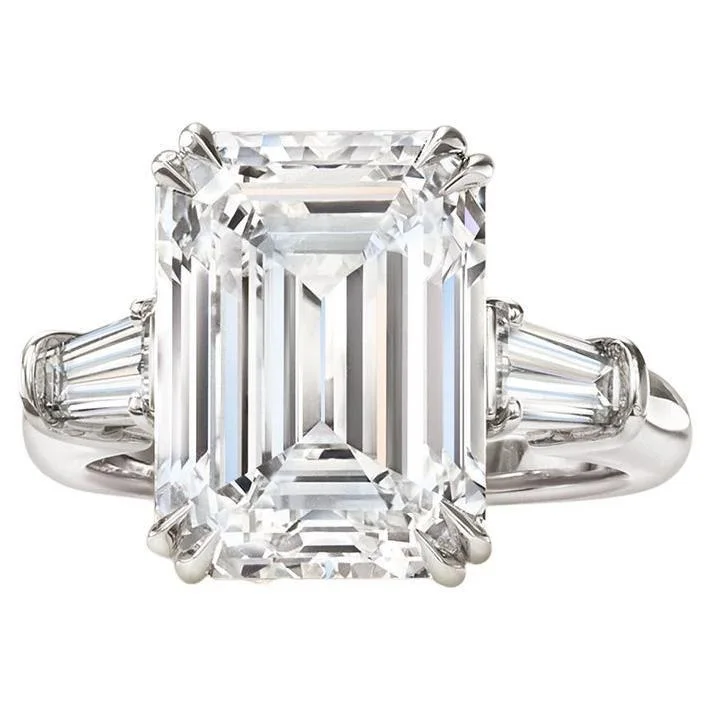
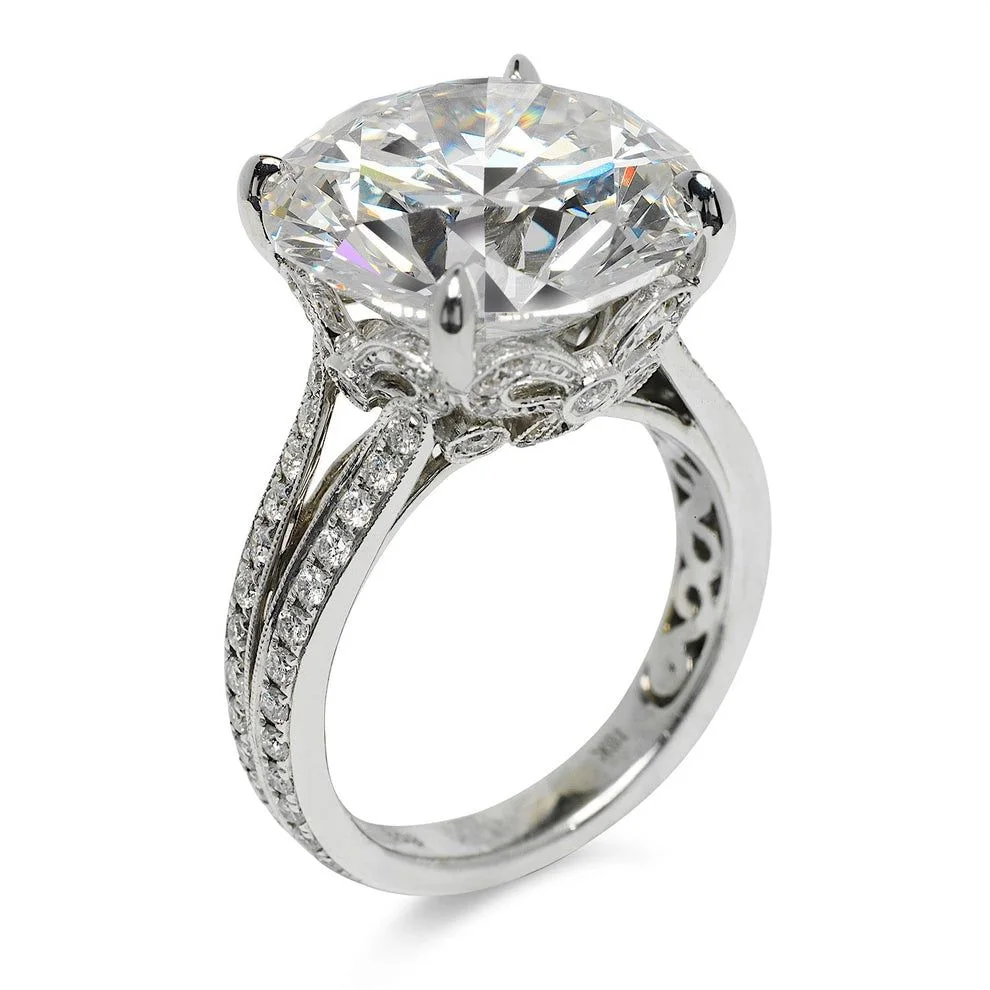
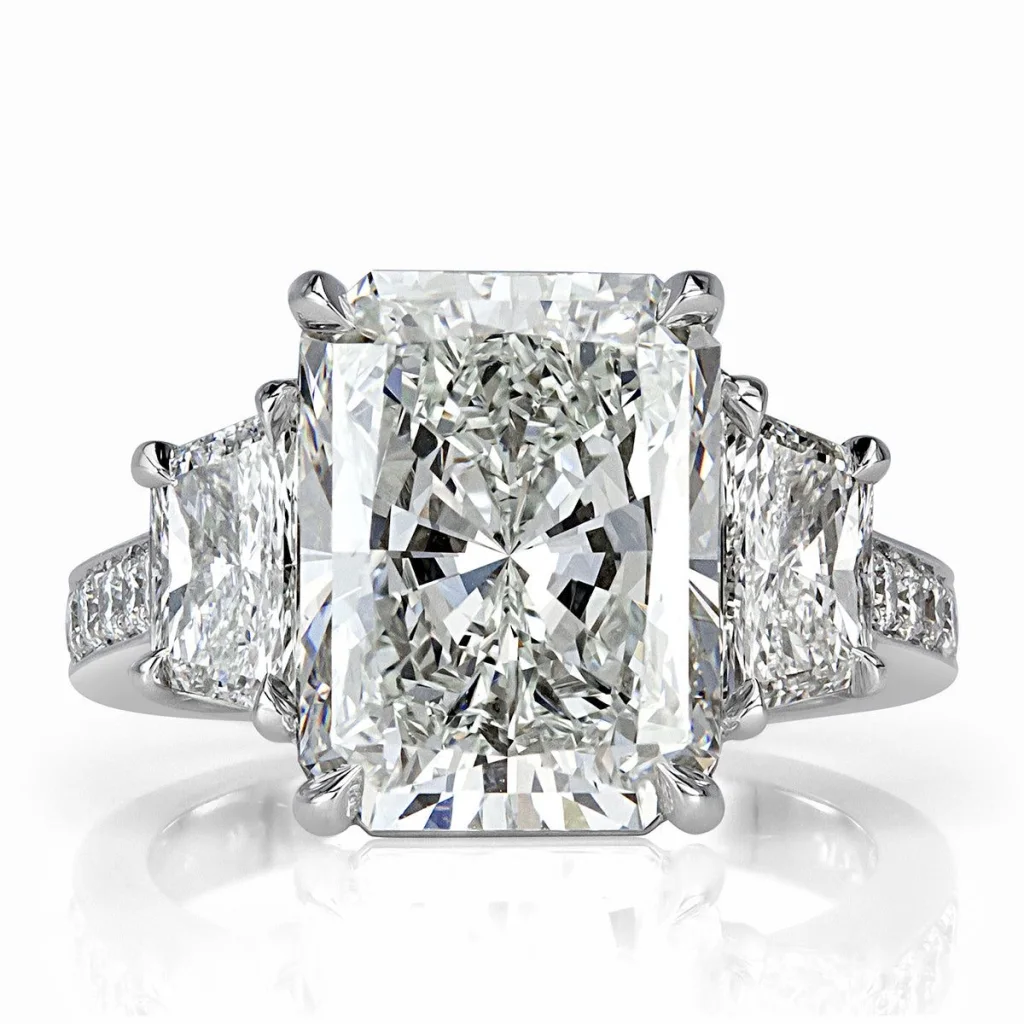
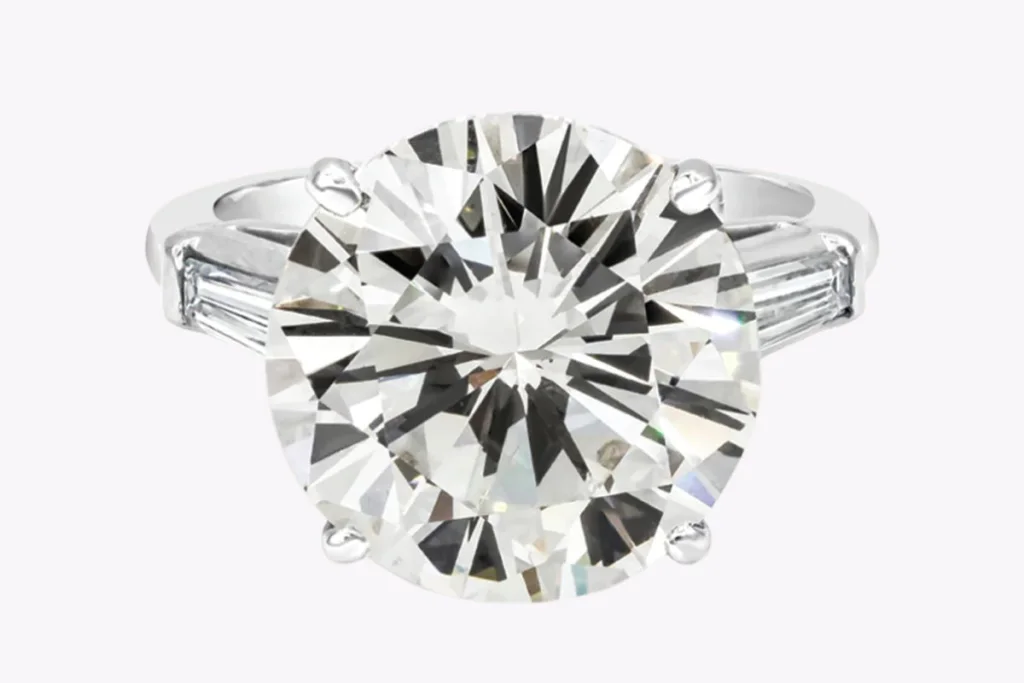
Cut proportions determine how effectively a diamond returns light, and a well-proportioned stone of a given color and clarity will consistently outperform, and outprice, a poorly proportioned one of the identical grade. Shape plays a role too: round brilliants generally command a premium over fancy shapes such as pear, cushion, radiant or emerald cut for a comparable weight, because more rough diamond is lost in cutting a round brilliant to its proportions. Legacy’s current 5-carat examples span pear, emerald and round brilliant cuts, each priced according to its own combination of proportions and grade rather than a flat per-carat rate.
Fluorescence and certification
Fluorescence, how a diamond reacts under ultraviolet light, can affect price at the margins, particularly in higher color grades where strong fluorescence is sometimes seen as working against the stone’s color appearance. It is a smaller factor than color or clarity but part of the full picture a laboratory report provides, and worth checking as a line item rather than assuming it has no bearing on a quoted price. Certification itself is also part of what a buyer is paying to trust: every Legacy stone is independently graded through GIA, IGI or HRD, arranged on request so the client selects the laboratory, which is what allows two stones’ color and clarity claims to be compared on equal footing in the first place.
Without consistent, verifiable certification, none of the comparisons above are reliable, since a seller’s own description of color and clarity carries far less weight than an independent laboratory grade that a buyer can check directly against the issuing laboratory’s database.
Rarity of the combination, not just the individual grades
Price is not simply color plus clarity plus cut added together; it also reflects how rare the specific combination of all three is at a given carat weight. A D color, internally flawless, ideal-cut round brilliant at 5 carats is rare on more than one axis simultaneously, and that compounding rarity is reflected disproportionately in price, well beyond what any single factor would suggest on its own.
How to read two “same carat” listings side by side
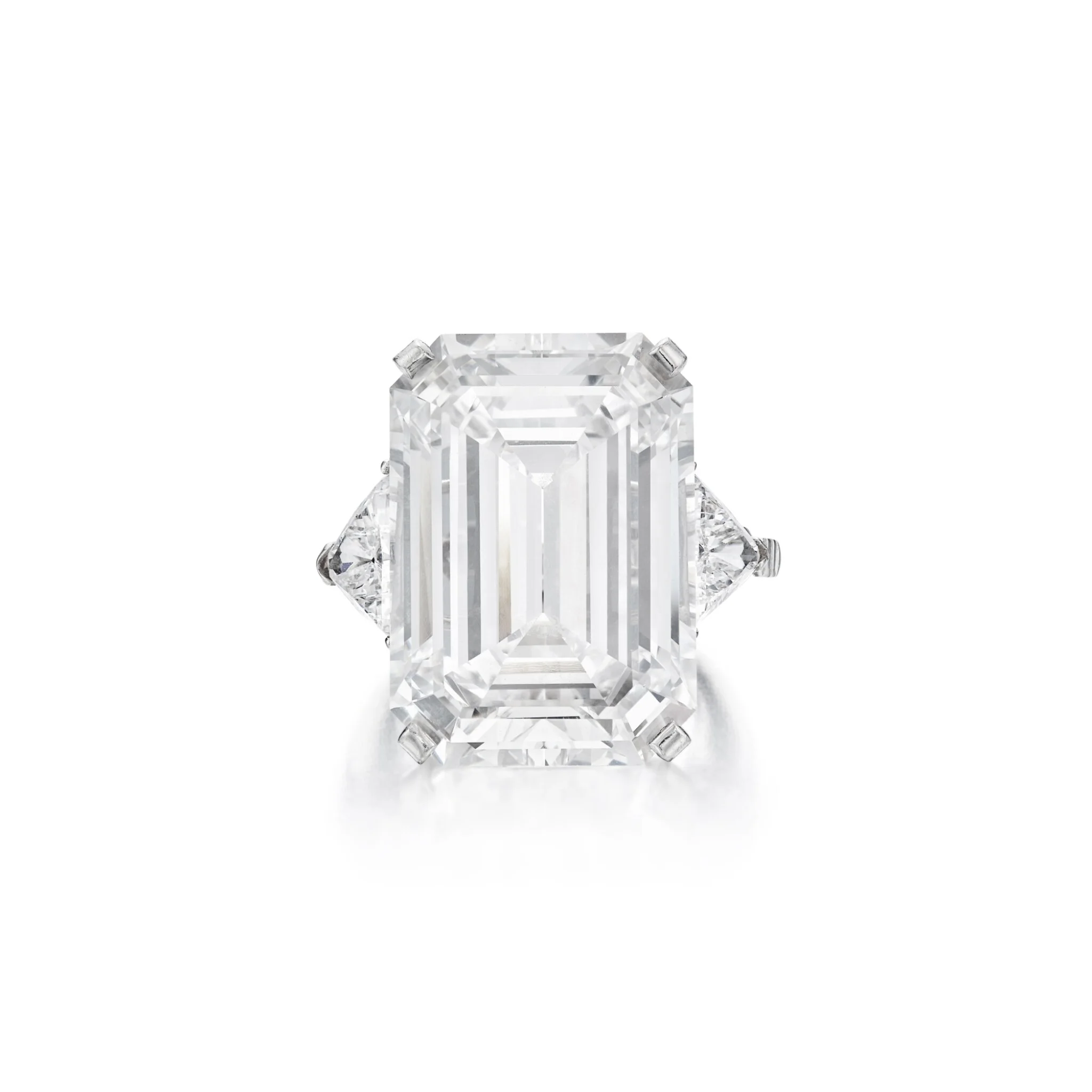
The carat figure in a listing title is the least useful number for comparison. A buyer should instead line up color grade, clarity grade, cut or shape, and certifying laboratory before looking at price at all; only once those four match closely does a price comparison mean anything. Two of Legacy’s own 5-carat pieces illustrate the point: a 5.02 carat pear cut diamond ring in VS2 clarity and F color and a 5.3 carat round brilliant in J color and VS clarity carry different color grades despite similar weight and clarity, which is precisely the kind of comparison worth making before price.
Questions collectors ask
Is a bigger discount on a same-carat diamond always a red flag?
Not necessarily, but it warrants a closer look at color, clarity and cut before assuming the lower-priced stone is simply better value. A large price gap at identical carat weight is almost always explained by one or more of those factors, and the certificate will show which.
Which matters more for price, color or clarity?
At large carat weights, color tends to have the bigger effect on price because tint is more visible across a larger stone, while clarity differences become more visible but are somewhat more forgiving depending on where the inclusions sit. Both should be checked together rather than in isolation.
Why do two round brilliants of the same carat and color still differ in price?
Cut proportions and clarity are the usual explanation once shape and color are matched. A stone with ideal proportions and higher clarity will outprice one of the same carat and color but looser cut or lower clarity.
Does the certifying laboratory itself affect price?
The laboratory does not change the stone’s inherent qualities, but consistent, verifiable grading from GIA, IGI or HRD is what allows a buyer to trust the color and clarity figures being compared in the first place, which is why certification matters even though it is not itself a value factor like color or clarity.
Collectors weighing two similarly sized diamonds can review Legacy’s full ring collection, where every piece lists color, clarity, cut and certifying laboratory alongside carat weight, or arrange a private consultation to compare specific stones side by side. For a closer look at pricing within a single carat bracket, see the 5 carat diamond ring price guide.
The Pieces in This GuideThe Vault →
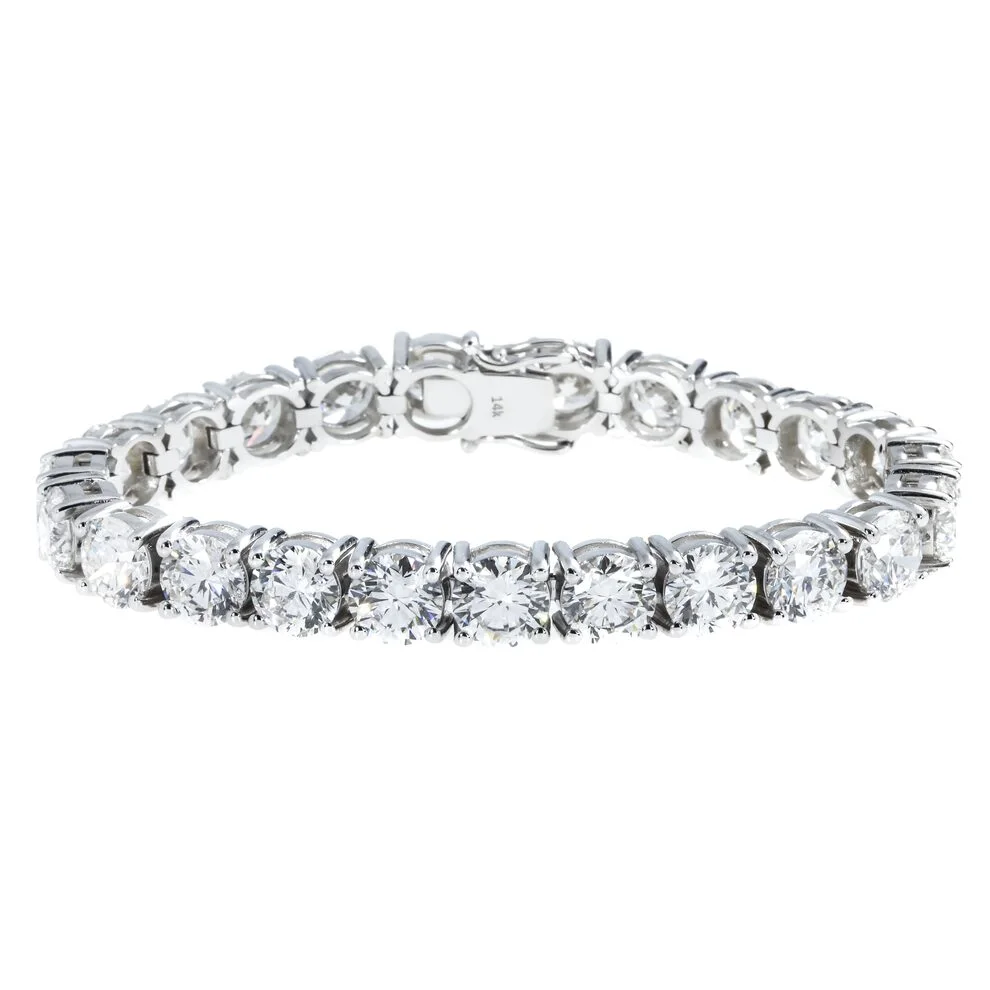
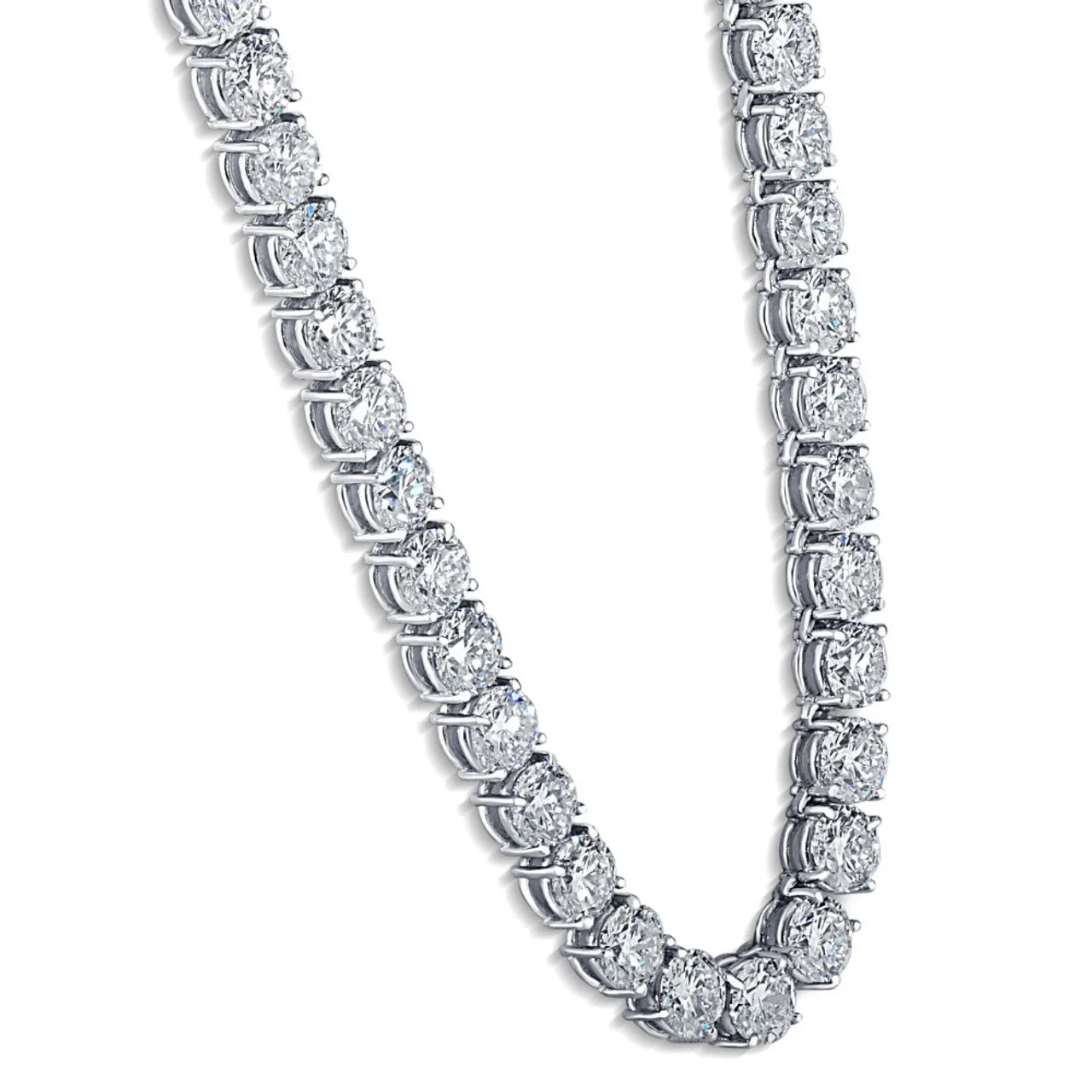
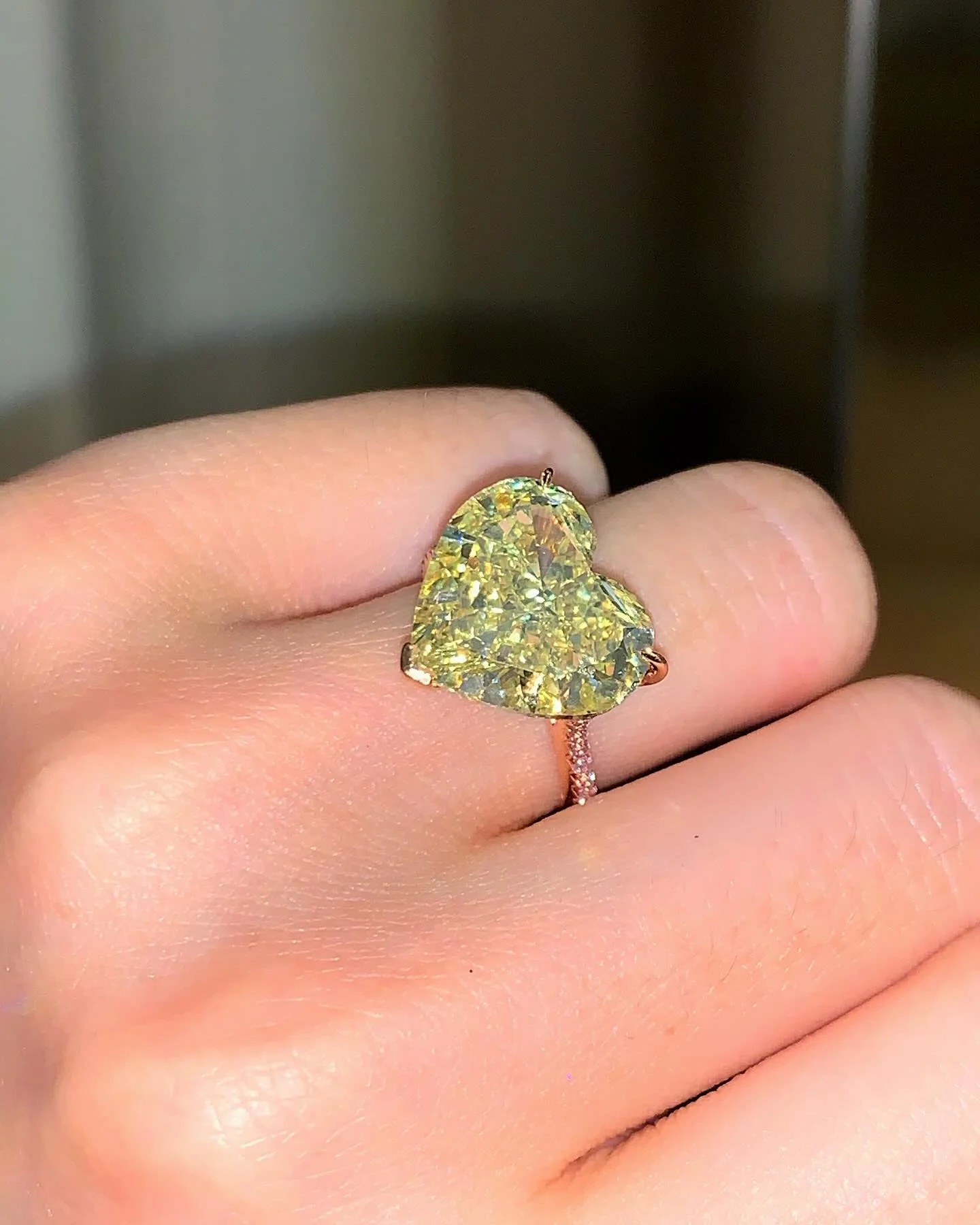
From the Legacy vault — each one-of-a-kind, independently certified.
A private advisor answers on the figures in this guide — and places any piece from the vault within them, certificate first.
More from Diamond EducationAll Guides →
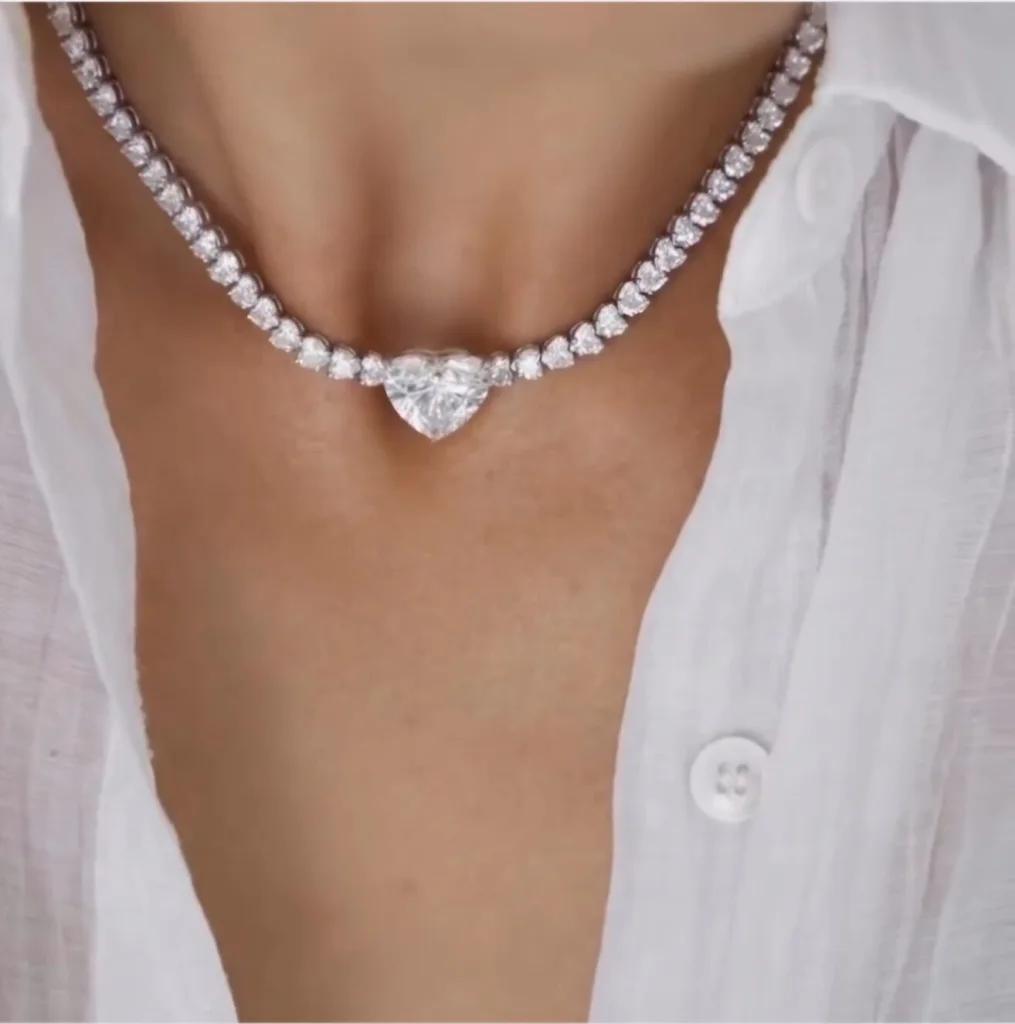 Diamond Necklace Price Guide: 50 to 100 CaratsDIAMOND EDUCATION · AUG 31, 2026
 15+ Carat Diamond Price Guide: What It Actually CostsDIAMOND EDUCATION · AUG 31, 2026
 10 Carat Diamond Ring Price Guide: What It Actually CostsDIAMOND EDUCATION · AUG 31, 2026
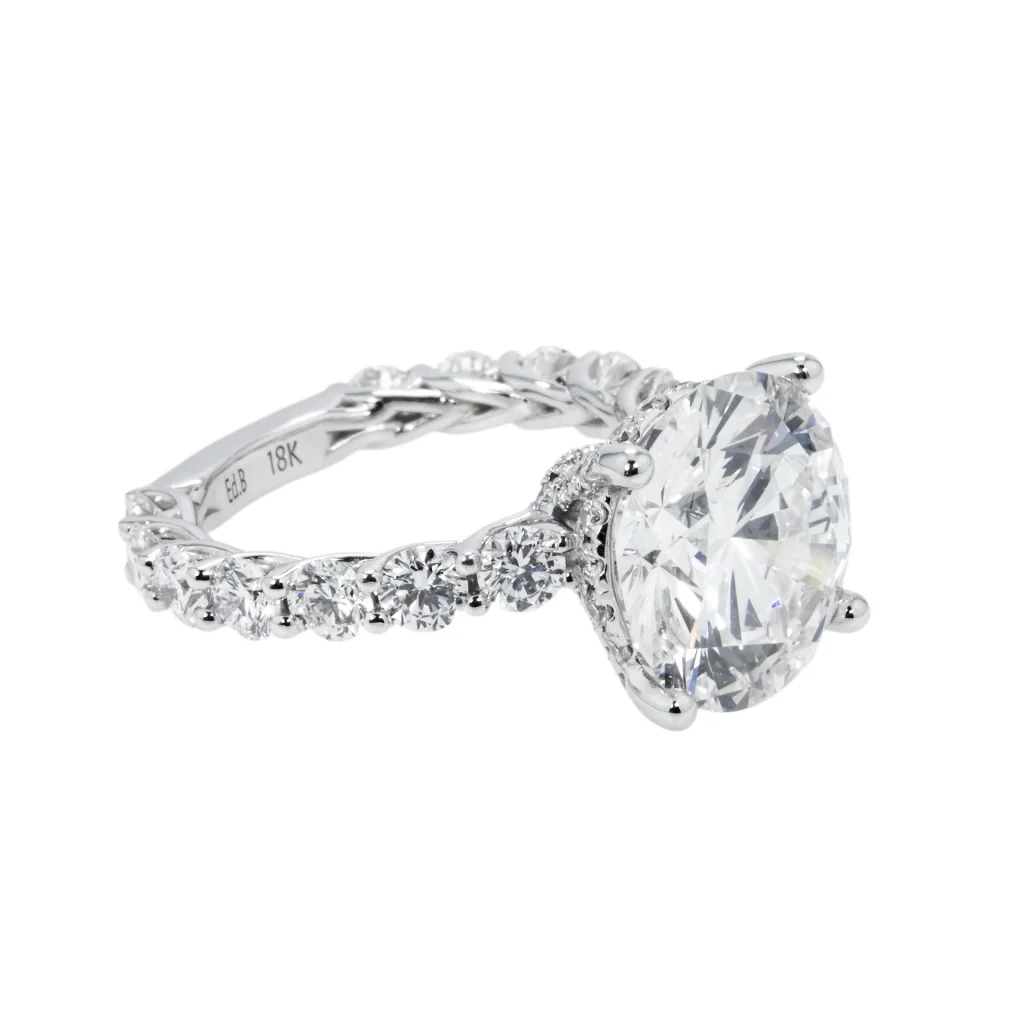 9 Carat Diamond Ring Price Guide: What It Actually CostsDIAMOND EDUCATION · AUG 31, 2026
 7 Carat Diamond Ring Price Guide: What It Actually CostsDIAMOND EDUCATION · AUG 31, 2026
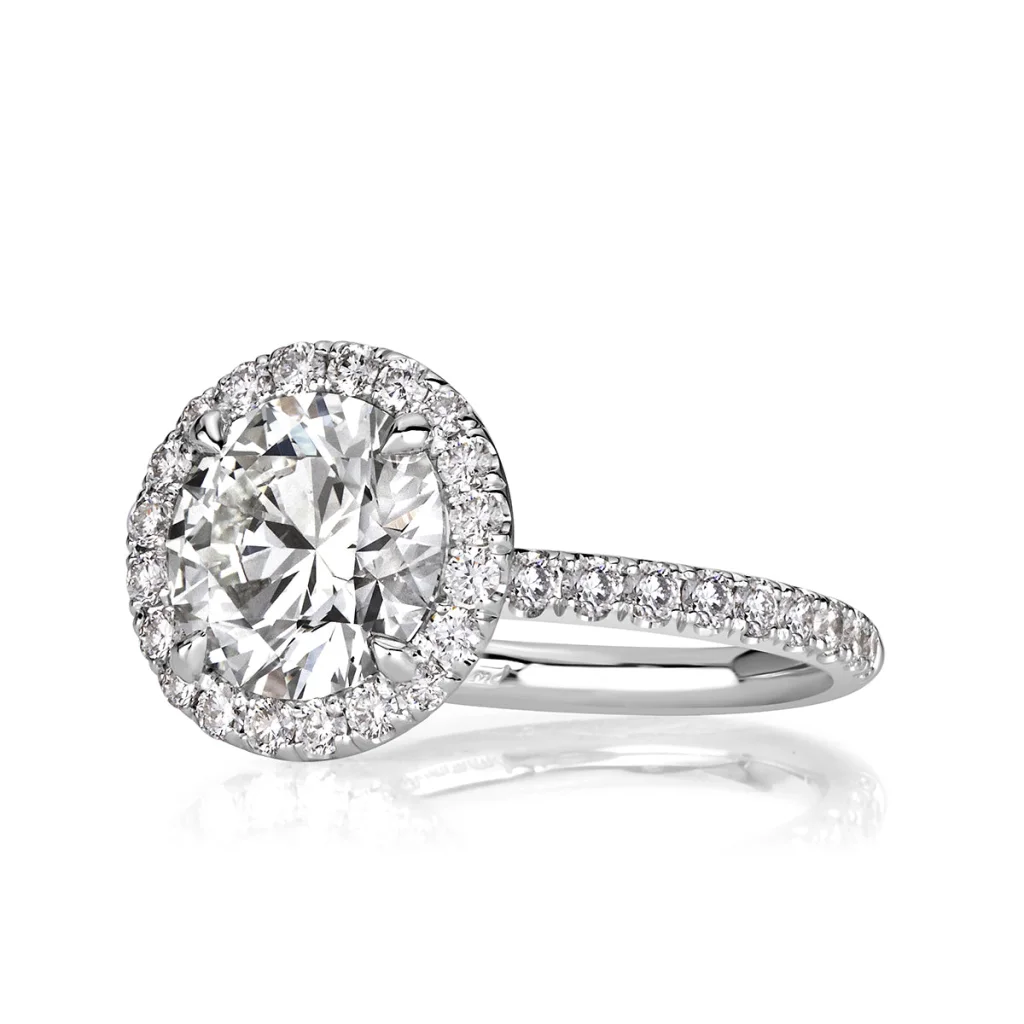 5 Carat Diamond Ring Price Guide: What It Actually CostsDIAMOND EDUCATION · AUG 31, 2026
The Vault, Continued
Every piece one-of-a-kind, every price published. Keep scrolling — the vault does not end here.