Diamond Education · The House Guides
Suggesting a Price on Fine Jewelry: How Private Offers Work
Legacy publishes one honest price on every piece and lets clients privately suggest a price through consultation, rather than staging discounts in public.
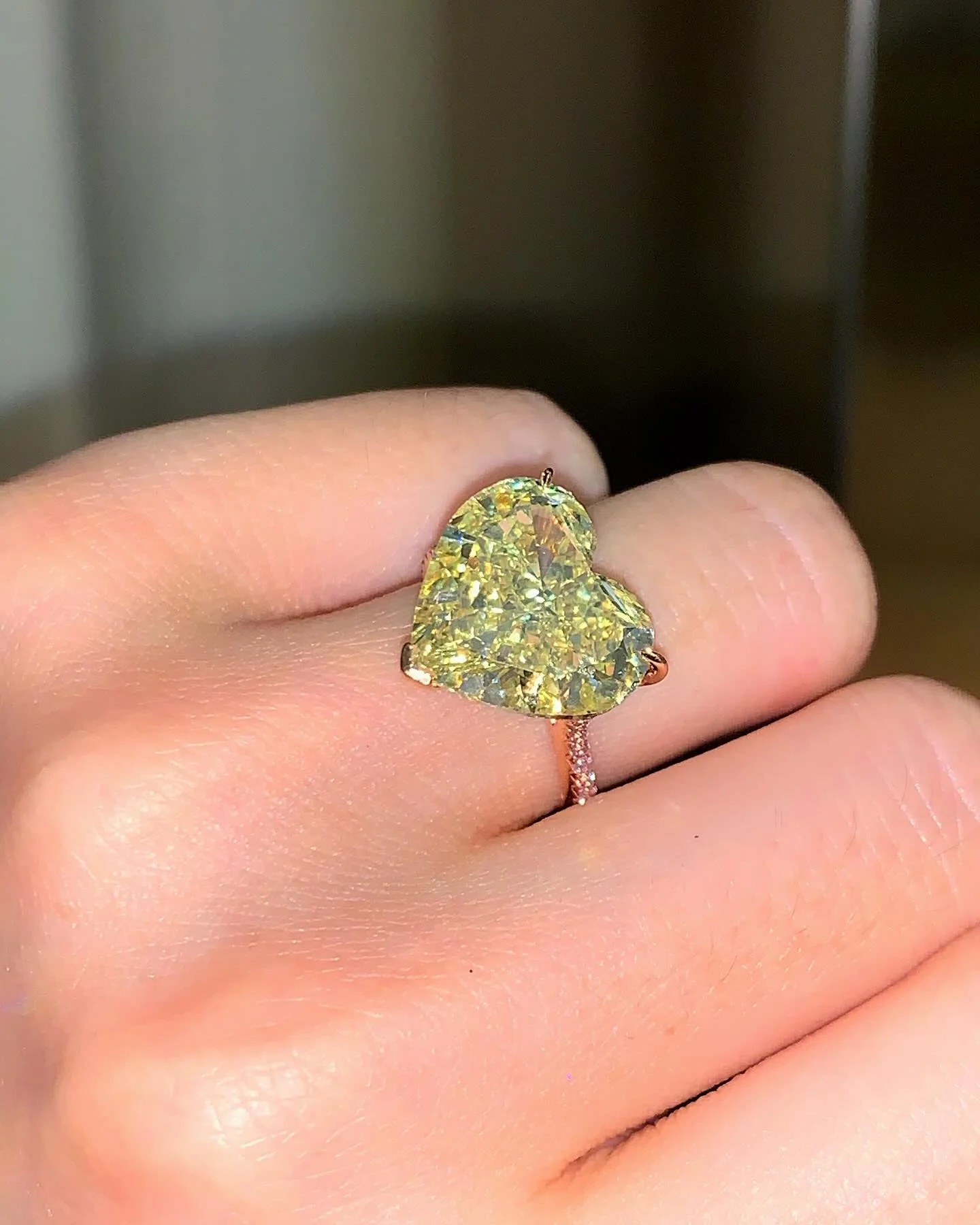
Every piece in Legacy’s collection carries one real public price; there are no strikethrough discounts and no inflated list prices designed to be negotiated down. A client who wishes to suggest a different figure does so privately, through a consultation rather than in public listing comments or checkout fields, and the house responds honestly on whether that figure is workable for the specific stone.
Why one public price, not a negotiated one
Many jewelry retailers list an inflated price and expect it to be negotiated down, which makes the displayed figure meaningless and forces every buyer into a haggling exercise before they can learn what a piece actually costs. Legacy takes the opposite approach: the number shown is the number the house believes the piece is fairly worth, arrived at from the stone’s certified characteristics, its rarity within the current collection, and market context. That single honest price is what a client compares across pieces, laboratories and carat weights without needing to first work out how much of the sticker price is theatre.
This matters more, not less, at the level Legacy operates. A buyer comparing a handful of five- or six-figure pieces cannot sensibly evaluate them if each price is a starting position rather than a real one; the comparison collapses into guessing how much each seller is willing to move, rather than comparing the actual stones on their merits. A single honest price restores that comparison.
How the private offer process works
A client interested in suggesting a price does so directly with the house, typically by starting a private consultation, in person or by live video, rather than through a public channel such as a listing comment or a checkout field. The house reviews the suggested figure against the piece’s certification, provenance and current position in the collection, then responds directly and honestly about whether it can be accepted, countered, or is simply not workable for that particular stone. There is no public back-and-forth, no visible discount badge, and no pressure tactic attached to the conversation. A client can raise the subject as part of a broader conversation about a piece, alongside questions about certification, sizing or delivery, rather than treating it as a separate transaction.

What makes an offer more likely to succeed
An offer grounded in the piece’s own characteristics tends to fare better than one based on a round number alone. A client who has reviewed the certificate, understands where the stone sits within comparable pieces in the collection, and can explain why a particular figure is fair gives the house something concrete to evaluate. Offers on pieces that have been in the collection longer, or on stones without an especially rare combination of color and clarity, tend to have more room than offers on a recently listed, exceptional stone still drawing strong interest from other collectors. A client considering more than one piece is also welcome to raise several offers within the same consultation, since the house can weigh them against each other honestly rather than treating each as an isolated negotiation.
What doesn’t work
Fixed discount percentages pulled from unrelated purchases, offers made without having seen the certificate, or pressure framed around artificial deadlines rarely move a conversation forward, because the house’s pricing was not built around a hidden margin waiting to be uncovered. A private offer is a genuine conversation about a specific stone’s value, not a ritual where a fixed percentage is expected to be knocked off automatically. Comparisons to unrelated pieces, or to prices seen elsewhere without matching certification, laboratory and provenance, also tend not to be productive, since they are not actually comparing the same thing.
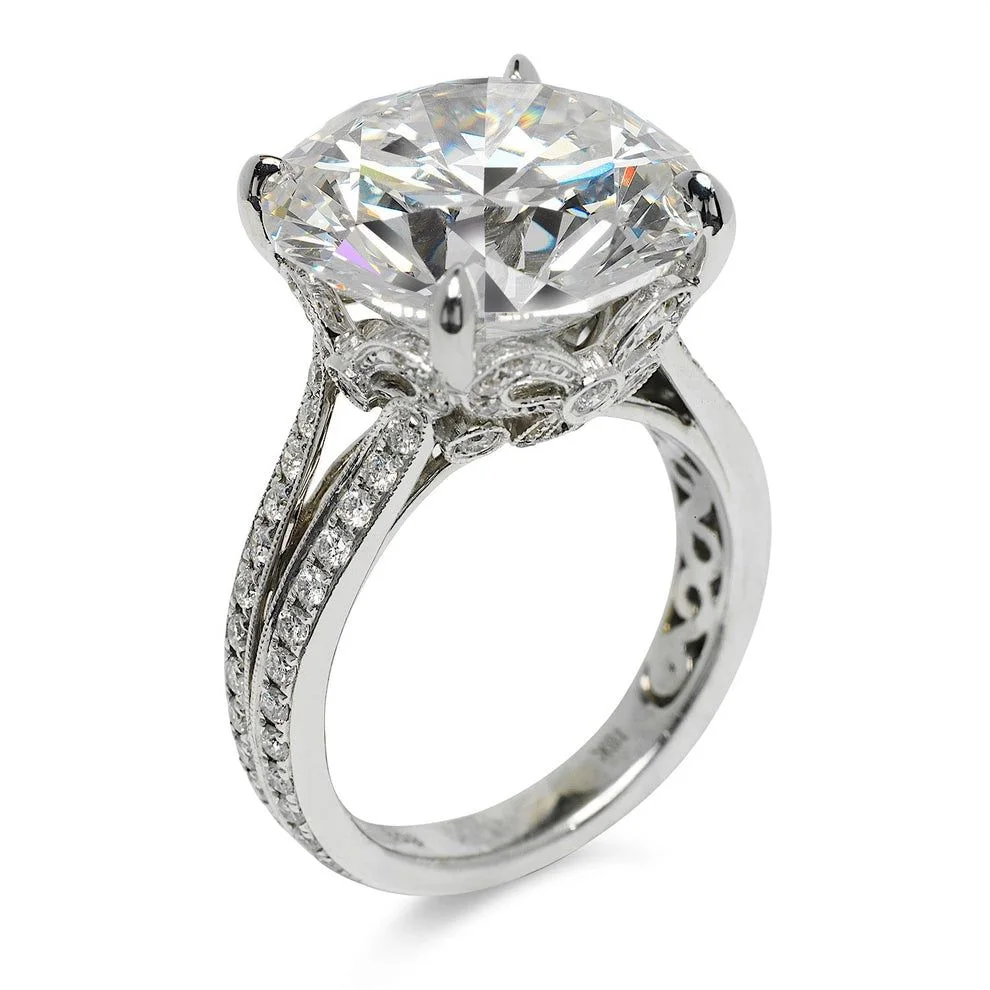
Why this is handled privately rather than in public
Keeping the offer conversation private protects both sides. The client can propose a figure without it becoming a visible, permanent marker attached to the listing, and the house can respond honestly without setting a public precedent that every other buyer then expects to be matched regardless of a stone’s individual qualities. It also keeps the one displayed price meaningful for every other client browsing the same collection, since that number was never designed to be discounted in the first place. A private conversation additionally allows the house to explain, where relevant, why a particular figure is not workable for a specific stone, in a way a public discount policy never could.
What happens once a figure is agreed
Once a suggested price is accepted, the transaction proceeds exactly as any other purchase would: certification arranged through the client’s chosen laboratory, private viewing available beforehand if not already completed, and Brink’s-insured door-to-door delivery worldwide once everything is confirmed. Agreeing a figure privately changes nothing about how the piece itself is handled, verified or delivered; it only changes the number both sides settled on to reach that point.
Nothing about the underlying stone changes because a figure was agreed privately rather than paid at the listed price. The same gemologist’s assessment, the same certification process, and the same door-to-door insured delivery apply either way, which is deliberate: the private conversation exists to reach a fair number for a specific client and stone, not to create a cheaper or lesser version of the purchase experience.
How this differs from buying at auction or through a dealer
At auction, price is set by open competitive bidding in the moment, which can push a piece well above or below its underlying value depending purely on who else is in the room that day. Buying through a private dealer, by contrast, often means starting from an intentionally inflated figure with an unstated expectation of negotiation, leaving a buyer to guess how far the number can genuinely move. Legacy’s model sits between the two: one honestly calculated price as the starting point, with a private channel for a client to suggest a different figure if they believe one is warranted, evaluated case by case against the stone’s own characteristics rather than against a crowd’s mood or a dealer’s opening gambit.
The practical effect is that a client is never required to negotiate to reach a fair outcome, but the option remains available for those who wish to raise it, particularly on pieces where a client’s own research or comparison across the collection suggests a different figure might be reasonable. Both paths lead to the same honest conversation; nothing is hidden behind a public discount mechanic in either case.
Questions collectors ask
Can I negotiate the price shown on a Legacy listing?
The displayed price is the real, honest price for that piece, not an inflated figure designed to be talked down. Clients who wish to suggest a different figure can do so privately through a consultation, and the house will respond directly on whether it is workable for that specific stone.
Is there a standard discount Legacy applies to private offers?
No. Each stone is priced individually based on its certification, provenance and rarity, so there is no fixed percentage that applies across offers. What is workable for one piece may not be for another with a rarer combination of color and clarity, even at a similar price point.
Do I need to have chosen a piece before making an offer?
Yes, in practice an offer is made on a specific piece the client has reviewed, ideally alongside its certification, rather than as a general request for a discount across the collection. A consultation is the natural place to look closely at a piece and raise a figure in the same conversation.
How quickly does Legacy respond to a private offer?
Consultations, whether in person or by live video, allow for a direct conversation and a prompt, honest response, rather than a delayed or automated one. A client is not left waiting on an anonymous review process before hearing back.
Will making an offer affect how a piece is described or delivered?
No. Agreeing a private price changes nothing about certification, viewing arrangements or delivery. Every piece is still independently certified through the client’s chosen laboratory and shipped under Brink’s-insured cover worldwide, regardless of how the final price was reached.
Collectors who wish to discuss a figure privately can browse the ring collection or the high jewelry collection to identify a specific piece, then arrange a private consultation to talk through certification, provenance and price. For buyers weighing a significant purchase for the first time, the guide to buying high-value diamonds online safely covers the wider process end to end.
The Pieces in This GuideThe Vault →
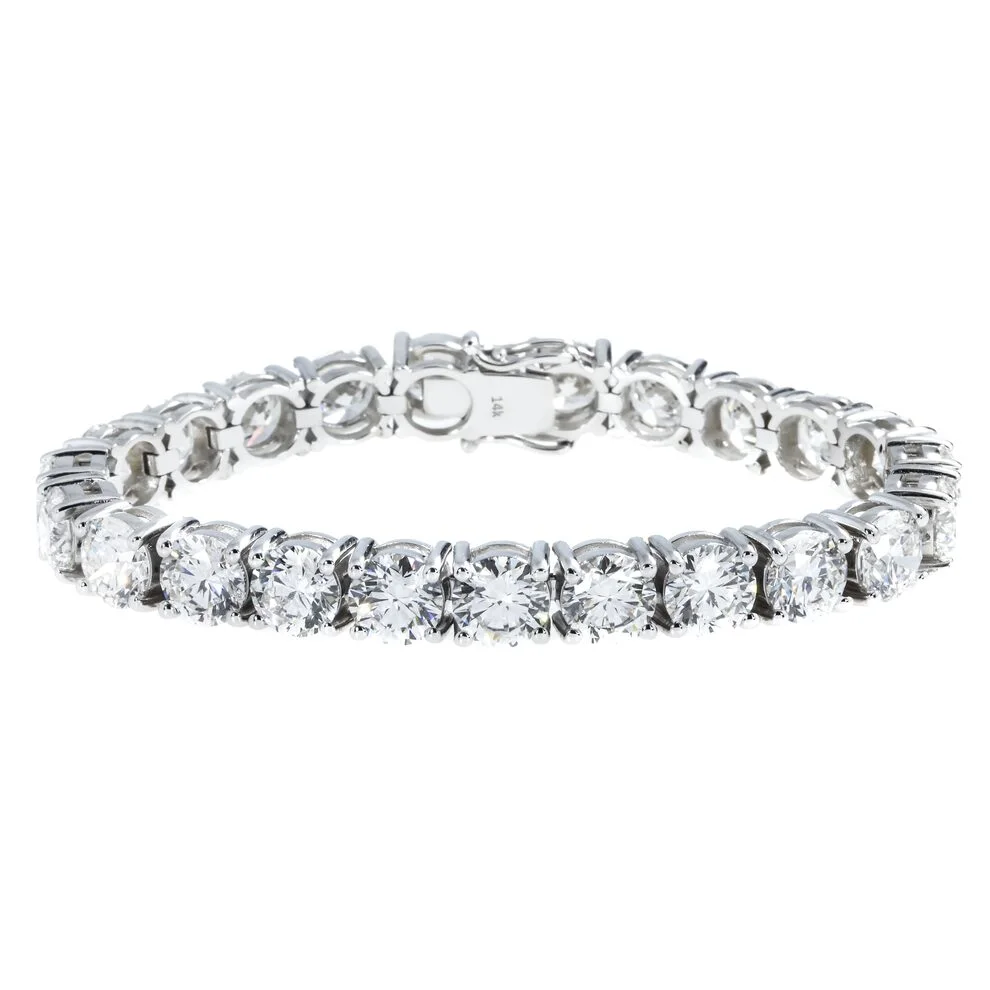
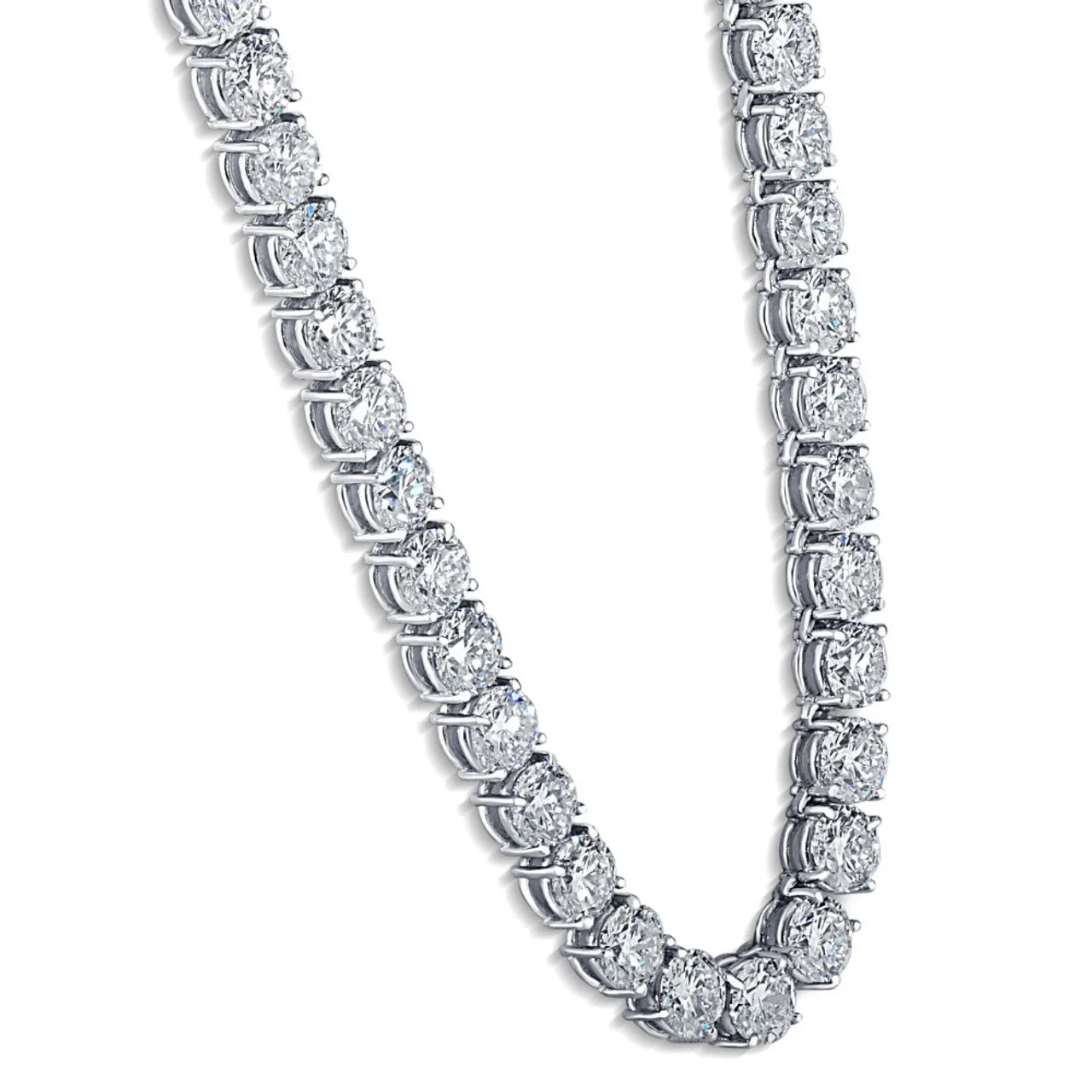
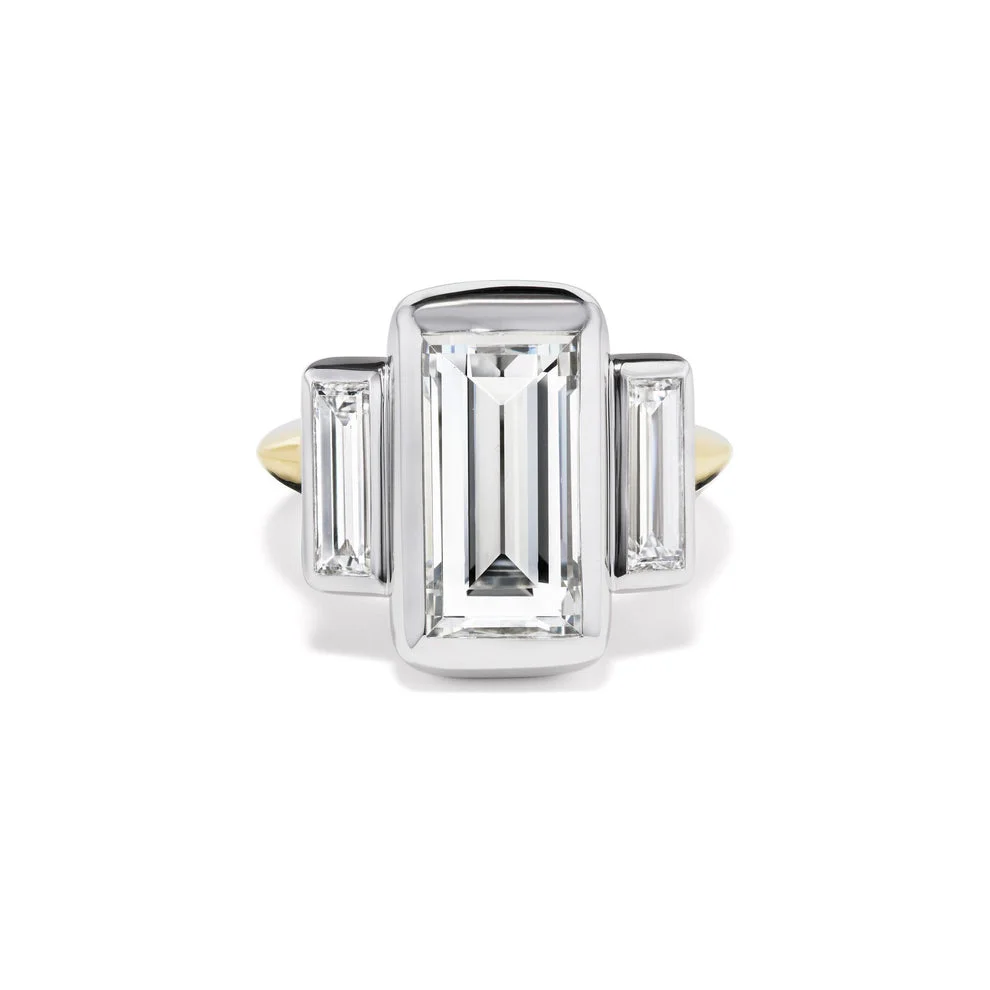
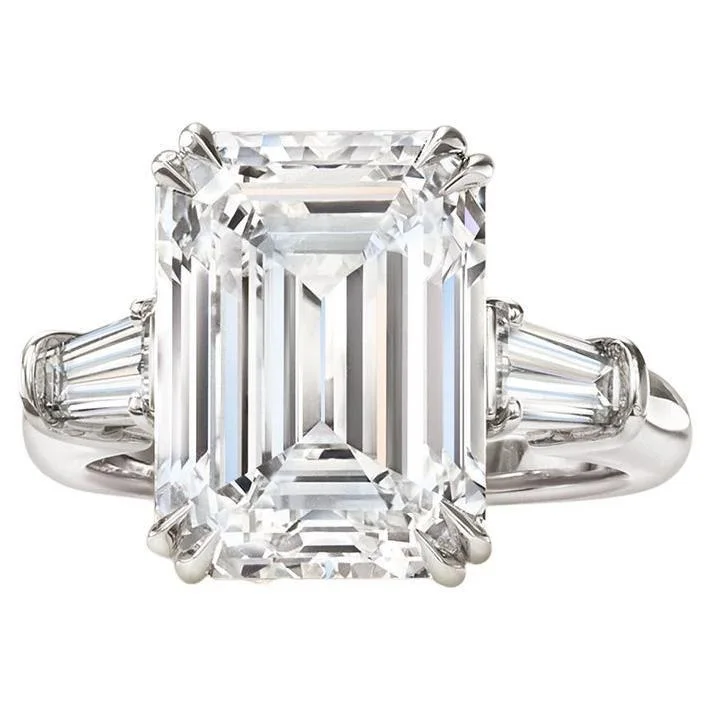
From the Legacy vault — each one-of-a-kind, independently certified.
A private advisor answers on the figures in this guide — and places any piece from the vault within them, certificate first.
More from Diamond EducationAll Guides →
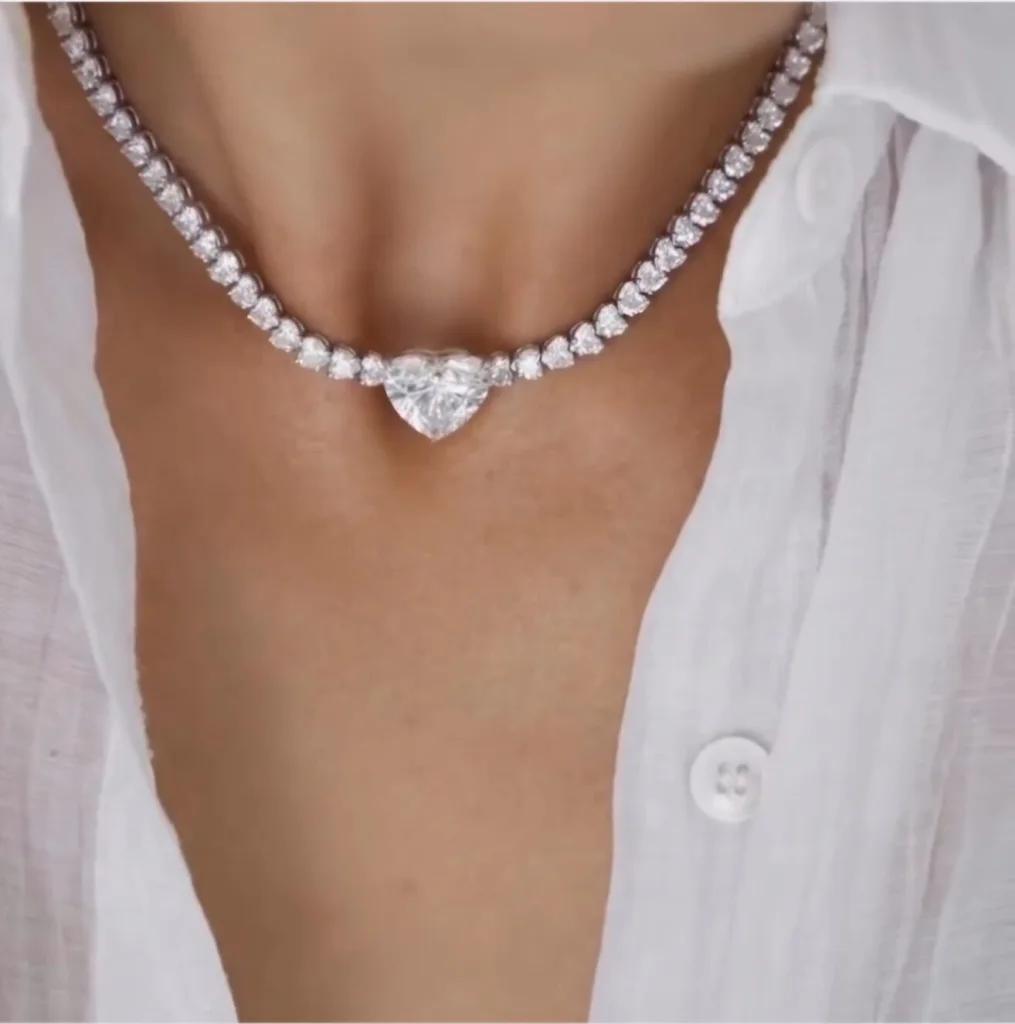 Diamond Necklace Price Guide: 50 to 100 CaratsDIAMOND EDUCATION · AUG 31, 2026
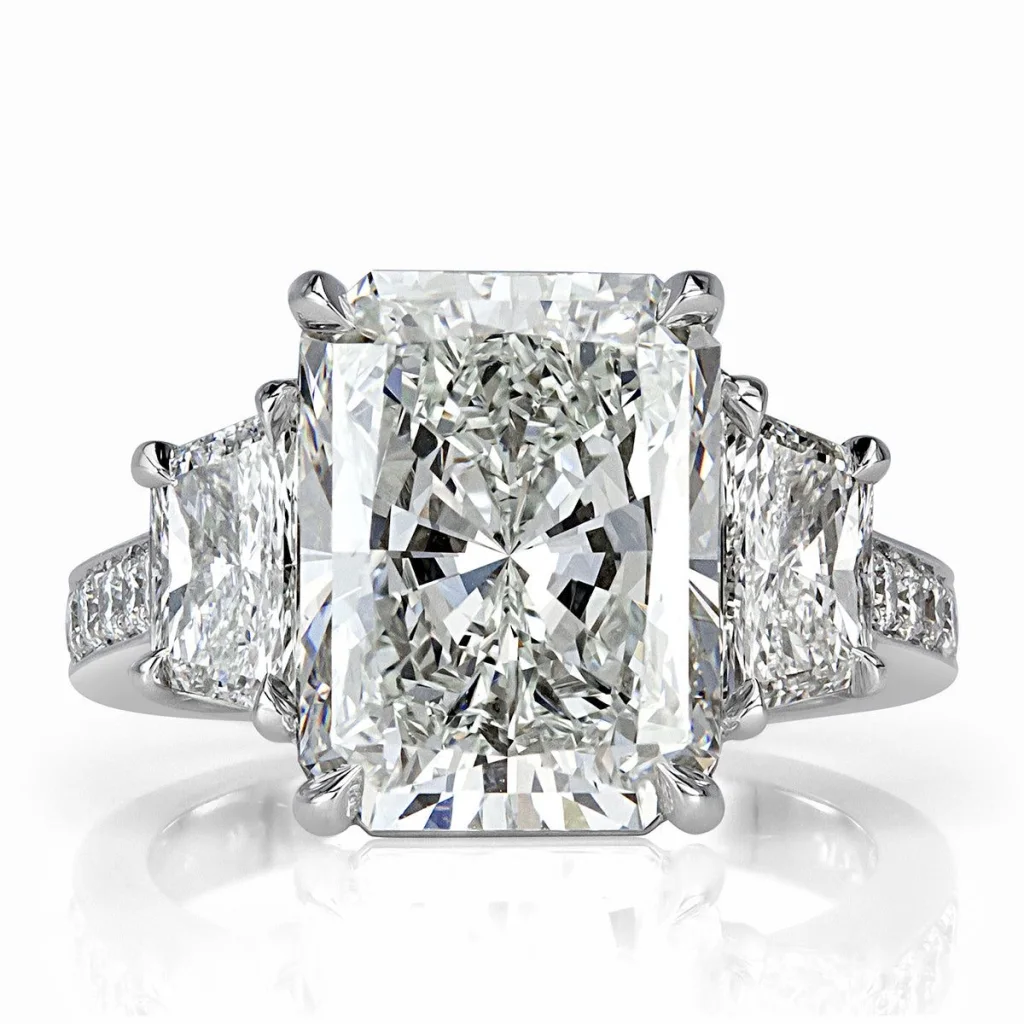 15+ Carat Diamond Price Guide: What It Actually CostsDIAMOND EDUCATION · AUG 31, 2026
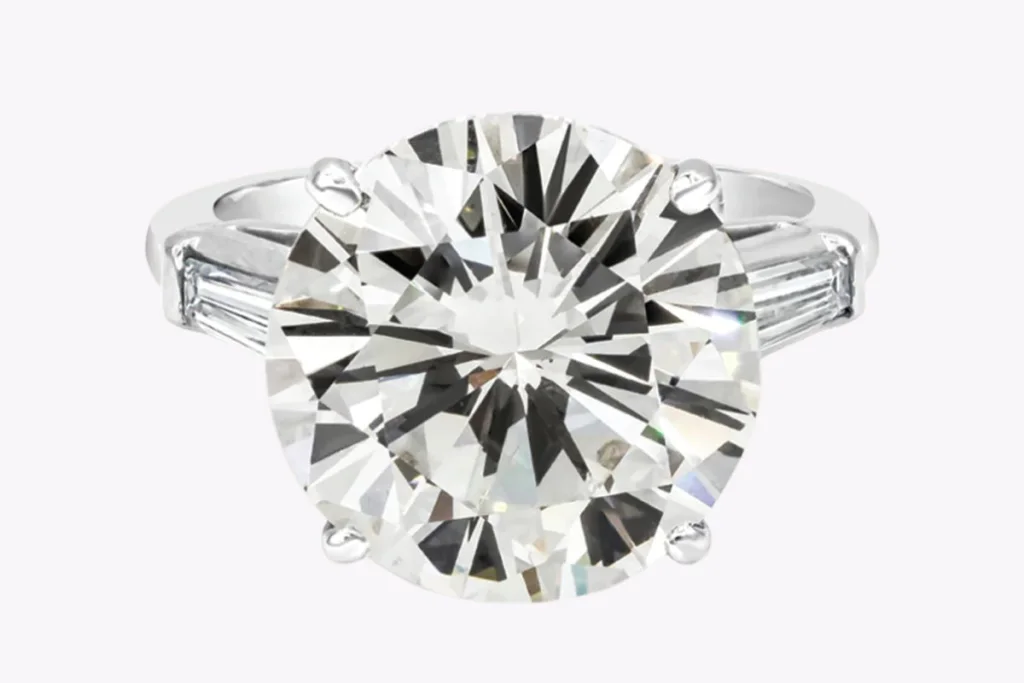 10 Carat Diamond Ring Price Guide: What It Actually CostsDIAMOND EDUCATION · AUG 31, 2026
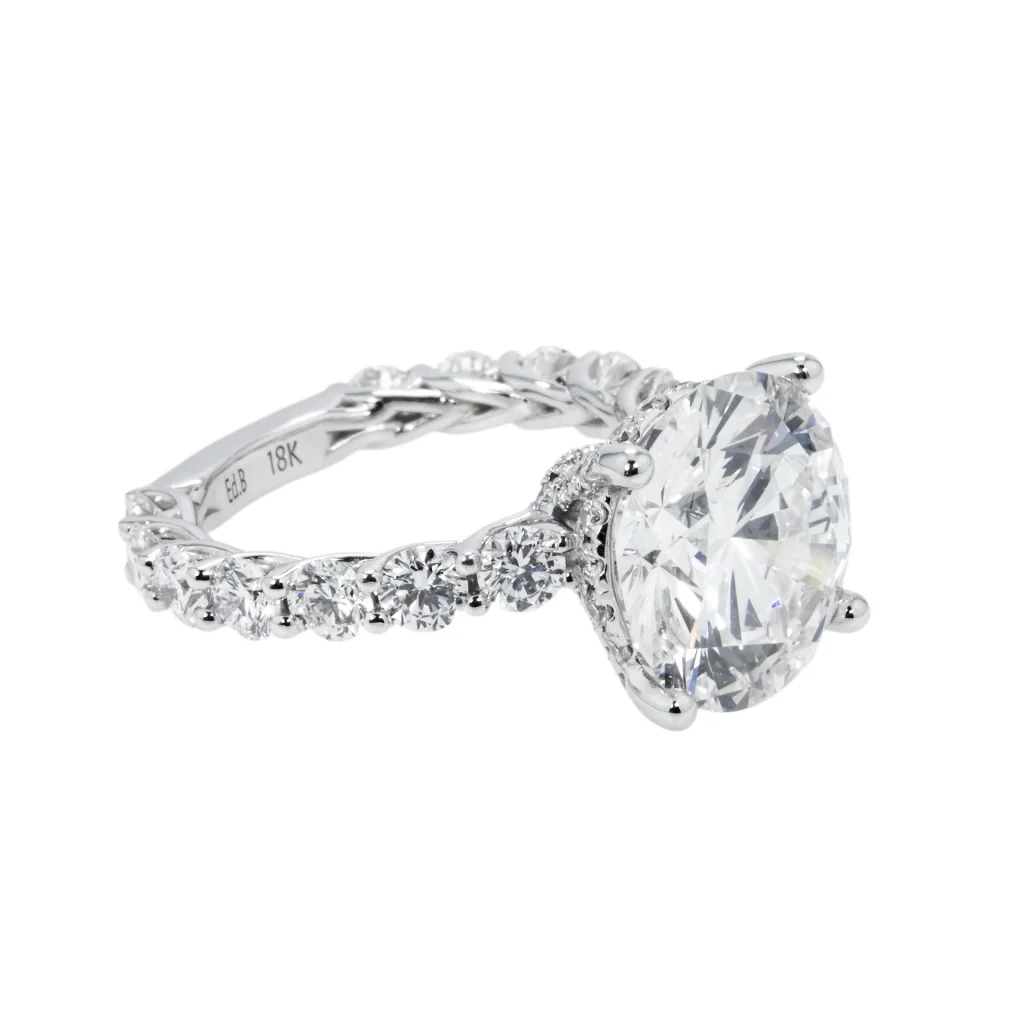 9 Carat Diamond Ring Price Guide: What It Actually CostsDIAMOND EDUCATION · AUG 31, 2026
 7 Carat Diamond Ring Price Guide: What It Actually CostsDIAMOND EDUCATION · AUG 31, 2026
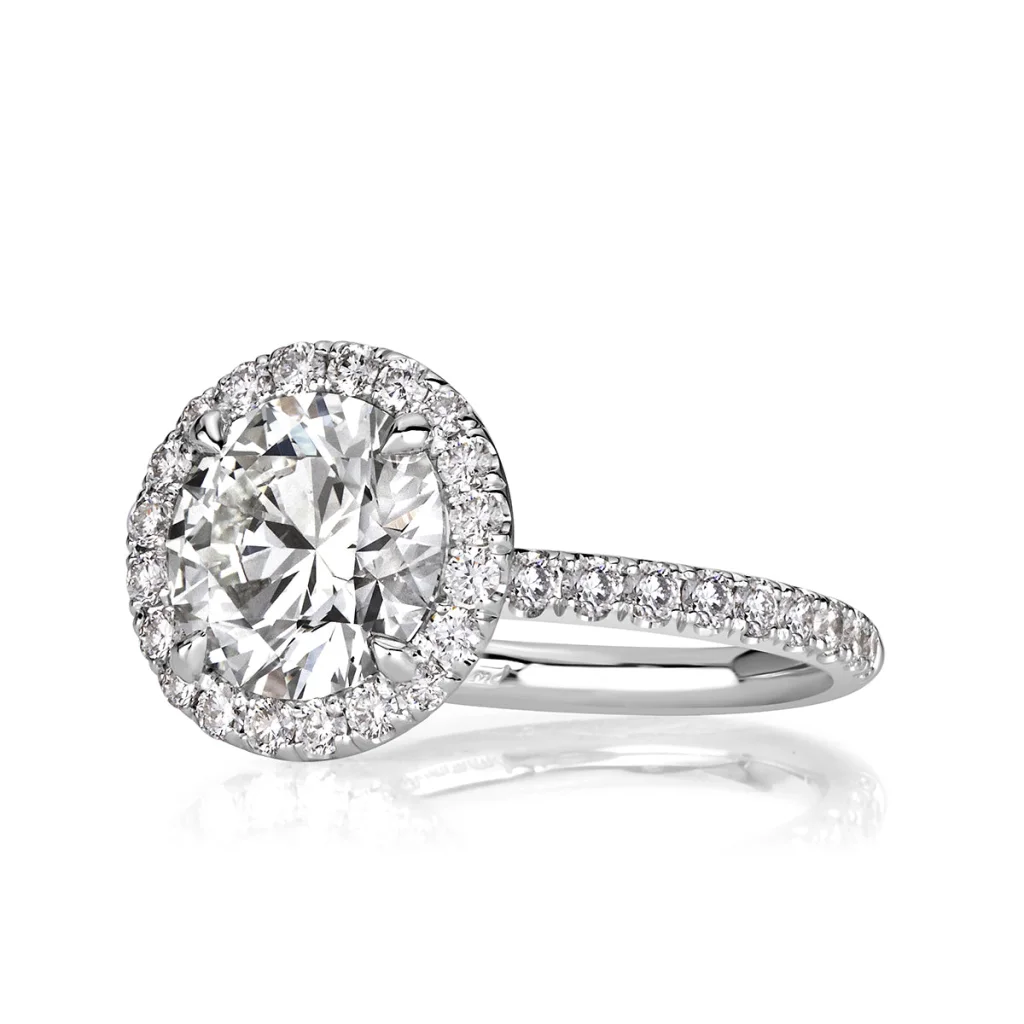 5 Carat Diamond Ring Price Guide: What It Actually CostsDIAMOND EDUCATION · AUG 31, 2026
The Vault, Continued
Every piece one-of-a-kind, every price published. Keep scrolling — the vault does not end here.