Collecting · The House Guides
The Tennis Necklace: Carat Weight and Proportion
A guide to reading tennis necklaces by total carat weight, from entry pieces to 130-carat statement lines, using real pricing from Legacy's current collection.
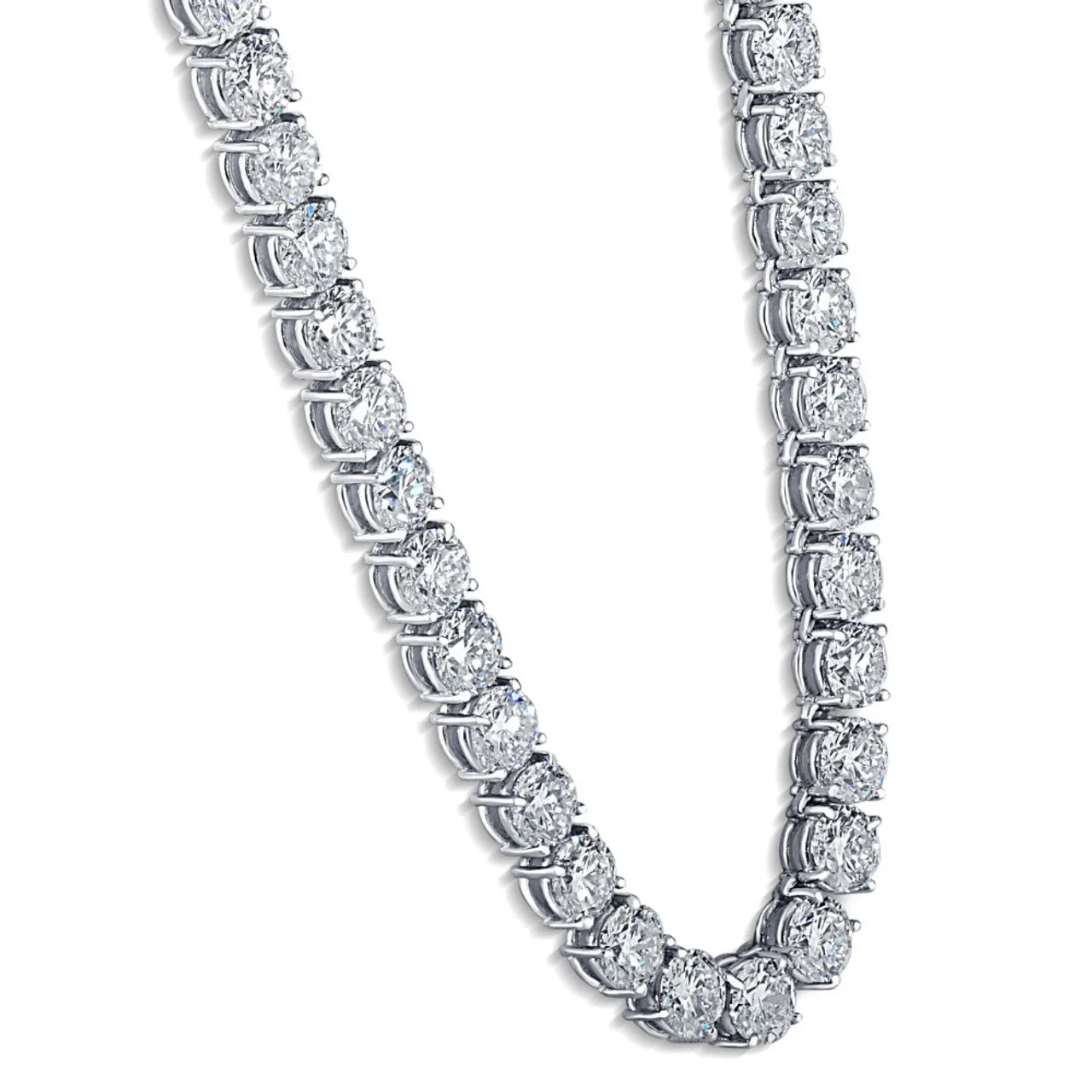
The variable that moves the price more than any other is total carat weight, not the number of stones or the metal: a 10-carat line and a 50-carat line can carry near-identical craftsmanship, yet sit tens of thousands of dollars apart because of the diamond weight alone.
What “total carat weight” actually measures
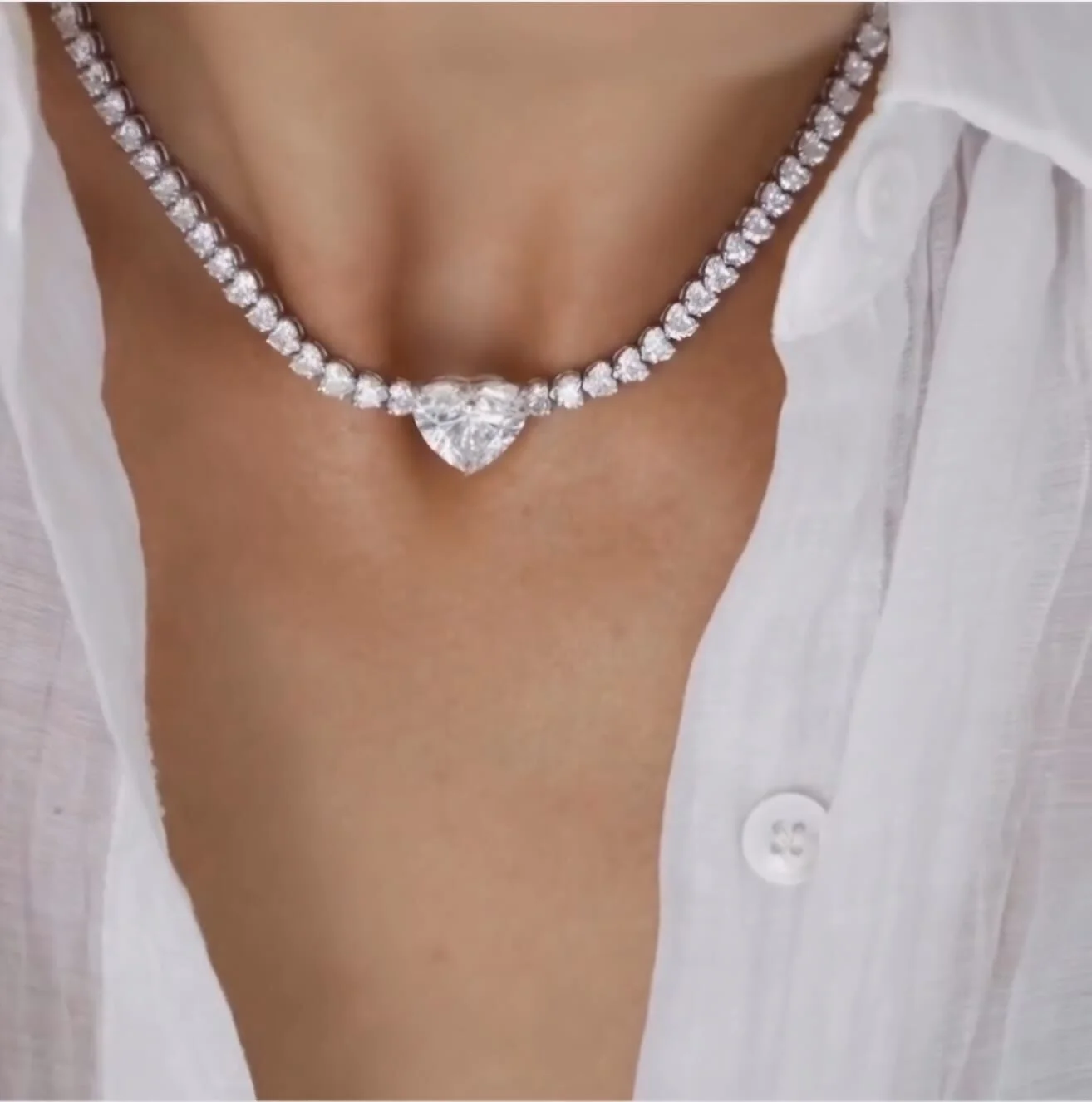
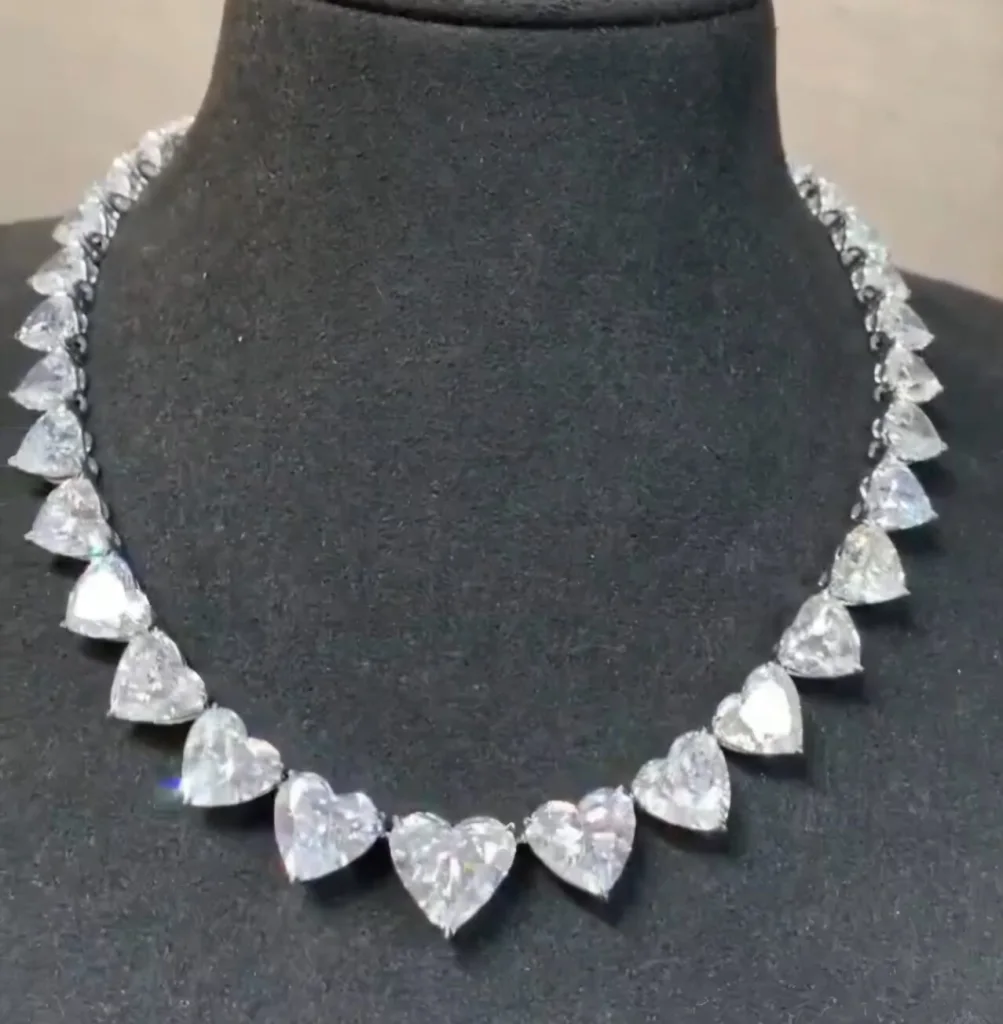
A tennis necklace is a continuous line of individually set diamonds, and its total carat weight (often abbreviated TCW) is the sum of every stone in the line, not the size of any single diamond. A 50-carat necklace built from 80 stones might average 0.625 carats each, while a 40-carat piece built from 57 heart-shaped diamonds, such as Legacy’s 40-Carat Heart Diamond Tennis Necklace, averages closer to 0.70 carats per stone. Two necklaces with the same TCW can look and price differently depending on whether the weight is spread across more, smaller stones or fewer, larger ones. When you are comparing quotes, always ask for both the total carat weight and the per-stone size range; TCW alone does not tell you what the necklace will look like on the neck, and the two figures together are the minimum specification needed to compare two pieces fairly.
Per-stone size versus total carat weight: which matters more
For everyday wear, per-stone size governs how the necklace reads at conversation distance; total carat weight governs the price tag and the resale or insurance valuation. A 30-carat necklace with 60 stones at 0.50 carats each will sit close to the collarbone with a fine, continuous shimmer. A 30-carat necklace with 40 stones at 0.75 carats each will read visibly larger, stone by stone, at the same total weight and often a comparable price. If your priority is visual scale on the neck, ask for the per-stone carat average, not just the TCW. If your priority is a defined collection asset with a clear valuation, total carat weight is the number that will appear on the certificate summary and the insurance schedule.
Length and graduation: how the necklace sits
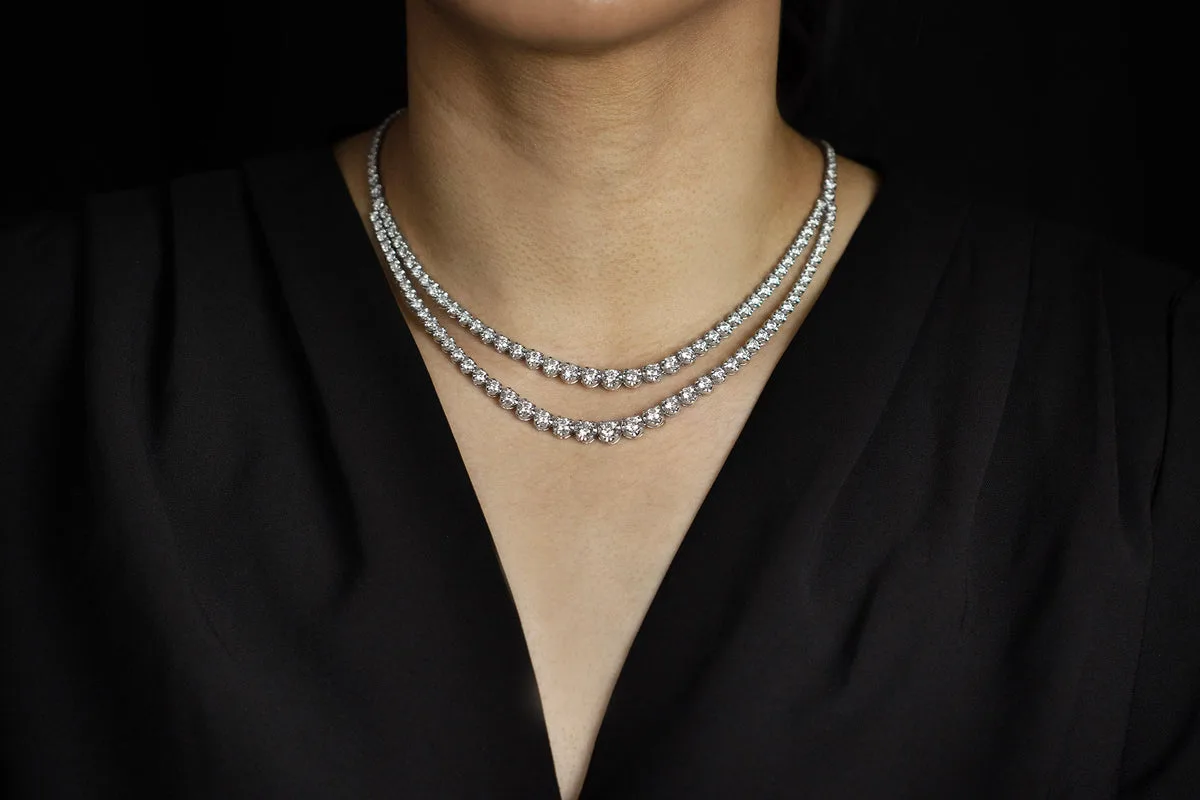
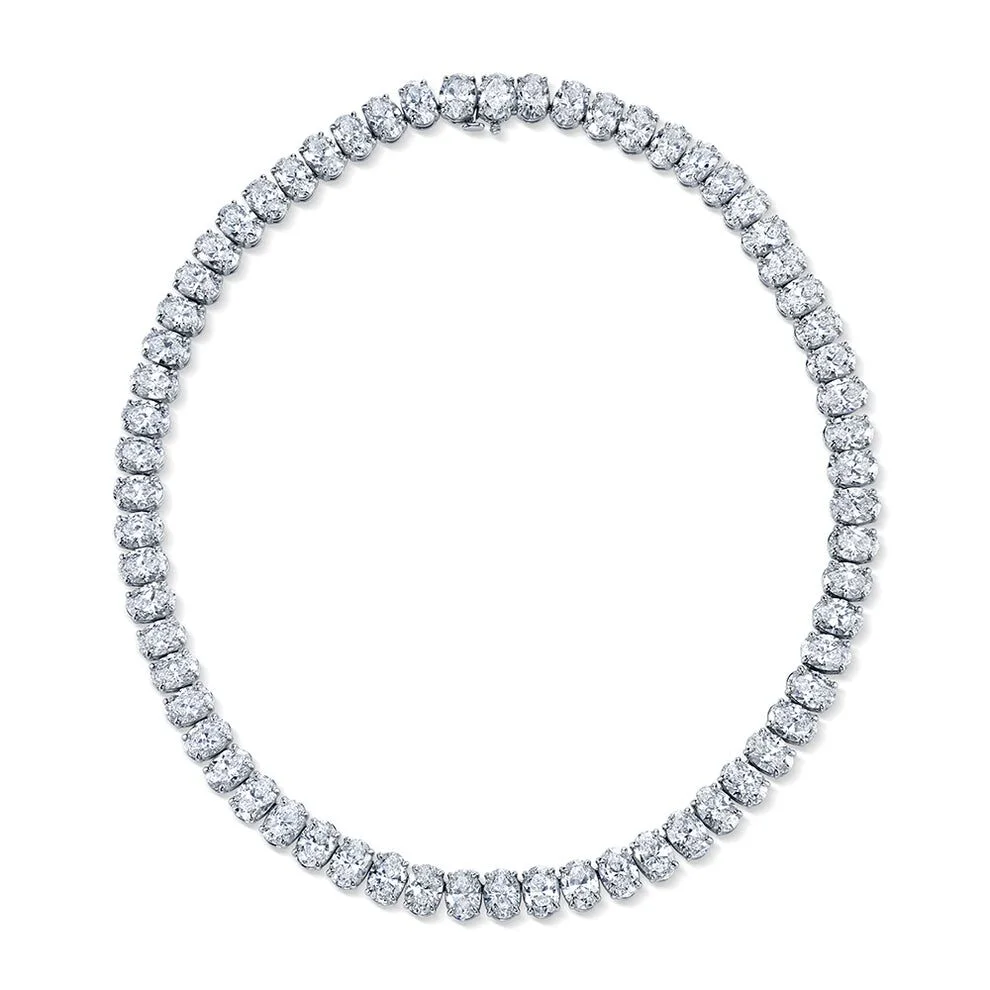
Most tennis necklaces are built as a continuous line of same-size (or near-same-size) stones set at a uniform width along the full length, typically 14 to 17 inches, sitting at or just below the collarbone. This is the defining difference from a riviera necklace, where stones graduate in size from a larger center stone down to smaller stones at the clasp. A tennis necklace’s uniform sizing is part of its identity: it is built for continuous brilliance rather than a focal point. When commissioning one, length should be fitted to the individual’s neck rather than left at a standard 16 inches, since even half an inch changes how the line sits against the collarbone.
Where riviera pricing diverges
A collector choosing between the two formats is really choosing between continuous uniform brilliance in a tennis necklace and a graduated focal point in a riviera; our dedicated guide to riviera necklaces and graduated diamond mathematics covers that distinction in full.
What drives price within the same carat band
Two 50-carat necklaces are rarely priced the same. Color (D-H is the range most commonly seen in Legacy’s collection), clarity (VVS-VS predominates), cut shape (round brilliant versus emerald or heart shapes), and metal all move the price within a given carat band. Fancy shapes such as the heart-cut stones in the 40-carat piece referenced above typically command a premium over round brilliants of equivalent weight, owing to the higher rough-diamond wastage in cutting. Every stone in a Legacy tennis necklace is selected individually rather than bought in parcel lots, and independently certified by GIA, IGI or HRD, with the choice of laboratory arranged on request.
Setting and metal choices
Most tennis necklaces are set in platinum or 18K white gold, both of which recede visually behind the stones and reinforce a continuous line of white light. Yellow and rose gold settings are also available across the collection and shift the overall tone of the piece, warming the appearance of the diamonds slightly rather than leaving them to read as pure white. The setting style itself, typically a shared-claw or four-prong construction running link to link, affects how much metal is visible between stones: a tighter claw setting produces a closer, more continuous line, while a more open setting lets each stone read as a slightly more distinct unit. Neither is objectively superior; the choice comes down to whether you want the necklace to read as one continuous band of light or as a sequence of individually visible stones.
Care, resale and insurance
A tennis necklace is worn against skin and fabric more consistently than most other diamond formats, which makes periodic inspection of the claws and links worthwhile, ideally once a year, to catch any loosening before a stone is at risk of falling free. For insurance purposes, total carat weight, together with the certificate for each stone or a summary certificate for the line, is the figure an insurer will use to set replacement value, which is another reason to keep the TCW documentation separate from a general appraisal of ‘how the piece looks.’ On resale, well-matched, well-certified lines hold their value more predictably than mixed-parcel pieces, since a buyer can verify exactly what they are acquiring against the paperwork rather than relying on a visual assessment alone.
Questions collectors ask
How many carats should a tennis necklace be?
There is no fixed rule; it depends on budget and how prominent you want the piece to read. Within Legacy’s collection, 25 to 50 carats is the most common range for a necklace intended for regular formal wear, while pieces above 80 carats are generally acquired as standalone statement assets rather than everyday jewelry.
Is total carat weight the same as the size of each diamond?
No. Total carat weight is the sum across every stone in the necklace. A 50-carat necklace could be built from 70 stones at roughly 0.70 carats each, or from 100 smaller stones; always ask for the per-stone range alongside the TCW figure.
Why do two necklaces with the same carat weight cost differently?
Color grade, clarity grade, cut shape and the number of individual stones all affect price independently of total carat weight. A 50-carat line of D-color, VVS-clarity emerald cuts will price well above a 50-carat line of lower color and clarity round brilliants.
What length tennis necklace should I choose?
Most sit between 14 and 17 inches to rest at or just below the collarbone. The right length depends on neck size and how the piece will be worn; Legacy fits length to the individual on request rather than defaulting to a standard measurement.
Legacy’s current tennis and riviera collection and the broader necklace collection can both be viewed with full certification and pricing on request. Every piece is independently certified, arranged through Brink’s-insured delivery worldwide, and available for private viewing in person or by live video. Clients are welcome to privately suggest a price on any piece, or to arrange a private consultation to discuss total carat weight, proportions and stone matching in more detail. For necklaces at fifty carats and above, see our guide to diamond necklace prices at 50, 75 and 100 carats.
The Pieces in This GuideThe Vault →
From the Legacy vault — each one-of-a-kind, independently certified.
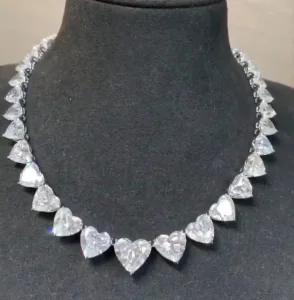
A private advisor answers on the figures in this guide — and places any piece from the vault within them, certificate first.
More from CollectingAll Guides →
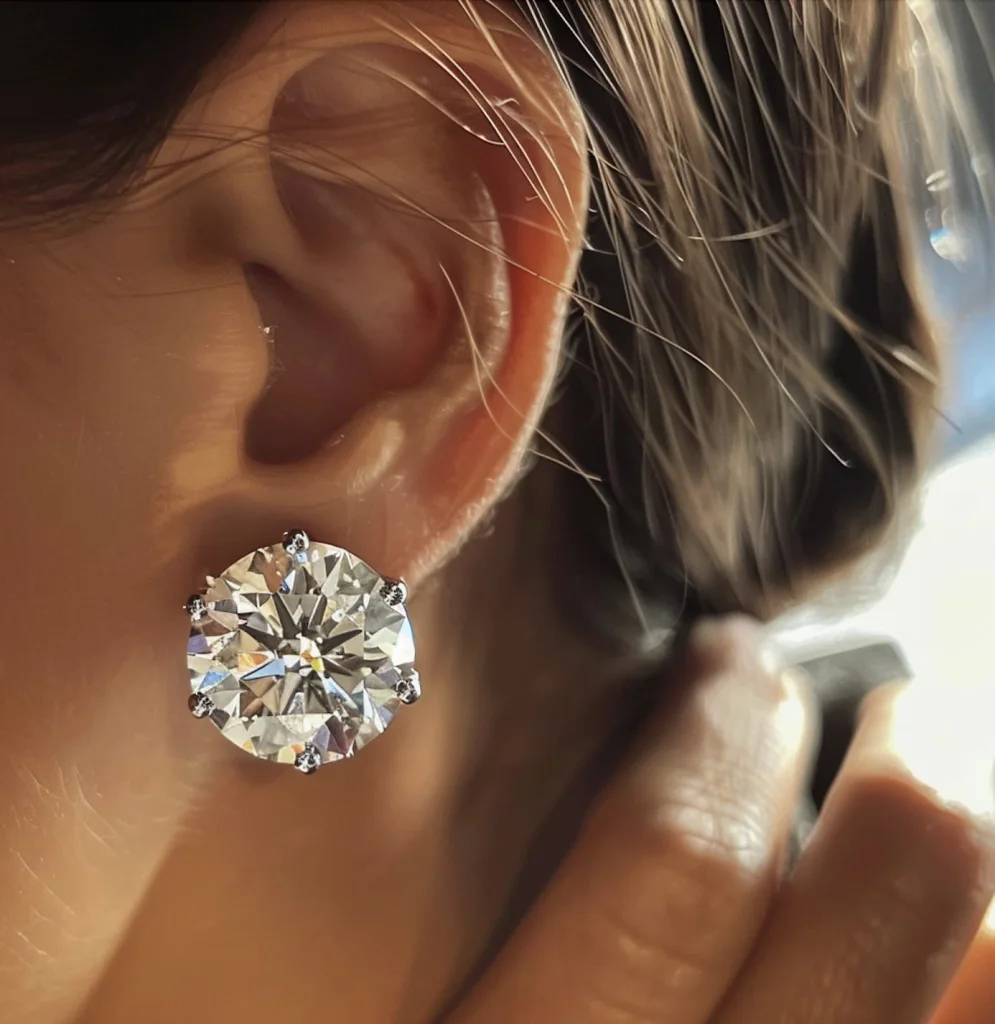 Diamond Earrings Price Guide: Studs, Drops, What They CostCOLLECTING · AUG 31, 2026
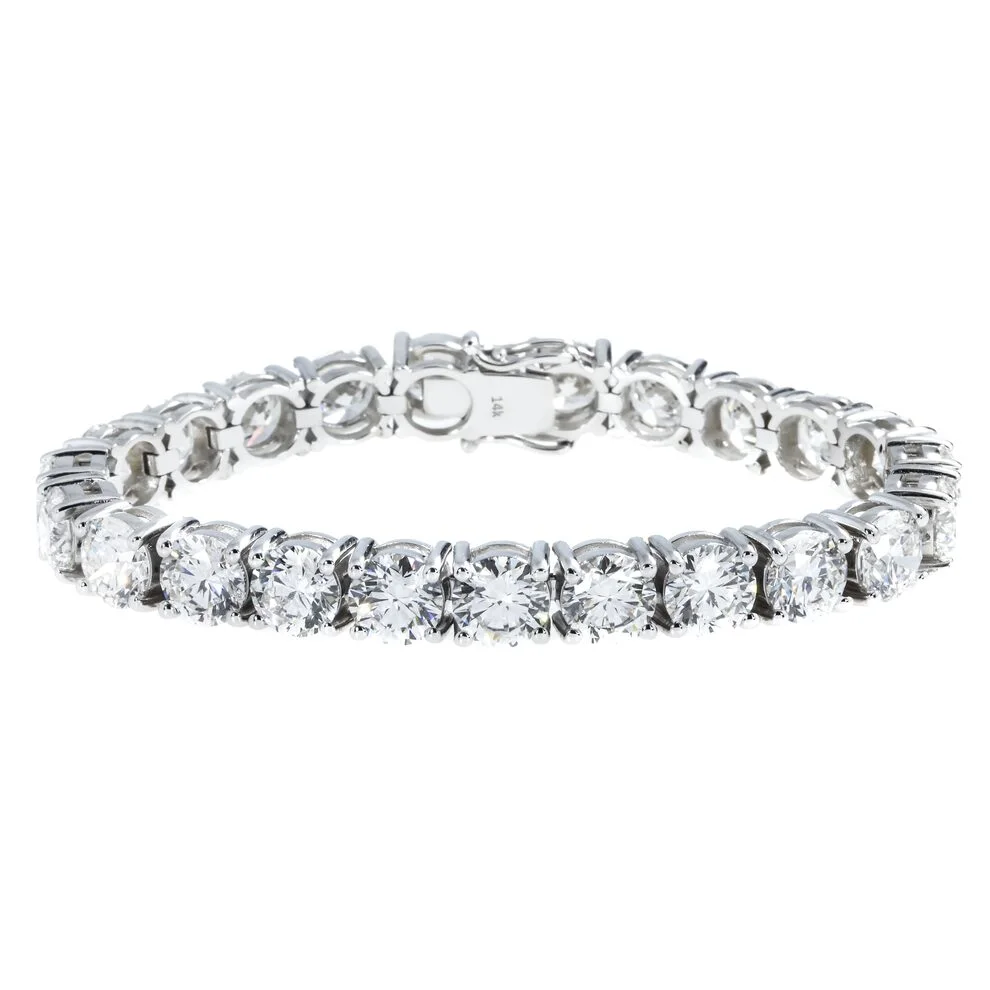 The Tennis Bracelet: A Buying GuideCOLLECTING · AUG 21, 2026
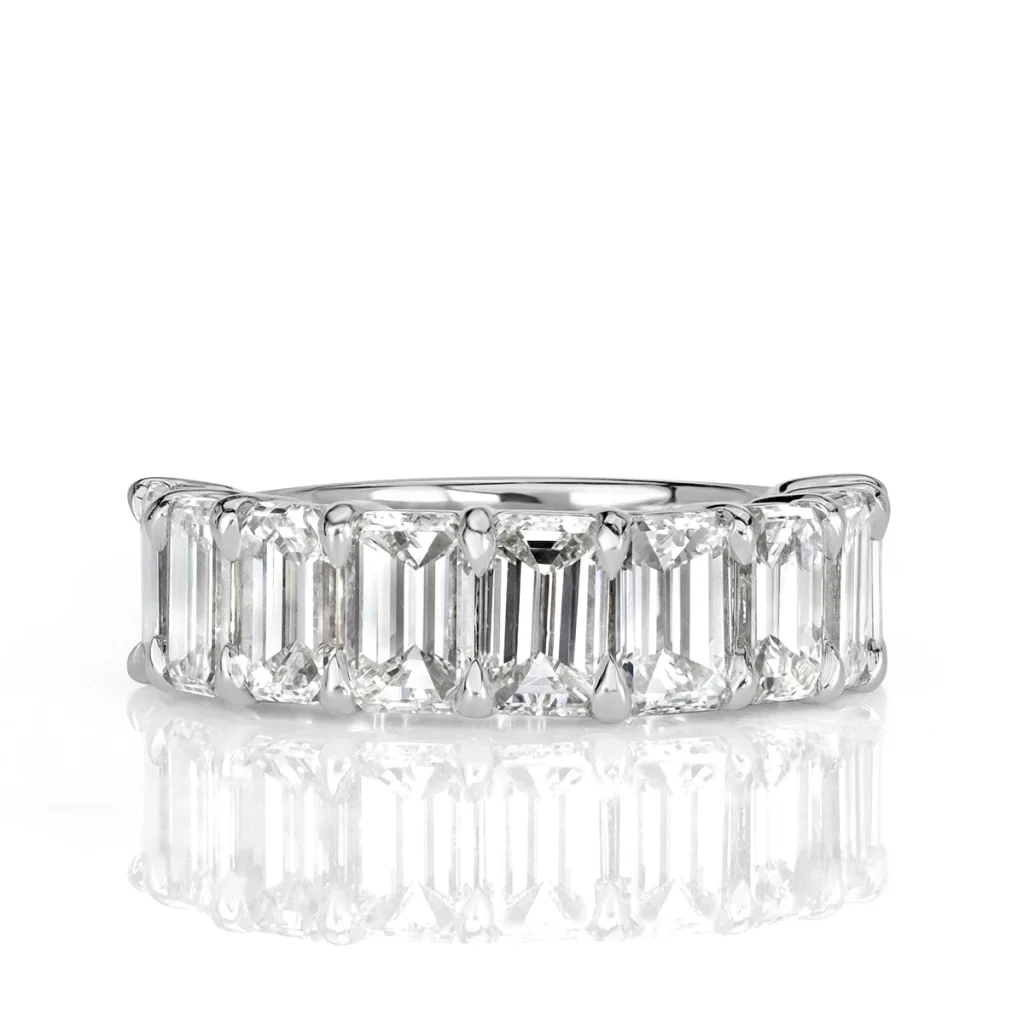 Eternity Rings: Full, Half and How to ChooseCOLLECTING · AUG 21, 2026
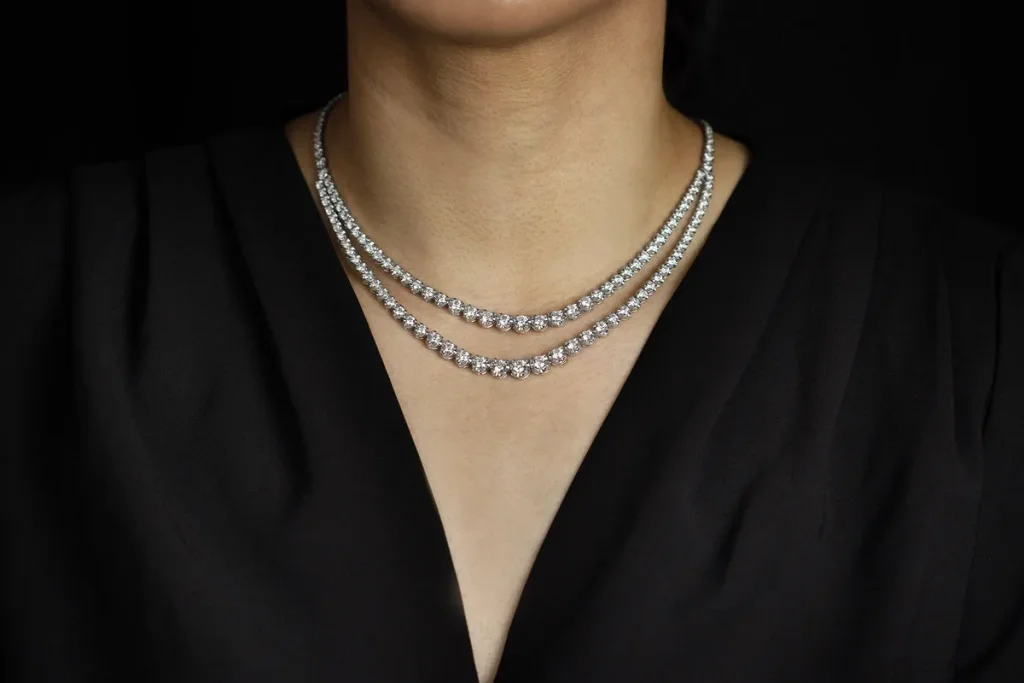 The Riviera Necklace: Graduated Diamonds ExplainedCOLLECTING · AUG 21, 2026Diamond Bracelets Beyond the Tennis Line: Formats and FitCOLLECTING · AUG 21, 2026
 Collecting Diamond Brooches: The Most Undervalued Object in Fine JewelryCOLLECTING · AUG 21, 2026
The Vault, Continued
Every piece one-of-a-kind, every price published. Keep scrolling — the vault does not end here.