Collecting · The House Guides
The Tennis Bracelet: A Buying Guide
A buying guide to tennis bracelets covering stone matching, setting styles and carat-per-wrist proportions, using real pricing from Legacy's current collection.
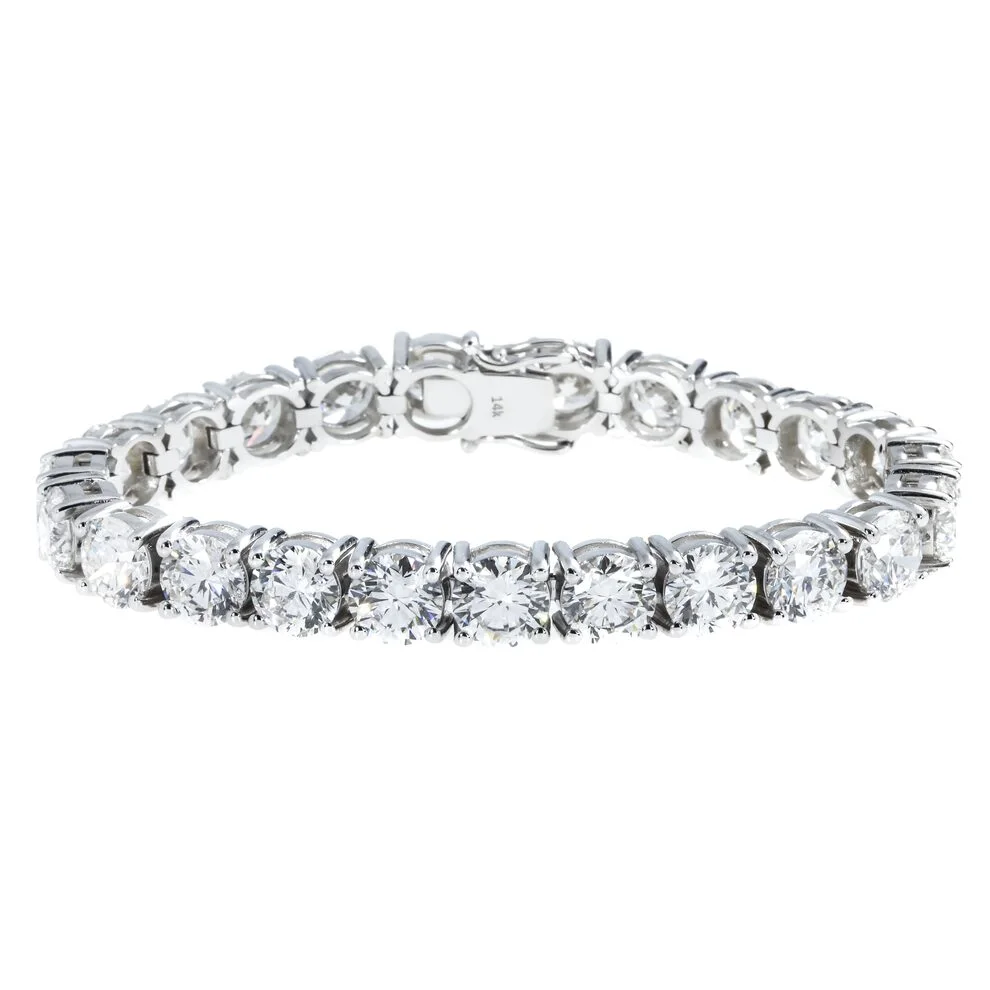
Within that range, the single factor that separates an average bracelet from an exceptional one is not carat weight alone but how closely the individual stones are matched to one another, a craft distinction that matters more in a tennis bracelet than in almost any other diamond format.
Why stone matching is the real craft
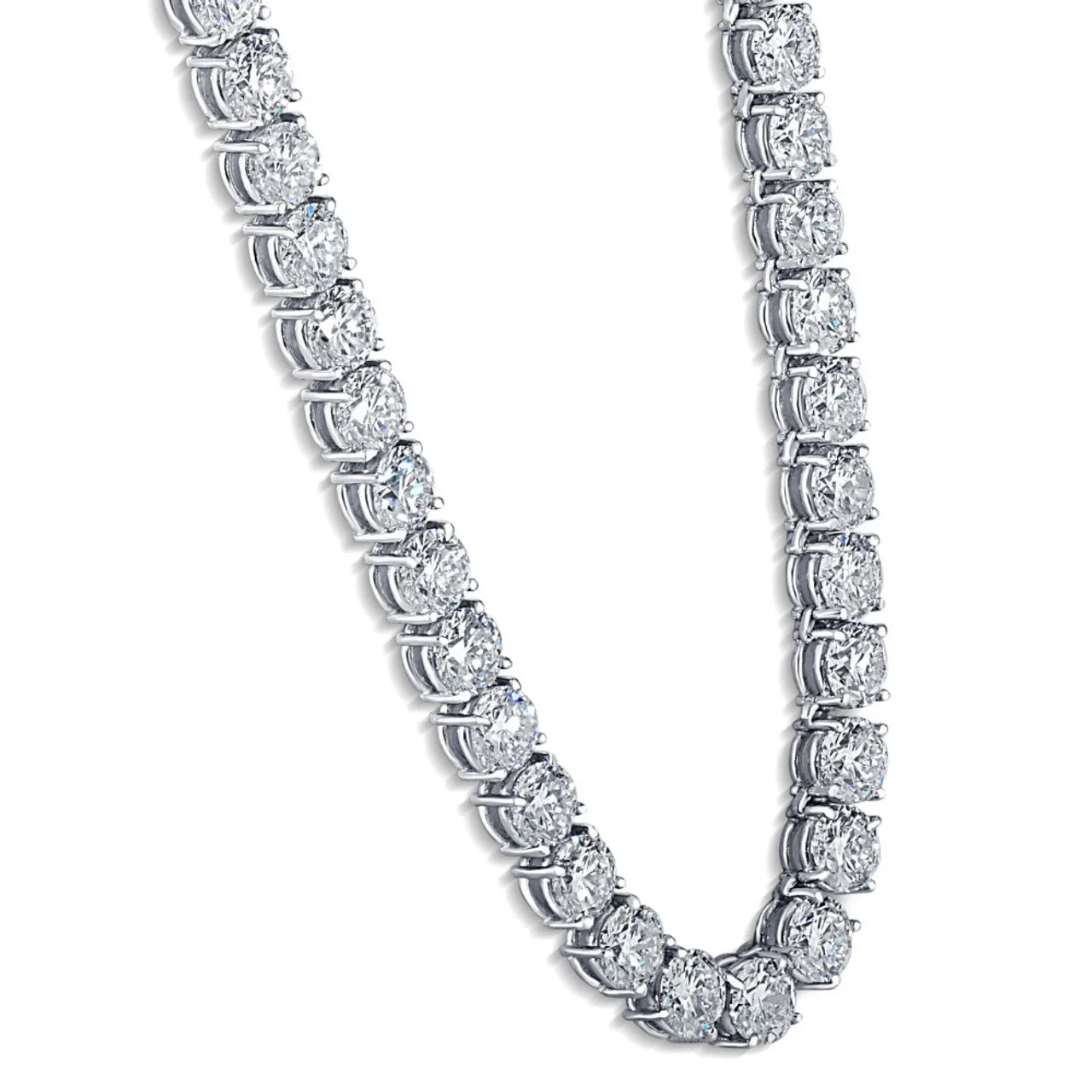
A tennis bracelet places 20 to 30 or more diamonds in a continuous line, often just millimetres from the eye when the wrist is raised. Any variation in color, size or cut between adjacent stones is far more visible here than in a necklace or pair of earrings, where stones sit further from one another or are viewed at a distance. Matching a full line to within a fraction of a color or clarity grade requires sorting through significantly more rough inventory than the bracelet itself contains; houses that buy in parcels rather than selecting stone by stone cannot achieve the same uniformity. Legacy selects every stone individually for this reason; pieces such as the 28-Carat Round Diamond Tennis Bracelet and the 26-Carat Round Diamond Tennis Bracelet, both in VVS-VS natural diamonds, are matched line by line rather than assembled from a single parcel.
Prong versus bezel: what the setting changes
The two dominant settings for tennis bracelets are four-prong (or shared-prong) and bezel. A four-prong setting exposes more of each stone to light, maximising brilliance and giving the classic continuous-sparkle look most collectors associate with the format. A bezel setting encircles each stone in a rim of metal, which protects the girdle from knocks and everyday wear at the cost of slightly reduced light return. Shared-prong construction, where adjacent stones share a single prong, is a middle path: it reduces the amount of visible metal between stones, tightening the line’s uniform look, while keeping most of the protective benefit of individual prongs. For a bracelet worn daily, prong style is as much a durability decision as an aesthetic one, and worth discussing against your own activity level before ordering. Collectors who travel frequently or wear a bracelet through manual activity often find the added security of bezel or shared-prong construction outweighs the marginal loss of brilliance, while those buying primarily for formal occasions tend to prioritise the open, light-maximising look of classic four-prong work.
Round brilliant versus fancy shapes
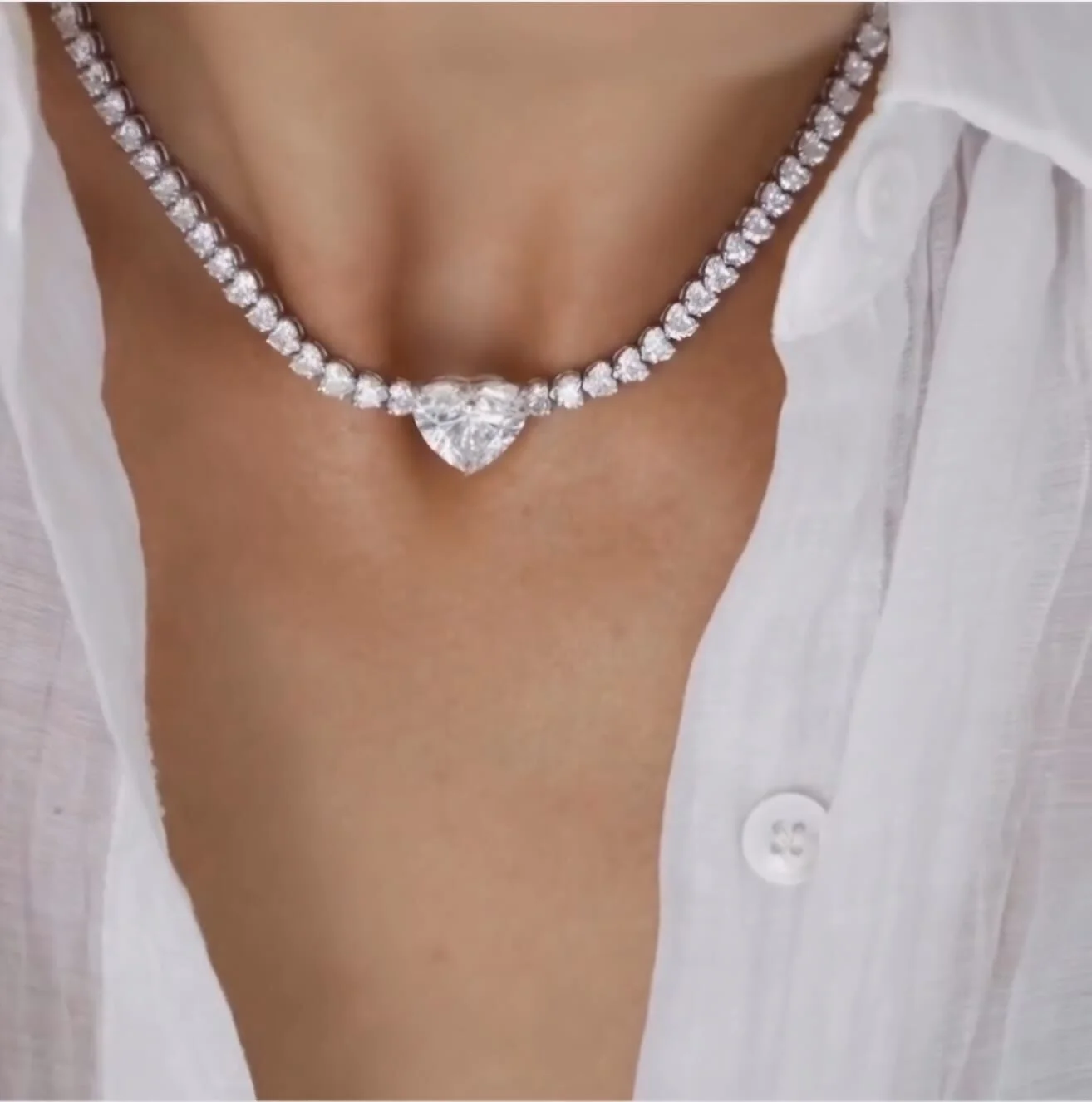
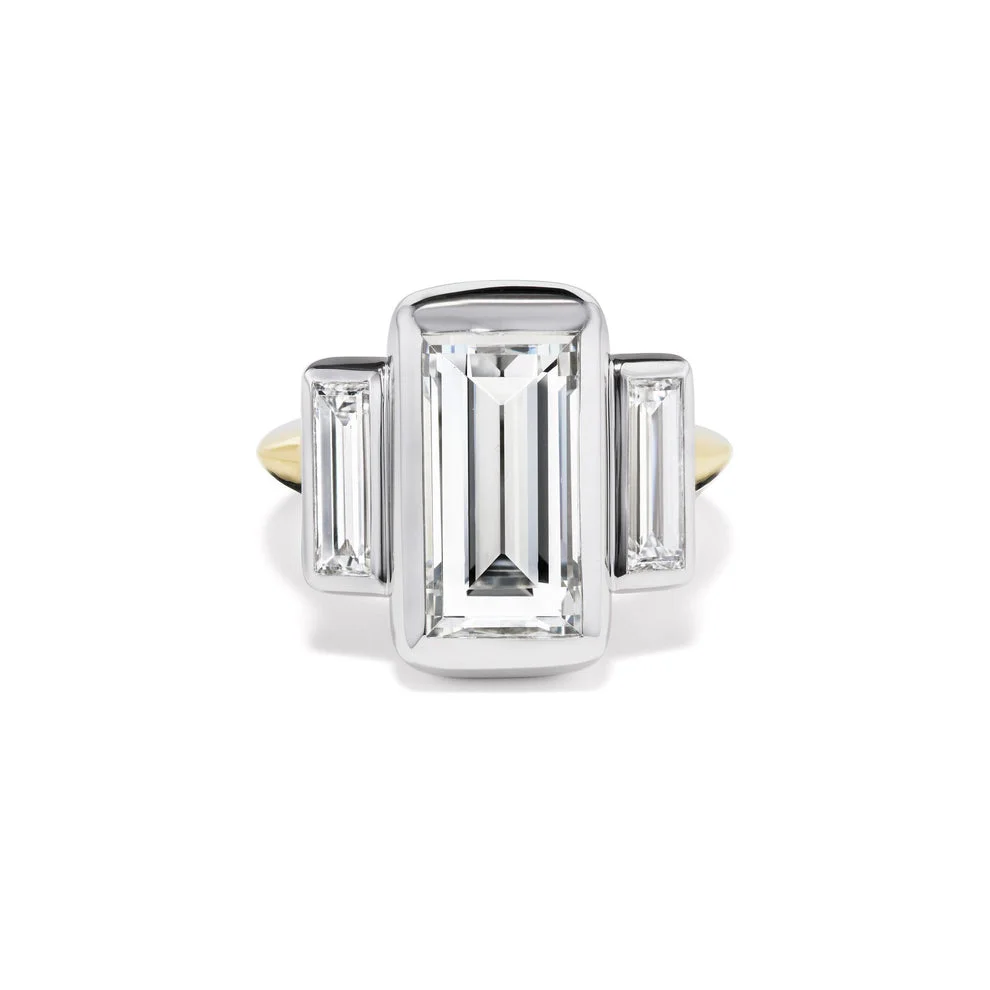
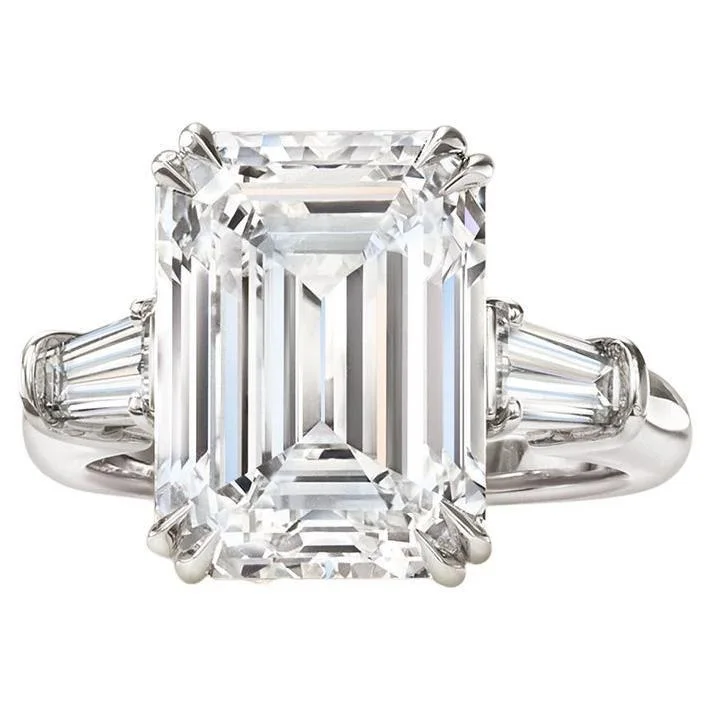
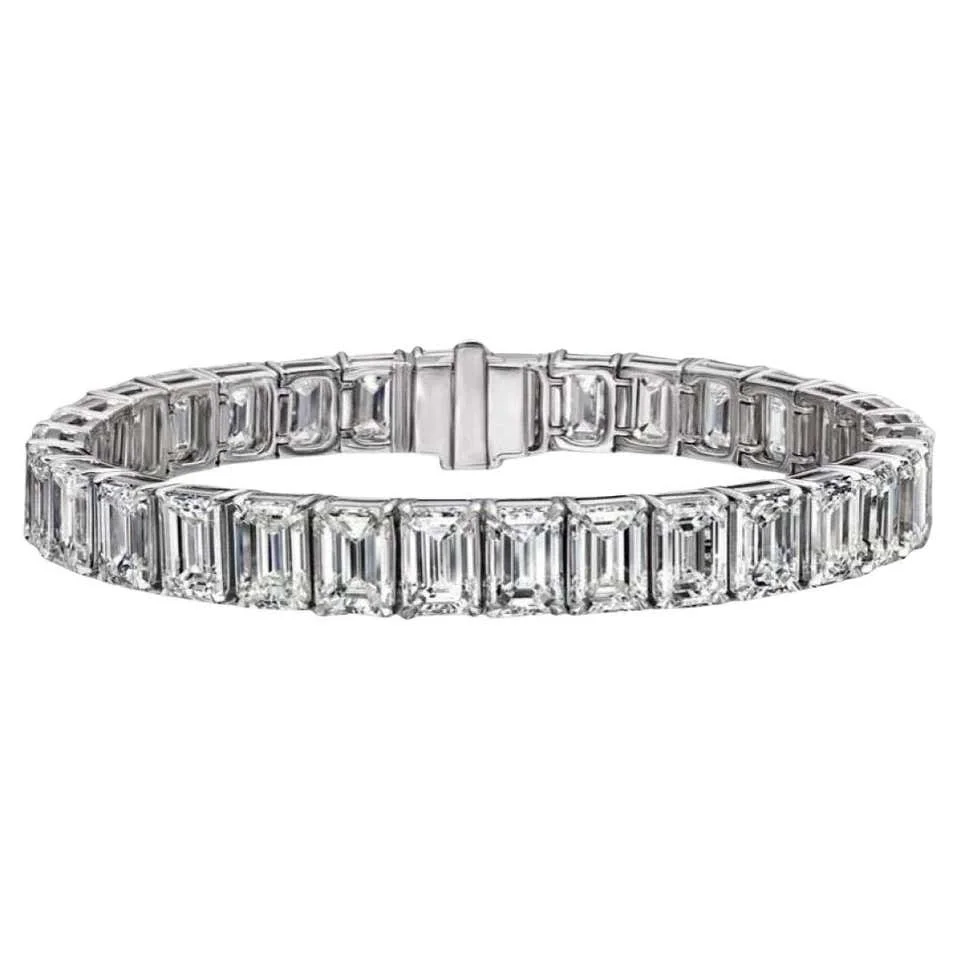
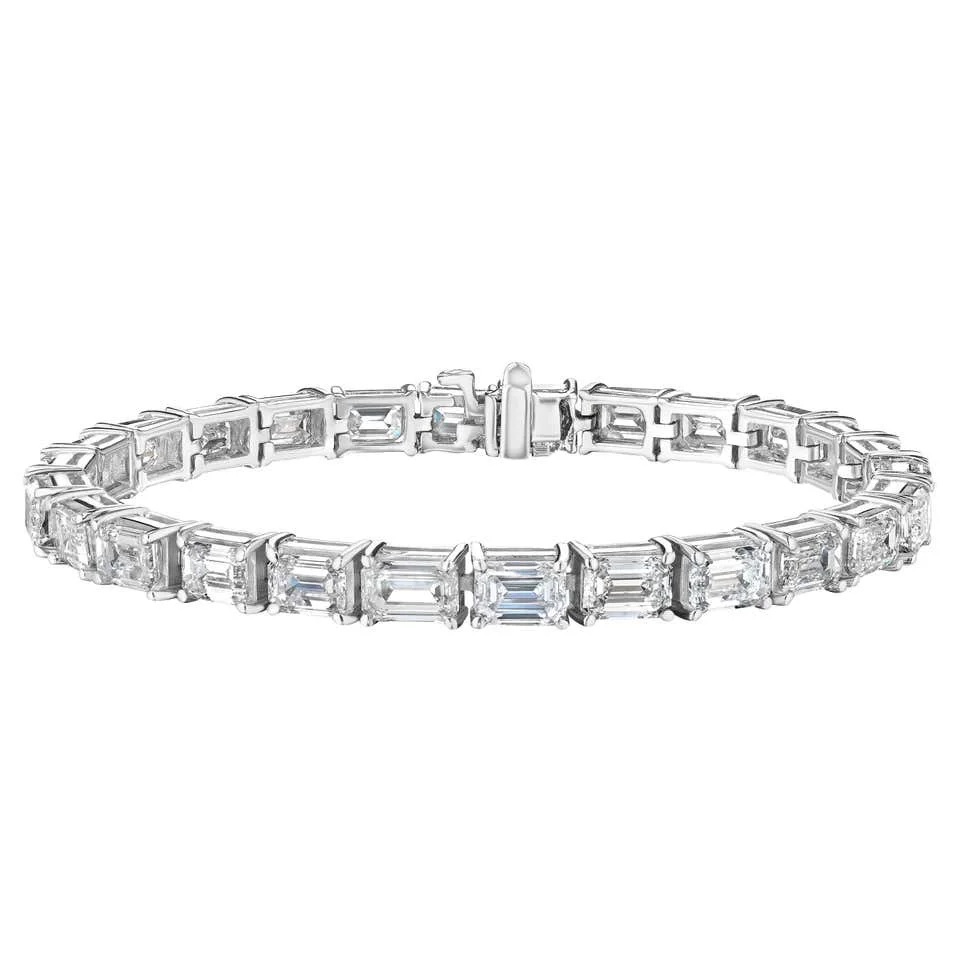
Round brilliant stones dominate the tennis bracelet format because their uniform circular outline makes matching a continuous line considerably more achievable than with fancy shapes. Pear-shaped stones, as in the 24-carat piece above, introduce a directional element: each stone must be oriented consistently along the line, and typically carry a premium for the added cutting precision this requires. When a fancy shape is chosen for a tennis bracelet, ask specifically how orientation and outline consistency were managed across the full line, since inconsistency here is far more noticeable than in a single-stone ring. Emerald and baguette cuts present a similar challenge in step-cut form: their rectangular outlines must align precisely stone to stone, or the line reads as visibly uneven even when every individual diamond is well cut.
Fit and clasp considerations
A tennis bracelet should sit with a small amount of movement, roughly a finger’s width of play between the line and the wrist, rather than fitting tightly like a bangle. Clasps matter more than on almost any other jewelry format because the bracelet is worn on a moving limb: a secure box clasp with a safety catch, or a hidden clasp integrated into the line itself, reduces the risk of loss far more than a simple hook. If you are commissioning rather than buying a fixed piece, discuss clasp security explicitly, since it is a low-visibility detail that has an outsized effect on whether the bracelet survives decades of wear.
Metal choice and how it affects the line
Platinum is the most common choice for tennis bracelets set with colorless or near-colorless diamonds, since its cool white tone recedes behind the stones and keeps the visual focus entirely on the diamond line. 18K white gold achieves a similar effect at a lower cost and lighter weight, though it typically requires rhodium plating over time to maintain the same bright white finish. Yellow and rose gold settings are also available and shift the tone of the whole piece, warming the appearance of the diamonds rather than leaving them to read as pure white light. None of these choices affects the carat weight or certification of the stones themselves; the decision is purely about how the metal interacts with the diamonds visually and how it will wear against skin over years of daily use.
Buying for daily wear versus occasional wear
A tennis bracelet intended for daily wear benefits from a more secure setting, a well-fitted length with minimal excess play, and a robust clasp, since it will be exposed to far more incidental knocks than a piece reserved for evenings. A bracelet intended primarily for occasional or formal wear has more latitude to prioritise maximum brilliance through open prong settings, since it spends most of its life protected in a safe rather than exposed to daily friction. Being clear about which category a piece falls into before ordering changes several practical decisions at once: setting style, metal choice, and how tightly the line should be fitted to the wrist.
Layering with other bracelets
A tennis bracelet is frequently worn alongside other bracelets rather than alone, and its slim, continuous profile makes it one of the easier fine jewelry pieces to stack. A finer, lower-carat line sits comfortably against a watch or a second bracelet without competing for space on the wrist, while a substantial 26-carat-plus piece is generally better worn on its own, since a second bracelet of similar scale tends to compete visually rather than complement. Deciding whether a bracelet is destined to be a standalone piece or part of a stack is worth settling before ordering, since it affects both the carat weight and the setting width you should be looking for.
Questions collectors ask
What is the difference between prong and bezel tennis bracelets?
Prong settings expose more of the stone to light for maximum brilliance; bezel settings enclose the stone’s edge in metal for greater protection during daily wear. Shared-prong construction offers a middle ground, tightening the visual line while retaining most of the protective benefit.
How many carats is a good size for a tennis bracelet?
Larger pieces above 30 carats are generally acquired as statement or investment pieces rather than daily jewelry.
Can a tennis bracelet be resized?
Yes, within limits: stones can typically be added or removed at the clasp end to adjust length by half an inch or so without disturbing the matched line. Larger adjustments risk compromising the stone matching along the visible portion of the bracelet, so it is worth confirming fit carefully before purchase.
Legacy’s current bracelet collection and the wider tennis and riviera collection are available to view with full certification and pricing on request. Every stone is independently certified by GIA, IGI or HRD, selected individually rather than from parcel lots, and delivered worldwide via Brink’s-insured shipping. Clients are welcome to arrange a private viewing in person or by live video, privately suggest a price, or book a private consultation to discuss stone matching and proportions for a specific wrist.
The Pieces in This GuideThe Vault →
From the Legacy vault — each one-of-a-kind, independently certified.
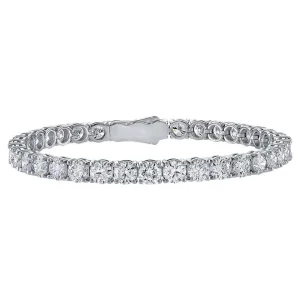
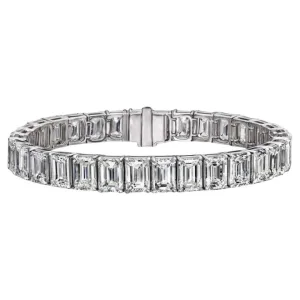
A private advisor answers on the figures in this guide — and places any piece from the vault within them, certificate first.
More from CollectingAll Guides →
 Diamond Earrings Price Guide: Studs, Drops, What They CostCOLLECTING · AUG 31, 2026
 The Tennis Necklace: Carat Weight and ProportionCOLLECTING · AUG 21, 2026
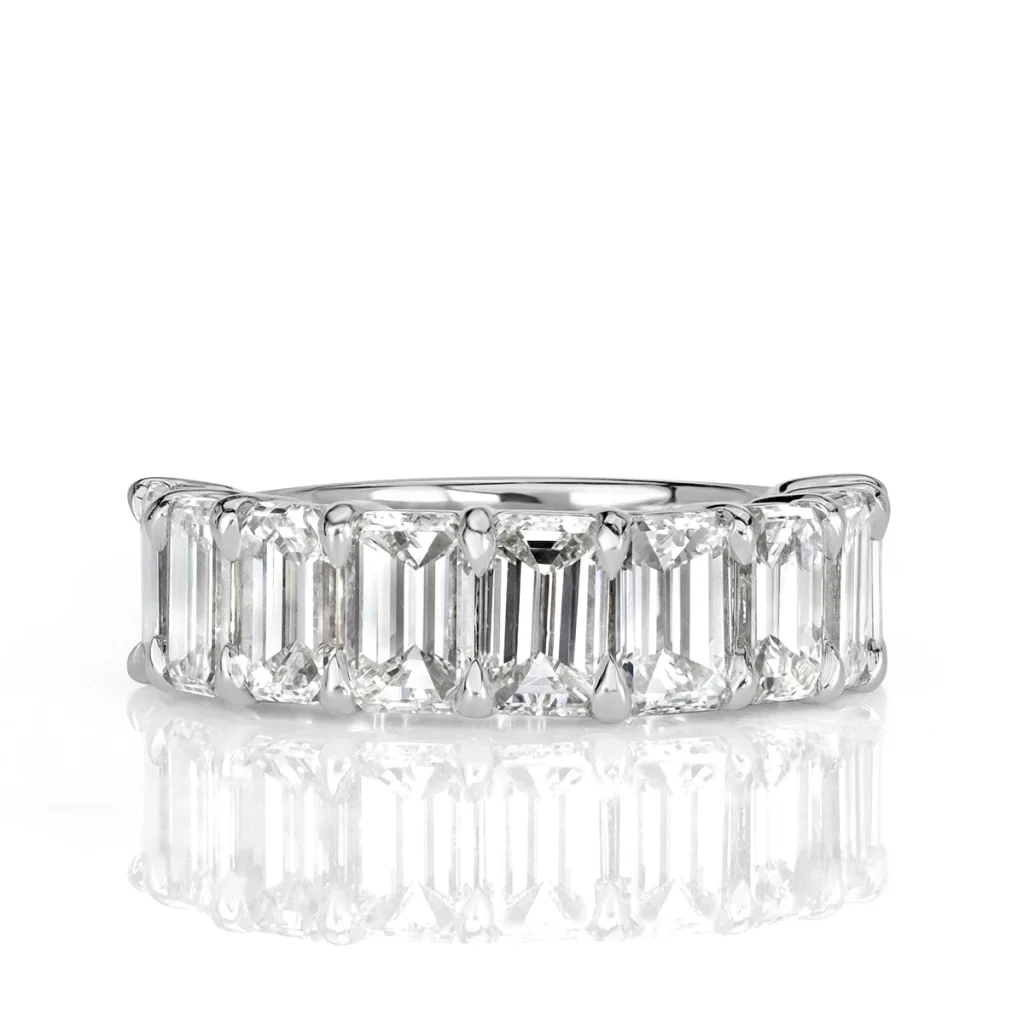 Eternity Rings: Full, Half and How to ChooseCOLLECTING · AUG 21, 2026
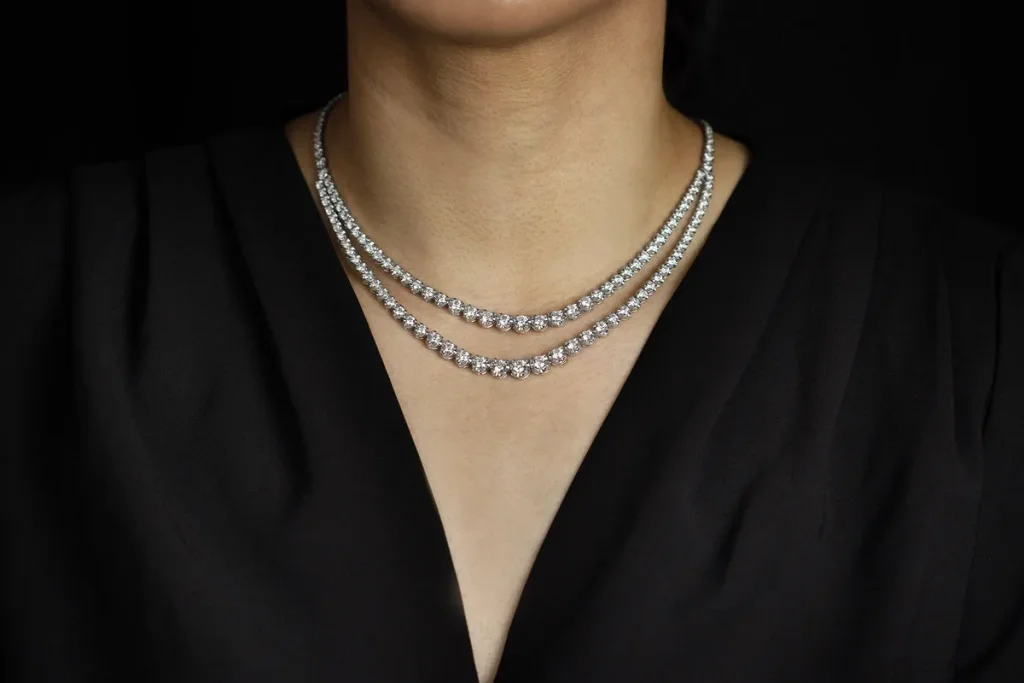 The Riviera Necklace: Graduated Diamonds ExplainedCOLLECTING · AUG 21, 2026Diamond Bracelets Beyond the Tennis Line: Formats and FitCOLLECTING · AUG 21, 2026
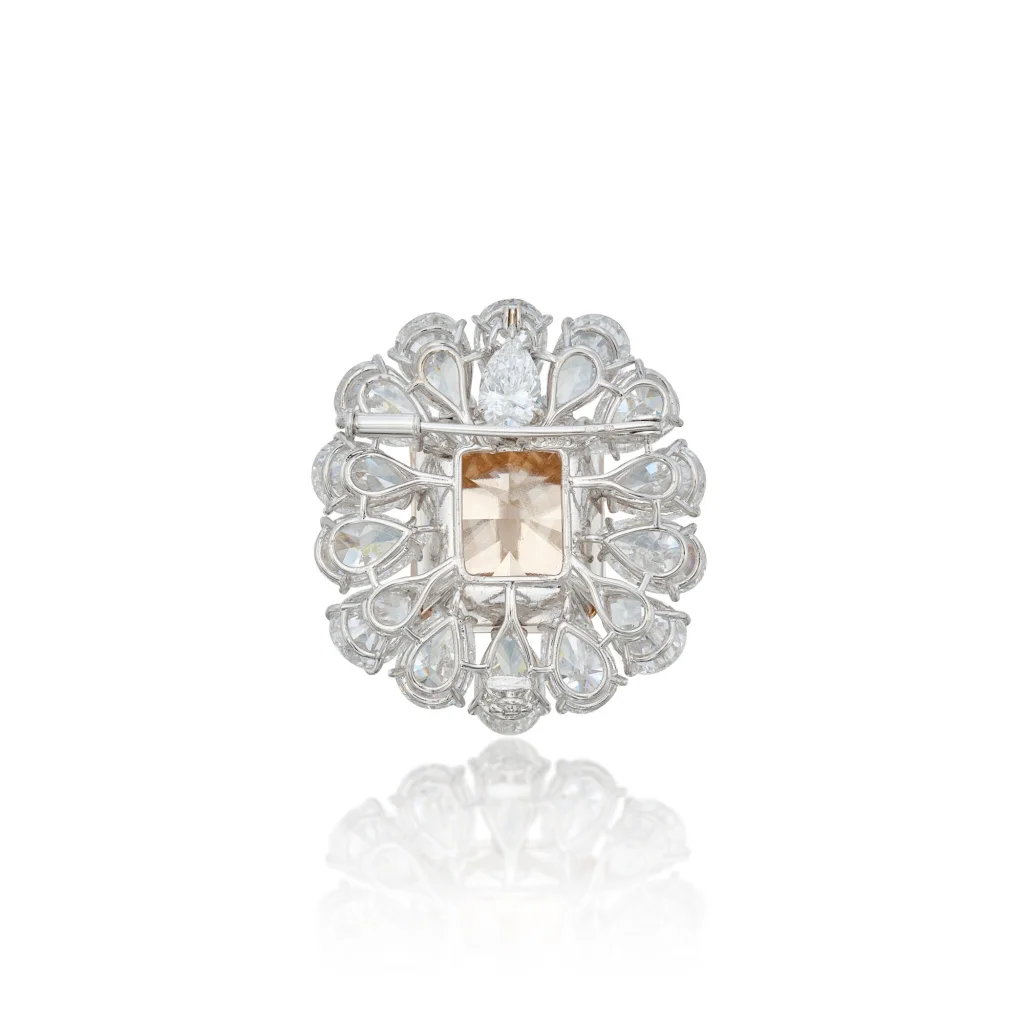 Collecting Diamond Brooches: The Most Undervalued Object in Fine JewelryCOLLECTING · AUG 21, 2026
The Vault, Continued
Every piece one-of-a-kind, every price published. Keep scrolling — the vault does not end here.