
Collecting · The House Guides
Diamond Bracelets Beyond the Tennis Line: Formats and Fit
A buying guide to diamond bracelets beyond the tennis line: the four structural families, fancy-shape lines, bangles and cuffs, convertible pieces and how the collection prices, using real pieces from the Legacy vault.
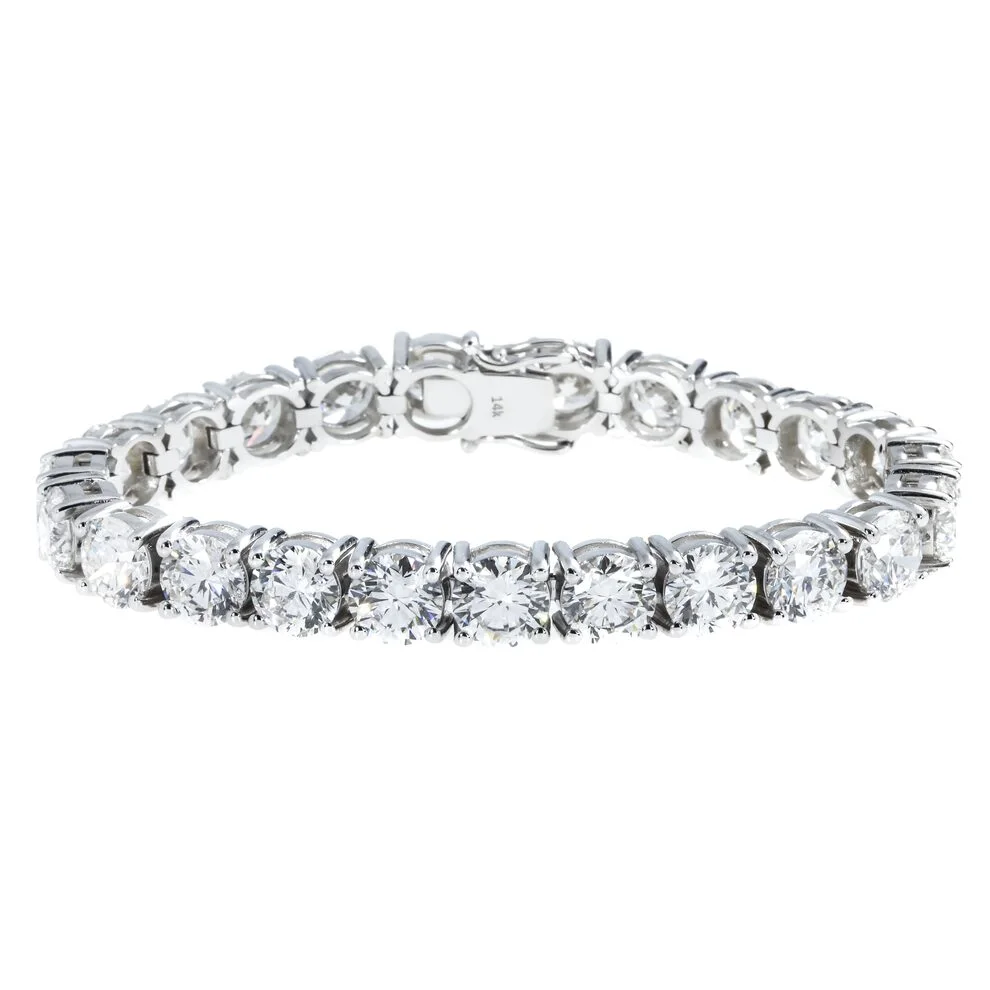
The tennis bracelet — covered in depth in the House’s dedicated tennis bracelet guide — is only the beginning of the format. This guide covers the wider field: geometric and architectural bracelets, heart-cut and fancy-shape lines, cuffs and bangles, and the convertible pieces that live several lives at once.
The four families of diamond bracelet
Nearly every diamond bracelet belongs to one of four structural families, and the choice between them decides more about how a piece wears than any quality grade does. The line family — tennis and riviera — runs matched stones in a continuous band and is the natural daily-wear format. The rigid family, bangles and cuffs, trades flexibility for sculptural presence and slides over the hand or clips around the wrist. And the convertible family transforms: clasped lines that join into necklaces, and at the summit of the current collection, an exceptional bracelet-tiara whose pear brilliant-cut diamonds of 14.26 to 5.02 carats re-form from wrist ornament to headpiece — one acquisition, two of jewelry’s most formal statements.
Fancy shapes in a line: what to inspect
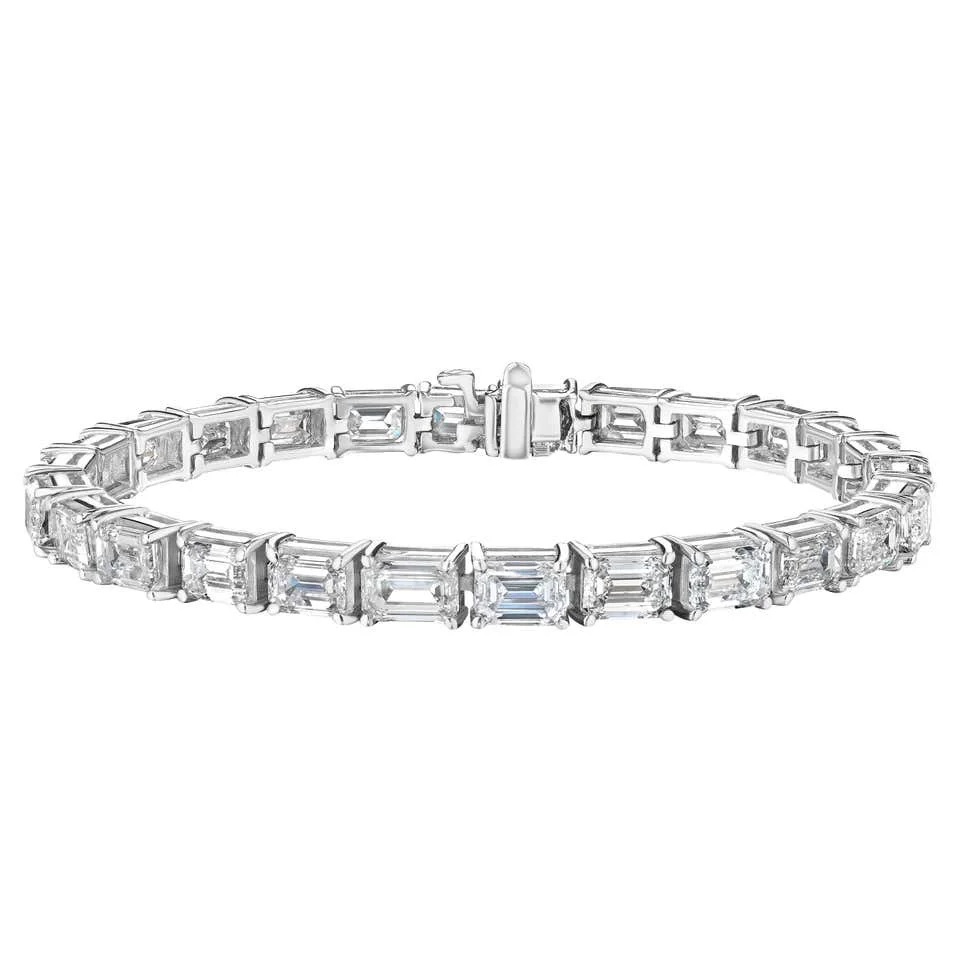
A line of round brilliants forgives small variations; a line of hearts, pears or marquises does not. Directional shapes must be oriented identically stone to stone, matched in outline as well as grade, and set so the line holds its geometry as the wrist moves. On any fancy-shape line, examine three things before price: whether every stone points the same way at every position of the wrist, whether the outlines agree (a fat heart beside a narrow one is visible at arm’s length), and how the setting handles the points — the vulnerable corners of hearts and pears should be protected by prongs placed exactly at the tips. The House’s heart-cut lines above are set this way; it is a detail worth demanding wherever you buy.
Rigid pieces: bangles and cuffs
A bangle or cuff carries diamonds on a fixed architecture, which changes both the wearing and the buying. There is no clasp to fail, no line to kink — but fit becomes absolute: a rigid piece either passes over the hand correctly or it does not, and unlike a line bracelet it cannot be resized by a link. When acquiring rigid pieces remotely, the House takes wrist and hand measurements during consultation precisely because of this. Visually, rigid pieces read as a single sculptural object rather than a ribbon of light, which is why they dominate daytime and tailored dressing, while lines dominate evening.
Convertibility as value
A convertible piece is effectively multiple acquisitions in one, and the market has always priced honest convertibility well. When evaluating a convertible piece, work the mechanism yourself: transformation should be achievable without a jeweler, the joins should be invisible in both configurations, and each configuration should stand as a complete design rather than an obvious compromise. Done well, convertibility also protects value at resale, since the piece competes in two categories at once.
Wearing: watch wrists, stacking and scale
The practical questions repeat across every client conversation, so here are the House’s working rules. A diamond line sits happily beside a watch only if the bracelet is finer than the watch head is tall; otherwise give each wrist one statement. Stack line bracelets in odd numbers and graduated weights rather than equals.
Questions collectors ask
What is the difference between a tennis bracelet and a riviera?
Both are continuous lines of matched stones. A riviera traditionally graduates its stones — largest at the center, diminishing toward the clasp — while a tennis bracelet holds one size along the full line. Graduation demands sorting across more size classes, which is reflected in price.
Can a diamond bangle be resized?
Generally no — rigid pieces are built to a fixed interior measurement. This is why the House measures the hand as well as the wrist before delivering a bangle or cuff, and why rigid pieces should always be confirmed against measurements rather than guessed.
When the mechanism is invisible and both configurations stand alone as complete designs, yes: the piece serves multiple occasions and competes in multiple categories at resale. A conversion that reads as a compromise in either form is not worth a premium.
Legacy’s current bracelet collection and the tennis and riviera collection are available to view with full certification and pricing on request. Every stone is natural, independently certified by GIA, IGI or HRD, and delivered worldwide via Brink’s-insured shipping. Clients are welcome to arrange a private viewing in person or by live video, privately suggest a price, or book a private consultation to fit a rigid piece or compare formats on the wrist.
The Pieces in This GuideThe Vault →
From the Legacy vault — each one-of-a-kind, independently certified.
 Exceptional Diamond Bracelet Tiara Pear Brilliant-cut Diamonds of 14.26, 12.66, 12.05, 10.79, 8.08, 7.16, 6.72 and 5.02$3,250,000.00
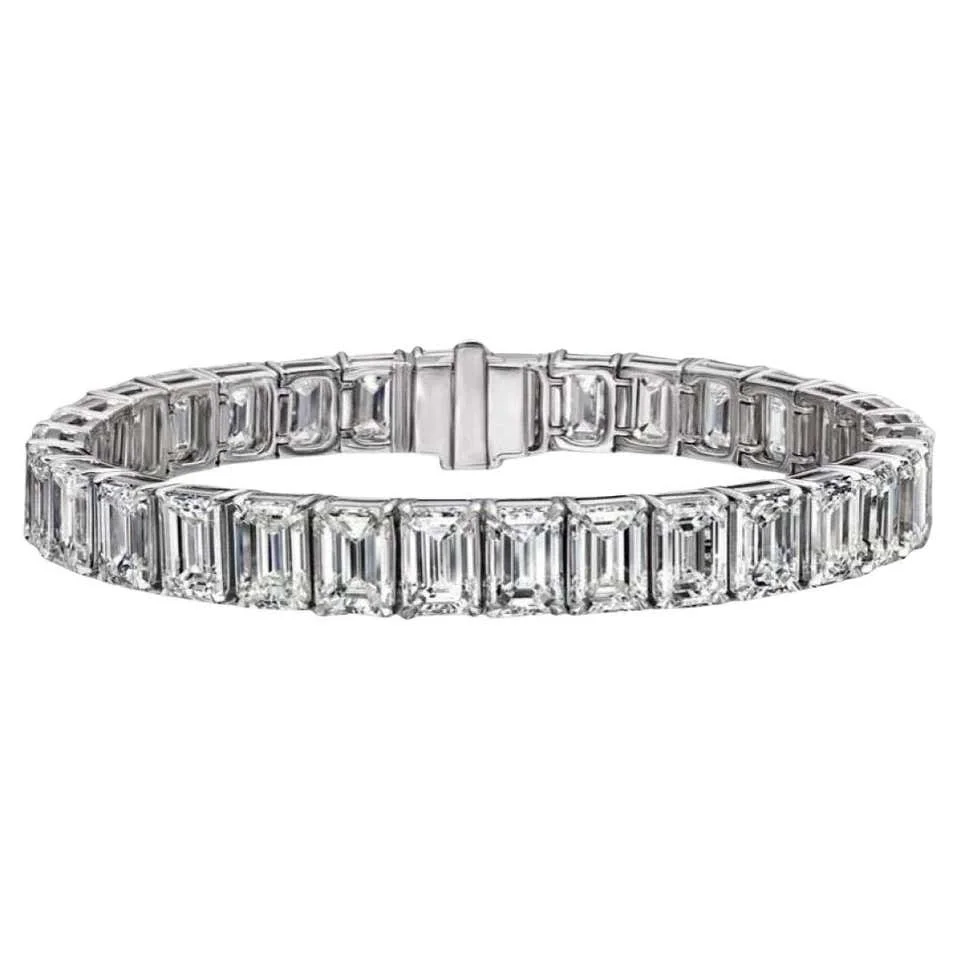
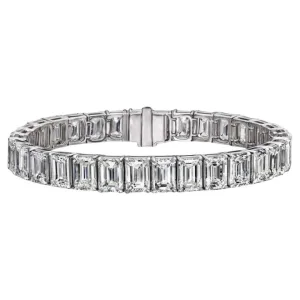 24.21-Carat Emerald Cut Diamond Tennis Bracelet | VVS-VS Natural Diamonds | Legacy Diamonds$90,000.00
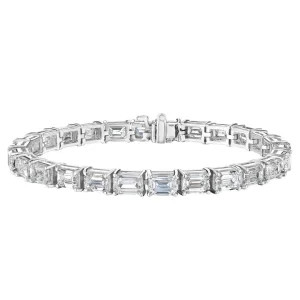 21.30-Carat Emerald Cut Diamond Tennis Bracelet | VVS-VS Natural Diamonds | Legacy Diamonds$58,000.00
A private advisor answers on the figures in this guide — and places any piece from the vault within them, certificate first.
More from CollectingAll Guides →
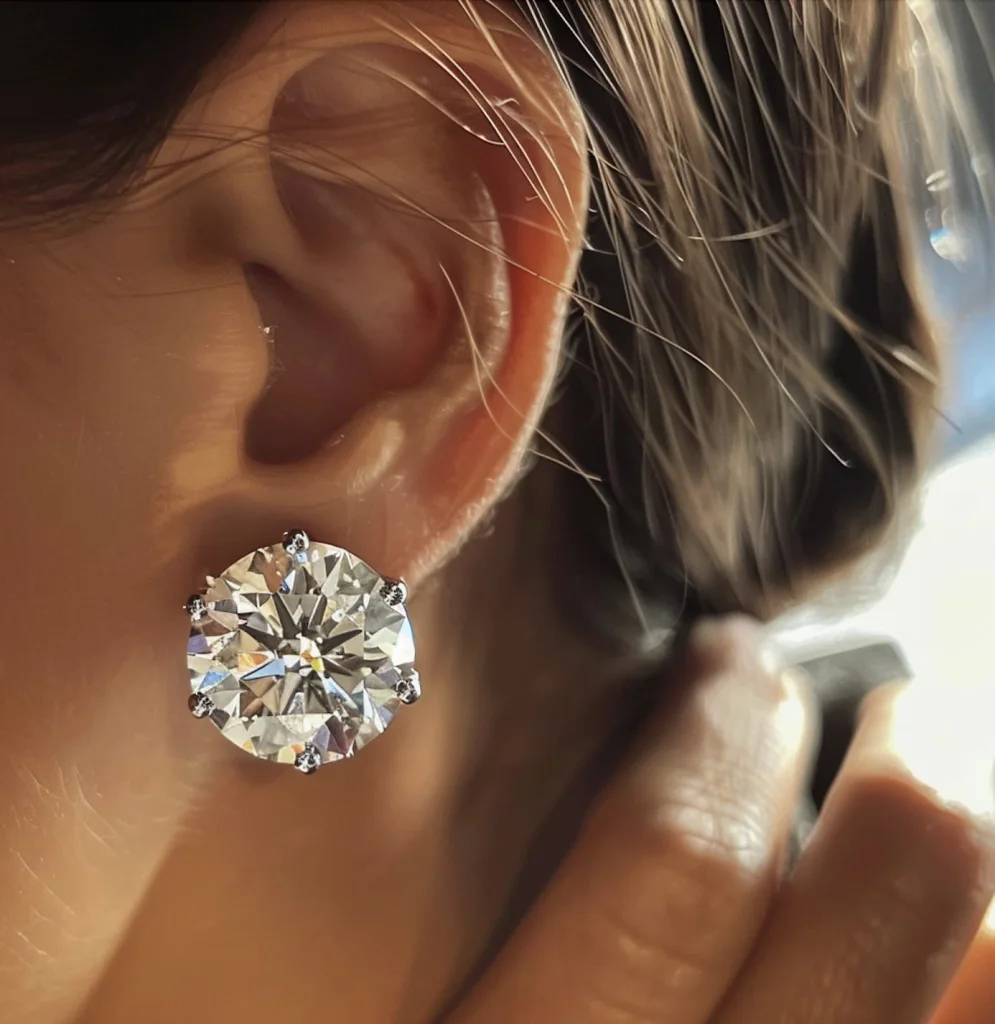 Diamond Earrings Price Guide: Studs, Drops, What They CostCOLLECTING · AUG 31, 2026
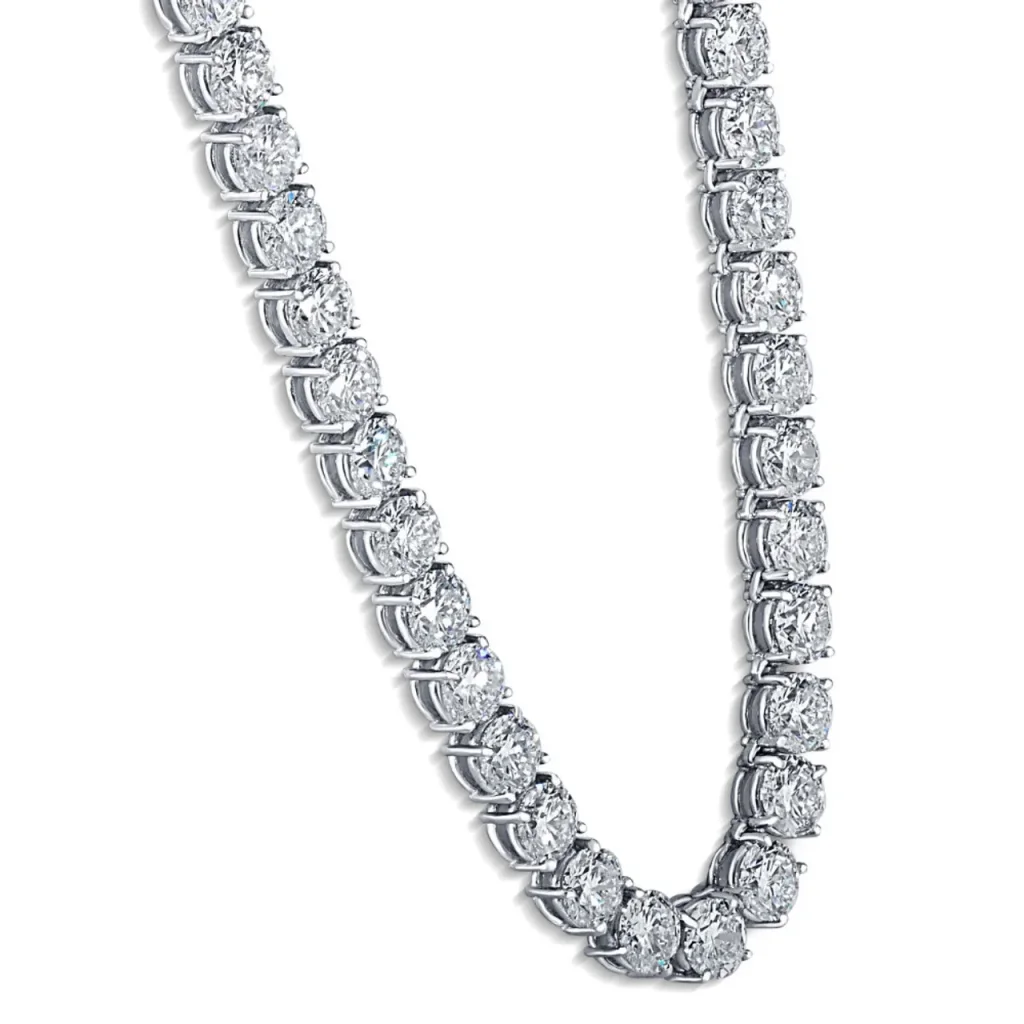 The Tennis Necklace: Carat Weight and ProportionCOLLECTING · AUG 21, 2026The Tennis Bracelet: A Buying GuideCOLLECTING · AUG 21, 2026
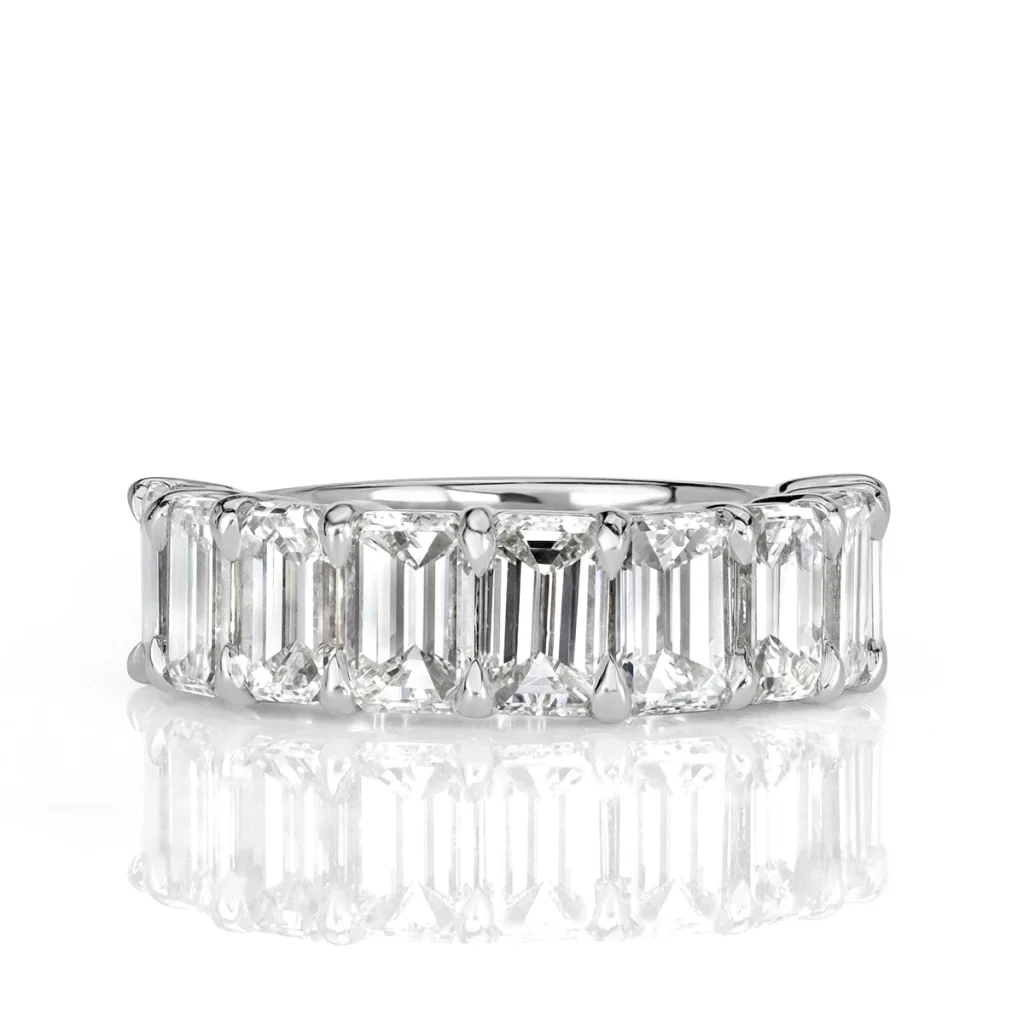 Eternity Rings: Full, Half and How to ChooseCOLLECTING · AUG 21, 2026
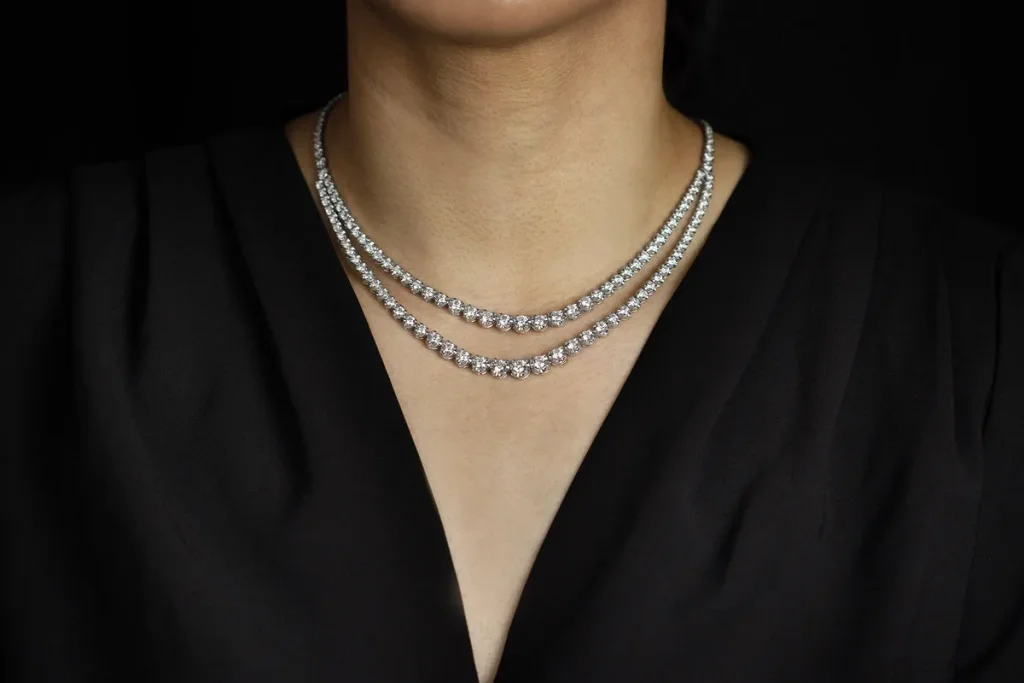 The Riviera Necklace: Graduated Diamonds ExplainedCOLLECTING · AUG 21, 2026
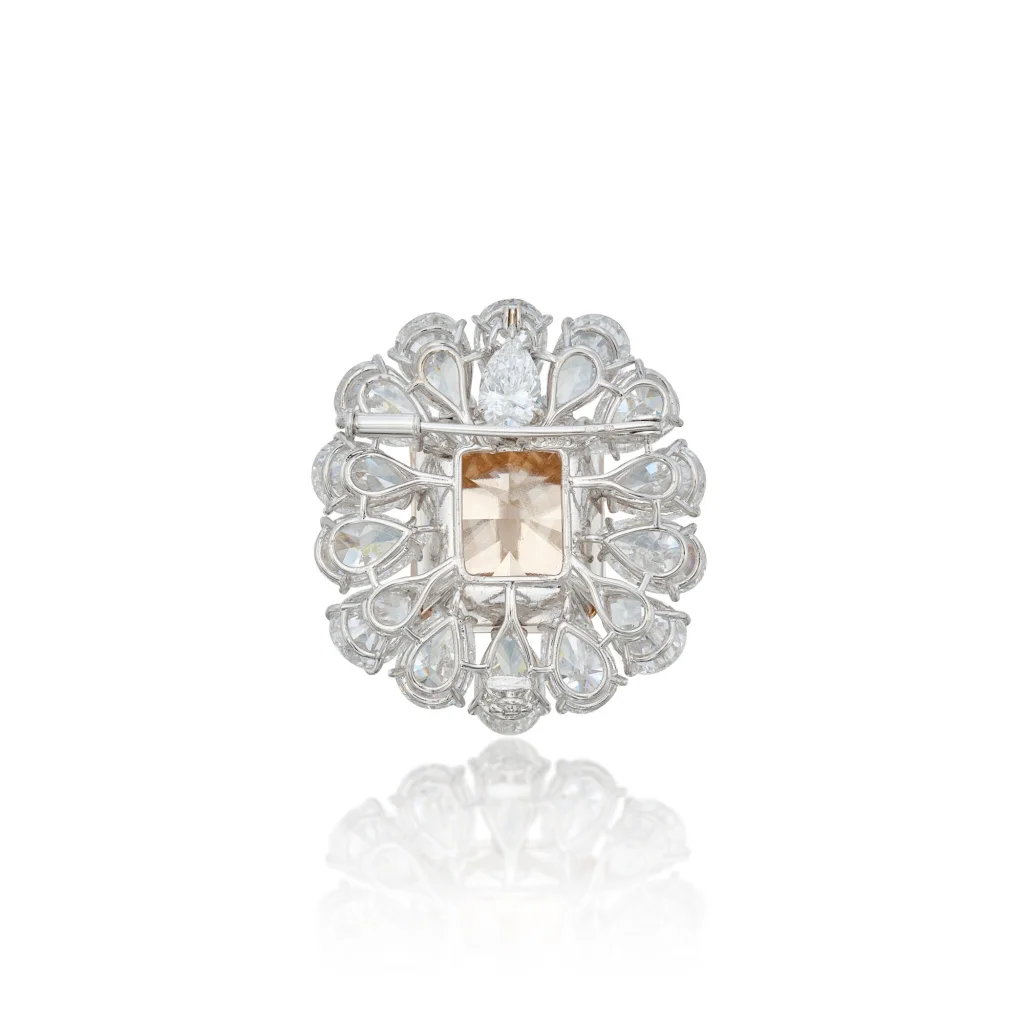 Collecting Diamond Brooches: The Most Undervalued Object in Fine JewelryCOLLECTING · AUG 21, 2026
The Vault, Continued
Every piece one-of-a-kind, every price published. Keep scrolling — the vault does not end here.