Colored Gemstones · The House Guides
Royal Blue Sapphires: The Collector’s Buying Guide
A working guide to buying royal blue sapphires: what the colour term actually means, how origin and heat treatment affect price, and what Legacy's own catalogue shows about where value sits.
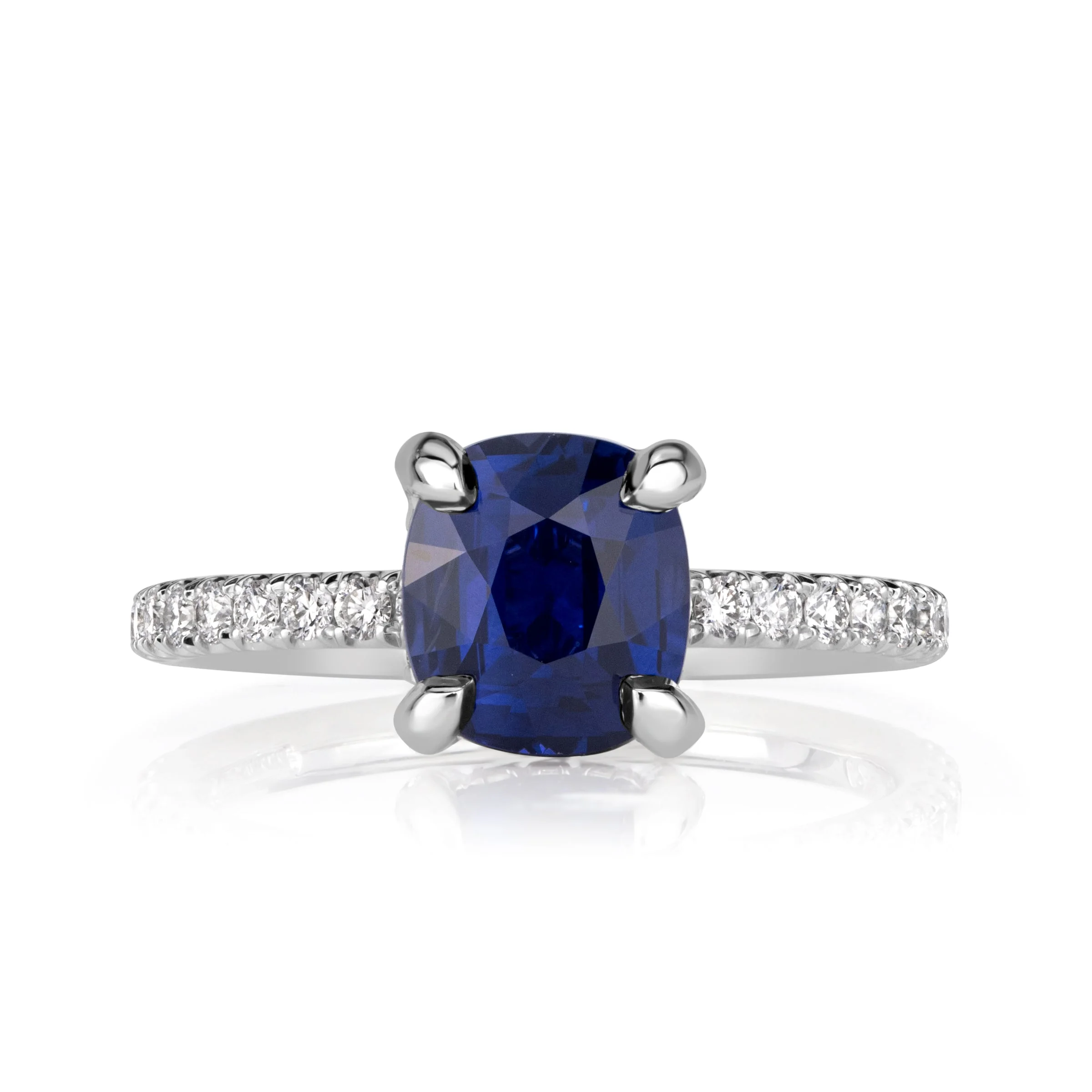
The term “royal blue” describes a specific saturation band: a deep, velvety blue with no grey or black undertone and only a whisper of violet, and it commands a real premium over the lighter, more common “cornflower” blue. Both are legitimate, saleable colors. They are not the same stone, and conflating them is where most first-time buyers overpay or underbuy.
Royal blue versus cornflower: what the words actually mean
Neither “royal blue” nor “cornflower blue” is a laboratory grade. They are trade descriptions that gemological reports may note as color comments, and their precision depends on who is writing the report. Royal blue sits at the deeper, more saturated end of fine sapphire blue, closer to a midnight tone but still transparent and lively, not inky or opaque. Cornflower blue is lighter and brighter, with a soft, almost pastel lift that has its own devoted following, historically associated with Kashmir material but produced across origins today.
The practical difference for a buyer is that royal blue reads as more formal and more assertive in person. It holds its color under low light, which is precisely why it is favoured for evening jewelry and statement rings. Cornflower reads brighter and more youthful, and can lose intensity under weak or yellow lighting. Neither is objectively superior; the choice is about the piece’s purpose and the wearer’s coloring, though royal blue’s rarity at the top of the saturation scale is what drives its price ceiling higher.
Origin: Kashmir, Ceylon, Burma, and why the lore outruns the supply
Origin is the single most emotive word in the sapphire trade, and it deserves a plain accounting. Kashmir sapphires, mined in the Himalayas in a brief window in the late nineteenth century, are essentially finished as a supply. What exists is what will ever exist, and prices reflect that finality more than any measurable superiority in color over the best material from elsewhere. Genuine Kashmir stones at auction now routinely exceed six figures per carat for fine examples, a level driven by scarcity rather than by an appreciable visual gap over the finest Ceylon or Burmese stones.
Ceylon, or Sri Lankan, sapphires are the most reliable commercial source of true royal and cornflower blue, in workable supply and consistent quality. This is why they anchor most serious collections, including the bulk of Legacy’s own. Burmese sapphires from Myanmar can reach exceptional saturation and are prized when available, though ethical sourcing and supply-chain transparency require particular diligence given the region’s mining conditions. A collector should treat origin as one input among several, since color, clarity and cut still do most of the work in what a stone actually looks like on the hand, rather than as a shorthand for quality on its own.
Heat treatment: the honest baseline, not a defect
The great majority of fine sapphires on the market today, royal blue included, have been heat treated, a process that has been standard trade practice for decades and is disclosed on every reputable certificate. Heat treatment improves color saturation and clarity by dissolving silk inclusions and evening out zoning. It does not add color that was not already latent in the stone, and the result is permanent. What buyers should be wary of is not heat treatment itself but treatments that go undisclosed, or more invasive processes such as beryllium diffusion or glass filling, that are sometimes described with the same casual language as ordinary heating.
Untreated, or “no heat,” sapphires exist and carry a substantial premium, particularly from Kashmir and fine Burmese parcels, but they are a small minority of the market and should always be independently certified as such rather than taken on a seller’s word. A certificate from GIA, IGI or HRD will state the treatment status explicitly. If a listing is silent on treatment, that silence is itself the warning sign, not the treatment.
Setting choices that suit royal blue
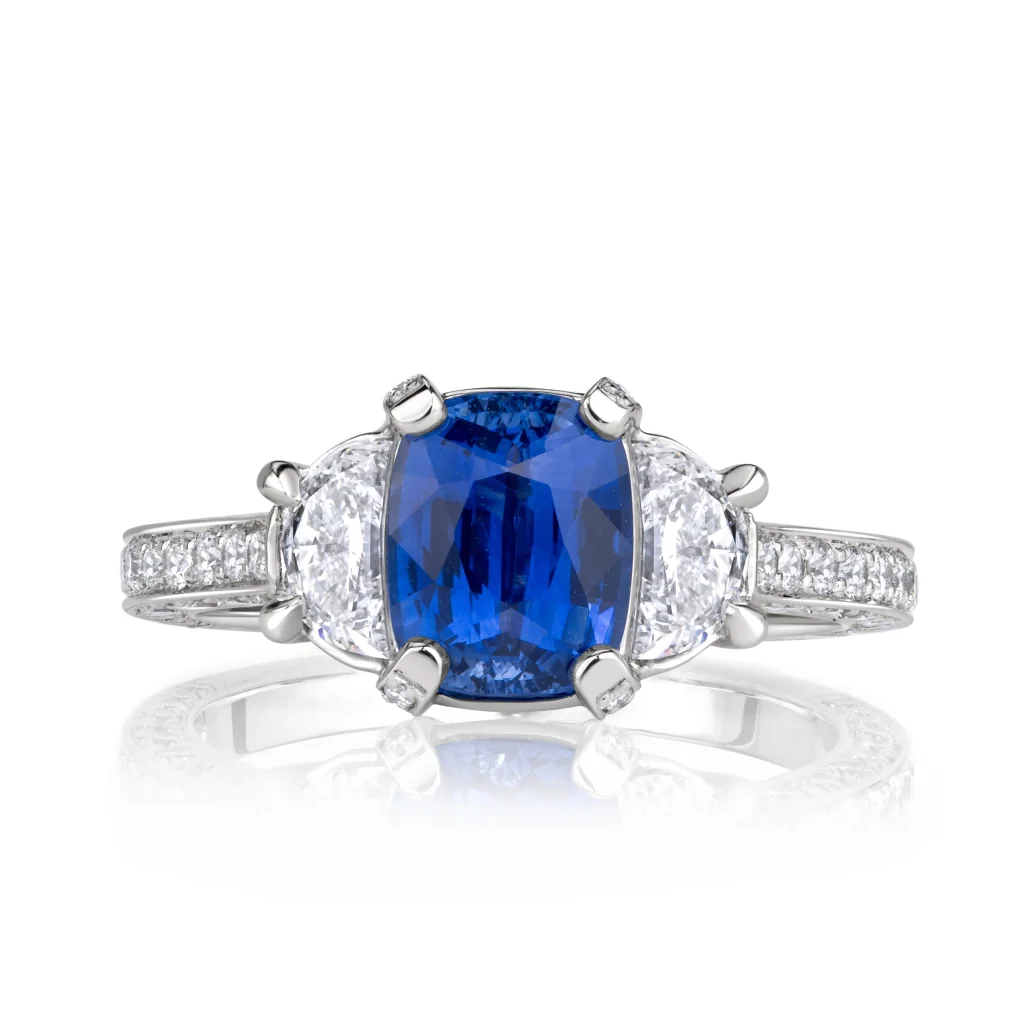
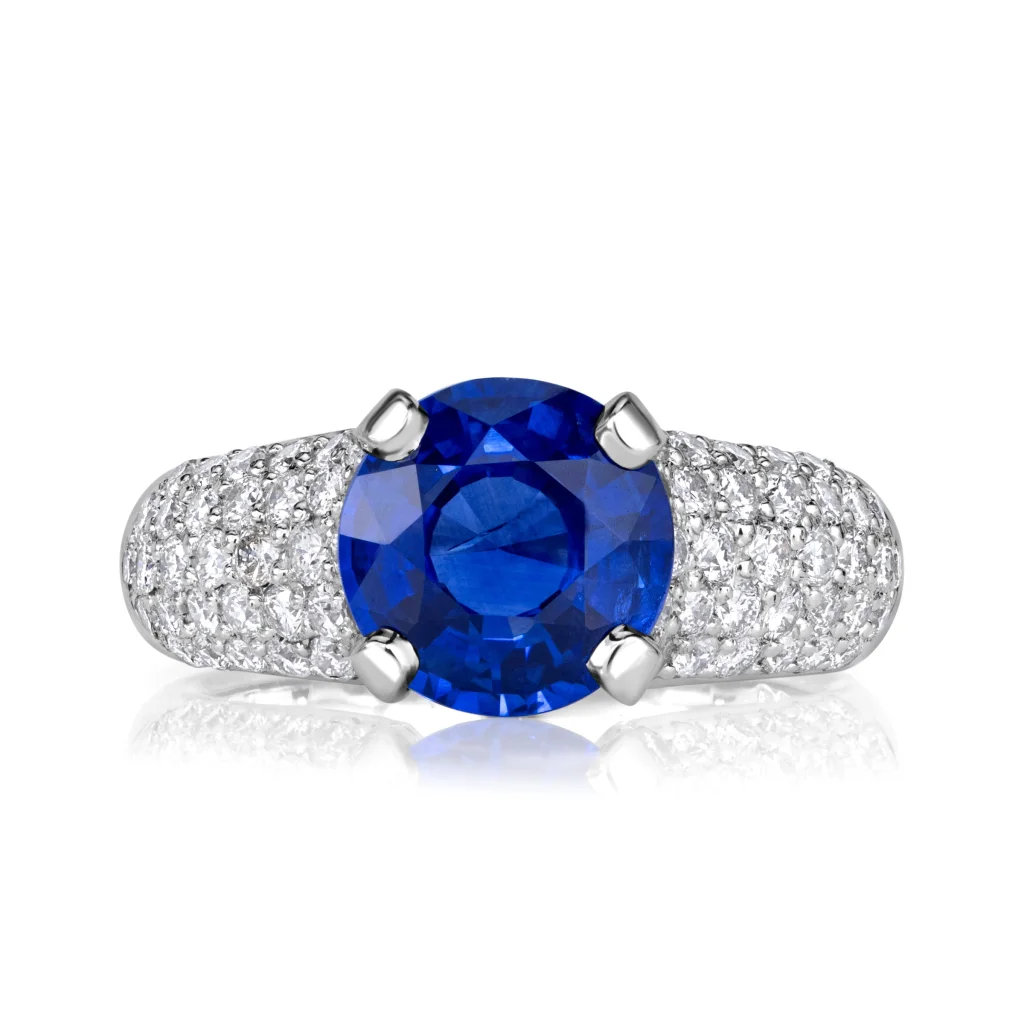
White gold and platinum are the conventional settings for royal blue sapphire, because they let the stone’s own color temperature read clearly without a warm cast competing against it. Yellow gold is a legitimate and increasingly popular alternative for buyers who want a more vintage or Mediterranean feel, and it can flatter stones with the faintest violet secondary hue. Halo settings amplify perceived size and are common through the 3 to 8 carat range. Solitaire and three-stone settings are more often chosen above 8 carats, where the stone itself is the statement and does not need framing from smaller accent stones. Sapphire is also exceptionally hard, second only to diamond on the Mohs scale, which makes it one of the more forgiving colored stones for daily wear in a ring. It can generally withstand ultrasonic cleaning provided it has not been fracture-filled, though a soft cloth with warm water and mild soap remains the safest routine for any fine stone, and because heat treatment is stable and permanent, ordinary contact with heat from cooking or hot water poses no risk to a properly treated sapphire.
Questions collectors ask
Is a royal blue sapphire more valuable than a cornflower blue sapphire of the same size?
Generally yes, carat for carat, because royal blue’s deeper saturation is rarer at the top end of quality and is more consistently in demand for statement jewelry. That said, an exceptional cornflower stone with ideal tone and no windowing can outprice a mediocre royal blue stone, since the color category sets a range rather than a fixed multiplier.
Does heat treatment reduce a sapphire’s value?
It reduces value relative to a comparable untreated stone of the same visual quality, but heat-treated sapphires are the market standard and are priced accordingly. They are not considered damaged or artificial goods. The key is disclosure: a certified, properly disclosed heat-treated stone is a legitimate purchase at a legitimate price.
Can I trust a seller’s claim of Kashmir or Burmese origin?
Only if it is backed by an independent laboratory’s origin determination, which is a specific and more rigorous test than a standard identification report. Origin claims made without that documentation should be treated as unverified, regardless of how confidently they are stated in a listing.
What carat size gives the best visual impact for the price?
Most collectors find the 5 to 8 carat range delivers the strongest ratio of visual presence to price, since per-carat costs accelerate sharply above 10 carats while remaining relatively stable through the single digits.
Every sapphire in Legacy’s collection is independently certified by GIA, IGI or HRD, with the laboratory arranged on request so the choice sits with the client, not the seller. Pieces can be viewed privately in person or by live video, and delivery is Brink’s-insured door to door worldwide. The full range is held within Legacy’s gemstone necklaces and high jewelry collections, and for guidance on verifying a certificate before you buy, see Legacy’s guide to GIA, IGI and HRD certification. For a stone in a specific carat weight or price range, a private consultation is the most direct way to see current inventory that has not yet been listed publicly. Book a private consultation to begin.
The Pieces in This GuideThe Vault →
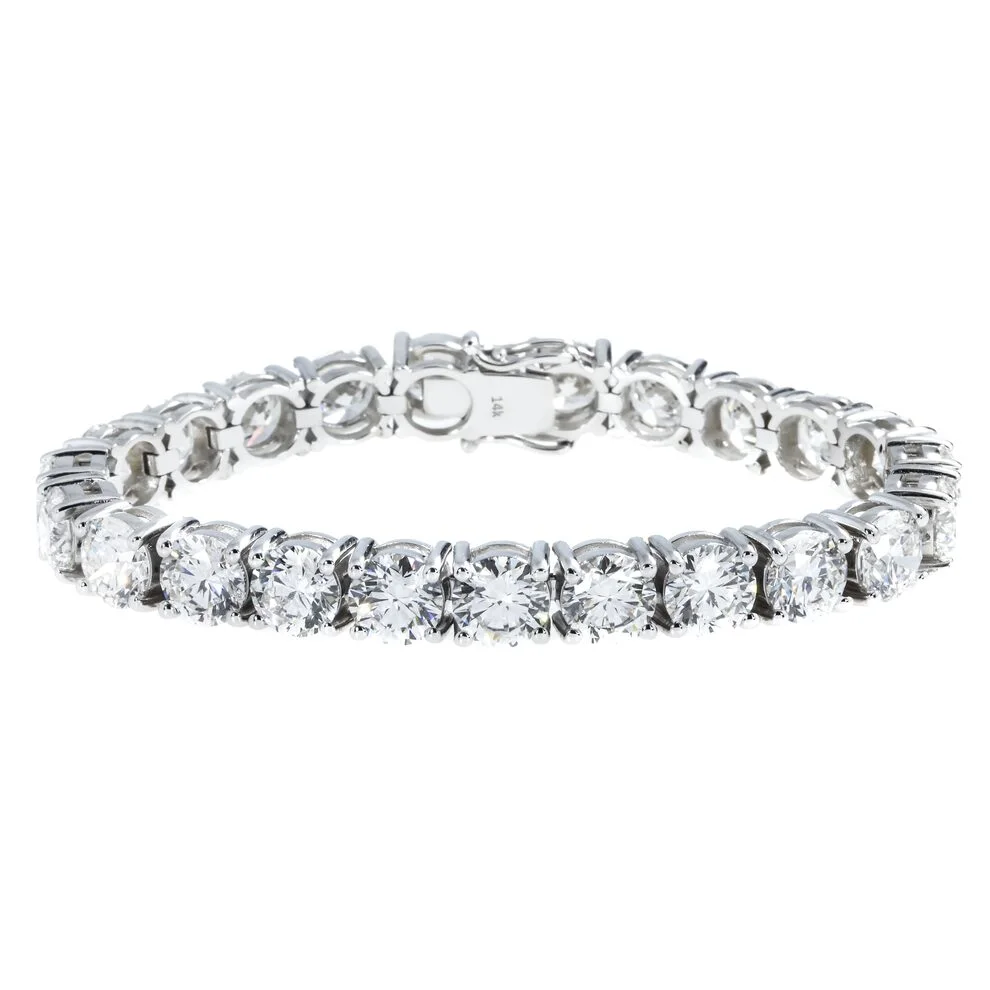
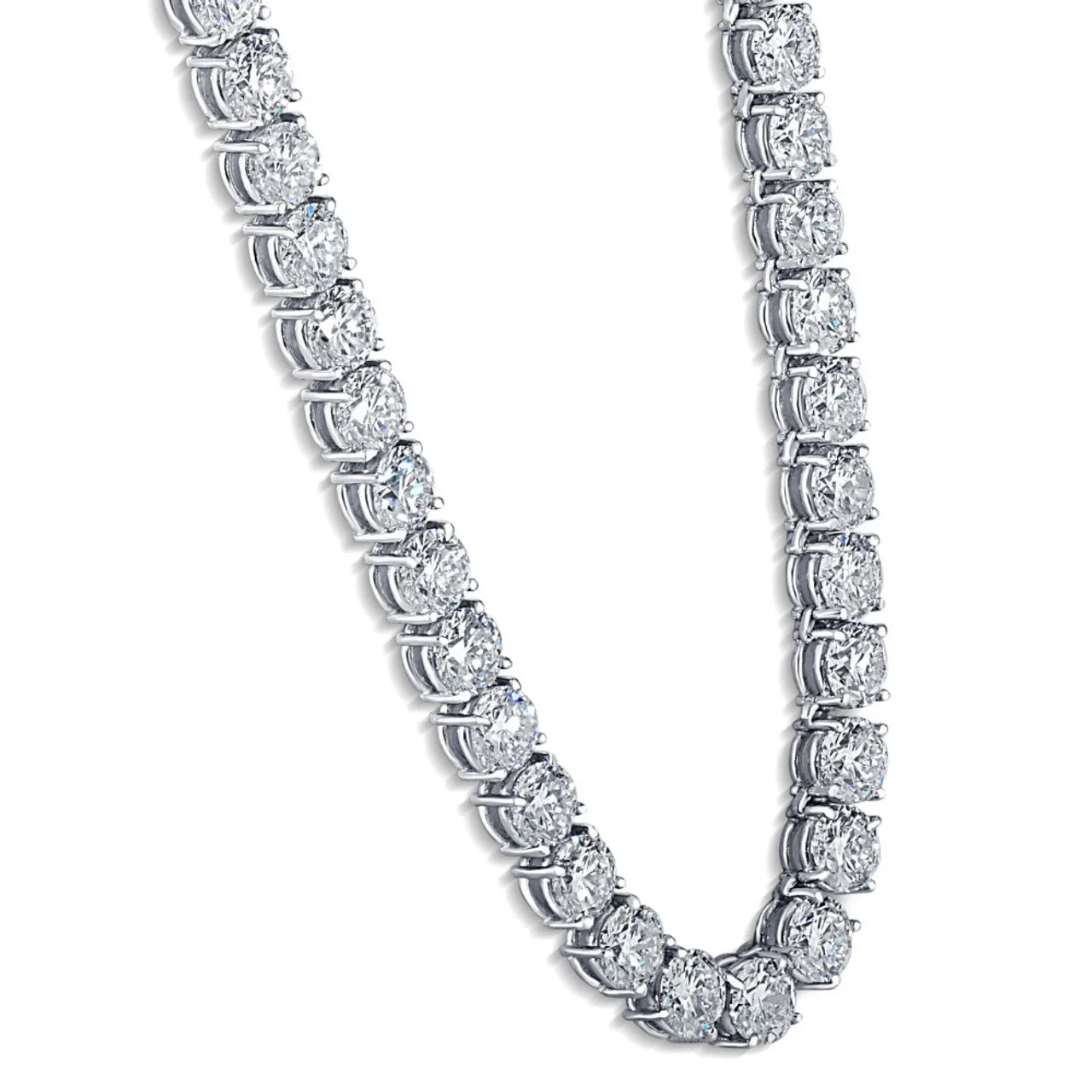
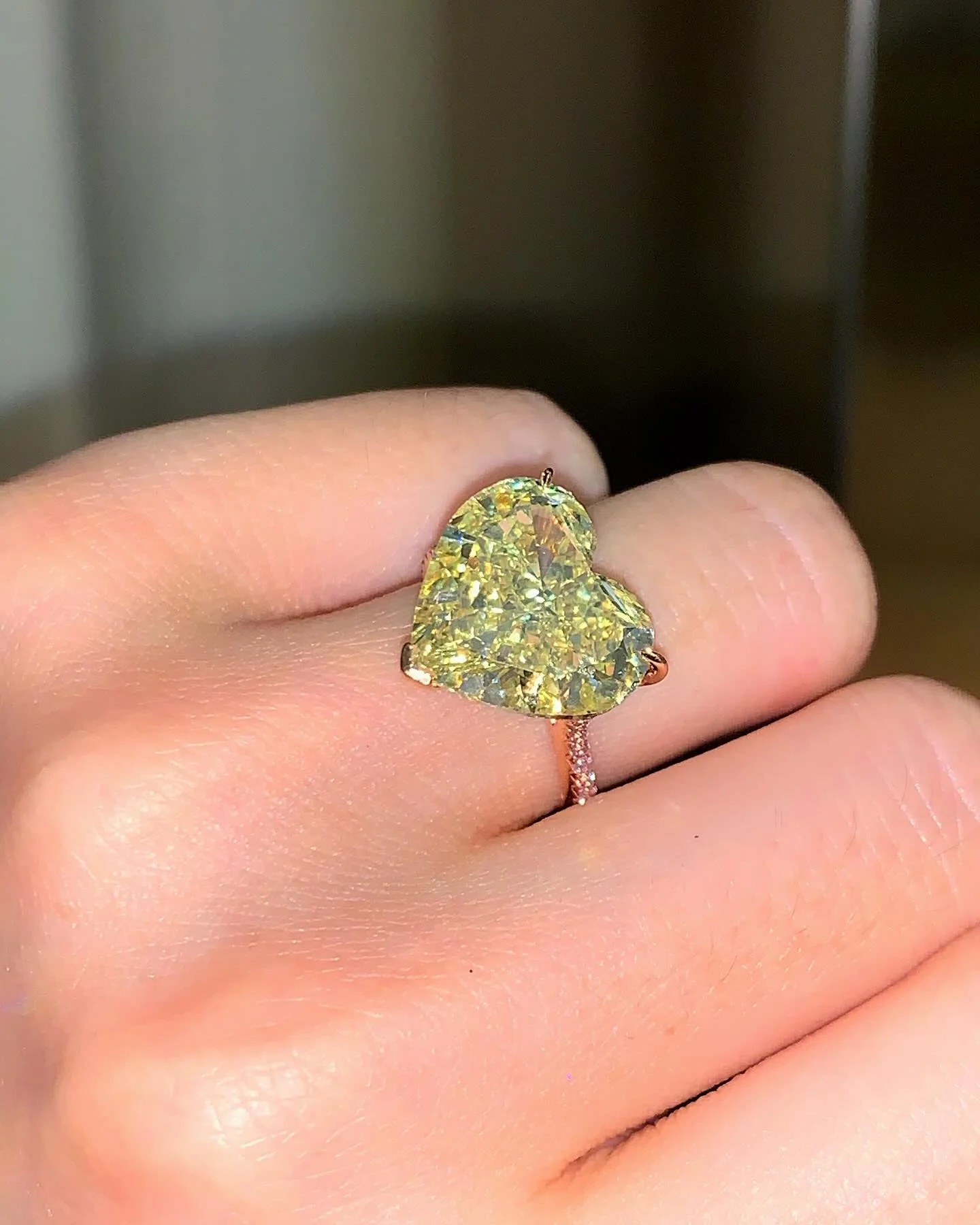
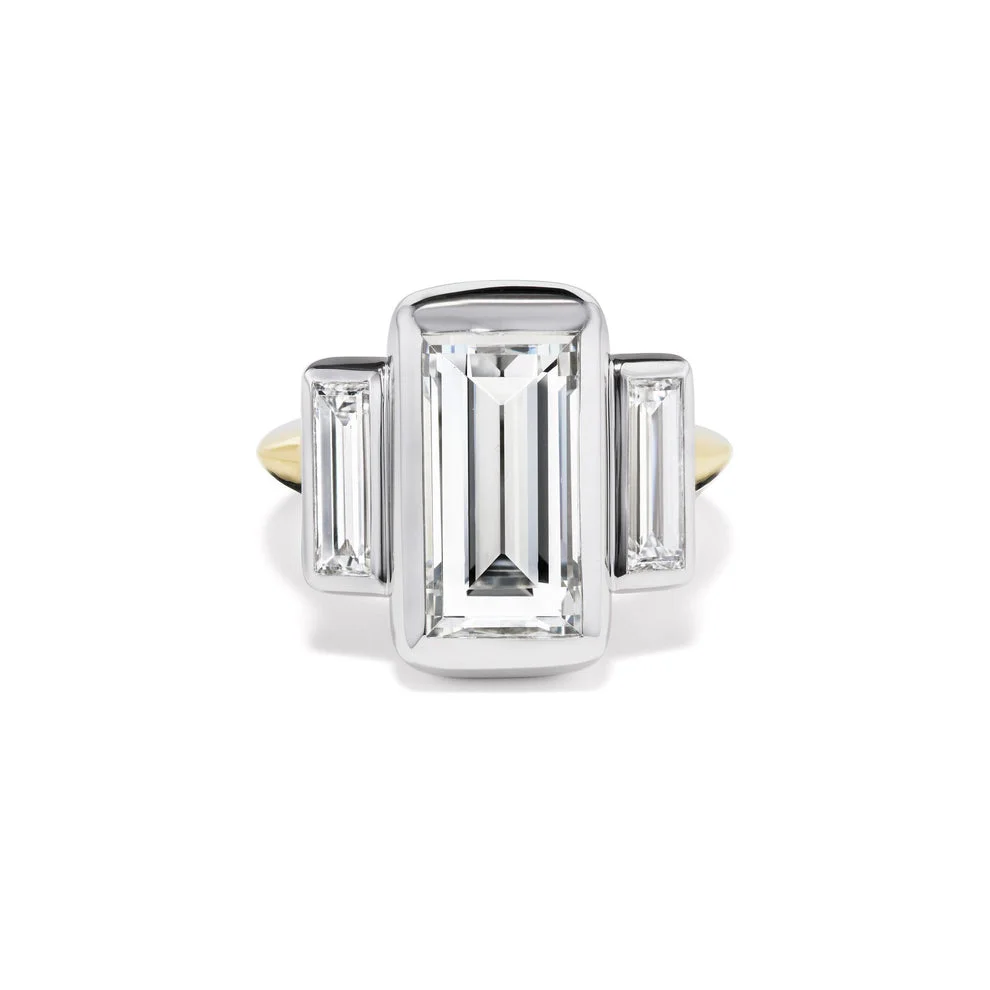
From the Legacy vault — each one-of-a-kind, independently certified.

A private advisor answers on the figures in this guide — and places any piece from the vault within them, certificate first.
More from Colored GemstonesAll Guides →
 Rubies: A Buying Guide for the Serious CollectorCOLORED GEMSTONES · AUG 21, 2026
 Emeralds: The Buying GuideCOLORED GEMSTONES · AUG 21, 2026
 Diamond Necklace Price Guide: 50 to 100 CaratsCOLORED GEMSTONES · AUG 31, 2026
 Diamond Earrings Price Guide: Studs, Drops, What They CostCOLORED GEMSTONES · AUG 31, 2026
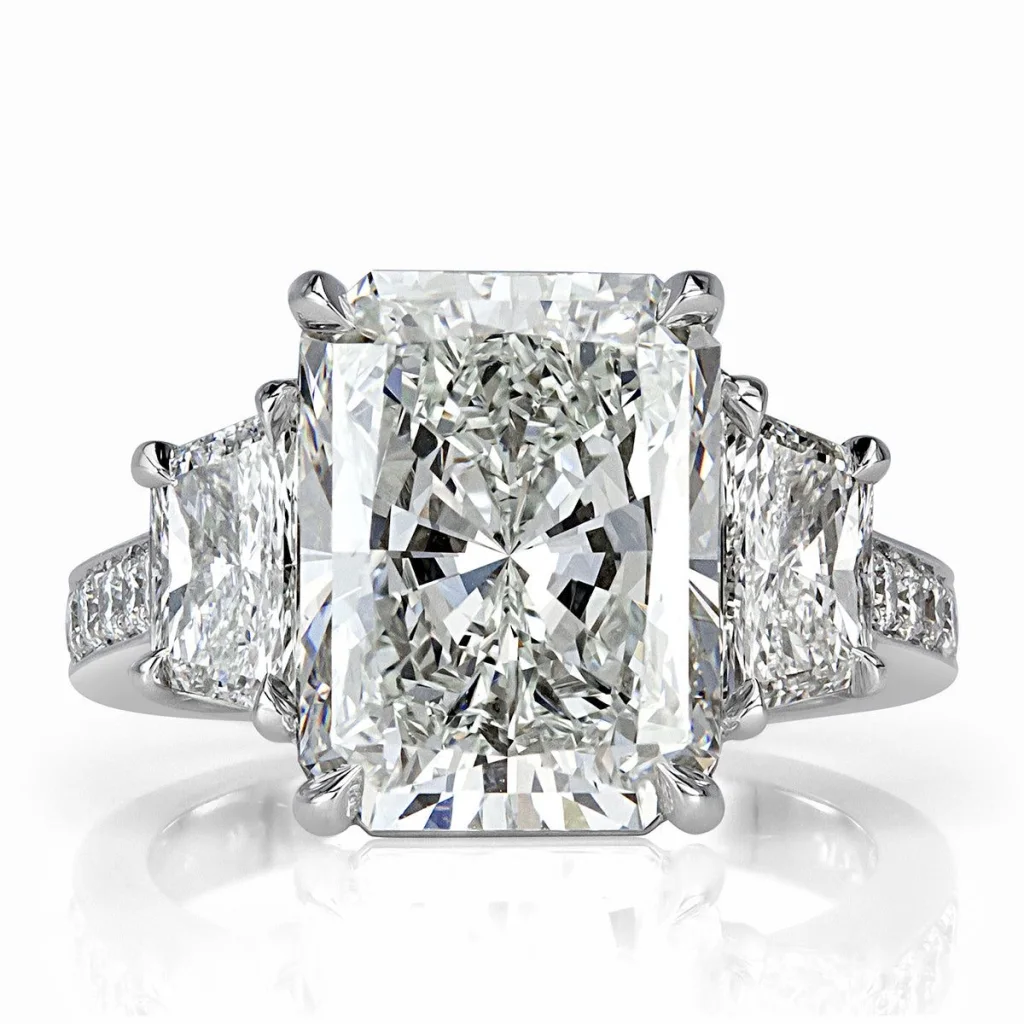 15+ Carat Diamond Price Guide: What It Actually CostsCOLORED GEMSTONES · AUG 31, 2026
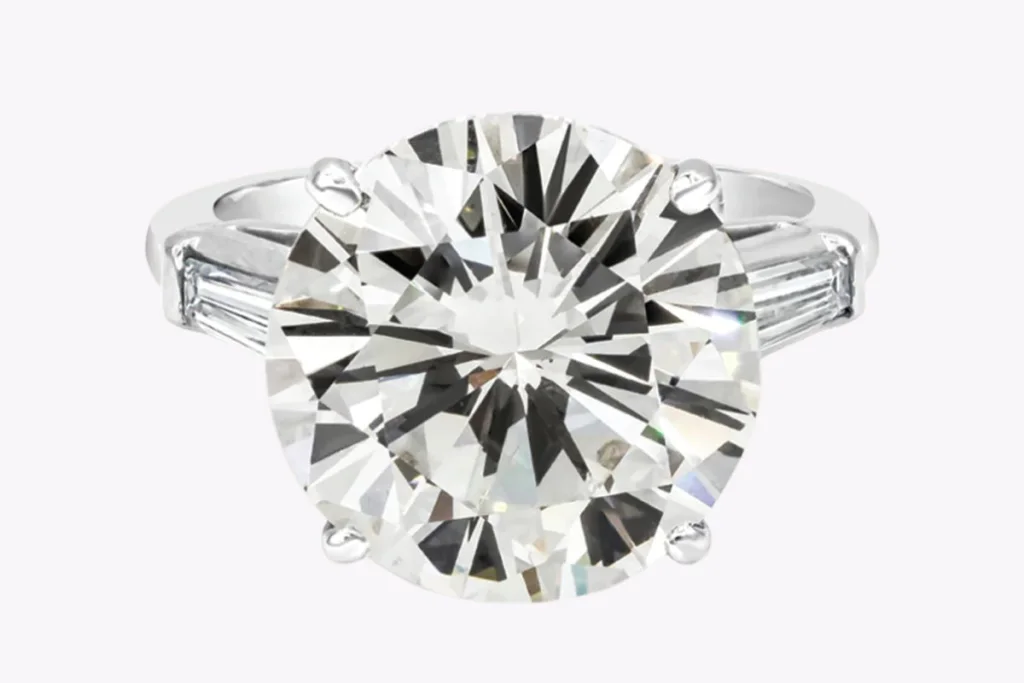 10 Carat Diamond Ring Price Guide: What It Actually CostsCOLORED GEMSTONES · AUG 31, 2026
The Vault, Continued
Every piece one-of-a-kind, every price published. Keep scrolling — the vault does not end here.