Diamond Education · The House Guides
Certification on Request: Why Serious Houses Let the Buyer Choose the Laboratory
Legacy arranges independent certification only once a client selects the laboratory, keeping the grading decision entirely in the buyer's hands.
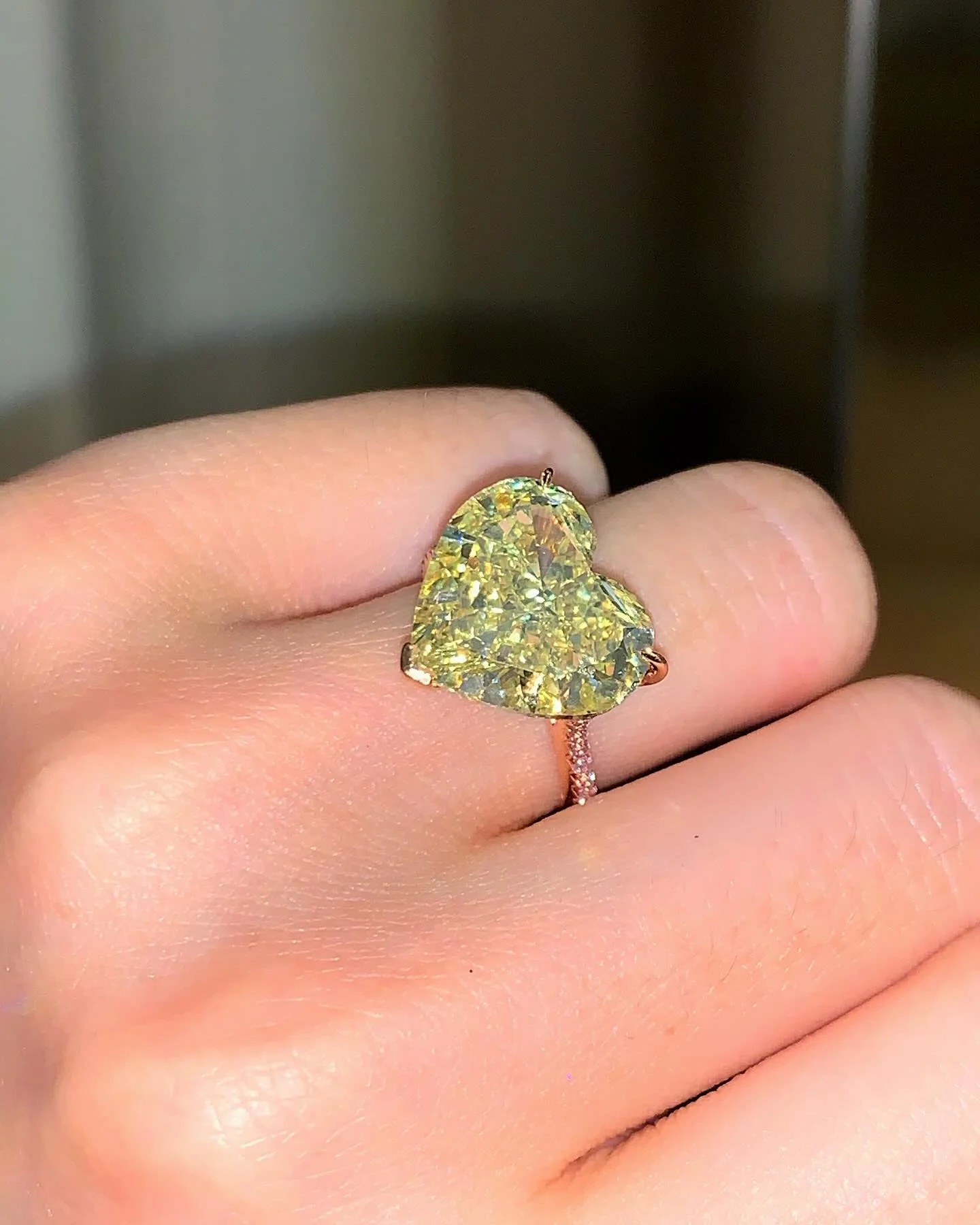
Certification on request means the diamond is not sent to a grading laboratory until the buyer instructs which one to use. At Legacy, every stone above a certain value is held uncertified in inventory; once a client commits to a piece, the house arranges grading through GIA, IGI or HRD according to the client’s own preference. The buyer chooses the laboratory. The house does not choose it for them.
Why the order of operations matters
Most retail jewelry is graded before it ever reaches a showroom, and the report is bundled with the piece as a fixed fact the buyer has no part in choosing. That works well enough for smaller, standard stones bought quickly. For a large or fine-colored diamond, the choice of laboratory can shape how a buyer reads the stone’s clarity and color grade against their own reference points, and against the rest of a growing collection. A collector who has built a collection around GIA reports, for instance, may want every acquisition graded on the same scale for consistency across their holdings, so that a color or clarity grade on a new piece means exactly what it meant on the last one. Another buyer may prefer IGI for a modern fancy shape where IGI’s volume of comparable stones is deeper, or HRD for a European provenance trail that matters to how the piece will eventually be sold or insured. Certification on request simply protects that choice rather than pre-empting it on the client’s behalf.
The distinction matters more as the value of a stone rises. On a modest piece, the difference between laboratories is largely academic. On a five- or six-figure diamond, the laboratory named on the report becomes part of how the stone is understood, valued and eventually resold, which is exactly why Legacy treats the choice as belonging to the buyer rather than to the house’s own sourcing convenience.
How the process actually runs
Once a client has selected a stone and confirmed the purchase, Legacy sends it to the client’s chosen laboratory, GIA, IGI or HRD, for full grading. The report covers the standard 4Cs (carat, color, clarity, cut), plus measurements, proportions, fluorescence and a laser inscription matched to the certificate number. Turnaround varies by laboratory and current submission volume, typically a matter of weeks rather than days for a full grading report, and the house keeps the client informed at each stage rather than leaving them to chase status updates. Delivery of the physical piece is coordinated once certification is complete, under Brink’s-insured door-to-door shipping worldwide, so the stone is covered throughout transit rather than only from the moment it lands.
Clients who want to see a stone before committing are not asked to decide on paperwork alone. Legacy offers private viewings, in person or by live video, so the stone itself can be examined closely under proper lighting and magnification before a laboratory is even chosen. Many collectors use that viewing to settle on their preferred laboratory in the first place, having seen the stone’s characteristics directly rather than relying solely on the house’s own description.

Why some houses certify everything upfront instead
Pre-certifying an entire inventory is faster for a retailer to merchandise and easier to list online with a report number attached to every listing from day one. The trade-off is that the buyer inherits whichever laboratory the retailer originally chose, often the cheapest or fastest option available at the time of intake, not necessarily the one the eventual buyer would have picked for their own purposes. For a stone in the tens or hundreds of thousands of pounds, that is a decision worth making deliberately rather than inheriting by default from a sourcing decision made months earlier, by someone other than the buyer, for reasons that had nothing to do with the buyer’s own collection or resale plans.
There is also a subtler cost to pre-certification: once a stone carries a report from a particular laboratory, that choice is fixed for the life of the piece unless the buyer pays to re-certify it elsewhere later, at their own expense and after the fact. Holding stones uncertified until purchase avoids that entirely. Nothing about the stone’s underlying quality changes either way; only the sequence in which the paperwork is generated changes, and Legacy’s view is that sequence should serve the buyer’s interests rather than the seller’s convenience.
What the certificate actually adds
A laboratory report is an independent, third-party statement of a diamond’s characteristics; it is not an appraisal and it does not set a price. What it gives a buyer is a verifiable, permanent record: the exact carat weight, color and clarity grades, cut proportions, fluorescence, and a report number that can be checked against the issuing laboratory’s own database at any time, by the buyer or by anyone the buyer later sells to. That verifiability is what makes the certificate useful at resale, for insurance valuation, and for comparing one stone honestly against another, which is precisely why the choice of who issues it belongs to the person relying on it rather than to whoever handled the stone first.
How this fits into the wider buying decision
Certification on request is one part of a broader approach to how Legacy sells large and fine-colored diamonds: stones are selected individually rather than bought in parcels, every piece carries one honest public price rather than an inflated figure designed to be negotiated down, and delivery is insured door-to-door through Brink’s regardless of destination. Letting the client choose the certifying laboratory sits alongside those same principles: it is a decision made in the buyer’s interest at a point where that interest is easy for a seller to override, and Legacy has kept it in the buyer’s hands since the house was founded in 1950.
Questions collectors ask
Does it cost more to have Legacy certify through GIA instead of IGI?
No. Certification is arranged as part of the purchase price regardless of which of the three laboratories, GIA, IGI or HRD, the client selects. There is no premium for choosing one over another, and no discount offered for skipping certification altogether.
Can I see the stone before it is certified?
Yes. Legacy offers private viewings in person or by live video before certification, so a client can examine a stone closely, ask questions of a gemologist directly, and settle on a preferred laboratory before committing to a purchase.
What if I don’t have a preference between GIA, IGI and HRD?
Legacy’s gemologists can talk through the practical differences, typical turnaround time, regional recognition, and consistency with any existing pieces already in a client’s collection, and make a recommendation. The final choice, however, always remains the client’s to make.
Is an uncertified stone less trustworthy before grading?
No. Every stone in Legacy’s inventory has been individually selected, not bought in parcels, and is fully described with its measured characteristics ahead of certification. The laboratory report formalises and verifies what is already known about the stone through the house’s own gemological assessment; it does not change the stone itself, and a client can rely on that description while deciding which laboratory to instruct.
How long does certification typically add to delivery?
Turnaround depends on the laboratory chosen and its current submission volume, generally a matter of weeks for a full grading report rather than days. Legacy coordinates the submission promptly once a purchase is confirmed and keeps the client updated, so the wait is spent knowing exactly where the stone stands rather than guessing.
Legacy has certified stones through GIA, IGI and HRD since 1952, and the choice has always sat with the client rather than the house. Collectors ready to select a piece can browse the current ring collection, or arrange a private consultation to discuss certification and timing before committing to a stone. For more on reading a completed report once it arrives, see the guide to the GIA, IGI and HRD certification standards and how to verify a diamond certificate once it is in hand.
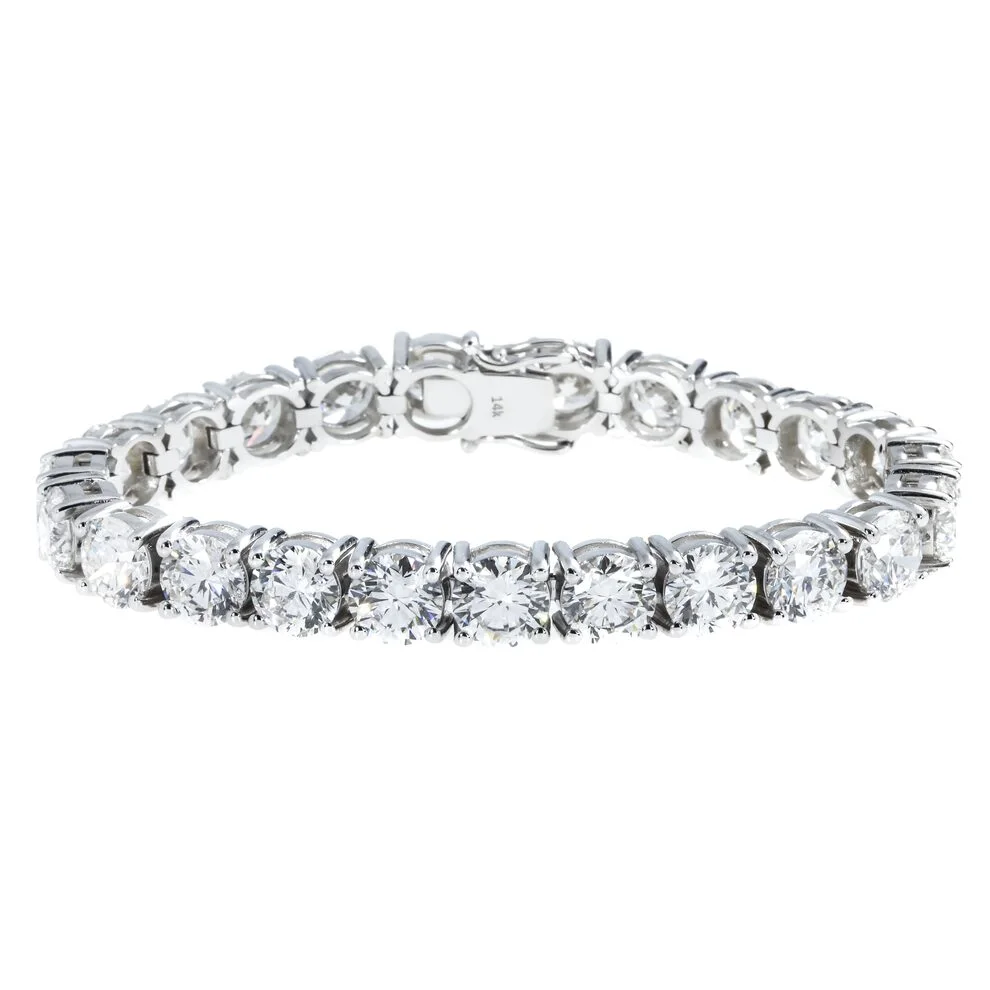
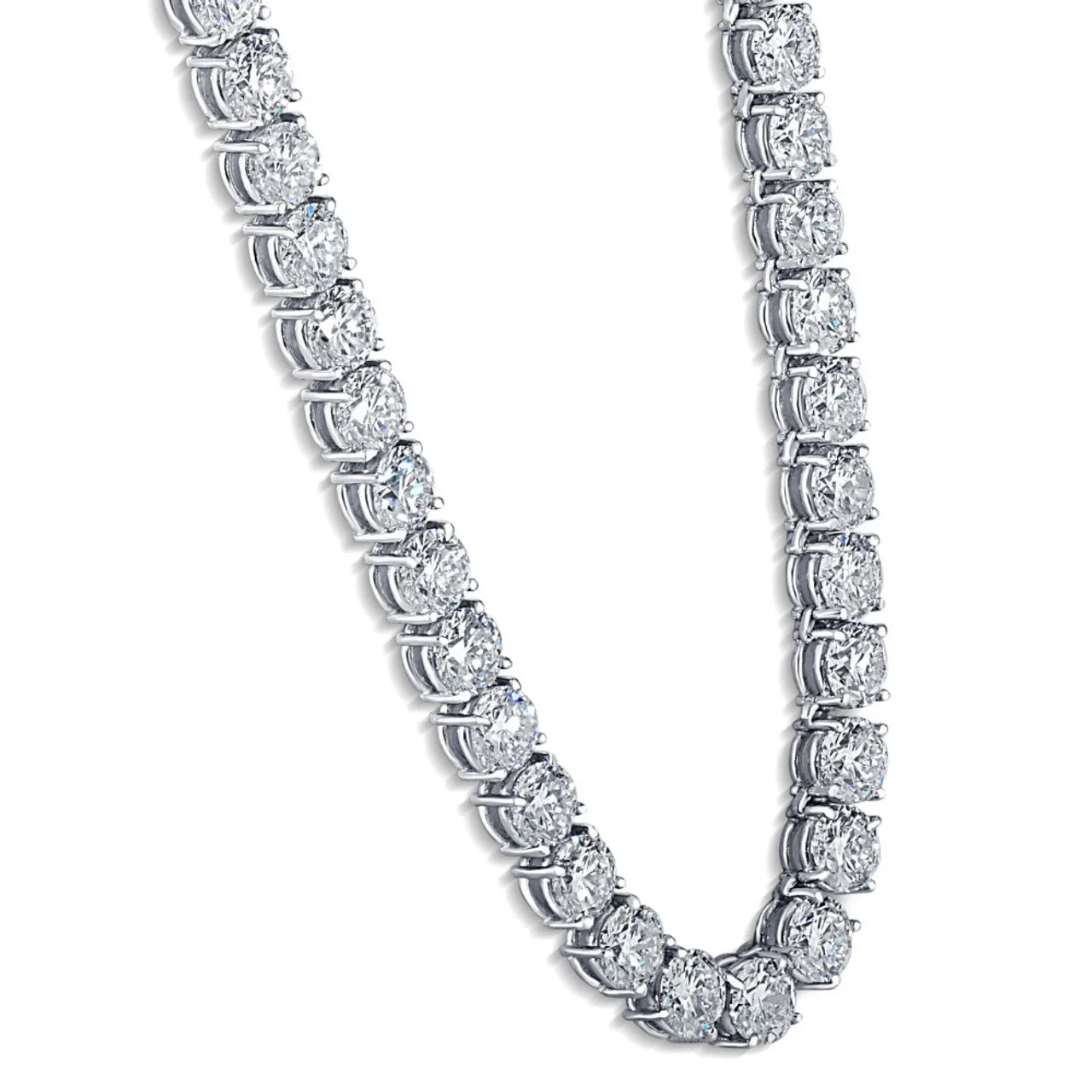
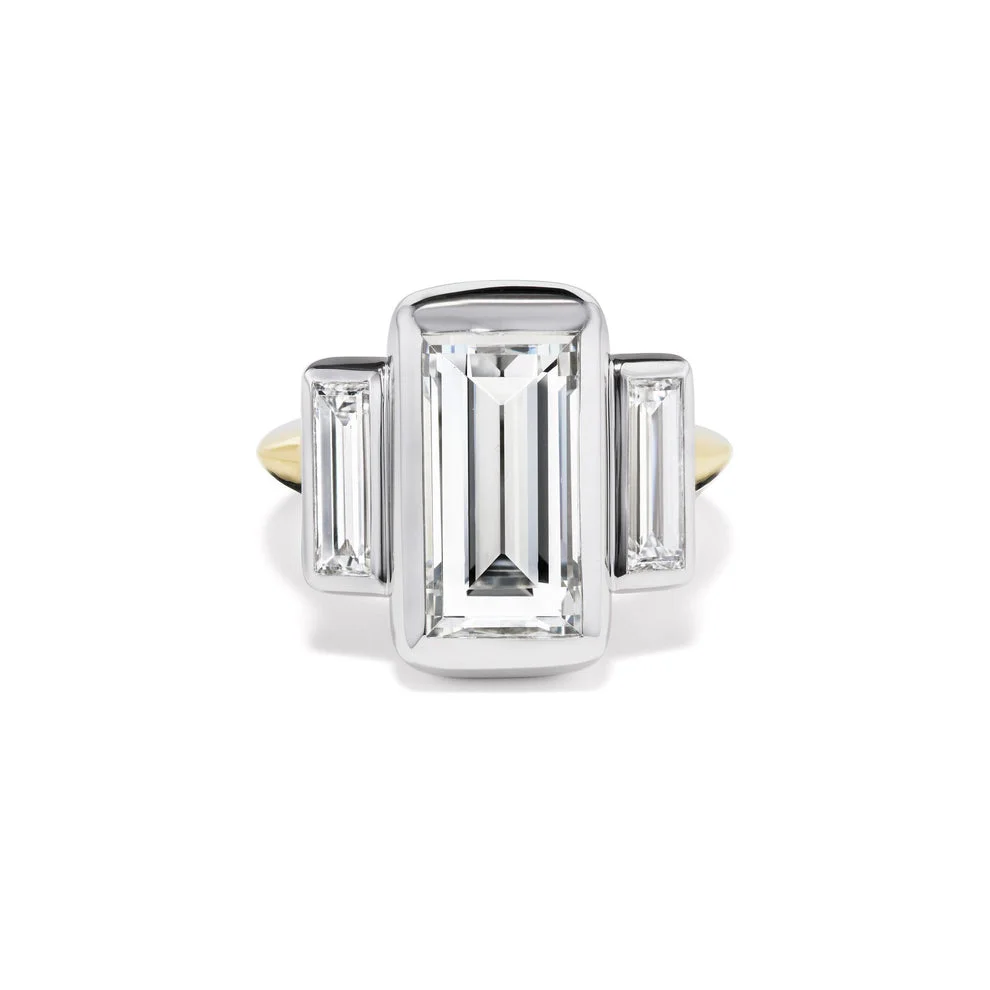
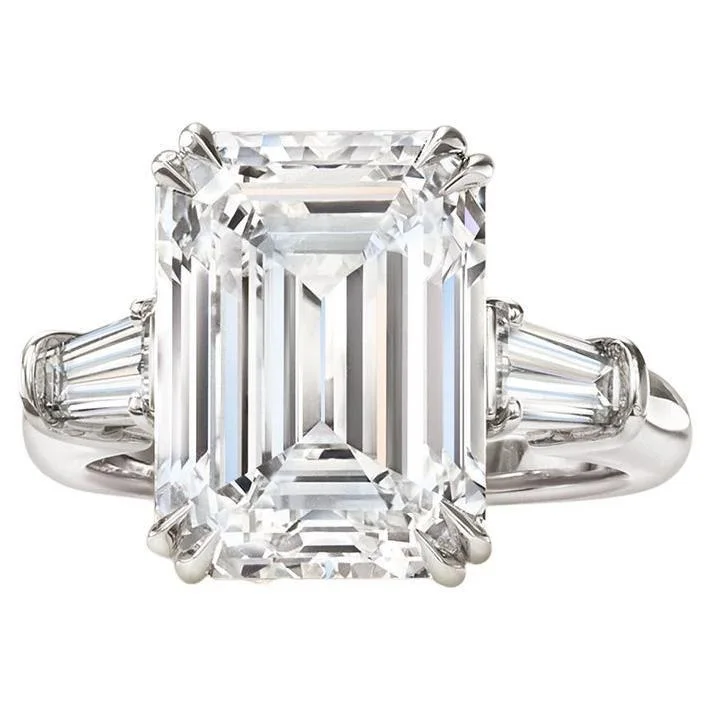
The Pieces in This GuideThe Vault →
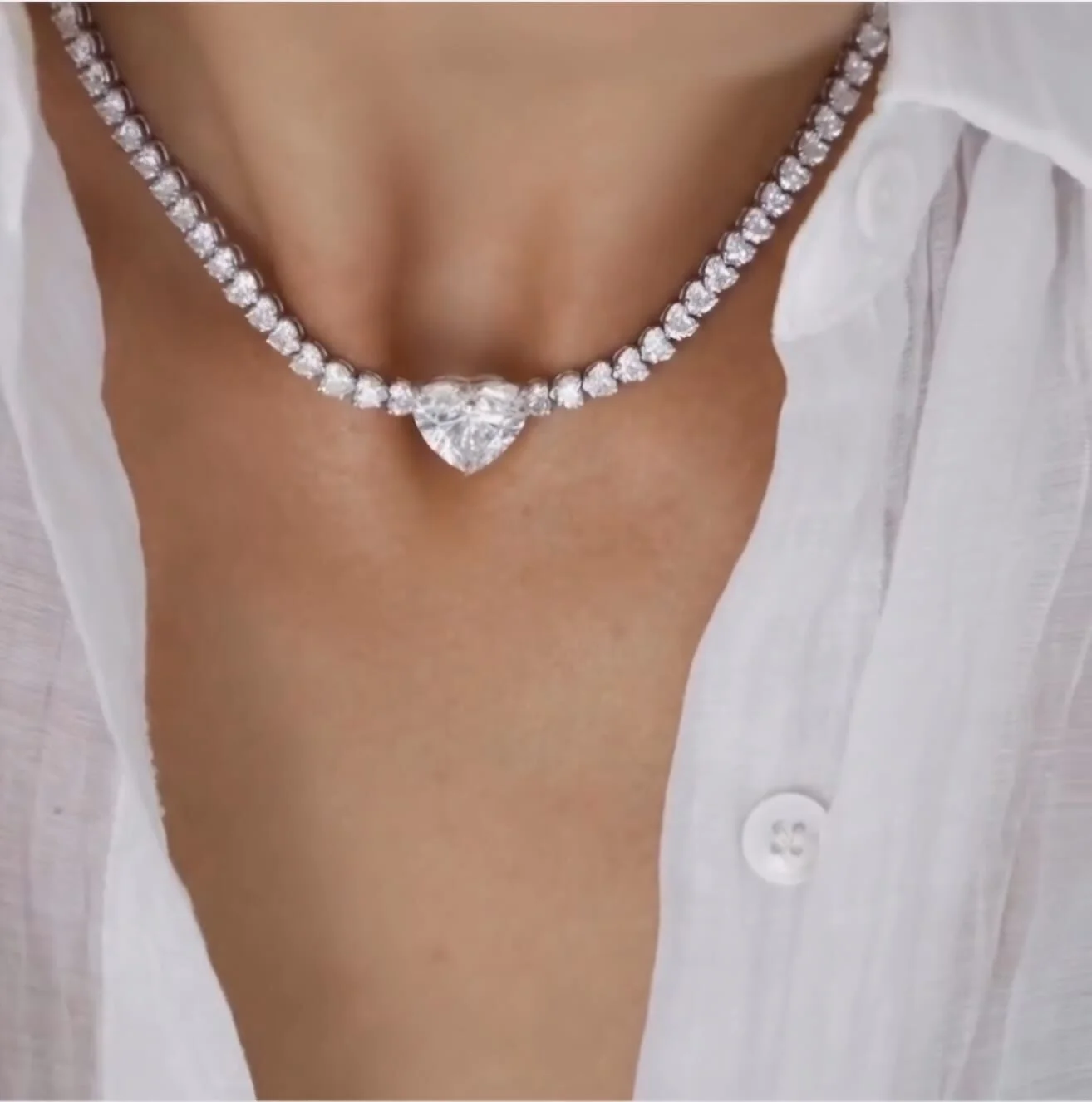
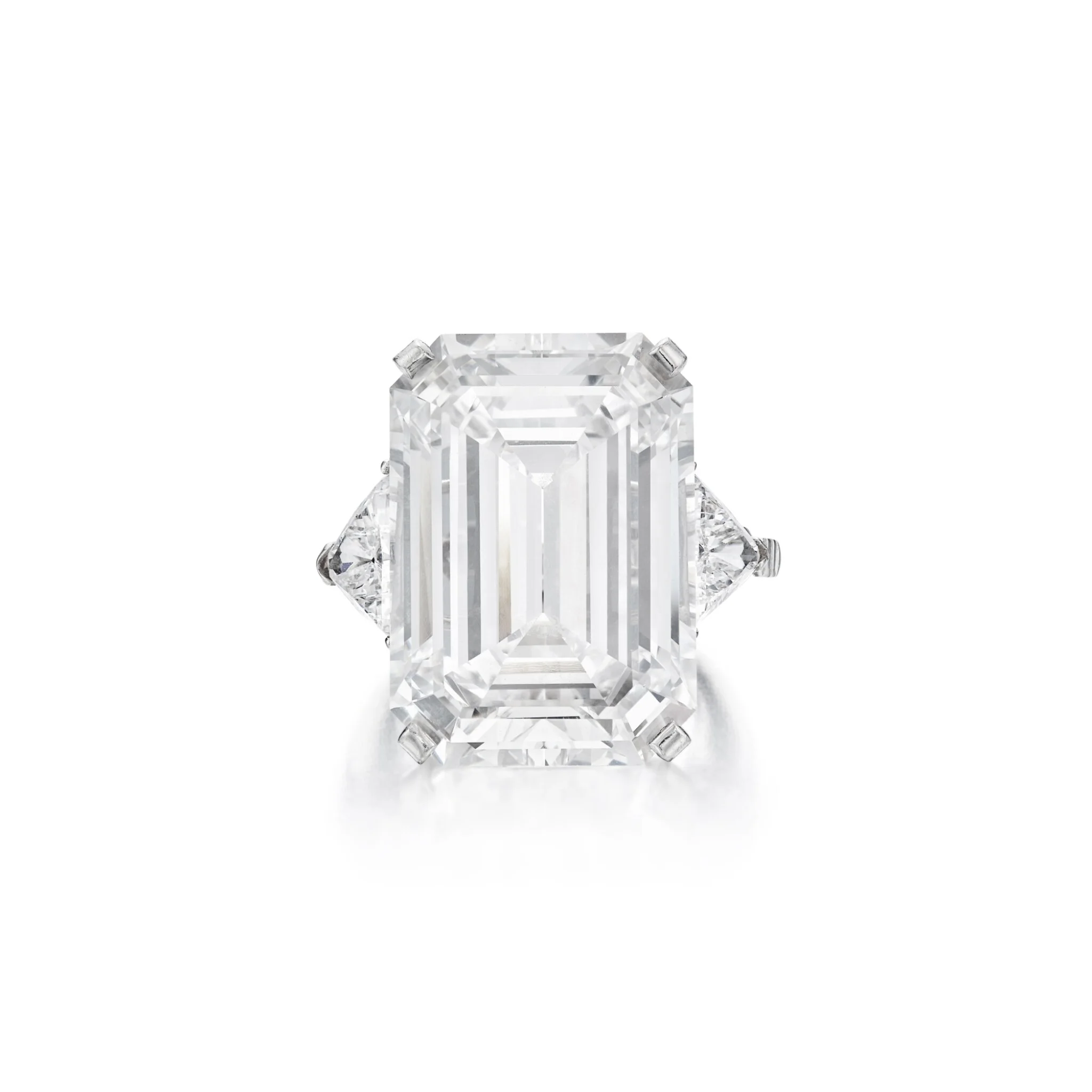
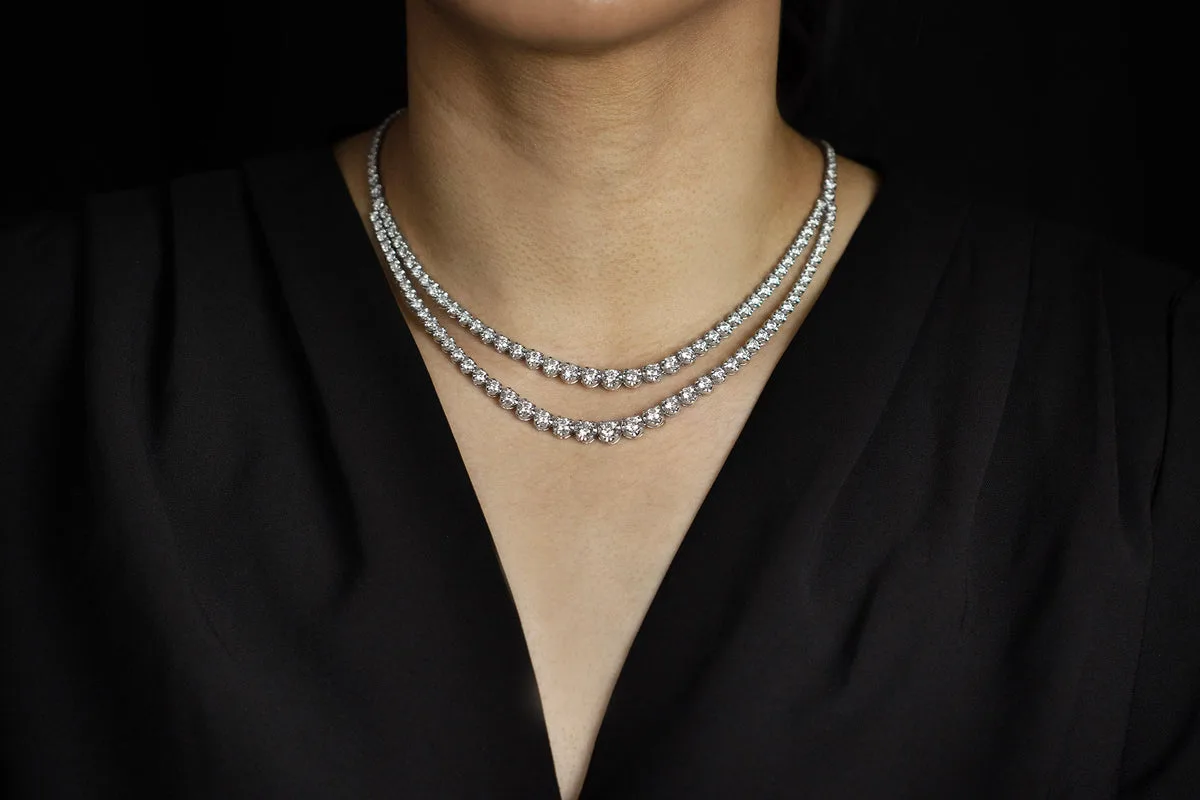
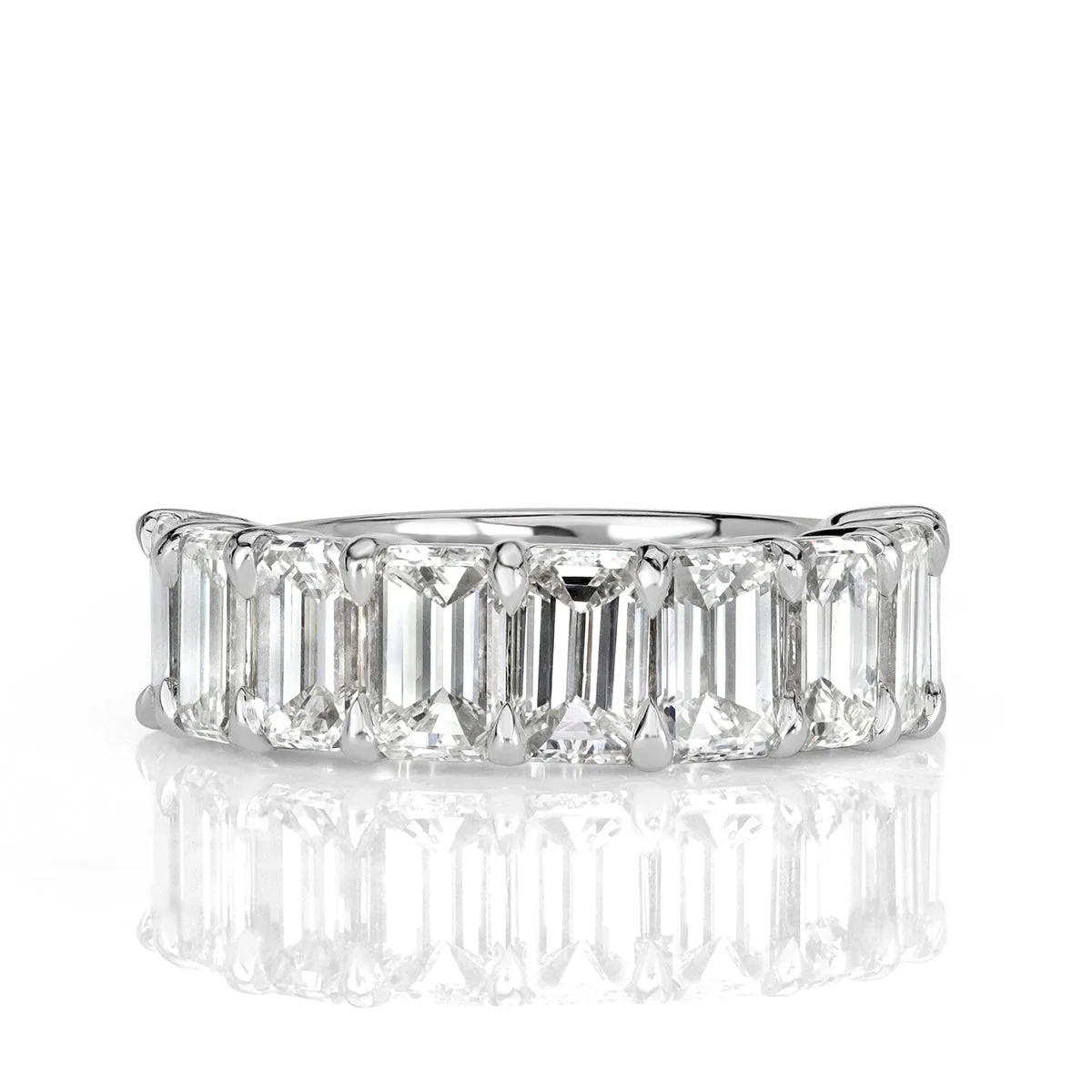
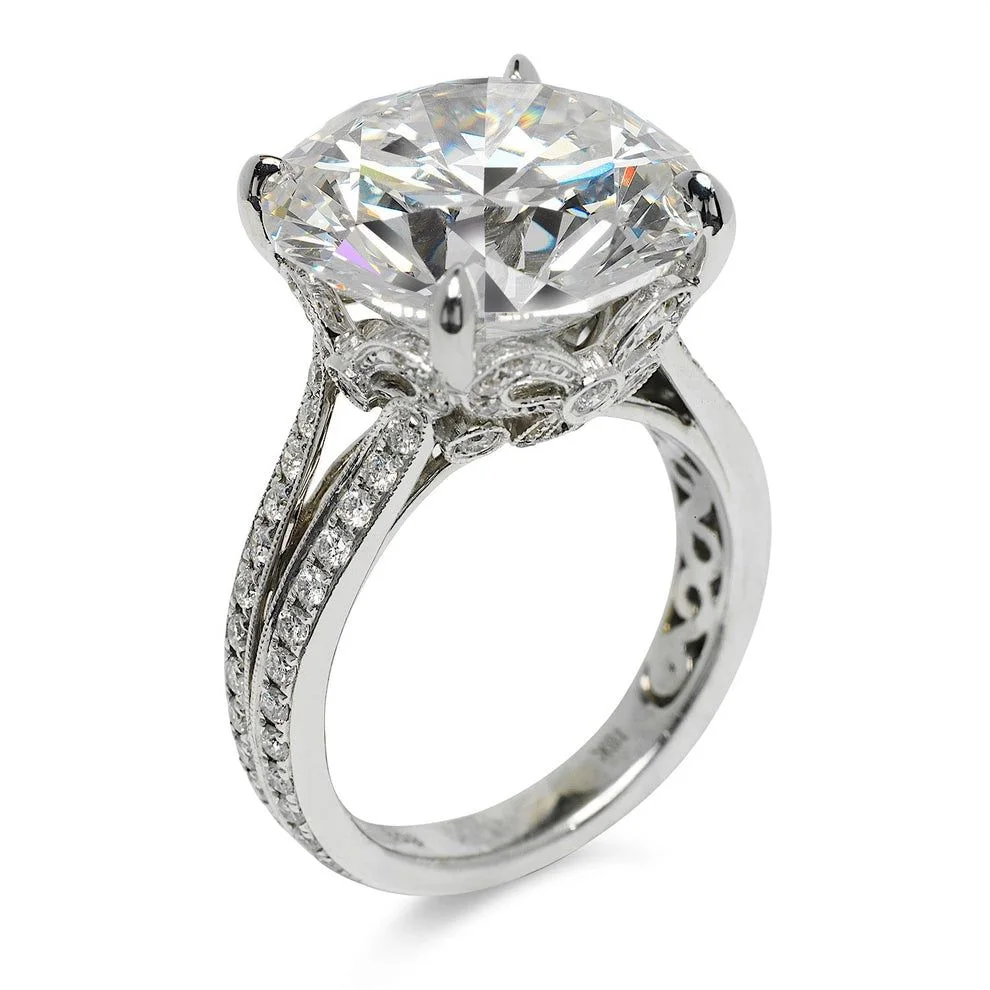
From the Legacy vault — each one-of-a-kind, independently certified.
A private advisor answers on the figures in this guide — and places any piece from the vault within them, certificate first.
More from Diamond EducationAll Guides →
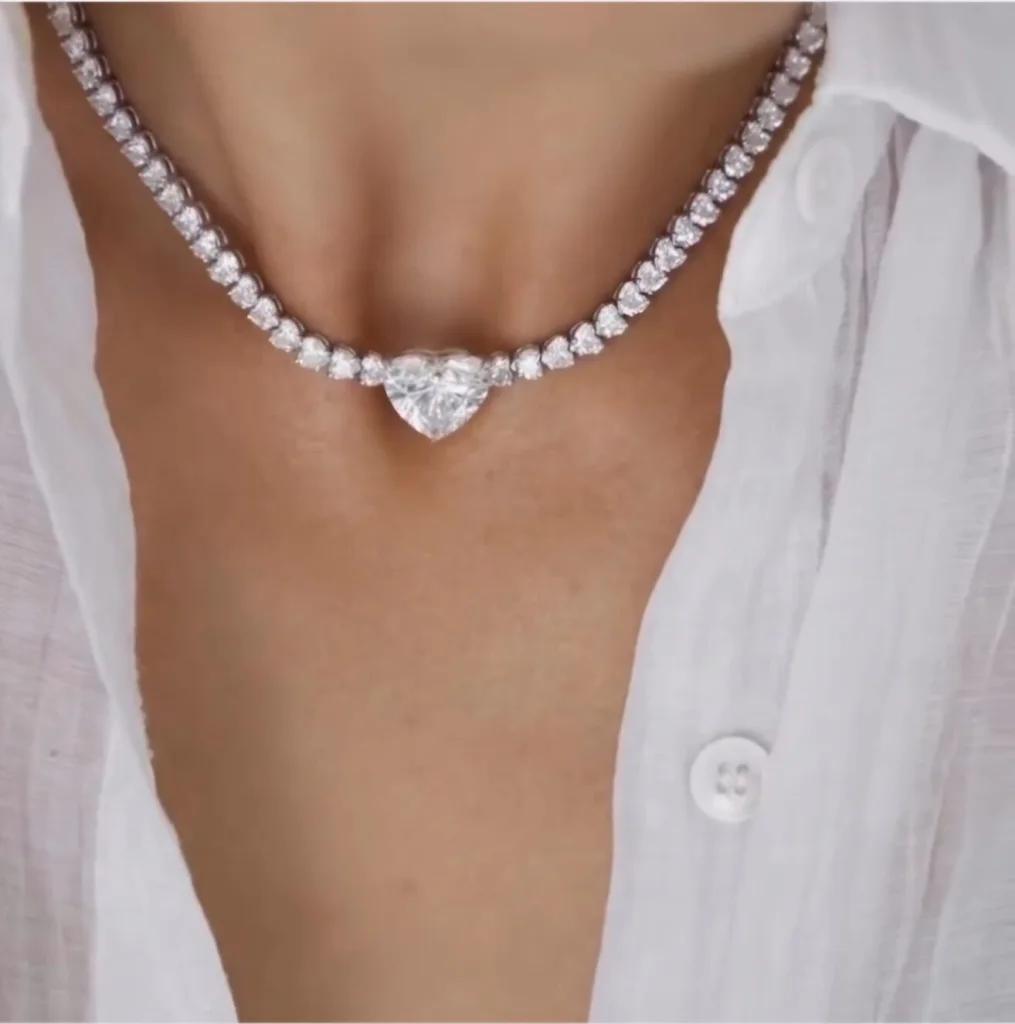 Diamond Necklace Price Guide: 50 to 100 CaratsDIAMOND EDUCATION · AUG 31, 2026
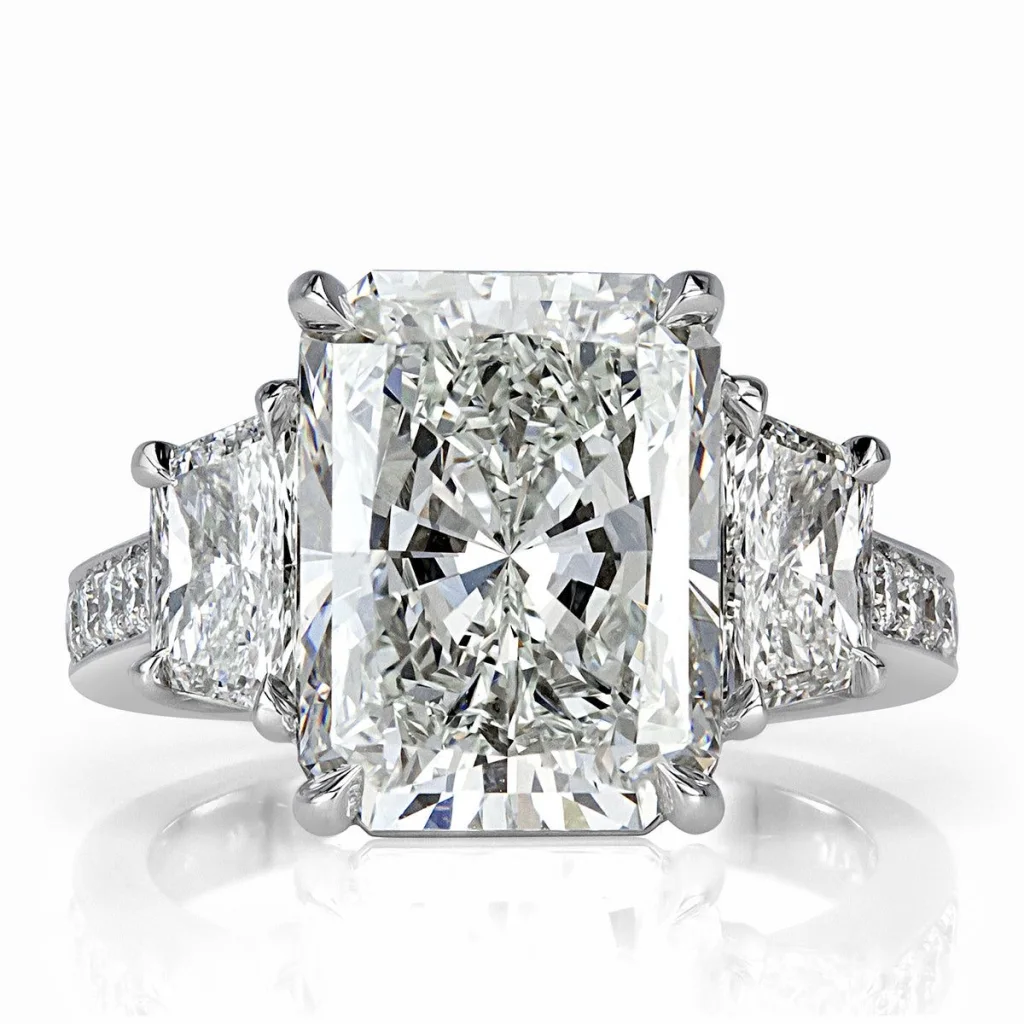 15+ Carat Diamond Price Guide: What It Actually CostsDIAMOND EDUCATION · AUG 31, 2026
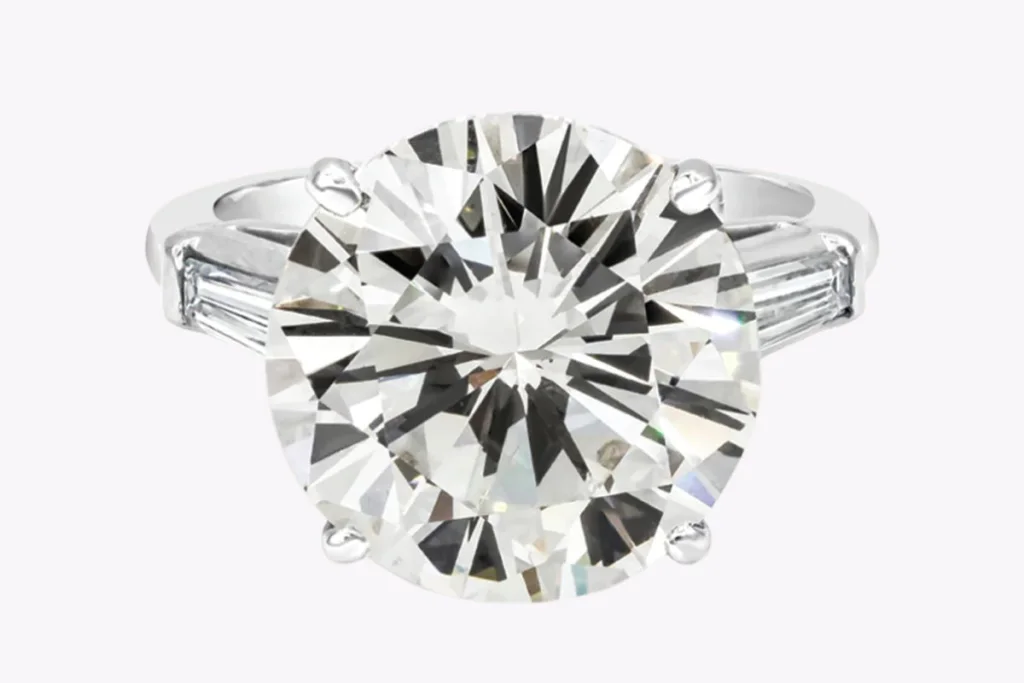 10 Carat Diamond Ring Price Guide: What It Actually CostsDIAMOND EDUCATION · AUG 31, 2026
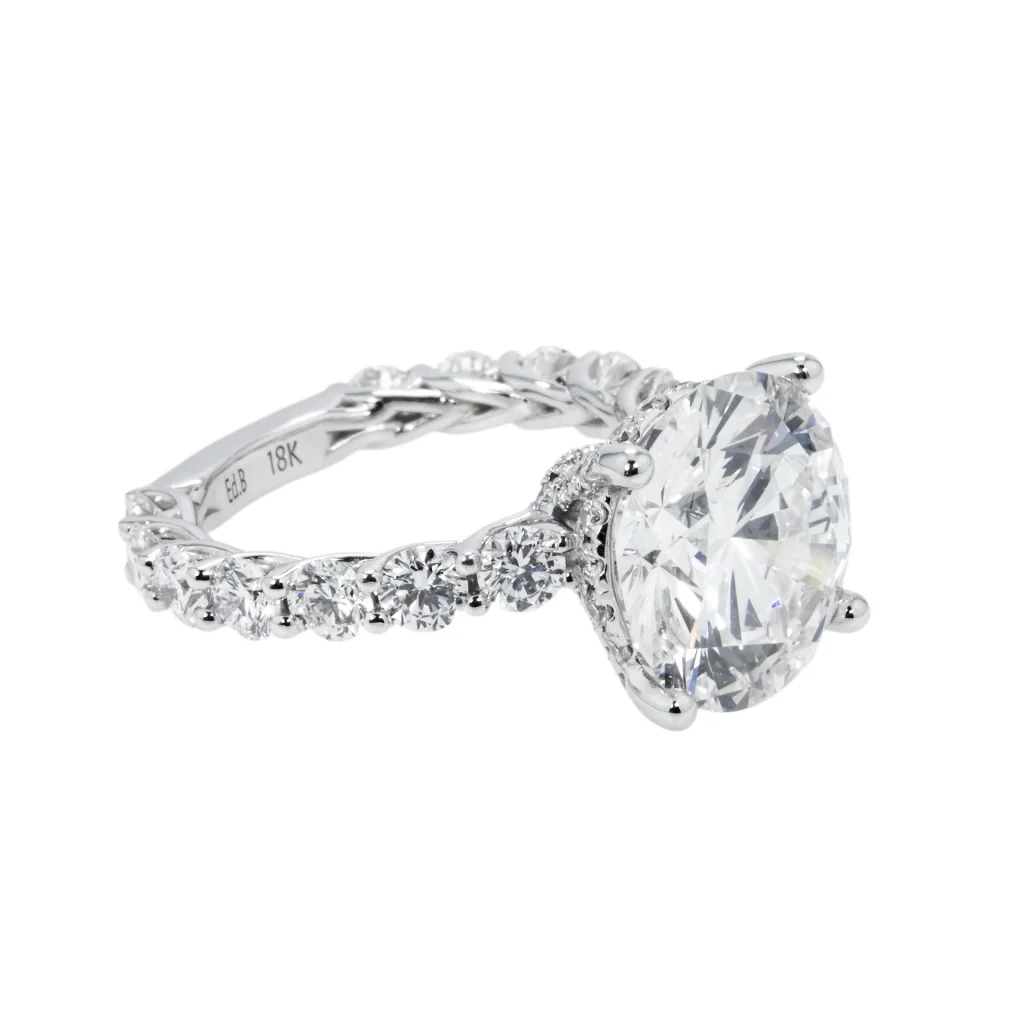 9 Carat Diamond Ring Price Guide: What It Actually CostsDIAMOND EDUCATION · AUG 31, 2026
 7 Carat Diamond Ring Price Guide: What It Actually CostsDIAMOND EDUCATION · AUG 31, 2026
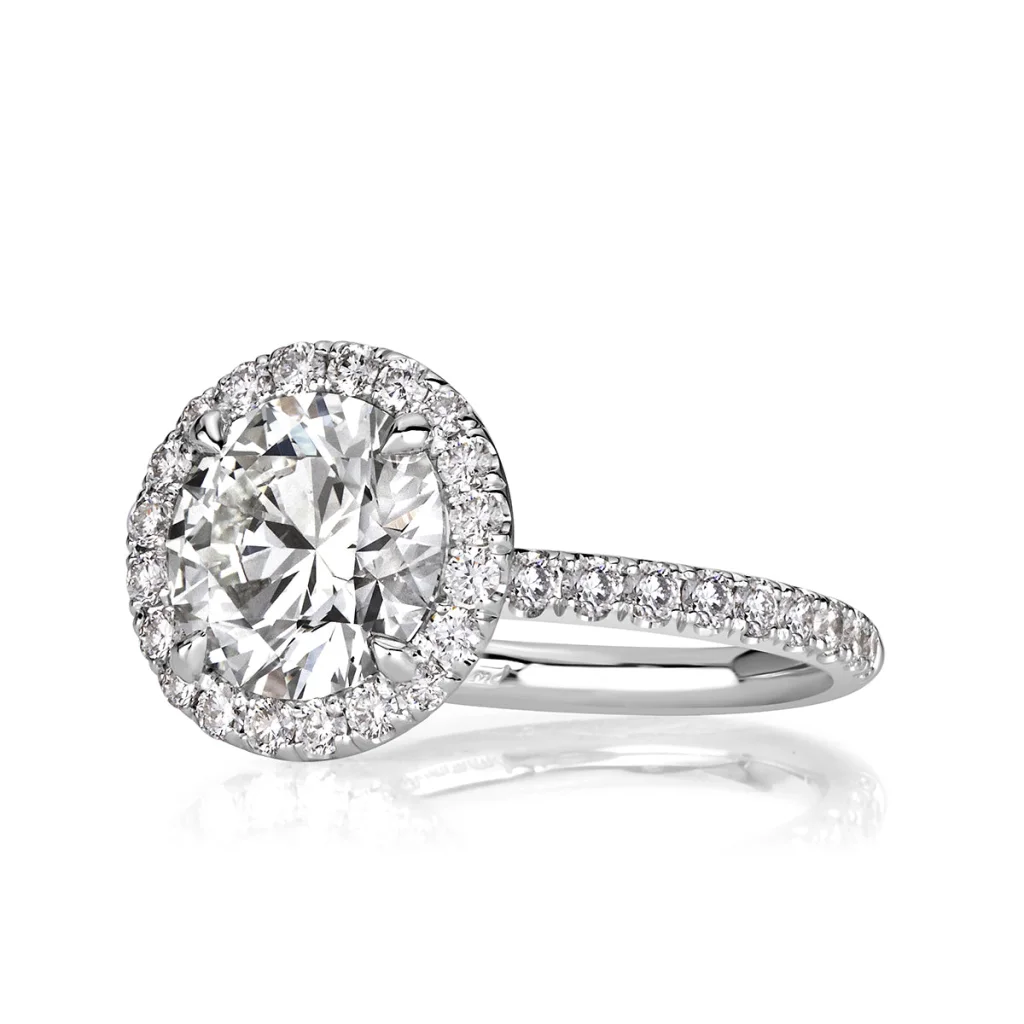 5 Carat Diamond Ring Price Guide: What It Actually CostsDIAMOND EDUCATION · AUG 31, 2026
The Vault, Continued
Every piece one-of-a-kind, every price published. Keep scrolling — the vault does not end here.