Diamond Education · The House Guides
4 Carat Diamond Rings: What Collectors Look For
What Legacy's 296 current 4 carat diamond rings actually cost, and why the median sits well above the 3 carat figure.
Why 4 carats sits at the sweet spot between presence and liquidity
Three carats reads as significant. Five carats reads as a statement piece that draws comment. Four carats sits between the two: large enough that it is unmistakably a serious stone, but not so large that it narrows the pool of people who would eventually want to buy or wear it. Collectors who think about resale and liquidity alongside personal enjoyment tend to gravitate here, because a well-cut 4 carat diamond is rare enough to hold interest but common enough that a future buyer exists.
That compression at the top is informative: it suggests the most extreme fancy-color and flawless-clarity rarities cluster more at 3 carats and below 5 carats than precisely at 4, though exceptional 4 carat stones do exist and command accordingly high prices.
What collectors actually pay for at 4 carats
Color and clarity remain the dominant price levers, but at 4 carats a few additional factors carry more weight than they do at smaller sizes.
- Color grade precision. The difference between a D color and a J color 4 carat diamond is visible face-up, unlike at 1 carat where the difference is often only detectable under magnification. Buyers paying at the upper end are usually paying specifically for color that reads white to the naked eye.
- Clarity that survives scrutiny. At this size, a diamond is examined closely by anyone who sees it worn. VS clarity is the practical floor for most of Legacy’s core-tier pieces; SI clarity can still perform well if inclusions are positioned away from the table facet.
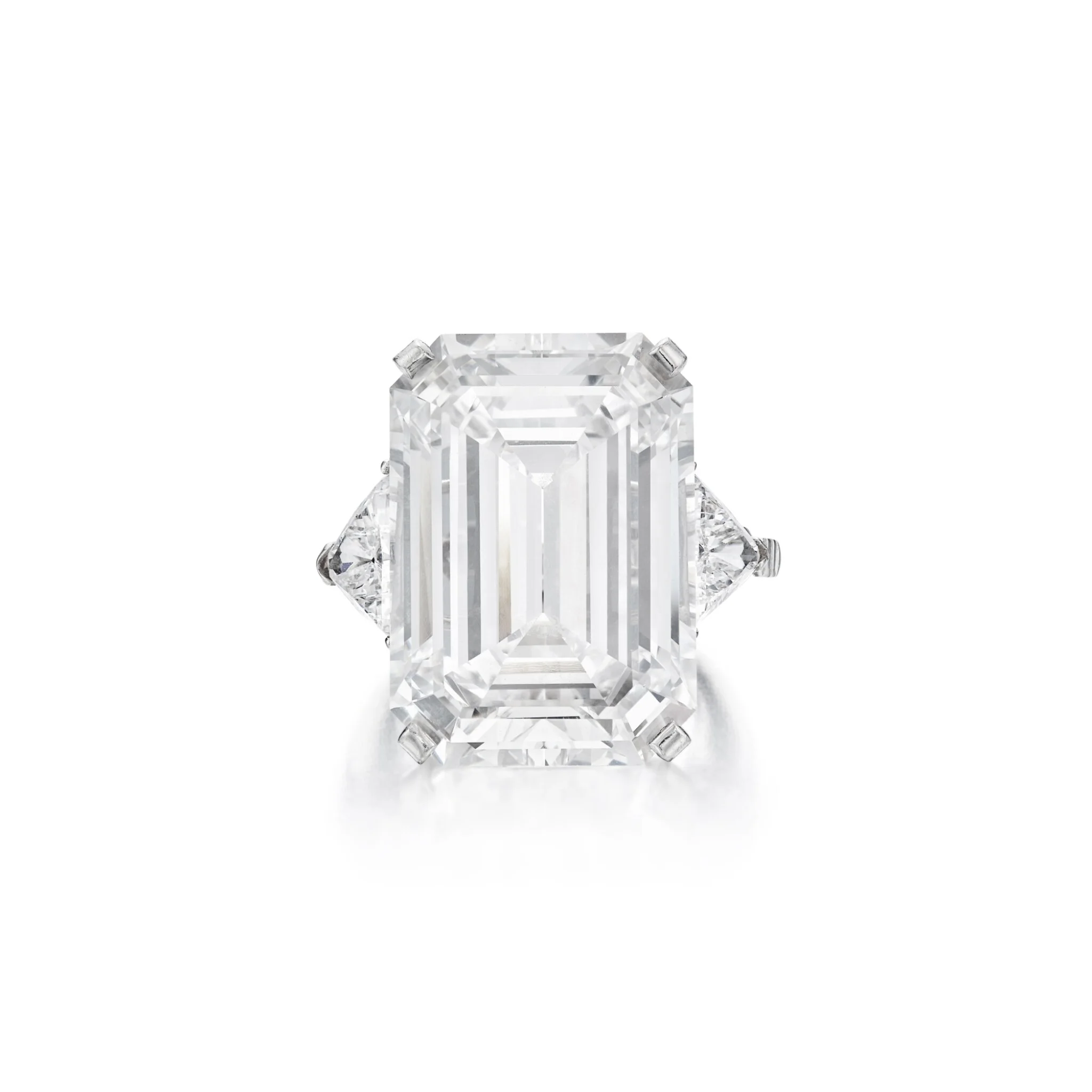
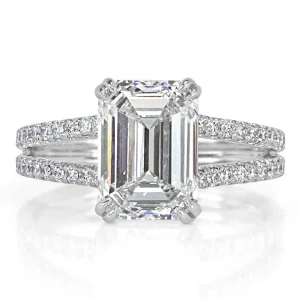
- Cut quality over shape novelty. Round brilliants, ovals and marquise cuts all appear in Legacy’s 4 carat collection at similar price points when color and clarity match, which tells collectors that cut execution — not shape choice alone — is driving value within this band.
- Certification. As with every carat weight Legacy sells, 4 carat stones are independently certified through GIA, IGI or HRD, arranged so the client selects the laboratory. At this price range, verifying the certificate before purchase is not optional.
An uncertified 4 carat diamond cannot be meaningfully priced against the figures in this guide, because carat weight, color and clarity all depend on independent verification to be trustworthy. The gap between a certified and an uncertified stone is not a matter of paperwork — it is the difference between a price grounded in verified fact and one based entirely on a seller’s claim. Legacy certifies every stone before it is offered and will arrange certification through the client’s preferred laboratory on request, which matters especially at this value where a misgraded stone can mean a five-figure error.
That progression is not a coincidence of rounding — it reflects a market where each additional carat above 3 draws on a shrinking pool of comparable rough diamonds, so price accelerates rather than climbing in even steps. Collectors deciding between 4 and 5 carats should weigh that acceleration against their budget rather than assuming the difference is simply “one more carat”.
Setting and mount choices at 4 carats
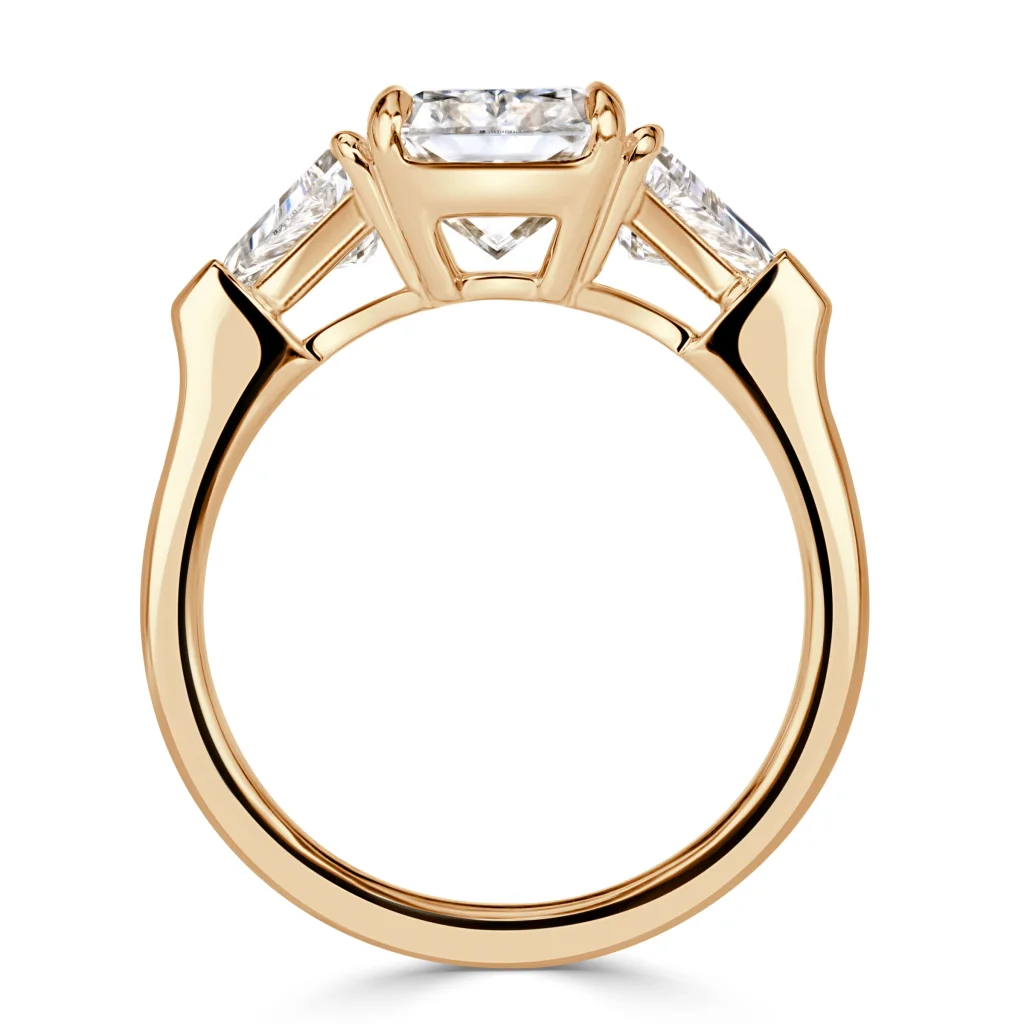
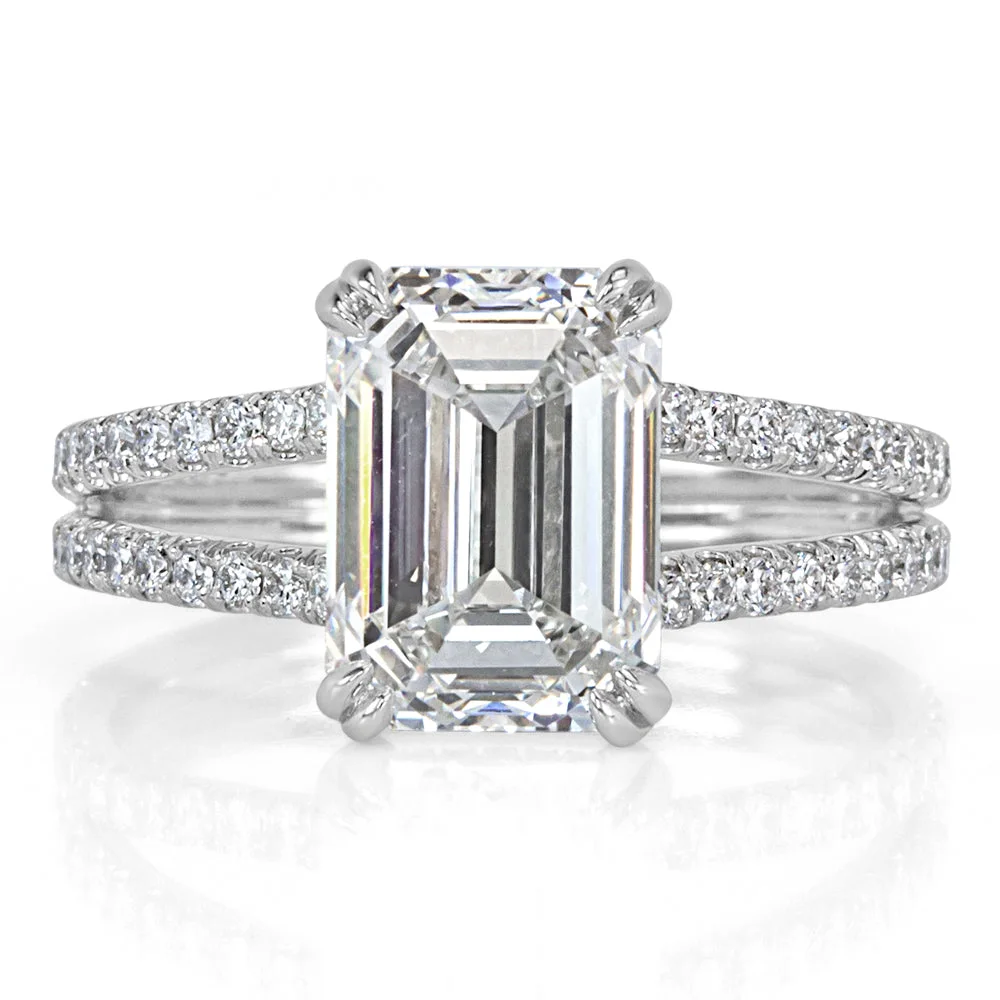
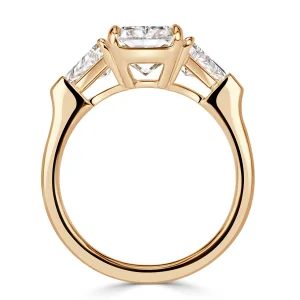
A 4 carat diamond carries enough visual weight that the setting can either support it or compete with it. Simple prong settings in platinum or 14K white gold, as seen across several of Legacy’s current pieces, let the stone’s outline and light performance stand without distraction. Halo settings can add perceived size for buyers who want maximum face-up presence, though they change the silhouette collectors are actually buying into. Anyone choosing between a solitaire and a halo at this carat weight should view both in person or by live video before deciding, since photographs compress the difference in scale.
Buying a 4 carat diamond with confidence
At this value, a private viewing is worth the small amount of extra time it takes to arrange, whether in person or by live video — color warmth and light return are both easier to judge directly than from photographs, which can flatten or exaggerate a stone’s true character. Legacy insures delivery door-to-door through Brink’s on pieces at this level, and every 4 carat stone carries a single, public, real price; clients are welcome to privately suggest a price on any piece rather than negotiating through published discounts. Buyers should also ask how long the stone has been in the collection and whether it was sourced and selected individually — Legacy sources every stone this way, never in parcels, which is part of why the certification and grading behind each price can be trusted.
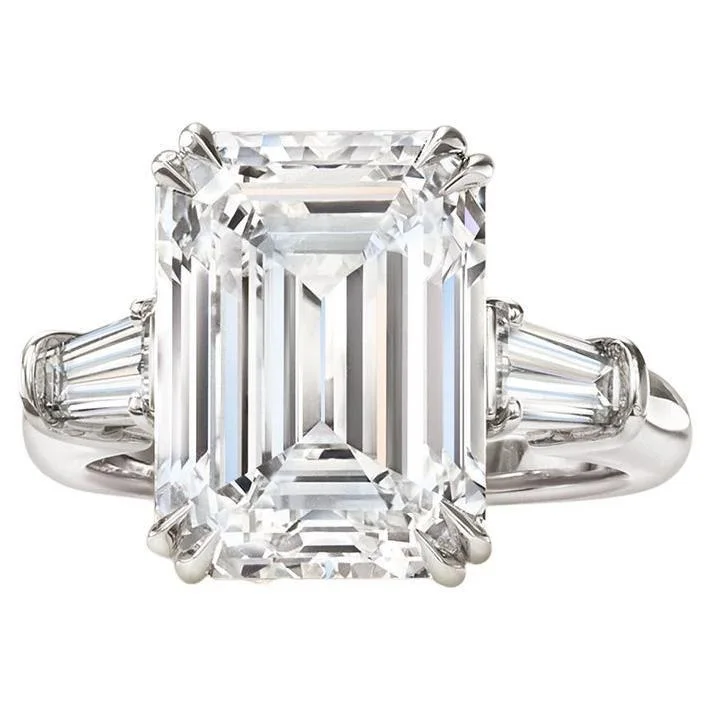
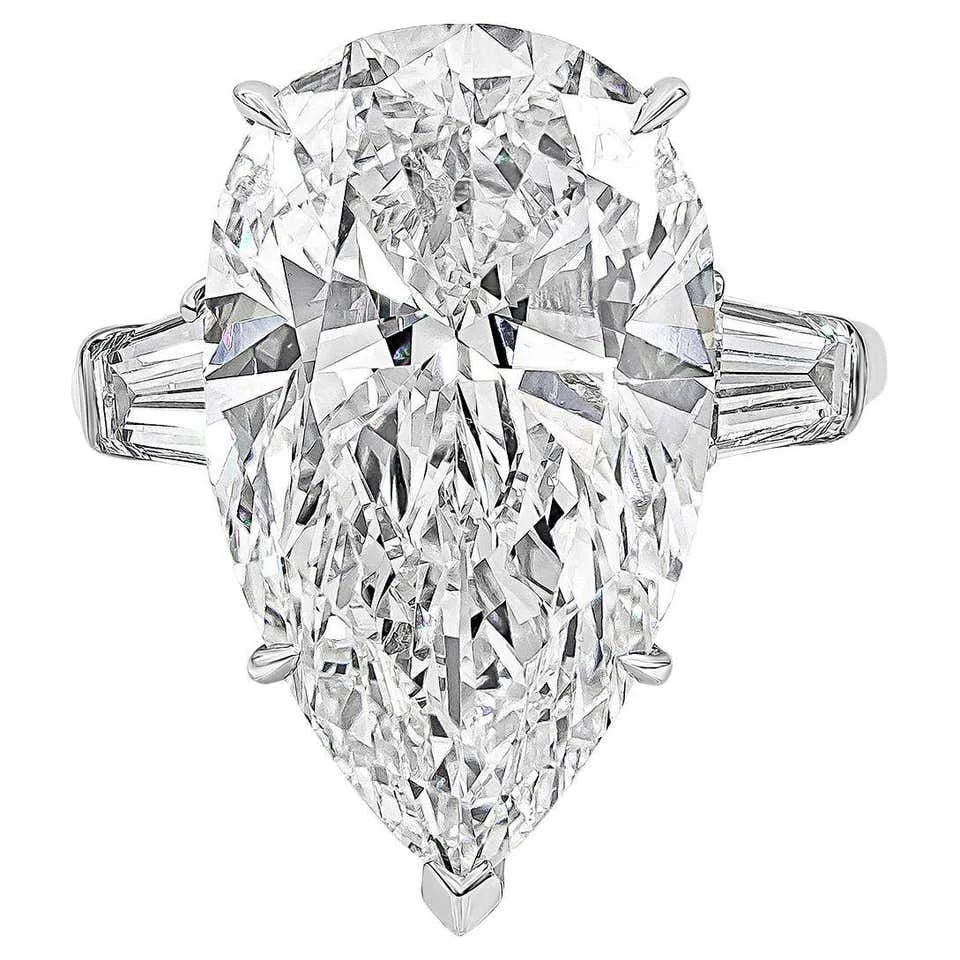
Shape choice has a measurable effect on how a 4 carat diamond is perceived and, to a lesser degree, on its price. Marquise and oval cuts stretch the stone’s footprint across the finger, which is why collectors focused on visual scale often prefer them at this weight. Round brilliants, by contrast, lose more of the original rough diamond in cutting to achieve maximum light performance, and a top-quality round of 4 carats can carry a premium over a fancy shape of identical color and clarity for that reason. None of Legacy’s three example pieces in this band show a meaningful price gap by shape once color and clarity are matched, which suggests shape is currently more a matter of personal preference than of price at this size.
Questions collectors ask
Is 4 carats bigger than people expect?
Yes, a well-cut 4 carat diamond reads as a substantial stone on almost any hand and is easily noticed at conversational distance. Elongated shapes such as oval and marquise tend to maximise perceived size relative to round brilliants of the same carat weight.
Why does a 4 carat diamond cost so much more than a 3 carat one?
Diamond pricing does not scale linearly with carat weight because larger rough stones are significantly rarer than smaller ones, and cutting a 4 carat polished stone requires proportionally larger, cleaner rough material.
What certification should a 4 carat diamond have?
Look for independent certification from GIA, IGI or HRD confirming carat weight, color, clarity and cut grade. Legacy certifies every 4 carat stone in its collection and arranges certification through the client’s chosen laboratory on request, so the grading is never taken solely on trust.
Legacy’s current 4 carat and above pieces sit within the 3 carat and above diamond engagement rings collection, alongside the full rings collection. Collectors comparing this weight against the step below may also find Legacy’s guide on 3 carat diamond ring prices useful. For the step cut at this weight, view the 4 carat emerald cut diamond rings now in the collection. For a private view of a specific stone, a consultation can be arranged at Legacy’s booking page.
Shop this in the collection
Ready to view now: 4 carat cushion · 4 carat radiant · 4 carat emerald cut.
The Carat Atlas
Every collection at and around this weight — each with published prices.
The Pieces in This GuideThe Vault →
From the Legacy vault — each one-of-a-kind, independently certified.
A private advisor answers on the figures in this guide — and places any piece from the vault within them, certificate first.
More from Diamond EducationAll Guides →
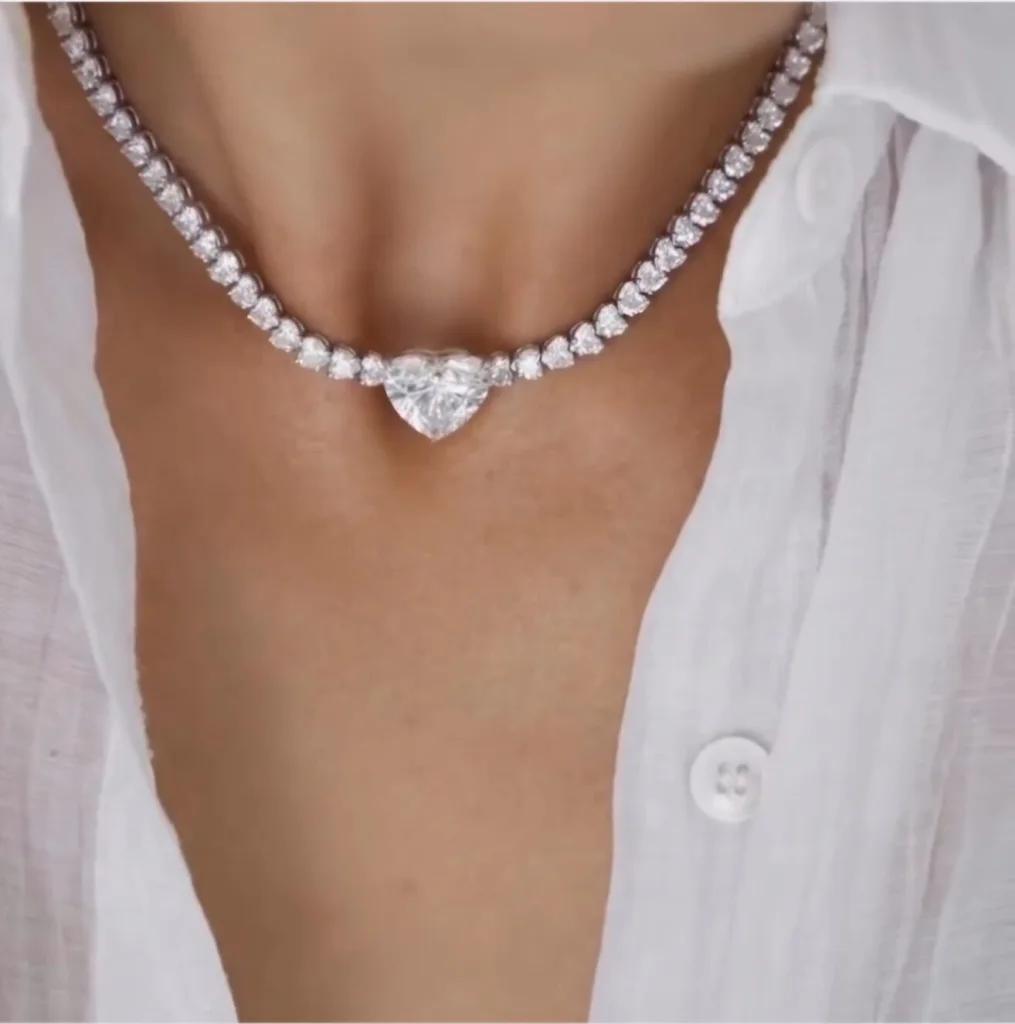 Diamond Necklace Price Guide: 50 to 100 CaratsDIAMOND EDUCATION · AUG 31, 2026
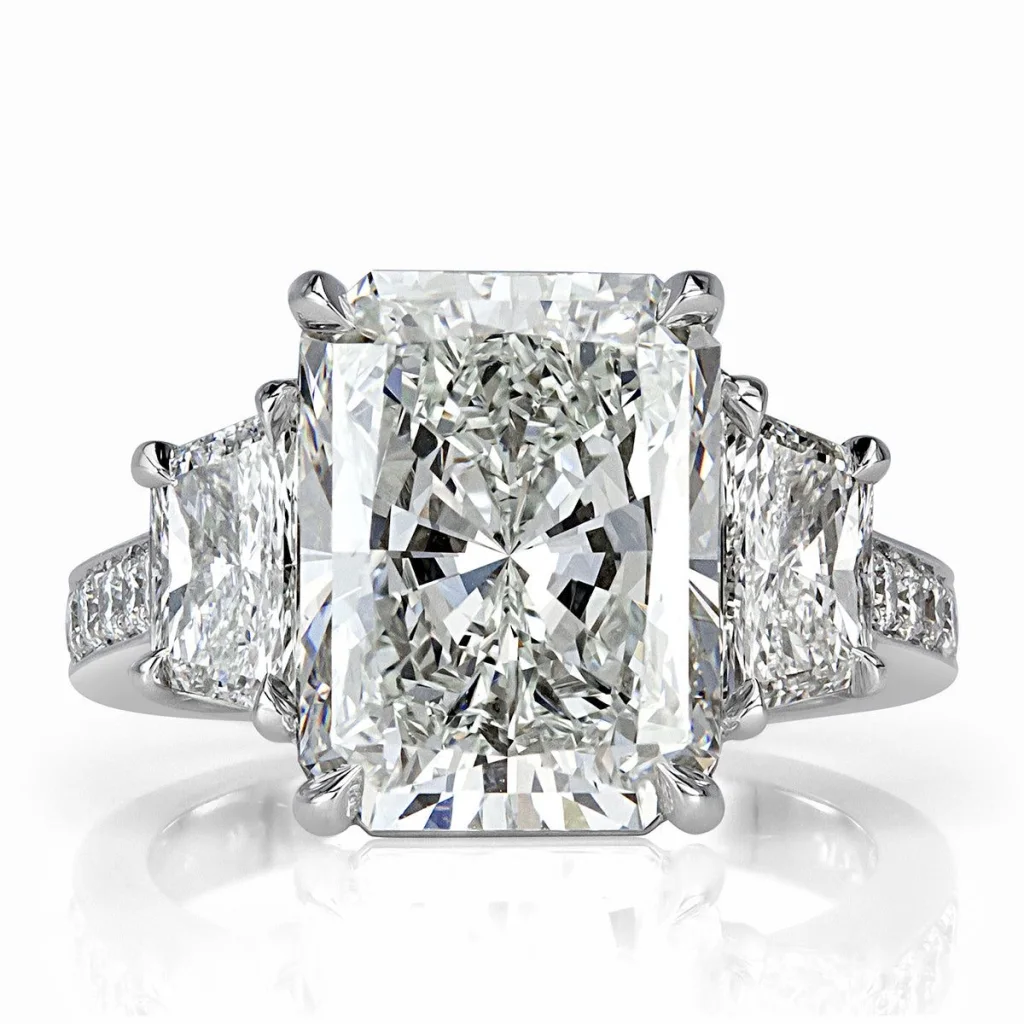 15+ Carat Diamond Price Guide: What It Actually CostsDIAMOND EDUCATION · AUG 31, 2026
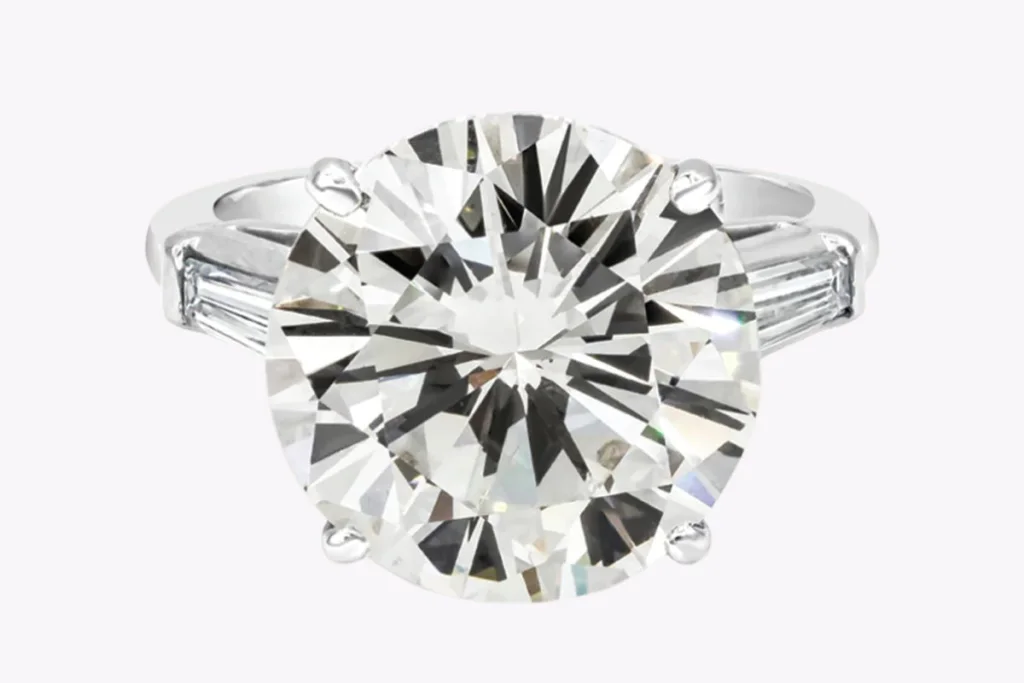 10 Carat Diamond Ring Price Guide: What It Actually CostsDIAMOND EDUCATION · AUG 31, 2026
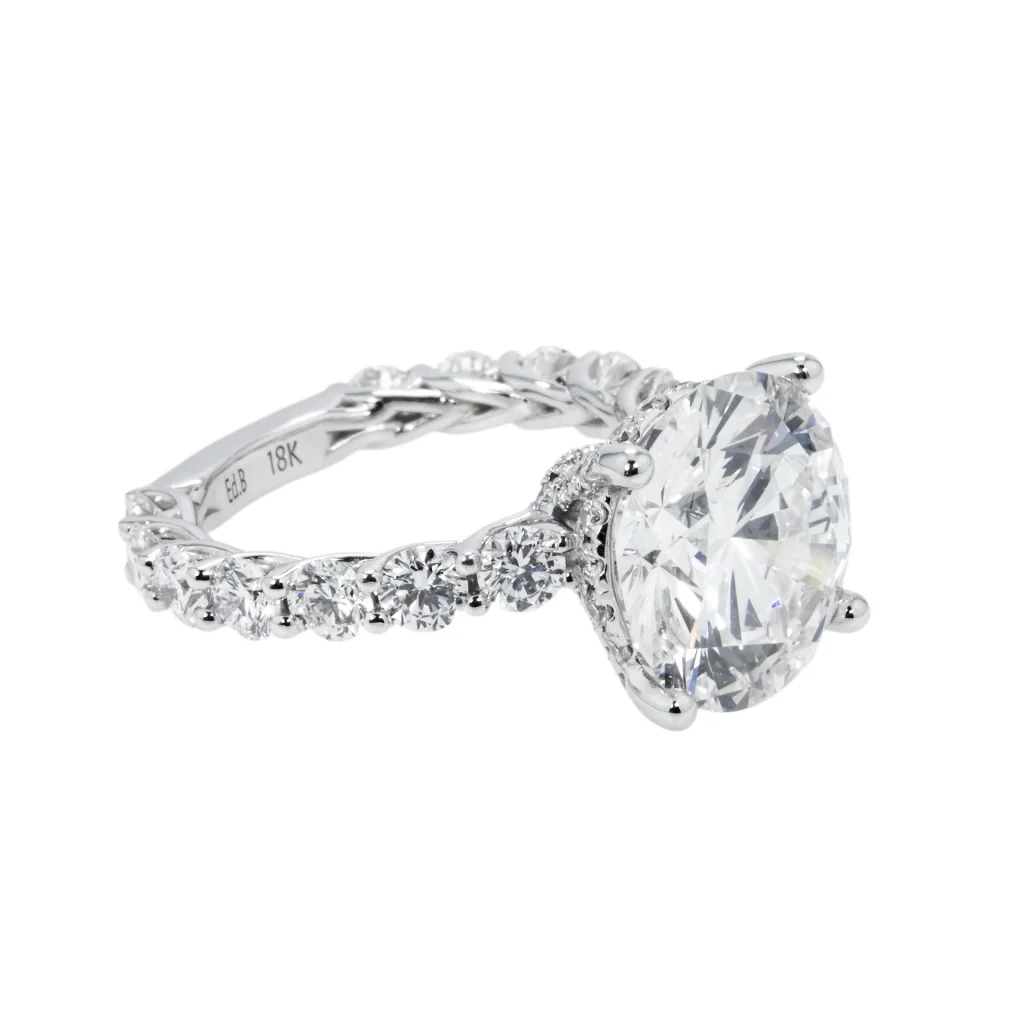 9 Carat Diamond Ring Price Guide: What It Actually CostsDIAMOND EDUCATION · AUG 31, 2026
 7 Carat Diamond Ring Price Guide: What It Actually CostsDIAMOND EDUCATION · AUG 31, 2026
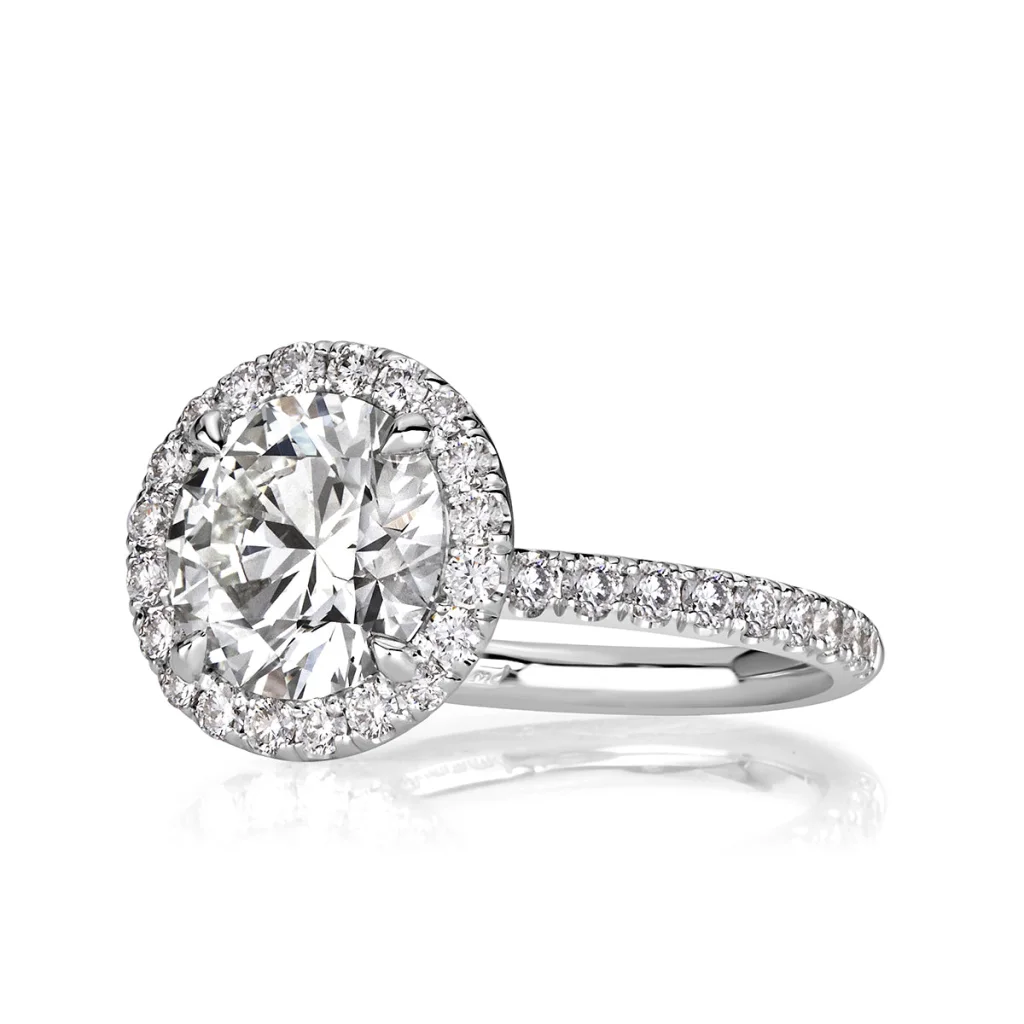 5 Carat Diamond Ring Price Guide: What It Actually CostsDIAMOND EDUCATION · AUG 31, 2026
The Vault, Continued
Every piece one-of-a-kind, every price published. Keep scrolling — the vault does not end here.