Diamond Education · The House Guides
Which Diamond Shape Looks Biggest Per Carat?
A shape-by-shape look at face-up spread per carat, with median prices for each cut drawn from Legacy's live catalogue.
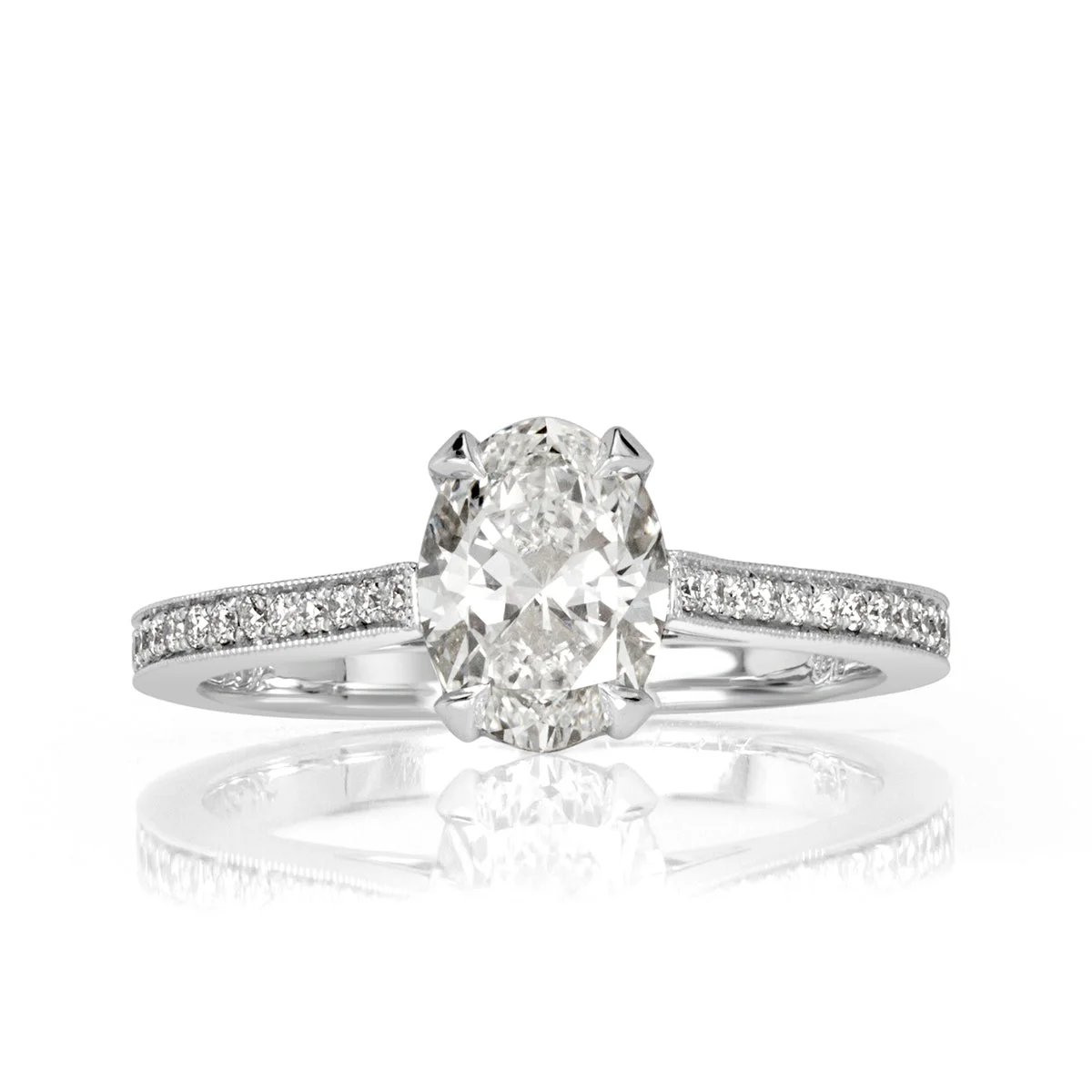
Carat weight measures a diamond’s mass, not its visible size, and shape changes how far that mass spreads across the top of the stone. Elongated cuts such as oval and pear show 8 to 12 percent more face-up area than a round brilliant of the same carat weight, because they trade depth for spread.
Why carat weight and visible size are different measurements
Carat is a unit of mass, 0.2 grams, and says nothing about how that mass is distributed. A diamond cut with a deep pavilion concentrates its weight below the girdle, invisible once set, while a diamond cut shallower and wider spreads that same weight across a larger visible surface. Two one-carat diamonds can have noticeably different face-up diameters depending on their proportions, and the effect compounds across shapes: round brilliants are cut deep by design, to maximise light return, while elongated shapes are cut to spread.
The face-up area ranking
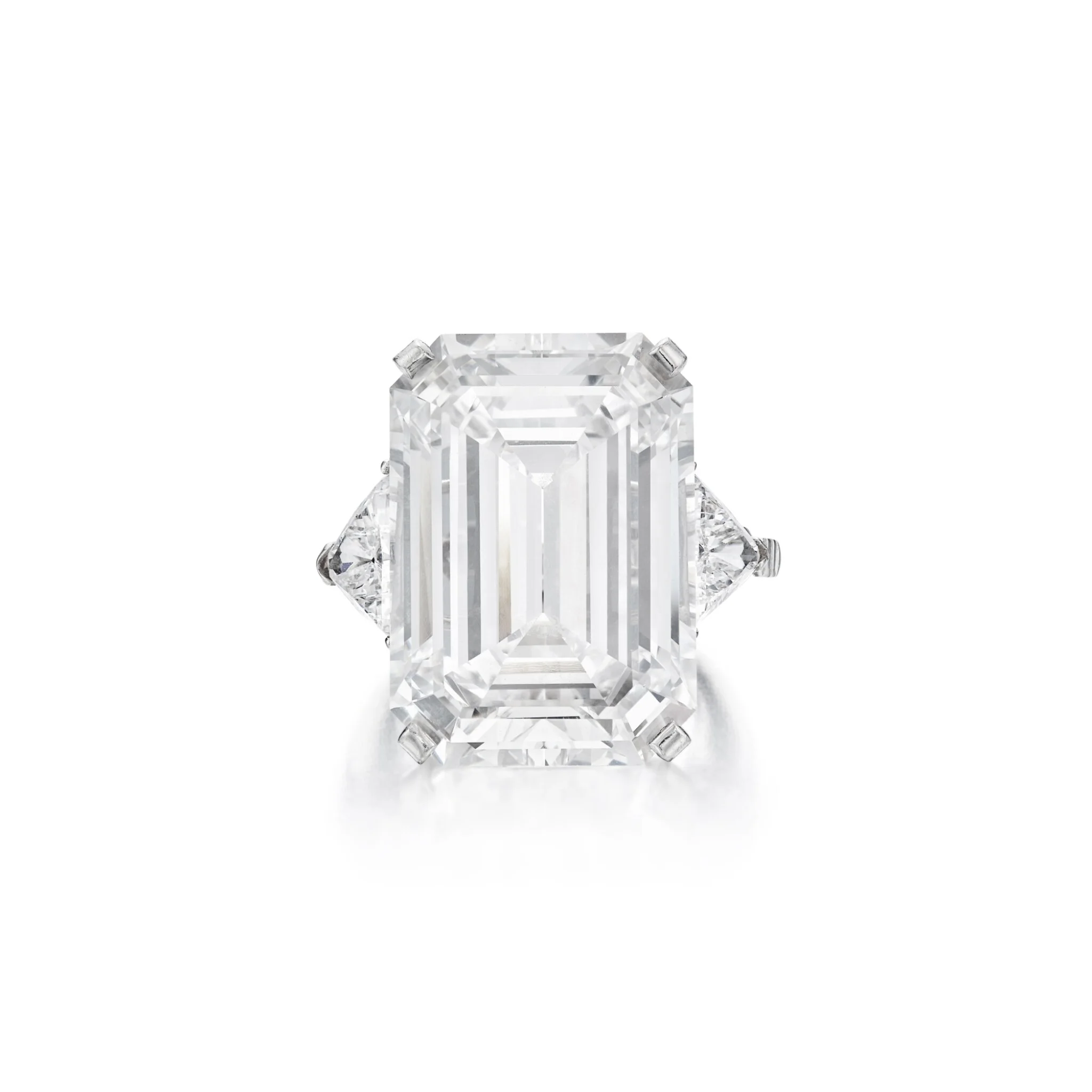
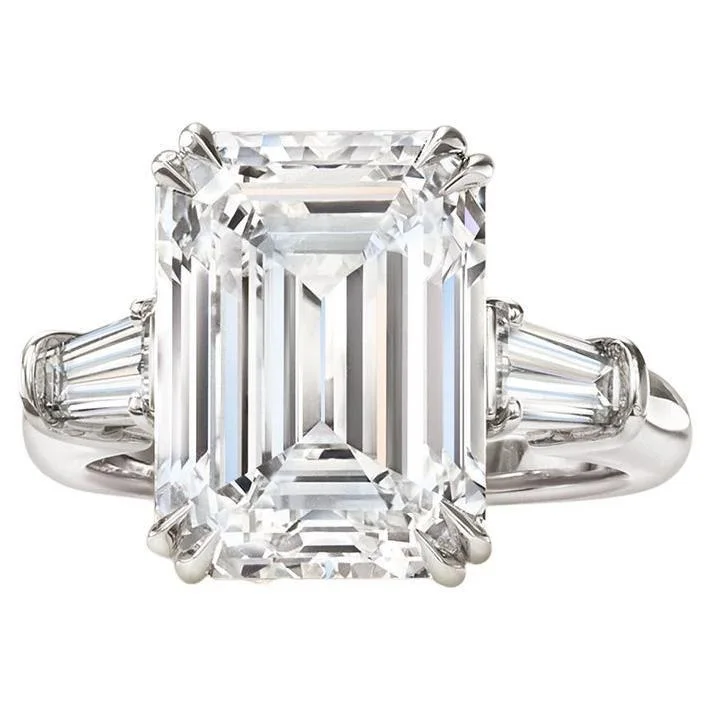
Ranked by typical face-up area per carat, from largest to smallest apparent spread: marquise and pear lead, followed closely by oval, then emerald and radiant, with cushion next, and round brilliant and asscher showing the smallest face-up area per carat because both are cut for depth and symmetry rather than spread. This is a general pattern, not a fixed rule, since individual cutting proportions still vary the outcome for any single stone.

Spread versus depth: the trade-off buyers are actually making
A shallow-cut stone looks larger face-up but can appear glassy or less lively if cut too shallow, losing the light return that gives a diamond its fire. A deep-cut stone concentrates brilliance but hides carat weight below the setting, where it contributes nothing to how the stone reads on the hand. The best-cut stones in any shape strike a proportion that maximises spread without sacrificing the optical performance the shape is capable of. This is why cut quality, not just shape choice, is the real determinant of how large a diamond looks, and why two stones of the same shape and carat weight can still look different sizes side by side.
Marquise and heart: the extremes of spread
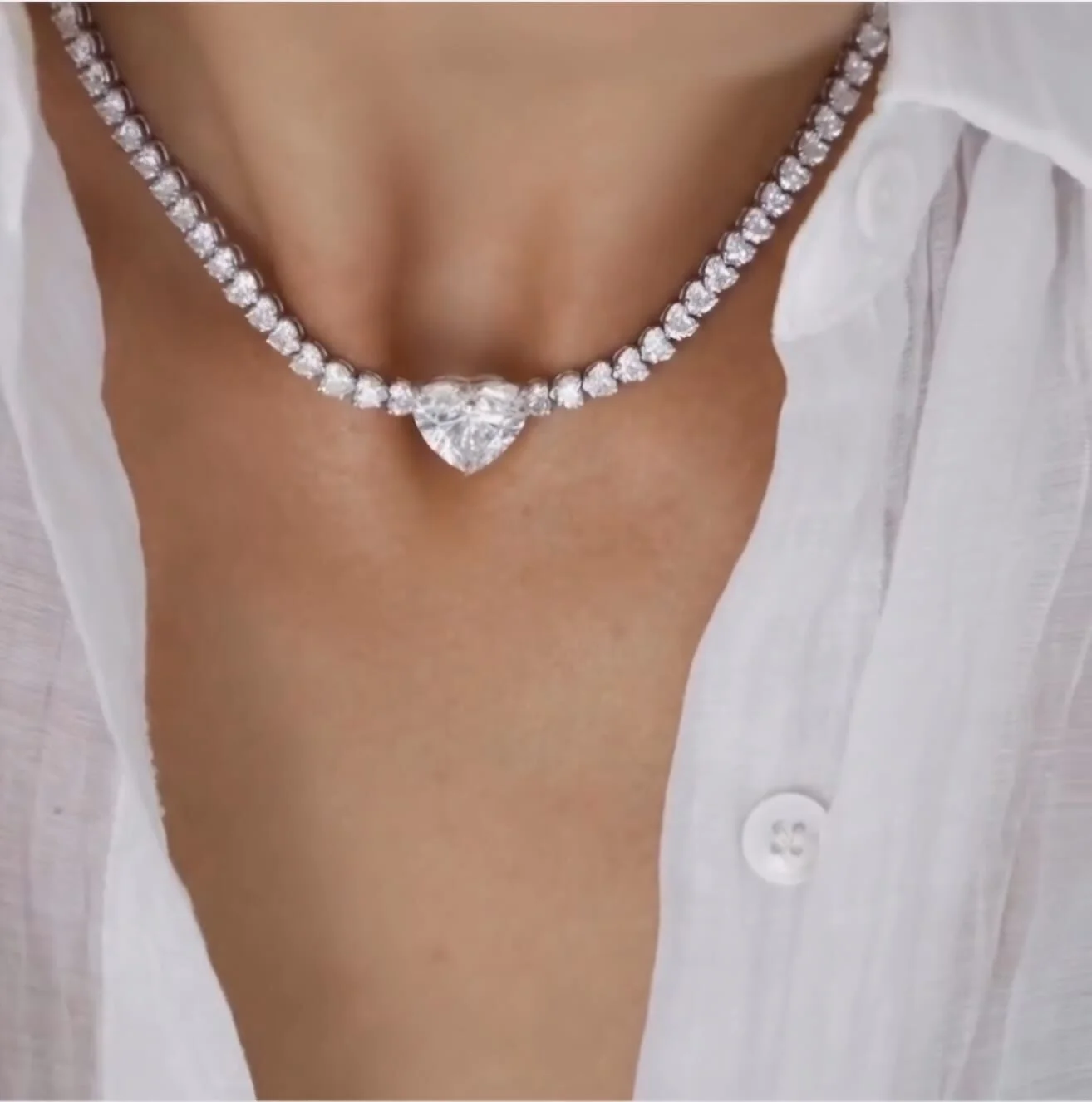
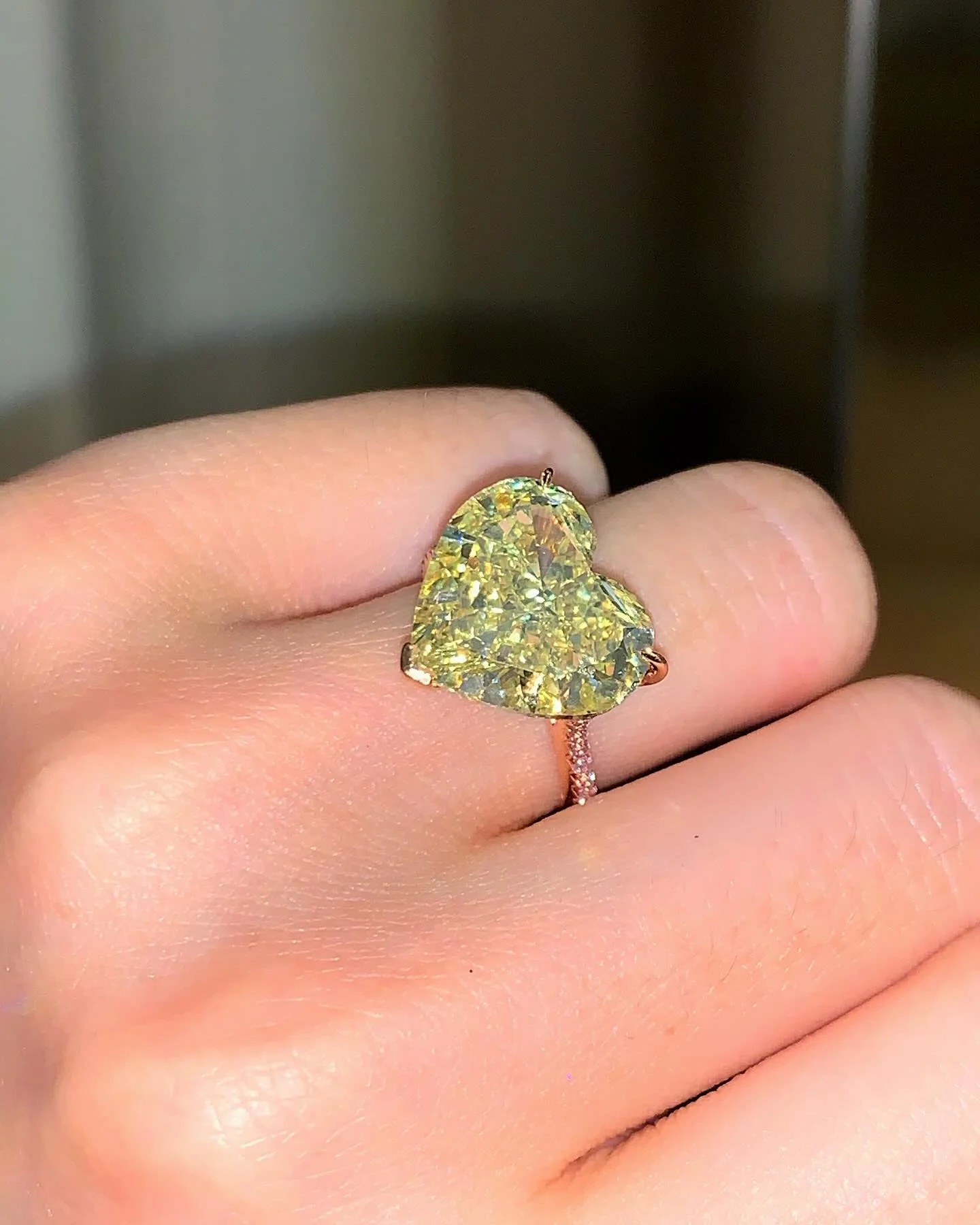
Marquise and heart cuts, while less common in Legacy’s catalogue than oval, pear, radiant or cushion, sit at the extreme end of face-up spread, generally regarded as the most efficient shapes for maximising visual size per carat. A marquise’s pointed, elongated football silhouette spreads weight along its full length in a way no other shape matches, which is why marquise stones have historically been chosen specifically by buyers prioritising apparent size above all else, sometimes at some cost to symmetry consistency given the shape’s demanding proportions. Heart shapes behave similarly to a rounded pear in spread terms, with the added complexity of a cleft at the top that must be cut with precision to avoid looking uneven.
Matching shape to hand and setting
An elongated shape such as oval, pear or radiant reads largest on a narrower finger, where the length of the stone extends beyond the finger’s own width and elongates the hand visually. On a broader finger, the same effect is less pronounced, and a cushion or emerald cut, with more width relative to length, can look proportionally larger without appearing narrow. This is a fit question independent of carat weight, and one of the few instances where trying a stone on, in person or by live video, tells a buyer more than any spec sheet.
Reading a certificate for spread, not just carat
A grading report from GIA, IGI or HRD lists precise millimetre measurements, length, width and depth, alongside the carat weight and depth percentage. These figures tell a buyer more about apparent size than the carat figure alone. Two 3 carat ovals, for instance, can carry different length-to-width measurements and different depth percentages, and the one with the shallower depth percentage and greater surface measurements will read larger face-up, even at the identical carat weight. Buyers optimising specifically for visual size should ask for these measurements before purchase rather than relying on carat weight as a proxy.
Depth percentage is the single most useful figure on the report for this purpose. A depth percentage in the 58 to 62 percent range is generally associated with a well-balanced spread-to-brilliance trade-off across most shapes; figures meaningfully above that range indicate a deeper cut that sacrifices spread for optical concentration, while figures well below it can indicate a stone cut so shallow that brilliance suffers.
Cut quality still outranks shape choice
A well-cut round brilliant of exceptional proportions will out-perform a poorly cut oval of the same carat weight, both in brilliance and in how large it appears face-up. Shape sets the general tendency toward spread or depth; the individual cutter’s proportions determine how much of that tendency is actually realised in a given stone. Buyers optimising purely for apparent size should look at documented measurements, length, width and depth percentage, rather than shape name alone.
How setting style compounds or offsets shape
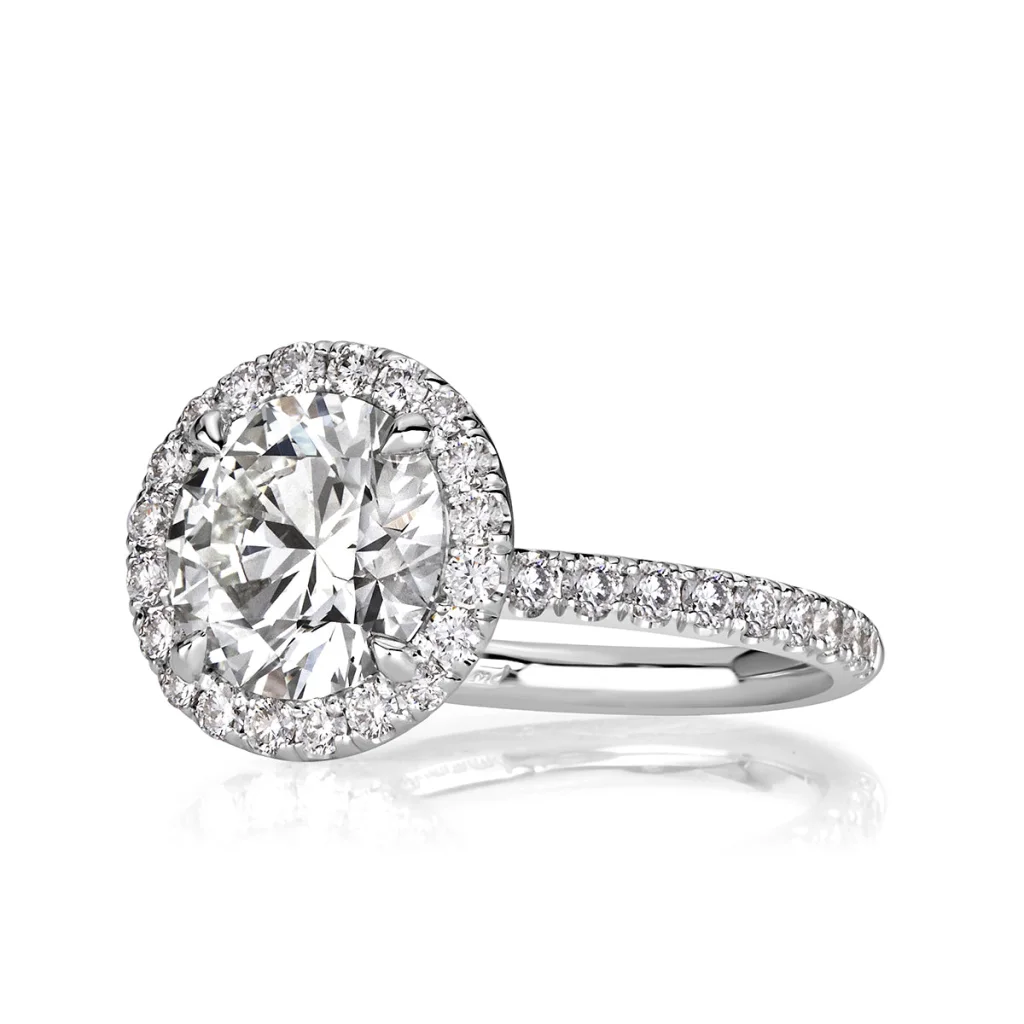
A halo setting adds perceived size around any shape by surrounding the center stone with smaller diamonds, and is often used deliberately to bring a smaller-carat stone up to the visual footprint of a larger one. A thin pave band draws less attention to itself and lets the center stone’s own spread do the work, which suits shapes already efficient at spreading, such as oval or pear. A thicker plain shank, by contrast, can make a stone look smaller by comparison, since the eye reads the ratio between stone and setting as much as the stone’s absolute size. Buyers choosing between shape and setting should treat the two as a single visual system rather than deciding on the stone first and the setting as an afterthought.
Questions collectors ask
Does an oval diamond really look bigger than a round diamond of the same carat?
Yes, typically. An oval spreads roughly 10 percent more face-up area than a round brilliant of equal carat weight, because round brilliants are cut deeper to maximise light return, while ovals are cut shallower and wider.
Which diamond shape is the most efficient for apparent size per dollar?
Why does pear cost more than oval despite both being elongated shapes?
Does a shallow cut always mean a better-value diamond?
No. Cut too shallow, a stone loses light return and can look dull or glassy despite its spread. The goal is a proportion that balances spread against brilliance, which is a matter of cutting skill, not simply cutting depth.
Legacy’s shape-sorted inventory, including the ovals, pears, cushions, radiants and round brilliants referenced here, can be browsed in the rings collection. For a closer look at one of the shapes discussed above, see the oval diamond buying guide and the pear diamond buying guide. To compare specific stones side by side, in person or by live video, clients are welcome to arrange a private consultation.
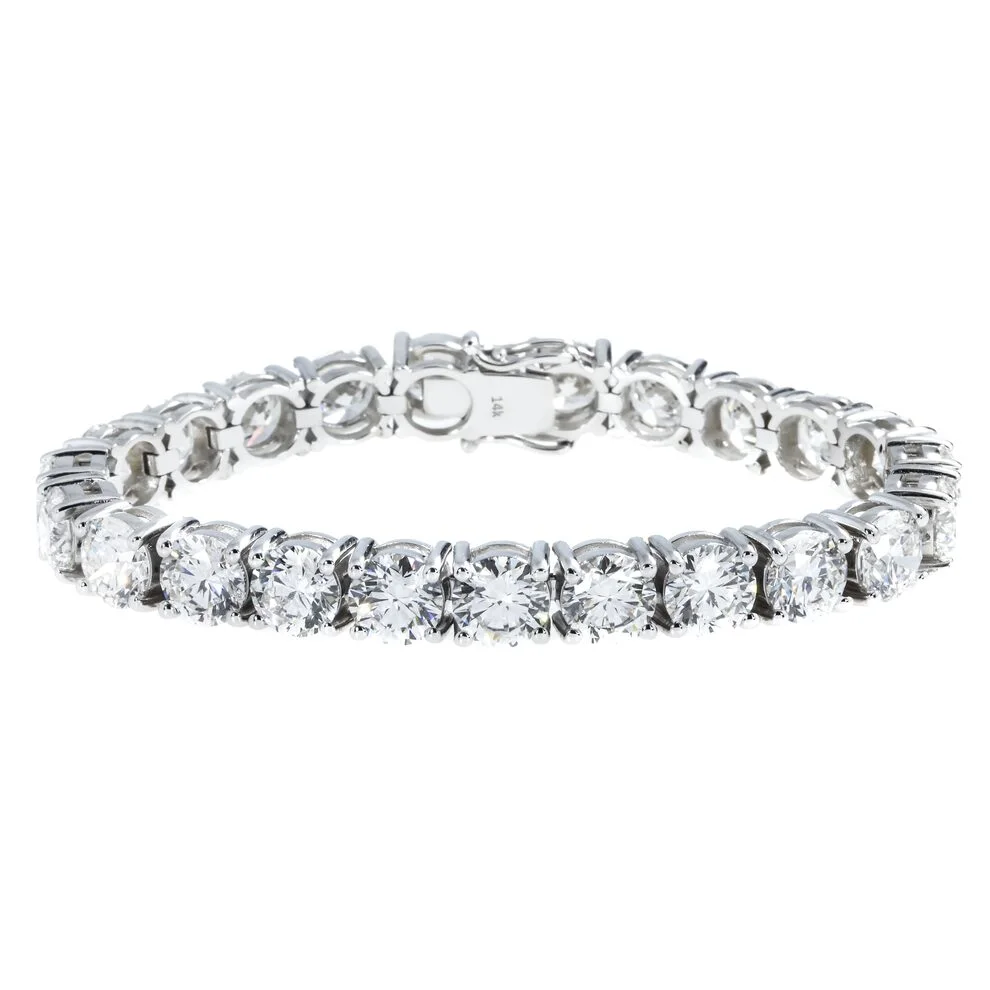
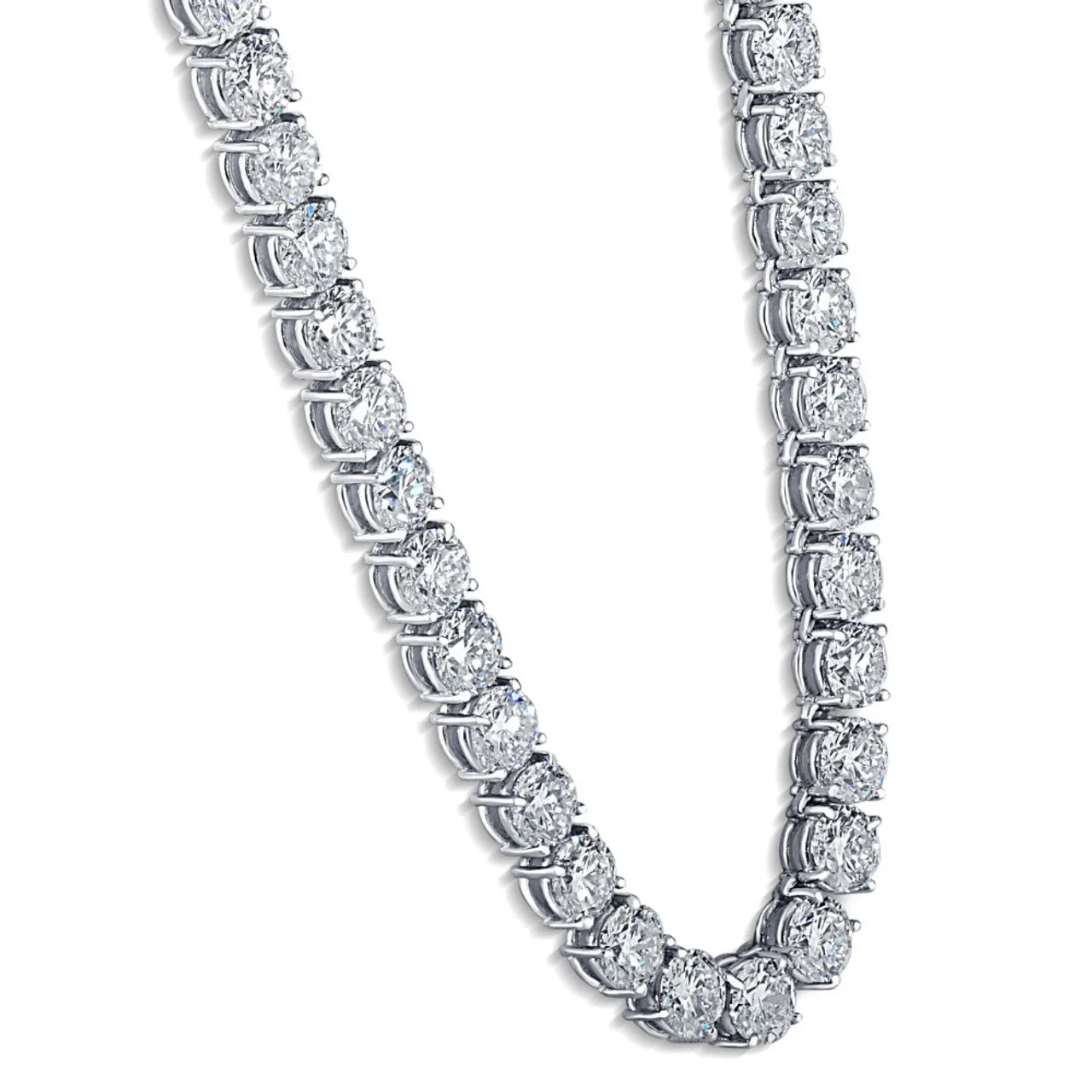
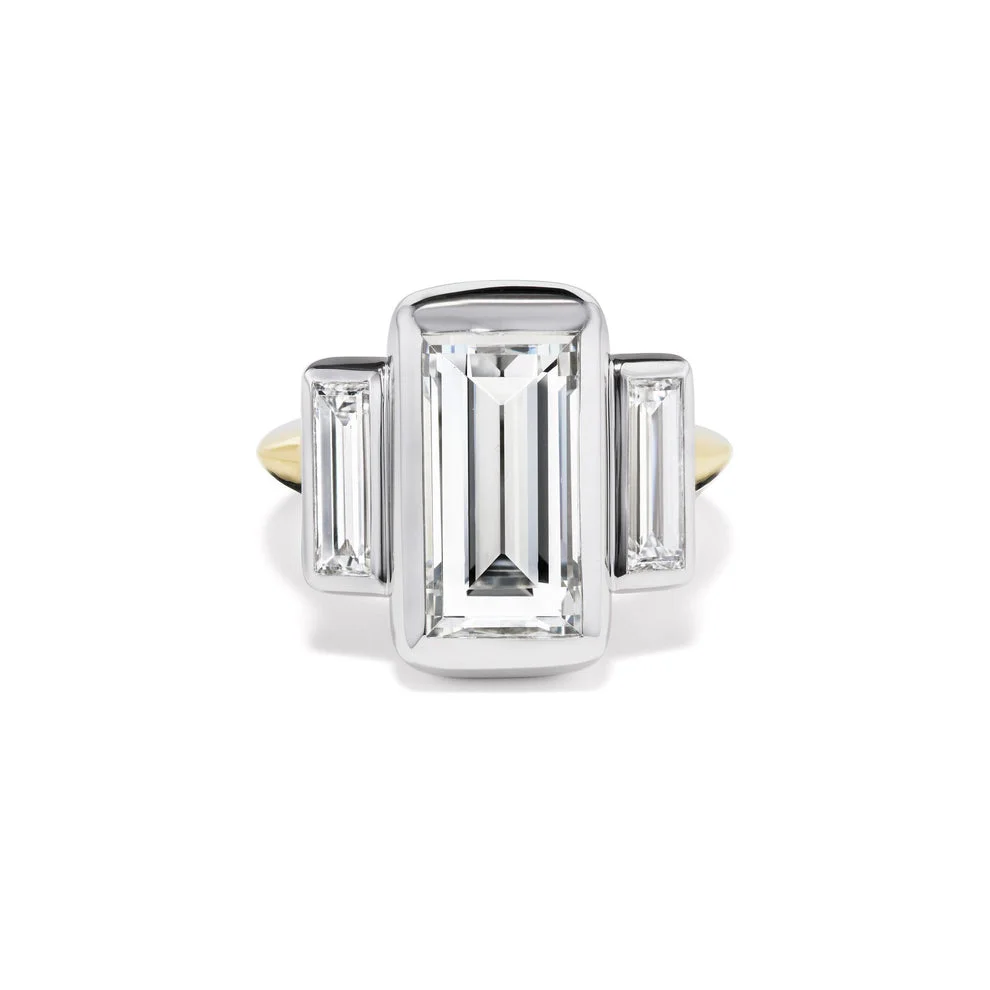
The Pieces in This GuideThe Vault →
From the Legacy vault — each one-of-a-kind, independently certified.
A private advisor answers on the figures in this guide — and places any piece from the vault within them, certificate first.
More from Diamond EducationAll Guides →
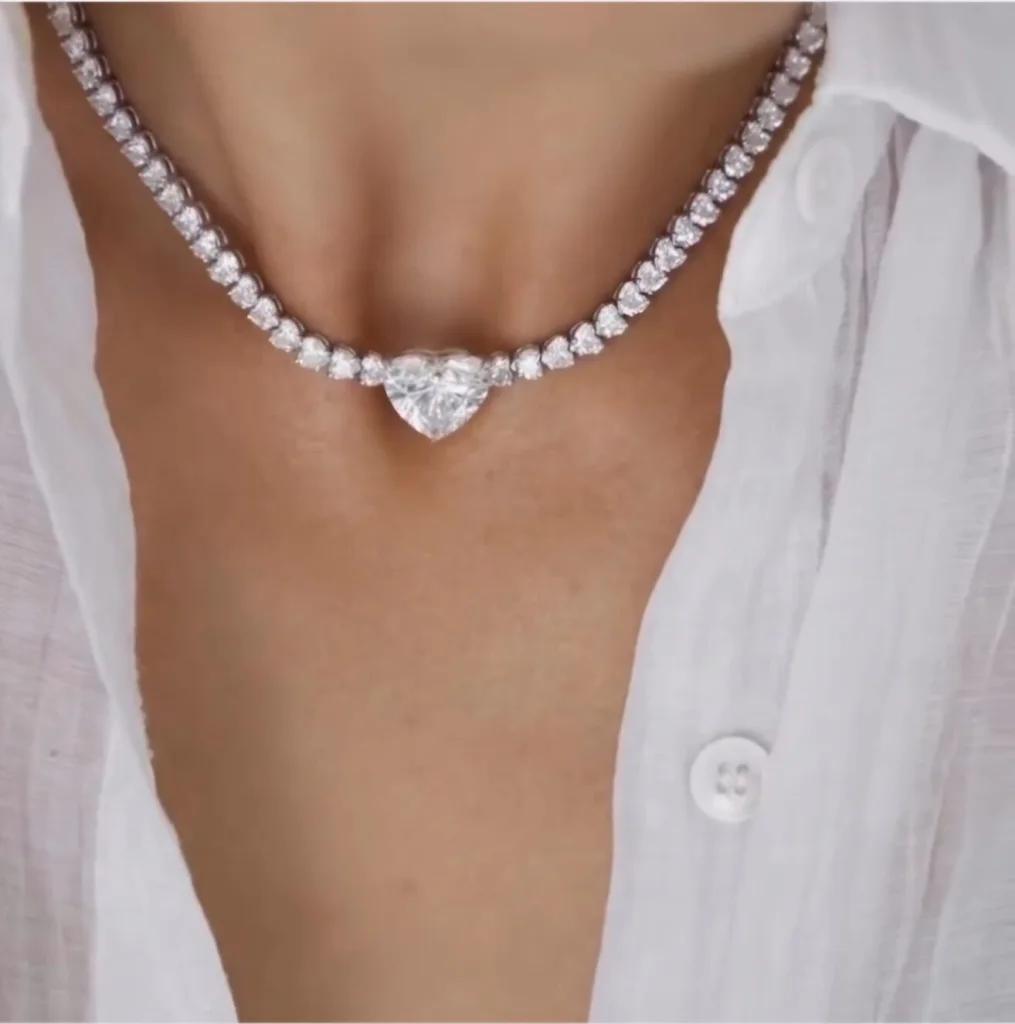 Diamond Necklace Price Guide: 50 to 100 CaratsDIAMOND EDUCATION · AUG 31, 2026
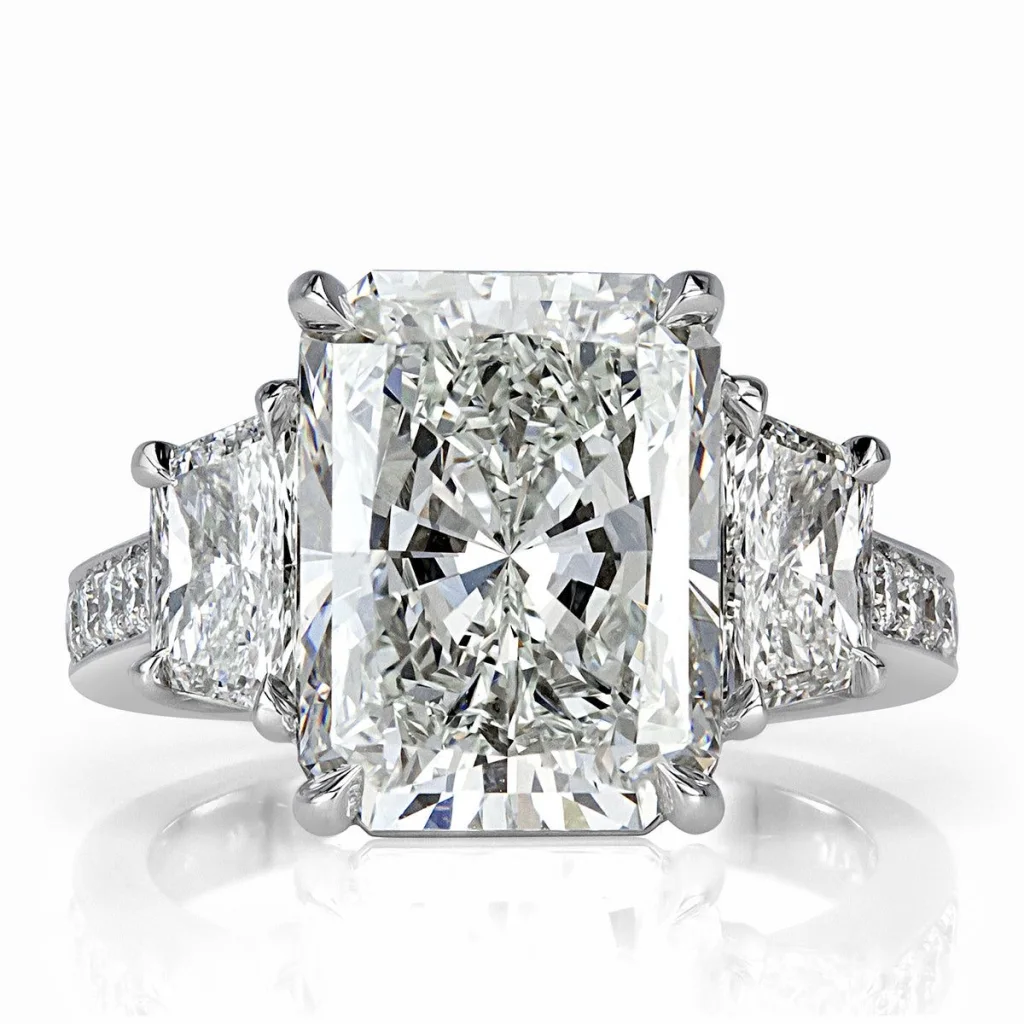 15+ Carat Diamond Price Guide: What It Actually CostsDIAMOND EDUCATION · AUG 31, 2026
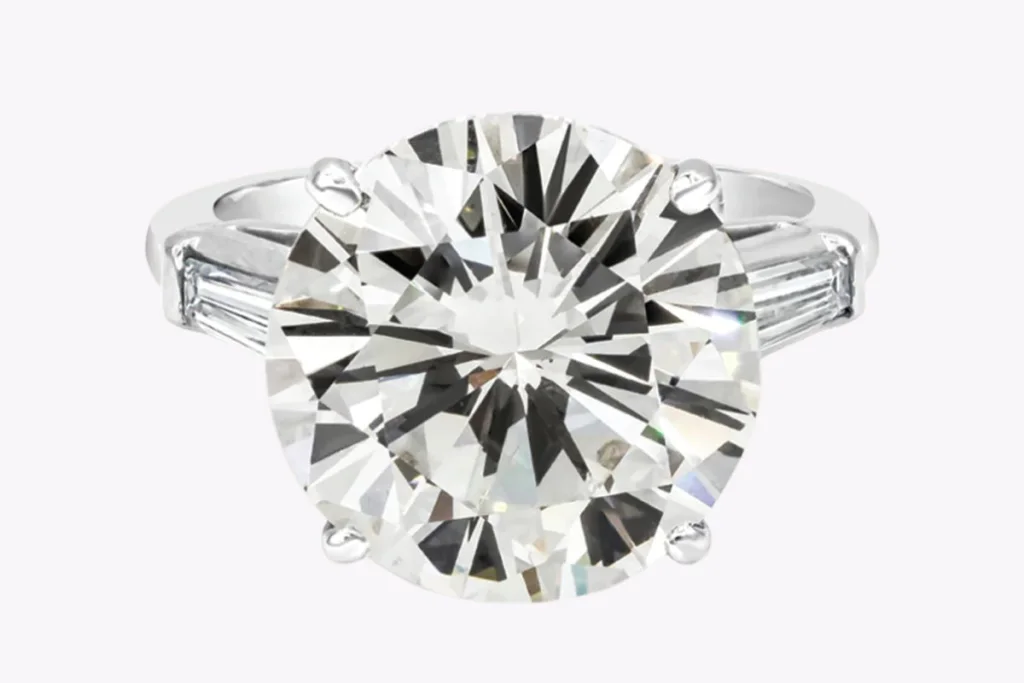 10 Carat Diamond Ring Price Guide: What It Actually CostsDIAMOND EDUCATION · AUG 31, 2026
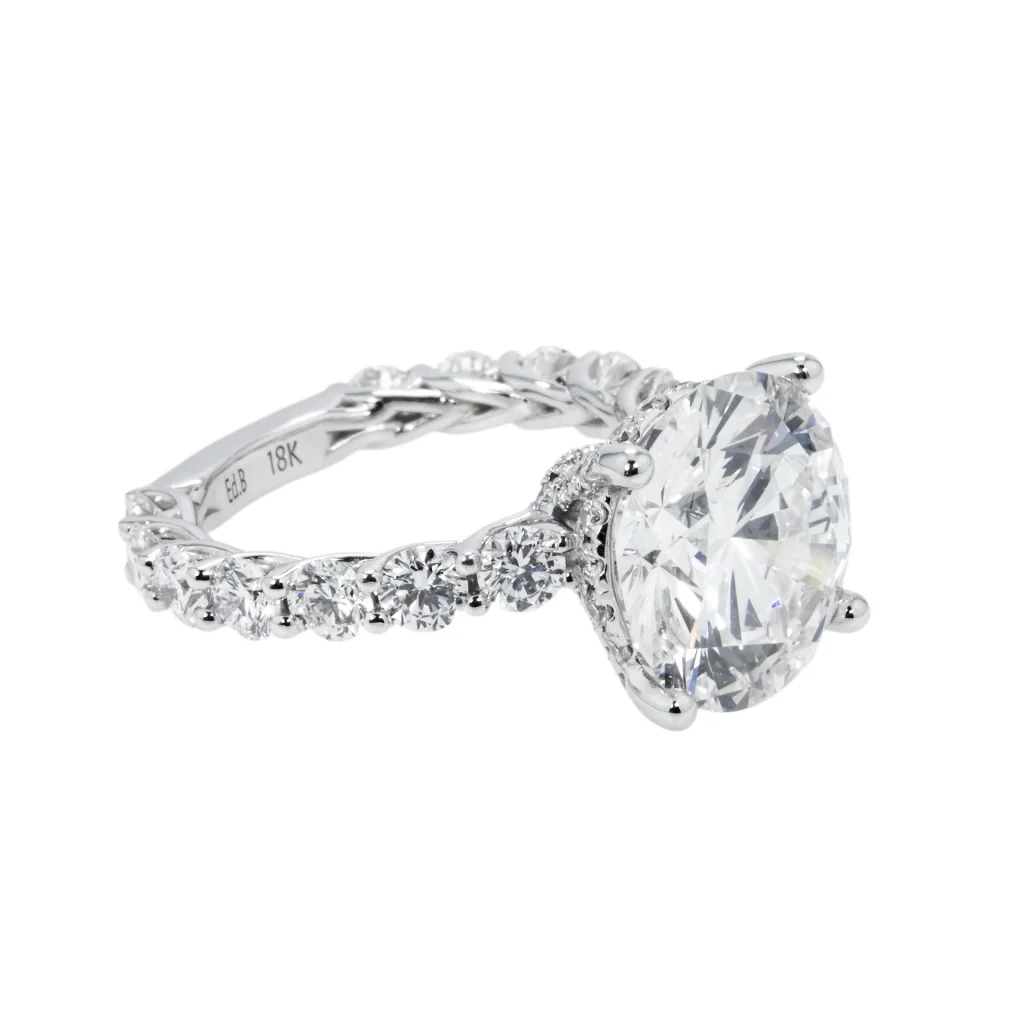 9 Carat Diamond Ring Price Guide: What It Actually CostsDIAMOND EDUCATION · AUG 31, 2026
 7 Carat Diamond Ring Price Guide: What It Actually CostsDIAMOND EDUCATION · AUG 31, 2026
 5 Carat Diamond Ring Price Guide: What It Actually CostsDIAMOND EDUCATION · AUG 31, 2026
The Vault, Continued
Every piece one-of-a-kind, every price published. Keep scrolling — the vault does not end here.