Diamond Education · The House Guides
The 15 Carat Diamond Ring: Provenance and Acquisition
How diamonds of fifteen carats and above are actually priced, sourced and acquired, from provenance questions to the private-viewing process serious buyers expect.
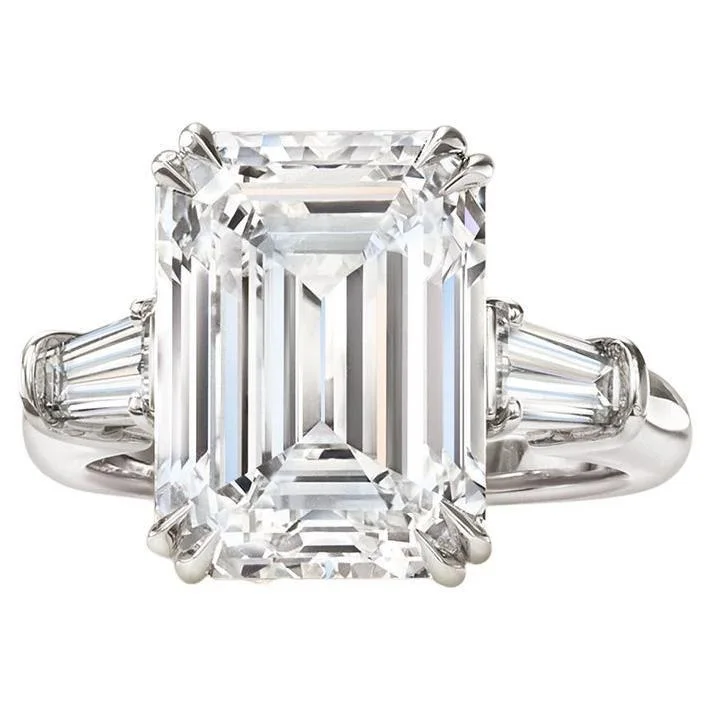
The width of that range reflects a market where cut, color, clarity and documented provenance matter more than weight; at this scale, acquisition is conducted by private appointment rather than open sale.
What a 15 carat diamond ring costs
The spread is set by color grade, clarity, cut integrity and documented provenance rather than by weight, which is why two rings of near-identical carat can differ by seven figures. For the weight above this band, see the 20 carat diamond ring price guide; for the weight below, the 10 carat diamond ring price guide.
16 carat diamond rings
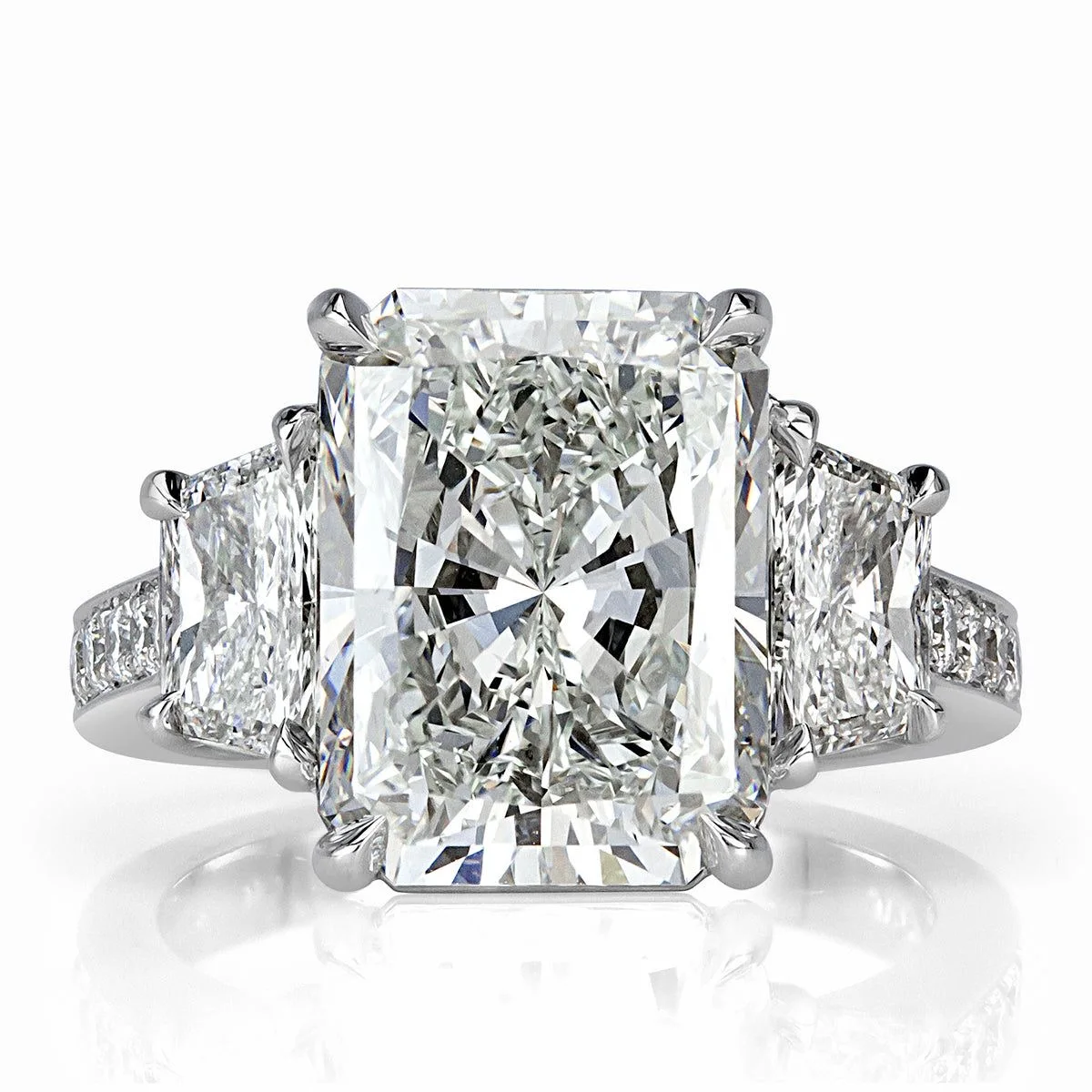
Within this band, the sixteen-carat mark is worth a specific answer because searches for it are usually triangulating between the fifteen- and twenty-carat figures. The oval dominates at this weight, holding half the band: rough crystals of this size are most often saved as elongated forms, and the oval carries sixteen carats across the largest face-up area of any of them.
Why weight stops being the headline number
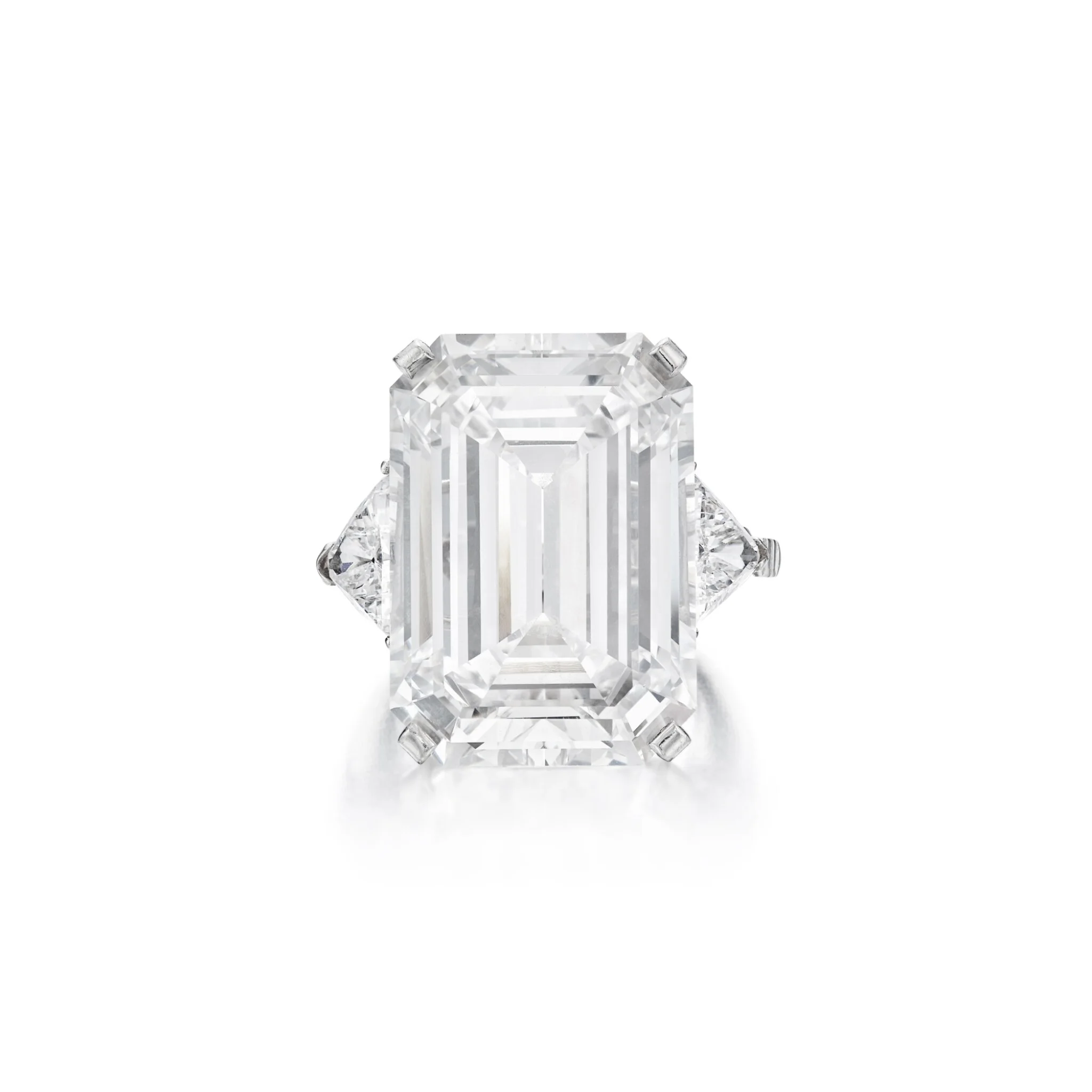
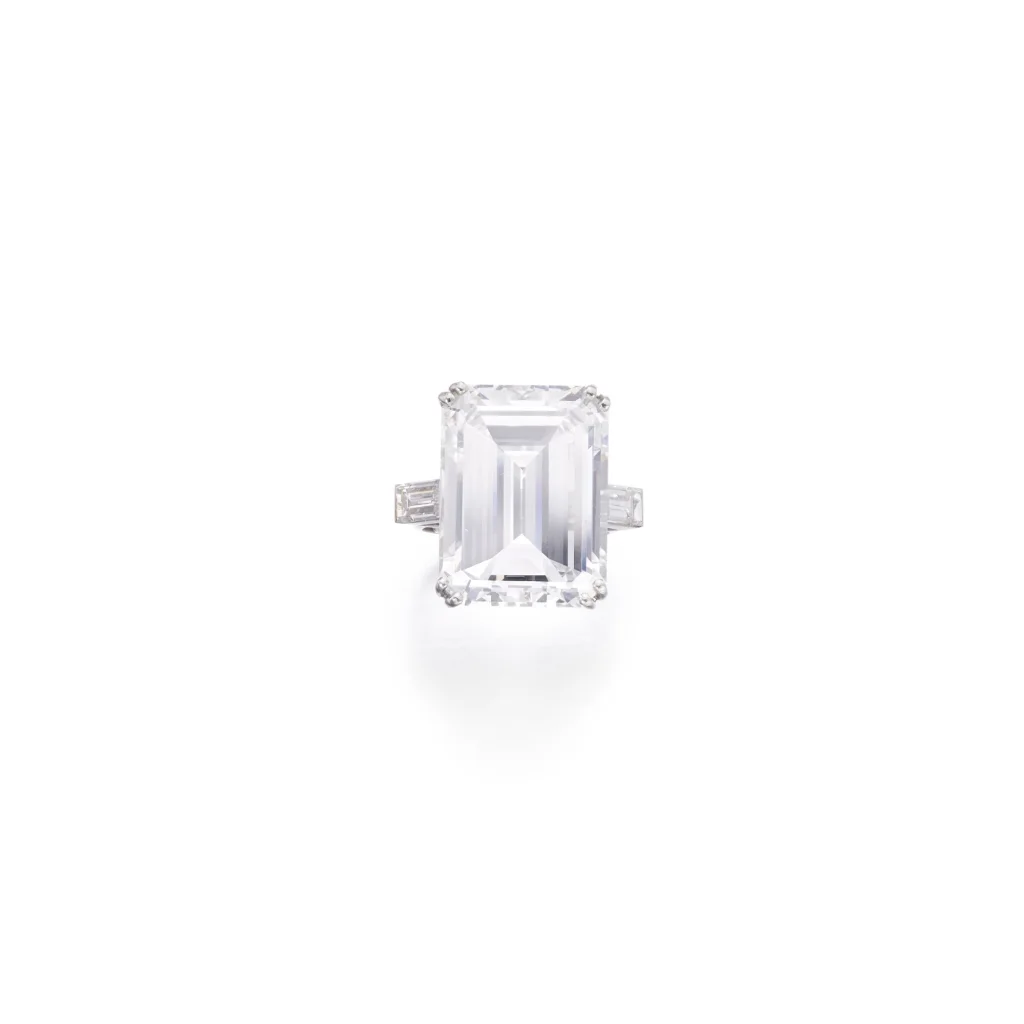
Once a diamond passes fifteen carats, it is rare enough that each stone is effectively unique. Two rings both described as “15 carat cushion” can differ by hundreds of thousands of dollars depending on color saturation, inclusion pattern and how the cutter managed the rough to preserve brilliance rather than raw weight.
This is a marked departure from how diamonds are priced at smaller weights, where standardised price-per-carat tables still provide a rough guide. Above fifteen carats, no such table functions reliably, because the sample of comparable stones sold in any given year is small enough that each transaction is closer to a private negotiation than a market lookup. Buyers moving into this segment from smaller-diamond experience often need to unlearn the instinct to benchmark against a per-carat rate.
How stones this size are actually bought
Legacy arranges both as standard, because photography and even video compression can misrepresent the exact hue of a near-colorless stone or the precise placement of an inclusion. A private viewing also allows the buyer’s own advisers — an appraiser, an insurer, sometimes a family office — to be present or joined remotely. This is simply how considered purchases at this level are made; there is no public listing price theatre and no countdown timer involved.
The negotiation itself, where it happens, is conducted privately rather than through public discounting. Legacy publishes one real price on every piece, and clients are welcome to suggest a price privately through the same consultation process used to arrange the viewing. There is no strikethrough figure designed to suggest urgency, and no pressure to decide within a fixed window; a stone of this significance typically warrants more than one viewing before a decision is made, and Legacy accommodates that as standard.
Provenance and the questions worth asking
At fifteen carats and above, provenance means more than the certificate. Buyers should expect to ask, and receive answers to: which laboratory graded the stone and when; whether the stone has been recut or repolished since grading; and whether it has appeared at auction or in a previous sale that can be referenced. Legacy certifies every stone independently through GIA, IGI or HRD and lets the client choose the laboratory before the report is issued, precisely because the choice of laboratory itself carries weight in later resale or insurance conversations. A report is not a marketing document at this size; it is the primary asset record.
Provenance research also protects the buyer against a specific and growing risk in this segment: stones that have been recut to remove damage or improve a grade without full disclosure. A recut stone is not inherently a problem, but its history should be known and reflected in the price, since a recut diamond has, by definition, lost weight and sometimes proportion quality from its original form. Legacy discloses this history as a matter of course wherever it is known, and will confirm it in writing as part of the sale documentation.

Insurance, delivery and discretion
A diamond above fifteen carats is typically insured before it leaves the point of sale, not after. Legacy’s delivery for stones at this value is Brink’s-insured door-to-door worldwide, with the insurance arrangement confirmed before shipment rather than left to the buyer to organize afterward. Discretion is standard practice throughout: pricing is never displayed as a discount off an inflated figure, and any private price discussion happens directly between the client and Legacy, not through public markdowns.
Many buyers at this level also arrange a separate valuation for insurance purposes distinct from the purchase price, particularly where the stone will be worn rather than kept in storage. The certified grading report supports this valuation but does not replace it; an insurer will typically want a current appraisal alongside the laboratory certificate, especially for renewal years after the original purchase.
What buyers underestimate about timing
Because stones at this size are sourced and selected individually rather than held across every permutation of color and clarity, buyers commonly underestimate how long a precise specification takes to locate. A stone matching an exact brief — a particular color grade, a specific cut, a minimum clarity — may already be in the collection, or may need several weeks of sourcing. Starting the conversation early, well before a deadline such as an anniversary or a family milestone, gives considerably more room to secure the right stone rather than the nearest available one.
The setting itself also takes longer at this scale. A mount built to carry a fifteen-carat-plus stone securely is rarely an off-the-shelf piece; it is typically fitted to the specific stone’s proportions once the diamond has been selected, which adds several weeks beyond the sourcing timeline. Buyers working to a fixed date should treat stone selection and setting as sequential steps, not parallel ones.
Fancy shapes and color at this scale
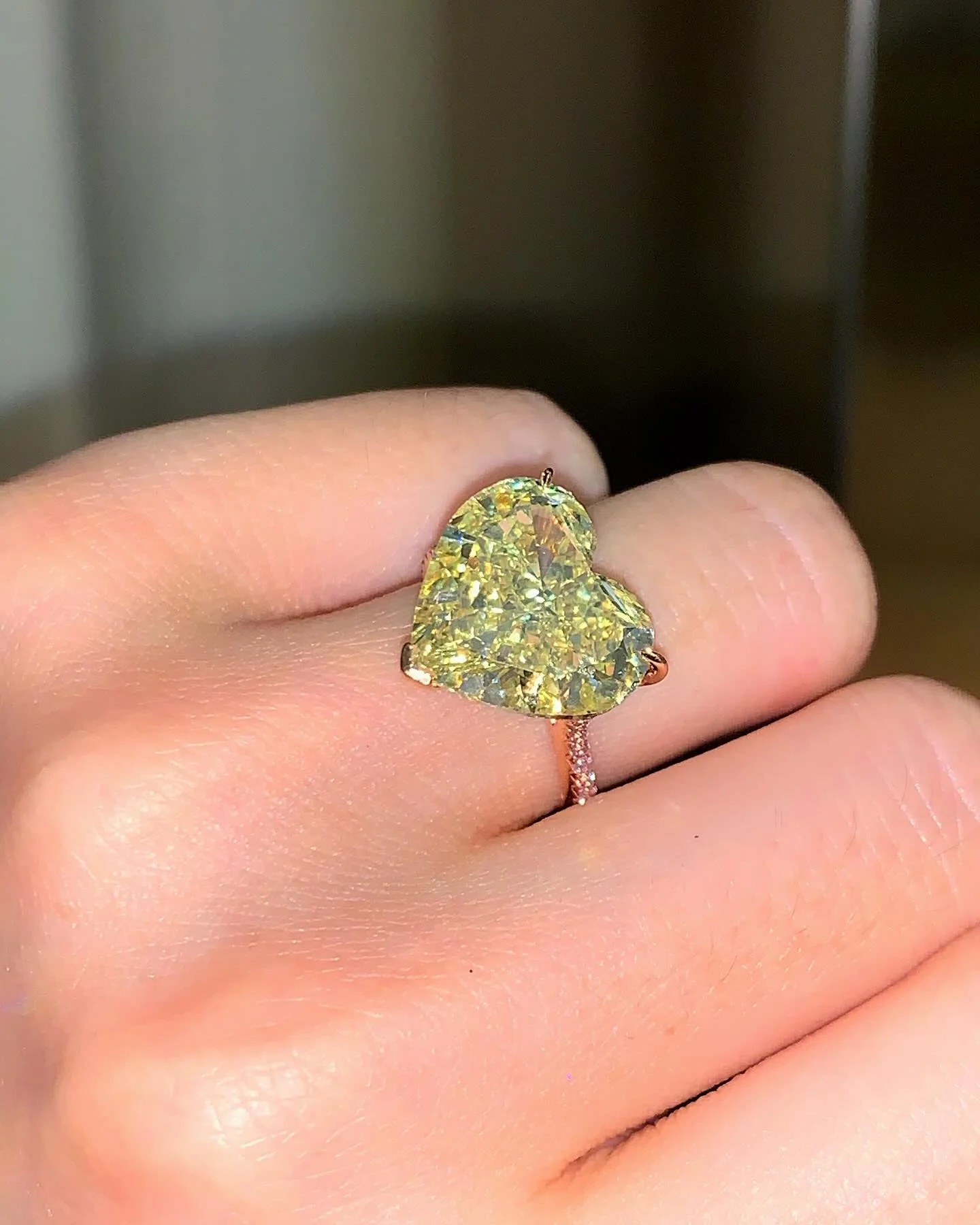
Above fifteen carats, fancy shapes such as pear, cushion and radiant become proportionally more common than round brilliants, partly because rough stones of this size are more often cut to preserve weight in an elongated or cornered form. Legacy’s 20 Carat Pear Statement reflects this pattern. Fancy color diamonds — yellow, pink, blue — also appear more frequently at the very top of this range, since a large stone with strong natural color saturation is rarer still than a large colorless one, and priced accordingly.
Questions collectors ask
What is the most expensive diamond ring Legacy has sold at this size?
Within the current 15-carat-and-above collection, prices reach $4.65 million, reflecting the very top of color, clarity and cut combinations available at that weight. Individual pieces beyond the current collection are sourced by request.
Do diamonds over 15 carats hold their value?
Historically, exceptional large stones with strong documentation have held value more consistently than smaller diamonds, largely because genuine scarcity at this size limits supply. Value retention still depends entirely on the individual stone’s grade, cut and provenance rather than carat weight alone.
Can I view a 15 carat diamond before buying?
Yes. Legacy arranges private viewings for stones at this value, either in person or by live video, so the buyer and any advisers can examine cut, color and clarity directly before any commitment is made.
How is a diamond this large certified?
Every stone of this size is independently certified through GIA, IGI or HRD, with the laboratory selected by the client on request. The certificate covers the 4Cs and, for larger stones, typically includes a detailed clarity plot.
How long does delivery take for a diamond of this value?
Once a sale is confirmed, Brink’s-insured door-to-door delivery is arranged worldwide, with timing dependent on destination and any final setting work required. Buyers are kept informed at each stage, and insurance is confirmed before the stone leaves Legacy’s possession rather than left for the recipient to arrange.
The current collection referenced here, including the 15 Carat Cushion Statement and the 20 Carat Pear Statement in F color, sits within Legacy’s high-carat statement diamond rings collection, alongside the wider high jewelry range. For a framework on how large stones are valued over time, see our guide on how to invest in diamonds. To view a stone privately, book a consultation.
The Carat Atlas
Every collection at and around this weight — each with published prices.
The Pieces in This GuideThe Vault →
From the Legacy vault — each one-of-a-kind, independently certified.
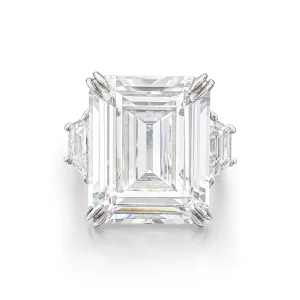

A private advisor answers on the figures in this guide — and places any piece from the vault within them, certificate first.
More from Diamond EducationAll Guides →
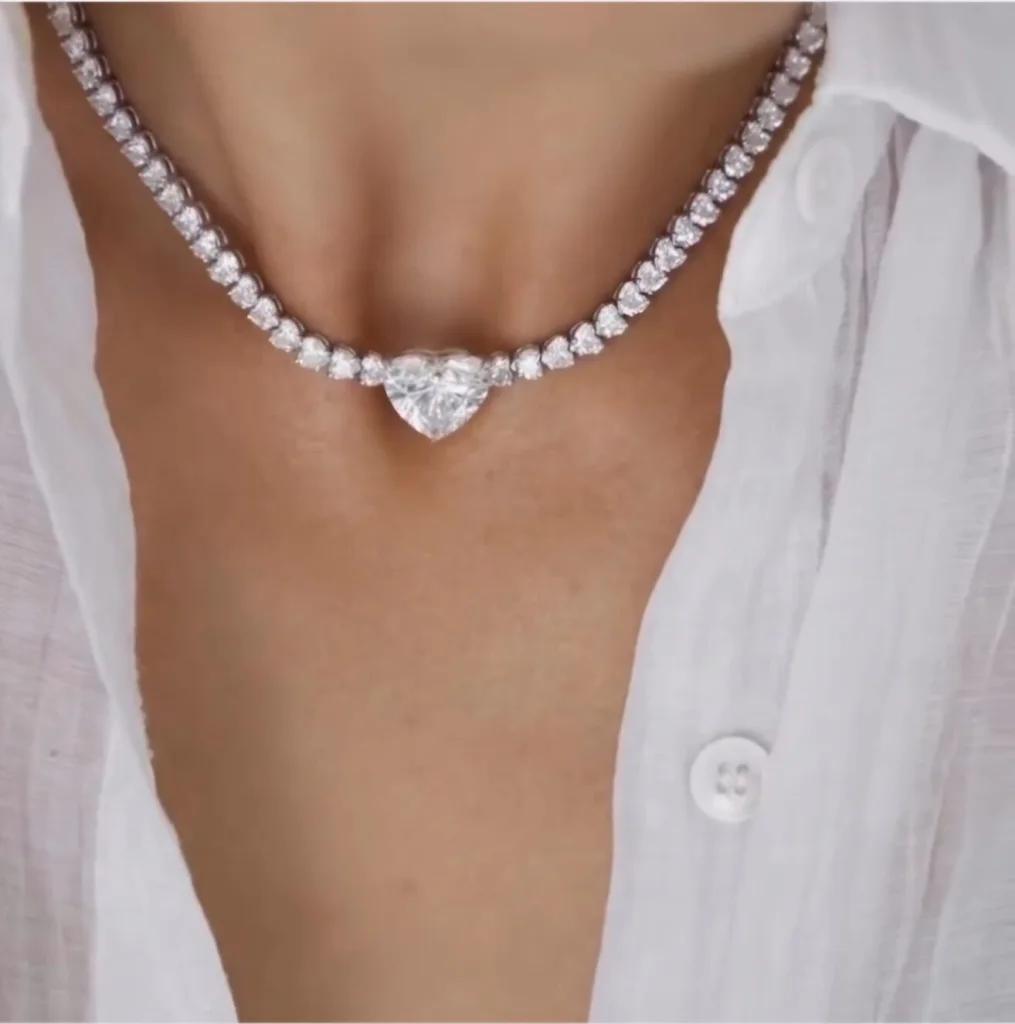 Diamond Necklace Price Guide: 50 to 100 CaratsDIAMOND EDUCATION · AUG 31, 2026
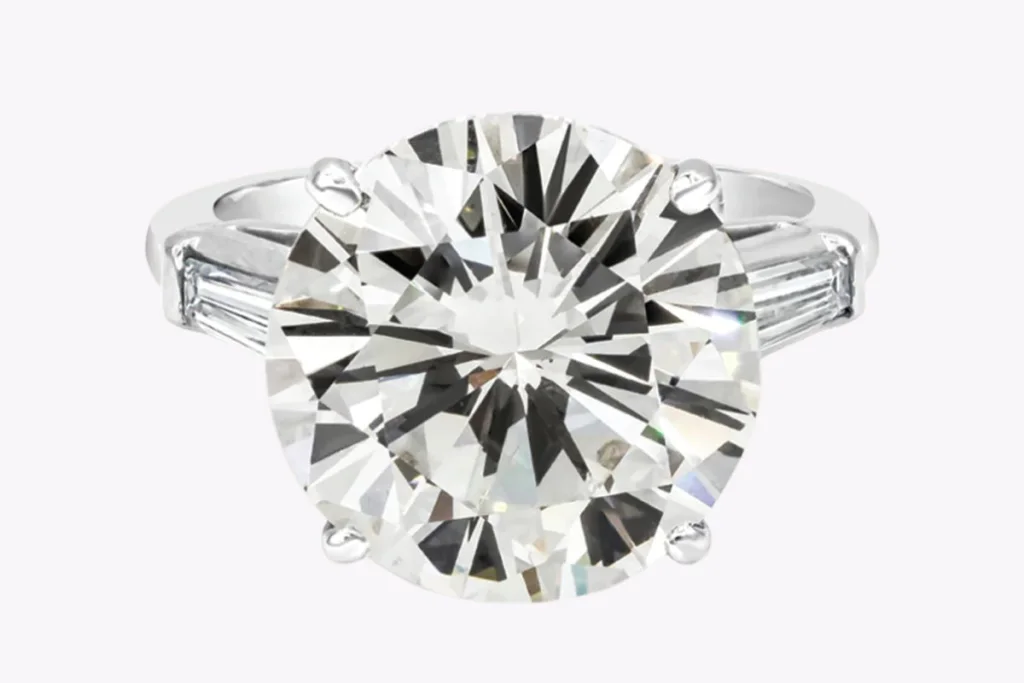 10 Carat Diamond Ring Price Guide: What It Actually CostsDIAMOND EDUCATION · AUG 31, 2026
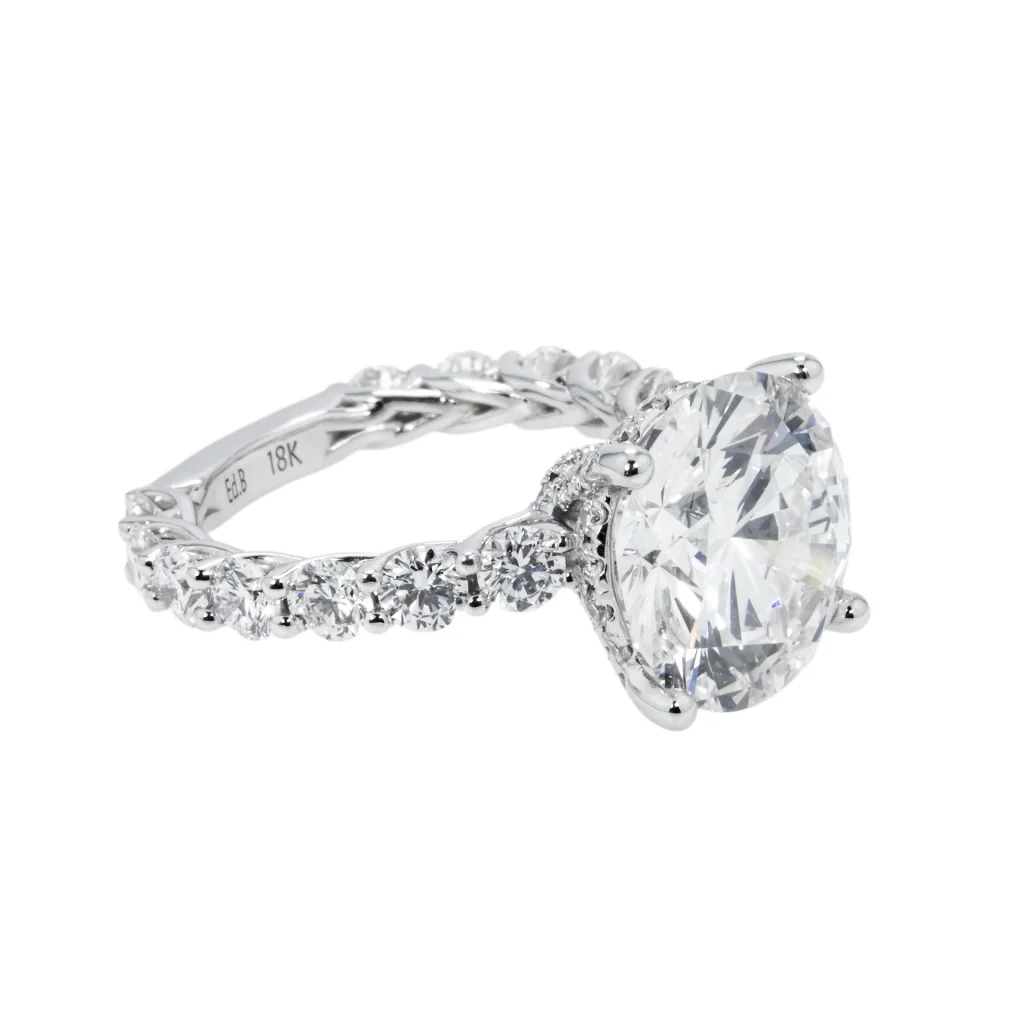 9 Carat Diamond Ring Price Guide: What It Actually CostsDIAMOND EDUCATION · AUG 31, 2026
 7 Carat Diamond Ring Price Guide: What It Actually CostsDIAMOND EDUCATION · AUG 31, 2026
 5 Carat Diamond Ring Price Guide: What It Actually CostsDIAMOND EDUCATION · AUG 31, 2026
 4 Carat Diamond Ring Price Guide: What It Actually CostsDIAMOND EDUCATION · AUG 31, 2026
The Vault, Continued
Every piece one-of-a-kind, every price published. Keep scrolling — the vault does not end here.