Diamond Education · The House Guides
Radiant Cut Diamonds: Brilliance in a Cornered Silhouette
Why the radiant cut's crushed-ice brilliance and durable corners make it the shape of choice for fancy colour diamonds, drawn from Legacy's collection.
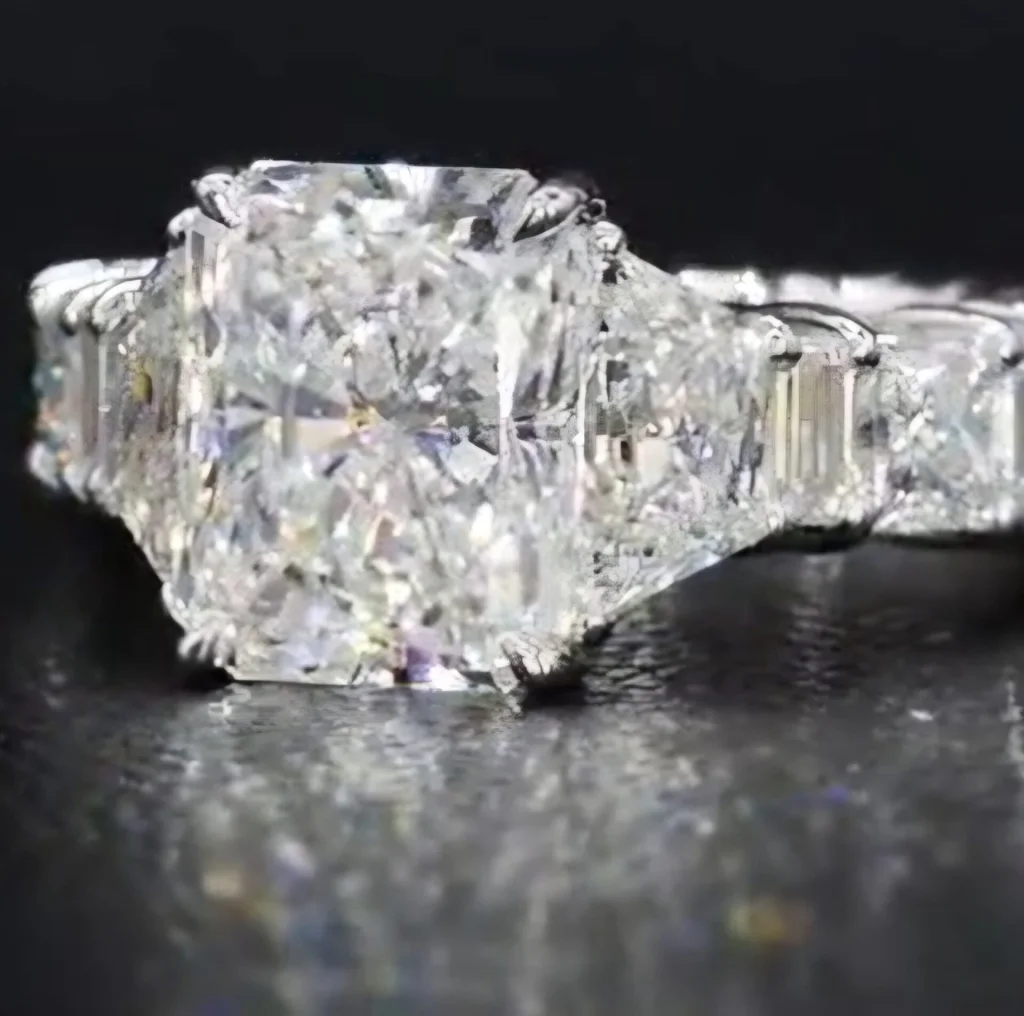
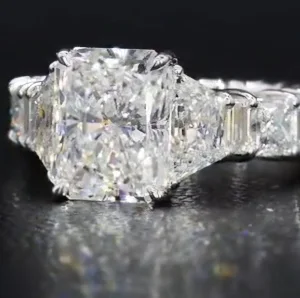
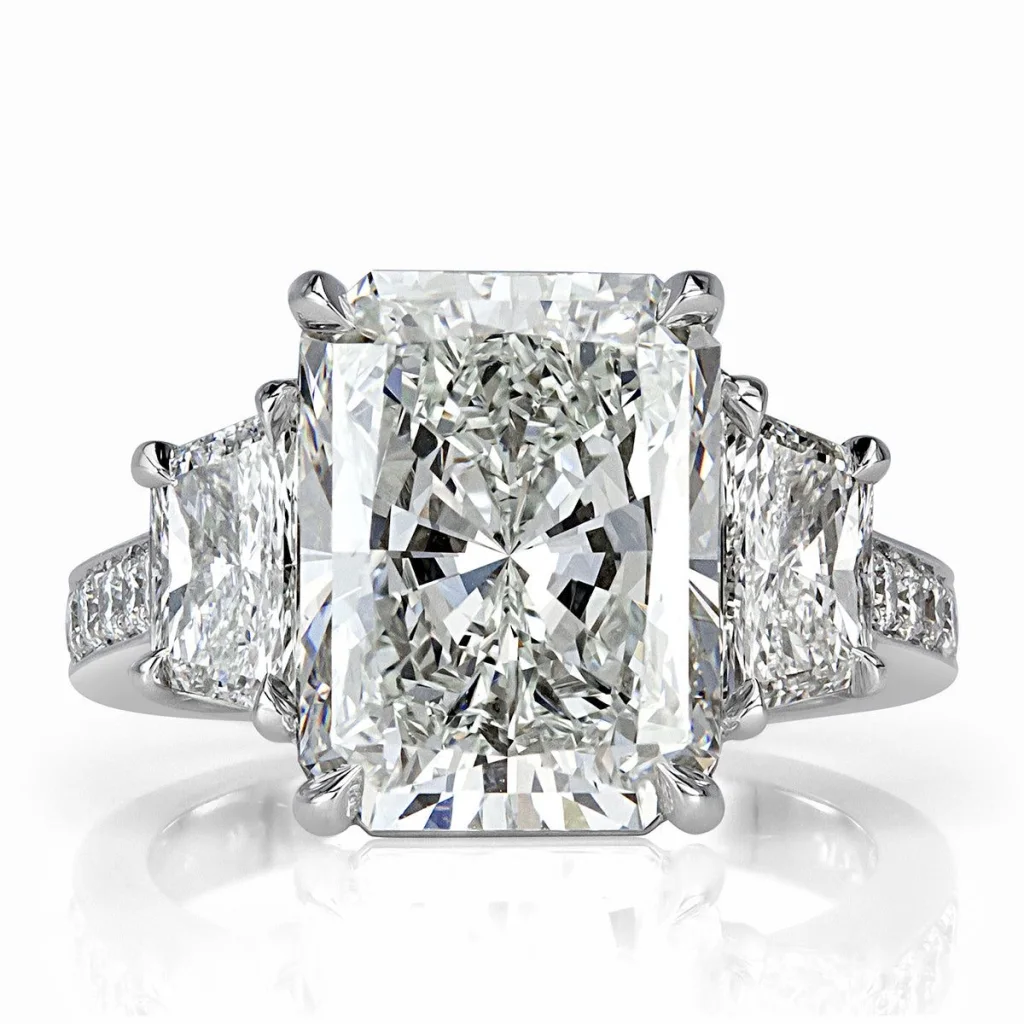
The radiant is a hybrid cut: a rectangular or square outline with cropped corners, cut with the brilliant-style facet pattern rather than the flat step-cut planes of an emerald. That combination gives it a distinctive scattered, crushed-ice sparkle and corners durable enough for daily wear, which is also why it has become the preferred cut for fancy color diamonds.
Crushed-ice fire versus step-cut clarity
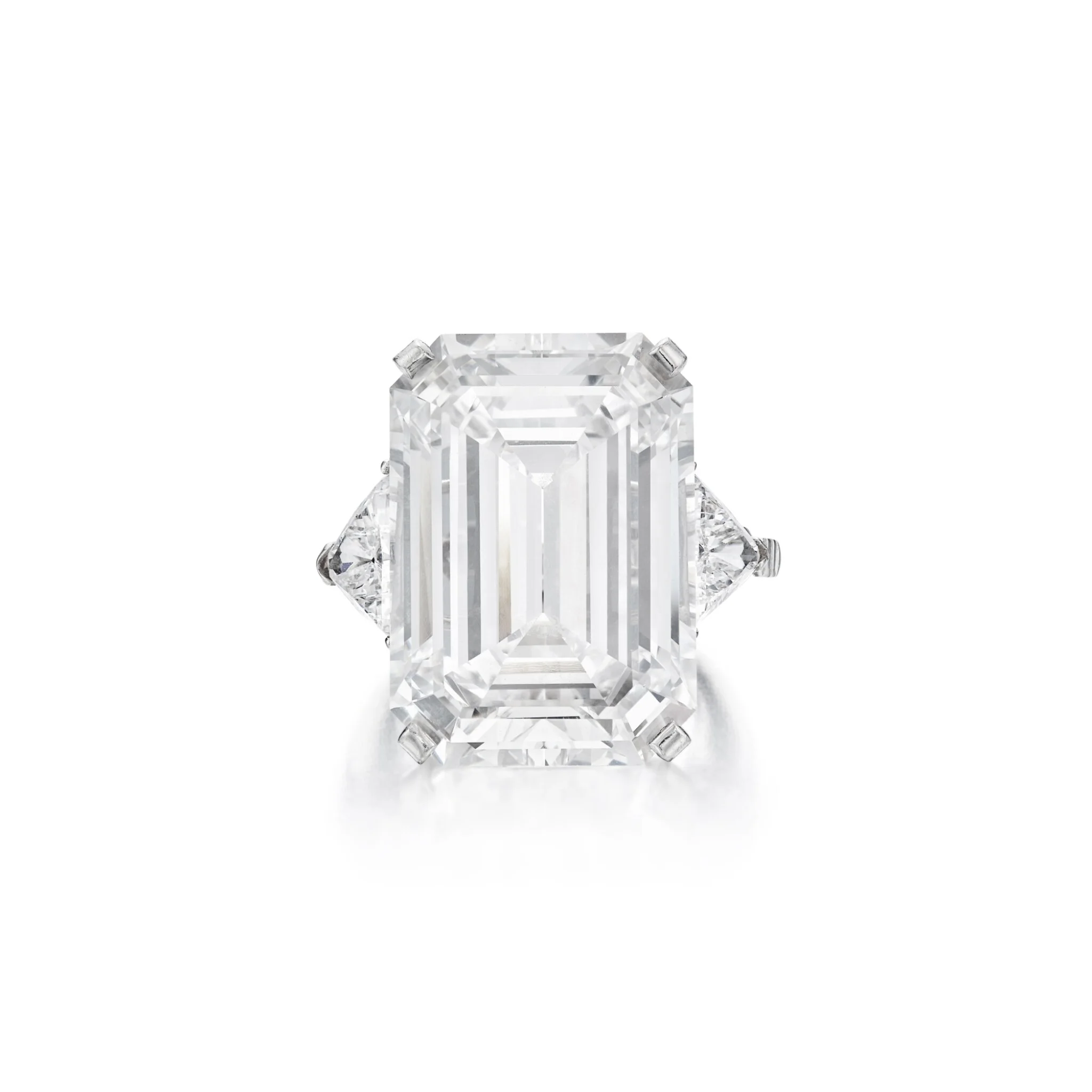
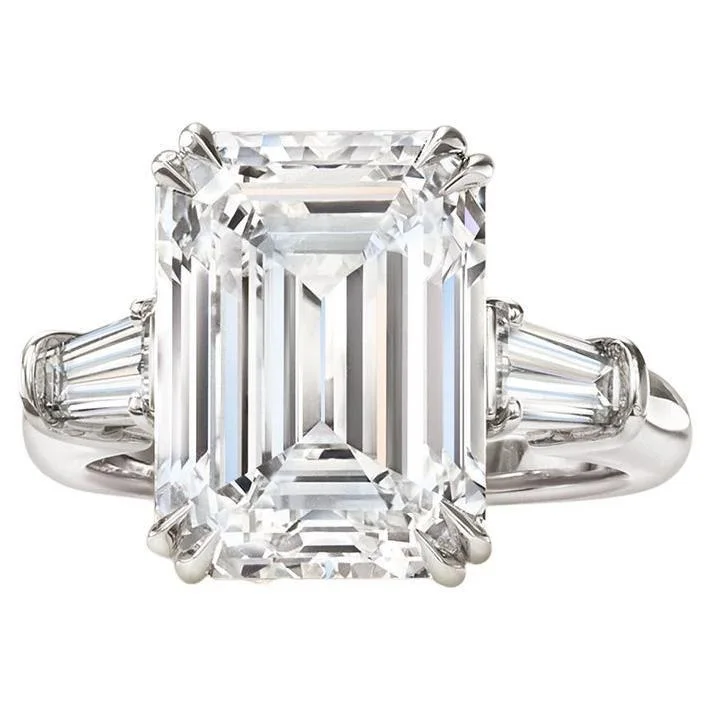
The defining visual difference between a radiant and a step cut like the emerald or Asscher is facet structure. Step cuts use long, flat, mirror-like facets arranged in concentric rows, producing a hall-of-mirrors effect with broad flashes of light and, correspondingly, less forgiveness of inclusions since every flaw is magnified in a large open facet. The radiant instead uses a brilliant-style faceting pattern, typically 70 facets, cut at multiple angles across the crown and pavilion. The result is a busier, more scattered sparkle often described as crushed ice: countless small flashes rather than a few broad ones.
This has two practical consequences. First, a radiant hides small inclusions more effectively than a step cut of the same clarity grade, because the broken-up facet pattern disguises imperfections that would be visible in an emerald or Asscher. Second, it means two radiants of identical carat and color grade can still look different in hand depending on facet execution, which is why cut quality matters more with this shape than the certificate grade alone suggests.
Why radiants dominate the fancy color market
Color in a diamond is concentrated and reflected most effectively by facet patterns that trap and recirculate light within the stone, rather than letting it pass straight through as step cuts tend to. The radiant’s dense, multi-angled faceting does exactly this, intensifying the appearance of a diamond’s bodycolor. That is precisely why the radiant is the cut most frequently selected for fancy yellow diamonds: it deepens and evens out color saturation across the face of the stone in a way that a flatter step cut cannot.
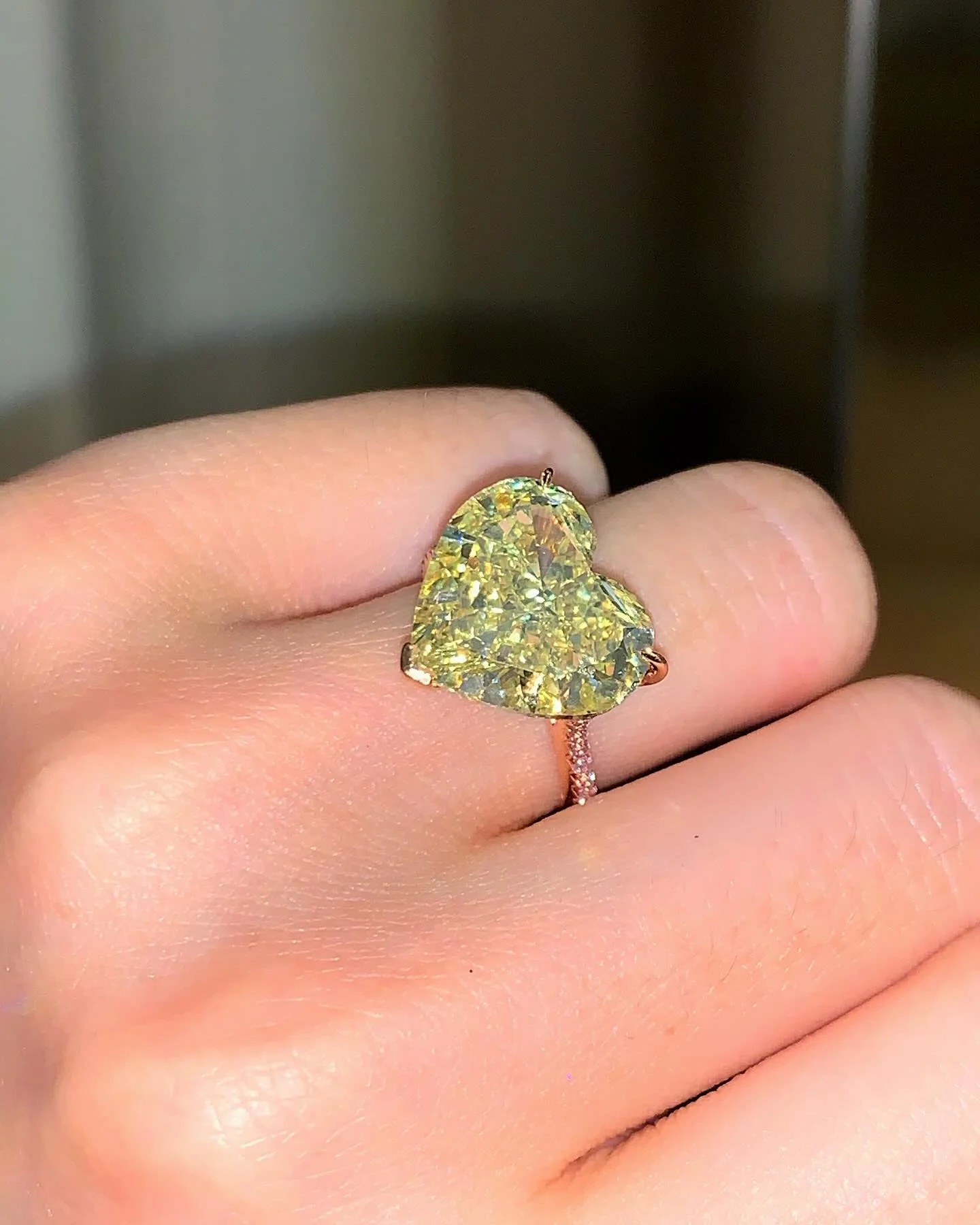
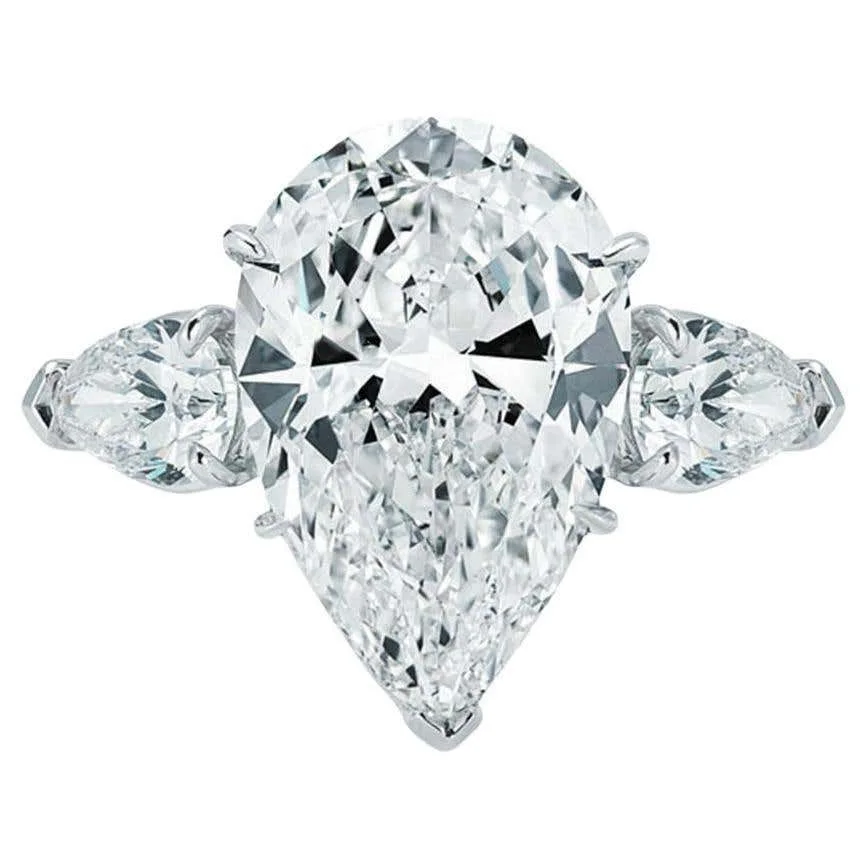
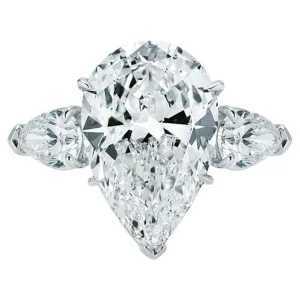
Legacy’s fancy yellow collection illustrates the point directly. An 8-carat fancy yellow cushion cut diamond ring, GIA certified, and a 10-carat fancy yellow pear statement piece in 14K white gold both sit within this range, showing that while radiant is the natural pairing for fancy color, cushion and pear cuts also carry color well for collectors who want an alternative outline.
Square versus rectangular radiants
Radiants are cut in two broad proportions. A square radiant, with a length-to-width ratio close to 1.00, reads as a softened square with cropped corners and suits collectors who want a bold, compact face-up presence. A rectangular radiant, typically ratio 1.20 to 1.50, elongates the finger and shows a different light pattern along its longer axis. Neither is objectively superior; the choice is a matter of hand shape and personal preference, and it is worth requesting video of both proportions before committing, since photographs alone rarely convey how the crushed-ice pattern behaves under movement.
What sets radiant prices across Legacy’s collection
The radiants in Legacy’s collection span a wide range because carat weight, color grade and cut precision each move price independently. This is consistent across Legacy’s inventory: carat weight sets the starting range, but color and clarity decide where within that range a given stone falls.
How many facets, and why it is not a fixed number
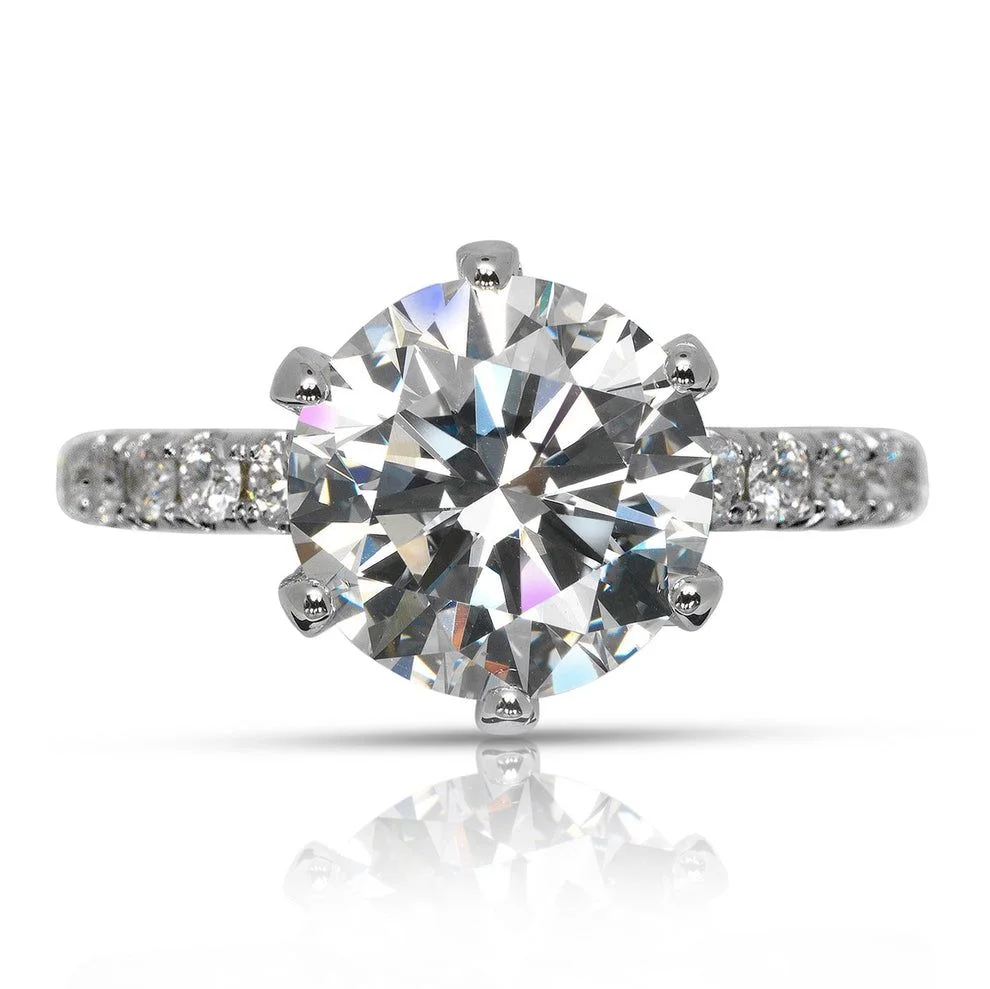
Round brilliants are cut to a near-universal 57 or 58 facets, which is why grading them is comparatively standardised. Radiants have no such fixed convention. Most fall around 70 facets, but cutters vary the exact pattern on the pavilion and crown depending on the rough stone’s shape and the effect they are aiming for, whether that is maximum brilliance, better color retention, or a specific balance between the two. This is one of the reasons two radiants with identical certificate specifications for carat, color and clarity can still look meaningfully different in hand: the facet arrangement itself, which the four Cs do not directly capture, has real influence on how the stone performs. It is a strong argument for viewing a radiant in person or by live video rather than buying from certificate numbers alone.
Radiant cut clarity: more forgiving, not immune
The crushed-ice pattern’s ability to disguise inclusions is genuine but has limits. Inclusions positioned directly under the table, rather than toward the edges, remain visible regardless of facet pattern, since that is the area the eye is drawn to first. Feathers and clouds tend to disappear most effectively into a radiant’s faceting; dark crystal inclusions and larger clarity characteristics are less forgiving and can still read clearly even in a well-cut stone. SI1 and SI2 radiants are worth close inspection, ideally by video with the stone rocked under different light angles, rather than judged from the clarity grade alone.
Radiant cut versus princess cut
The two shapes are sometimes presented as interchangeable square options, but the comparison undersells both. A princess cut is cut with pointed, unprotected corners and an inverted pyramid pavilion, a geometry that concentrates stress at the four corners and makes chipping a genuine practical concern in daily wear. The radiant’s cropped corners remove that vulnerability entirely while still offering a similarly brilliant, scattered sparkle pattern. Princess cuts also waste less rough during cutting, which can make them marginally more efficient at the lower end of the market, but collectors buying at the carat weights typical of Legacy’s collection tend to prioritise the radiant’s combination of durability and color performance over the princess cut’s slightly sharper geometric look.
Setting a radiant well
Because the radiant’s corners are cropped rather than sharp, it tolerates prong settings well without the chipping risk that a true sharp-cornered step cut can carry. Four-prong settings on the cropped corners are the most common and protective choice. Collectors seeking maximum color saturation on a fancy yellow radiant often pair it with yellow gold, which reinforces rather than competes with the stone’s bodycolor, while white gold or platinum is more often chosen for colorless radiants to maximise perceived brightness.
Questions collectors ask
Is a radiant cut diamond more brilliant than an emerald cut?
Generally yes. The radiant’s brilliant-style facet pattern scatters light into many small flashes, producing more perceived sparkle than the emerald’s broad, flat step-cut planes, which favour clarity and mirror-like flashes over scattered brilliance.
Why are radiant cuts used for fancy yellow diamonds?
The dense faceting recirculates light within the stone rather than letting it pass through, which intensifies and evens out bodycolor. It is the most consistently used cut for fancy yellow in Legacy’s collection, though cushion and pear cuts also carry color well.
Does a radiant cut hide inclusions better than a step cut?
Yes, in most cases. The scattered facet pattern breaks up the eye’s path through the stone, disguising small inclusions that would stand out clearly in the broad, flat facets of an emerald or Asscher cut of equal clarity grade.
What length-to-width ratio should I choose for a radiant?
A ratio near 1.00 gives a square radiant; 1.20 to 1.50 gives a rectangular one. Both are common in Legacy’s collection, and the right choice depends on hand shape and whether an elongating or a bolder, compact look is preferred.
Legacy’s radiant cut diamonds are held within the rings collection, and the fancy yellow pieces referenced above sit within the dedicated fancy yellow and fancy color diamond collection. Collectors focused specifically on fancy yellow diamonds may also find the fancy yellow diamond buying guide useful for color grading detail this guide does not repeat. Every stone is independently certified with the laboratory arranged on request, and offered at one real price with Brink’s-insured delivery worldwide. To view radiants by live video or arrange a private viewing, book a private consultation.
Shop this in the collection
Ready to view now: 4 carat radiant cut diamond rings.
The Pieces in This GuideThe Vault →
From the Legacy vault — each one-of-a-kind, independently certified.
A private advisor answers on the figures in this guide — and places any piece from the vault within them, certificate first.
More from Diamond EducationAll Guides →
 Diamond Necklace Price Guide: 50 to 100 CaratsDIAMOND EDUCATION · AUG 31, 2026
 15+ Carat Diamond Price Guide: What It Actually CostsDIAMOND EDUCATION · AUG 31, 2026
 10 Carat Diamond Ring Price Guide: What It Actually CostsDIAMOND EDUCATION · AUG 31, 2026
 9 Carat Diamond Ring Price Guide: What It Actually CostsDIAMOND EDUCATION · AUG 31, 2026
 7 Carat Diamond Ring Price Guide: What It Actually CostsDIAMOND EDUCATION · AUG 31, 2026
 5 Carat Diamond Ring Price Guide: What It Actually CostsDIAMOND EDUCATION · AUG 31, 2026
The Vault, Continued
Every piece one-of-a-kind, every price published. Keep scrolling — the vault does not end here.