Diamond Education · The House Guides
Pear Diamonds: The Buying Guide
A working guide to buying a pear shaped diamond, from point direction and symmetry to how the shape prices against Legacy's live catalogue.
The pear is a hybrid cut, one rounded end and one pointed end, and its price is governed less by carat weight alone than by how symmetrically that hybrid shape has been cut. A well-proportioned pear commands a premium over a poorly balanced one of the same carat and color.
What the pear shape actually is
A pear combines the brilliant faceting of a round cut with an elongated, single-pointed outline, tapering from a rounded crown to a sharp tip. Cutters describe it as a modified brilliant: the pavilion and crown facets follow round-brilliant optics, bent around an asymmetric outline. Because the shape is a compromise between two geometries, it is unforgiving of cutting error in a way round diamonds are not. A round diamond’s proportions are judged against a single ideal; a pear is judged against symmetry between two halves that are not supposed to be identical, which is a harder standard to hit.
The result is a wider spread in quality, and in price, than most other fancy shapes carry at the same carat weight. Two five-carat pears can look meaningfully different lying side by side, and that difference shows up in what a buyer is asked to pay.
Point direction: the detail most buyers miss
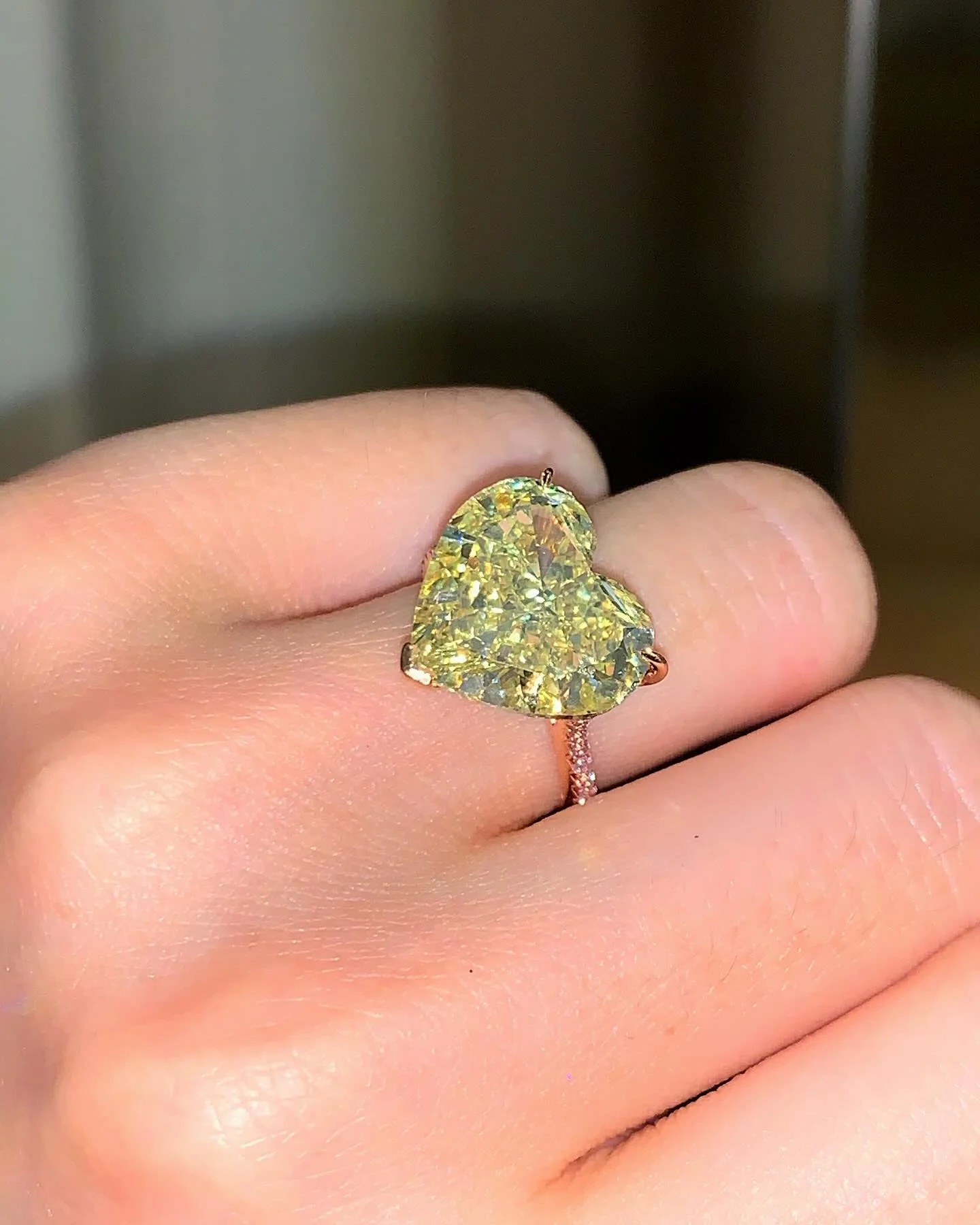
Point direction determines how a pear reads on the hand. A stone with a well-defined, undamaged point, set so the tip runs parallel to the finger, elongates the hand and reads as more deliberate in its cut. A blunt or chipped point, or one set at a careless angle, undercuts the whole effect regardless of carat weight. Because the point is the thinnest part of the stone, it is also the most vulnerable to chipping in daily wear, which is why prong protection at the tip matters as much as the metal color around it.
Bow-tie effect, a dark shadow running across the center of the stone, is the other detail worth checking in person or on video before committing. Some bow-tie is normal in elongated cuts; a pronounced one dulls the stone’s face-up brilliance no matter how high its clarity grade reads on paper.
Symmetry and length-to-width ratio
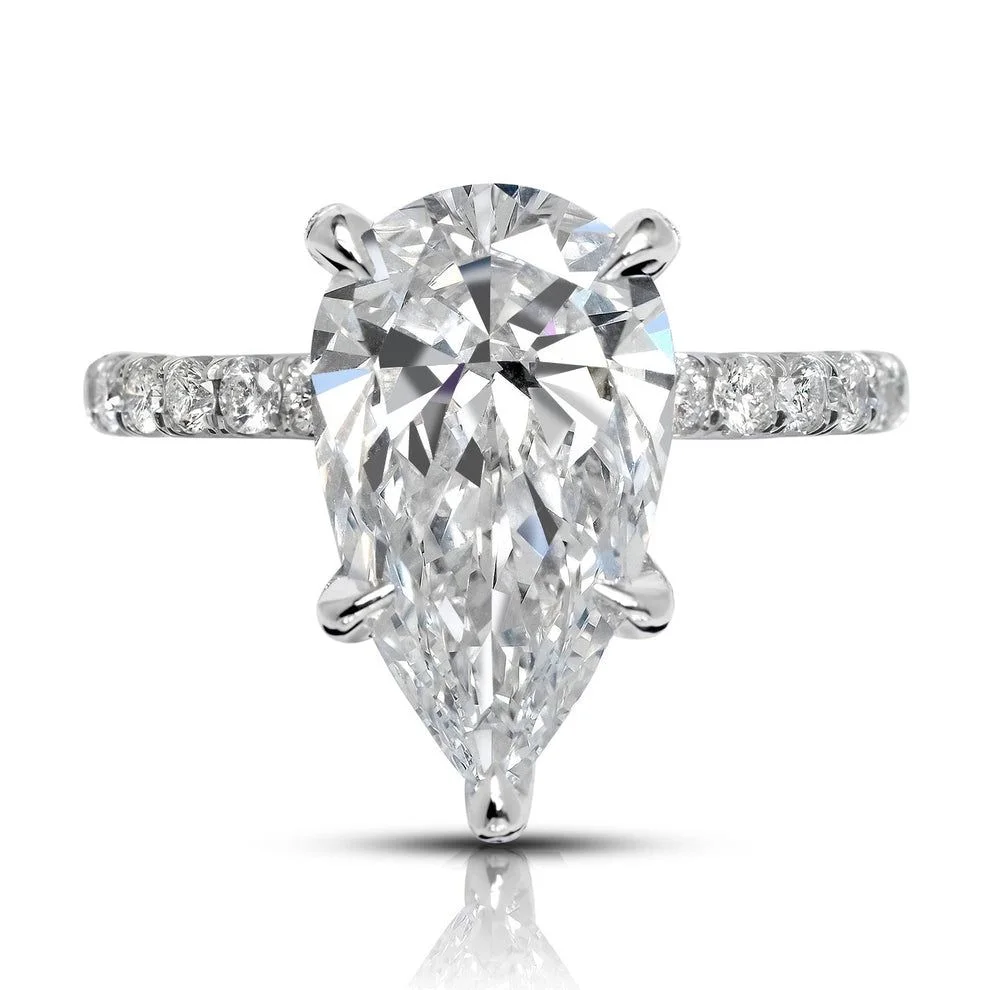
Length-to-width ratio is a matter of taste, but it is not arbitrary. Ratios around 1.5:1 are generally considered the classic pear silhouette; narrower ratios look slender and modern, wider ones look plumper and more vintage in character. What buyers should not compromise on is symmetry between the two shoulders of the curve leading to the point. Uneven shoulders are visible to the naked eye and are one of the more common defects in lower-priced pear stones.
How pears wear: rings versus pendants
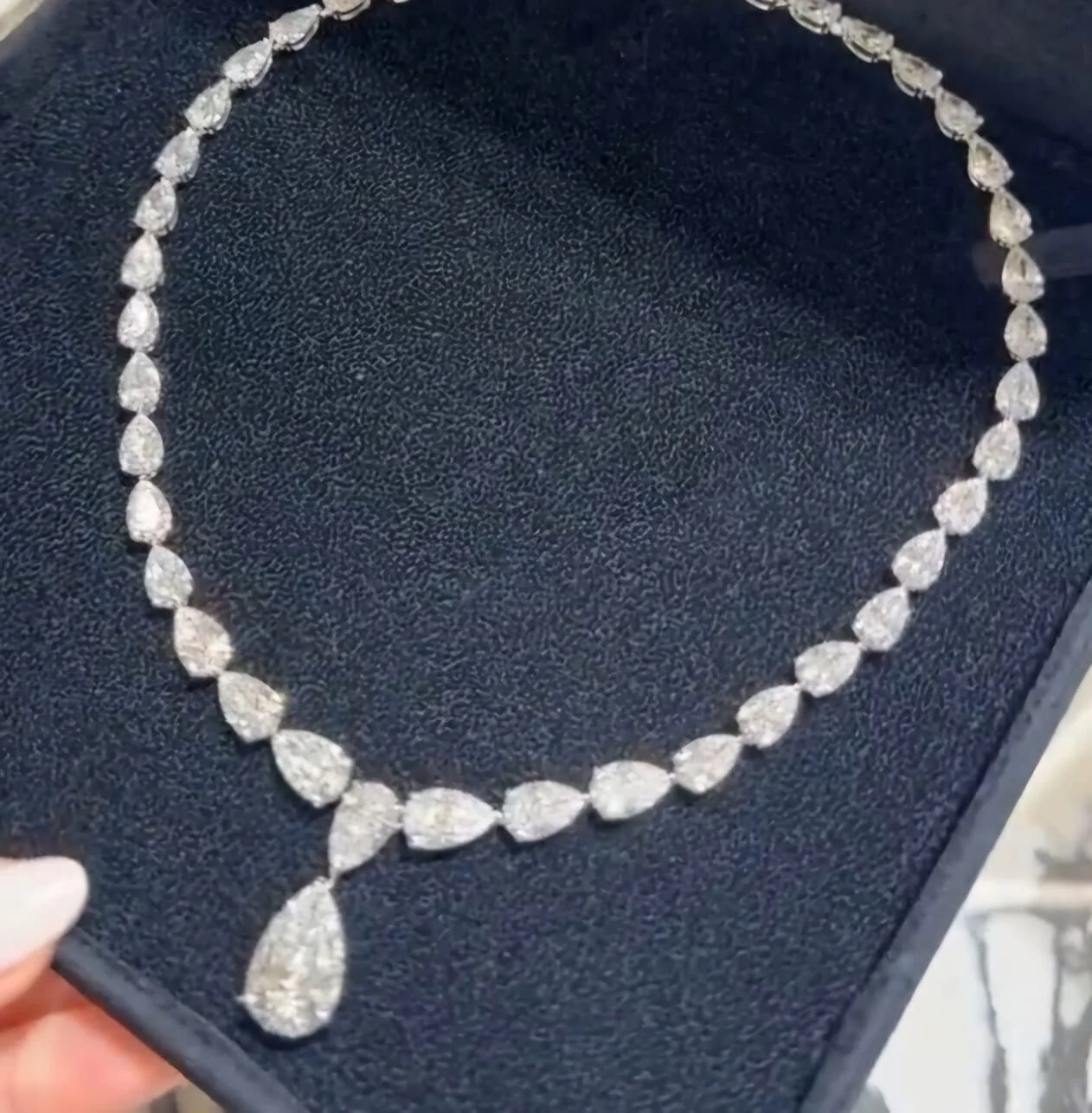
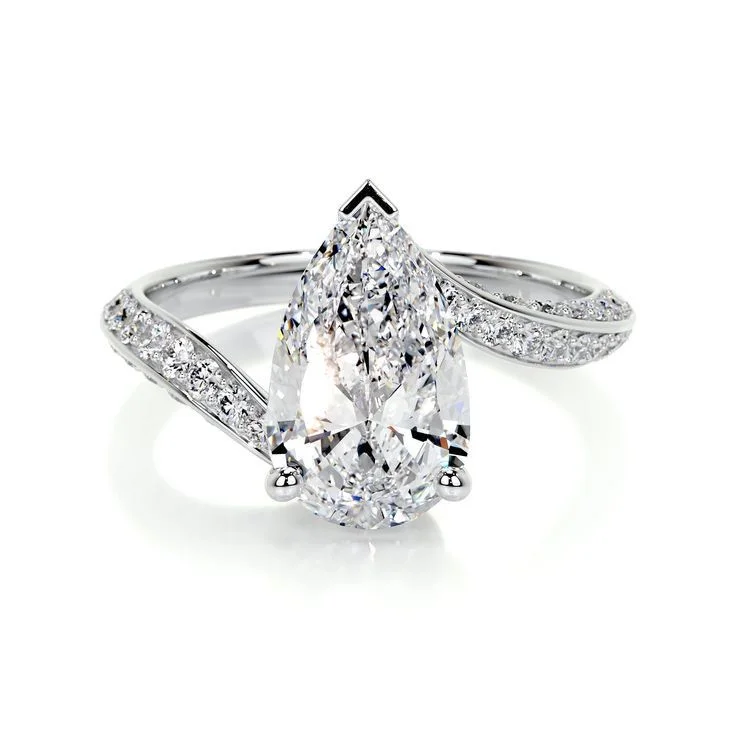
Set as a ring, a pear is almost always mounted point-down toward the knuckle, which visually lengthens the finger, or occasionally point-up in a east-west orientation for a more architectural look. Set as a pendant, the point typically hangs downward, and the stone’s asymmetry becomes an asset rather than something to manage, since a pendant is viewed from a single fixed angle rather than turned on a hand. Buyers choosing between the two settings for the same stone are really choosing between two different relationships with the point: protected and rotating in a ring, or fixed and framed in a pendant.
Setting styles that suit a pear
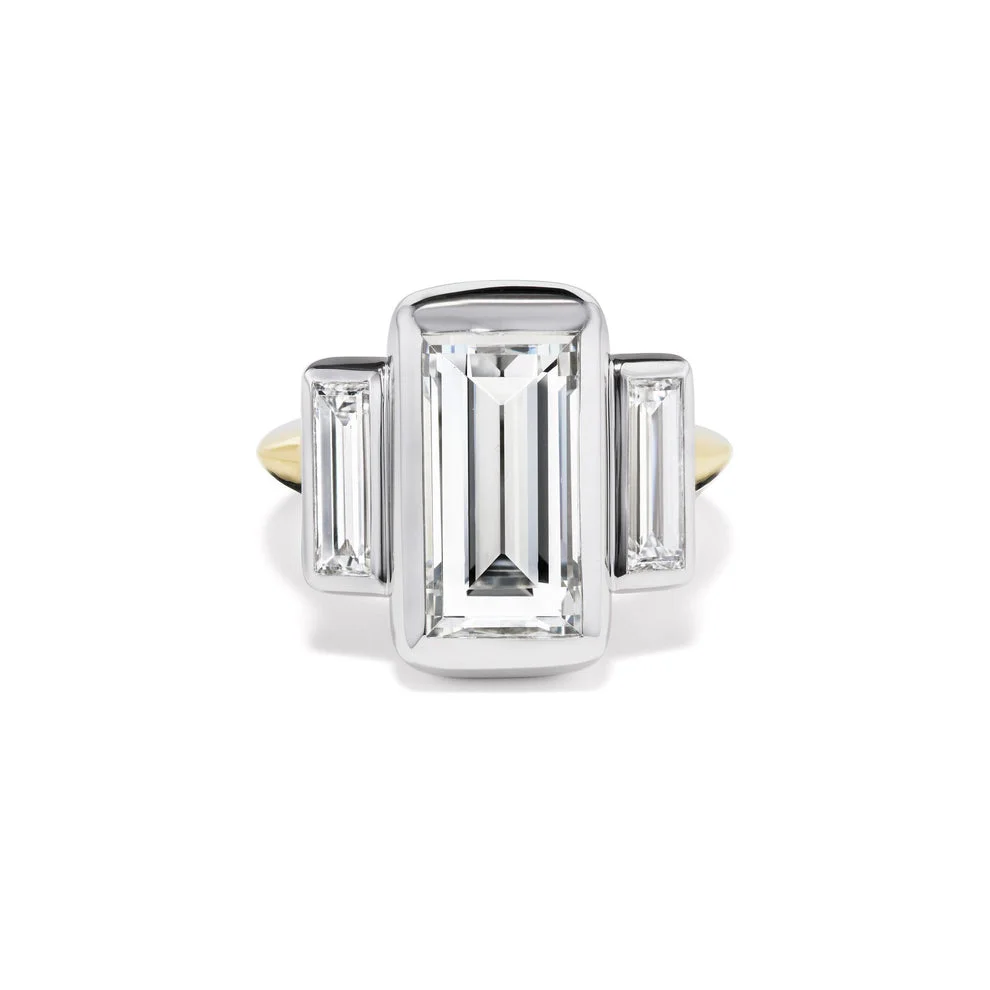
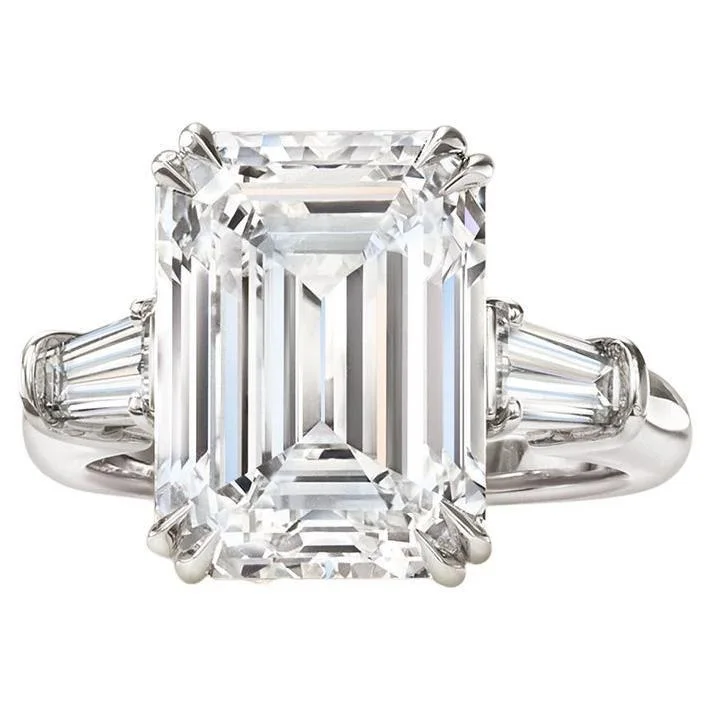
A solitaire pear on a plain shank is the most common setting and the one that puts the most visual weight on the stone’s own proportions, which is precisely why cut quality matters so much in this shape. A halo setting, a ring of smaller diamonds framing the pear, can visually round out a narrow point and add perceived size to a smaller carat stone, a useful option for buyers working toward a look rather than a specific carat target. Three-stone settings, with the pear flanked by trapezoids or tapered baguettes, are also common in Legacy’s higher-carat pieces, since the side stones balance the asymmetry of the center stone and give the eye a second reference point besides the point itself.
Prong count and placement at the tip is worth asking about directly. A V-prong, shaped to hug the point on both sides, is the standard protective choice; a single straight prong at the tip leaves the most vulnerable part of the stone comparatively exposed. This is a small mechanical detail, but on a stone that can run into six figures, it is one worth confirming before a setting is finalised.
Matching a pear to hand shape
Because a pear elongates whatever it is set on, it tends to suit shorter or broader fingers particularly well, lengthening the visual line of the hand. On already slender, long fingers, the elongating effect is still flattering but less transformative, and some buyers in that position choose a wider length-to-width ratio, closer to 1.3:1 or 1.35:1, so the stone reads fuller rather than adding further length. This is ultimately a matter of personal proportion rather than a fixed rule, and it is one of the details best judged by trying a stone on rather than by measurement alone.
Certification and viewing a pear in person
Because so much of a pear’s value rests on cut quality that a grading report only partly captures, symmetry and point condition are best confirmed by eye. Every stone in Legacy’s collection is independently certified by GIA, IGI or HRD, and the laboratory is arranged on request so the client chooses which report they trust. For a shape this dependent on proportion, Legacy also offers private viewings, in person or by live video, so a client can see the point direction and bow-tie behaviour under real light before deciding.
Questions collectors ask
What is a good length-to-width ratio for a pear diamond?
Most cutters and buyers consider a ratio between 1.45:1 and 1.55:1 the classic pear proportion, elongated but not extreme. Ratios outside that range are not wrong, but they shift the stone toward a slimmer or plumper look, and worth confirming against a photograph or video before purchase.
Do pear diamonds show more inclusions than round diamonds?
Not inherently, but the point of a pear is a natural weak spot where inclusions or chips are more visible and more structurally risky than the same flaw elsewhere in the stone. Clarity should be assessed with particular attention to that tip.
Why do pear diamonds vary so much in price at the same carat weight?
Symmetry, point definition and bow-tie severity vary more in pear cuts than in round or cushion cuts, because the shape has no single ideal proportion to cut toward. Two pears of identical carat, color and clarity grade can differ substantially in price once cut quality is accounted for.
Is a pear diamond a practical choice for daily wear?
With a protective setting at the point, typically a V-shaped prong or bezel reinforcement, pears wear well daily. The point is the one area that benefits from a jeweler’s attention when choosing the mount.
Legacy’s pear diamonds can be viewed within the pear cut diamond rings collection and, for pendant settings, the necklaces collection. For shape comparisons across the full catalogue, see which diamond shape looks biggest per carat. Clients considering a specific pear are welcome to arrange a private consultation, in person or by live video, and may privately suggest a price on any piece.
Shop this in the collection
Ready to view now: 3 carat pear · 5 carat pear · all pear cut diamond rings.
The Pieces in This GuideThe Vault →
From the Legacy vault — each one-of-a-kind, independently certified.
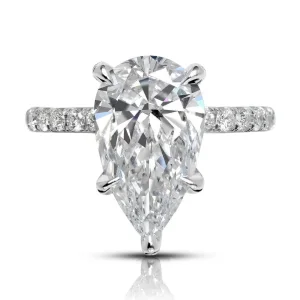
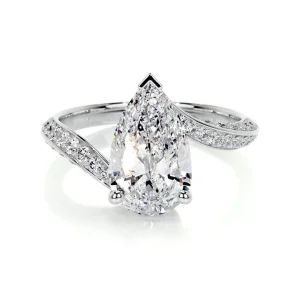
A private advisor answers on the figures in this guide — and places any piece from the vault within them, certificate first.
More from Diamond EducationAll Guides →
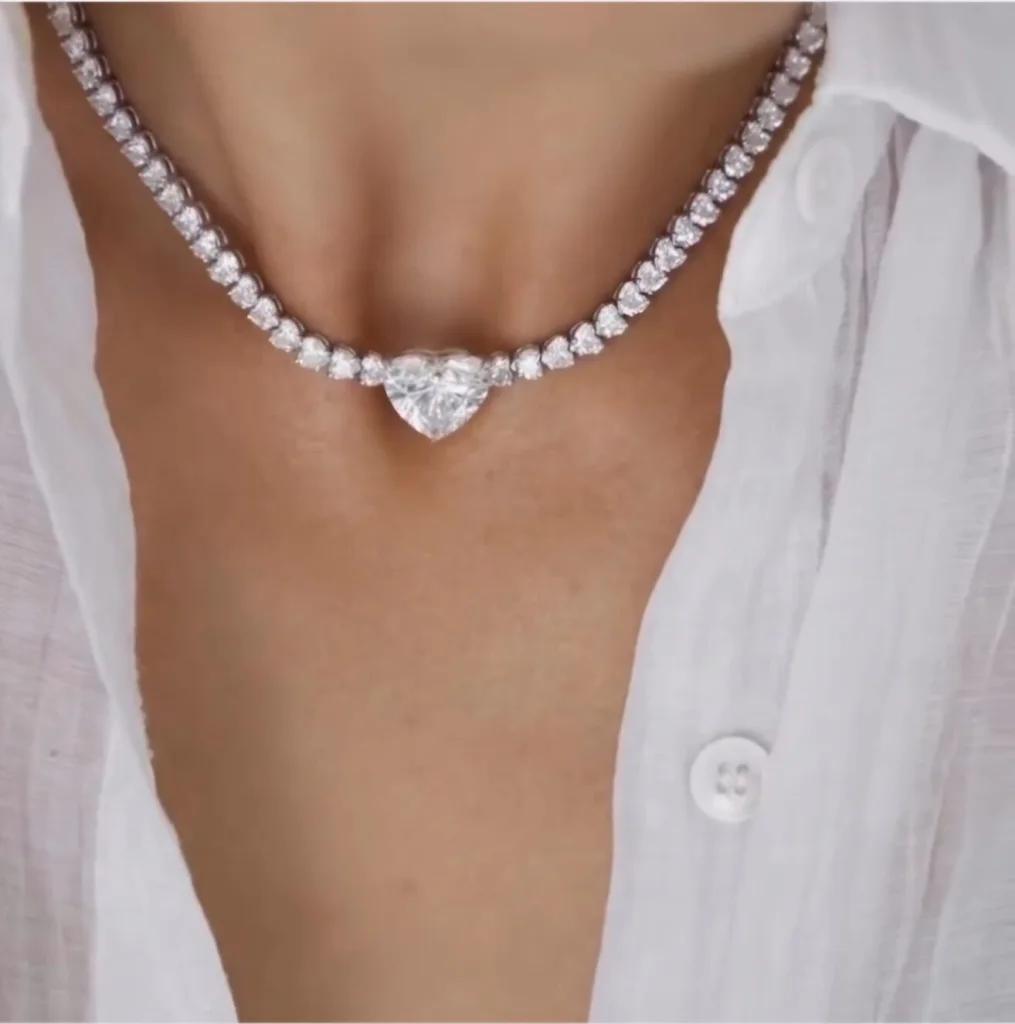 Diamond Necklace Price Guide: 50 to 100 CaratsDIAMOND EDUCATION · AUG 31, 2026
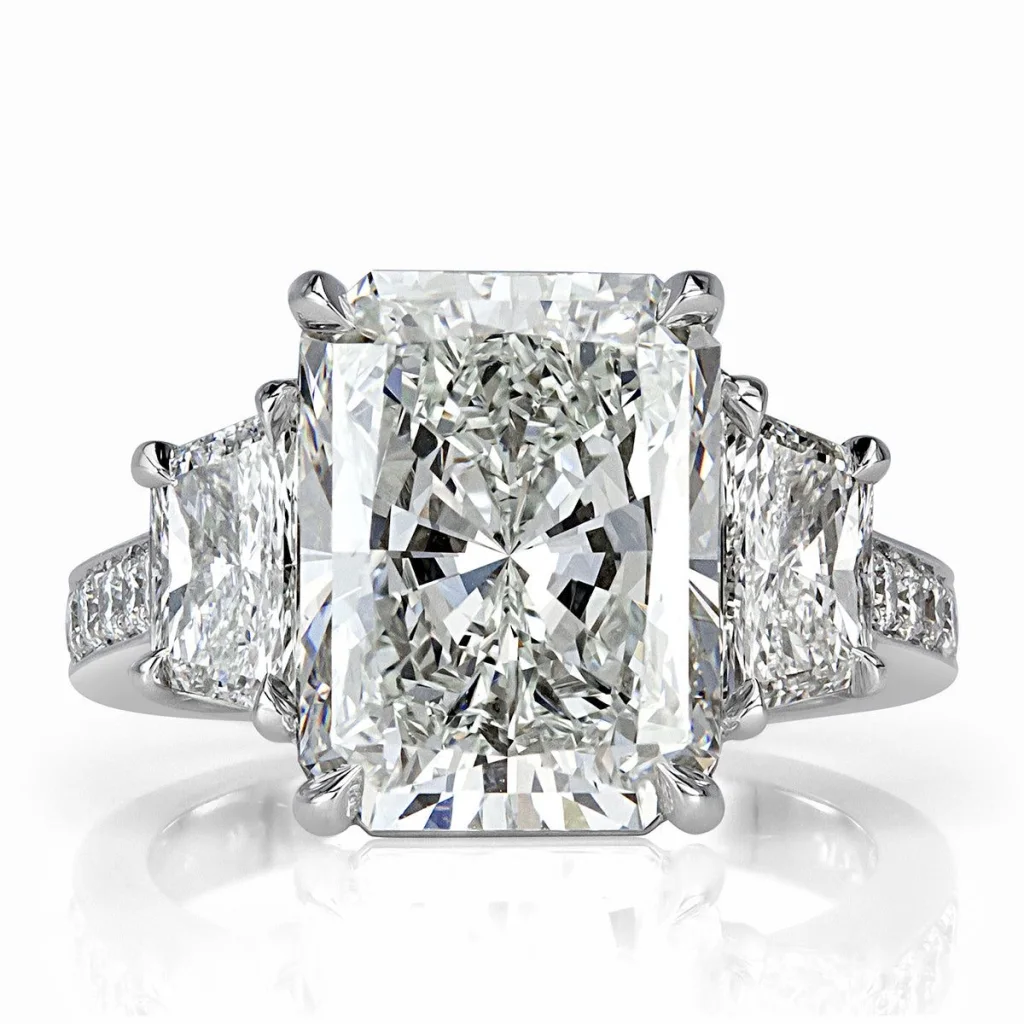 15+ Carat Diamond Price Guide: What It Actually CostsDIAMOND EDUCATION · AUG 31, 2026
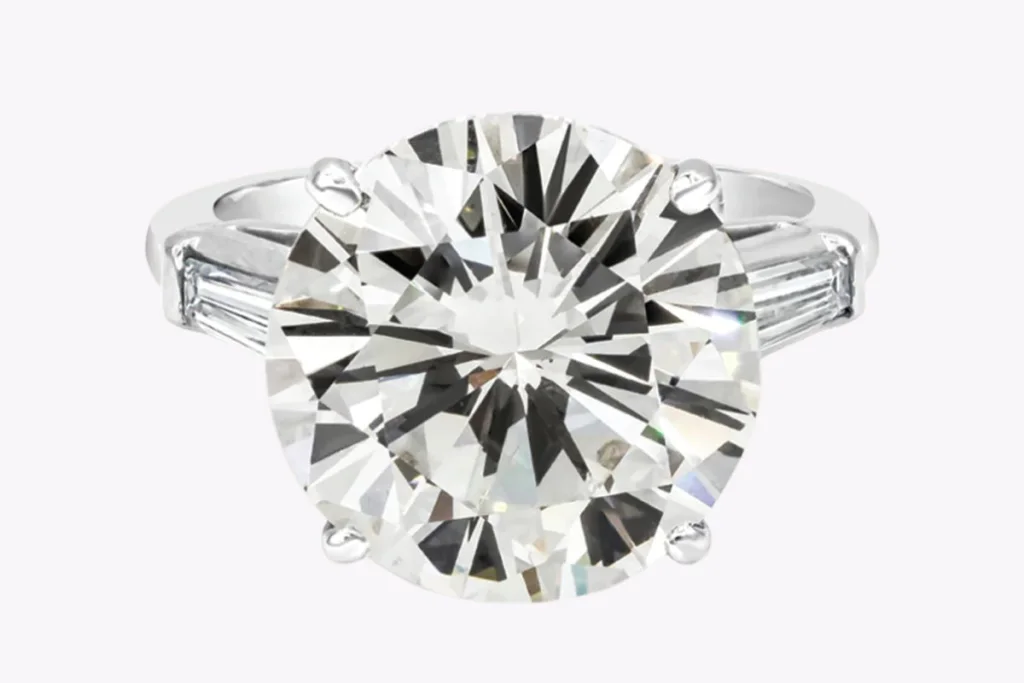 10 Carat Diamond Ring Price Guide: What It Actually CostsDIAMOND EDUCATION · AUG 31, 2026
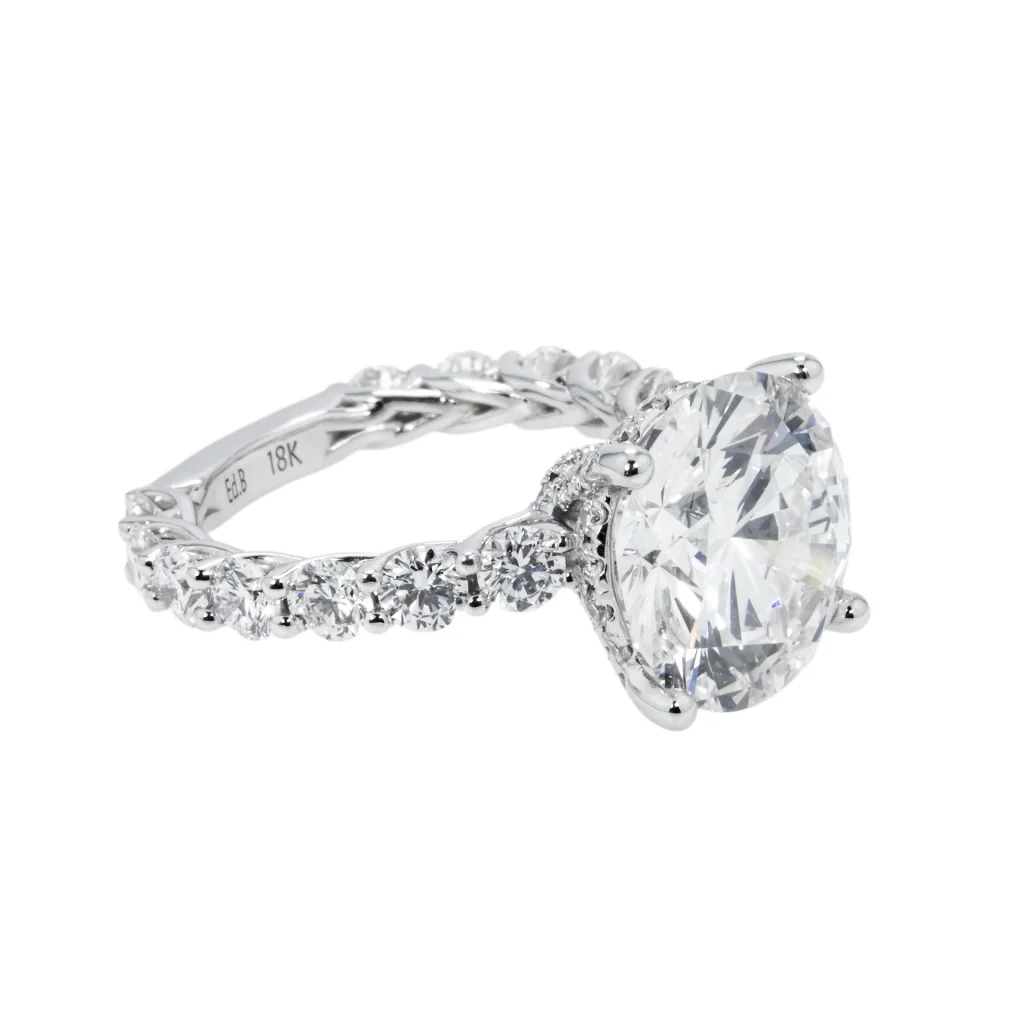 9 Carat Diamond Ring Price Guide: What It Actually CostsDIAMOND EDUCATION · AUG 31, 2026
 7 Carat Diamond Ring Price Guide: What It Actually CostsDIAMOND EDUCATION · AUG 31, 2026
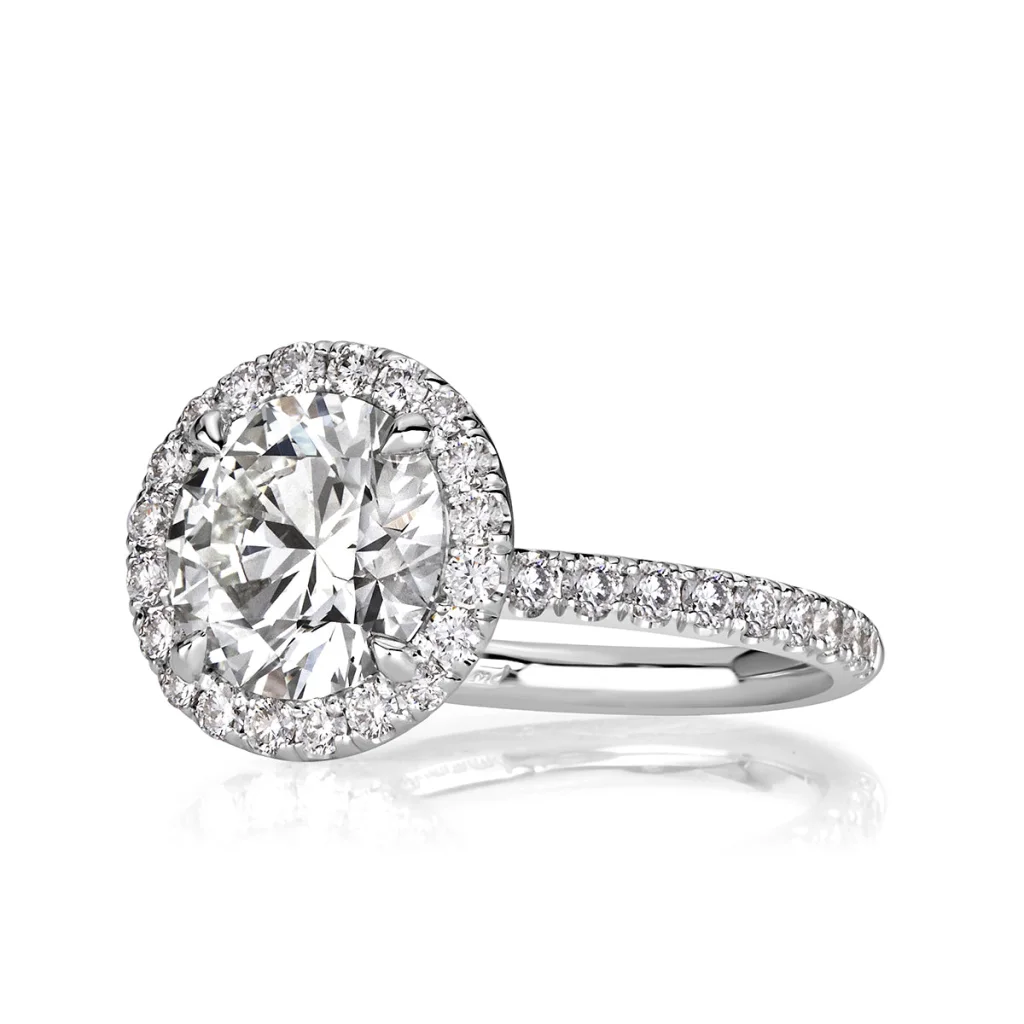 5 Carat Diamond Ring Price Guide: What It Actually CostsDIAMOND EDUCATION · AUG 31, 2026
The Vault, Continued
Every piece one-of-a-kind, every price published. Keep scrolling — the vault does not end here.