Diamond Education · The House Guides
The Emerald Cut Diamond: A Collector’s Buying Guide
Why the emerald cut's open step facets demand a different buying discipline than brilliant cuts, with a real price range and elongation guidance.
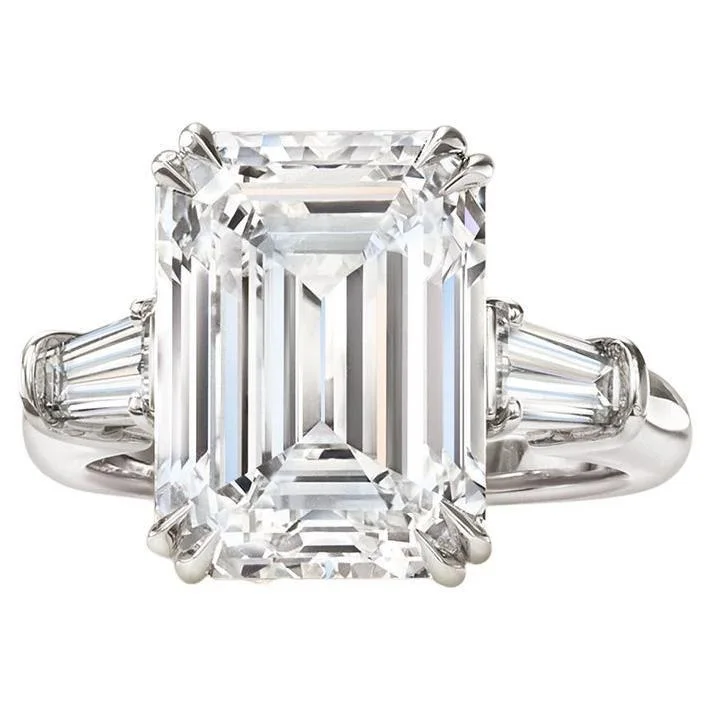
The shape’s broad, open step facets act like a hall of mirrors: they show color and inclusions far more honestly than a brilliant cut, which is why clarity carries more weight in an emerald cut purchase than it does for almost any other diamond shape.
What the step cut actually does
Unlike round, cushion or oval diamonds, which use triangular and kite-shaped facets to scatter light in many directions and disguise minor flaws, the emerald cut uses long, rectangular, parallel facets arranged in receding steps. This produces a distinctive play of light and dark planes rather than fiery brilliance, and it means the eye travels in straight lines across the stone’s surface. Any inclusion sitting in the open table is not softened by faceting the way it would be in a round brilliant — it is framed. This is the single most important fact for a buyer to understand before comparing prices.
Why clarity matters more here than anywhere else
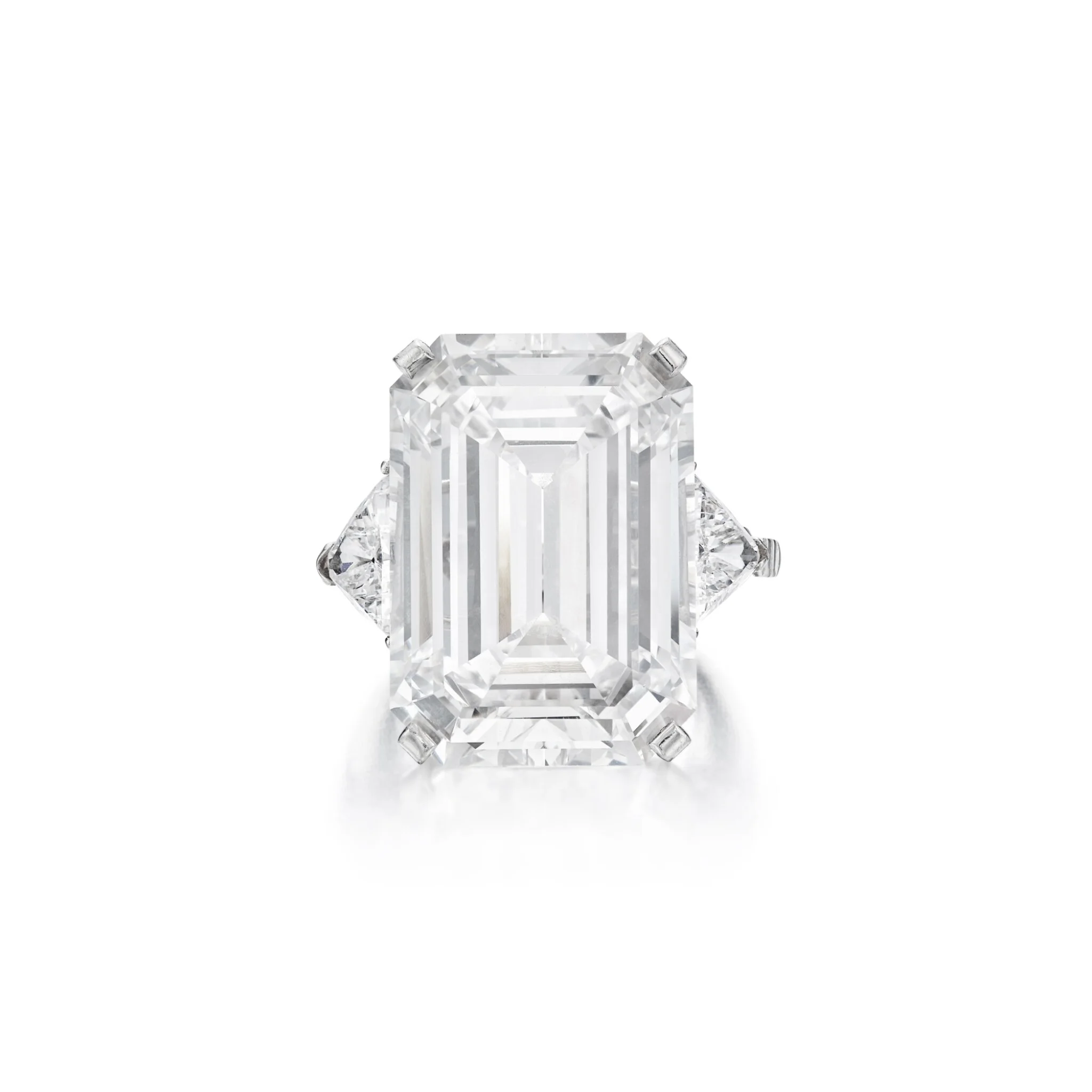
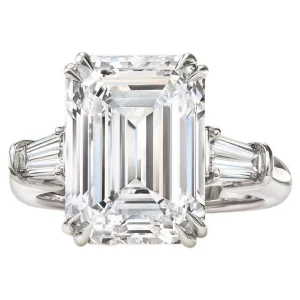
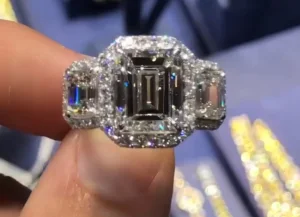
Because inclusions are harder to hide, an emerald cut diamond generally needs a clean clarity grade — VS2 or better is the common practical floor for a stone bought to be worn, rather than the SI grades that pass unnoticed in a well-cut round brilliant. Legacy’s HRD-certified 7.55 Carat Emerald Cut Diamond Ring, graded VVS1 in I color, illustrates the trade collectors often make at this shape: near-top clarity paired with a color grade one might otherwise upgrade in a brilliant cut, because the visual honesty of the step facets rewards clarity spend more than color spend once you are past H color.
Elongation ratio: the number brilliant-cut buyers never need
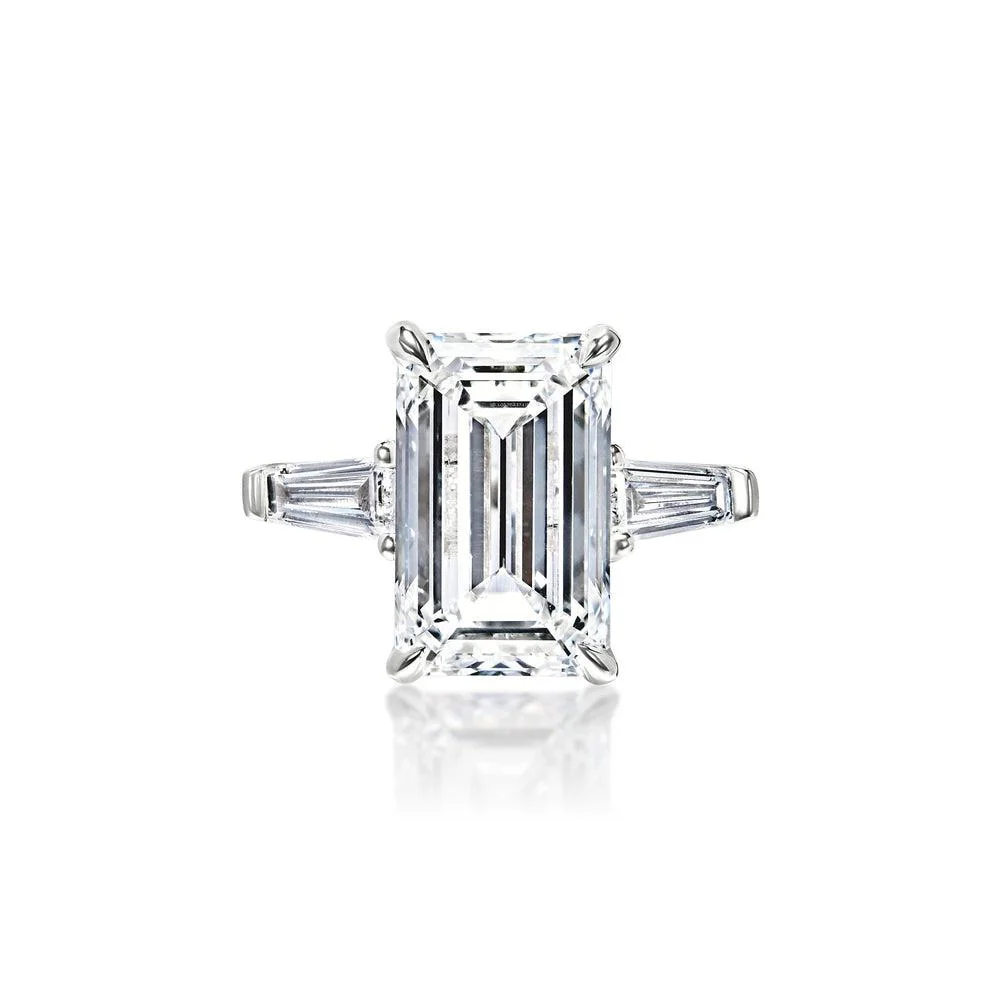
The length-to-width ratio is a defining measurement for emerald cuts in a way it simply is not for round diamonds. A ratio near 1.30 to 1.40 is generally considered the classically elegant proportion — elongated enough to flatter the finger, not so narrow that the stone reads as a sliver. Ratios below 1.20 can appear squarer and closer to an Asscher in impression; ratios above 1.50 begin to look markedly narrow. This single measurement, more than carat weight, determines how a given emerald cut diamond will actually look on the hand, and it is worth requesting explicitly when comparing stones rather than relying on carat weight or photographs alone.
Setting choices that suit the shape
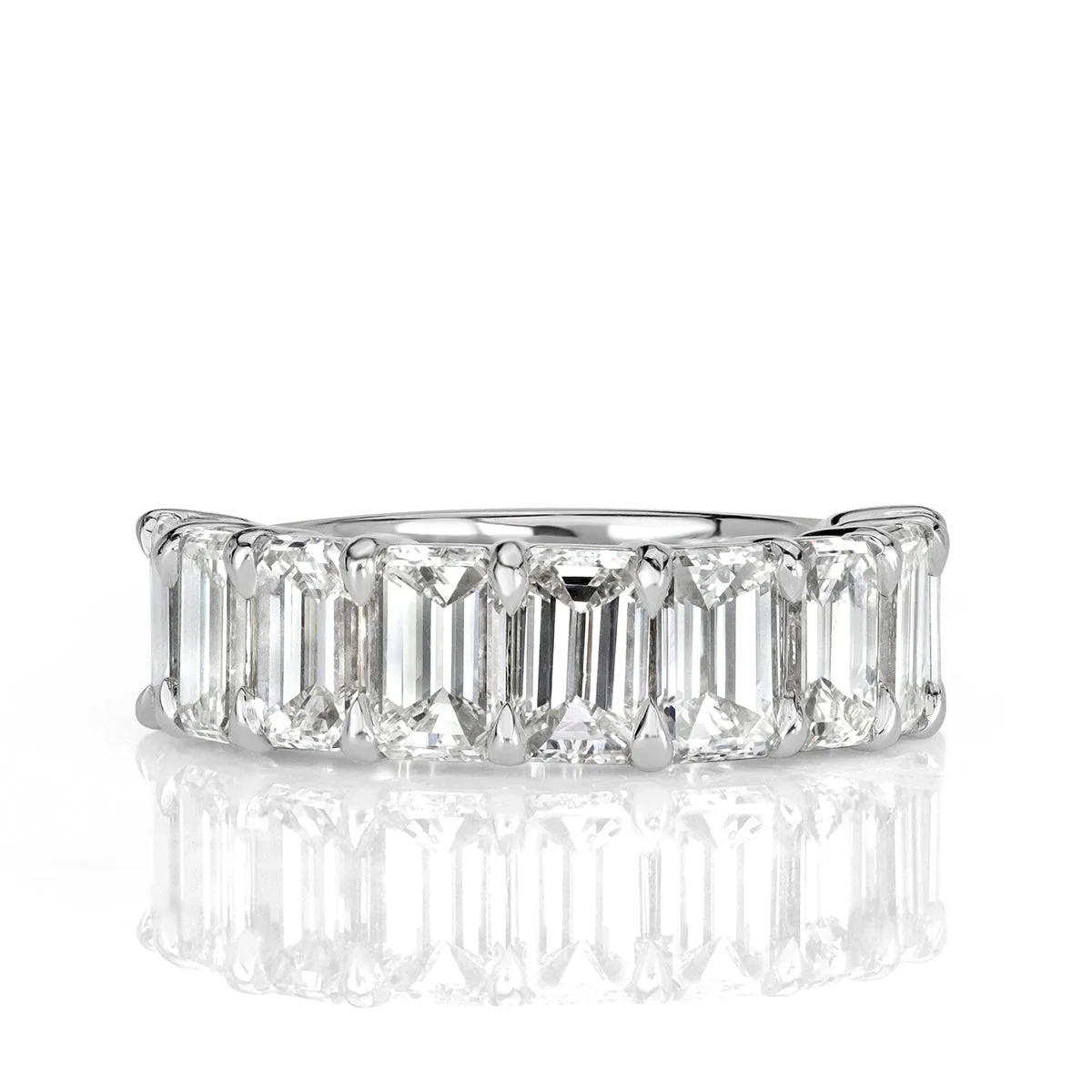
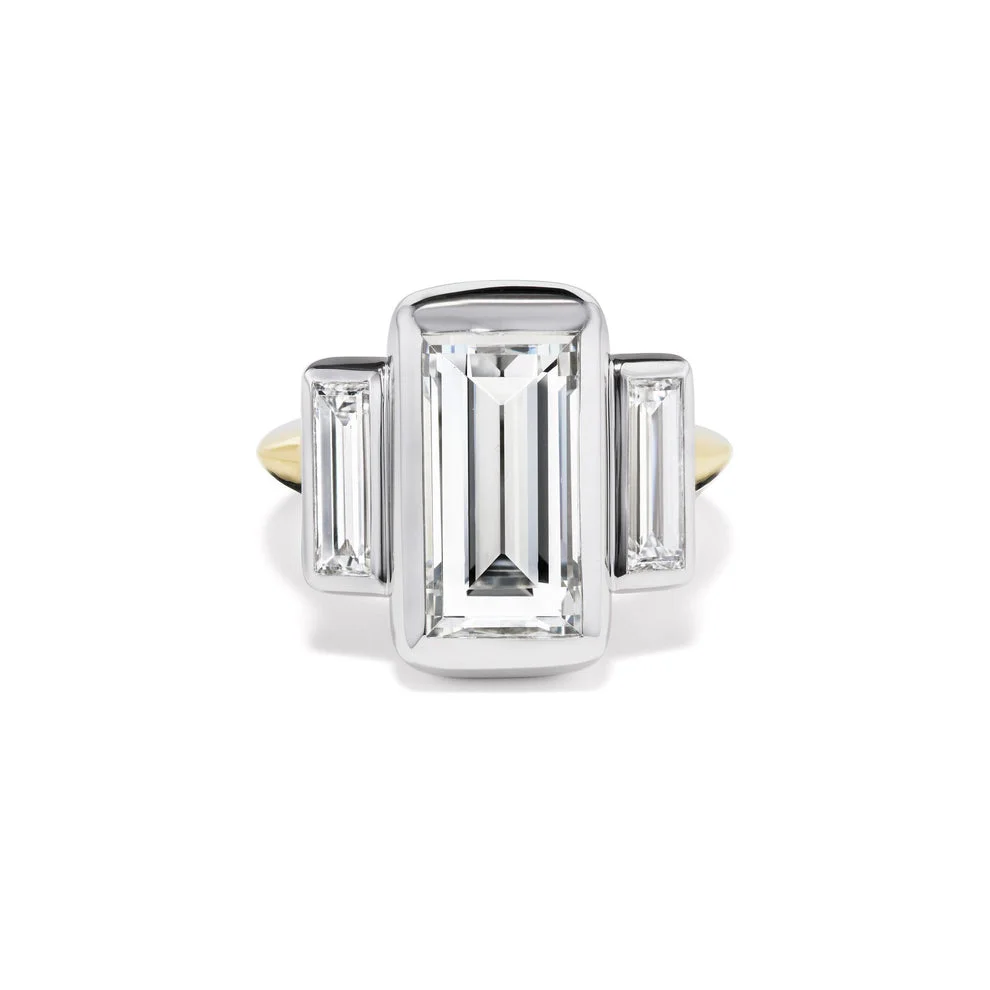
Emerald cuts are traditionally set with baguette or trapezoid side stones that echo the step-cut lines, or in a simple four-prong solitaire that leaves the long facets uninterrupted. A halo setting works less naturally here than on a round or cushion stone, because the emerald cut’s rectangular outline does not frame as symmetrically. Buyers who want maximum apparent size for the carat weight tend to favour a thin, understated band that keeps the eye on the stone’s length.
Who the emerald cut genuinely suits
The shape favours buyers who want quiet, architectural elegance over maximum sparkle, and who are prepared to pay for clarity rather than trade it away. It is a poor choice for anyone hoping to disguise a heavily included stone through faceting, since the cut does the opposite of that. It is a strong choice for anyone drawn to Art Deco-era design, since the emerald cut is original to that period and has never gone out of production since.
On the hand, the emerald cut also tends to suit longer fingers particularly well, since the elongated silhouette echoes and extends the finger’s own line, though this is a matter of personal proportion rather than a fixed rule. Buyers with shorter fingers sometimes find that a lower elongation ratio, closer to 1.30 than 1.50, sits more comfortably.
Comparing the emerald cut to its closest relatives
The Asscher cut is the emerald cut’s square sibling, sharing the same step-faceting and the same clarity discipline, but without the elongation; buyers deciding between the two are usually choosing between a more traditional, geometric outline (Asscher) and a more elongated, modern one (emerald). The radiant cut, by contrast, combines step-cut sides with brilliant-style faceting at the corners, which softens the honesty problem considerably — a radiant hides inclusions more easily than a true emerald cut, at some cost to the emerald cut’s distinctive flat-plane elegance. A buyer drawn to the emerald cut’s rectangular silhouette but nervous about clarity requirements sometimes settles on radiant instead, trading a degree of architectural purity for more forgiving grading requirements.
What to request before buying
Beyond the standard certificate, a serious emerald cut purchase should include the stone’s length-to-width ratio, table percentage, and depth percentage, none of which are always volunteered on a standard listing. Table percentages in the 60–68% range and depth in the 60–68% range are generally considered well-proportioned for this shape, though these figures interact with each other and with the elongation ratio rather than functioning as independent thresholds. A private viewing remains the most reliable way to assess how these numbers translate into the stone’s actual light performance, since two stones with near-identical certificate figures can still present differently in person.
It is also worth requesting the certificate’s clarity plot specifically rather than relying on the summary grade alone. Because the emerald cut’s open table exposes inclusions directly, the plot shows where an inclusion actually sits, which matters more here than the grade itself: an SI1 stone with a single inclusion tucked near the girdle can read cleaner face-up than a VS2 stone with an inclusion positioned centrally under the table.
Questions collectors ask
What clarity grade should I buy for an emerald cut diamond?
VS2 is generally the practical minimum for a stone intended to be worn and viewed up close, with VVS grades preferred for larger stones above five carats where any inclusion becomes proportionally more visible in the open table.
What is the ideal length-to-width ratio for an emerald cut?
Most collectors consider 1.30 to 1.40 the classically balanced ratio, though this is a matter of taste rather than a grading standard. It is worth requesting this measurement directly, since it is not always obvious from carat weight or a standard product photograph.
Do emerald cut diamonds look smaller than round diamonds of the same carat?
No, typically the opposite. Because the emerald cut retains more of the rough stone’s weight near the surface rather than depth, it often has a larger table and reads bigger face-up than a round brilliant of equal carat weight. This is one reason the shape has remained popular among buyers who want a substantial-looking stone without an equally substantial carat weight, and by extension, price.
Are emerald cut diamonds more affordable than round diamonds?
Per carat, emerald cuts are frequently less expensive than round brilliants of comparable color and clarity, because cutting an emerald shape wastes less of the rough stone.
What setting suits an emerald cut diamond best?
A four-prong solitaire or a setting with baguette side stones that echo the step-cut lines are the most traditional choices, both of which leave the stone’s long facets uninterrupted. Halo settings are used less often on emerald cuts than on rounds or cushions, since the rectangular outline does not frame as naturally within a circular or softly curved halo shape.
The pieces referenced here, including the 5-Carat Emerald Cut Diamond Ring and the HRD-certified 7.55 Carat Emerald Cut Diamond Ring, are drawn from Legacy’s 3-carat-and-above engagement rings collection, alongside the full rings collection. Before comparing certificates across shapes, see our guide to GIA, IGI and HRD diamond certification. To examine an emerald cut’s clarity and proportions in person, book a private consultation.
Shop this in the collection
Ready to view now: every emerald cut diamond ring · 10 carat emerald cut · 7 carat emerald cut · 6 carat emerald cut · 3 carat emerald cut · 8 carat emerald cut · 5 carat emerald cut · 4 carat emerald cut · 2.5 carat emerald cut · 1.5 carat emerald cut.
The Pieces in This GuideThe Vault →
From the Legacy vault — each one-of-a-kind, independently certified.
A private advisor answers on the figures in this guide — and places any piece from the vault within them, certificate first.
More from Diamond EducationAll Guides →
 Diamond Necklace Price Guide: 50 to 100 CaratsDIAMOND EDUCATION · AUG 31, 2026
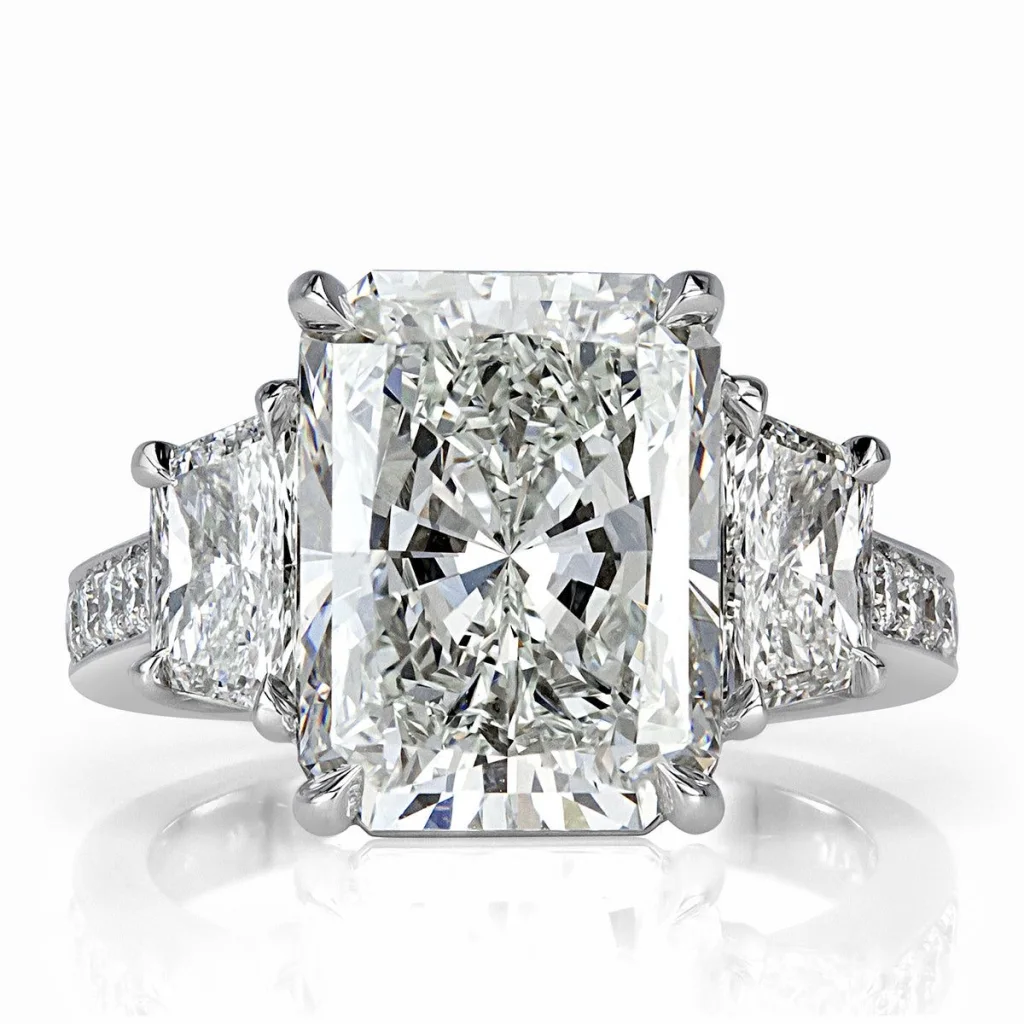 15+ Carat Diamond Price Guide: What It Actually CostsDIAMOND EDUCATION · AUG 31, 2026
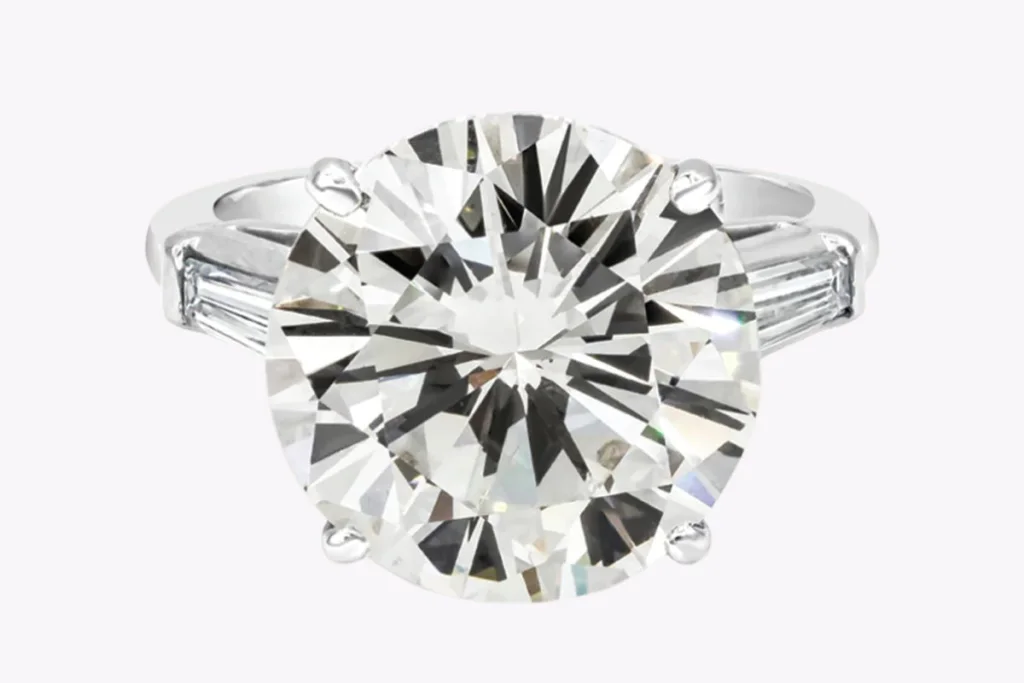 10 Carat Diamond Ring Price Guide: What It Actually CostsDIAMOND EDUCATION · AUG 31, 2026
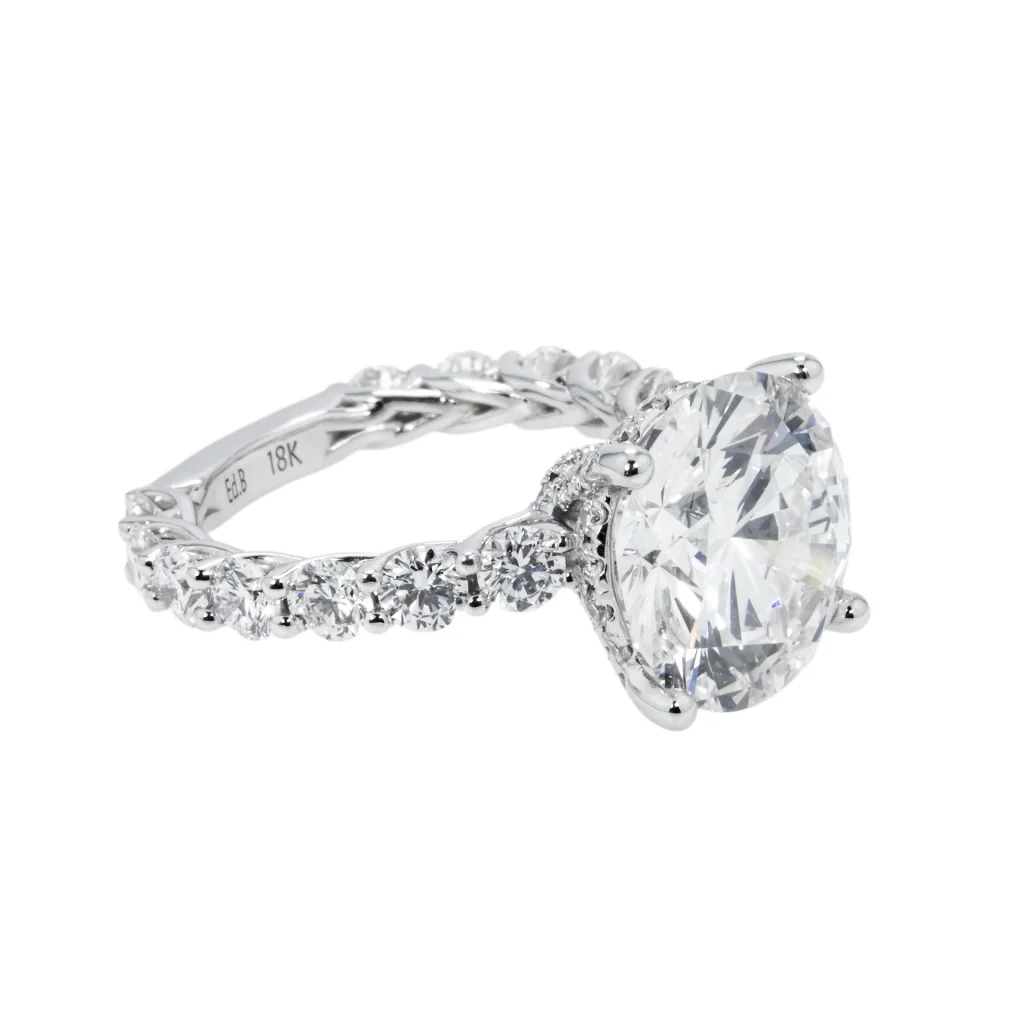 9 Carat Diamond Ring Price Guide: What It Actually CostsDIAMOND EDUCATION · AUG 31, 2026
 7 Carat Diamond Ring Price Guide: What It Actually CostsDIAMOND EDUCATION · AUG 31, 2026
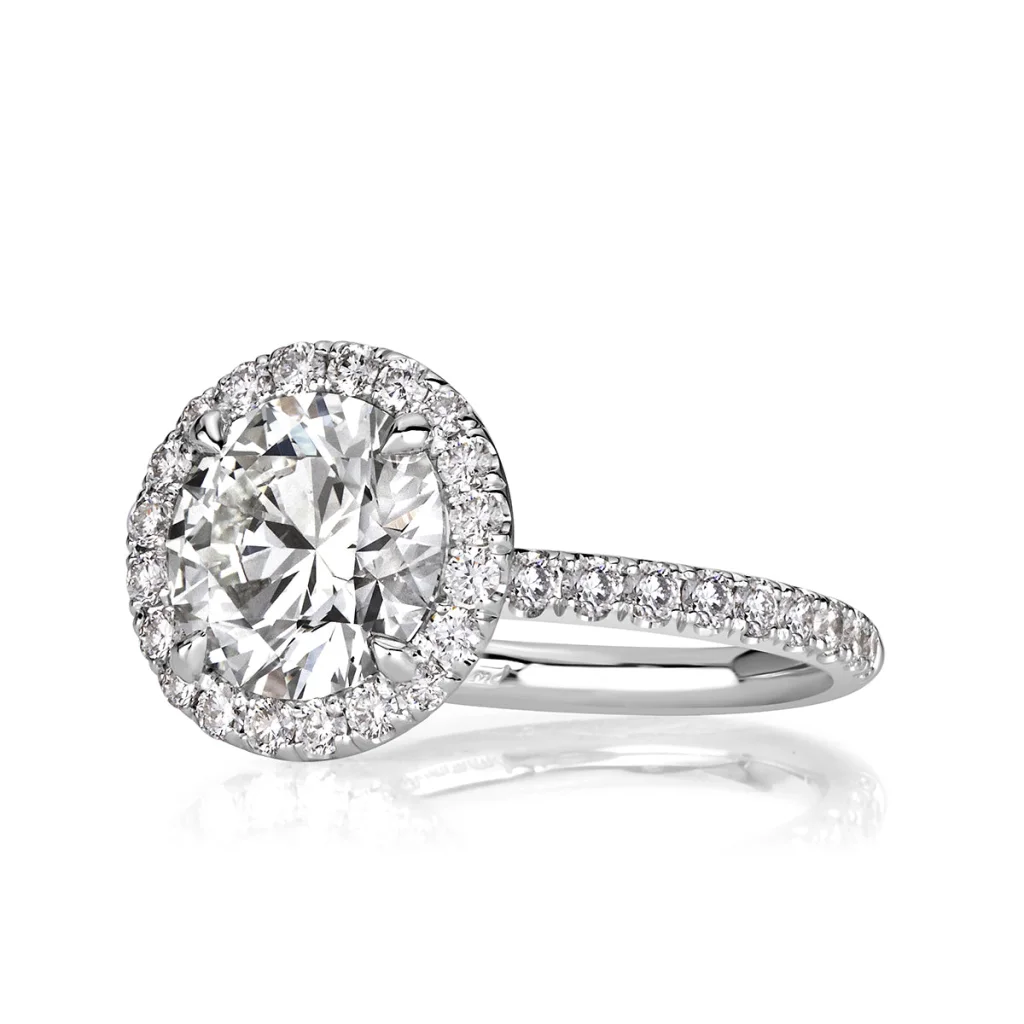 5 Carat Diamond Ring Price Guide: What It Actually CostsDIAMOND EDUCATION · AUG 31, 2026
The Vault, Continued
Every piece one-of-a-kind, every price published. Keep scrolling — the vault does not end here.