Diamond Education · The House Guides
1 to 2 Carat Diamond Rings: Where the Value Really Sits
A practical guide to where value actually sits in the 1-2 carat diamond ring market, and which compromises are worth making versus which are not.
This is the most heavily populated segment of the diamond market, which means it is also the segment where two rings of identical carat weight can look completely different to the naked eye for the same money — or wildly different money for the same look.
Why this carat range rewards informed buying more than any other
Below three carats, supply is deep enough that a buyer genuinely chooses between trade-offs rather than accepting whatever is available, which is the case increasingly at larger sizes. That choice is where value is made or lost. A 1.93 Carat Round Brilliant Statement at the same price shows how close weight and price can sit once cut quality is controlled for.
Cut and color first: the compromise that pays off
At one to two carats, an excellent cut grade does more visible work than an extra clarity grade. A well-cut diamond returns light evenly across the table and reads brighter and larger than a poorly cut stone of the same weight, while the difference between, say, VS1 and VS2 clarity is invisible to the unaided eye in the vast majority of stones at this size. Color behaves similarly: the eye typically cannot distinguish G from H color when set, particularly in white or yellow gold, but it can distinguish a shallow or overly deep cut immediately. Buyers who prioritise cut and color over the highest clarity grade generally get a more convincing stone for the same budget.
Where the ceiling comes from
Shape changes the maths
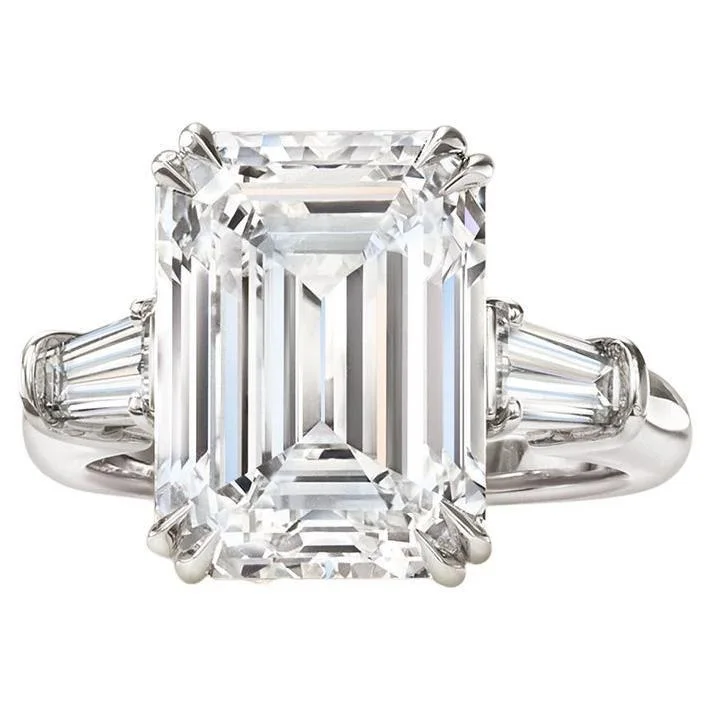
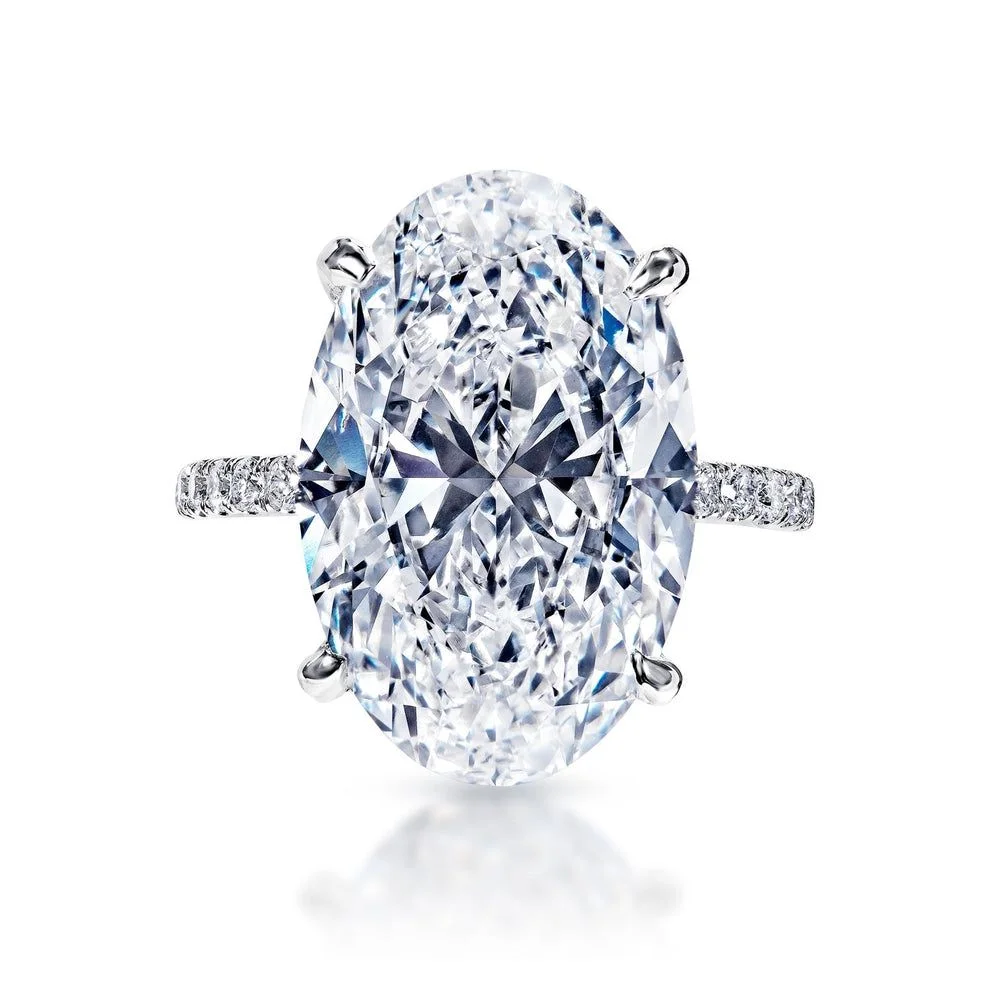
Round brilliant cuts lose the most weight in cutting and therefore cost more per carat than fancy shapes such as cushion, radiant or pear at the same clarity and color. A buyer set on maximising visible size per dollar within this range often finds that a well-cut fancy shape delivers a larger face-up appearance for less than a round of the same weight, without sacrificing brilliance. This is a genuine value lever at one to two carats specifically, because both round and fancy shapes are available in depth at this size, unlike at larger weights where selection narrows.
Certification matters as much here as at any size
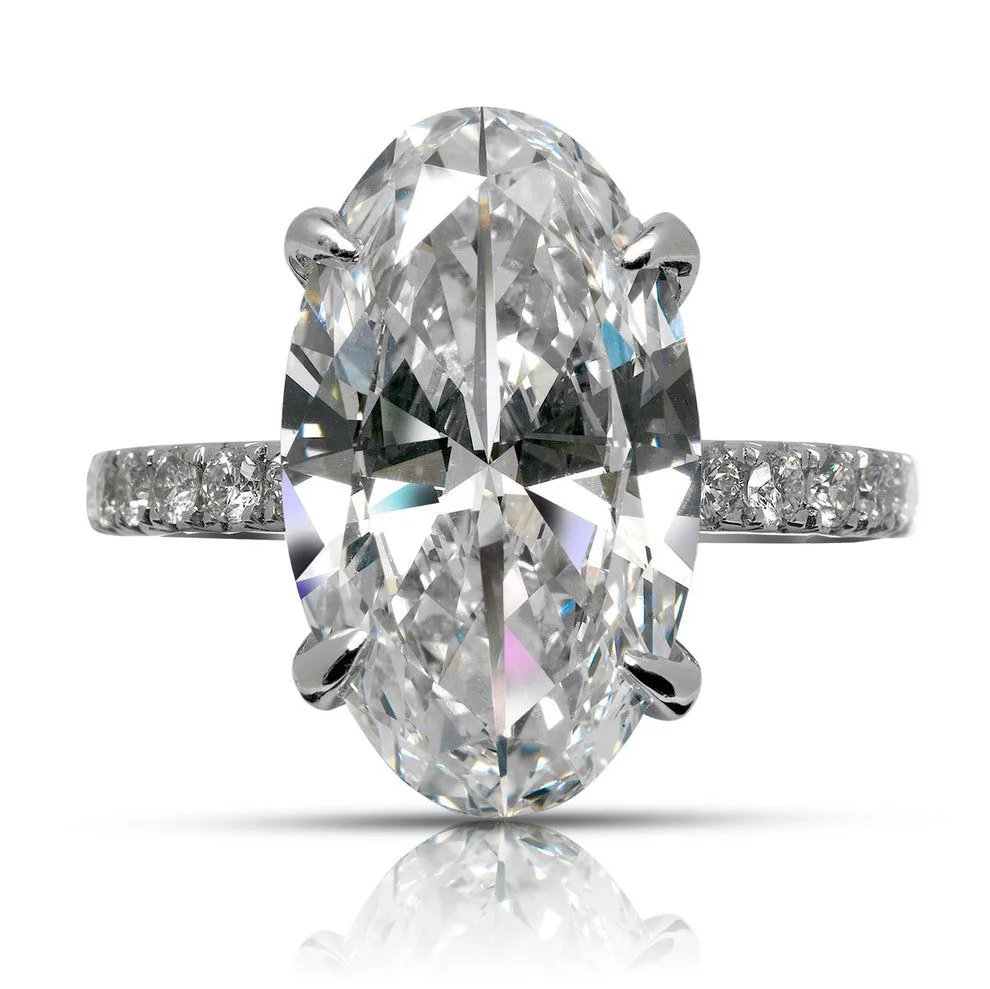
A 1–2 carat diamond without independent certification is effectively unverifiable at the point of resale or insurance, regardless of how convincing the seller’s own description sounds. Every diamond Legacy sells above one carat is independently certified through GIA, IGI or HRD, with the laboratory selectable by the client, so the grading behind the price is never taken on trust. This matters more, not less, at this carat range, precisely because so much supply exists: an uncertified 1.5-carat stone is easy to find cheaply, and just as easy to overpay for without a report to confirm what is actually being bought.
Fluorescence and other overlooked variables
Beyond the four Cs, fluorescence is a specification that disproportionately affects value at one to two carats without always affecting appearance. Strong blue fluorescence can make a lower-color stone (I–K) appear whiter face-up in daylight, which some buyers use deliberately to stretch a budget, while in rare cases strong fluorescence can give a high-color stone a slightly hazy look. It is a specification worth asking about directly rather than assuming from the grading report’s headline figures alone, since its effect varies stone to stone.
Polish and symmetry grades, listed separately from the main cut grade on most certificates, are a second overlooked lever. Two diamonds both graded “Excellent” cut can still differ in polish or symmetry, and a stone with excellent marks across all three measures will generally out-perform one that is merely good on paper, even at identical carat, color and clarity.
Setting choices and how they affect perceived value
At one to two carats, the setting does more to influence a stone’s apparent size and brilliance than at any larger weight, simply because the ratio of metal to stone is more visually significant. A thin pavé band or a hidden halo can add noticeable perceived size without materially increasing the diamond’s own carat weight or price. Conversely, a heavy, wide band can make a well-cut 1.5-carat stone look smaller than it is. Buyers optimising for value should treat the setting as part of the same budget decision as the stone itself, not an afterthought purchased separately.
Questions collectors ask
What is the best value carat weight for an engagement ring?
Within the 1 to 2 carat range, 1.5 carats is frequently the sweet spot: large enough to read clearly on the hand, while sitting just before the price jumps that occur at psychologically significant whole-carat marks like 2.00ct. Buyers with a firm budget rather than a firm carat target often find more flexibility by stating the budget first and letting the specification follow, rather than fixing on a carat number and compromising quality to reach it.
Should I choose clarity or color if I can only afford one upgrade?
Color is generally the better upgrade for visible impact within the G to J range, since color tinting is easier for the eye to detect than most clarity differences from VS2 upward. Below VS2, however, clarity can start to affect brilliance and is worth prioritising over a further color upgrade.
Why do two 1.5 carat rings cost such different amounts?
Cut precision, color grade, clarity grade and certifying laboratory can each shift price independently, and the combined effect compounds rather than adds. A poorly cut, heavily included, low-color 1.5 carat stone can cost a fraction of an excellent-cut, VS, F-color stone of the identical weight. The certifying laboratory can also account for a portion of the gap, since grading standards, while broadly consistent, are not perfectly identical across GIA, IGI and HRD. The metal and setting style add a further, smaller layer of variation on top of the stone’s own price, which is why two rings advertised at the same carat weight can still sit thousands of dollars apart before the diamond itself is even compared.
Is 2 carats a meaningful upgrade over 1.5 carats?
Visually, yes, particularly in a solitaire setting, but the price increase from 1.5 to 2 carats is typically disproportionate to the size increase because demand clusters heavily around whole and half-carat marks. Buyers focused purely on value sometimes choose 1.9 carats instead, which looks nearly identical set on the hand for meaningfully less.
Is it worth paying extra for an ideal cut grade?
At one to two carats, yes, more consistently than for almost any other single upgrade. An ideal or excellent cut grade affects how the stone performs in every lighting condition it will be worn in, while a step up in clarity or color may never be visible to anyone but a jeweler under magnification.
Legacy’s under-3-carat diamond rings collection holds the full range referenced here, including the 1.5 Carat Round Diamond Engagement Ring in VS clarity and the 1.93 Carat Round Brilliant Statement. Browse the wider rings collection, or read our guide to GIA, IGI and HRD diamond certification before you compare specifications. To see cut and color under proper light, book a private consultation.
Shop this in the collection
Ready to view now: 1 carat marquise diamond rings · 1.5 carat emerald cut diamond rings.
The Pieces in This GuideThe Vault →
From the Legacy vault — each one-of-a-kind, independently certified.
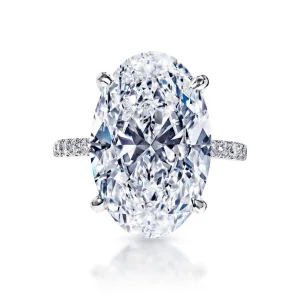
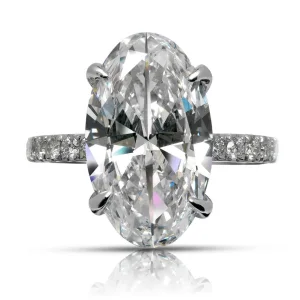
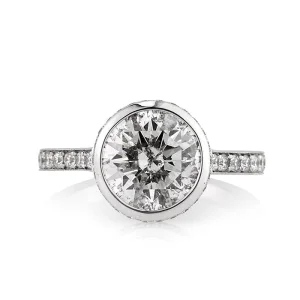
A private advisor answers on the figures in this guide — and places any piece from the vault within them, certificate first.
More from Diamond EducationAll Guides →
 Diamond Necklace Price Guide: 50 to 100 CaratsDIAMOND EDUCATION · AUG 31, 2026
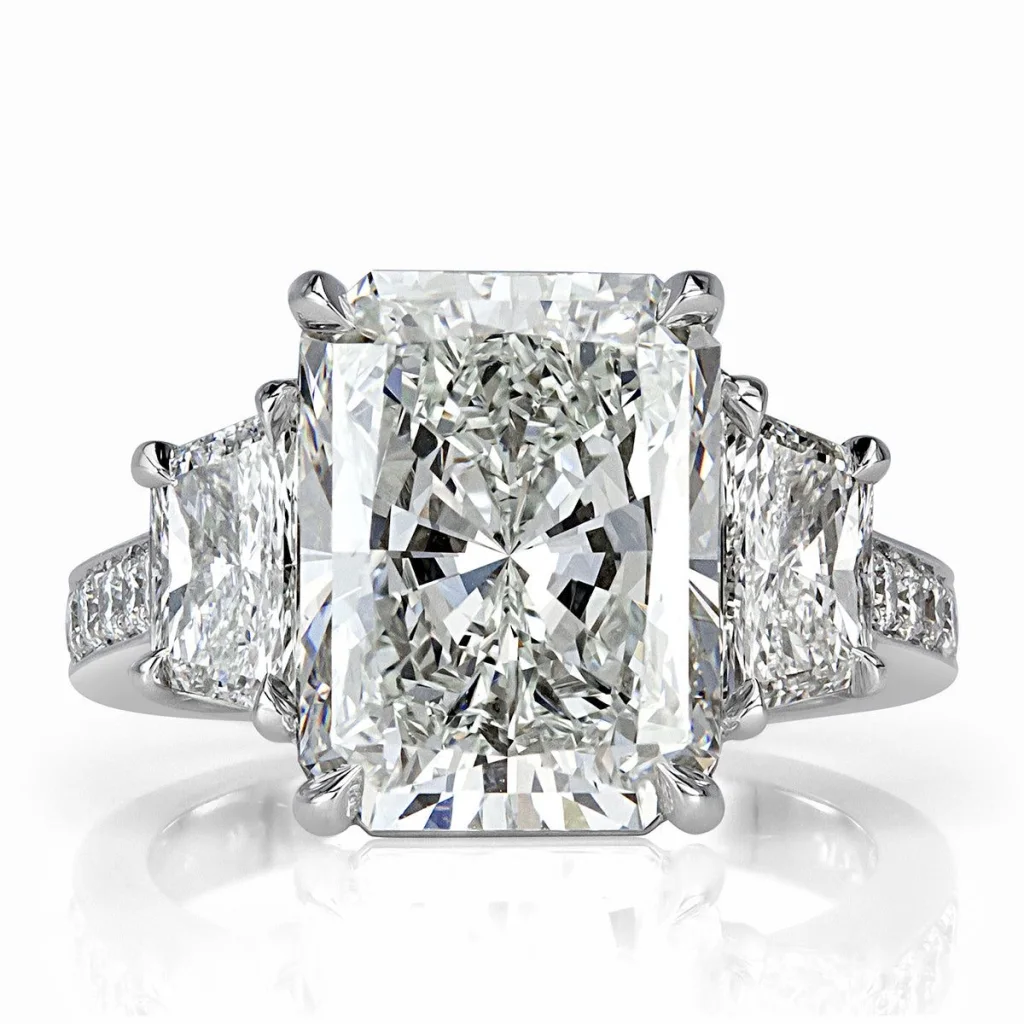 15+ Carat Diamond Price Guide: What It Actually CostsDIAMOND EDUCATION · AUG 31, 2026
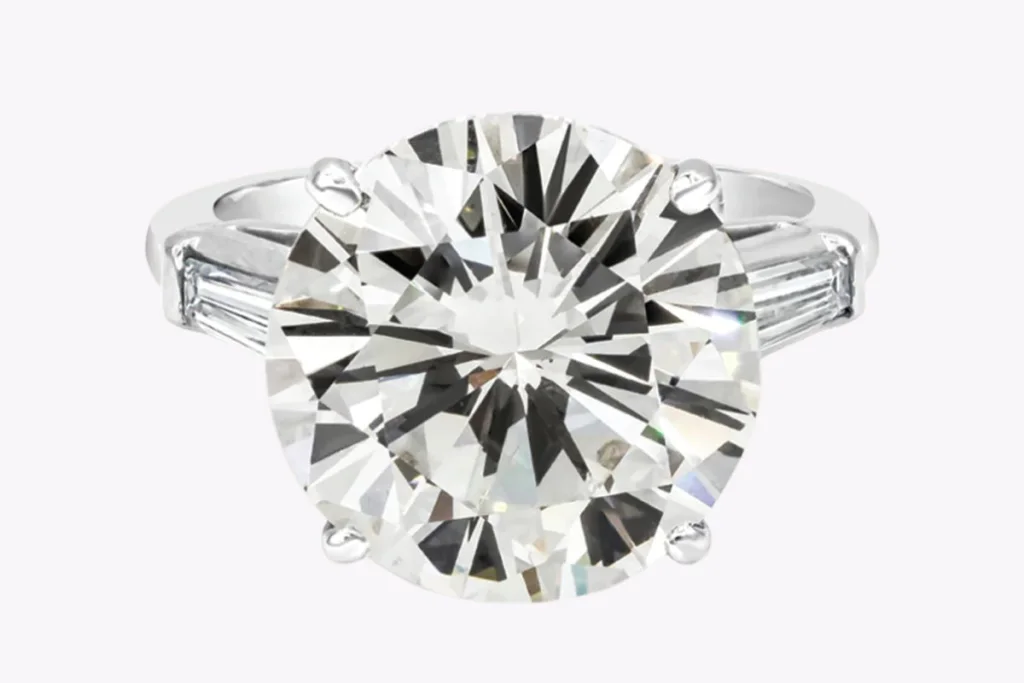 10 Carat Diamond Ring Price Guide: What It Actually CostsDIAMOND EDUCATION · AUG 31, 2026
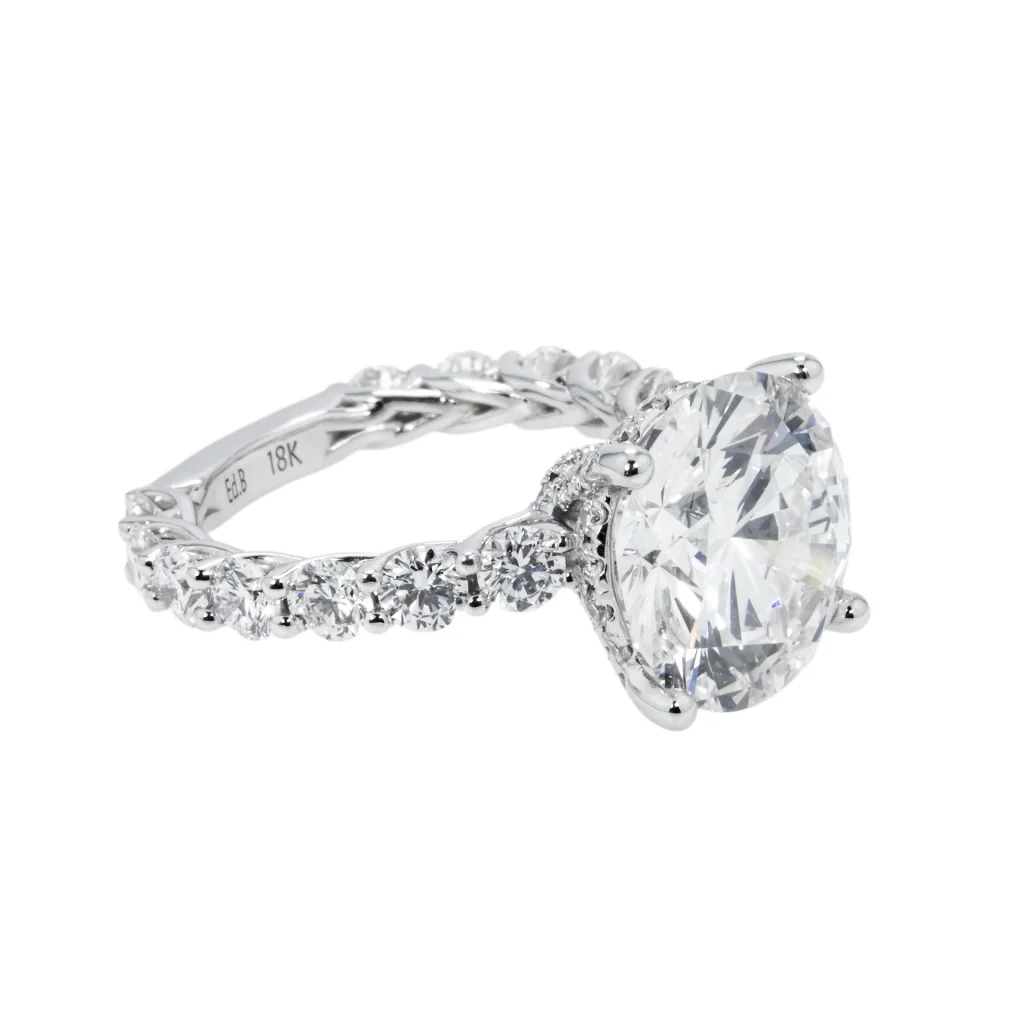 9 Carat Diamond Ring Price Guide: What It Actually CostsDIAMOND EDUCATION · AUG 31, 2026
 7 Carat Diamond Ring Price Guide: What It Actually CostsDIAMOND EDUCATION · AUG 31, 2026
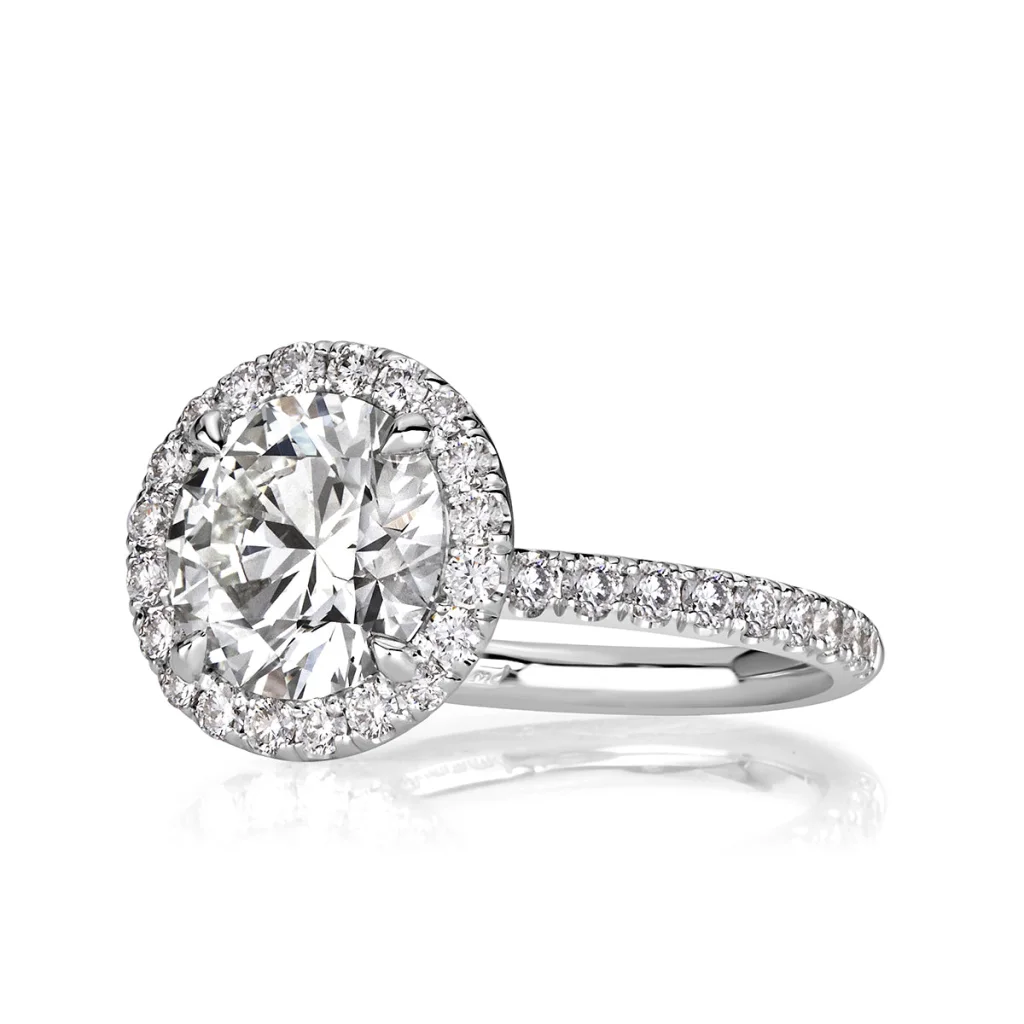 5 Carat Diamond Ring Price Guide: What It Actually CostsDIAMOND EDUCATION · AUG 31, 2026
The Vault, Continued
Every piece one-of-a-kind, every price published. Keep scrolling — the vault does not end here.